

loader image

2026

Thousand Pieces’ “Hey Man. Amen.” Gives Hope When No More Attempts Remain

Some tracks sound familiar before you’ve had a chance to get to know them. Not due to having heard them before, and not simply because they take something you’re very familiar with and use it a lot, but because they seem like they were meant for you. Thousand Pieces’ “Hey Man. Amen.” is one such track. It’s the kind of song that feels like it was a long lost classic the second it kicks in, and that’s no mean feat for a track about watching somebody self-destruct with alcohol. Thousand Pieces is the solo project of Jamie Smith, a singer-songwriter from just north of London who spent a decade playing original music with his band Toydrum before returning to songwriting under his own name. Self-taught after picking up his first guitar at 21, Smith has built his music around gritty, melodic indie rock and stories about ordinary people dealing with decidedly unordinary amounts of difficulty. Credit: @goodbrave @alexlawrencefilm @farmlocations “Hey Man. Amen.” is inspired by a friend whose repeated attempts at rehabilitation, despite support from friends and family, failed to produce lasting change. It’s an awful situation to watch unfold, particularly when you care about the person involved and have exhausted every practical way of helping. Eventually, the song suggests, you find yourself reaching for something else. In this case, that something is God. The chorus turns into a plea; a cry made once all you have left to ask for has been exhausted. What is notable about Smith is that he doesn’t use that sentiment as a chance to beat the listener over the head with an emotional response. There is no need for some epic instrumental build or a vocal that sounds like it’s auditioning for the world’s saddest montage. The guitars all sparkle and ring, the bass bounce in a gentle, melodic motional pattern, and the muted percussion provides so much room for the song to breathe. Nothing is lackluster about the arrangement, it’s just that there is room for everything to breathe, and the lyrics establish themselves gradually. It’s a subtle approach for a very touchy subject, and it works because Smith understands the story can do the talking. Something about the contrast between the warmth of the song and the substance of it works especially well. There’s no solution here, no miracle cure for addiction, no false hope of saving a loved one by loving them. The song just feels like caring when you have no idea what else to do, and Hey Man. Amen. Is a soft reassurance that the loveliest songs often have the least to say. Follow Thousand Pieces Facebook Spotify Youtube Instagram Tiktok Promoted Content About the Author

Thousand Pieces’ “Hey Man. Amen.” Gives Hope When No More Attempts Remain Read More »

Eyal Har-Noy’s “This Is Me” Makes Self-Discovery Sound Like a Rock Anthem

Becoming yourself is no easy thing. We all assume that being a person will be a breeze for the person who has to be one, but life seems to have a way of interfering. Between crushing disillusionment, the atrophy of long-standing relationships, and the mundane tasks involved in merely surviving, we tend to forget who we’re trying to become. Eyal Har-Noy‘s “This Is Me” channels this common struggle into an energetic pop-rock anthem, guitars ablaze, drums pounding, the chorus practically asking to be bellowed from the open car window. The basic message of the song is clear: We are who we are and there’s a difference. Between that and becoming who we are. Har-Noy is coming from a more fragile place. He sings of love that is leaving in the stresses of everyday living. “Stand with me, don’t fade away. I can feel you love me, but it’s lost between the day.” It’s a great opening because it doesn’t have to create some great big tragedy. Sometimes things just get too hard to hang onto, and we’re left to find out what remains. Credit: Eyal Har-Noy. For editorial coverage. Eventually, “This Is Me” begins to reveal itself more and more. Verses give way to a chorus that is based on the simple phrases “Here I am. This is me,” transforming what could have been a generic inspirational lyric into something that makes sense, given the slow pace of its evolution. The lyrics may not be revolutionary, or anything that hasn’t been thought through before, but don’t feel unwieldy either. Thankfully, the composition takes care of much of the work. Soft vocals and a subdued initial verse helps the song to build, as electric guitars and pounding drums explode into the chorus for an anthemic finish. Har-Noy’s guitar work plays a vital role in all of this; it isn’t merely used to fill things out, but becomes a second voice on the track, guiding the melody when the vocals have done their work. That function is most apparent in the instrumental section, where, with the guitar, jumps back and forth from ascending lines to more relaxed melodic passages before the song goes back to the last chorus. It feels like the music has some room to breathe instead of just having more volume for the sake of climax. When Har-Noy extends the last phrases, the guitar responds with a shimmering finish that feels like the tune is saying farewell. Har-Noy also wrote, produced, sang and mixed “This Is Me” himself, so there’s a lot of care and love behind the eight-minutes-plus track. As a result, the song feels very focused and directed. It’s not a very complex message, but it’s one that understands that confidence isn’t necessarily a breakthrough; often, you just keep going. This Is Me is not trying to lie and claim that the journey toward being yourself isn’t hard; it’s just making the journey sound a little more victorious. Follow Eyal Har-Noy Globe Facebook Spotify Youtube Instagram Promoted Content About the Author

Eyal Har-Noy’s “This Is Me” Makes Self-Discovery Sound Like a Rock Anthem Read More »

January Blue’s “Sha La La” Makes Moving On Sound Like a Summer Vacation

Getting over someone isn’t easy. Getting over someone, then watching them figure out they made a huge mistake? Well, that’s another thing entirely. New Zealand singer-songwriter January Blue sums it all up in the breezy, retro-flavored “Sha La La,” a warm afternoon of retro-pop that will make you forget for a moment that breaking up is hard to do. The song features breezy guitars, bright horns and a throwback 60’s-style doo-wop that make it sound instantly fun. It’s a warm arrangement, and you can easily imagine yourself cranking this up during a road trip with all the windows down, on the way to the moment when your ex realises you don’t need them anymore. “Sha La La” is the more optimistic flip side to January Blue’s last release “Boys Club,” flipping the coin from heartbreak to the aftermath of heartbreak in a sweet way. The narrative couldn’t be more straightforward: someone leaves, thinks of coming back but sees you already moved on. Nothing groundbreaking in that story, but the song gets how sometimes revenge isn’t in making the other person jealous-sometimes it’s just not giving a sh*t whether or not they’re watching. The retro aspect helps sell that shift in framing. Nostalgia can be a lazy way of immediately establishing personality with vintage aesthetics taking on most of the work while the songwriting falls a little short. In this case, the references just come across as more intentional. The doo-wop harmonies and upbeat instrumentation are in tune with the song’s sentiment, and the glossy modern pop production keeps this from feeling like a novelty act trying to revive the ’60s. Toby Lloyd at Tiny Triumph Recordings “Sha La La” was co-produced by Toby Lloyd with additional instruments provided by Ben Hunt and Christopher Buckland, mastered by Benny Tones. It’s the breeziness with the level of craft in the arrangement that makes the track so summery, yet keeps the narrative in the foreground. There’s also the broader context. ‘Sha La La’ is the coda of four tracks in a row that follow the same individual as they go through heartbreak and on into whatever comes next. So, that presents the song’s optimistic perspective a little more heft. Instead of just shouting that all is okay, it’s a statement of resolution for a longer process: the moment where the past is no longer the present. January Blue’s combination of retro touches, melodic indie pop, and heart-on-the-sleeve lyrics hit home especially here. “Sha La La” may not feel like anything you haven’t heard before when it comes to break-up jams, but that doesn’t mean that it can’t still be effective. Sometimes, moving on is as easy as deciding that life’s better without them and that deserves a cheer. Follow January Blue Facebook Spotify Youtube Instagram Promoted Content About the Author

January Blue’s “Sha La La” Makes Moving On Sound Like a Summer Vacation Read More »

“Feel” from Rosso Tierney: The ’90s Alt-Rock Guitar Resurrects The Awkwardness of Love in a Pretty World

There is a certain type of relationship argument, where you both know you’re talking about the same thing, but neither of you can quite believe you’re in the same universe. One of you believes everything’s crumbling; the other believes everything’s fine. Rosso Tierney‘s “Feel” gets it, as in its own way, by making that emotional disconnect audible. The solo artist’s new single is a guitar-laden alternative rock tune, imbued with a distinctly 90s flavour, embracing the big guitars and melodic punch of that decade without the nostalgia running as a personality trait. Credit: Photo by David Charles “Feel” is about connection and disconnection; about how two people can endure the same situation and come out as two entirely different people. We all get it, yeah, but that’s not the point as it avoids many relationship clichés on a guitar and praying the distortion pedal will handle the rest. The song is partly rooted in the musical history of its writer, Tierney. As a multi-instrumentalist musician who plays guitar, bass and piano, Tierney had spent years in punk bands, making DIY records and touring in the UK and throughout Europe before reclaiming his solo career. His broader influences range from glam rock and alternative to more theatrical modern acts, allowing him room to shift from melodic sensitivity to rock thrash. There’s a more intimate side to his songwriting as well, one which stems from encounters with mental health, neurodivergence, spirituality and the process of healing. This doesn’t necessarily mean all his songs are anything close to serious, but it does tell you that he’s thinking about the complex process of what it’s like to get to know yourself and those around you. “Feel” comfortably in that space, exploring emotional isolation as something to explore rather than just shout about. Rosso’s single was produced by Sam Graves (Asking Alexandria “The Black”) and mixed and mastered by Joe Graves, is about to release an aim of a smooth, cinematic sound that isn’t forsaking its rock roots. “Feel” isn’t reinventing alternative rock and it doesn’t have to. The hook is that in a way, that is what the band does, by having a common, knuckled-up sound, which they use to delve into a common and eternally irritating human circumstance. You can have two people who love each other and still not understand where the other is coming from. All you can do is turn the guitars up and hope someone listens. Follow Rosso Tierney Globe Facebook Spotify Youtube Instagram Tiktok Promoted Content About the Author

“Feel” from Rosso Tierney: The ’90s Alt-Rock Guitar Resurrects The Awkwardness of Love in a Pretty World Read More »

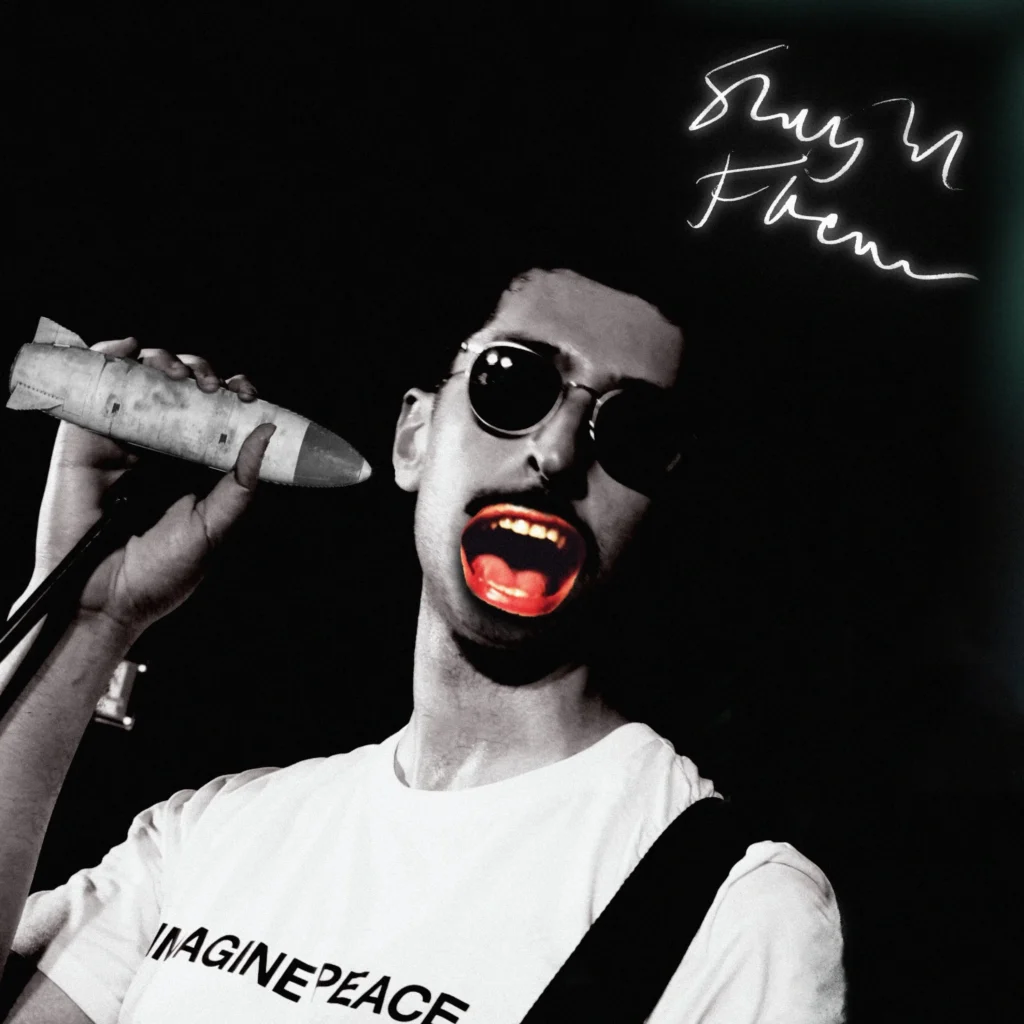
Sheykh Forever’s “Fire in the Master’s House” Turns Political Pain Into a Groovy, Twisted Fever Dream

There is something strange about dancing to music about war. It is not that the two should not go together, rather that so much of what you are dancing to often couldn’t care less about the lyrics as long as that bass is pumping. Coupling a furious rhythm with a groove trying to get out of the room and your body won’t stop to ask you what you are supposed to be doing. Sheykh Forever understands this. On Fire in the Master’s House, Iraqi-born, London-based musician Mostafa Al, a long-standing alternative musician, pairs disco, funk, heavy rock and distorted electronic pop to sing about war, exile, propaganda and survivor’s guilt. It is an album that draws you to dance despite the fact there isn’t anything more than the most desperate of songs about the horrors of war. The trick, as it ever was. Written, produced, mixed and mastered at home over four years, 14-track LP has the feel of a dance floor caught in a very strange dreamscape. As much as the pop melodies are accessible, the sensation there is something lurking just out of sight to jump out and catch you unawares. The mixture of vintage equipment and digital production gives the music a slightly mangled feel, like a road trip into the future only to find that it is having a bad day. Displacement and home echo through the album, opening with ‘I’m Your History’. This is not a collection of hollow political sloganeering wrapped in a couple of “important” buzzwords. The songs dissect what it means for history to make your life the way it does, no matter how little control you have over it, whether home is somewhere you can return too or carry with you even when the world has other plans for you. ‘Ghosts!’ and ‘Same Disease’ carry this a step further into how violence and trauma echo long after everything else has moved on. History is not a thing of the past, it continues to cause collateral damage, passing it down through the generations and into people, families and communities. There is a feeling that runs through the album that history is not a completed piece but a collection of clutter in a room that people continue to attempt to organise. What is great about Sheykh Forever is that he does not follow the “musical funeral procession” with all of this, which would be the easy way out. But, on Fire in the Master’s House he finds something more interesting in the juxtaposition of darker themes with irresistibly engaging grooves. ‘Sleeping Dogs’ and ‘Run for Cover’ are prime examples. Their driving rhythms refuse to stop, even as the lyrics imply that whatever you are fleeing from isn’t all that different to what you are running towards. Very, very groovy, sure, but there is a sense of wrongness lurking just underneath the surface. It can make you want to dance, but whether you should feel good about it is a whole other matter. That is what makes the album’s combination of disco, funk, rock and electronic music so effective. Dance music is not always about losing yourself. Sometimes it is about fighting. Sometimes it is about holding on. And sometimes you have to keep moving forward because stopping means facing all the things that you have spent your life running away from. Sheykh Forever leaves the door open for all of that without preaching to you. The production only adds to the feeling of uncertainty. Some tracks wander from sparkling pop to more aggressively electronic noise, with odd textures occasionally creeping in to distract from the danceable grooves. The album never settles into the expected formula of heavy lyrics over happy music, instead holding on to keep you hooked while refusing to make you entirely comfortable. Comparisons to Nicolas Jaar, Blood Orange and the Bar-Kays go some way towards describing the album’s mix of electronics, pop and funk. But Sheykh Forever’s finest hour comes when the influence of these artists ceases to matter and his own voice takes precedence. It is not just a collection of inspiration, but rather a utilisation of these influences to create a universe of his own. That air of looseness can sometimes make the album feel slightly disjointed, but it works for the subject matter. Grief, anger, guilt and fatigue sit with the desire to survive. Not everything has to make some great statement when the music can evoke pain far better than any words ever could. In the end, Fire in the Master’s House does not allow war and displacement to be reduced to a distant concern wrapped up nicely in a song. It is haunted by history, memories and the inherited trauma and guilt that lingers on. It is not an easy way out and the album is not trying to con you otherwise. Sheykh Forever has created an album that burrows into you before you have had time to get to grips with it. The grooves draw you in, but the darker edges remind you of the layers beneath. Funky, unsettling and at times disorientating, its energy is not rooted in a desire to escape but one to keep on going. The world is on fire. The music’s still playing. What you do with the contradiction is up to you. Follow Sheykh Forever Globe Spotify Bandcamp Instagram Promoted Content About the Author

Sheykh Forever’s “Fire in the Master’s House” Turns Political Pain Into a Groovy, Twisted Fever Dream Read More »

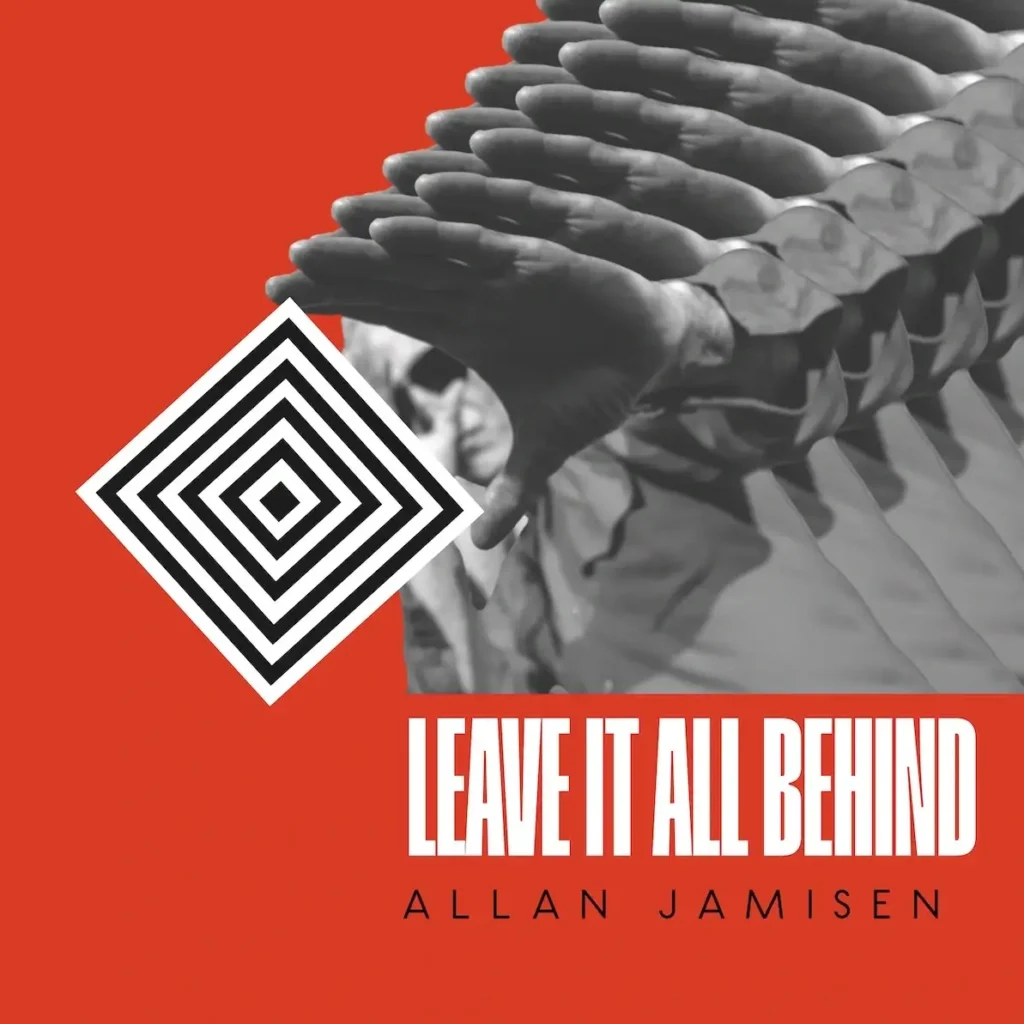
Plot Your Escape With Allan Jamisen’s “Leave It All Behind”

Singing about leaving all things behind is easy, but making it all sound just like that is not. And Allan Jamisen managed to make his latest single Leave It All Behind sound so good that you actually start forgetting that doing it is not always as easy as it seems. Behind this work is a Phoenix-based composer and painter, whose status as an outsider artist translates into his music as well. Instead of favoring one style and leaning back on it to create his music, Jamisen draws inspiration from a vast array of different artists, such as Burt Bacharach, Bee Gees, and Frank Sinatra. All of these influences can be heard in his latest work, which is as much about leaving a stale life as it is about reinvention and finding something new. There is an underlying cinematic quality to the production, which pairs with the retro sensibility that gives this music a film-noir kind of vibe. One would expect a big, bold anthem about breaking free from all chains and a full-throttle chorus about starting anew. But Jamisen finds intrigue in the ambiguity of the setting. And every time the chorus reminds us about leaving it all behind, it does not sound as exciting and rebellious as one would expect. Instead, it is an open mystery that drew me in with its intriguing approach. And maybe that is the point, really. Because as much as I like getting lost in the intrigue of the story, there is no doubt that you cannot outrun yourself for too long. And as you start leaving things behind, you will have to contend with the emptiness of the void. If you are in the mood to get away from it all for a moment, I suggest you give Allan Jamisen’s Leave It All Behind a listen. Follow Allan Jamisen Instagram Spotify Promoted Content About the Author

Plot Your Escape With Allan Jamisen’s “Leave It All Behind” Read More »

Aditi Babel’s “Persona Non Grata” Finds Heartbreak in the Messy Business of Leaving

We are cruel to heartbreak. Even when you realize it was never meant to be, no one can take away the moments, the memories, that unwelcome “forget why you’re crying over it.” moment of “maybe I’m missing them” heartache that you shouldn’t feel. “persona non grata” by Aditi Babel turns a toxic relationship into a gorgeous, haunting pop ballad in which every detail is perfection. The phrase “ice in the desert” and “salt in a lake” that emerged from the Great Basin Desert gives the song its miserable feeling of being in the wrong place. A poetic way of saying, “you know you have to go, but you can’t seem to leave.” Babel definitively establishes that visual with the line, “I never thought we’d be stuck in Nevada,” which let me tell you, sounds much better than lines that are trying to be poetic, but have the opposite effect. The desert comes into focus. Somewhere it exists, where good memories get left behind, and leaving is more than just your back. The piano is unpretentious, more liberated (there’s space for it, it doesn’t smother Babel’s singing or drain the vitality out of the tune) and so lets the strength of the music build rather than flatten out into inept melodrama. The bridge, which shimmers into a sweet little piano waltz, is gorgeous. It rekindles the old happiness, defiantly denouncing the myth that you can’t leave the last partner if they were cracked all along, that sometimes you mourn something that was good once. That delicate delivery keeps Babel from so much as edging into mawkish territory. Babel’s singing kind of at times enters the ‘cursive style’: while vowels are held out just a little too long at several points, a couple of lines come off a tad clumsy. However, that’s a small quibble in a song so carefully composed otherwise. There’s nothing particularly novel here in “persona non grata,” nor should there be. The album’s imagery, its tune, its perfect arrangements; there is a special kind of decadent agony when you know you have to leave but still miss what you leave behind. Babel gives it all as much space as he wants to take. Follow Aditi Babel Globe Spotify Youtube Instagram Promoted Content About the Author

Aditi Babel’s “Persona Non Grata” Finds Heartbreak in the Messy Business of Leaving Read More »

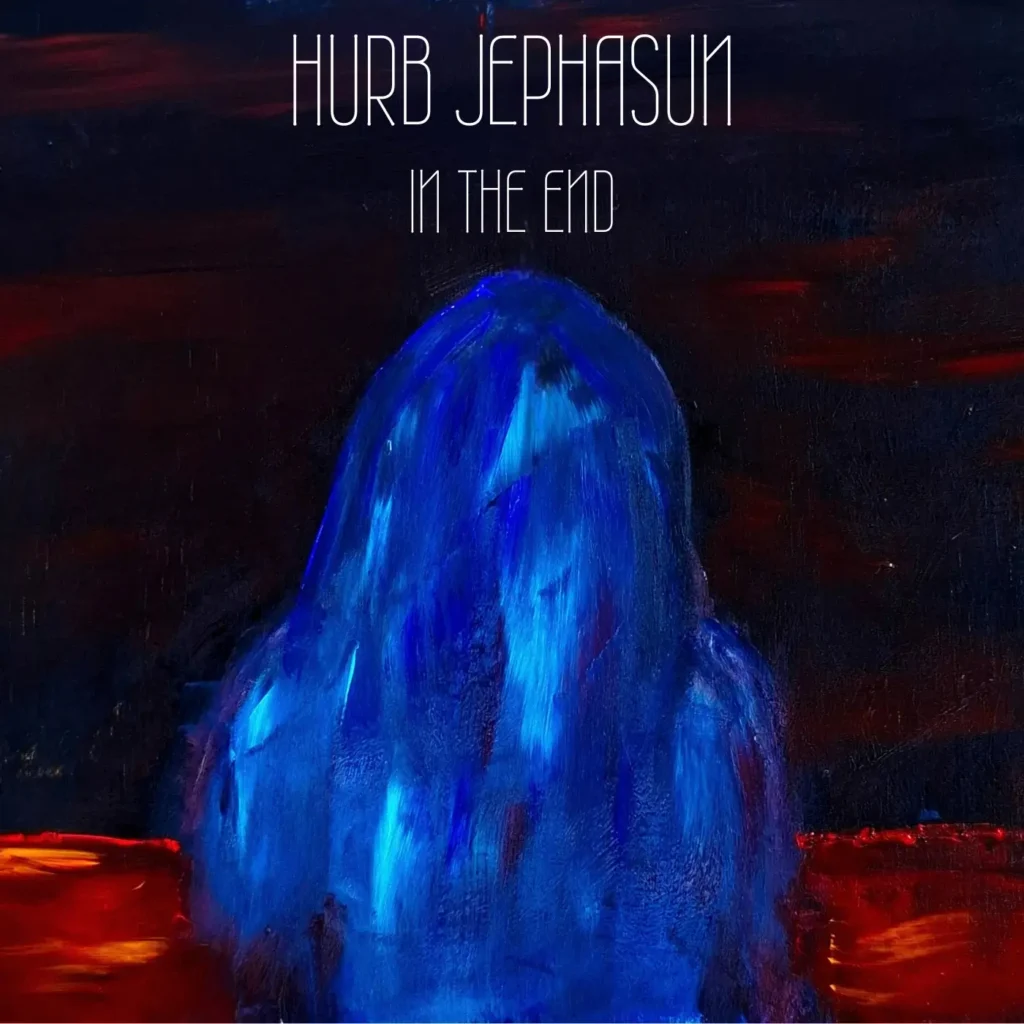
Hurb Jephasun’s “In The End” is Almost Convincing on How a Slightly Trashier Life Is Good for You

Music is so heavily programmed these days, you can almost hear the tick of the clock in every studio minute. Breaths are erased, vocals go through auto-tune until they sound like something from the lab, and each tiny blip and glitch is taken straight to the editing room for interrogation. Australian outsider-art musician, Hurb Jephasun, however, isn’t afraid of a few blips. His new four-tracker, In The End, is stripped, piano-centric and refreshing in its resistance to the idea that music must be perfect to be powerful. Jephasun was raised in the Australian outback. One television station, no internet, one piano. Not the best of backgrounds when it comes to a TikTok career, but perhaps a good beginning for a musical existence that doesn’t require an algorithm to tell the tune. After finding his way into Sydney’s underground music scene in the ’80s and ’90s, he is now based in Perth, where he fronts The Polite Society, plays keys for The Beautiful Losers, and records under his own name. He paints as well – perhaps even more so than it may seem. Heavy black lines, bold colours and haunted eyes fill Jephasun’s canvases. The same principle applies to his music: do not mask the blemishes that occur while creating. That’s the idea behind In The End. You can feel the space around the performance. It’s permeated with breaths, Jephasun’s voice quavers here and there, and the piano has enough heaviness to anchor itself in the mix. Nothing’s brushed flat into an amorphous, rubbery blob. Now, rough isn’t always ready-made. You could sing through a bent paperclip in a second-story bathroom with a fan on and label it “the unpolished soul.” That might be a joke that makes you chuckle, but it won’t make your audience. But there’s a certain art to working that into the music so it’s not just styleless. In that way it adds intimacy to the record that slick production would have possibly cost. Jephasun isn’t talking to you, he’s asking you to sit in. “Lost” kicks off with a soulful vocal entwined in a guitar onslaught of piano chords. A slow build, it has a real ’90s alternative feel and doesn’t come across as a throwback. The opening chords of the album’s title track and Jephasun’s vocals. “Pray” creates space for the piano and swells before rocking back into the depression of whatever deep pain you have to get rid of. It’s the sort of record you want to loudly sing along to, regardless of whether you have any clue what emotional baggage you’re shedding. “The First Time” ends the EP in this same familiar bleak heaviness. Jephasun’s four tracks remain concise, the sparse production revealing itself without comfort of effects or reverb. His paintings offer background; in expressive painting, a brush stroke is not always a mistake, but rather the emotion. In The End, he treats the crack in the voice, the slightly imperfect note in that way as well; the imperfections do not undermine the music, they affirm its truthfulness. There’s a personal element to this, as well. Jephasun spoke of fighting imposter syndrome and coming to terms with the respect shown by the musicians he’s played with. After years of playing in bands and doing other work, putting music out as himself allows him to carve his own space. This is what makes In The End so much more effective as an overproduction retort than as a protest. It’s not saying loud music is more valid, or every stumble should be cheered. It’s just saying art should be more than this. Some imperfections are just imperfections. While Jephasun doesn’t lean on it, perhaps he can take his one step further and give our rough edges a role to play-by sharing his voice, his piano, and his environment in the same shot. In The End doesn’t need to be embarrassed of its flaws to be effective; it just needs to let them breathe. Follow Hurb Jephasun Spotify Bandcamp Instagram Promoted Content About the Author

Hurb Jephasun’s “In The End” is Almost Convincing on How a Slightly Trashier Life Is Good for You Read More »

Sheldon Mashugana’s “Monster Mash” Knows Halloween Is Better When You’re a Little Ridiculous

Halloween is all about dressing up, decorating with fake cobwebs and celebrating things that would normally scare the life out of you. So it makes sense that Dallas performer Dean Morgan, better known as his comedic alter ego Sheldon Mashugana, would take on Bobby Pickett’s “Monster Mash.” Released in 1962, the original has spent decades making monsters sound like the life of the party. Mashugana’s cover brings that same goofy energy to a new generation of Halloween fun. Morgan has released 18 slapstick comedy films on YouTube under the Sheldon Mashugana name, making this single a natural extension of his character. The biggest change is the addition of “Mashugana” to the chorus, giving the familiar song a personal twist. It’s hardly a radical reinvention, but not every cover needs to be. Nobody’s waiting for a nine-minute post-rock version of “Monster Mash.” Well, probably nobody. The idea is straightforward: “Monster Mash” is already a Halloween classic. A more ambitious arrangement might have added a few surprises, but it could also have distracted from the fun of hearing a familiar song filtered through a distinct comic persona. Morgan initially struggled with the song’s pacing before finding a vocal approach that felt right. It’s a reminder that even silly performances take some work. Comedy depends on timing, and singing a song you know by heart isn’t always as easy as remembering the words. The cover was recorded at Justin Pierce Music studio in Dallas using a karaoke backing track rather than live instruments. There’s also something refreshing about a project that knows what it wants to be. Mashugana isn’t trying to reinvent Halloween music or prove that every cover needs to be groundbreaking. Morgan has long enjoyed Pickett’s original, and this release gives him a chance to bring that affection into his own work. It also fits Morgan’s goal of making people happier amid the stresses of everyday life. There’s plenty to worry about already, and entertainment doesn’t always need to deliver a grand message. Sometimes, a little familiar nonsense is enough to brighten someone’s day. This cover probably won’t replace Pickett’s original as Halloween’s unofficial theme song, but that’s not really the point. Sheldon Mashugana has joined the monster party, worked his name into the chorus, and made himself at home. The monsters are dancing. Nobody needs to overthink it. Follow Sheldon Mashugana Globe Facebook X-twitter Spotify Youtube Instagram Tiktok Promoted Content About the Author

Sheldon Mashugana’s “Monster Mash” Knows Halloween Is Better When You’re a Little Ridiculous Read More »

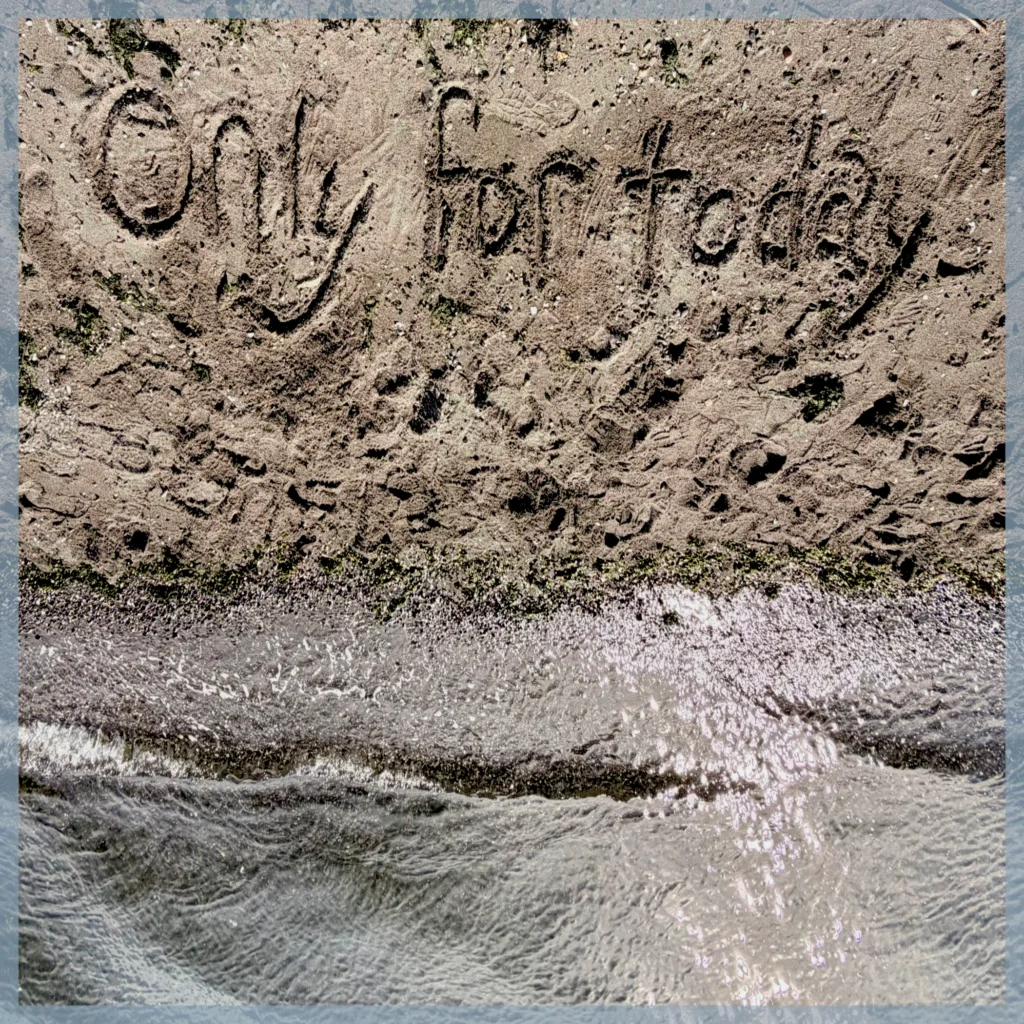
Map of the Woulds’ “Only For Today” Takes Chaos and Puts a Spin on it

Sure, if you really think about it, everything… comes crashing down. Houses deteriorate, promises go out of date and everything you swore could last forever is short-lived. Map of the Woulds “Only For Today” hangs that bleak concept with music that would rather get you on your feet then quietly reflect on the brevity of life. The Seattle band plays angular rock, gloomy jazz, odd ballistics, and that occasionally satirical funk. “Only For Today” combines all of them and, while still pointing in a single direction, doesn’t become too complacent about itself. It incorporates an influence from King Gizzard & the Lizard Wizard in the sense that the grooves of the song approach the unknown but never fall apart completely. Like that band, Map of the Woulds makes a song more of a street full of twists and turns than simply a straight line. The thing is, the humor ‘Map of the Woulds’ seems to emanate from the entire enterprise. “We’ve always felt that the music is a space where everything is fair game, as long as the part, the mood, the meaning, is on point,” the band says of the song. That could be a way to rationalize whatever all-manner-of-ideas are thrown together and labeled “experimental,” but the song’s kaleidoscopic structure provides some solid structure for the strangeness to go. Still, it’s this very conceit that the song refuses to turn it into a prayer of mourning. Its hustle and bustle gives it a sort of odd sheen – it’s as if to say, look, to accept the fleeting is to accept the chaos as well. The calculated layers and the offbeat pacing all help to keep that tension afloat. There’s a lot to dig into here, but the song doesn’t require homework. The band was formed in 2019 by Woody Frank on guitar and vocals, Andrew Woods on bass and vocals, and Adrian Woods on drums and vocals. They play as a trio because that is the most flexible formation for music requiring sudden shifts in momentum. “Only For Today” has no answer to the question of life falling apart at every turn. But it does remind us that in the moment, for that minute, the noise can be appreciated. Sometimes, that’s enough. Follow Map of the Woulds Globe Spotify Bandcamp Youtube Instagram Soundcloud Promoted Content About the Author

Map of the Woulds’ “Only For Today” Takes Chaos and Puts a Spin on it Read More »