
loader image

November 2025

Steve White & the Protest Family’s “Evidence-Based Punk Rock” LP Is Punk in All Its Meaning

In my years of reviewing and critiquing music, I always fumble on the question, “What is the meaning of punk music?” Some say it’s loud and unapologetic music. Others would say it’s about being different, and I can say, it’s all correct. Let Steve White & The Protest Family’s latest LP, Evidence-Based Punk Rock, help you understand what punk music is a little bit closer. ‘Put Up Shut Up Britain, Part Six’ is the perfect intro song because of its lyrics, ‘Welcome to Put Up Shut Up Britain’. It perfectly introduces us to that 70s-’80s raw and gritty punk. The sound that paved the way for a lot of music today. I love the bold selection and the overall sound. It took me back to my younger years of discovering bands like The Clash, Sex Pistols, and a lot more.  ‘The Jolly Capitalist’ has this punk meets blues them to it because of the chord progression, blues bassline, and the melodical progression. As you can see in this type of music, it’s not about high pitch or how melodically good a song is; it’s about the lyrics. The track touches on how messed up the system is by introducing a fictional character named Nick. What I love about OG punk rockers is how they bend their sound to their liking. ‘Oh, Noah’ is a prime example of that. The overall feel of the song has an easy-going, radio-friendly feel to it. If you try and compare it to the previous tracks, it’s different, and that for me is punk. The ‘I don’t care about it’ attitude, which is humbling at the same time, is really cool.  ‘The New Austerity Inn’ continued with this radio-friendly overall tune but has a real sharp political commentary lyricism. It’s filled with metaphors that can easily turn that happy feeling into something really profound and, to some, disturbing. It’s evident in phrases like / You can’t have it if you can’t afford it / It was just like this with George in charge / A bloke at the bar says he voted Farage / And Rachel shouts “Now we’re in charge.” ‘Dark Clouds Over Clacton’ is another prime example of that ‘I don’t care about my sound’ attitude because this is an a acapella track. Yes. Acapella. How cool is that! However, underneath that relaxing tune, the track is loaded with political commentary lyrics that, to be fair, balance out the overall tune.  What I love about ‘Maria’s Housemate’ is that Steve White & The Protest Family have yet again shocked me and decided to create a country song. The track started with the ukulele progression, then advances with this country drum beat accompanied by that rich chord progression from the guitars and bass. We are six tracks in, and we’ve already had three genre changes in this album, and to be perfectly honest, that’s very rare in today’s musical landscape. Steve White & The Protest Family is punk in all its meaning.  ‘A Single Tin Of Beans’ has this bluesy/folk theme because of the bass line and the overall song progression. As a music reviewer, skills are one, if not a prerequisite, when it comes to creating music. You need to be skilled enough to express yourself with music, but what fascinates me is the amount of creativity Steve White & The Protest Family has. Imagine juggling from different genres just for the fun of it. If you listen closely, you’ll hear that Steve White & The Protest Family sound, but creating it in a different genre is a different skill on its own.  ‘Five A Day’ is geared towards that 80s punk but has that swing feel to it because of its song structure, but in Steve White & The Protest Family fashion, the lyrics talk about emotional exhaustion because of the political system. ‘The Poppy And The Cross’ is the group’s anti-war stance delivered with a country feel. By now, you can already assess the contradiction between the music and the lyrics, which made this album a good listen. The contradiction is uncanny; you have to listen closely to really hear what they mean.  Evidence-Based Punk Rock by Steve White & The Protest Family ‘Tanks And Guns And Cans Of Beer’ has this sway feel to it because of the song structure, but a clear protest against the exploitation of the working class, while ‘47’ is a clear political commentary on Donald Trump. And lastly, we have ‘You & Me Vs. The Billionaires.’ A commentary about the masses vs the ultra-rich.  Steve White & The Protest Family’s latest LP, ‘Evidence-Based Punk Rock,’ is an album that needs to be heard by the masses. It’s rich with subgenres, political commentary, and conversations that we need to address not just as individuals but as a collective. At the end of the day, Punk was created to shock the system, and this Album did a job well done.  Follow Steve White & The Protest Family Globe Facebook Bandcamp Youtube Promoted Content About the Author

Steve White & the Protest Family’s “Evidence-Based Punk Rock” LP Is Punk in All Its Meaning Read More »

Mercy Kelly’s Latest Single, “Out in the Night,” Is the Alternative We Need

At some point in time, we would agree that the majority of mainstream music that comes out can be a hit or miss; that’s why we turn to the alternative. The indie sector. Let me introduce you to the newest addition to your indie playlist. Meet Mercy Kelly and their latest single, ‘Out in The Night.’ ‘Out In the Night’ started with this melodic guitar riff that perfectly created this alternative indie that has a touch of bands like The Killers and Kings of Leon, just to name a few. What I find interesting in this track is its touch of that new wave jauntiness, but at the same time, that emotional heaviness, all because of how good the arrangement and how good the instruments were layered with one another. You can pinpoint which is which if you listen really closely.  The vocal mix has a bit of that airy effect to it that perfectly suits the new wave meets alternative rock vibe. I have to give props to that chorus hook. It’s short, but it’s catchy and it’s perfectly elevated. A lot of new artists tend to make the mistake of re-arranging the chorus to have the same feel, but for me, the key to a really good song is its chorus hook and how you can make it catchy, and yes, the chorus hook in this track is immaculate.  Mercy Kelly’s latest single, ‘Out in The Night’ is a great addition to your indie playlist because of its raw and unapologetic approach to music. In a time where electronic beats and music are the hip, we have Mercy Kelly, re-introducing us to what should be the alternative.  Follow Mercy Kelly Globe Facebook Twitter Spotify Music Instagram Tiktok Promoted Content About the Author

Mercy Kelly’s Latest Single, “Out in the Night,” Is the Alternative We Need Read More »

neptune blood’s “A Quiet Riot Inside” feels like a memory and a real-time scene

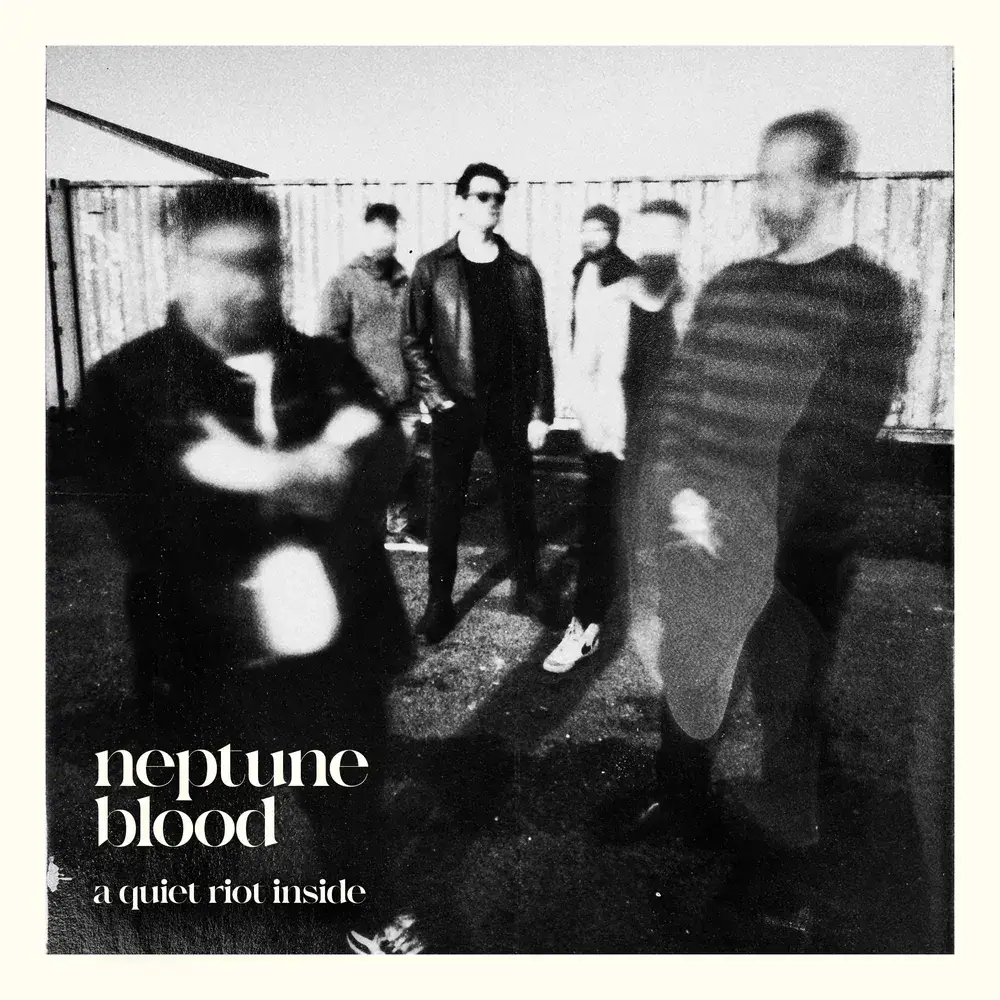
Some songs feel like a throwback, while some strive to sound entirely new. But there are a few cuts that embody both, like neptune blood’s debut EP, “A Quiet Riot Inside.” And it’s the kind of record that feels like a memory and a real-time scene at the same time. neptune blood is a band from Limerick City, Ireland, consisting of Ronan Mitchell, Manolis Pates, Shane Serrano, and Damien Moore. They’re now back on the stage with a four-part EP A Quiet Riot Inside. Recorded with Ben Wanders (Kneecap, The Scratch, Kingfishr) at Wanderland Recording Studio, they throw you into a retro warmth that’s familiar without being predictable. Midnight Showing opens like an indie zine poster slapped on a lamppost near the cinema with edges starting to curl up. Think of a classic film grain being put into sound through soft distortions and boxy, crisp percussions as the airy, reverbed vocals widens the space it created. But there’s this undeniable sound brooding underneath the fuzz, the unsettling tension from the Black Dahlia case. It sits between uncomfortable truth and nostalgia, bruised like a Hollywood dream in an old, dusty newspaper where glamour and tragedy is written on the same page.  Best Laid Plans starts with, “there’s a quiet riot inside,” and it indeed sounds like one. The bass pulses, the riffs scratches, the drum hits are tight, making sure you feel the tension of sitting between restraint and adrenaline from its industrial psychedelic layers. At some point, it flips the whole saying, “if you fail to plan, you plan to fail,” arguing that even the best laid plans can slip through your fingers once life decides to shift and swing. In Calico has that teenage summer-like sound with bright, jangly layers, the kind song that feels like a borrowed youth you’ve never had. This is the kind of nostalgia that goes beyond mere remembering. The peaks and the bittersweet? You’ll feel it in your bones. The hope towards something better and brighter? You’ll also hear it in every note. The band gives you memories and possibilities as they sing “the worst is still the best you’ve ever known.” The EP wraps up with Huge If True, and it definitely rings like closing credits for every song that came before it. The vocals enter with an AM-washed, compressed filter before it transitions to something hazy and cinematic. One moment it’s slow, one moment it pulses, the kind of ending that’s unguarded, honest, and whole.  One thing about A Quiet Riot Inside is how nostalgic and new it feels, each track could live an old tape or a static-filled radio as much as it belongs to bluetooth speakers and Spotify playlists. Aside from their sound, their lyricism goes beyond the surface. They’re not here to do clichés, lazy tropes that most do and they’ll never leave you with something that’s less lived in. Their songwriting will always be personal and full of traces of life.  Overall, neptune blood’s A Quiet Riot Inside nods to early 2000s indie spirit but it doesn’t entirely live in that, giving you something sharper and refined that fits entirely in the present day cut scene. Follow neptune blood Instagram Soundcloud Spotify Promoted Content About the Author

neptune blood’s “A Quiet Riot Inside” feels like a memory and a real-time scene Read More »

“Rebirth” Is Frankly, a Rude Track

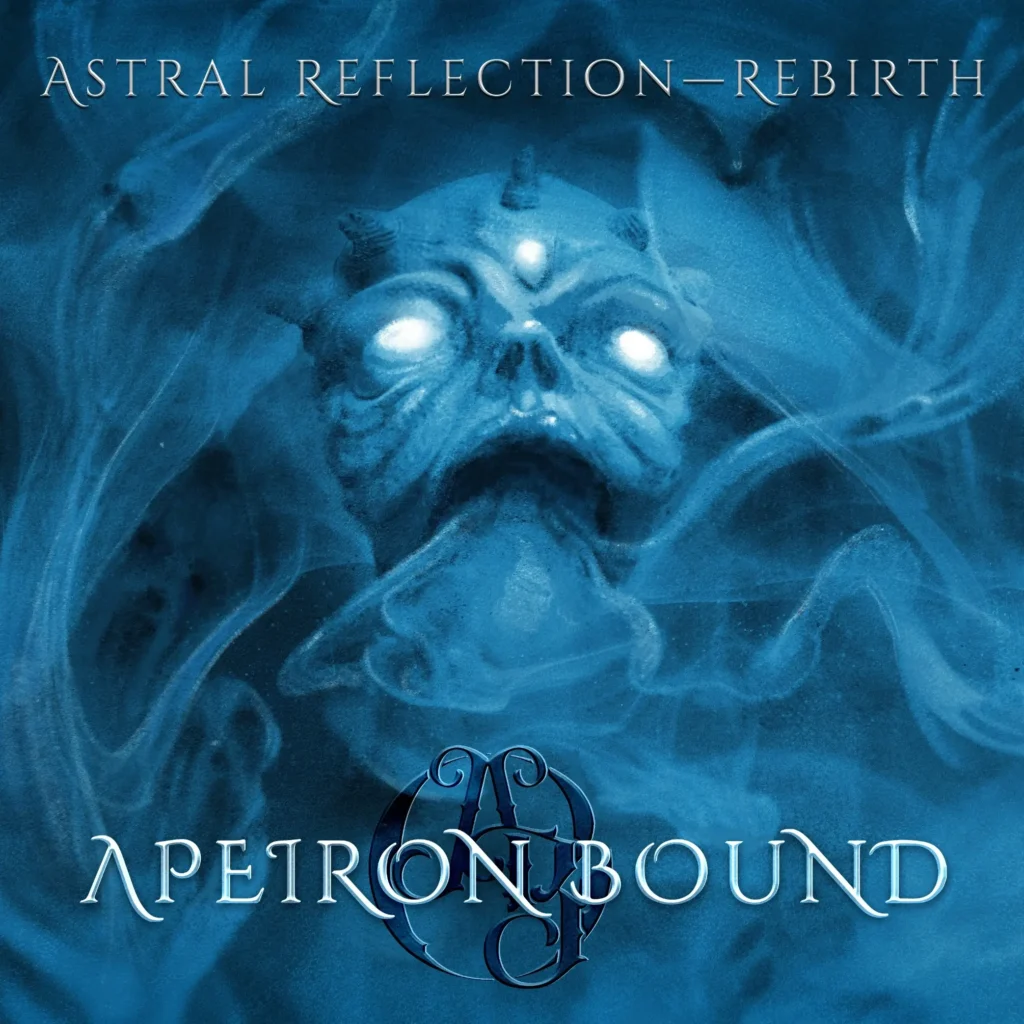
There’s a certain joy that arises when a progressive metal band decides to “rebirth” a track, because you never quite know what you’re going to get. Sometimes it’s just a clean mix and a new drum sample. But every so often, a band goes, “What if we rebuilt this entire thing from the astral plane upward?” and then actually does it. Apeiron Bound’s “Astral Reflection – Rebirth” is very obviously the latter, a reconstruction project that feels less like a remix and more like the musical equivalent of tearing down your house because you didn’t like the vibe in the foyer. The track opens with that suspiciously grand, cinematic energy; the kind that lets you know someone spent way too long tweaking orchestral swells at 3 a.m. It’s heavy, it’s layered, it’s absolutely drowning in textures, and it comes across like someone desperately trying to wrestle the entire emotional spectrum into a single metal track. And, impossibly, it works. Everything hits with the confidence of a band that knows exactly how ridiculous progressive metal can get and has decided to sprint toward the edge anyway. The project’s mastermind, Andrew Stout, composes like someone who once looked at the chaos of modern metal and concluded it simply wasn’t complicated enough. There’s a meticulousness to the arrangements as every transition feels engineered, every riff feels placed with tweezers that suggests a man who cannot rest until the music expresses something unusually philosophical. Themes of identity and transformation aren’t just sprinkled in; they’re basically stapled to the track’s forehead. It’s sincere, surprisingly emotional, and absolutely determined to make you think about yourself whether you want to or not. And yet, for all its introspective weight, the track never collapses under its own ambition. Instead, it moves with this weird, graceful intensity, shifting between aggression and atmosphere as if testing how many genres it can hold before the whole structure implodes. Spoiler: it doesn’t implode. It thrives. It has big “I rebuilt my life over a long weekend” energy. This comes on the heels of their reimagined work on Firmament: Redux, which already signaled that the band refuses to leave any idea in peace. Everything must be expanded, deconstructed, philosophically interrogated, and then wrapped in another layer of orchestration. They’re the kind of artists who look at their own songs and go, “No, this could be more.” And then they make it more. What’s most impressive is that this isn’t just complexity for complexity’s sake. Every shift in the song feels like it carries an emotional argument. Every crescendo feels like it’s trying to communicate something cosmically relevant. Even the quieter moments sound like they’re staring directly into your soul, asking why you haven’t completed your personal growth arc yet. “Rebirth” is frankly, a rude track. It comes at you with too much ambition to ignore, too much polish for you to dismiss as experimental noise, and too much emotional clarity for you to call it overwrought. It lands squarely in the realm of “refreshingly sincere,” the kind of music that reminds you progressive metal doesn’t have to choose between being elaborate and being meaningful. And if this is the direction the project is leaning toward; bigger, louder, more cinematic, more narratively loaded, then the future releases are going to be dangerous in the best possible way. In short: this track isn’t just a rebirth. It’s a declaration. And it makes one thing clear: they’re not trying to fit into the progressive metal world. They’re trying to build a new one, one unnecessarily dramatic song at a time. Follow Apeiron Bound Facebook Spotify Bandcamp Instagram Youtube Promoted Content About the Author
“Rebirth” Is Frankly, a Rude Track Read More »

DownTown Mystic’s “Mystic Highway” Is Fully Revved Up Classic Rock N’ Roll With Modern Bite

Isn’t it great when artists add their own flair to classic, timeless sounds? Like they’re not trying so hard to be different, but they also don’t settle for some kind of carbon-copy of the past. DownTown Mystic knows how to do it right with the EP “Mystic Highway”. DownTown Mystic is the alter ego of American Rocker, Robert Allen, joined by seasoned musicians, including drummer extraordinaire Steve Holley (Paul McCartney/Wings/Elton John/Ian Hunter) & Paul Page (Dion/Ian Hunter) on bass, as well as Max Weinberg & Garry Tallent of Bruce Springsteen’s E Street Band. Now, they step on the stage to bring rock n’ roll into the 21st century with a touch of attitude and groove that’s exactly theirs.  The EP welcomes you with History, released in 2011 and remastered by Leon Zervos this year. The guitars from the opening will immediately tell you you’re in for some classic, groovy rock that gives off Friday nights in a roadhouse bar filled with grease, cigarette smoke, and beers. Lyrically, this is the birth of rock and its history in sound, the kind that goes beyond narration and straight up pulls you into the era and dares you to “step into the future and make a little history.” Modern Ways kicks the door open like it has snapped against scams, email pop-ups, and endless calls. Its fast percussion hits and driving guitars are enough to shake off the weight of modern chaos. But the best part is despite the exhaustion, they don’t lose their grin and attitude. They’re grooving over stress, there’s rhythmic punch beneath agitation, all for those who have been restless and overloaded from modern ways of living.  Read The Signs follow with a reflective atmosphere. But despite its laid-back guitars and percussion, there’s a brooding tension underneath, like life and future just suddenly hit them at full speed. The vocals carry a pinch of weariness without dwelling too much in darkness and despair, inviting you to face the truth they’ve been crooning about, “the future is here, read the signs.” Lost and Found rings in the same reflective tone except it’s much more lively in hopes to keep you moving. The EP then ends with a punchy statement from Somebody’s Always Doin’ Something To Somebody. One thing about this Mystic Highway is you’ll get the jagged edges of Buffalo Springfield and Rockpile, that old-school rock without ever losing to nostalgia alone. They honor rock’s golden era with a lived-in honesty, not from the past but from musicians who have experienced life enough to make familiar feel new and fresh. DownTown Mystic gives you rock with depth and meaning, like pieces of life turned into something audibly real. This is rock n’ roll that honors the classic roots with modern day pulse, grit, and attitude.  Follow DownTown Mystic Globe Facebook X-twitter Spotify Soundcloud Youtube Instagram Promoted Content About the Author

DownTown Mystic’s “Mystic Highway” Is Fully Revved Up Classic Rock N’ Roll With Modern Bite Read More »

Throughout Around This Edge Together, The7thGatekeeper Doesn’t Hide the Uneven Edges

There’s a particular magic to DIY albums, by which I mean the kind of magic you get when someone records an entire emotional exorcism inside a room that is, by every reasonable metric, unfit for human occupation. Around This Edge Together is exactly that sort of project: a nine-track odyssey made inside what The7thGatekeeper calls his “home chaos cupboard,” a phrase so perfectly on-brand you want to stitch it onto a flag and fly it above every struggling musician’s apartment. It tells you everything: this is cramped, this is compromised, and this is absolutely the sort of environment where someone would accidentally make their most honest work. The album’s defining characteristic is its refusal to be sanded, smoothed, compressed, or otherwise bullied into radio-friendly presentability. Throughout Around This Edge Together,The7thGatekeeper doesn’t hide the uneven edges; he appears to cherish them. Many artists claim authenticity; this one simply records whatever existential crisis he’s having that day and calls it a mixdown. And that sincerity is the engine driving these songs, not despite the roughness but because of it. “Not to Be Taken” opens the project with a surprisingly sharp punch with grimy, grimy guitars that brush right up against Marilyn Manson’s swampier material. It’s an unexpectedly confident first step, the musical equivalent of someone kicking a door open and saying, “Look, I don’t know if this is going to work either, but we’re doing it.” It’s brisk, emotional, and sets the album’s tone: unvarnished but purposeful. Then comes “5588,” which takes the raw, rattling energy of the opener and asks, “What if Muse’s Drones era had a fever?” It’s jagged, irritated, and clearly intentional. The production may be DIY, but the choices aren’t accidental. The7thGatekeeper understands tension; he knows how to bottle it before throwing it against a wall. “Amulet” gives the record its first breather, though “breather” here means “brief Saliva/Staind-flavored rock fragment that wanders in, makes its point and leaves before you can question it.” It’s a palate cleanser, but one that tells you the album isn’t tied to a single aesthetic. It’s allowed to be both small and dramatic. Then we get to “The Hoard”; the album’s most fully realized barnburner and the place where the Muse influence stops winking coyly and starts openly screaming from the mezzanine. The song rises and collapses in waves, like it’s trying to evolve into something bigger but keeps tripping over its own ambition. It’s exhilarating to witness the attempt, though, because the intent is so honest. “Baryon II,” meanwhile, arrives sludgy, catchy, and weirdly adjacent to early-2000s nu metal in a way that feels deliberate but not derivative. And then immediately after, “Wrapped” swings in the opposite direction, brushing up against Nine Inch Nails ambience despite being built out of the same DIY toolset as everything before it. These two tracks form a miniature thesis: experimentation isn’t a side quest for The7thGatekeeper, it’s the point. “Inamorata” is where the record suddenly remembers that acoustic instruments exist. The Jason Isbell influence finally steps out of the wings and clears its throat. It’s a quiet gut punch; simple, delicate, and a necessary exhale after so much density. “The Garden” stitches that same country-folk tenderness into the more theatrical, Muse-tinged palette of earlier tracks. It’s transitional music; the kind that sounds like a long walk back to yourself, which is exactly where the album needs to be heading before its finale. “(Fear) Wet State,” is a five-minute meditation on holding your own skull together with sheer force of will. It’s dense, measured, atmospheric, and intentionally exhausting in the way a good album closer should be. It doesn’t wrap things up; it leaves you suspended, gnawing on the project’s emotional residue. And here’s the thing: the entire album sounds like a guy learning in real time how to be a producer while also trying to deal with his feelings, global collapse, personal history, and artistic ambition simultaneously. That could easily be a disaster, but instead, it becomes the album’s identity. Every imperfect mix choice, every rough vocal layer, every moment where the song feels one revision away from snapping in half… it all makes the emotional core more tangible. Around This Edge Together isn’t polished. It isn’t clean. It isn’t even particularly stable. But it is honest; unflinchingly, endearingly honest and that sincerity carries more weight than technical perfection ever could. Follow The7thGatekeeper Globe Facebook X-twitter Spotify Soundcloud Youtube Instagram Tiktok Promoted Content About the Author

Throughout Around This Edge Together, The7thGatekeeper Doesn’t Hide the Uneven Edges Read More »

deadwater’s Revelry in Reverie Is the Rare Basement Grunge Record That Isn’t Defined by Its Limitations

There’s something strangely beautiful about an album made entirely in a basement. Not in the romanticized, Hollywood-montage sense, but in the real sense: a probably-too-humid, maybe-questionably-wired below-ground bunker where a man with a guitar and a laptop decided that normalcy was overrated. That man is deadwater, and the result of his subterranean stubbornness is Revelry in Reverie, a record that sounds exactly like what happens when someone picks up a guitar during COVID, realizes life is too short not to yell into a microphone, and then, somehow, becomes legitimately good at it. This isn’t the triumphant rise of a long-trained virtuoso; it’s the far more interesting story of someone who discovered art by falling face-first into it… and then refused to get back up. What makes the album remarkable isn’t just that it was recorded in a basement; it’s that you can hear the basement in it; in the warmth, the grit, the occasional sonic bruise that proves a human made this. The DIY ethos isn’t a marketing angle; it’s the bloodstream of the album. Every creak, buzz, fuzzed-out edge, and imperfect layer is a deliberate rejection of polish in favor of honesty. Imagine grunge, already a genre built on imperfections, then imagine someone asking, “What if we made it even rougher?” Revelry in Reverie answers this question with the confidence of someone wielding duct tape like it’s a Grammy-winning production technique… and discovering it works better than it has any right to. Lyrically, the album is equally raw as a chronicle of sobriety, introspection, and the weirdly claustrophobic sensation of trying to find joy again after reformatting your entire life. Sobriety here isn’t portrayed as enlightened clarity; it’s an ongoing quest where the villain is your past self and the final boss fight happens in the silence of Saturday night when you’re not sure what to do with your hands. The “reverie” is the endless thinking. The “revelry” is discovering that thinking doesn’t kill you. Altogether, it forms an unexpectedly potent emotional core; the kind of thematic focus that’s difficult to fake and impossible to engineer through studio gloss. The album opens with “Neon Black,” a tight, concentrated spark of electricity that punches you in the mouth and leaves before you’ve realized you’re bleeding. It’s a mission statement disguised as a track. “Dying Breed” follows, kicking in with a faint country-lilt in the vocals layered over grunge instrumentation; an unlikely stylistic marriage that somehow works. Then “Spit It Out” arrives, the shortest of the early tracks, all directness and velocity, like deadwater is saying: Get in loser, we’re doing catharsis. “Siren Sound,” the first major tonal shift, brings four minutes of drifting ambience and echoing space, like being sung to by the version of yourself you’re trying not to be anymore. It’s haunting, atmospheric, and in an unexpectedly sophisticated way, cinematic. It’s also the track where the album first reveals the depth of its compositional instincts. This isn’t just a guy playing riffs in a basement; it’s someone quietly showing they know how to build a world out of sound. “She Don’t Care” arrives next with a vocal delivery reminiscent of Hobo Johnson if he traded spoken-word theatrics for grunge melancholia. Then there’s “Mexico (Hey Now),” a slow-burner soaked in emo-rock crescendos, the kind that lift gradually, then crash like someone finally exhaling after holding their breath for ten years. Both tracks reinforce the album’s commitment to emotional realism; messy, uneven, and honest enough to sting. Then comes the heavy artillery. “Voices,” the standout of the record, erupts with grungy riffs, primal yells, and a sense of desperation sharpened into something powerful. It’s the album’s emotional thesis statement; not polished, not controlled, but intensely real. It feels like someone excavating their inner demons with a garden shovel. From here, the album leans even harder into introspection. “Tuesday Evening” explores the monotony of a sober life, ironically delivered through subtly psychedelic tones. “The Hell Song” nails the spiraling internal monologue that arrives uninvited in public spaces. “Darkest Nights” follows with the inevitable existential dread reserved for the moments you turn out the lights and accidentally think too hard. “Comin’ Back,” the closer, is deceptively hopeful; not in a saccharine way, but in a “look, I’m not dead, and progress counts even when it’s boring” way. It’s cautiously triumphant, grounded, and mature. There’s no heroic swelling orchestra, no “I’ve conquered my demons” finale. It’s a shrug, a smile, and a quiet acknowledgment that healing isn’t glamorous. It’s something you do before folding laundry. deadwater didn’t set out to make a genre masterpiece. He set out to make something true. The fact that he stumbled into something powerful along the way feels like the ultimate DIY victory. This is the rare basement grunge record that isn’t defined by its limitations, but by the clarity of its vision. Revelry in Reverie is grunge for the emotionally exhausted, punk for the perpetually self-analyzing, and indie for anyone who wants music that sounds like it was recorded five minutes after a breakthrough and ten minutes before a meltdown and it works spectacularly. Follow deadwater Instagram Spotify Promoted Content About the Author

deadwater’s Revelry in Reverie Is the Rare Basement Grunge Record That Isn’t Defined by Its Limitations Read More »

Joseph Kuhl’s “The Witness” Refuses To Let Anyone Look Away

There are musicians that step on the stage to perform, but there are a few who do music like a hand-written placard: red letters, bent cardboard, rough edges. Joseph Kuhl’s “The Witness” is one of the few, the one for crowds, marches, meant to be shouted back in the streets. Joseph Kuhl’s musical roots trace back to Athens, Georgia, in the late 1970s. Channeling the spirit of blues legends, Bob Dylan, and REM, he releases The Witness, a sonic document on the tragedy of war and colonization on Gaza.  The Witness only gives you a guitar and voice for the opening, like it’s been mentally preparing you for everything that will follow. Kuhl drops the line, “look in your heart,” with his raspy, whiskey-soaked-like vocals like it was made for truth and truth only. The track then gradually unveils its sharp drum hits and distorted guitars that urges you to sit down, look him in the eye, and let it sink to you.  It takes a lot of courage to write with integrity, to relay an unfiltered, messy truth that the world isn’t ready to hear. You can also feel his profound connection to the Middle East and his personal experiences, amplifying the track’s grounded and raw sound. Kuhl doesn’t want you to be entertained, he wants you to move, speak, and open your eyes. He’s not just singing about the Palestinian people; he’s shedding light on realities that are shadowed by disconnect and apathy. Joseph Kuhl’s “The Witness” is a rock statement, stripped down of fancy metaphors and polished layers. It’s a record that exposes, opens eyes, and demands action for those who have seen so much.  Follow Joseph Kuhl Facebook Spotify Soundcloud Youtube Promoted Content About the Author

Joseph Kuhl’s “The Witness” Refuses To Let Anyone Look Away Read More »

Michellar and Rad Datsun’s “Game of Love” Is a Track Built With Burning Passion

Music knows no bounds. That is a clear and true testament to Michellar’s newest track, ‘Game of Love’ featuring Rad Datsun. Regardless of distance, these artists were able to create a song that would capture their passion in R&B and Soul. ‘Game of Love’ started with this low-filtered drum beat, followed by that funky bass line that works hand in hand with that R&B/soul vocal phrasing. Everything in this first part feels and sounds symmetric, even the keyboard lick. Everything gels perfectly like peanut butter and jam.  The vocal harmony is a match made in heaven. The voicing is as natural as it gets. What I like about this track is that the chorus hook is short. It can catch any listener’s attention because it follows what we call the K.I.S.S formula. Keep It Short and Simple. The chorus is just 5 words, making it easy to remember.  The guitar lick on the last part of the track is a great addition to the overall texture of the track because of its simplicity, repetitive, but catchy hook.  ‘Game of Love’ is a track built with burning passion for the arts. Regardless of Michellar and Rad Datsun’s geographical distance, they were able to create a track that screams simplicity, beating masterful technicality.  Michelle Bond · Game of Love featuring Rad Datsun Follow Michellar Globe Soundcloud Bandcamp Instagram Facebook Promoted Content About the Author

Michellar and Rad Datsun’s “Game of Love” Is a Track Built With Burning Passion Read More »

Giuseppe Cucé’s “21 grammi” Isn’t Just A Concept, It’s The Gravity Of Human Experience

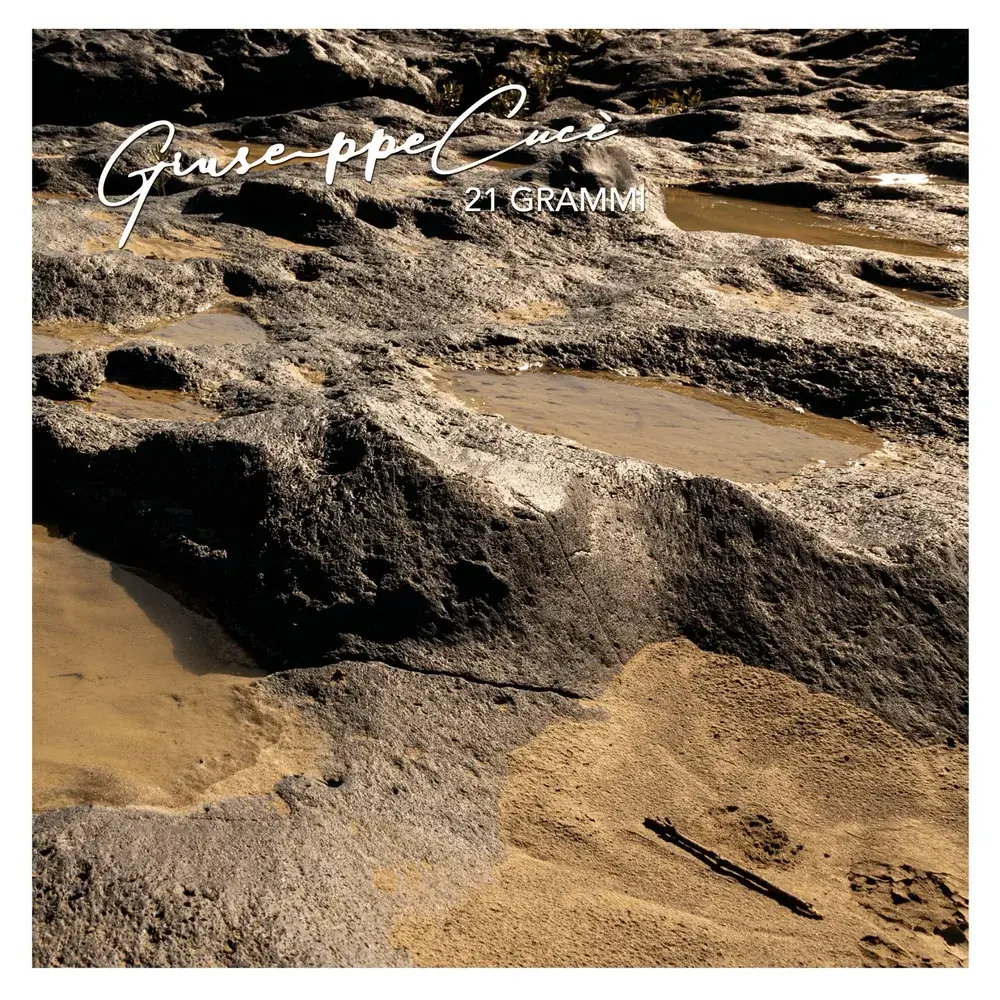
It’s a bit of a downplay to call Giuseppe Cucé’s “21 grammi” an album. You know when an artist is serious about their work, and there are not enough words to unearth its depth and meaning? That’s exactly it. It’s the kind that doesn’t just stick but leaves you smirking, intrigued, changed, or even challenged. Sicilian singer-songwriter Giuseppe Cucè is back with another hit curation, 21 grammi. Recorded and mixed at TRP Studios in Catania, the album offers soul, Italian cantautorato, orchestral textures and atmospheric arrangements. With the artistic production of Riccardo Samperi and a team of exceptional musicians, Cucè leaves you with a record that feels like an accessible tapestry of contrasts and unfiltered truth of being human. È tutto così vero opens the album with a sprightly harmony from the flute and trumpet, the sound that will immediately light up the room and bring movement to everyone. The light percussion hits and brassy accents color the track like a dance hall with people skin to skin, as an understated sensual depth clings into air. It’s a Latin-pop fused track made for crowded rooms and dance nights.  Whatever the opening track established is quickly torn down as Ventuno slips in. And right from the first note, you’ll understand why this is described as the emotional core of the record. You’re not dancing in the hall anymore, you’re finding meaning in the chaos, you’re pondering about love, flesh, beliefs, and the pulse of rebirth. What you’ll love from this track is its depth, its weight, its expansive and reflective edge that hits you from the get-go.  Dimmi cosa vuoi exists in the same atmosphere as the lead single. Cucé’s voice is one with the soft keys and its layers. While others try to stand out with volume, this one thrives in restraint, the kind of track that hits deeper the more it opens up and shares more than the surface. Tutto quello che vuoi rings in a lighter tone yet brings honesty and truth that is deeper than what you’ll expect from its bright layers. This track thrives in contrasts and imagery, a punchline and unfiltered reflection made accessible.  The album ends with Di estate non si muore on a groovy, lively arrangement yet carries a name in one summer one does not die. It’s introspective and surreal, a closing act that doesn’t just conclude the album but leaving you wanting more.  All nine tracks in this album hold specific depth and meaning to the point where it can stand on its own. But having it in one record is something else entirely. Cucé curated it in a way that will leave you with a whole new experience, the kind you won’t get from some formulaic, overly saturated sounds on your FYP. Cucé’s lyricism is unmatched in this album because he will never leave you empty-handed. Whether you’re moving your body, you’re unsettled, or contemplative, he makes sure you carry something from it — a memory you recalled, an emotion you want to feel, or even a borrowed experience from him.  Aside from his artistic identity, it’s also notable that the touch of other seasoned, talented artists gave dimension and nuance to the whole album, harmonizing with Cucé’s vision and overall intention.  21 grammi isn’t just a concept, it’s the gravity of human experience that cannot be measured through numbers alone. There’s loss, love, memory, identity and the entirety of fleeting, small fragments of life that often leaves the deepest marks. Whether you’re pondering about the weight of this life, or simply lost in a pool of today’s music, Giuseppe Cucé’s “21 grammi” will definitely be an unforgettable odyssey.  Follow Giuseppe Cucé Instagram Spotify Promoted Content About the Author
Giuseppe Cucé’s “21 grammi” Isn’t Just A Concept, It’s The Gravity Of Human Experience Read More »