

loader image

2026

An Exception Is the Sound of Someone Circling Their Own Obsessions, Refining Them, and Occasionally Setting Them on Fire Just to See What Survives

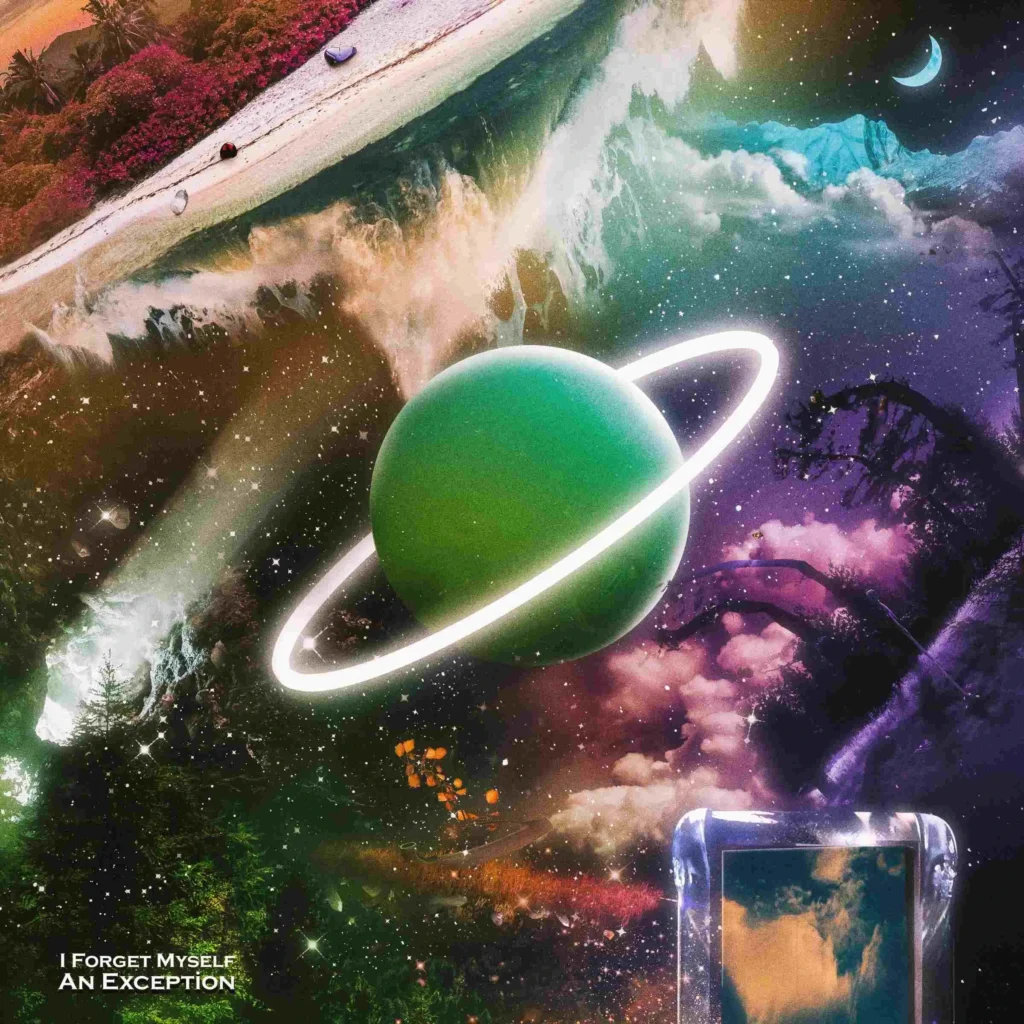
An Exception, released in January 2026 by alternative rock artist I Forget Myself is not the sound of someone trying to keep up with trends. It is the sound of someone circling their own obsessions, refining them, and occasionally setting them on fire just to see what survives. What immediately stands out about An Exception is how clean it sounds. Not sterile, not overproduced; just purposeful. The EP returns to a polished rock aesthetic that feels almost defiantly old-fashioned in a musical ecosystem obsessed with lo-fi authenticity and half-finished ideas. This isn’t nostalgia. It’s a conscious choice to treat songwriting and sound design as crafts rather than vibes. Every synth swell, every guitar line, every carefully layered vocal feels like it has been placed exactly where it belongs, which is honestly more radical in 2026 than it probably should be. I Forget Myself, born in South Africa, of European descent, and now based in Hong Kong after more than a decade in Asia, brings a quietly global sensibility to his music. That biography doesn’t show up as world-music clichés or genre tourism; instead, it manifests as a kind of restless hybridity. His songs never quite settle into one identity. They feel like they are always in transit, borrowing emotional textures from different places, different eras, and different versions of himself. As a longtime independent artist, multi-instrumentalist, and producer who has spent years in various rock bands, he approaches solo work less like a lone genius and more like a one-person ensemble, constantly negotiating with his own influences. That conversation starts in earnest with “Bygones,” which sounds like someone sat down with the entire Muse discography and distilled it into a single, hyper-focused blast of theatrical rock. But this isn’t imitation in the lazy sense. It captures what Muse at their best do so well: tension, release, and a kind of melodramatic urgency that somehow feels sincere. The song swells and collapses in on itself, using big gestures not to mask emptiness but to emphasize emotional weight. It feels like reckoning with the past while being slightly annoyed that it’s still there. “Magna Catharsis” then takes a sharp left turn into something far more psychedelic. There’s a distinctly Pink Floyd Animals-era mood at the start; brooding, spacious, and politically anxious right up until the track suddenly leans into a full-blown rock pastiche complete with Jet-style guitar swagger. It’s an almost ridiculous shift, but that’s exactly why it works. The song feels like it’s arguing with itself about whether introspection or bravado is the better coping mechanism, and the answer, of course, is “both, at the same time.” “I Dream Out An Exception” is where the EP really earns its title. This is space-rock done with genuine confidence, not just reverb and vague cosmic metaphors. The track floats, but it also drives forward, like something trying to escape gravity without losing momentum. There’s a sense of longing here that feels less romantic and more existential; the desire not just to be somewhere else, but to be someone else, even if only temporarily. Finally, “Contexts,” the EP’s longest track, brings everything together with a subtle nod to Radiohead’s In Rainbows in the chord progressions. Not in terms of direct sound, but in its emotional texture: warm, melancholic, and quietly devastating. The song unfolds patiently, layering meaning as much as melody, and it leaves you with the unsettling realization that understanding yourself is often just a matter of changing the frame around the same old feelings. An Exception doesn’t try to reinvent alternative rock. It doesn’t need to. Instead, it makes a far bolder claim: that careful, thoughtful, emotionally literate rock music still has something to say, if you’re willing to actually listen.  Follow I Forget Myself Globe Facebook X-twitter Spotify Soundcloud Bandcamp Youtube Instagram Tiktok Promoted Content About the Author


An Exception Is the Sound of Someone Circling Their Own Obsessions, Refining Them, and Occasionally Setting Them on Fire Just to See What Survives Read More »

The Whole Deal With Perhaps Is It Waits for You to Show Up

There’s a certain kind of album that doesn’t try to win you over. It doesn’t do the big, glossy, “look how important I am” thing. It just kind of sits there, awkwardly, like someone in the corner of a party holding a drink and hoping you’ll come talk to them. Perhaps is very much that kind of record. Barry Allen’s album doesn’t announce itself as a masterpiece, or even as something especially bold. Instead, it just quietly opens up and starts telling you how it feels, which is somehow both incredibly disarming and a little terrifying. Allen draws heavily from the lineage of folk confessionals like Joni Mitchell’s emotional clarity and Roy Orbison’s operatic vulnerability, but Perhaps isn’t just an exercise in tasteful nostalgia. The album was recorded in a home studio in Chessington with pianist Mike Cliffe, a classically trained musician Allen met at the YMCA, which feels like a detail from a lost Richard Curtis film but ends up being crucial to the album’s texture. This is not a slick, industry-shaped project. It sounds like two people sitting in a room, trying very hard to tell the truth. And that truth is, quite frankly, messy as their head space. The opening track, “Stay,” doesn’t ease you in so much as it drops you straight into the emotional deep end. It’s a plea that barely disguises how terrified it is of being ignored. The song’s restraint is what makes it devastating; no bombast, no dramatic climax, just the quiet ache of wanting someone to choose you. In the context of the album, it establishes a theme that will keep resurfacing: the fear that love is temporary, and that maybe you are too. “Beautiful Thing” and “Perhaps” continue this tension between hope and doubt. The title track in particular feels like an entire philosophy compressed into three minutes. “Perhaps” is not just a word here; it’s a worldview. Everything in this song feels provisional, tentative, as if Allen is constantly leaving himself emotional escape routes. It’s not indecisive; it’s honest. Certainty, after all, is usually a performance. “We’re Here, We’re Queer” is a song that could have easily been clumsy or slogan-heavy but instead comes across as gently defiant. It doesn’t demand attention; it asserts existence. In an album so preoccupied with being seen and loved, this track feels like a turning point. For a moment, Allen isn’t asking for permission to be himself; he’s just stating it. “The Two of Us” and “Marvellous” pull the album back into intimate territory. These songs feel almost too small for the weight they carry, which is exactly why they work. There’s something incredibly moving about hearing someone articulate devotion in such unassuming terms. No grand gestures, just the quiet miracle of choosing another person over and over again. “High and Lowly” closes the record on a note that isn’t quite hopeful, but isn’t hopeless either. It feels like acceptance; not of happiness, necessarily, but of complexity. Of the fact that being alive means constantly oscillating between the two. Perhaps isn’t the kind of album that kicks down your door and demands you listen to it. It doesn’t scream for attention, and it definitely doesn’t try to convince you it’s important. It just kind of… exists. It sits there quietly, like a friend on the couch who’s not going to start talking unless you do first. And if you’re in the right mood; if you’re a little tired, a little reflective, maybe a little emotionally bruised, it slowly opens up. Perhaps by Barry Allen You don’t get everything from this record on the first listen. It doesn’t really work like that. It’s not built for instant hooks or viral moments. It’s built for when you’re driving alone at night, or lying in bed staring at the ceiling, or washing dishes and letting your brain wander into places you usually try to avoid. That’s when it starts to hit. That’s when you realize the songs aren’t trying to impress you; they’re just trying to sit with you. And that’s kind of the whole deal with Perhaps; it waits for you to show up. It waits for you to bring your own feelings into it. If you’re not in the headspace for that, it’ll just sound like some nice, soft folk songs and that’s fine. But if you are; if you’re willing to be a little emotionally honest with yourself, it suddenly feels like the album is talking directly to you. Not in a spooky, magical way. Just in that very human way where someone else has put words to something you’ve been carrying around without knowing how to say it. All in all, Perhaps is a record that doesn’t pretend to have answers, but is brave enough to ask the questions out loud.  Follow Barry Allen Facebook Soundcloud Bandcamp Youtube Promoted Content About the Author

The Whole Deal With Perhaps Is It Waits for You to Show Up Read More »

Ping Machines’ Track, “From 1 2 Another,” Is All Fuzz and No Gimmick

With how the music is evolving today, you get to miss the feeling of just enjoying the process of creating music. Nowadays, you have to have a flashy gimmick, have metaphoric lyrics, and all that pizazz, but Ping Machines’ track, ‘From 1 2 another,’ told us otherwise. “From 1 2 another” started with this bassy fuzzed downstroking guitar tone that completely elevates the overall feel of the track. From the get-go, you are introduced to a sound that’s unapologetically in your face. I specifically like the pinch of distorted effect added in the vocals. It worked in correlation with that fuzzy downstroke guitar strum and that running-like feel rhythm of the overall track.  And with that face-melting tone comes an even darker yet expressive lyrics from phrases like / I am the captain of sleep / And gonna dive so deep / ′Til I see the colors / Of your hidden side. The song’s theme veers towards the psychological side, which is fascinating because it works with the overall feel of the arrangement.  Ping Machines’ song, ‘From 1 2 another,’ is a track that metalheads and even heavy rock fans will definitely enjoy because of its simple yet effective arrangement, rich tone, technical proficiency, and interesting lyrics, making it a rough but enjoyable listen.  Follow Ping Machines Globe Facebook Spotify Bandcamp Youtube Instagram Promoted Content About the Author

Ping Machines’ Track, “From 1 2 Another,” Is All Fuzz and No Gimmick Read More »

New Music Radar Featuring: The Arcade Lights, Science Fiction Army, Shriving Drawers, Shotgun Parade, and Illumina A.D.

Remember The Days by The Arcade Lights Remember The Days by The Arcade Lights feels polished without losing its punk pulse. The song hits fast and confident, packed with pop-punk energy that instantly throws you back to the early 2000s. Driving drums. Bright guitar octaves. That familiar rush that makes you want to turn the volume up without thinking twice. What really stands out is the vocal delivery. Instead of the usual shout-heavy punk style, the vocals stay smooth and calming. Almost reflective. That contrast keeps the track controlled even when the music is moving full speed. It rocks hard, but never feels chaotic. The chorus carries that bittersweet feeling perfectly. Not kids anymore, but still screaming along like we are. It’s catchy without being cheap, nostalgic without feeling stuck in the past. Production-wise, everything sounds tight and professional. Each element has space to breathe, which makes the song easy to replay over and over. Remember The Days knows exactly what kind of pop-punk anthem it wants to be and delivers it clean. If pop-punk still lives in your rotation, this one earns its spot fast. Instagram Spotify Indecision by Science Fiction Army Indecision by Science Fiction Army feels like that moment when you’re stuck in your head at 2 a.m., replaying the same choice over and over. It leans hard into a grunge rock sound that feels raw and honest. The lyrics are short and heavy, the kind you catch instantly and start mouthing without thinking. It’s easy to imagine this playing in a cramped room, lights low, everyone shouting the same line back at the band like it’s therapy. The instruments feel locked in. No one is showing off, but everything hits where it should. The distorted guitar solo cuts through with just enough grit, like a sudden release after holding tension for too long. The vocals fit the mood perfectly. A little worn, a little fed up, but real. This is the kind of song you throw on when you’re driving with no clear destination or when your brain won’t shut up. If you’ve ever felt stuck between choices and needed something loud to sit with that feeling, this track gets it. And yeah, it goes hard without trying too hard. Spotify Krug Blues by Shriving Drawers Krug Blues by Shriving Drawers feels like something you put on when the night starts slowing down but your mind is still wide awake. It blends blues and rock in a way that feels natural, not forced, like the band just let the song breathe and go where it wanted. The vocals sit perfectly in the pocket. Calm, confident, and full of character. You can hear the intention behind every line, and it makes the whole track feel grounded and honest. The melody sticks with you too. It’s the kind you find yourself humming without noticing. But the real star here is the guitar work. The riffs feel gritty and alive, and the solos hit with just the right amount of swagger. This is the type of song you play on a late drive or while sipping something strong, letting the groove carry you through the last stretch of the day. If you’re in the mood for something smooth but still hits with attitude, Krug Blues gets the job done. Instagram Spotify The Way You Hate Me by Shotgun Parade The Way You Hate Me by Shotgun Parade sounds like something you put on when you’re replaying an argument in your head and winning it this time. The mix feels clean and polished, like every sound knows exactly where it should be. Nothing feels messy or feels rushed. The vocals hit hard right away. There’s real weight behind them, the kind that makes you stop what you’re doing and actually listen. The storytelling is clear and easy to follow. You get the emotion without needing to overthink it. Big Daughtry vibes here, especially in how the vocals carry both pain and control. Then the bridge comes in with that scream, and it just works. It’s raw without feeling forced. The chorus sticks fast too. You’ll catch yourself singing it after one listen, maybe during a drive or while zoning out at night. This track feels built for repeat plays. Add it to your playlist. You’ll come back to it when the mood hits. Instagram Spotify Incubi Intus by Illumina A.D. Incubi Intus by Illumina A.D. hits like stepping into a mosh pit you weren’t quite ready for, but in the best way possible. The intro is a slow burn, but it lures you in with tight drums and razor-sharp guitar riffs that scream, “Pay attention.” You don’t notice the wait because the tension already has your pulse racing. Once the thrash kicks in, it feels like racing down a dark highway with no speed limit, relentless, fast, and full of teeth. The grooves hit heavy enough to make your chest thump, and the breakdowns drag you into a pit of controlled chaos. Think Kreator meets Sodom in attitude, but with the dark modern punch of Behemoth. The vocals bite just as hard as the instruments. Angry, precise, and commanding. That scream during the breakdown? Instant headbang moment. Perfect for blasting when you need to release a little frustration, stomp around your room, or just feel alive. Incubi Intus doesn’t waste time. It grabs you, shakes you, and leaves you wanting more. Strap in, because if this opener sets the tone, the rest of their full LP “Days of Blood & Fire” isn’t coming gently, it’s coming to thrash you awake. Instagram Spotify

New Music Radar Featuring: The Arcade Lights, Science Fiction Army, Shriving Drawers, Shotgun Parade, and Illumina A.D. Read More »

Reverie … From Then Till Now Is the Sound of Someone Finally Comfortable Enough to Speak in Her Own Time and Inviting You to Listen Just as Carefully

There’s a familiar mythology attached to artists who return to music after decades away. The narrative usually demands a comeback story, complete with redemption arcs and triumphant rediscovery. REVERIE … FROM THEN TILL NOW resists that framing. Michellar’s album doesn’t sound like someone scrambling to reclaim lost time; it sounds like the work of someone who lived fully outside of music and came back with perspective, patience, and intent. Michellar’s relationship with songwriting began early, shaped by the folk-rich environment of her youth. Artists like Peter, Paul and Mary, James Taylor, and Carole King provided an early blueprint; songs built on emotional clarity rather than spectacle. That foundation lingered even through a forty-year hiatus, during which Michellar focused on building a successful landscape design business. When she returned to songwriting in earnest following her acceptance into the de Young Museum Open Call Exhibition in 2023, it wasn’t framed as a restart. It was a continuation. The flurry of work that followed with twenty-two singles released in nine months introduced listeners to Michellar’s core artistic language. Those releases established her as an artist deeply invested in atmosphere, emotional restraint, and narrative coherence. Across that run, she consistently favored mood over momentum, allowing songs to unfold rather than announce themselves. Her work suggested an aversion to trend-chasing and a preference for lived-in honesty, even when tackling heavy emotional or social themes. That context matters, because REVERIE … FROM THEN TILL NOW is not an isolated statement; it’s a distillation. The album draws from the aesthetic and emotional lessons of that prolific period, but organizes them into something more reflective and deliberate. Where the singles felt like individual rooms, REVERIE feels like a house; one you move through slowly, noticing how each space connects to the next. The album opens with “Its Another Year,” immediately situating itself in reflection rather than reinvention. Time is a recurring motif throughout the record; not as regret, but as accumulated weight. Tracks like “Intersection (Toby Wilson)” and “Promise” linger in moments of pause and decision, capturing the quiet tension between who we were and who we allow ourselves to become. There’s a steadiness to the songwriting that suggests confidence not in perfection, but in process. Collaboration plays a significant role across the album, yet Michellar’s voice remains unmistakably centered. “Running Wild,” “September,” and “We Both Can Fall” introduce additional perspectives through featured vocalists, but these moments feel conversational rather than performative. The collaborators don’t pull focus; they expand the emotional frame. The result is an album that feels communal without losing its sense of authorship. Midway through the record, “Never Say Sorry” and “The Letter” serve as emotional anchors. These songs sit comfortably in restraint, allowing silence and space to do as much work as melody. Rather than chasing catharsis, they linger in unresolved feelings, trusting the listener to meet them halfway. The part-of-the-title title track, “Reverie,” acts as a thematic hinge; less a centerpiece than a moment of suspension, where memory and present awareness briefly overlap. As the album moves toward its close, “Get Me There to Church” and “Conquer All with Love” widen the emotional scope. There’s a sense of earned resolve here; not optimism imposed from above, but belief assembled from experience. The album concludes with “The Star,” a track that feels less like an ending than a quiet release, leaving the listener in reflection rather than resolution. REVERIE … FROM THEN TILL NOW is not an album concerned with relevance or reinvention. It’s about continuity; of voice, of values, of creative instinct. Michellar isn’t interested in keeping up with the moment; she’s interested in understanding it. In doing so, she offers something increasingly rare: music that values patience, emotional clarity, and sincerity over immediacy. This isn’t the sound of an artist reclaiming a past self. It’s the sound of someone finally comfortable enough to speak in her own time and inviting you to listen just as carefully. Follow Michellar Globe Soundcloud Bandcamp Instagram Facebook Promoted Content About the Author
Reverie … From Then Till Now Is the Sound of Someone Finally Comfortable Enough to Speak in Her Own Time and Inviting You to Listen Just as Carefully Read More »

“Train to Nowhere” Is the Sort of Song That Immediately Signals It Is Not Here to Be Polite

“Train to Nowhere” is the sort of song that immediately signals it is not here to be polite. This is not a holiday release meant to soundtrack gift-wrapping or half-remembered family arguments; it is a piece of music that wants to sit you down and quietly ask whether you’re actually okay. Framed as a journey through Paul Gehl’s experience with mental illness, the track uses its central metaphor of the unstoppable forward motion of a train to capture that uniquely awful feeling of being dragged through your own mind, whether you want to be there or not. What makes the song compelling is not just that it is confessional, but that it is careful. “Train to Nowhere” doesn’t present suffering as a poetic aesthetic. Instead, it sounds like someone trying to make sense of chaos while it is still happening. The production leans into this tension: although this is technically a solo release, Gehl deliberately builds it to feel like a full band, as though the music itself is pushing and pulling against him. That layered, almost crowded soundscape gives the song weight. It feels less like a diary entry and more like a conversation happening inside your own head; voices overlapping, emotions refusing to stay in neat boxes. Paul Gehl’s background gives this approach real texture. Based in Luxembourg, he came to songwriting by way of classical and flamenco guitar, two traditions that prize precision, discipline, and physical connection to the instrument. That makes the pivot to electric guitar and heavy, emotionally charged songwriting feel especially significant. After a career-ending injury forced him to rethink his relationship with music, Gehl didn’t retreat into safety. Instead, he leaned harder into expression, drawing influence from bands like Black Sabbath and Led Zeppelin, whose legacy is built on turning pain, power, and vulnerability into something loud enough to be undeniable. His previous single, “On the Other Side,” hinted at this direction, but “Train to Nowhere” feels like the moment where the project truly finds its voice. It is not trying to impress you with virtuosity, even though Gehl clearly has it. It is trying to communicate something messy, urgent, and real. And in an industry that often treats emotional honesty as a branding exercise, that kind of sincerity stands out. If “Train to Nowhere” is about anything, it is about what happens when you stop pretending you’re in control of your own narrative and start telling the truth instead. That might not be comfortable listening, but it is the kind that actually sticks with you. Follow Paul Gehl Spotify Youtube Promoted Content About the Author
“Train to Nowhere” Is the Sort of Song That Immediately Signals It Is Not Here to Be Polite Read More »

Sabrina Nejmah’s “Don’t You Worry” Is an Art AI Can’t and Won’t Touch

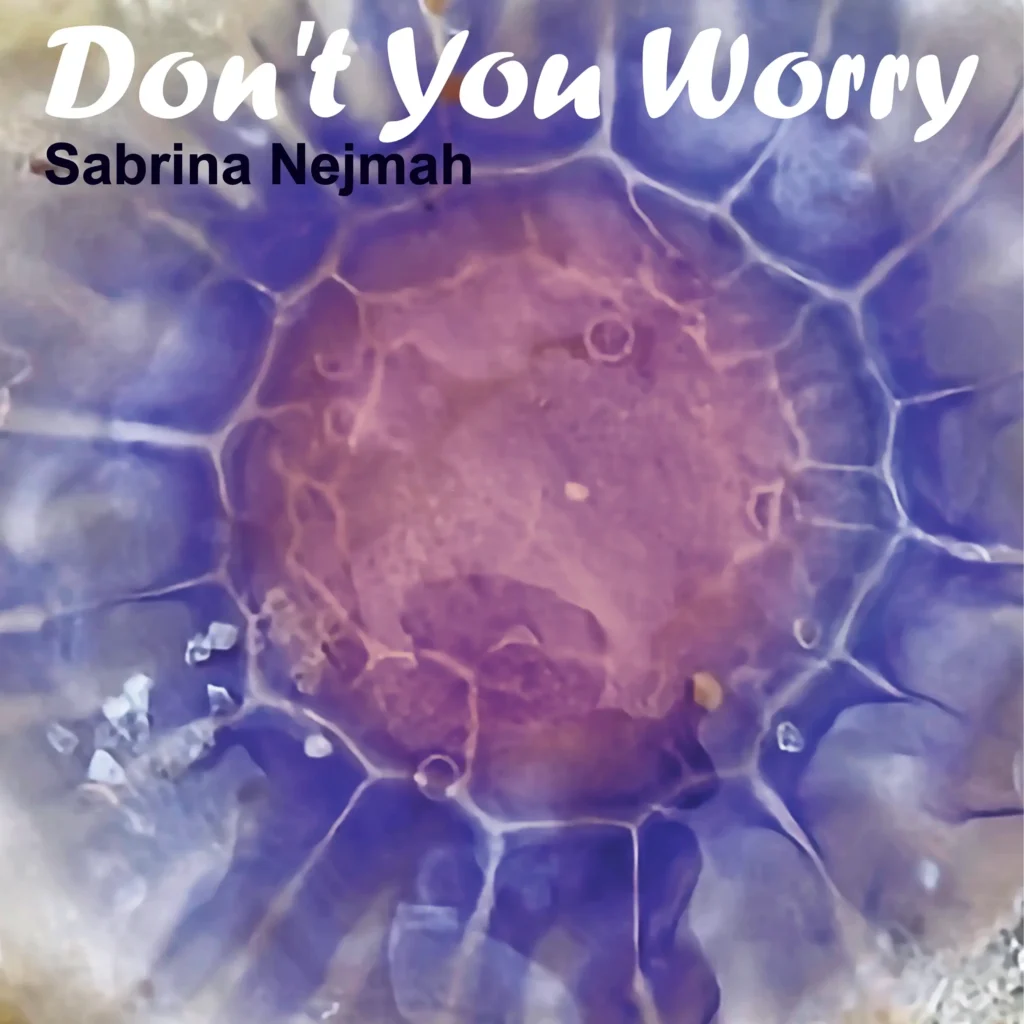
We are now in an age where everything is handed to us on a silver platter. We have AI and the internet to help us with almost anything, but Sabrina Nejmah’s newest single, ‘Don’t You Worry,’ is a track that even AI would never think of recommending. ‘Don’t You Worry’ started with this uplifting and positive-sounding sax line that perfectly introduces that overall feel of the track. On the surface, the arrangement is not flashy, especially if you are the kind of listener who focuses first on the music and then on the lyrics, but that track has colorful lyrical imagery from phrases like / Cruising through an empty space / I keep an eye on the oxygen clock / Leaving earth behind / While we float through asteroid skies / are a few examples of storytelling done correctly.  It’s a song about trust masked in a sci-fi storyline that few will be able to decipher because, on the outside looking in, it’s a track that doesn’t have that technical angst, vivid technical arrangement, and that skillful wow factor. The crème de la crème is the lyrics. How colorful it was portrayed, and how creative the way it was delivered.  Sabrina Nejmah’s ‘Don’t You Worry’ is a track that will be notable because of its lyrical imagery. With thousands of songs being released on a day-to-day basis, Sabrina Nejmah decided to walk a path that a few brave people walk, and that’s creative lyricism over technical flash.  Follow Sabrina Nejmah Globe Spotify Soundcloud Bandcamp Instagram Promoted Content About the Author
Sabrina Nejmah’s “Don’t You Worry” Is an Art AI Can’t and Won’t Touch Read More »

Tony Lio’s “Better to Sleep” Is a Beautiful Dissonance

In my years of reviewing music, believe it or not, there is a safe and proven way to create and arrange music. But to break it down to its core and literally break the rules can be either awesomely good or terribly bad. Better to Sleep is a prime example of stripping music to its core and hearing the soul of the track. It’s a track that consists of an acoustic guitar, percussion, subtle samples, and, from time to time, a delay/reverb guitar lick.  What made it special is its simplicity, packed with symbolism from start to finish. The phrase on the chorus hook, / Better to love better to sleep / Dreams of you haunting me / is what I call beautiful dissonance. The first phrase alone is a bit confusing, but it was met with the idea of intense passion in the second phrase.  The beautiful dissonance became symbolic every time the guitar lick came in because the note progression on the acoustic guitar doesn’t necessarily match the notes being played in the guitar lick, yet there’s always a resolution in the end.  Tony Lio’s ‘Better to Sleep’ is a clear representation that theory can only get us so far. Playing it safe is good, but getting out of your comfort zone can lead to dissonance that can either make you or break you.  Follow Tony Lio Globe Facebook Spotify Bandcamp Youtube Instagram Promoted Content About the Author

Tony Lio’s “Better to Sleep” Is a Beautiful Dissonance Read More »