
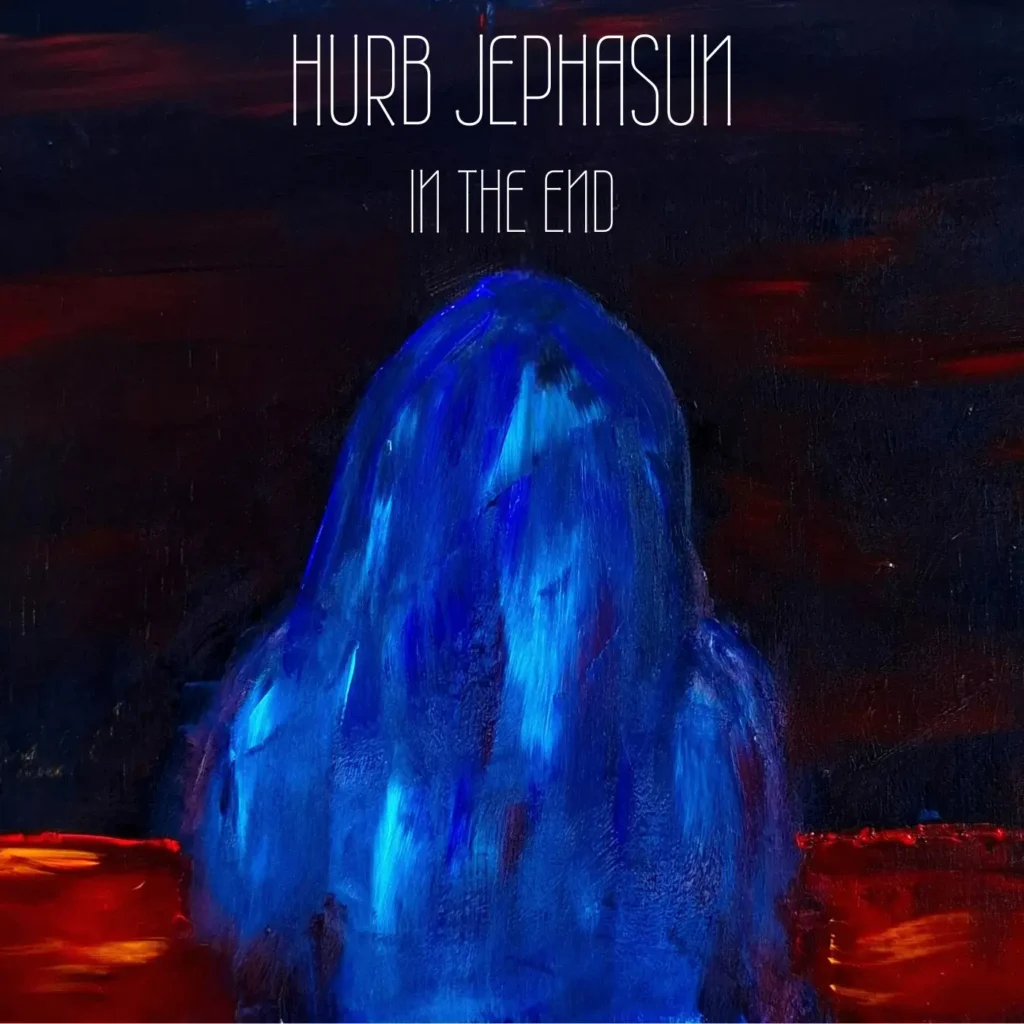
Music is so heavily programmed these days, you can almost hear the tick of the clock in every studio minute. Breaths are erased, vocals go through auto-tune until they sound like something from the lab, and each tiny blip and glitch is taken straight to the editing room for interrogation. Australian outsider-art musician, Hurb Jephasun, however, isn’t afraid of a few blips. His new four-tracker, In The End, is stripped, piano-centric and refreshing in its resistance to the idea that music must be perfect to be powerful.
Jephasun was raised in the Australian outback. One television station, no internet, one piano. Not the best of backgrounds when it comes to a TikTok career, but perhaps a good beginning for a musical existence that doesn’t require an algorithm to tell the tune. After finding his way into Sydney’s underground music scene in the ’80s and ’90s, he is now based in Perth, where he fronts The Polite Society, plays keys for The Beautiful Losers, and records under his own name. He paints as well – perhaps even more so than it may seem. Heavy black lines, bold colours and haunted eyes fill Jephasun’s canvases. The same principle applies to his music: do not mask the blemishes that occur while creating.
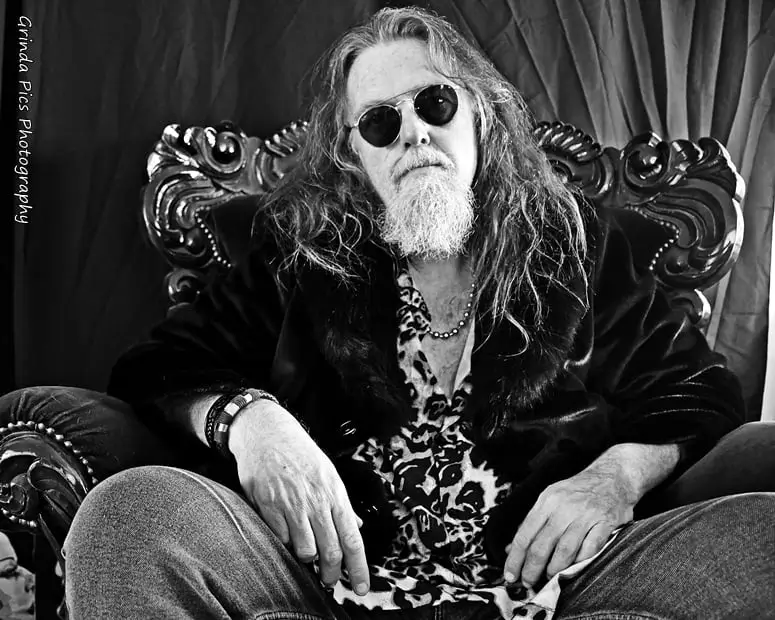
That’s the idea behind In The End. You can feel the space around the performance. It’s permeated with breaths, Jephasun’s voice quavers here and there, and the piano has enough heaviness to anchor itself in the mix. Nothing’s brushed flat into an amorphous, rubbery blob.
Now, rough isn’t always ready-made. You could sing through a bent paperclip in a second-story bathroom with a fan on and label it “the unpolished soul.” That might be a joke that makes you chuckle, but it won’t make your audience. But there’s a certain art to working that into the music so it’s not just styleless. In that way it adds intimacy to the record that slick production would have possibly cost. Jephasun isn’t talking to you, he’s asking you to sit in.
“Lost” kicks off with a soulful vocal entwined in a guitar onslaught of piano chords. A slow build, it has a real ’90s alternative feel and doesn’t come across as a throwback. The opening chords of the album’s title track and Jephasun’s vocals.
“Pray” creates space for the piano and swells before rocking back into the depression of whatever deep pain you have to get rid of. It’s the sort of record you want to loudly sing along to, regardless of whether you have any clue what emotional baggage you’re shedding. “The First Time” ends the EP in this same familiar bleak heaviness.
Jephasun’s four tracks remain concise, the sparse production revealing itself without comfort of effects or reverb. His paintings offer background; in expressive painting, a brush stroke is not always a mistake, but rather the emotion. In The End, he treats the crack in the voice, the slightly imperfect note in that way as well; the imperfections do not undermine the music, they affirm its truthfulness.
There’s a personal element to this, as well. Jephasun spoke of fighting imposter syndrome and coming to terms with the respect shown by the musicians he’s played with. After years of playing in bands and doing other work, putting music out as himself allows him to carve his own space.
This is what makes In The End so much more effective as an overproduction retort than as a protest. It’s not saying loud music is more valid, or every stumble should be cheered. It’s just saying art should be more than this.
Some imperfections are just imperfections. While Jephasun doesn’t lean on it, perhaps he can take his one step further and give our rough edges a role to play-by sharing his voice, his piano, and his environment in the same shot. In The End doesn’t need to be embarrassed of its flaws to be effective; it just needs to let them breathe.
Follow Hurb Jephasun
About the Author
A tenured media critic known working as a ghost writer, freelance critic for various publications around the world, the former lead writer of review blogspace Atop The Treehouse and content creator for Manila Bulletin.