


loader image

Track Review

“Come to Your Senses” by Songs of Solomon feat. CheraLee: Love Is Complicated. Pride Makes It Worse

Declaring a relationship over is easy. Actually getting over it? Well, that’s where things get inconvenient. “Come To Your Senses,” the new single from UK singer-songwriter Songs of Solomon, featuring South African vocalist CheraLee, is built around that particularly irritating gap between what people say and what they actually feel. The song is an uptempo pop-rock duet about two individuals who have convinced themselves they’re over each other, while not very well convincing themselves. Driven by pounding beats and acoustic tones, contrasting vocals let both parties have a chance to make their case. The result is not quite a break-up track, but not quite a reconciliation. It’s more like the emotional equivalent of writing a text, deleting it and writing it again. The song gives us some lift and energy, but it’s really the catch that keeps the momentum going: “Come to your senses, I’ll come to mine.” It’s a nice little reciprocating bit of wordplay because it’s not a one-sided villainy; the singer isn’t just asking the person to confess he’s at fault. The singer’s throwing himself into the mix: he’s got some work to do himself.   That mutual accountability gives the duet its appeal. Solomon and CheraLee represent two perspectives caught in the same emotional mess, with their contrasting voices making the back-and-forth feel like an actual conversation rather than two singers taking turns occupying the same song. CheraLee brings a distinct presence to the performance, adding personality and vulnerability to the other half of the story. The Southampton-based Solomon, whose music draws from dark country, Americana, folk and roots rock, says the collaboration came about through producer Hurter, who introduced the singers. They recorded their parts separately, coordinating through messages, recordings and feedback. Despite the geographical distance, the performances aim for the feeling of two people responding directly to each other. Lyrically, “Come To Your Senses” is interested in the little acts of denial that follow a breakup: avoiding familiar places, keeping busy and pretending an ordinary memory hasn’t just ruined your afternoon. These details make its emotional premise relatable without turning the song into a lecture about relationships. The ending also leaves room for interpretation. Solomon leans towards hope, but acknowledges that finding your way back to someone doesn’t automatically mean everything will work out. That’s probably the song’s most honest idea. “Come To Your Senses” may not reinvent the pop-rock duet, but it gives a familiar relationship dilemma an infectious melody and two compelling voices. Sometimes love needs a second chance. Sometimes it needs two people to finally stop being stubborn. Preferably both. Follow Songs of Solomon Globe Facebook Instagram Spotify Soundcloud Youtube Promoted Content About the Author
“Come to Your Senses” by Songs of Solomon feat. CheraLee: Love Is Complicated. Pride Makes It Worse Read More »

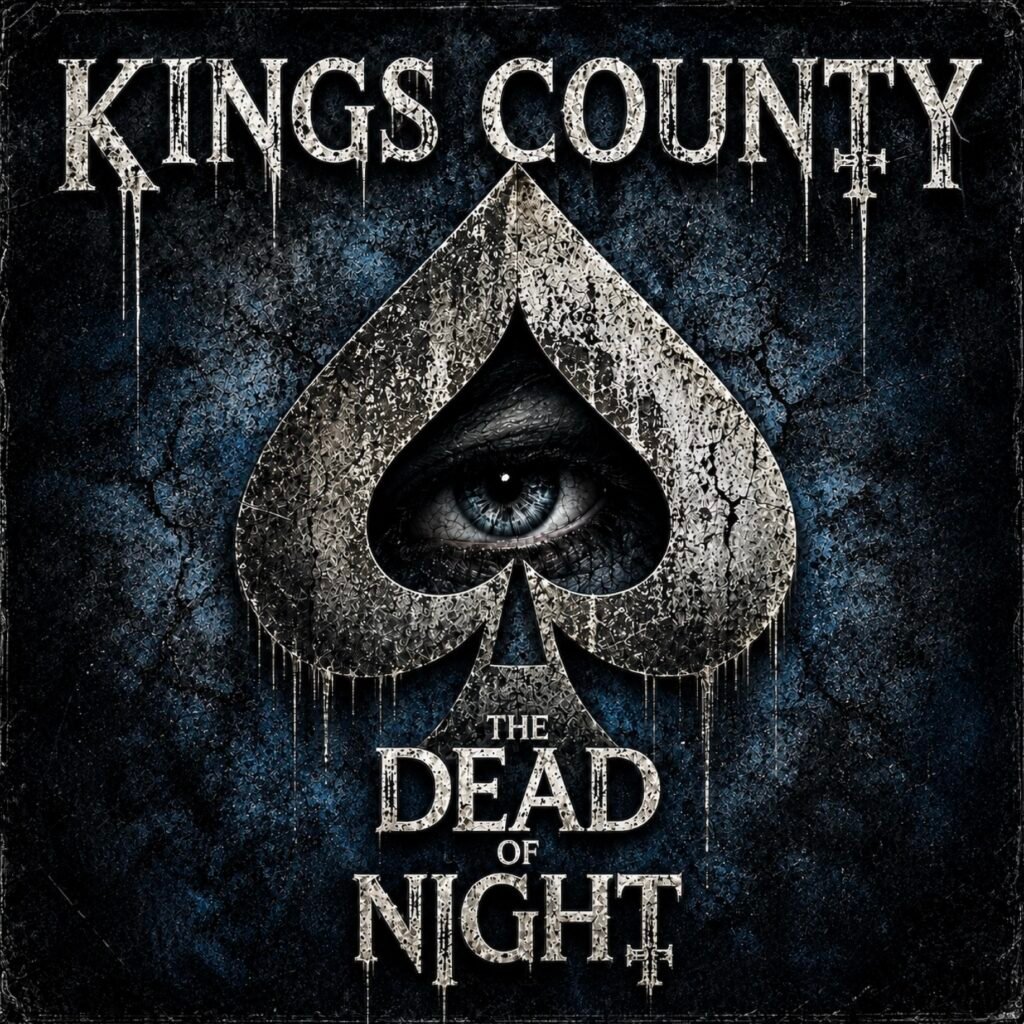
“The Dead of Night” by Kings County Is a Hard Rock Song With Demons to Spare

There’s something glorious about a hard-rock song that could easily crush a wall but then refuses to stop talking about your personal struggles. Here comes Kings County‘s “The Dead of Night,” delivering precisely that: hard guitars, big alternative-rock riffs and vocals that insist on making sure everyone in the room shares the burden of every word. That band, out of Orlando, Florida, fuses 90s style guitar driven swagger with the relentless heaviness of modern hard rock. On “The Dead of Night” those sounds come together somewhere just north of a guitar fueled swagger of the 90s and the slick sheen of modern rock. It’s familiar territory, but not a bad place to go. The guitars drag it out while the melodic vocals prevent the whole thing from becoming just a big wall of sound. Then there are the lyrics: Underneath all that tumult, “The Dead of Night” is a song about the hidden lives we lead when no one’s looking. It’s a song about the gap between who we seem to be and who we are when we’re overcome by our darker side-by fear and anger and all those other less appealing elements of our biology that we try to hide from the world. The song makes for a suitably bombastic subject; one it’s constructed to be played in the cavernous space of a dark arena and heard by a very excited crowd. Dexter’s vocal style is full-attitude all the way, with Rob Zombie as an inspiration for his boisterous vocal stylings. It’s not terribly sophisticated, but then again that’s not what any of us were expecting from songs of this style. And yet the track’s best feature is the notion that darkness isn’t inherently something to be overcome. On the contrary, sometimes the way through it is through it. It’s a familiar sentiment, but Kings County offers enough heft and volume to make it feel authentic and not just put on a meme. “Dead of Night” doesn’t conjure the wheel out on hard rock – it doesn’t have to. It’s a blusterous, hook-heavy tune which has an idea of what it wants to be: loud, melodic, a little dark and above all: theatrical. Some monsters need to be faced with the volume turned up. Follow Kings County Globe Facebook X-twitter Spotify Youtube Instagram Tiktok Promoted Content About the Author

“The Dead of Night” by Kings County Is a Hard Rock Song With Demons to Spare Read More »

Riri Rose Transforms Obsessively Caffeinating Affection Into Indie Rock Despair in “I Don’t Want That Colour”

Love is meant to add colour to the world. Well, that’s the idea anyways at least. Everything gets brighter, ordinary moments become special and suddenly one person occupies a frankly unreasonable amount of your thoughts. Cute, until they’re occupying so much space that there’s barely any room left for you. What happens when someone else’s presence becomes the colour that paints your entire world? That’s the uncomfortable reality explored by Riri Rose in “I Don’t Want That Colour,” her second single and a preview of her upcoming album. This is an indie-rock song that develops from a seemingly sweet love declaration, but becomes far less than sweet when it begins feasting on your ego. Don’t hear Rose touting a fairy-tale version of love here. Rather, she’s catching us at that breaking point where love becomes obsession and then, soon enough, something destructive. An emotional train-wreck many can relate to, whether it would prefer not to. The colour does most of the work. Usually it is the beautiful colour of hope, passion, and optimism, but not this time. Instead it seems more like an unwelcome companion, an underfoot extra waiting to submerge all the rest. It’s actually a rather clever way to think about love, at least for these few lines. Love doesn’t always have to be something you don’t have, it can be that very thing which pushes other things away and leaves you with a smaller world to live in. This perspective imbues ‘I Don’t Want That Colour’ with more significance than just its main analogy. Rose is influenced not just by her personal life, but by fictional environments such as movies, comics, TV and table-top role playing games. She’s a songwriter who uses songs to help her get her head around what are at times conflicting feelings. Rose is still searching for her sound, but I Don’t Want That Colour hints at the emotional terrain she’s making space for. Love has the power to add colour to the world. But what if that colour’s no longer wanted? What if there’s nowhere left for you? Rose doesn’t have a neat solution; she leaves us perched in that in-between. And sometimes that’s where the best songs take off from. Follow Riri Rose Instagram Spotify Promoted Content About the Author
Riri Rose Transforms Obsessively Caffeinating Affection Into Indie Rock Despair in “I Don’t Want That Colour” Read More »

AINA’s “Stay” Is a Song About How Rude Time Is

Time is a thief. It steals your afternoons, your weekends, and occasionally an entire year while you’re busy trying to remember what you were supposed to be doing. AINA’s “Stay,” released October 16, 2026, takes that deeply inconvenient fact and turns it into an alternative-pop song about mortality, human connection, and the desperate hope that the people we love might stick around a little longer. Subtle? Not particularly. Effective? Potentially, yes. The song opens with a simple observation: “Yesterday left so fast / And today will it last.” That’s the sort of thought that arrives at 2 a.m. when your brain decides sleep is less important than reminding you that everything is temporary. From there, “Stay” keeps circling the same uncomfortable questions. Will tomorrow come? Will we wake up again? How much time do we actually have? The answer, naturally, is that nobody knows. Thanks, universe. AINA builds the song around that uncertainty, repeatedly returning to the word “Stay” like saying it enough times might convince the world to stop moving for five minutes. The lyrics are abstract and repetitive, but that repetition serves a purpose. This isn’t a song about making a particularly persuasive argument. It’s about the feeling of needing someone close when the future suddenly looks a little less guaranteed. “Let’s live before I leave” is the central idea, and it’s a good one. The song acknowledges that people leave, relationships change, and life eventually ends, then suggests we should probably spend the time we have actually living. Revolutionary stuff, if you haven’t recently encountered a greeting card or an existential crisis. On a musical level, “Stay” is far more melancholic and introspective than upbeat, earworm, alt-pop that might be expected to make up a more lively album. Its impact is heightened by the juxtaposition of the brightness of the request with the grand scale of the issue. The looping of the phrases makes the song seem contemplative, though those who prefer very progressive lyrics in their songs. Still, there’s something honest about the simplicity. When you’re afraid of losing someone, you don’t necessarily produce a beautifully structured speech. Sometimes you just keep asking them not to go. “Stay” doesn’t pretend that love can defeat time. It offers something smaller, and arguably more useful: a reminder to pay attention while the people we care about are still here. We can’t make yesterday stay, and tomorrow isn’t guaranteed. But we can, at the very least, try not to waste today. Follow AINA Globe Facebook Spotify Soundcloud Bandcamp Youtube Instagram Tiktok Promoted Content About the Author
AINA’s “Stay” Is a Song About How Rude Time Is Read More »

Olivia Cox’s “Burn the Boat” Makes Commitment Sound Like a Terrifyingly Good Idea

Relationships are strange things. You can go for months agonizing over whether this is the ‘right one’ for you, poking at the doubts and insecurities as if you’re trying to solve a murder, and then suddenly wake up to the knowledge that perhaps it’s not any of that, perhaps you’re just terrified to make a choice. Now, Olivia Cox‘s ‘Burn the Boat‘ presents a fairly dramatic way of solving the problem: burn the boat and remain on the island. The song was penned in a songwriting retreat in Jersey, with the producer Kaja Riedle and the composer Eloise Weeks and taps into that all-too-familiar feeling when you start to question whether doubt is actually a good thing, or whether you’re simply overthinking something that’s going well. Are you in the right relationship? Are your dark thoughts providing us valuable lessons or are we just overanalyzing everything? To give a nod to The Clash, should I stay or should I go? “Burn the boat” uses that metaphor to make the decision of staying seem irreversible. Burning the boat removes the easily accessible escape hatch and leaves only the rather terrifying possibility that you will have to live with your decision. It is romantic, albeit one that could give a travel insurance company a stroke. Sonically, “Burn The Boat” by Olivia Cox pivots toward a more organic, live feel, combining an 80s-inspired sound with an upbeat modern alt-pop kick to reflect the thematic ebb and flow of the track, from initial doubts about a relationship to ultimately making the choice to stay. The song plays with the metaphor of “burning the boat” and choosing to remain despite the uncertainty. The end product is a song about a pretty common dilemma: We crave certainty before making a leap, but clarity sometimes only manifests itself afterward. It’s inconvenient, for real. Wouldn’t it be much easier if life got us to read the terms-and-conditions statement before allowing us to love? “Burn the Boat” doesn’t imply that fully committing will automatically obliterate doubt. Rather, it is the question of whether we’re signing up for someone that entails rolling the dice a bit and waving goodbye to that to-goodness every time the little voice in our head pipes up. There is always an option to keep searching and searching for a way out, or there is choosing them and seeing what develops. Just maybe keep a fire extinguisher nearby. Follow Olivia Cox Facebook Spotify Soundcloud Youtube Instagram Tiktok Promoted Content About the Author

Olivia Cox’s “Burn the Boat” Makes Commitment Sound Like a Terrifyingly Good Idea Read More »

Jasmith’s “Fader Zero” Starts From Nothing

Zero! An odd number. Whilst there is musicality, it doesn’t really matter if we can hear it. This is pure creative potential, however it is all sitting in a corner doing nothing until someone hopefully goes and uses it. It feels like a fresh start which is exactly what Jasmith is aiming for on ‘Fader Zero’. The Singaporean producing songwriter has put all of their focus on creating a track about overcoming obstacles and putting in the effort to return to being the best you can be. It isn’t a showy track where we run up the stairs and feel amazing, but it is more of a daily grind where you practice things until you get them right. It revolves around repetition. Lyrically, the song talks about returning to your best. It may be quite simple but it’s nice to have a song that embraces that change is work. You don’t magically become better as the music speeds up, you just turn up. ‘Fader Zero’ has a smooth, dancey electronic pop vibe, similar to that of Hot Chip, with its clean synths, punchy rhythm and subtle melodies. The synth work really carries the track, giving it a clean feel. The production is crisp and yet still has a nice amount of life. Everything has a purpose. Like Hot Chip and other synth-driven indie dance artists, Jasmith balances repetition and progression, carefully constructing a track with its own identity and a consistent rhythm. Electronic music has often had a sad history when it comes to trying to create a song using high quality production. You can make anything look shiny with a fresh coat of paint. However, Jasmith has given this a purpose. The shiny, clean production matches the message of the song. Rebuilding yourself requires patience, precision and perseverance. The repetition is key. There’s a nice amount of freedom within this track. We can see Jasmith has developed as a producer and songwriter as everything fits together nicely. Nothing clashes and the synths don’t feel like they’re fighting for space. They all help the main message of the song. Whilst there isn’t anything revolutionary within this electronic pop track, it’s a well produced release that has a genuine message. The production has clearly been done with care. Jasmith begins at zero but the intrigue lies in what happens when you press play. Follow Jasmith Spotify Instagram Youtube X-twitter Tiktok Promoted Content About the Author

Jasmith’s “Fader Zero” Starts From Nothing Read More »

Tony & The Kiki’s “I Think We’re Alone Now” Is What occurs When ’80s Nostalgia Gets a Glam-Rock Upgrade

To cover an ’80s pop song is a risky business. You take an already-loved tune, tinker around with about three of its components and hope to hell no one asks why you even went there. Otherwise, you tinker around with everything and some editor will ask why you didn’t just write a song from scratch instead. Tony & The Kiki have opted for a third choice: perform “I Think We’re Alone Now” by Tommy James and the Shondells, made world famous by Tiffany, as if subtlety itself has been an affront to the very fabric of their clothing. The song kicks off with a punchy synth-bass line that really sets the scene: a busy ’80s shopping mall food court, full of solutions to all your problems in the form of a key change. Old synths create that familiar, nostalgic feel, but it’s got some screeching glam-rock guitars and thumping electronic drums to give it that little bit of extra weight so that it doesn’t just sound like karaoke at a retro-themed beer garden. It’s the same song, just a little more confident. Finally, there are the vocals. Tony delivers each and every hook as if nominated for an award. The vocals soar and project in a wonderfully theatrical fashion, refusing to allow the recording to remain a precious museum piece behind the glass. Tony & The Kiki know what pop music all too often seems ashamed to realize: that you can be horrifically over the top and still mean it. But behind all that sparkle, there’s something to ponder. Tony characterizes the lyrics as having a queer coding, between the desire to share this beauty and the urgency to conceal it. Its concealment can go beyond a familiar story of adolescence romance and also lend itself to shielding an identity or the lovers from a world that isn’t always kind. All that extravagant longing now has another layer to it. But that’s why this cover is way better than nostalgia in a can of hairspray. Tony & The Kiki are not saying the original was busted and in need of repair. They’re demonstrating how a familiar song can take on a completely new identity when someone else gets to live in it. “I Think We’re Alone Now” is blunt about its goals: it’s aimless synth pop nostalgia, glam rock bravado, queer theatrics; without a single apology for its space. At times a cover can be a reminder of why that song worked in the first place. At times, a cover can wear six-inch heels and demand you give it your attention. Tony & The Kiki have good sense to manage both. Follow Tony & The Kiki Globe Facebook Spotify Soundcloud Youtube Instagram Tiktok Promoted Content About the Author

Tony & The Kiki’s “I Think We’re Alone Now” Is What occurs When ’80s Nostalgia Gets a Glam-Rock Upgrade Read More »

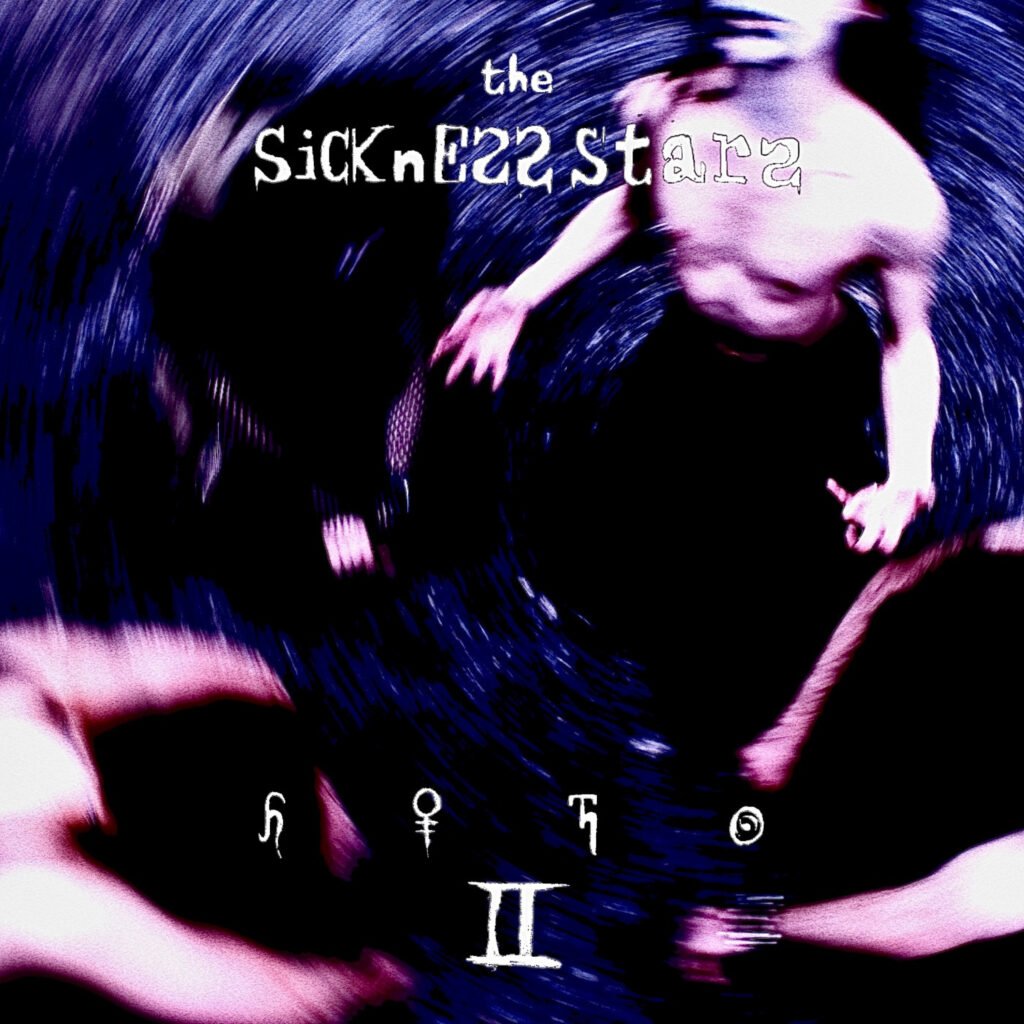
“Chant of Willpower and Fame” by The Sickness Stars shows A Little Ambition Never Hurt Anyone. Probably

Supremacy, ambition, narcissism. Three perfectly healthy personality traits, provided you never speak to another human being, run a company or gain access to a national television network. They’re also the themes behind “Chant of Willpower and Fame,” the latest double single from French blackened industrial project The Sickness Stars. Subtlety, apparently, was not invited. The record is the second instalment in a planned trilogy of singles, continuing the band’s exploration of humanity’s less flattering habits. And if you’ve ever wondered what happens when industrial music, blackened metal, and the musical spirit of the 1990s get locked in a room together, The Sickness Stars seem determined to provide an answer. Preferably a loud one. That combination is central to the project’s appeal. Electro-industrial brings the mechanical menace, blackened metal supplies the aggression, and avant-garde influences keep things from becoming a straightforward exercise in turning everything up until the speakers surrender. The band also draws on old-school ’90s rock and metal, giving its otherwise abrasive approach a connection to a decade when alternative music was particularly interested in making everyone slightly uncomfortable. But the real focus here is the subject matter. “Chant of Willpower and Fame” examines the hunger for supremacy and recognition, along with the narcissism that can turn ambition into something considerably uglier. Wanting to succeed is one thing. Deciding that everyone else exists primarily to applaud you is another. History, unfortunately, has given us plenty of examples of people who struggle to understand the difference. The Sickness Stars approach these ideas through a broader interest in the human condition, digging into the vulnerabilities hiding beneath individual beliefs and social structures. The project isn’t simply interested in making dark music for darkness’s sake. Its theatrical, ritualistic presentation reflects a desire to confront uncomfortable emotions rather than politely pretend they don’t exist. As the second release in a trilogy, “Chant of Willpower and Fame” also contributes to a larger artistic statement. Whether examining hatred, love, ambition, or the intoxicating appeal of power, The Sickness Stars seem most interested in what happens when ordinary human impulses become something more extreme. This won’t necessarily be everyone’s cup of tea. Blackened industrial music isn’t exactly designed to soundtrack a relaxing Sunday brunch, unless your family gatherings involve considerably more screaming than mine. But for listeners who enjoy their metal abrasiveness, their electronics unsettling, and their ideas a little uncomfortable, The Sickness Stars offer an intriguing proposition. “Chant of Willpower and Fame” continues a project built around confronting humanity at its most contradictory. And honestly, given the state of humanity, they’re unlikely to run out of material anytime soon. Follow The Sickness Stars Facebook Spotify Soundcloud Bandcamp Youtube Instagram Tiktok Promoted Content About the Author

“Chant of Willpower and Fame” by The Sickness Stars shows A Little Ambition Never Hurt Anyone. Probably Read More »

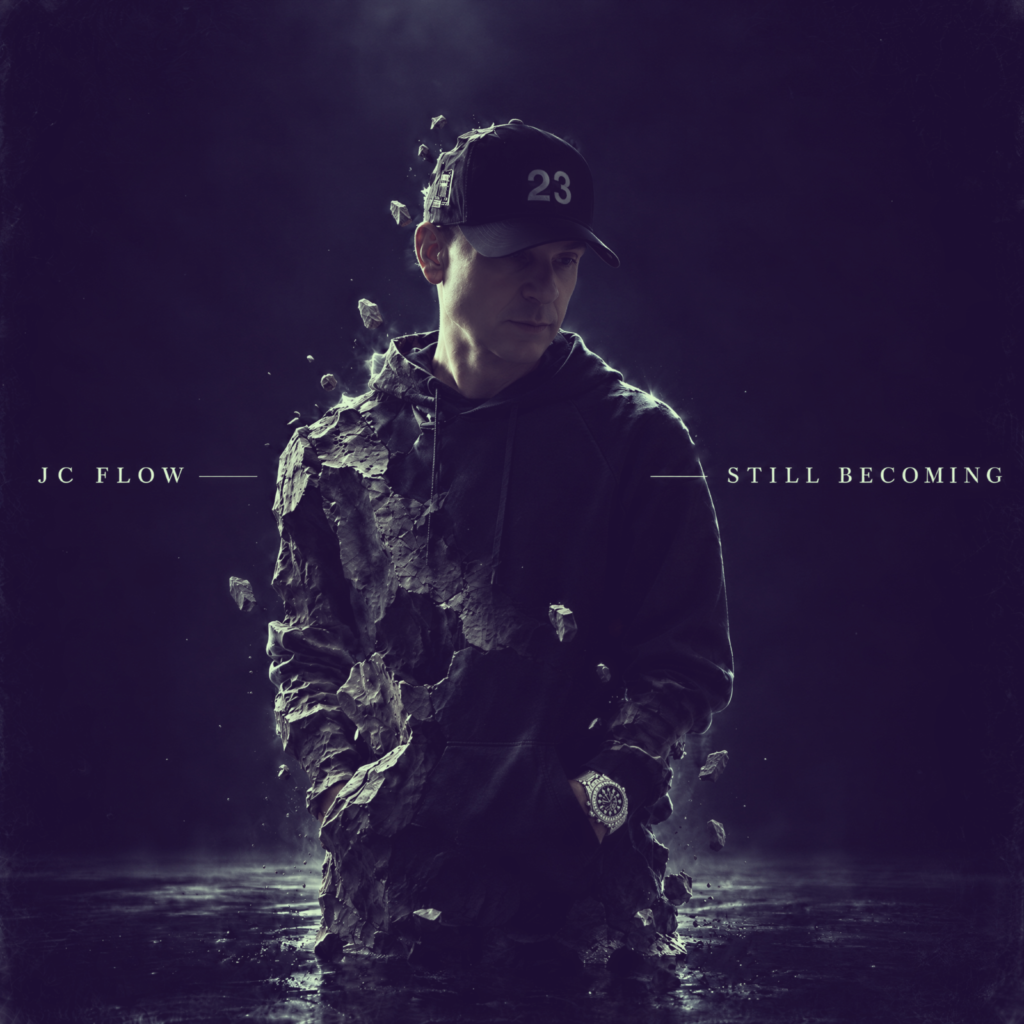
JC Flow’s “Still Becoming” Is Powerful Because We Don’t Have to Have It All Together

There’s no shortage of the advice in song form that’s telling you to not take life laying down. Life seems to be an obstacle course that everyone must face, and the radio gods are obligated to play at least one song a day with some chart-topping motivational cliché. The challenge is making a song about growing as a person feels like a human is experiencing it and not just a motivational poster. Seattle hip-hop artist JC Flow takes a more introspective approach on “Still Becoming”. Instead of presenting healing as some triumphant, neatly packaged conclusion, the song focuses on the uncomfortable business of figuring yourself out while you’re still very much in the middle of the mess. Based around atmospheric, cinematic beats of hip-hop, “Still Becoming” allows for JC Flow to wrestle with his emotions. The verses share that quiet intensity of emotion, that consideration of continuing on with life as if everything is all right. That’s a strange vulnerability, because life doesn’t wait to roll out the red carpet with a chorus in the sky for you to understand your purpose here. Sometimes, you just move on through the day and see what tomorrow brings. And this is the message at the heart of the song. The title itself throws out the idea that becoming a better version of yourself is an end goal. It’s a journey and a pretty uncomfortable one at that. You can have your wins and still be feeling pretty shiteful. You can know where it hurts you without knowing how to fix it straight away. JC Flow seems happy to take the contradiction, rather than pretend he’s figured it out. His music settles in between the alternative rap, soulful rap and inspiring music quadrant. It’s cinematic in the production but poetic when it’s performed and it really does embrace the introspective side of this track. It’s heavy but it’s not so much that it’s restricting and the melodies really come in to help give this song that bit of comfort in a dark moment. Definitely, inspirational hip-hop can suffer from the same leaden fault: the more sincere and explicit the song, the closer it comes to preachiness. “Still Becoming” works best when it stays in the word “yet”; refusing to rush on from the discomfort to the comfort.  “Still Becoming” is likely not going to solve motivational rap, but it’s much more humble in its approach to becoming better than yourself. There’s no cheat code to healing, no one track to get you ahead in this personal development game, and there’s no promise that tomorrow is any easier than today. Maybe all you can do is come to terms with today. And honestly, that’s a much more useful message than pretending you’ve already made it. Follow JC Flow Globe Facebook X-twitter Spotify Soundcloud Bandcamp Youtube Instagram Tiktok Promoted Content About the Author

JC Flow’s “Still Becoming” Is Powerful Because We Don’t Have to Have It All Together Read More »

Mick J. Clark’s “It’s Getting Near Christmas” Brings the Festive Chaos Early

Christmas music has a pretty specific job. It needs to make you feel warm and fuzzy about the season while conveniently ignoring the fact that you still have presents to buy, people to visit, money to spend and approximately seventeen things to finish before December 25. It’s a genre built on the promise that everything is magical, even when you’re one delayed delivery away from losing your mind. Mick J. Clark’s “It’s Getting Near Christmas” embraces the inevitable cheesiness, leaning into that familiar excitement and delivering an upbeat pop-rock song about the countdown to the big day. Clark says he wanted to capture the season’s excitement, stress and romance, which is a reasonably ambitious assignment for a holiday single. Fortunately, Clark keeps things upbeat with a familiar holiday bop and cozy, pulsing instrumentation. Jingle bells and cheerful chimes establish the Christmas spirit from the start, while shimmering synthesizers and a bouncy bassline add a touch of festive sparkle. The production hits that sweet spot for a Christmas pop song: melodic enough for a seasonal playlist while retaining the familiar sound of conventional pop-rock. Thick vocal harmonies reinforce the song’s optimistic feel, as though the festivities are already in full swing, with lights and tinsel up before the Halloween candy has even been eaten. “It’s Getting Near Christmas” isn’t trying to dismantle the holiday-song formula or offer a radical new interpretation of festive anxiety. It knows the assignment, brings the jingle bells and gets on with it. The song’s appeal lies in that straightforwardness. Put it on while decorating the house, driving to a family gathering, or attempting to turn a pile of shopping bags into something resembling an organized Christmas. That approach carries over to “It’s Getting Near Christmas.” The track isn’t interested in making the holidays complicated. It wants to soundtrack the anticipation, the decorations and the general feeling that something special is just around the corner. And sometimes, that’s enough. Christmas doesn’t need every song to reinvent the sleigh. Sometimes, you just need a catchy tune to make wrapping presents feel slightly less like an unpaid seasonal job. Follow Mick J. Clark Globe Facebook X-twitter Spotify Soundcloud Youtube Instagram Tiktok Promoted Content About the Author

Mick J. Clark’s “It’s Getting Near Christmas” Brings the Festive Chaos Early Read More »