

loader image

2026

Emmy Gonzales’ From Musings to Melodies, Vol. III Turns Life’s Little Moments Into Keepsakes

Emmy Gonzales’ From Musings To Melodies, Vol. III feels like being handed someone’s diary, except the entries come with acoustic guitar accompaniment. Inspired by her lifelong love of poetry, the 12-track album turns personal reflections into songs about motherhood, friendship, romance, loss and gratitude. It’s warm, sincere and occasionally so earnest that you might want to check whether you’ve accidentally wandered into someone’s anniversary slideshow. Gonzales isn’t out to change the format of acoustic music. There are no wild studio experiments or spacecraft retrieval guitars. She’s simply using recognizable melodies, soft arrangements and straightforward lyricism.     The first song, “You’re My World,” is a love letter to her kids. Gonzales talks about being a mom and asks herself, “What do I want my kids to remember about me when I’m gone?” even though she’s gone. It’s a lovely thought and the song’s sincere intention of hoping for something more than just the here and now has the effect of tugging at the ol’ heartstrings. I’ll admit to crying a little. “Love Unconditionally,” one of her standouts and personal favorites, goes to dad. “You’re the reason I knew how to love unconditionally, how to show my strength, how to show my love and I’m your reflection,” she sings. A mother and father do that to you; they stick to you whether you realize it or not. And then there’s “Two Bittersweet Reunions,” the album’s emotional freight train. Gonzales sings of reuniting with her son after many years and losing her mother on that very same day. That’s such a huge patch of the human experience to cram into a single song and it never would have worked if the spare, dull guitar and string arrangements have tried to turn it into a tearjerker. Instead, the feelings are left to mingle together and it kills quietly. “Serendipity” is a pleasant surprise. The track is about a random encounter between two people, who initially struck up a friendship, before realizing there’s something else there. A fuller chorus gives the song a boost, allowing it to shine amidst the rest of the band’s mostly familiar acoustic sound. Gonzales enjoys the fun of “Damn, That Was A Kiss!” The title tells us all we need to know about it, one amazing kiss makes us forget all our doubts. It’s flirty, fluffy and completely unconcerned with having to be deep. Not every romance has to turn into the emotional wreckage of a period drama. Romance, the more gentle spirit, is alive and well, on “My Forever In A Song” and “It’s In His Eyes.” Both use the songs as vehicles to cling to the possibility of forever love. The second song offers a suggestion that, sometimes, eyes can speak louder than words. Both opt for subtle backing tracks that don’t need to pluck their furthest strum, proving, apparently, that sometimes all it takes is eye contact. Imagine that! Family and friendship are the main subjects of both “Happy Birthday, Aynslie” and “This Song’s For You, My Friends.” The first reflects on the time and energy that goes into marking a young one’s birthday and the latter pays homage to friends who continue to stick around as the years go by. Both seem like customized gifts to specific recipients, which makes them endearing even if you don’t happen to be one of the recipients. Memory holds the story together for “Missing You” and “A Memory Entwined.” The first has to do with your loved one, wherever they may be, brought to life through everyday sights and sounds: a voice, a laugh, a goodnight, a rainbow and the night sky. The second revisits a promise-fulfilling day before returning to heartbreak. Both are in agreement: you don’t miss someone because of the big moments. Sometimes it’s the little things. The final track on the album is “Love And Fairytales,” which concludes the record on a more hopeful note. Though Gonzales has been wounded before, she continues to hold on to the idea that love is warm, slow, sweet and here to stay. The guitars give the track a little forward motion and the positive attitude is satisfying. From Musings To Melodies, Vol. III requires a little more variance in its tempos and arrangements. The songs all sound similar enough that a length of one hour begins to drag in places. Despite that, Gonzales’s open, sentimental, even slightly campy attitude is what makes this album ultimately charming. Those songs are reminders to her children, her parents, her friends, the dozens of people who have helped her through life. Not everyone will identify with each dedication, but the sentiment is there. Gonzales makes an uncomplicated argument for music as a reminder of the people we hold dear, the people who are gone and why it’s okay to not make a fuss about it. Follow Emmy Gonzales Facebook Spotify Youtube Instagram Tiktok X-twitter Promoted Content About the Author


Emmy Gonzales’ From Musings to Melodies, Vol. III Turns Life’s Little Moments Into Keepsakes Read More »

Gianfranco Pescetti’s This Side of the Door Emphasizes the Human Voice in Electronic Sound

It’s pretty revealing when an artist chooses to reinstate vocals after an album devoid of them. I suppose instrumental music can say a lot, by default. It can move you to feelings you had no idea you had access to; it can persuade you that long stretches of staring out the window are an entirely justifiable way to kill 20 minutes. But songwriting is a different kind of vulnerability: there’s a person, a story, words, behind that sound. this side of the door: The Italian-born, songwriter and producer Gianfranco Pescetti, 2024’s instrumental electronic album Daystar Nocturnal, is back to songwriting and singing for his third album, due November 6, 2026. It’s 14 songs about memory, relationship, love, loss and transition, blending lush electronic atmospherics with live instrumentation and old school singer-songwriter warmth.  Featured and in-article photos: Gregg Seiler It’s not a radical rebranding, either. Pescetti isn’t junking his synths and turning up with an acoustic guitar to proclaim that he’s found some emotions. Rather, he takes the technology and ambient palette of Daystar Nocturnal and infuses it with a more intimate quality using singing and songwriting, a convincing progression which proves to be one of the record’s most enjoyable aspects. The first song, “Nightbloom” sets the tone, with a dose of gloom reminiscent of The Cure and M83. It employs minimalistic, heartbeat-like kick drums to give it a sense of life without turning it into a club track. “Flicker” keeps the dark new-wave vibe going, while “Colors with No Name” adds a heavy dose of retro on the synth-bass, which would sound right at home on a Stranger Things episode. These recognizable noises aren’t just nostalgia bait. Pescetti balances them against modern electronic production, making for an album that’s retro without being backward-looking. The arrangements often hold back, but enough quirks jump out to prevent this record from sounding like a bunch of interchangeable synth workouts. The emotional focal point is “Heidi”, a tribute to the late cellist, architect and visual artist Heidi Vincent, who inspired Pescetti to see himself as a songwriter. He doesn’t write the song as a lament, but as a “thank you” for somebody who saw his greatness before he saw it himself. It’s a hugely ambitious concept, and one that we don’t always think about when we listen to the final results, be it the album, the show, the painting. Pescetti leverages that impact as the core of his song, and he’s even playing a 1977 Fender Precision Bass that Vincent passed on to him as a gift, transforming the bass into a memorial of their friendship. It’s a subtle but meaningful touch. A Different Joy drifts into even more ambient realms, with its sparse textures making good use of negative space. Like everything but the girl, much of the emotion is carried by the simple, subtle production. “Sugar Cut” is nearly operatic in the grandeur of its booming kick drums, strings and tight multi-vocal harmonies, despite being a fairly subtle piece of music. It’s a paradoxical thing, a piece of music that feels like it’s trying not to show off, while building a rich and fantastical musical set. Meanwhile, the grim “Her Name Was Petal Storm” mixes guitar solos with trap beats and feels like a dark, contemporary new wave throwback. And it’s one of the most compelling track pairings on the album, showing Pescetti’s aptitude for mixing different modes without the music feeling like an experiment. “Vanishing Point” shifts gears again, singing with a certain gothic romance and drone-y quality as it rolls along toward the end, reminiscent of The Smiths. The final song, “Who Imagines Who,” shifts away from synths again and turns into more of a CHVRCHES song, but it makes a great way to wrap up a record that was saturated in nostalgia-inducing electronic sounds. The album’s primary weakness, oddly enough, is that the most pervasive aspect of it is Pescetti’s fascination with atmosphere that can cause some of the tracks to get lost in the overall sensory experience. Those expecting immediate interest or significant transitions in energy might find a few sections of the album a little underpowered. On the flip side, however, this sense of cohesion creates an identity for this side of the door that feels made to be appreciated rather than exploited. The electronic production works in tandem with the songwriting, rather than against it, providing a home for these songs. The live instrumentation provides some comforting warmth, the vocals add some up-front immediacy to the music. Pescetti’s hit a middle ground between the richly textured Daystar Nocturnal and the more emotional approach of a songwriter album. “this side of the door” is ultimately a soulful and considerate return to the vocal focus. It may sometimes sacrifice rhythm for atmosphere, but this is by far the strongest example of Pescetti translating personal experiences into an inviting, rather than inaccessible, musical experience. Pescetti has not turned his back on the electronic worlds he has labored to create for so many years. He’s just heard the human voice, and frankly, that alone has been enough to usher him to the door. Follow Gianfranco Pescetti Globe Spotify Soundcloud Bandcamp Facebook Youtube Instagram Promoted Content About the Author
Gianfranco Pescetti’s This Side of the Door Emphasizes the Human Voice in Electronic Sound Read More »

“Come to Your Senses” by Songs of Solomon feat. CheraLee: Love Is Complicated. Pride Makes It Worse

Declaring a relationship over is easy. Actually getting over it? Well, that’s where things get inconvenient. “Come To Your Senses,” the new single from UK singer-songwriter Songs of Solomon, featuring South African vocalist CheraLee, is built around that particularly irritating gap between what people say and what they actually feel. The song is an uptempo pop-rock duet about two individuals who have convinced themselves they’re over each other, while not very well convincing themselves. Driven by pounding beats and acoustic tones, contrasting vocals let both parties have a chance to make their case. The result is not quite a break-up track, but not quite a reconciliation. It’s more like the emotional equivalent of writing a text, deleting it and writing it again. The song gives us some lift and energy, but it’s really the catch that keeps the momentum going: “Come to your senses, I’ll come to mine.” It’s a nice little reciprocating bit of wordplay because it’s not a one-sided villainy; the singer isn’t just asking the person to confess he’s at fault. The singer’s throwing himself into the mix: he’s got some work to do himself.   That mutual accountability gives the duet its appeal. Solomon and CheraLee represent two perspectives caught in the same emotional mess, with their contrasting voices making the back-and-forth feel like an actual conversation rather than two singers taking turns occupying the same song. CheraLee brings a distinct presence to the performance, adding personality and vulnerability to the other half of the story. The Southampton-based Solomon, whose music draws from dark country, Americana, folk and roots rock, says the collaboration came about through producer Hurter, who introduced the singers. They recorded their parts separately, coordinating through messages, recordings and feedback. Despite the geographical distance, the performances aim for the feeling of two people responding directly to each other. Lyrically, “Come To Your Senses” is interested in the little acts of denial that follow a breakup: avoiding familiar places, keeping busy and pretending an ordinary memory hasn’t just ruined your afternoon. These details make its emotional premise relatable without turning the song into a lecture about relationships. The ending also leaves room for interpretation. Solomon leans towards hope, but acknowledges that finding your way back to someone doesn’t automatically mean everything will work out. That’s probably the song’s most honest idea. “Come To Your Senses” may not reinvent the pop-rock duet, but it gives a familiar relationship dilemma an infectious melody and two compelling voices. Sometimes love needs a second chance. Sometimes it needs two people to finally stop being stubborn. Preferably both. Follow Songs of Solomon Globe Facebook Instagram Spotify Soundcloud Youtube Promoted Content About the Author
“Come to Your Senses” by Songs of Solomon feat. CheraLee: Love Is Complicated. Pride Makes It Worse Read More »

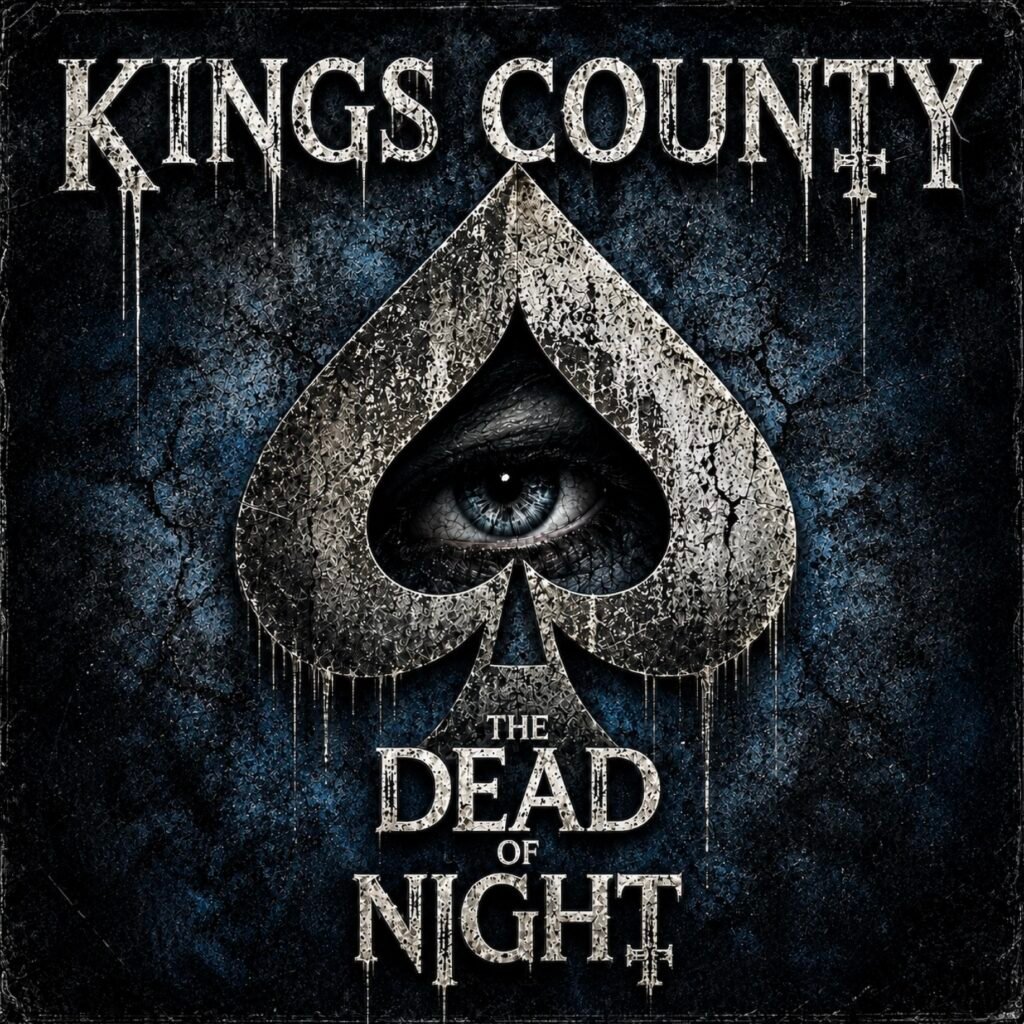
“The Dead of Night” by Kings County Is a Hard Rock Song With Demons to Spare

There’s something glorious about a hard-rock song that could easily crush a wall but then refuses to stop talking about your personal struggles. Here comes Kings County‘s “The Dead of Night,” delivering precisely that: hard guitars, big alternative-rock riffs and vocals that insist on making sure everyone in the room shares the burden of every word. That band, out of Orlando, Florida, fuses 90s style guitar driven swagger with the relentless heaviness of modern hard rock. On “The Dead of Night” those sounds come together somewhere just north of a guitar fueled swagger of the 90s and the slick sheen of modern rock. It’s familiar territory, but not a bad place to go. The guitars drag it out while the melodic vocals prevent the whole thing from becoming just a big wall of sound. Then there are the lyrics: Underneath all that tumult, “The Dead of Night” is a song about the hidden lives we lead when no one’s looking. It’s a song about the gap between who we seem to be and who we are when we’re overcome by our darker side-by fear and anger and all those other less appealing elements of our biology that we try to hide from the world. The song makes for a suitably bombastic subject; one it’s constructed to be played in the cavernous space of a dark arena and heard by a very excited crowd. Dexter’s vocal style is full-attitude all the way, with Rob Zombie as an inspiration for his boisterous vocal stylings. It’s not terribly sophisticated, but then again that’s not what any of us were expecting from songs of this style. And yet the track’s best feature is the notion that darkness isn’t inherently something to be overcome. On the contrary, sometimes the way through it is through it. It’s a familiar sentiment, but Kings County offers enough heft and volume to make it feel authentic and not just put on a meme. “Dead of Night” doesn’t conjure the wheel out on hard rock – it doesn’t have to. It’s a blusterous, hook-heavy tune which has an idea of what it wants to be: loud, melodic, a little dark and above all: theatrical. Some monsters need to be faced with the volume turned up. Follow Kings County Globe Facebook X-twitter Spotify Youtube Instagram Tiktok Promoted Content About the Author
“The Dead of Night” by Kings County Is a Hard Rock Song With Demons to Spare Read More »

The Grateful Rush Channels Raw Urgency Across “Freeway Ride”

Most contemporary guitar bands trying to channel classic highway rock end up sounding like car commercial sync bait, flattening genuine danger into retro pastiche. Geratal quintet The Grateful Rush avoid that trap by grounding their sound in grease, sawdust, and stubborn provincial independence. Formed in 2022 and operating out of the ‘Alte Zimmerei’, a former carpentry workshop nestled in rural Thuringia, the German outfit skipped the commercial studios entirely. Instead of buffing their edges to satisfy playlist algorithms, they treated their space like a pressure cooker, letting years of rehearsal jams harden into something flinty and direct. The turning point arrived in 2025 with the recruitment of vocalist Adeline, who injects the band with a defiant, swaggering sneer. On Freeway Ride, her presence transforms what could have been a straightforward biker riff into a nervy chase. When she belts “The weather is fine, feeling alive on a freeway ride”, her delivery skips polished pop vibrato in favor of raw chest voice and grit. Later, as she barks “50-50 blood and gasoline, and then we got high”, the vowels snarl at the back of her throat, projecting the casual recklessness of someone daring the road ahead to run out of asphalt. Beneath that vocal friction sits a rhythm unit that leans into natural swing rather than click-track rigidity. Drummer Linus Lanua, who handled tracking, mixing, and mastering entirely inside the Zimmerei, anchors the groove alongside bassist Patrick Heinemann with punchy, uncompressed authority. Meanwhile, rhythm guitarist Philipp Lippert locks down the central riff while lead guitarist Jonas Reimann peels off blues-scorched fills that stretch into a screaming, wah-soaked centerpiece. Because Lanua refused outside interference, the low end breathes with real amplifier hum instead of digitized gloss. In an era where revivalist acts like Greta Van Fleet drown in derivative costume drama, The Grateful Rush align closer to the rough-and-tumble street rock of early The Dead Weather or the driving highway pulse of Spiderbait. There are faint traces of Deep Purple in the galloping tempo, but the bite remains thoroughly rooted in modern alternative dirt. It avoids historical cosplay by keeping the arrangements lean and stripped of bloated self-indulgence. Freeway Ride works because it never stops to apologize for its own velocity. Rather than overcomplicating its four-on-the-floor momentum, the band locks into second gear, kicks open the throttle, and lets Adeline howl over the burning asphalt. It is honest, loud German garage rock built by five people who clearly trust their hands on their instruments, proving that a cold workshop floor and a cranked tube amp will always beat clean digital perfection. Instagram Youtube

The Grateful Rush Channels Raw Urgency Across “Freeway Ride” Read More »

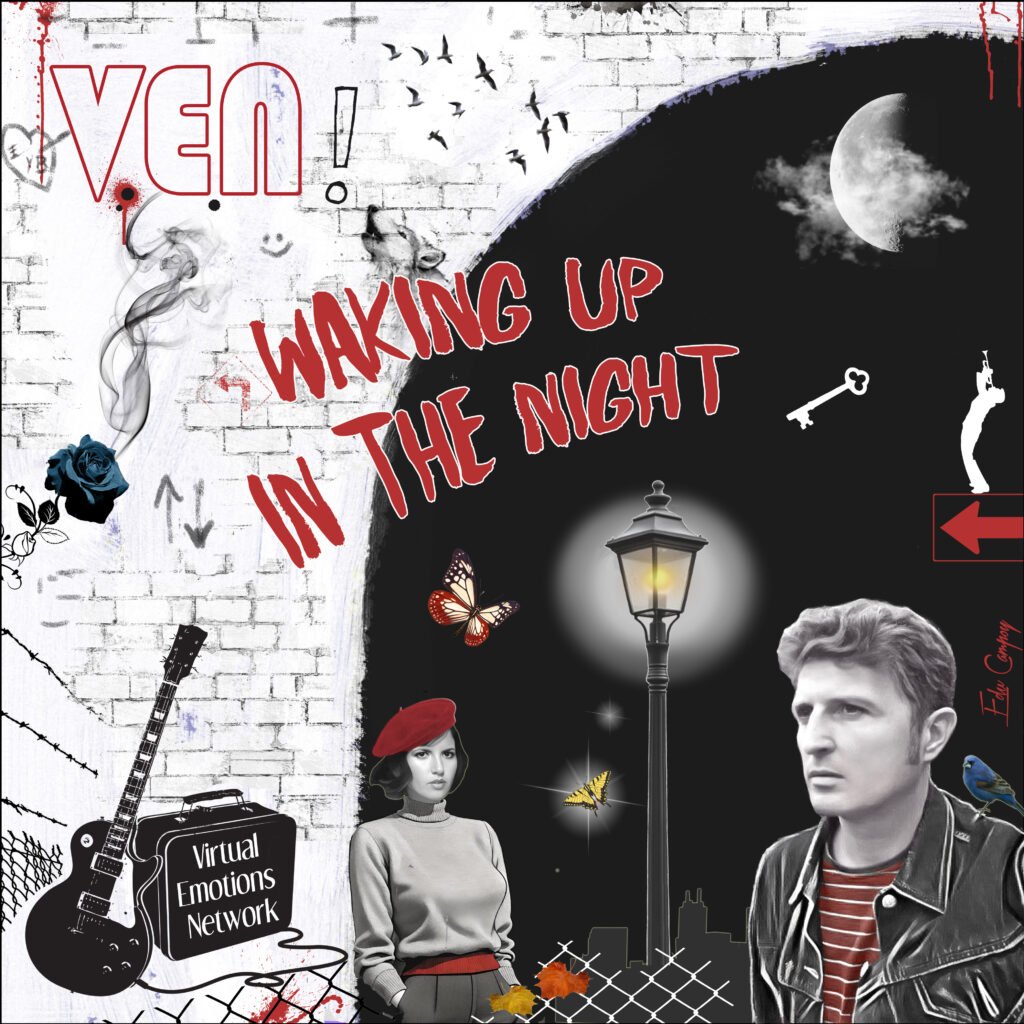
V.E.N! Finds Meaning in the Noise on “Waking Up in the Night”

We all know the feeling of crawling into bed early, closing our eyes and then suddenly remembering all the mistakes we’ve made since 2014. And we’re still awake! Again! This feeling of mental chaos is very particular and Spanish musician Edu Campoy appears to have created the perfect soundtrack for it. Under his solo project V.E.N! (Virtual Emotions Network), Campoy produces power pop and alt rock to rival your own midnight doubts and growing fears of the existential kind. His latest six song EP Waking Up In The Night tackles self-awareness and awakening, the human connection and evolution, and contemplating the beyond. Waking Up In The Night builds on anthemic guitar riffs, has some spacey guitar parts, and lasts for a reasonable 20 minutes. Honestly, I think that’s enough time to contemplate the human condition. We don’t need 90 minutes.  V.E.N! Combines elements of 1960s pop, Britpop, post-punk and alt rock and manages to produce a sound that’s poppy, yet joyfully bizarre. Fuzzy guitars, textured arrangements, and excursions from serenely still to super loud fill this EP with its soul, and there are a few traces of Americana in there, too, harmonizing nicely with the psychologically rich tracks and vivid stories. It’s the song that, more than any other, best exemplifies the way in which Campoy approaches songwriting, and one that most clearly reveals what is hidden beneath the relatively straightforward melodies. Opening with a straightforwardly introductory melody, but with a depth and complexity that reveals its development as you listen, there is something quite different here from your standard guitar-pop compositions. The balance of the writing is almost nervous, placid and placating, yet also frenetic and destructive, and the specifics of the track relate to it being written about a desire to make contact, a song that leaves room for interpretation. Then with “Break The Compass” the focus comes off of connection and onto wandering and finding one’s way alone. The breaking off of the compass conjures the image of leaving the comfort of a guided map, but the pounding alt-rock guitars keep the momentum of the concept advancing. Fittingly a song after “Connection,” it describes the hard road of self-connection. Next we have, The Scared Animal, that dips into darker, more anxious territory about feeling vulnerable and reacting instinctively when under threat. Crossing The Last Valley carries on that feeling, but feels more kinetic, musically. The image that springs to mind is trying to push your way through a difficult period, maintaining the strength to push forward. The two songs add emotion to the record without feeling oppressive. The final two tracks, “Evolution” and “The Home Of The New Man,” reflect this notion of change and renewal. The former deals with the idea of people evolving and getting better, whilst the latter brings the whole record to an end with the simple idea of taking what has gone before and using it to make something new. This makes a good way to finish an EP that has spanned so much grey territory. Campoy proves that true songwriting can exist perfectly well in a world of raucous, energetic music. The guitars are heavy, the melodies are strong and the ambient touches give every tune space to stretch and breathe. Most importantly, the six songs are all cohesive through the wondering they do about inter-personal bonds, impermanence and the desire to bring order to disorder.  Waking Up In The Night is a warm-up to V.E.N! With simple tunes and contemplative concepts. It doesn’t claim to solve any mysteries. What it does is provide a half-hour of energetic music for anyone who has been wide awake at the strike of 12:00am wondering about everything. You’re not alone. I wish I could say the same about sleep. Follow V.E.N! Globe Facebook X-twitter Spotify Soundcloud Bandcamp Youtube Instagram Tiktok Promoted Content About the Author

V.E.N! Finds Meaning in the Noise on “Waking Up in the Night” Read More »

Riri Rose Transforms Obsessively Caffeinating Affection Into Indie Rock Despair in “I Don’t Want That Colour”

Love is meant to add colour to the world. Well, that’s the idea anyways at least. Everything gets brighter, ordinary moments become special and suddenly one person occupies a frankly unreasonable amount of your thoughts. Cute, until they’re occupying so much space that there’s barely any room left for you. What happens when someone else’s presence becomes the colour that paints your entire world? That’s the uncomfortable reality explored by Riri Rose in “I Don’t Want That Colour,” her second single and a preview of her upcoming album. This is an indie-rock song that develops from a seemingly sweet love declaration, but becomes far less than sweet when it begins feasting on your ego. Don’t hear Rose touting a fairy-tale version of love here. Rather, she’s catching us at that breaking point where love becomes obsession and then, soon enough, something destructive. An emotional train-wreck many can relate to, whether it would prefer not to. The colour does most of the work. Usually it is the beautiful colour of hope, passion, and optimism, but not this time. Instead it seems more like an unwelcome companion, an underfoot extra waiting to submerge all the rest. It’s actually a rather clever way to think about love, at least for these few lines. Love doesn’t always have to be something you don’t have, it can be that very thing which pushes other things away and leaves you with a smaller world to live in. This perspective imbues ‘I Don’t Want That Colour’ with more significance than just its main analogy. Rose is influenced not just by her personal life, but by fictional environments such as movies, comics, TV and table-top role playing games. She’s a songwriter who uses songs to help her get her head around what are at times conflicting feelings. Rose is still searching for her sound, but I Don’t Want That Colour hints at the emotional terrain she’s making space for. Love has the power to add colour to the world. But what if that colour’s no longer wanted? What if there’s nowhere left for you? Rose doesn’t have a neat solution; she leaves us perched in that in-between. And sometimes that’s where the best songs take off from. Follow Riri Rose Instagram Spotify Promoted Content About the Author

Riri Rose Transforms Obsessively Caffeinating Affection Into Indie Rock Despair in “I Don’t Want That Colour” Read More »

The7thGatekeeper’s “Time Alone Cannot Heal” Makes Nostalgia Easier To Sit With

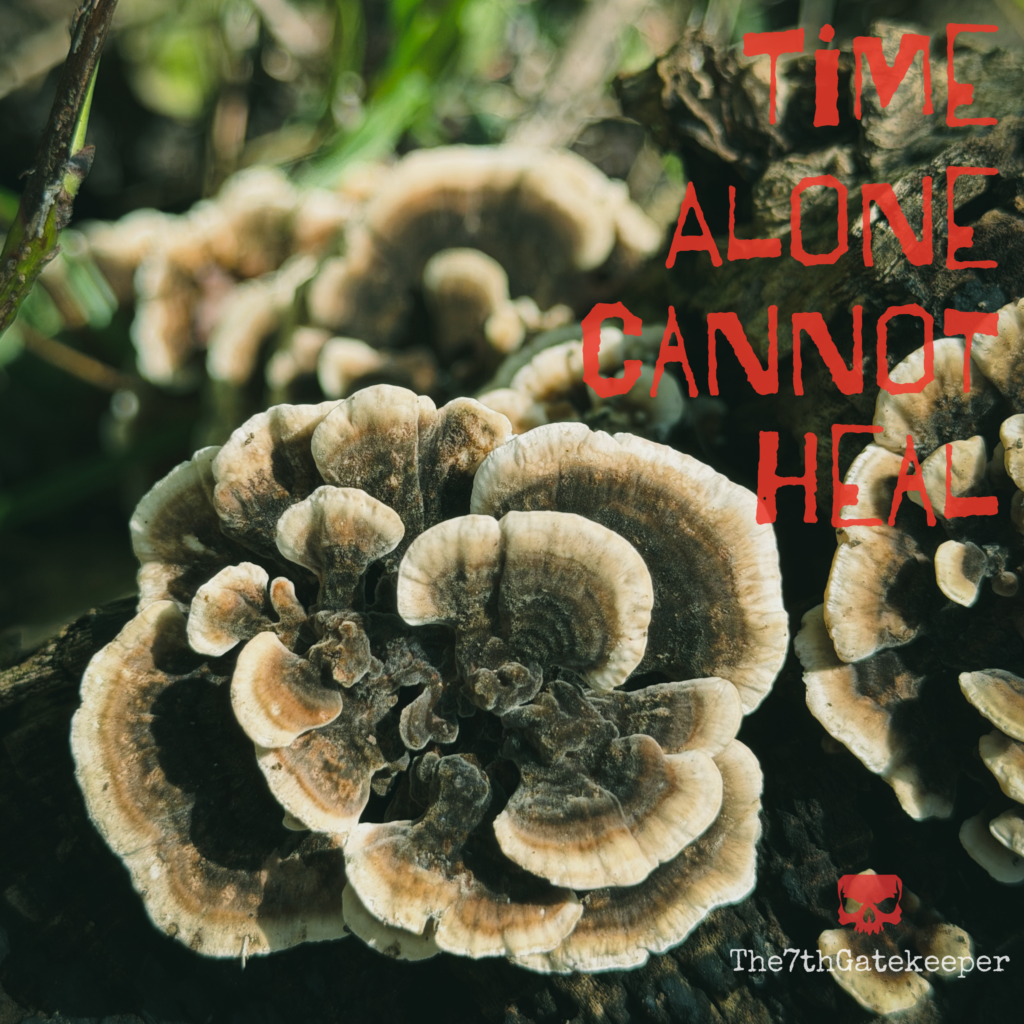
There’s always a question of what a cover song should bring to the table. Should it remain faithful like a carbon copy of the original or should it take a complete departure and offer an entirely new interpretation? For some reason, a record like Time Alone Cannot Heal by The7thGatekeeper doesn’t have to choose between the two, finding that middle ground between familiarity and personal interpretation. It starts with Nose on the Grindstone by Tyler Childers, and it has a familiar sound that feels weathered and warm around the edges. It doesn’t have that grand, major alteration to its arrangement, only a subtle stripping down that makes it feel more grounded and intimate. There’s still grit and roughness in the vocals, but just to keep things from feeling too polished.  And if Oasis’ Take Me Away already feels like yearning to be somewhere else on its own, The7thGatekeeper takes that feeling further with a more personal, stripped-back delivery. It sounds like the sort of thing you’d play on a long drive with no particular destination in mind.  System Of A Down’s Toxicity might be full of heavy riffs, jagged arrangement, and aggressive vocals. But The7thGatekeeper managed to distill it down, drawing out the unease beneath all that loud, frantic edge until the only that remains is the quiet, low-burning tension—one that’s more likely unsettling than the original.  Good Riddance from the Green Day as the last track is such a fitting closing for this EP. It’s much slower, more deliberate, giving every word and chords a little more room to settle. There’s a certain fragility in this rendition, as if the song is being handled with the care of someone who has been through a lot.  Every time a track ends, you’d never get an instinct to pull up the original, take or compare notes. That’s perhaps the strongest thing about Time Alone Cannot Heal. Nothing’s grand about it, nor does The7thGatekeeper seem to fixate on making dramatic changes to the songs that had been done years ago. He simply brings something personal, it’s almost as if each song has found its way into his life at a particular moment, and these renditions are his way of giving something back to them. There’s a refreshing lack of polish to this EP as a whole. It’s unhurried, restrained, never eager to make itself heard. It just leaves you something different, nostalgic but easier to sit with.  Follow The7thGatekeeper Globe Facebook X-twitter Spotify Soundcloud Youtube Instagram Tiktok Promoted Content About the Author

The7thGatekeeper’s “Time Alone Cannot Heal” Makes Nostalgia Easier To Sit With Read More »

INYO’s “An Ocean Between, Pt. 1” Captures the Heartbreak Caught Between Love and Faith

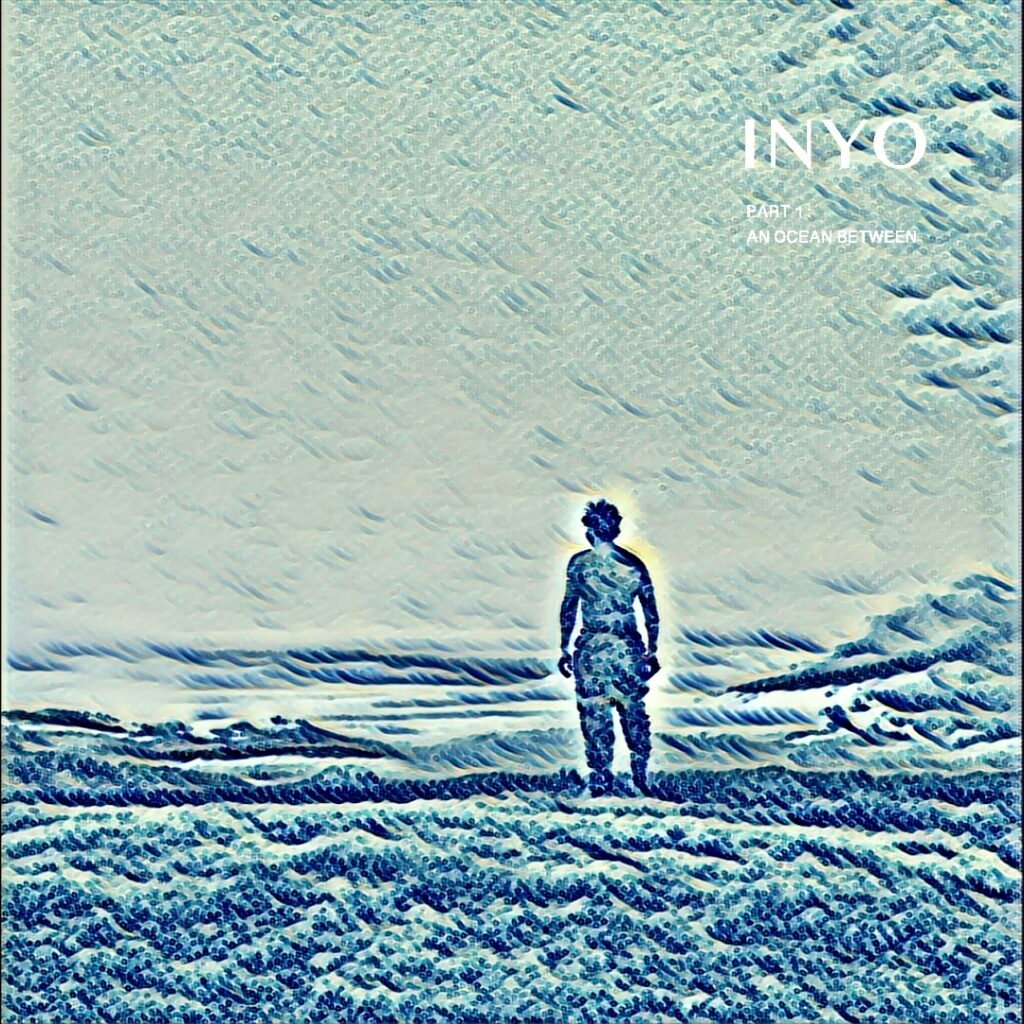
There’s this other kind of exhaustion that we all feel once we move beyond friends but aren’t quite at “couple” yet. Not breakup tired (after all, there was nothing to break up) and definitely not real-love tired (someone clearly never read the memo). But, you’re still exhausted and you’re still not over it. Well done, you’ve just entered a new dimension of heartbreak. INYO‘s “An Ocean Between, Pt. 1” understands. From twelve years of correspondence between a Christian and an atheist, the record chronicles two people seemingly doomed to keep circling back toward each other. Decades of letters, tears, fresh beginnings, lost chances and more-and-more-frantic attempts to establish contact-it doesn’t make much logical sense, but somehow their relationship survives. Romantic? Definitely. Irritating? Equally so. As I listened, I kept wanting to shake these two and tell them to take some action, settle the matter once and for all: Quit beating around the bush, get back together or go see a counselor. INYO isn’t going to give you a disposable love story with a happily-ever-after finish. An Ocean Between, Pt. 1 chronicles a love that defies time, hope that becomes its own misery and the harsh truth that loving someone doesn’t necessarily mean holding onto him. The sound of the album traverses from indie folk to acoustic rock and sweeping alternative rock. Guitar picking softly emerges into sweepingly atmospheric soundscapes while INYO’s soaring vocals range from singing softly to singing intensely. Think Sufjan Stevens, Jeff Buckley, Radiohead, Death Cab for Cutie and a spirit which is clearly present to lend the album a distinct soul. The album opens with the album’s entire reason for existing, “Don’t Close Your Eyes,” and it immediately gets down to emotional business. Rumbling bass, warm guitar and lush percussion set a pleasantly tender tone. Its lyrics acknowledge loving someone means loving all of who they are, “crowned with beauty” while born with “rage in his soul” – meaning they’re beautiful, complex and likely a pain in the ass to text.  What puts the hurt in the song, though, is the line, “Cuz every day I will surely love you.” It’s a beautiful sentiment, but it does seem fragile at best. We already know what a risky proposition this relationship is, so that sort of proclamation leaves me thinking that it takes either a hell of a lot of bravery or shocking stupidity –or both. “Minor Notice” plunges further into that ambiguity. Guitar shivers fall into guitars that get more and more noise, more and more atmospheric, reflecting the turbulence of the relationship. “Sometimes I fall into your hands and slip right through” expresses the bizarre pain of finding safety with a person who may not always be able to deliver it. And then comes the question: “And how can the soul keep crying out?” “Heart On Fire” feels even more spiritual. What could easily have been a third break-up anthem (Cold winter, candle that can’t warm two lovers) becomes pretty churchy when she boldly sings, I know God ignited my heart on fire. Faith isn’t a flimsy excuse here to patch a broken heart. It’s something that can come out of the flames.  But the album’s real jewel is “I Adore.” Its most telling line could be: “I’ll never try to direct you or catch you up like you’re something of mine.” For an album full of about orbiting someone for years, that’s a pretty grown up perspective: you don’t have to own someone to love them. You can adore someone without making them your project. The music is just as satisfying. The shimmering synths, melodic guitars and swelling bass all lead up to an a-bomb chorus, with Trevin Kraus contributing a killer, spacey guitar solo and INYO croon “It’s you I adore” not so much pleading for love but giving it away, which isn’t the same thing. It’s a crucial difference and one that’s better conveyed in the album than among the film’s much confused characters. “Wash” revisits the depressing process of having to break up. Its earthy instrumentation and fragile singing illustrate one of the themes that runs through the whole album: forcing yourself to forget someone, while deep down wishing there’s still some good left. It’s like deleting your lover’s number, only to find you still remember it by heart. Awkward. Relatable. Nice song. The production allows that intimacy to function. The members of One Way Music and Shoolace mash lo-fi recordings with bigger studio setups, with the drums of Benton Roswell and Alex Williams carrying the bulk of the momentum. Voice memos on the iPhone, audio from handhelds and studio recordings from multiple microphones all help contribute to the record’s earthy character. Sometimes, it resembles hearing a peek into a stranger’s secret diary, in other places it feels like the soundtrack for the final moments in an indie movie. INYO eschews auto-tune as well, so there’s the odd off-key vocal that adds to the naked sense of exposure. An Ocean Between, Pt. 1 is not really a question of whether two people make a relationship work but what is left when they can’t. Faith, love and fate can have a mean side, no amount of lovely music can. Follow INYO Spotify Instagram Promoted Content About the Author

INYO’s “An Ocean Between, Pt. 1” Captures the Heartbreak Caught Between Love and Faith Read More »

AINA’s “Stay” Is a Song About How Rude Time Is

Time is a thief. It steals your afternoons, your weekends, and occasionally an entire year while you’re busy trying to remember what you were supposed to be doing. AINA’s “Stay,” released October 16, 2026, takes that deeply inconvenient fact and turns it into an alternative-pop song about mortality, human connection, and the desperate hope that the people we love might stick around a little longer. Subtle? Not particularly. Effective? Potentially, yes. The song opens with a simple observation: “Yesterday left so fast / And today will it last.” That’s the sort of thought that arrives at 2 a.m. when your brain decides sleep is less important than reminding you that everything is temporary. From there, “Stay” keeps circling the same uncomfortable questions. Will tomorrow come? Will we wake up again? How much time do we actually have? The answer, naturally, is that nobody knows. Thanks, universe. AINA builds the song around that uncertainty, repeatedly returning to the word “Stay” like saying it enough times might convince the world to stop moving for five minutes. The lyrics are abstract and repetitive, but that repetition serves a purpose. This isn’t a song about making a particularly persuasive argument. It’s about the feeling of needing someone close when the future suddenly looks a little less guaranteed. “Let’s live before I leave” is the central idea, and it’s a good one. The song acknowledges that people leave, relationships change, and life eventually ends, then suggests we should probably spend the time we have actually living. Revolutionary stuff, if you haven’t recently encountered a greeting card or an existential crisis. On a musical level, “Stay” is far more melancholic and introspective than upbeat, earworm, alt-pop that might be expected to make up a more lively album. Its impact is heightened by the juxtaposition of the brightness of the request with the grand scale of the issue. The looping of the phrases makes the song seem contemplative, though those who prefer very progressive lyrics in their songs. Still, there’s something honest about the simplicity. When you’re afraid of losing someone, you don’t necessarily produce a beautifully structured speech. Sometimes you just keep asking them not to go. “Stay” doesn’t pretend that love can defeat time. It offers something smaller, and arguably more useful: a reminder to pay attention while the people we care about are still here. We can’t make yesterday stay, and tomorrow isn’t guaranteed. But we can, at the very least, try not to waste today. Follow AINA Globe Facebook Spotify Soundcloud Bandcamp Youtube Instagram Tiktok Promoted Content About the Author

AINA’s “Stay” Is a Song About How Rude Time Is Read More »