


loader image

May 2026

Love Crash Isn’t Really About Triumph; It’s About Surviving Long Enough to Become Honest Again

Let’s be real: there’s something inherently funny about comeback narratives in indie music because they almost always get framed like the artist spent years meditating alone on a mountain before descending with ancient wisdom carved into stone tablets. In reality, most of the time it’s just someone going through a catastrophic emotional spiral while staring at a guitar at 3AM thinking, “Well, this might as well become an album.” And honestly, Love Crash works precisely because BLOCK doesn’t try to mythologize any of it. After thirteen years without a new full-length record, the New York anti-folk veteran returns sounding less like someone staging a grand artistic rebirth and more like someone who survived himself by accident. Which, coincidentally, is what gives the album its emotional weight. Credit: Photo by Dave Doobinin The press narrative surrounding BLOCK’s comeback has understandably gone into overdrive. SPIN compared his return to “classic Beck,” Rolling Stone called him “a musical wonder who challenges the conventional,” and after signing with Meridian/ECR, his catalog resurgence somehow snowballed into millions of streams, Apple Music playlist placements, and a full U.S. tour. For an artist whose roots trace back to the late-’90s anti-folk movement alongside people like Regina Spektor, Ani DiFranco, and The Moldy Peaches, there’s something satisfying about watching the internet rediscover the exact kind of emotionally strange songwriting it once accidentally buried beneath algorithmic sludge. But Love Crash succeeds because it avoids sounding like a victory lap. The album opens with “I Thought I Won The War,” which is an absurdly good title for a song about realizing emotional survival does not automatically qualify as emotional recovery. That tone defines the entire record. BLOCK spends these ten tracks circling heartbreak, regret, memory, exhaustion, and self-destruction, but never in a way that feels theatrically miserable. The songs are bruised, not performative. A lot of modern indie songwriting treats vulnerability like content creation. Everything is flattened into these perfectly marketable confessions designed to sound messy while remaining extremely consumable. Love Crash feels refreshingly uninterested in sanding down its rough edges. BLOCK writes like someone trying to understand his emotions while they’re actively happening, not years later after converting them into neat inspirational quotes and because of that, the album feels startlingly human. “California Calls” drifts through longing and escapism without romanticizing either one, while “Over and Over” captures emotional repetition with this exhausted self-awareness that quietly devastates you halfway through the song. It’s about cycles; relationships, habits, grief, memory, the strange ways people knowingly walk back into emotional disasters because familiarity can sometimes feel safer than healing. Notably, the album never drowns in its own sadness and that’s the clever part. Even at its heaviest, Love Crash carries this subtle undercurrent of humor and gratitude. BLOCK sounds genuinely relieved to still be here. There’s pain throughout the record; entire tectonic plates of it, but there’s also warmth buried underneath the wreckage. Songs like “Firefly” and “Carly Says” introduce flashes of lightness that stop the album from collapsing into monochrome despair. Production-wise, Chris Kuffner handles the material with remarkable restraint. These songs are allowed to breathe. Nothing feels overcrowded or artificially inflated for emotional effect. The arrangements remain warm, intimate, and organic, giving BLOCK’s songwriting room to unravel naturally. Blake Morgan’s mixing and mastering preserve that closeness beautifully. The album sounds polished without sterilizing its humanity. “No One Ever Taught Me How” might be the emotional centerpiece of the record simply because of how painfully direct it is. There’s no metaphorical acrobatics hiding the sentiment. It’s just emotional illiteracy laid bare in the most devastatingly simple terms possible. The song understands something uncomfortable about adulthood: people are often expected to navigate grief, heartbreak, identity, and loneliness without ever being taught how to process any of it. Then comes “Still Life,” which closes the album not with resolution, but suspension. See, Love Crash isn’t really about triumph; it’s about surviving long enough to become honest again. That’s what makes the record land emotionally after thirteen years away. Not the comeback headlines. Not the streaming numbers. Not the mythology surrounding BLOCK’s return to the national conversation. It’s the fact that these songs genuinely sound like they were written by someone clawing his way out of darkness one rung at a time. You can hear the exhaustion in them, but more importantly, you can hear the relief. Follow BLOCK Globe Facebook Spotify Instagram Youtube Promoted Content About the Author

Love Crash Isn’t Really About Triumph; It’s About Surviving Long Enough to Become Honest Again Read More »

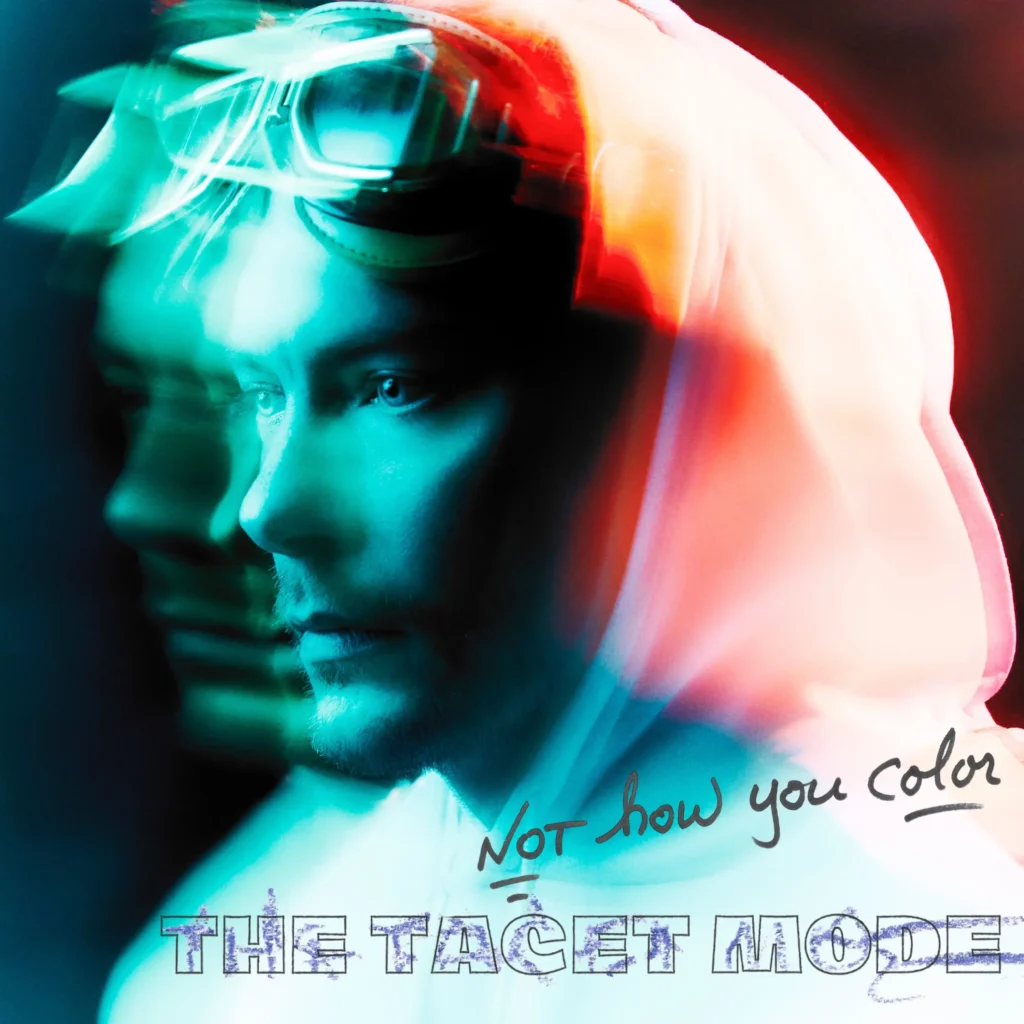
The Tacet Mode’s “Not How You Color” Is a 14-Track Debut That Refuses to Feel Like One

Nowadays, it’s rare to find an album that feels sonically complete from the sound, the lyrics, and the overall atmosphere. But The Tacet Mode arrives with Not How You Color, fully realized and strikingly cohesive from start to finish— and for a debut? That says a lot. The Tacet Mode is the brainchild of Morristown-based musician and songwriter Brian Connolly. With Not How You Color, he delivers a 14-track album that navigates twin flame relationships, narcissistic trauma, and the transcendence of ego through Kundalini awakening.  Some albums open full force, but Prayer sets the mood with a mantra-like atmosphere. It repeats the line, “walk through the suffering,” like it’s one breath away from breaking apart. False Alarm quickly flips the mood upside down, shifting from expansiveness into something tighter. Layered on the surface are glossy synths and retro textures that make it feel groovy, while its indie rock sheen compresses the tension underneath.  Black Honey follows with its multidimensional structure; it’s as if it’s trying to open different realities simultaneously. At its core is authenticity, the kind that asks you to sit with your real, authentic self in a world that rewards perfection over honesty. It leaves a striking statement, “If the blemishes don’t show, the world will never know“. Turn The Car Around immediately feels like holding on to the steering wheel at 2 AM, while the drive itself feels slower than the drifting thoughts in your head. The structure feels like everything’s in motion, the kind that feels liberating yet too restless to ever fully settle. Can’t Go On Without You is yearning in sleek basslines and glossy textures, making it intentionally neat and polished for a late-night groove. There’s No Way leans into the same direction, except this time, everything feels more exposed, and the glimmering synths can’t fully contain the weight behind the line, “there’s no way death is our downfall.” The album ends with bare piano lines and slow, reflective vocals in Better Day, intentionally leaving you staring blankly at the wall, thinking, “did it really end like that?” It feels like it could break any time, as hope, doubts, and unanswered questions constantly overwrite each other.  One thing about this album is how clearly the years of technical training come through, without it ever sounding overly-polished or overproduced. The precision is present from structure to details, but it was never displayed for the sake of sounding good or to overshadow the emotions. It was hemmed into place until it sounds lived in instead of performed.  You can also hear his influences like Talk Talk, David Bowie, Depeche Mode, Radiohead, and Tears for Fears stretched into a sound that he can truly call his own. The 80’s sensibilities are written across the whole album but never for the sake of nostalgia alone. With contemporary indie rock textures, you’ll get no imitation or a mere homage, but a sound that feels dinstinctly present and modern.  For a debut album, it doesn’t sound like one at all. The Tacet Mode steps on the scene with a level of clarity and direction that goes far beyond from a first release, not just in the technicalities but also in his songwriting that carries weight and meaning. It’s like a work of someone who knows exactly what they’re doing—from when to pause, when to add tension, when to let the track breathe in the midst of alt-rock layers and glimmering synthwork. Since the release of the album last February, he has assembled an impressive seven-piece band alongside an audio/visual team to bring the music to life through immersive live performances — further elevating a debut album that already feels expansive, intentional, and strikingly well-formed.  Follow The Tacet Mode Globe Spotify Promoted Content About the Author

The Tacet Mode’s “Not How You Color” Is a 14-Track Debut That Refuses to Feel Like One Read More »

CIRCUS Understands That Atmosphere Means Nothing Without Emotional Weight Underneath It

Most concept albums about nuclear annihilation fail for the exact same reason most apocalypse films fail: they secretly think the apocalypse is cool. Not morally cool, obviously. Nobody making these things is sitting there twirling their moustache whispering “yes… nuclear winter… excellent.” But aesthetically? Absolutely. There’s usually this underlying excitement to it all. Giant explosions, militaristic imagery, dramatic speeches about humanity destroying itself over swelling orchestral music. It turns the end of civilisation into a screensaver. CIRCUS somehow avoid that trap almost entirely on A Kiss Before Dying, which is impressive considering this album contains songs called “90 Seconds of Panic,” “Black Sunday,” and “The Fall of Atom (Return of the Collapsing Star).” These are not subtle titles. This is a band arriving at the apocalypse dressed like glam-rock town criers screaming “THE END IS NIGH” through a wall of distortion pedals. And somehow, it works. Photo Credit: Tom White The Newcastle trio approach nuclear collapse less like spectacle and more like emotional erosion. The album charts humanity stumbling toward annihilation in slow motion: denial, panic, arrogance, collapse, aftermath. Not with detached political commentary, but with this exhausted, deeply human sense that everyone involved knows things are broken and keeps accelerating anyway. Which, admittedly, does make the album feel alarmingly contemporary. Musically, A Kiss Before Dying lives in this enormous intersection between post-punk anxiety, glam-rock theatricality, classic heavy rock melodrama, and psychedelic atmosphere. Imagine if Pink Floyd, early Manic Street Preachers, and a very sleep-deprived David Bowie all got trapped in the same bunker waiting for the launch codes. The opening stretch is all tension and propulsion. “Countdown to Global Zero” functions as this eerie cinematic overture, slowly dragging you into the record’s atmosphere before “Hearts on the Wire” crashes through the wall with massive hard-rock riffs that feel pulled straight from the late ‘80s. There’s an unapologetic largeness to the guitars throughout this album. CIRCUS don’t really do restraint during the heavier moments. The riffs arrive stomping around like they pay rent there. Then “90 Seconds of Panic” kicks the door off its hinges completely. The song captures pure escalating dread without sounding messy, which is harder than it looks. Layers of distorted guitars pile onto each other while the rhythm section keeps everything moving with this relentless forward momentum. The drumming across the album deserves special mention because it constantly prevents the record from collapsing under its own conceptual weight. There’s so much atmosphere and theatricality happening that weaker percussion could’ve made the whole thing drift into self-indulgence. Instead, the drums keep punching holes through the smoke. “Black Sunday” continues the descent with pounding tom-heavy rhythms and some of the album’s strongest vocal work. CIRCUS understand something many modern rock bands don’t: if you’re going to be dramatic, commit to it completely. Half-measures kill this kind of music instantly. The vocals don’t sound embarrassed by the scale of the material. They sound possessed by it. And then the album pivots. “The Fall of Atom (Return of the Collapsing Star)” is the point where A Kiss Before Dying stops being merely good and becomes genuinely fascinating. The track begins with crushing intensity before slowly dissolving into this eerie psychedelic comedown that feels heavily indebted to Pink Floyd without becoming imitation. It’s the sound of devastation settling into silence. The emotional centre of the album lives here, balancing collapse and reflection without losing momentum. This is also where the album reveals its smartest trick: beneath all the political dread and philosophical themes about historical repetition and humanity’s self-destructive instincts, these songs are fundamentally about fear. Personal fear. The fear of powerlessness. The fear of watching systems fail while everyone insists things are under control. That emotional grounding keeps the album from becoming one long lecture about geopolitics delivered through guitar solos. By the time “Aftermath” arrives, the record feels hollowed out in the best possible way. The folk and psychedelic influences become more prominent as the album drifts through the ruins it spent the previous tracks creating. There’s a bruised intimacy here that genuinely lands emotionally. And then the title track closes everything with sparse piano-led restraint that feels almost cruel after all the noise preceding it. No massive finale. No triumphant catharsis. Just exhaustion. Silence creeping in around the edges. It’s an incredibly confident ending for a debut album. That’s probably the most surprising thing about A Kiss Before Dying. Debut records this ambitious usually collapse under their own importance. Bands either drown in the concept or mistake complexity for depth. CIRCUS avoid both pitfalls by understanding that atmosphere means nothing without emotional weight underneath it. So yes, this is an album about nuclear annihilation, political ego, historical collapse, and humanity sleepwalking toward self-destruction. But more importantly, it’s an album about what it feels like to live with those thoughts rattling around in your head at 2AM while the world keeps pretending everything is fine. And honestly? That might be even more unsettling. Follow CIRCUS Facebook Spotify Bandcamp Instagram Tiktok Soundcloud X-twitter Youtube Promoted Content About the Author

CIRCUS Understands That Atmosphere Means Nothing Without Emotional Weight Underneath It Read More »

War Torn Walks a Very Fine Line Between Genuine Purpose and Overwhelming Intent

There’s a very specific kind of project that doesn’t just want you to listen to it; it wants you to understand it first. Like, really understand it. Read the documents, absorb the mission statement, maybe reflect on the global state of humanity for a minute, and then press play. War Torn, the debut EP from producer HZPROD (Damir Hadzalic), is exactly that kind of project. It doesn’t arrive as just a collection of tracks. It arrives as a fully assembled framework: concept, rollout plan, visual identity, humanitarian angle, and a very clear sense that this is meant to be more than music. And to be fair, that ambition is real. HZPROD, a Bosnian-born, New York–raised producer working largely through online collaboration, has built this project from the ground up; financing it himself, coordinating artists across different countries, and essentially teaching himself how to produce while making the thing. Which is either incredibly bold or slightly unhinged, depending on your perspective, but either way, it gives the project a kind of raw intentionality you don’t usually get from debut releases. The central idea behind War Torn is conflict. Not just in the obvious, geopolitical sense, but internally, culturally, systemically. Each track tackles a different angle, with a rotating cast of collaborators interpreting the theme in their own way. The opener, War Within, featuring Zombie Juice and ShoeGang, sets the tone by collapsing internal struggle and global conflict into the same space. It’s heavy, but not in a purely sonic sense; it’s more about framing. The idea that personal battles and larger crises aren’t separate things, which is a recurring theme throughout the EP. Then you get Dreamer, which shifts slightly toward something more hopeful. Not in a naive way, but in that cautious, “things are bad but maybe not permanently” kind of way. It’s positioned as relief, but it still carries the weight of everything around it. A.F.R.I.C.A zooms out even further, tackling inequality and systemic barriers. This is where the project’s global perspective becomes most explicit, and also where it risks feeling a bit overstated.   Slave Music, featuring Charles Hamilton, is one of the more interesting moments. There’s a personal connection here, and you can feel it. The track digs into themes of identity and control, particularly within the music industry, and it benefits from that lived-in perspective. It’s less abstract, more grounded. Then there’s Peace?, featuring KXNG Crooked and The Game, which does exactly what the title suggests: questions whether peace is even a realistic concept anymore. It’s probably the most direct track on the EP, which is saying something. Sonically, the project blends boom-bap foundations with more atmospheric, alternative elements. It’s cohesive enough to feel like a single vision, but varied enough to avoid blending into one long track. You can hear the learning process in places as this is a debut, but it rarely feels unfocused. What makes War Torn stand out isn’t just the music; it’s the insistence that the music means and is for something. This isn’t framed as a personal catharsis project or a trend-chasing release. It’s positioned as a kind of awareness tool, even a donation funnel, which is… not something you hear every day.  War Torn walks a very fine line between genuine purpose and overwhelming intent. It wants to raise awareness, inspire change, tell stories, and still function as something people will actually listen to casually. That’s a lot to ask from a debut EP, but for the most part, it holds together.  Follow HZPROD Globe Facebook Spotify Soundcloud Youtube Instagram Tiktok Promoted Content About the Author

War Torn Walks a Very Fine Line Between Genuine Purpose and Overwhelming Intent Read More »

A Voice And A Guitar Are All It Takes To Feel Again and Connie Lansberg’s “Aeroplane” Proves It

Let’s talk about albums that aren’t made for blasting, big speakers. Sometimes, all you need is to sit in your room, plug your earphones, and listen to something like Connie Lansberg’s newest album, Aeroplane. Not for fun, not for vibes, but definitely for meaning. Melbourne-based jazz vocalist and songwriter Connie Lansberg is back with a 7-track album Aeroplane, recorded in a single day together with guitarist Brad Rabuchin, the last guitarist to tour with Ray Charles. There are no retakes, no overly-processed output, just two musicians collaborating and capturing something raw and human. When an album starts with a sound like Aeroplane, you’ll know you’re in for something real. Every touch on the string felt like a borrowed feeling you’ve been trying to avoid. And once Lansberg sings “I forgot who I was for such a very long time,” it immediately takes you back to a version of yourself you couldn’t recognize anymore. There’s no angst, no overly dramatic set, only a distant feeling that lingers — you’ve never really lost your wings, you just wandered far enough to even feel them. Broken Doll followed the same route, but dusted with gloom and a quiet weight that feels a little more fragile. The guitar plays like it could break anytime, yet never gets there, briefly switching into something hopeful before sinking back again. Lansberg delivers lines with a bit of everything, from sorrow, care, empathy, and vulnerability that feel too raw and human. Everything Ends Up In The River might seem like some old, cliché preach about life but it’s far from that. Its mellow and slow ambiance lingers not because of peace, but from uneasiness of what’s beneath her words. It’s the kind of track that leads you to branches of meaning instead of telling you what to feel.  If a defense mechanism has a sound, it’s probably Heart of Stone. There’s restraint and firmness in each note, as if passing through was never possible. As the song progresses, you’ll realize that it was never a confession but a decision to protect, sung by someone who chose stability over collapse and control over emotions.  The album ends with You Don’t Know Me and feels like a song you’d want to get lost in because it creates a space that blurs reality and memory.  At first, it feels like a conversation between two different people until the boundary quietly dissolves into a single voice that is trying to understand itself.  Some albums’ rawness feels forced or lacking, but this one felt complete and intentional. It doesn’t appear unpolished or unrefined; it just feels honest.  But what makes Aeroplane stand out more as an album is the way it’s written. It’s the kind of creativity you’ll only get from someone who has spent time watching the world, finding meanings before letting it all out. Her songwriting doesn’t really fit into one single genre, like a true artist who mastered the art of letting whatever flows simply be what it is.  Connie Lansberg · 2. Deep Dark Alongside her storytelling is Rabuchin’s guitar that does much of the work as its lyrics. It’s such a wonder how the strings speak just as deeply as Lansberg’s emotions. Despite this project being done in a single day, their harmony and chemistry felt like years of familiarity.  If your day calls for slowing down, or for artists like Norah Jones and Melody Gardot, you’ll definitely find yourself drawn to Connie Lansberg’s Aeroplane—because sometimes, a voice and a guitar are all it takes to feel again. Follow Connie Lansberg Globe Facebook Spotify Soundcloud Bandcamp Youtube Instagram Tiktok Promoted Content About the Author

A Voice And A Guitar Are All It Takes To Feel Again and Connie Lansberg’s “Aeroplane” Proves It Read More »

Milyam’s “Lost in the Jungle” Unfolds Less Like a Song and More Like an Invitation to Disappear

Like stepping through a curtain of vines into a place that seems to breathe on its own, Milyam’s “Lost in the Jungle” unfolds less like a song and more like an invitation to disappear. Not in a sinister way, though there’s certainly something eerie lurking beneath its surface, but in the kind of way dreams pull you deeper the moment you realize you should probably wake up. From the first few seconds, the track builds an atmosphere so dense you can almost feel the humidity. Everything feels alive. Not chaotic, but wild in a carefully cultivated way. It’s cinematic in the truest sense: not merely dramatic, but spatial. It has shadows. Corners. Hidden paths. You don’t listen to “Lost in the Jungle.” You wander through it. Then Milyam’s voice arrives and this is where the illusion becomes complete. Rather than trying to dominate the production, she slips effortlessly into its ecosystem. Her vocals are intimate, low, almost whispered, delivered with a quiet sensuality that feels less like performance and more like overhearing someone’s private thoughts. It feels intimate in a way that makes the whole thing slightly hypnotic, like someone calmly leading you deeper into a place you’re not entirely sure you should be. That contrast is what makes the song work so well. The production feels huge, messy, sprawling, almost alive all the while her vocals stay close, controlled, and comforting. The instrumental stretches outward into something enormous and immersive, while Milyam pulls everything inward, making it feel startlingly personal. It’s a push-and-pull that keeps the song constantly moving, like foliage shifting just outside your field of vision. And perhaps the smartest thing “Lost in the Jungle” does is resist the urge to explain itself. There’s no frantic need to clarify every emotional contour or overstate its intentions. Instead, the song thrives on suggestion. On uncertainty. On the strange comfort of being disoriented and deciding, for once, not to fight it. That’s what makes this more than just another moody alt-pop single. Milyam isn’t simply crafting atmosphere for atmosphere’s sake. She’s building a world; one where mystery, vulnerability, and beauty coexist in perfect, tangled balance.  By the end, you may not know exactly where you’ve been.  But you’ll almost certainly want to go back. Follow Milyam X-twitter Spotify Youtube Instagram Promoted Content About the Author

Milyam’s “Lost in the Jungle” Unfolds Less Like a Song and More Like an Invitation to Disappear Read More »

A Tectonic Shift in Independent Metal That Refuses To Play Nice

X-ANONYMOUS doesn’t ask for permission on RIP OUT THE VENOM but instead kicks the door down with a riff that feels like a chemical spill. It is the kind of heavy that sticks to your ribs and makes the air in the room feel four degrees hotter because the energy is so concentrated and unrepentant. I found myself hitting the repeat button before the first chorus even finished just to make sure I had not imagined that sudden shift in gravity. This is not some polite independent release but a declaration of war against the quiet violence of a broken heart. The technical side of this track is a miracle of modern engineering and raw aggression where Nu-metal sensibilities collide with the jagged edges of Industrial metal and the result is a massive wall of noise. There is a specific grit to the distortion and it sounds like a circuit board catching fire while a stadium cheers. The drums function as a physical pulse and they shove the listener into a corner while demanding total attention. Every snare hit feels like a brick thrown through a window of a curated life and the precision of the mix ensures that the chaos never turns into a mess. When we look at the writing it becomes clear that this is a study in the architecture of betrayal and the internal rot it leaves behind. The line “You handed your faith like a blade to a throat” lands with the weight of a guilty verdict and it perfectly frames the way X-ANONYMOUS explores the collapse of belief. It feels like reading a manual on psychological warfare while a riot happens in the background and the way the “you” oscillates between an external enemy and a mirror image reflects a Jean-Paul Sartre nightmare where the self is the ultimate deceiver. They use language as a scalpel to remove the lies and the honesty is so sharp that it almost draws blood. That moment at 2:32 is where everything breaks open and the Metalcore influence takes over with a Breakdown that feels like the sky falling down in slow motion. It is the sound of the venom being physically extracted and the vocal delivery becomes so desperate and triumphant at the same time. My heart was racing during that final section because the transition from the melodic hook to the gutteral screams feels like a person finally finding their voice after years of silence. The production choices here are bold and they emphasize the feeling of a machine breaking down but the human spirit inside it is still screaming. This is the kind of record that makes you feel invincible while it breaks your heart and it proves that X-ANONYMOUS is a necessary voice in a landscape of safe choices. They have managed to turn a private trauma into a public anthem and they did it without sacrificing an ounce of their independent spirit. You can find their growing footprint on Discogs but nothing they have done before hits quite as hard as this specific moment. This track is a lighthouse in a storm of generic radio rock and it offers a way out for anyone who has ever felt poisoned by the people they trusted most.  Spotify Youtube

A Tectonic Shift in Independent Metal That Refuses To Play Nice Read More »

The Vault 2 By C’batch Asks For Time—And Gives More Back The Longer You Stay With It

It definitely takes some guts to trust the listener to stay a little longer, especially when everyone’s jumping on trends and chasing instant attention—yet, C’batch steps on the stage, meets your gaze with confidence, then simply asks for your presence with his latest album, C’batch The Vault 2 – Soul/R&B/Pop/ Rock/Reggae. Stephen H. Cumberbatch, aka C’batch, is a White Plains, New York-based composer, author, producer, and musician. With a desire to release a series of collections of his music through Stevette Music, Inc, he introduces The Vault 2—a genre-spanning project that feels less like a playlist and more like a curated experience that feels new and nostalgic at the same time.  The album opens with Will This Be the Last Time*** and this exactly feels like a time capsule sealed through a classic R&B sound. Think of those slow, emotive textures that once dominated song requests and late-night playlists on the radio. Giving You All My Love follows in the same direction, but the female vocal adds more tenderness and intimate pull. The repetition of “I’m giving you all my love,” and how it’s layered with harmonies, is just straight up melting.  The Word Is Out (Will I Get Over You), on the other hand, leans into a more lively, upbeat energy with slick basslines and beats that invite movement. It’s the kind of track that fits perfectly on the dancefloor, with the crowd effortlessly shaking and grooving with the beat. If the first few tracks echo retro, Found What’s Right For Me (Alternate Version) has that classic pop sound that’s cleaner and sharper. The lyrics are bold while the vocals push it even further, which perfectly fits your empowerment playlist.  After that pop edge clarity, Hey Victoria brings back that nostalgic sound that’s pure, reflective and more emotional than the first ones. It’s yearning expanded into warm and familiar layers. Call On Me also features longing, but makes it slow, steady, and stripped back. The guitars are soulful while the beats stay minimal. Round & Round*** stays true to its name, ringing with repetitive, catchy lyrics, while Next Time (I Won’t Be Falling) gives off Backstreet Boys vibes with its hooks and polished layers.  (Mi Wan Yu Fi) Rock Dat Pum Pum (Reggae) closes Disc 1 in a more playful, groove-heavy rhythm that adds more warmth and charm to the album. You might initially think, “What is a reggae song doing here?” But instead of a detour, you’ll get something that literally slips into the record naturally like it’s loosening its grip before the next chapter begins.  And then Disc 2 comes, and you’re wondering why the songs have alternate versions and honestly? Valid. Because at times, a lot of albums stack a bunch of songs for numbers or fillers, but C’batch is here to do that. Once you lean in closely, you’ll actually realize that the alternate versions aren’t just for another listen. Just like how Giving You All My Love (Alternate Version) literally feels hushed and closer, while it only sounded slow and tender in Disc 1. Or how Call On Me (Alternate Vocal Version) and Hey Victoria (Alternate Vocal Version) make longing feel more immediate through vocal delivery alone. Its subtlety in Disc 2 turns all the songs into something worth revisiting, rather than being unnecessary.  What makes this album stand out is that it’s not meant for casual, passive listening. For you to experience it fully, you have to lend your ears and sit with it long enough to reveal itself — the layers, the textures, and the atmosphere. It also doesn’t settle into one sound, which demonstrates C’batch‘s ability to keep the whole project fluid without losing its emotional core.  Overall, one thing is for sure: The Vault 2 is less concerned with immediate impact. It asks for time—and gives more back the longer you stay with it. Follow C’batch Globe Facebook Spotify Youtube Promoted Content About the Author

The Vault 2 By C’batch Asks For Time—And Gives More Back The Longer You Stay With It Read More »

A Frantic and Flawless Transmission From the Emotional Bunker

The music industry loves a polished story but the best art falls through the cracks of a plan and lands right where it needs to be. Last Second Dropout brings a raw urgency to “Secret Song” as if the track was too explosive to be contained in a standard demo cycle. It arrived as a frantic eleventh hour addition to their sessions with Garth Richardson and that lack of over calculation is its greatest weapon. Mark MacDonald steers this project with a dual citizen perspective that feels both North American and unclassifiable as he works through the heavy fog of memory and self preservation. The production feels like a high voltage wire snapping in a rainstorm and it carries the heavy pedigree of Rage Against the Machine while maintaining a melodic heart that would feel right at home on a massive festival stage. There is a jagged rhythm to the delivery that mirrors the instability of the subject matter but the transition into the hook is as smooth as any Alternative rock anthem from the early aughts. You can hear the fingerprints of a producer who knows how to make instruments sound like they are breathing and screaming at the same time and the result is a massive wall of sound that never feels cluttered or suffocating. MacDonald tackles the weight of PTSD without falling into the trap of self pity and instead he builds a fortress of sound to protect the listener from the very shadows he is describing. The lyrics describe a desperate need to hide away to prevent hurting those nearby and this “Secret Song” feels like a private transmission from a bunker that suddenly gets broadcast to the whole world. It is a rare trick to make a song about isolation feel like a communal celebration but the energy is so electric that you find yourself shouting along to lines about the monster in the mind. The rap segments provide a rapid fire contrast to the sweeping choruses and it reminds me of the best moments from Linkin Park where the aggression and the vulnerability are two sides of the same coin. A moment of magic happens when the distortion falls away for a split second and the vulnerability of the performance takes center stage before the drums kick back in with a vengeance. It feels like a Post-grunge ethos dressed in a modern suit and that tension keeps the energy high from the first note to the last. Every guitar lick feels intentional and every drum fill is a jolt to the system so you never get comfortable enough to look away. MacDonald has a way of making his personal history feel like your own and he invites you into his struggle with a level of honesty that is rare in the independent scene. Last Second Dropout has managed to bottle lightning with a track that was never even supposed to have a demo and that spontaneity is exactly what the genre needs right now. This is more than a nostalgic trip because it uses those familiar textures to build something that speaks directly to the anxiety of the present moment. You should listen to this at full volume when the world feels like it is closing in and you need to remember that there is power in the secrets we keep until we are ready to scream them. It is a triumph of grit and melody and I cannot wait to see what they do next. Facebook Spotify Youtube

A Frantic and Flawless Transmission From the Emotional Bunker Read More »

A RIOT IN A BOTTLE: UNB4RRED REDEFINE THE ALT-ROCK GUT-PUNCH

The air in a sweaty basement club feels different when a band like UNB4RRED rips into a track like Hail Mary because it hits with the weight of an anvil dropped from a skyscraper. This alt-rock trio from the Brighton and Norwich scene has managed to bottle the lightning of frustration and release in a way that feels dangerously immediate and entirely essential. The opening seconds don’t ask for permission and instead they barge through the door with a muscular confidence that reminds me of the early 90s grunge explosion but with a sharp modern edge. There is no hesitation here and the sheer force of the introduction sets a standard that most independent acts struggle to meet on their best days. It feels like the start of something monumental and permanent. Áine Caunter possesses a voice that could peel paint off the walls but she keeps it controlled until the exact moment the pressure cooker explodes. Her delivery on the verses is simmering and tense so when she reaches that soaring peak in the chorus it feels like a physical release for the listener. I haven’t heard a performance this raw since the heyday of Courtney Love or the most explosive moments of PJ Harvey and yet she retains a unique grit that is all her own. The way she sneers through the lines about hunters and locked doors makes the hair on my arms stand up and it gives the whole track a feeling of total authority. She is living through this song instead of merely performing it and that level of commitment is rare. Lewis Godfrey and Daniel Davies provide the structural steel for this skyscraper of a song and their interplay is tight enough to be suffocating. The drums are loud and punchy and they hit with a mechanical precision that still feels human and swingy while the guitar work is thick with distortion and fuzzy textures. Every riff feels earned and every rhythm change keeps you off balance so you never quite know where the next blow is coming from. They understand how to use silence as a weapon as much as noise and that maturity in their songwriting is what separates them from the pack of standard indie rock hopefuls. It is a massive wall of sound that feels like it could survive a nuclear winter. The experimental tones buried in the mix add a layer of mystery to the aggression and it makes the track rewarding for anyone who wants to listen closely. I love the way the guitar feedback starts to scream in the background during the bridge because it sounds like a siren warning everyone to get out of the way before the final collapse. The production is clean enough to hear the spit on the microphone but dirty enough to keep the spirit of the underground alive and well. It reminds me that rock music is at its best when it feels slightly out of control and slightly frightening. This is music for people who want to feel something heavy and real in a world that often feels plastic and shallow. Hail Mary is a high-water mark for the UK underground and it places UNB4RRED at the very front of the line for the next big breakout. It has been a long time since I heard a debut this fierce and this focused and it leaves me wanting to smash a window and start a riot in the best way possible. They have found the perfect balance between melody and madness and I expect this song to be a staple on every heavy rotation list for the rest of the year. If this is the starting line for the band then the rest of the scene should be very worried about keeping up. This is a brilliant piece of work and it deserves to be played at maximum volume until the speakers give out. Instagram Spotify

A RIOT IN A BOTTLE: UNB4RRED REDEFINE THE ALT-ROCK GUT-PUNCH Read More »