
loader image

2026

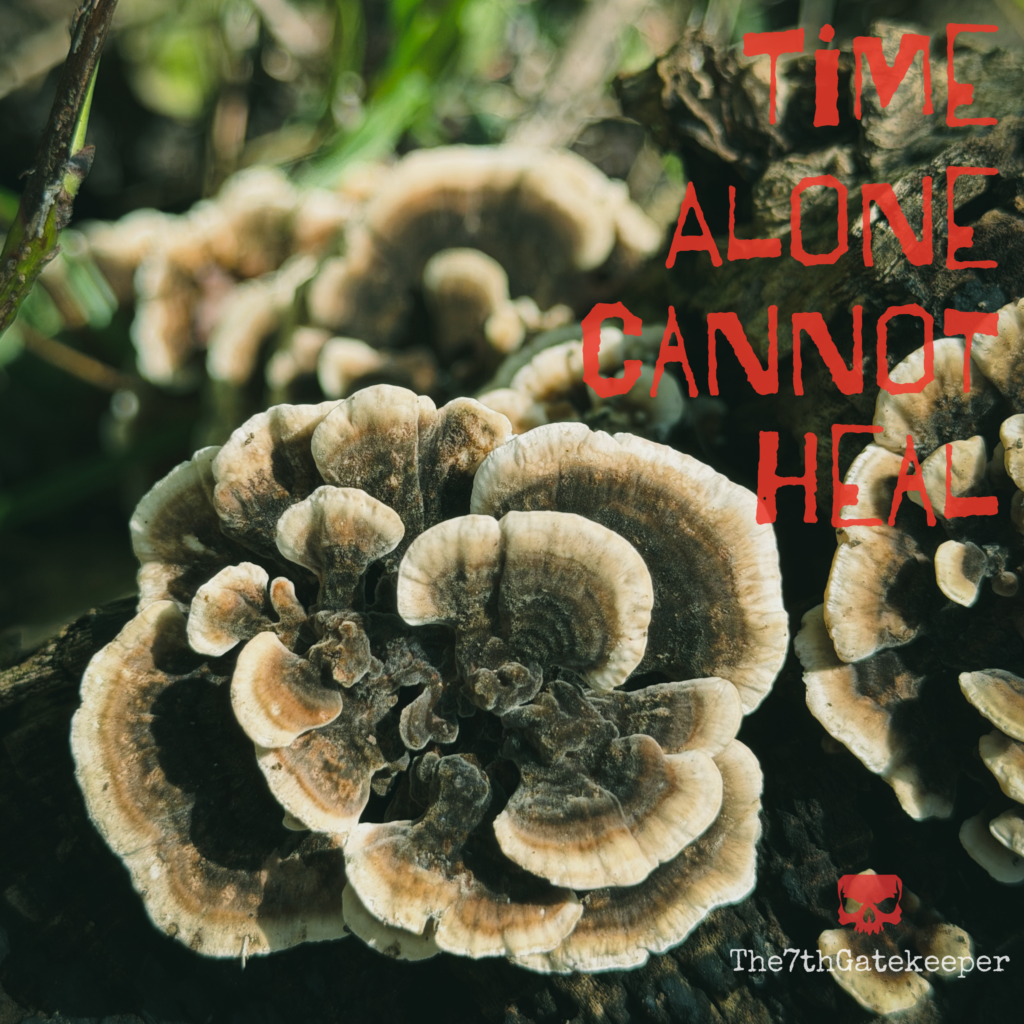
The7thGatekeeper’s “Time Alone Cannot Heal” Makes Nostalgia Easier To Sit With

There’s always a question of what a cover song should bring to the table. Should it remain faithful like a carbon copy of the original or should it take a complete departure and offer an entirely new interpretation? For some reason, a record like Time Alone Cannot Heal by The7thGatekeeper doesn’t have to choose between the two, finding that middle ground between familiarity and personal interpretation. It starts with Nose on the Grindstone by Tyler Childers, and it has a familiar sound that feels weathered and warm around the edges. It doesn’t have that grand, major alteration to its arrangement, only a subtle stripping down that makes it feel more grounded and intimate. There’s still grit and roughness in the vocals, but just to keep things from feeling too polished.  And if Oasis’ Take Me Away already feels like yearning to be somewhere else on its own, The7thGatekeeper takes that feeling further with a more personal, stripped-back delivery. It sounds like the sort of thing you’d play on a long drive with no particular destination in mind.  System Of A Down’s Toxicity might be full of heavy riffs, jagged arrangement, and aggressive vocals. But The7thGatekeeper managed to distill it down, drawing out the unease beneath all that loud, frantic edge until the only that remains is the quiet, low-burning tension—one that’s more likely unsettling than the original.  Good Riddance from the Green Day as the last track is such a fitting closing for this EP. It’s much slower, more deliberate, giving every word and chords a little more room to settle. There’s a certain fragility in this rendition, as if the song is being handled with the care of someone who has been through a lot.  Every time a track ends, you’d never get an instinct to pull up the original, take or compare notes. That’s perhaps the strongest thing about Time Alone Cannot Heal. Nothing’s grand about it, nor does The7thGatekeeper seem to fixate on making dramatic changes to the songs that had been done years ago. He simply brings something personal, it’s almost as if each song has found its way into his life at a particular moment, and these renditions are his way of giving something back to them. There’s a refreshing lack of polish to this EP as a whole. It’s unhurried, restrained, never eager to make itself heard. It just leaves you something different, nostalgic but easier to sit with.  Follow The7thGatekeeper Globe Facebook X-twitter Spotify Soundcloud Youtube Instagram Tiktok Promoted Content About the Author

The7thGatekeeper’s “Time Alone Cannot Heal” Makes Nostalgia Easier To Sit With Read More »
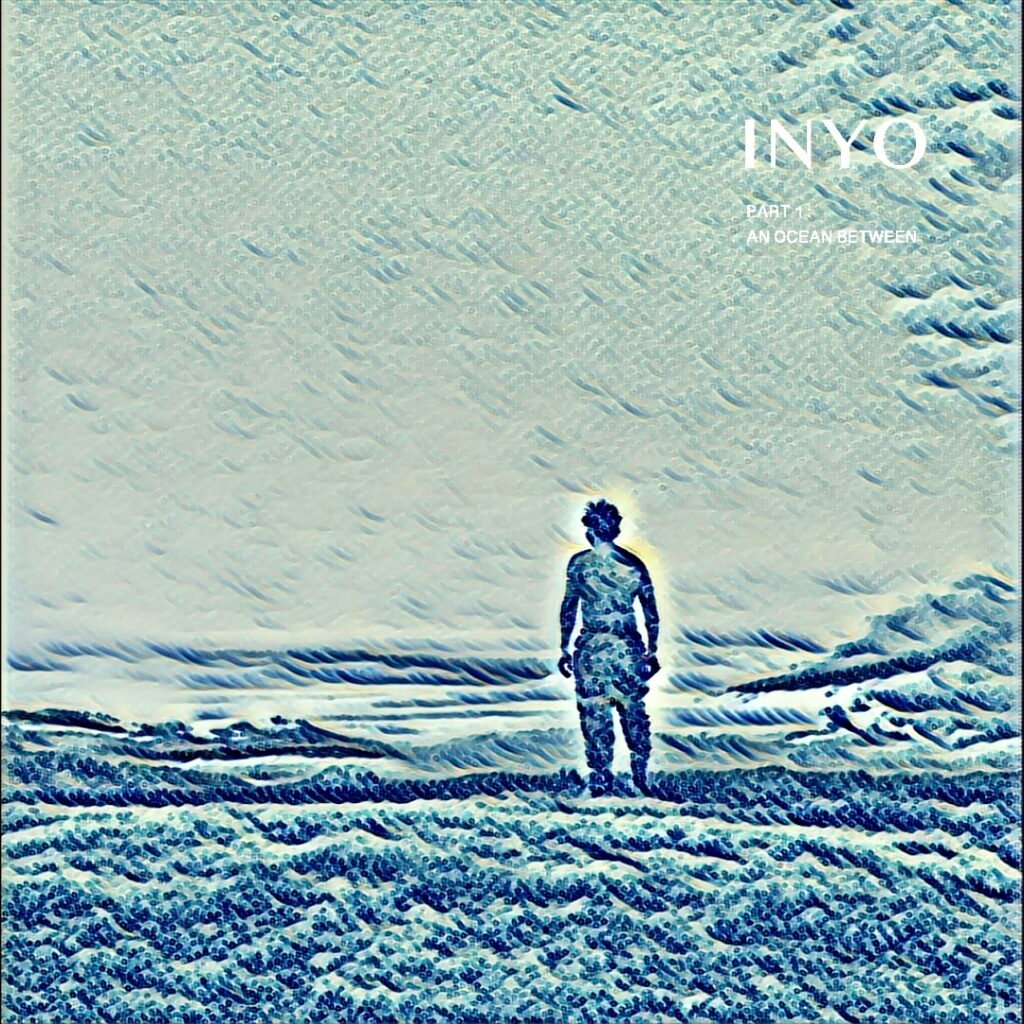
INYO’s “An Ocean Between, Pt. 1” Captures the Heartbreak Caught Between Love and Faith

There’s this other kind of exhaustion that we all feel once we move beyond friends but aren’t quite at “couple” yet. Not breakup tired (after all, there was nothing to break up) and definitely not real-love tired (someone clearly never read the memo). But, you’re still exhausted and you’re still not over it. Well done, you’ve just entered a new dimension of heartbreak. INYO‘s “An Ocean Between, Pt. 1” understands. From twelve years of correspondence between a Christian and an atheist, the record chronicles two people seemingly doomed to keep circling back toward each other. Decades of letters, tears, fresh beginnings, lost chances and more-and-more-frantic attempts to establish contact-it doesn’t make much logical sense, but somehow their relationship survives. Romantic? Definitely. Irritating? Equally so. As I listened, I kept wanting to shake these two and tell them to take some action, settle the matter once and for all: Quit beating around the bush, get back together or go see a counselor. INYO isn’t going to give you a disposable love story with a happily-ever-after finish. An Ocean Between, Pt. 1 chronicles a love that defies time, hope that becomes its own misery and the harsh truth that loving someone doesn’t necessarily mean holding onto him. The sound of the album traverses from indie folk to acoustic rock and sweeping alternative rock. Guitar picking softly emerges into sweepingly atmospheric soundscapes while INYO’s soaring vocals range from singing softly to singing intensely. Think Sufjan Stevens, Jeff Buckley, Radiohead, Death Cab for Cutie and a spirit which is clearly present to lend the album a distinct soul. The album opens with the album’s entire reason for existing, “Don’t Close Your Eyes,” and it immediately gets down to emotional business. Rumbling bass, warm guitar and lush percussion set a pleasantly tender tone. Its lyrics acknowledge loving someone means loving all of who they are, “crowned with beauty” while born with “rage in his soul” – meaning they’re beautiful, complex and likely a pain in the ass to text.  What puts the hurt in the song, though, is the line, “Cuz every day I will surely love you.” It’s a beautiful sentiment, but it does seem fragile at best. We already know what a risky proposition this relationship is, so that sort of proclamation leaves me thinking that it takes either a hell of a lot of bravery or shocking stupidity –or both. “Minor Notice” plunges further into that ambiguity. Guitar shivers fall into guitars that get more and more noise, more and more atmospheric, reflecting the turbulence of the relationship. “Sometimes I fall into your hands and slip right through” expresses the bizarre pain of finding safety with a person who may not always be able to deliver it. And then comes the question: “And how can the soul keep crying out?” “Heart On Fire” feels even more spiritual. What could easily have been a third break-up anthem (Cold winter, candle that can’t warm two lovers) becomes pretty churchy when she boldly sings, I know God ignited my heart on fire. Faith isn’t a flimsy excuse here to patch a broken heart. It’s something that can come out of the flames.  But the album’s real jewel is “I Adore.” Its most telling line could be: “I’ll never try to direct you or catch you up like you’re something of mine.” For an album full of about orbiting someone for years, that’s a pretty grown up perspective: you don’t have to own someone to love them. You can adore someone without making them your project. The music is just as satisfying. The shimmering synths, melodic guitars and swelling bass all lead up to an a-bomb chorus, with Trevin Kraus contributing a killer, spacey guitar solo and INYO croon “It’s you I adore” not so much pleading for love but giving it away, which isn’t the same thing. It’s a crucial difference and one that’s better conveyed in the album than among the film’s much confused characters. “Wash” revisits the depressing process of having to break up. Its earthy instrumentation and fragile singing illustrate one of the themes that runs through the whole album: forcing yourself to forget someone, while deep down wishing there’s still some good left. It’s like deleting your lover’s number, only to find you still remember it by heart. Awkward. Relatable. Nice song. The production allows that intimacy to function. The members of One Way Music and Shoolace mash lo-fi recordings with bigger studio setups, with the drums of Benton Roswell and Alex Williams carrying the bulk of the momentum. Voice memos on the iPhone, audio from handhelds and studio recordings from multiple microphones all help contribute to the record’s earthy character. Sometimes, it resembles hearing a peek into a stranger’s secret diary, in other places it feels like the soundtrack for the final moments in an indie movie. INYO eschews auto-tune as well, so there’s the odd off-key vocal that adds to the naked sense of exposure. An Ocean Between, Pt. 1 is not really a question of whether two people make a relationship work but what is left when they can’t. Faith, love and fate can have a mean side, no amount of lovely music can. Follow INYO Spotify Instagram Promoted Content About the Author

INYO’s “An Ocean Between, Pt. 1” Captures the Heartbreak Caught Between Love and Faith Read More »

AINA’s “Stay” Is a Song About How Rude Time Is

Time is a thief. It steals your afternoons, your weekends, and occasionally an entire year while you’re busy trying to remember what you were supposed to be doing. AINA’s “Stay,” released October 16, 2026, takes that deeply inconvenient fact and turns it into an alternative-pop song about mortality, human connection, and the desperate hope that the people we love might stick around a little longer. Subtle? Not particularly. Effective? Potentially, yes. The song opens with a simple observation: “Yesterday left so fast / And today will it last.” That’s the sort of thought that arrives at 2 a.m. when your brain decides sleep is less important than reminding you that everything is temporary. From there, “Stay” keeps circling the same uncomfortable questions. Will tomorrow come? Will we wake up again? How much time do we actually have? The answer, naturally, is that nobody knows. Thanks, universe. AINA builds the song around that uncertainty, repeatedly returning to the word “Stay” like saying it enough times might convince the world to stop moving for five minutes. The lyrics are abstract and repetitive, but that repetition serves a purpose. This isn’t a song about making a particularly persuasive argument. It’s about the feeling of needing someone close when the future suddenly looks a little less guaranteed. “Let’s live before I leave” is the central idea, and it’s a good one. The song acknowledges that people leave, relationships change, and life eventually ends, then suggests we should probably spend the time we have actually living. Revolutionary stuff, if you haven’t recently encountered a greeting card or an existential crisis. On a musical level, “Stay” is far more melancholic and introspective than upbeat, earworm, alt-pop that might be expected to make up a more lively album. Its impact is heightened by the juxtaposition of the brightness of the request with the grand scale of the issue. The looping of the phrases makes the song seem contemplative, though those who prefer very progressive lyrics in their songs. Still, there’s something honest about the simplicity. When you’re afraid of losing someone, you don’t necessarily produce a beautifully structured speech. Sometimes you just keep asking them not to go. “Stay” doesn’t pretend that love can defeat time. It offers something smaller, and arguably more useful: a reminder to pay attention while the people we care about are still here. We can’t make yesterday stay, and tomorrow isn’t guaranteed. But we can, at the very least, try not to waste today. Follow AINA Globe Facebook Spotify Soundcloud Bandcamp Youtube Instagram Tiktok Promoted Content About the Author

AINA’s “Stay” Is a Song About How Rude Time Is Read More »

Olivia Cox’s “Burn the Boat” Makes Commitment Sound Like a Terrifyingly Good Idea

Relationships are strange things. You can go for months agonizing over whether this is the ‘right one’ for you, poking at the doubts and insecurities as if you’re trying to solve a murder, and then suddenly wake up to the knowledge that perhaps it’s not any of that, perhaps you’re just terrified to make a choice. Now, Olivia Cox‘s ‘Burn the Boat‘ presents a fairly dramatic way of solving the problem: burn the boat and remain on the island. The song was penned in a songwriting retreat in Jersey, with the producer Kaja Riedle and the composer Eloise Weeks and taps into that all-too-familiar feeling when you start to question whether doubt is actually a good thing, or whether you’re simply overthinking something that’s going well. Are you in the right relationship? Are your dark thoughts providing us valuable lessons or are we just overanalyzing everything? To give a nod to The Clash, should I stay or should I go? “Burn the boat” uses that metaphor to make the decision of staying seem irreversible. Burning the boat removes the easily accessible escape hatch and leaves only the rather terrifying possibility that you will have to live with your decision. It is romantic, albeit one that could give a travel insurance company a stroke. Sonically, “Burn The Boat” by Olivia Cox pivots toward a more organic, live feel, combining an 80s-inspired sound with an upbeat modern alt-pop kick to reflect the thematic ebb and flow of the track, from initial doubts about a relationship to ultimately making the choice to stay. The song plays with the metaphor of “burning the boat” and choosing to remain despite the uncertainty. The end product is a song about a pretty common dilemma: We crave certainty before making a leap, but clarity sometimes only manifests itself afterward. It’s inconvenient, for real. Wouldn’t it be much easier if life got us to read the terms-and-conditions statement before allowing us to love? “Burn the Boat” doesn’t imply that fully committing will automatically obliterate doubt. Rather, it is the question of whether we’re signing up for someone that entails rolling the dice a bit and waving goodbye to that to-goodness every time the little voice in our head pipes up. There is always an option to keep searching and searching for a way out, or there is choosing them and seeing what develops. Just maybe keep a fire extinguisher nearby. Follow Olivia Cox Facebook Spotify Soundcloud Youtube Instagram Tiktok Promoted Content About the Author

Olivia Cox’s “Burn the Boat” Makes Commitment Sound Like a Terrifyingly Good Idea Read More »

Where Human Nature Meets the Machine in Tame The Machine’s “Stand Your Ground”

Artists are constantly confronted with the expectation to innovate and reinvent themselves, and to produce something that is timeless and can outlast the very trends that made their music relevant. The concept of originality is often outweighed by factors reliant on how palatable something is—if it is catchy or if it has a familiar tune; and it is more cutthroat given the fact that the musical landscape of today is an ever-changing ecosystem of sounds, techniques, and technologies. That is to say, artificial intelligence (AI) has changed the game forever. In fact, AI has become a source of buzzing debate both of fascination and contention because it challenged many traditions in music. It also sparked many conversations regarding creativity and authenticity, as well as the relationship of the artist and their art. Some listeners may find themselves unknowingly drawn to several artificially produced music and may find it quite difficult to recognize its origin and may say that AI produced work rivals that of human musicians. In fact, and this may sound a bit controversial, some may even say that AI produced music sounds way better than organically produced ones. However, it still stands that technical proficiency and emotional resonance are not necessarily interchangeable. Tame The Machine, in this case, is a conception of a human-machine creative collaboration. The core goal is to produce music that pushes the limits of creative and sonic boundaries. That, they did with the release of Stand Your Ground, which explores human sensibility, technology, and storytelling. Rather than treating technology as a convenient shortcut, AI is positioned as part of a larger creative conversation. On one hand, the same way that traditional music techniques are used, AI platforms to produce music can also generate and reproduce sound, but this time, with extraordinary efficiency and consistency. On the other hand, human creativity brings intention and interpretation. The collaboration of these two concepts brings about the whole premise of Stand Your Ground. At the forefront of the record, Beneath The Breaking Point establishes the atmosphere and mood of the album. Its gritty vocals, strong beat of the drums, the rhythmic articulation of the bass and guitar forms a crucial introduction for the sonic identity of the album. Having known the origin of how the album was made, songs like The Line We Draw and Heart Of The Champion prove to be more technically impressive. The chord progression and harmonic movement are expertly plated along with delivery of each lyric. There are also moments where a delayed entrance introduces a certain tension in the sense of arrival of the song. This is especially true for One Foot In The Bar where timing is equally nuanced. A deliberate change in the instrumental colors and rhythmic patterns can alter the song’s energy, and definitely, a shift in register can make the song feel more expansive or intimate. Likewise, the register and tonal character of the voice accompaniment can change the perceived emotional distance between the artist and the listener. Viewed in a wider lens, Stand Your Ground is an album that makes one ponder on how technological intervention can create something artistically meaningful. For the record, this is a rhetoric, answerable through the balance of production and composition by advanced AI technology and human sensibility. The conversation should not stop with the involvement of AI technology. In the end, the whole point of art and creation is not simply about whether a machine can make music that sounds human. It is whether the music, however it was made, can make a human being feel something—and Tame The Machine seemed to understand that perfectly. Follow Tame The Machine Globe Spotify Icon-music-note Youtube Promoted Content About the Author

Where Human Nature Meets the Machine in Tame The Machine’s “Stand Your Ground” Read More »

Jasmith’s “Fader Zero” Starts From Nothing

Zero! An odd number. Whilst there is musicality, it doesn’t really matter if we can hear it. This is pure creative potential, however it is all sitting in a corner doing nothing until someone hopefully goes and uses it. It feels like a fresh start which is exactly what Jasmith is aiming for on ‘Fader Zero’. The Singaporean producing songwriter has put all of their focus on creating a track about overcoming obstacles and putting in the effort to return to being the best you can be. It isn’t a showy track where we run up the stairs and feel amazing, but it is more of a daily grind where you practice things until you get them right. It revolves around repetition. Lyrically, the song talks about returning to your best. It may be quite simple but it’s nice to have a song that embraces that change is work. You don’t magically become better as the music speeds up, you just turn up. ‘Fader Zero’ has a smooth, dancey electronic pop vibe, similar to that of Hot Chip, with its clean synths, punchy rhythm and subtle melodies. The synth work really carries the track, giving it a clean feel. The production is crisp and yet still has a nice amount of life. Everything has a purpose. Like Hot Chip and other synth-driven indie dance artists, Jasmith balances repetition and progression, carefully constructing a track with its own identity and a consistent rhythm. Electronic music has often had a sad history when it comes to trying to create a song using high quality production. You can make anything look shiny with a fresh coat of paint. However, Jasmith has given this a purpose. The shiny, clean production matches the message of the song. Rebuilding yourself requires patience, precision and perseverance. The repetition is key. There’s a nice amount of freedom within this track. We can see Jasmith has developed as a producer and songwriter as everything fits together nicely. Nothing clashes and the synths don’t feel like they’re fighting for space. They all help the main message of the song. Whilst there isn’t anything revolutionary within this electronic pop track, it’s a well produced release that has a genuine message. The production has clearly been done with care. Jasmith begins at zero but the intrigue lies in what happens when you press play. Follow Jasmith Spotify Instagram Youtube X-twitter Tiktok Promoted Content About the Author

Jasmith’s “Fader Zero” Starts From Nothing Read More »

Tony & The Kiki’s “I Think We’re Alone Now” Is What occurs When ’80s Nostalgia Gets a Glam-Rock Upgrade

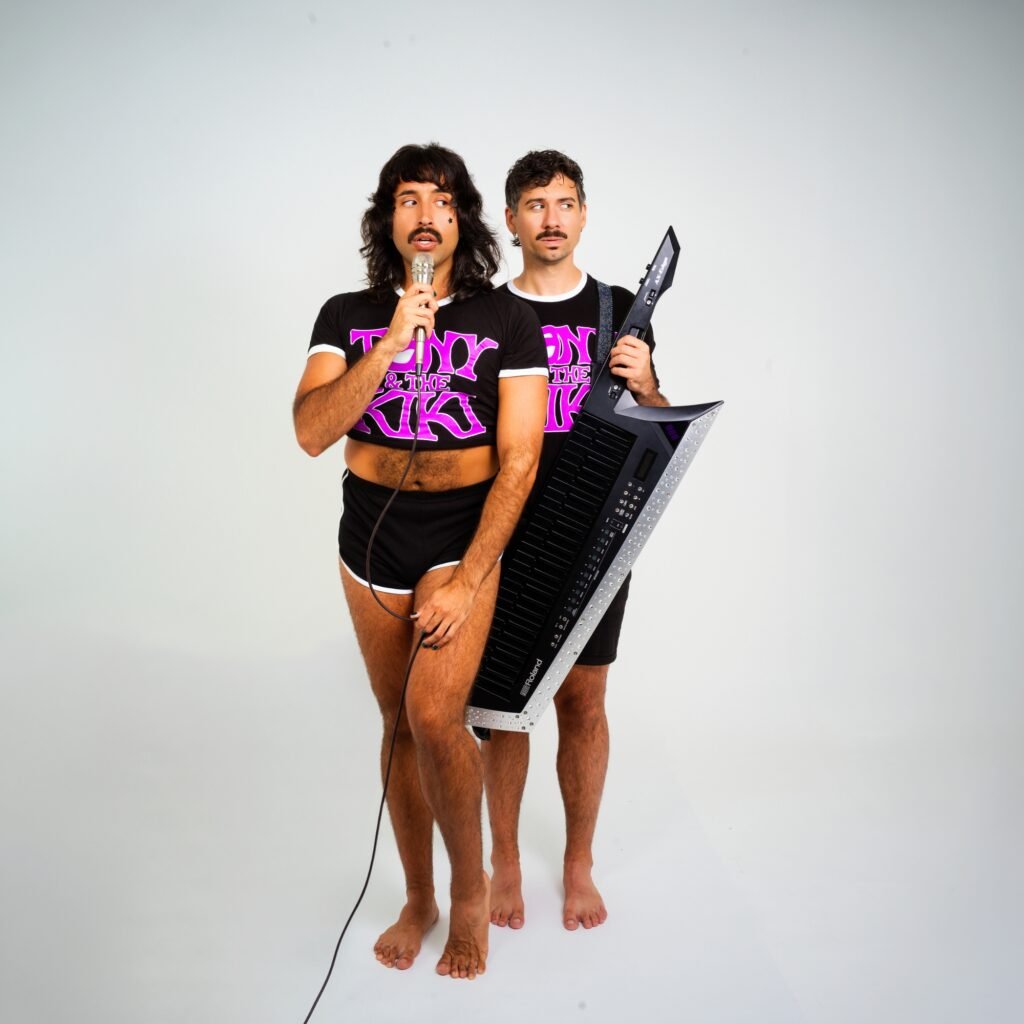
To cover an ’80s pop song is a risky business. You take an already-loved tune, tinker around with about three of its components and hope to hell no one asks why you even went there. Otherwise, you tinker around with everything and some editor will ask why you didn’t just write a song from scratch instead. Tony & The Kiki have opted for a third choice: perform “I Think We’re Alone Now” by Tommy James and the Shondells, made world famous by Tiffany, as if subtlety itself has been an affront to the very fabric of their clothing. The song kicks off with a punchy synth-bass line that really sets the scene: a busy ’80s shopping mall food court, full of solutions to all your problems in the form of a key change. Old synths create that familiar, nostalgic feel, but it’s got some screeching glam-rock guitars and thumping electronic drums to give it that little bit of extra weight so that it doesn’t just sound like karaoke at a retro-themed beer garden. It’s the same song, just a little more confident. Finally, there are the vocals. Tony delivers each and every hook as if nominated for an award. The vocals soar and project in a wonderfully theatrical fashion, refusing to allow the recording to remain a precious museum piece behind the glass. Tony & The Kiki know what pop music all too often seems ashamed to realize: that you can be horrifically over the top and still mean it. But behind all that sparkle, there’s something to ponder. Tony characterizes the lyrics as having a queer coding, between the desire to share this beauty and the urgency to conceal it. Its concealment can go beyond a familiar story of adolescence romance and also lend itself to shielding an identity or the lovers from a world that isn’t always kind. All that extravagant longing now has another layer to it. But that’s why this cover is way better than nostalgia in a can of hairspray. Tony & The Kiki are not saying the original was busted and in need of repair. They’re demonstrating how a familiar song can take on a completely new identity when someone else gets to live in it. “I Think We’re Alone Now” is blunt about its goals: it’s aimless synth pop nostalgia, glam rock bravado, queer theatrics; without a single apology for its space. At times a cover can be a reminder of why that song worked in the first place. At times, a cover can wear six-inch heels and demand you give it your attention. Tony & The Kiki have good sense to manage both. Follow Tony & The Kiki Globe Facebook Spotify Soundcloud Youtube Instagram Tiktok Promoted Content About the Author

Tony & The Kiki’s “I Think We’re Alone Now” Is What occurs When ’80s Nostalgia Gets a Glam-Rock Upgrade Read More »

“Chant of Willpower and Fame” by The Sickness Stars shows A Little Ambition Never Hurt Anyone. Probably

Supremacy, ambition, narcissism. Three perfectly healthy personality traits, provided you never speak to another human being, run a company or gain access to a national television network. They’re also the themes behind “Chant of Willpower and Fame,” the latest double single from French blackened industrial project The Sickness Stars. Subtlety, apparently, was not invited. The record is the second instalment in a planned trilogy of singles, continuing the band’s exploration of humanity’s less flattering habits. And if you’ve ever wondered what happens when industrial music, blackened metal, and the musical spirit of the 1990s get locked in a room together, The Sickness Stars seem determined to provide an answer. Preferably a loud one. That combination is central to the project’s appeal. Electro-industrial brings the mechanical menace, blackened metal supplies the aggression, and avant-garde influences keep things from becoming a straightforward exercise in turning everything up until the speakers surrender. The band also draws on old-school ’90s rock and metal, giving its otherwise abrasive approach a connection to a decade when alternative music was particularly interested in making everyone slightly uncomfortable. But the real focus here is the subject matter. “Chant of Willpower and Fame” examines the hunger for supremacy and recognition, along with the narcissism that can turn ambition into something considerably uglier. Wanting to succeed is one thing. Deciding that everyone else exists primarily to applaud you is another. History, unfortunately, has given us plenty of examples of people who struggle to understand the difference. The Sickness Stars approach these ideas through a broader interest in the human condition, digging into the vulnerabilities hiding beneath individual beliefs and social structures. The project isn’t simply interested in making dark music for darkness’s sake. Its theatrical, ritualistic presentation reflects a desire to confront uncomfortable emotions rather than politely pretend they don’t exist. As the second release in a trilogy, “Chant of Willpower and Fame” also contributes to a larger artistic statement. Whether examining hatred, love, ambition, or the intoxicating appeal of power, The Sickness Stars seem most interested in what happens when ordinary human impulses become something more extreme. This won’t necessarily be everyone’s cup of tea. Blackened industrial music isn’t exactly designed to soundtrack a relaxing Sunday brunch, unless your family gatherings involve considerably more screaming than mine. But for listeners who enjoy their metal abrasiveness, their electronics unsettling, and their ideas a little uncomfortable, The Sickness Stars offer an intriguing proposition. “Chant of Willpower and Fame” continues a project built around confronting humanity at its most contradictory. And honestly, given the state of humanity, they’re unlikely to run out of material anytime soon. Follow The Sickness Stars Facebook Spotify Soundcloud Bandcamp Youtube Instagram Tiktok Promoted Content About the Author

“Chant of Willpower and Fame” by The Sickness Stars shows A Little Ambition Never Hurt Anyone. Probably Read More »

The Wheel Workers’ “One More Thing To Say”: Twenty Years in the Making

Have you noticed it’s almost impossible for a band to complete an album before the deadline? Well The Wheel Workers decided to do things a little differently: start recording, break up, then leave the music alone for twenty years and then rejoin together to finish the album with a bang rather than a whimper. Honestly, fair enough. We’ve all got unfinished projects lying around. Usually, though, they’re half-read books or exercise equipment collecting dust, not sixteen tracks of psychedelic rock waiting for another shot at life. One More Thing To Say originally started in the early 2000s, but the band fell apart and, with it, the project in 2005. Twenty years after the fact, Steven Higginbotham revisited the recordings and gathered the band members both past and present to complete the album. It’s an album that sounds more like a conversation that was interrupted and now is back where it was before. Sonically, The Wheel Workers echo the kind of alt rock that can’t stick to one groove. A little Sonic Youth ratty-ness. A little Pixies quirkiness that becomes a catchy tune. A little Jane’s Addiction excess, combined with some early Floyd spaciness. That’s a lot of family history, but the band makes it look easy by keeping everything pretty chill. The tunes can be loud, moody, fidgety and sweet without feeling like they’re trying to show you something by being zany. “Spreading the Fire” gets things moving, while “So Wrong” and “Half-Asleep” show off the band’s taste for slightly crooked melodies and shifting moods. There’s a scruffiness here that works in the album’s favor. The songs don’t feel polished within an inch of their lives and thank goodness for that. Psychedelic rock is already prone to disappearing up its own fog machine. A little roughness helps keep things grounded. The album’s strongest moments come when the music has something to say beyond “listen to this weird noise we made.” “O’er The Sands,” for example, carries political concerns shaped by the Iraq War era. It’s a reminder that songs written twenty years ago can land differently when you hear them today. Unfortunately, the world hasn’t exactly run out of reasons to write angry political songs. If anything, it keeps supplying fresh material. “One Must Speak” is another highlight, partly because of its history. Originally an acoustic song by Chris Maness, it’s been reworked into a full-band arrangement. The change gives it a different kind of weight and it fits the album’s larger story: these aren’t just old recordings being dusted off and shoved onto streaming services. They’ve been revisited, reshaped and finished by people who have lived a whole lot of life since they first played them. Elsewhere, “Distractions” and “Seaside” offer different shades of the band’s sound, keeping the record from becoming one long, uninterrupted psychedelic haze. “In The Breeze” is a particularly satisfying way to wrap things up, starting with a waltz-like feel before building into a bigger, soaring finish. It takes its time getting there, but that’s the point. Not every song needs to sprint toward its climax like it’s late for an appointment. Higginbotham produced the album, bringing together contributions from musicians connected to the band across different periods, while Steve Christensen handled the mixing. Given the unusual recording history, One More Thing To Say could easily have ended up sounding like a box of unrelated leftovers. Instead, it has a reasonably clear identity, even when the songs head off in different directions. You can hear the years in the project without feeling like you need a timeline and a clipboard to enjoy it. Sixteen tracks is still a lot to take in and the album occasionally feels longer than it needs to be. Not every song hits with the same force and some of the more exploratory passages could use a tighter edit. But there’s something appealing about a record that refuses to pretend it arrived fully formed. Its sprawling nature is part of the deal. This is a collection that survived a breakup, a couple of decades and whatever mysterious forces caused musicians to abandon perfectly good recording projects in the first place. And that’s what makes One More Thing To Say more interesting than a simple archival release. It’s about unfinished business, but not in the dramatic, tortured-artist sense. It’s about people returning to something they made together, figuring out what still works and finally getting it across the finish line. Twenty years is a long time to wait for an album. It’s also a long time for the world to change around the songs, giving some of them new meanings and leaving others as snapshots of the moment they came from. The Wheel Workers don’t need to pretend otherwise. They’ve simply finished the job. One More Thing To Say isn’t perfect and it doesn’t need to be. It’s an occasionally sprawling, often engaging slice of psychedelic alternative rock with a genuinely unusual story behind it. Most importantly, it feels like a band reconnecting with its own unfinished ideas and finding that there’s still life in them. Turns out some things are worth coming back to. Even if it takes twenty years and a very patient hard drive. Follow The Wheel Workers Globe Facebook X-twitter Spotify Soundcloud Bandcamp Youtube Instagram Tiktok Promoted Content About the Author

The Wheel Workers’ “One More Thing To Say”: Twenty Years in the Making Read More »

There Will Be Signs by L0VE. A Tremendous Post-Rock-Infused Debut That Turns Inner Turmoil Into Cinematic Glory

A quiet guitar line picks through the silence like someone striking a match in a dark room where L0VE. begin their arrival with There Will Be Signs. The track does not rush to prove its presence but instead lets a delicate clean guitar melody breathe while faint atmosphere creeps along the background. You feel the temperature change in the room as the notes ring out and settle into your chest. It feels like standing on a deserted street right before the first rain drops begin to fall and the sky turns a heavy bruised purple. The patience displayed across these first two minutes recalls the deliberate architecture of classic post-rock acts like Mogwai who build heavy emotions out of simple clean textures. As the percussion enters with a steady driving rhythm the melody begins to swell and expand while the clean tone gives way to heavier gain. The band handles this transition with total poise and they allow the momentum to gather natural heat rather than forcing a quick payoff. Every strum feels intentional and every drum hit carries a weight that pulls you deeper into their world. When the vocal hook breaks through at two minutes with the plea “Waiting for the signs to surface / Waiting for my eyes to notice” the song transforms into a towering wave of modern alternative rock. The vocal delivery hits with complete sincerity and the surrounding distortion crashes in like a sudden tide. Fans of cinematic instrumental builders such as Explosions in the Sky will immediately recognize the emotional weight powering this wall of noise. The contrast between the early quiet moments and this explosive eruption creates a rush that leaves you breathless. Near the three minute mark the instrumentation recedes to reveal a spoken word monologue pondering redemption and self inquiry over a softly shimmering guitar pattern. This brief pause allows the listener to process the storm that came before and it sets up a final massive crescendo that feels earned. The lead guitar cuts over pounding drums and crashing cymbals as the band pours every ounce of passion into the final minute. It is a stunning display of intensity control and raw expressive power from a new group. Debuting with a statement this bold announces L0VE. as a major new presence capable of turning internal quiet struggles into wide screen rock spectacles. THERE WILL BE SIGNS stays with you long after the final chord fades away and it leaves an indelible mark on anyone who craves grand emotional music. They have constructed something enduring here and October second cannot come soon enough for listeners ready to fall in love with a brilliant new band. Facebook Youtube

There Will Be Signs by L0VE. A Tremendous Post-Rock-Infused Debut That Turns Inner Turmoil Into Cinematic Glory Read More »