loader image

2026

“Second Chance at Love” Feels Less Like a Comeback Statement and More Like a Natural Continuation

There’s a familiar kind of comeback story in music, usually framed as a dramatic return or a bold reclaiming of relevance. What makes Patti Zlaket’s “Second Chance At Love” feel refreshing is how little it leans on that narrative. The song doesn’t announce itself with urgency or spectacle. Instead, it arrives calmly, confident in the idea that some voices only grow more compelling with time. From the first moments, Zlaket’s vocal performance sets the tone. Her voice carries warmth and experience without sounding heavy or world-weary. She doesn’t rush lines or overemphasize emotion. She lets the song breathe, trusting the listener to meet her where she is. That restraint becomes one of the track’s greatest strengths. It feels intimate and conversational rather than performative, like someone telling you something meaningful because they finally know how to say it. The production by Tariqh Akoni complements that approach beautifully. Everything is clean and spacious, leaving room for nuance rather than crowding the song with unnecessary flourishes. Lee Sklar’s bass work deserves special mention. It’s subtle, melodic, and deeply reassuring, the kind of playing that quietly anchors the entire track. Nothing here is trying to steal the spotlight. The arrangement exists to support the story, and it does so with remarkable grace. What truly elevates “Second Chance At Love” is its lyrical perspective. Writing from the point of view of a rescue dog is a risky idea, but Zlaket handles it with sincerity and care. The song never slips into gimmickry or sentimentality. Instead, it focuses on resilience, trust, and the possibility of being loved again after loss. Those themes resonate far beyond the literal narrative, giving the track emotional depth without spelling everything out. There’s also something deeply reassuring about how comfortable the song feels in its own skin. It doesn’t chase trends or attempt to modernize itself at the expense of honesty. It sounds like an artist who knows exactly who she is and has nothing left to prove. That confidence is quiet, but it’s powerful. “Second Chance At Love” may not rely on big dramatic moments or surprise turns, but that consistency works in its favor. The song’s strength lies in its steadiness, its warmth, and its sense of emotional clarity. “Second Chance At Love” feels less like a comeback statement and more like a natural continuation, a reminder that sometimes the most meaningful music comes from simply showing up and telling the truth. Follow Patti Zlaket Globe Facebook Spotify Instagram Promoted Content About the Author

“Second Chance at Love” Feels Less Like a Comeback Statement and More Like a Natural Continuation Read More »

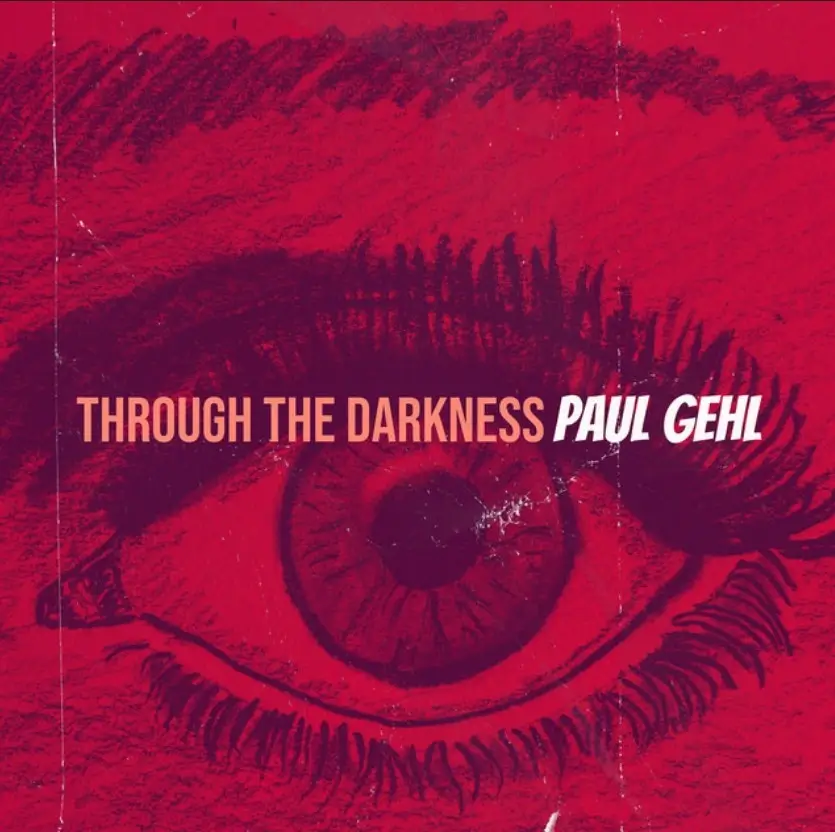
Paul Gehl Aims for Atmosphere First, Melodrama Second on “Through the Darkness”

There’s a certain kind of rock song that really wants you to know it’s Serious. Big emotions, big shadows, meaningful pauses where you’re clearly supposed to reflect. “Through the Darkness” mostly understands that temptation and then, to its credit, doesn’t drown in it. Paul Gehl aims for atmosphere first, melodrama second, which already puts the track ahead of a lot of earnest-but-clumsy modern rock. The song builds itself around tension rather than flash. It doesn’t rush to a chorus like it’s afraid you’ll get bored. Instead, it lets repetition do the work, circling its central ideas until they feel heavy in a deliberate, physical way. That approach immediately invites comparison to long-form rock staples of something like Iron Butterfly’s In-A-Gadda-Da-Vida, not because Gehl is copying its structure, but because he’s clearly interested in the same idea of letting a groove linger long enough that it becomes the point. This is a track that trusts endurance over immediacy. Vocally and lyrically, “Through the Darkness” leans into vulnerability without overselling it. The writing isn’t trying to outsmart you or hide behind abstraction. It’s direct, sometimes almost blunt, but that honesty works in its favor. There’s a sense that Gehl isn’t performing pain so much as documenting it, which keeps the song grounded even when the arrangement swells. Production-wise, the track is clean without being sterile. You can hear Gehl’s multi-instrumentalist background in how carefully each layer is placed. The guitars are expressive but restrained, favoring sustain and texture over shredding. That choice feels intentional, especially given his roots in heavier genres. Rather than flexing technique, the song prioritizes mood, which aligns with its slow-burn structure. “Through the Darkness” succeeds as a thoughtful, atmosphere-driven piece of modern rock. It’s reflective without being self-important, heavy without being overbearing, and confident enough to let time do the talking. It doesn’t demand your attention, but if you give it, it rewards you. Follow Paul Gehl Spotify Youtube Promoted Content About the Author

Paul Gehl Aims for Atmosphere First, Melodrama Second on “Through the Darkness” Read More »

Loose Omens Feels Intentional From Start to Finish, Guided by a Clear Artistic Vision and a Refusal to Compromise

With Loose Omens, Absinthe Vows have very clearly decided that “making a normal album” is not on the table, locked in a drawer, and thrown into the sea. This is a double album, which in 2026 is already a mildly unhinged act of confidence. This isn’t a victory lap or a retrospective or a playlist padded out to justify the runtime. It’s more like an intentional descent. A controlled fall. Less “here are 20 songs” and more “you’re entering a space now, please do not expect a guided tour.” From the jump, the album positions itself less as a record and more as an environment; something you inhabit rather than casually sample. Listening to it feels like being invited into someone else’s ritual and realizing, about ten minutes in, that leaving early would be rude. As Absinthe Vows’ fourth full-length, Loose Omens carries the confidence of a band that knows exactly who they are and doesn’t feel the need to explain it. There’s no hand-holding here. No obvious entry point designed to ease newcomers in. The album assumes you’re either willing to meet it where it is, or you’re not. And if you’re not, that’s fine. It will continue without you and there’s something refreshing but slightly intimidating about that posture. The album opens with “Fatally Sung,” which barely qualifies as a song in the traditional sense. It’s more of a mood-setting invocation, a throat-clearing spell that lets you know what kind of headspace you’re about to occupy. It’s short, ominous, and deeply uncomfortable in a quiet way, like standing in a room where something bad definitely happened but nobody’s going to explain it. This is where Loose Omens draws its line in the sand. There will be ceremony. There will be dread. And you’re not getting eased into either. From there, the album settles into its early rhythm, establishing the sound palette that will carry it for the long haul. “Throb” introduces a more mechanical pulse, flirting openly with industrial textures while still clinging to a post-punk backbone. It feels cold and physical at the same time, like a heartbeat you’re not sure belongs to you. There’s a push-and-pull here between movement and restraint, between something that wants to be danced to and something that actively resents the idea. That tension becomes one of the album’s defining traits, repeating in different forms across the runtime. One of the early moments where everything clicks is “Painting Over the Blood Tarot.” This is where Loose Omens really locks into its identity. The track takes its time, layering ghostly guitars and ritualistic rhythms with a patience that feels intentional rather than self-indulgent. Nothing rushes. Nothing explodes. Instead, the song creeps forward, letting its atmosphere do the work. Thematically, this is where the album’s obsessions start to surface more clearly: erasure, reinvention, symbolic violence, and the uneasy act of covering something up without ever fully removing it. “Staring at Ghost Ships” pulls things back again, shorter and more restrained, but no less effective. It feels distant and hollowed out, like watching something important drift away without being able to stop it. That sense of abandonment and emotional distance threads through a lot of Loose Omens, and here it’s expressed with a minimalist precision that keeps it from tipping into melodrama. As the album unfolds, Absinthe Vows arrives like a mission statement. Every track are brooding confidence and grim resolve, a crystallization of the band’s aesthetic and emotional goals. The pairing of “Deth Masque” and “Death Mask” is one of the album’s smarter structural choices. Placed back-to-back, the tracks feel like reflections of each other; two sides of the same idea, circling themes of identity, concealment, and performance. It’s not subtle, but subtlety isn’t really the point. The effectiveness comes from how clearly the mirroring is communicated, reinforcing the album’s fixation on masks, roles, and the spaces between them. Later tracks like “Still Rebirth” offer reflection without comfort, while “An Ancient Heart” taps into a more classic gothic sensibility that feels timeless rather than nostalgic. By the time the album reaches its closing stretch, it’s unapologetically heavy with “This Will Be the End of Everything” living up to its title, collapsing the album’s themes into a looming, terminal statement as a personal highlight. What makes Loose Omens work, especially at this length, is restraint. For all its darkness and density, the album never collapses under its own weight. Absinthe Vows understand that atmosphere is about tension, not excess, and that goth music is most powerful when it’s precise rather than theatrical. This isn’t a record that demands your attention. It waits for you to give it. And if you do, it doesn’t let go easily. As a double album, Loose Omens could have easily overstayed its welcome. Instead, it feels intentional from start to finish, guided by a clear artistic vision and a refusal to compromise. It’s not a casual listen, and it’s definitely not background music. But if you’re willing to sit with it and I mean really sit with it… it rewards that patience. Follow Absinthe Vows Facebook Instagram X-twitter Spotify Promoted Content About the Author

Loose Omens Feels Intentional From Start to Finish, Guided by a Clear Artistic Vision and a Refusal to Compromise Read More »

What Really Stands Out Is How Comfortable “Over the Moon” Feels in Its Own Skin

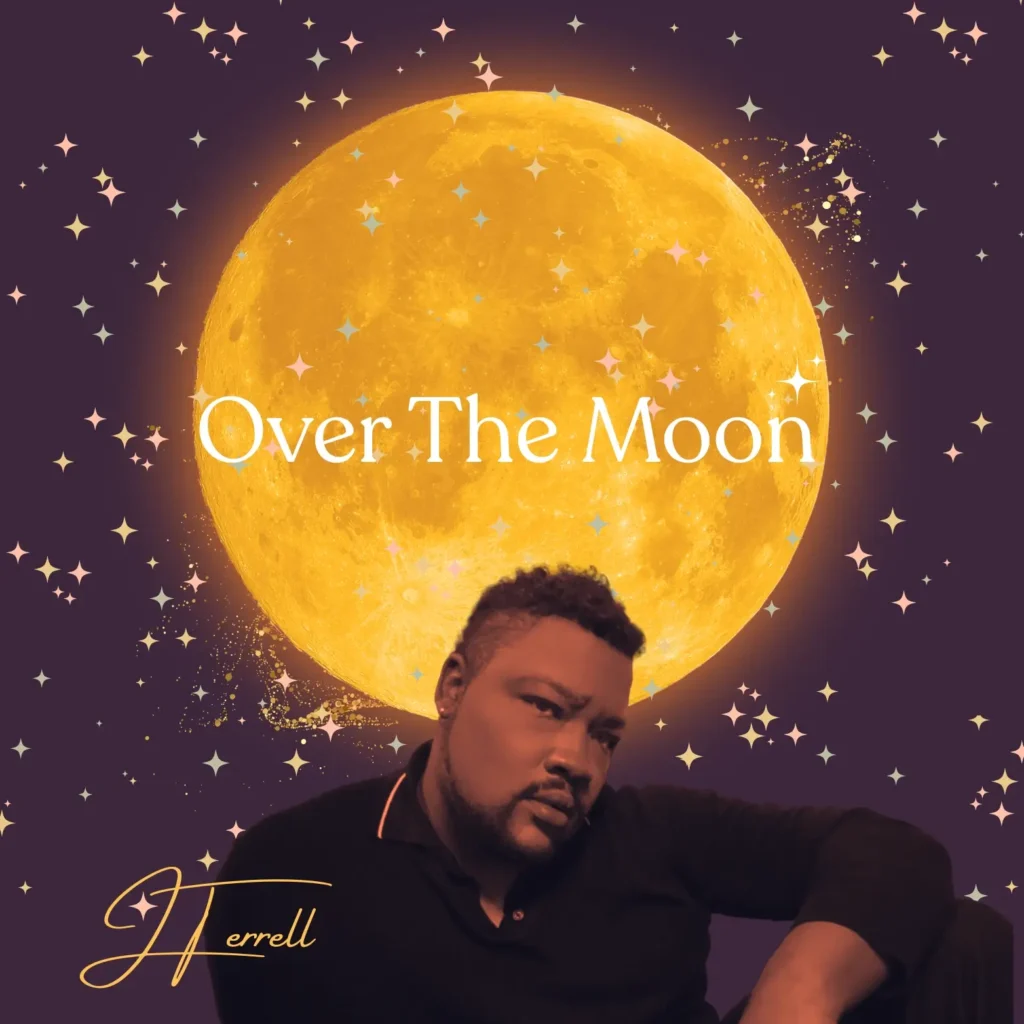
J Terrell’s “Over the Moon” feels like that moment in a long road trip where you pull over, turn the engine off, and just sit there for a second, realizing you’re way farther from home than you thought, but in a good way. Coming off the genre-sprawling Cowboy Tango and the punchy momentum of tracks like “Juice” and “Punch,” this single isn’t trying to out-flex anything. It’s a pause. A recalibration. Terrell reminding both himself and the listener what his music sounds like when it’s not in a rush. The song circles around distance, but not in the melodramatic, staring-out-a-rainy-window sense. “Over the Moon” treats love as something that survives on understanding rather than proximity. It’s less “I miss you” and more “I know you’re still there.” That framing gives the track a quiet emotional confidence, like it’s already accepted the situation and decided it’s going to be okay anyway. Sonically, this is where the Adeem The Artist comparison really clicks, especially if you imagine Adeem’s songwriting instincts filtered through a smoother, R&B-leaning lens. There’s that same grounded honesty, that same refusal to dress feelings up as something ironic or detached. But instead of acoustic grit or folk-punk edges, Terrell wraps those emotions in warmth; soft production, patient pacing, and a vocal delivery that sounds like it’s speaking directly rather than performing at you. You can also hear shades of Shaboozey collaborating with GIVEON or Daniel Caesar in the way the track blends country DNA with modern pop and R&B textures without turning it into a novelty. This is “space cowboy” music that actually understands the cowboy part; the openness, the loneliness, the long stretches of reflection and then lets the soul and pop influences do the emotional heavy lifting. It’s genre fusion that feels natural, not algorithm-brained. What really stands out is how comfortable “Over the Moon” feels in its own skin. It’s not chasing a viral moment or a dramatic payoff. The production stays restrained, letting the mood do the work instead of trying to manufacture a big hook. That choice makes the song feel more human, like something you live with rather than something designed to impress you in 30 seconds. In the bigger picture of J Terrell’s catalog, this track feels like a checkpoint on the road past “El Dorado.” It’s not the destination, but it tells you a lot about where he’s headed. “Over the Moon” shows an artist who’s figured out that emotional clarity can be just as powerful as sonic chaos. If Cowboy Tango was the wide-open map, this is Terrell quietly tracing the route with stars overhead, distance behind him, and enough confidence to know the connection still holds. Follow J Terrell X-twitter Spotify Soundcloud Instagram Tiktok Facebook Promoted Content About the Author

What Really Stands Out Is How Comfortable “Over the Moon” Feels in Its Own Skin Read More »

Arsenal of Democracy Isn’t Comforting or Polite

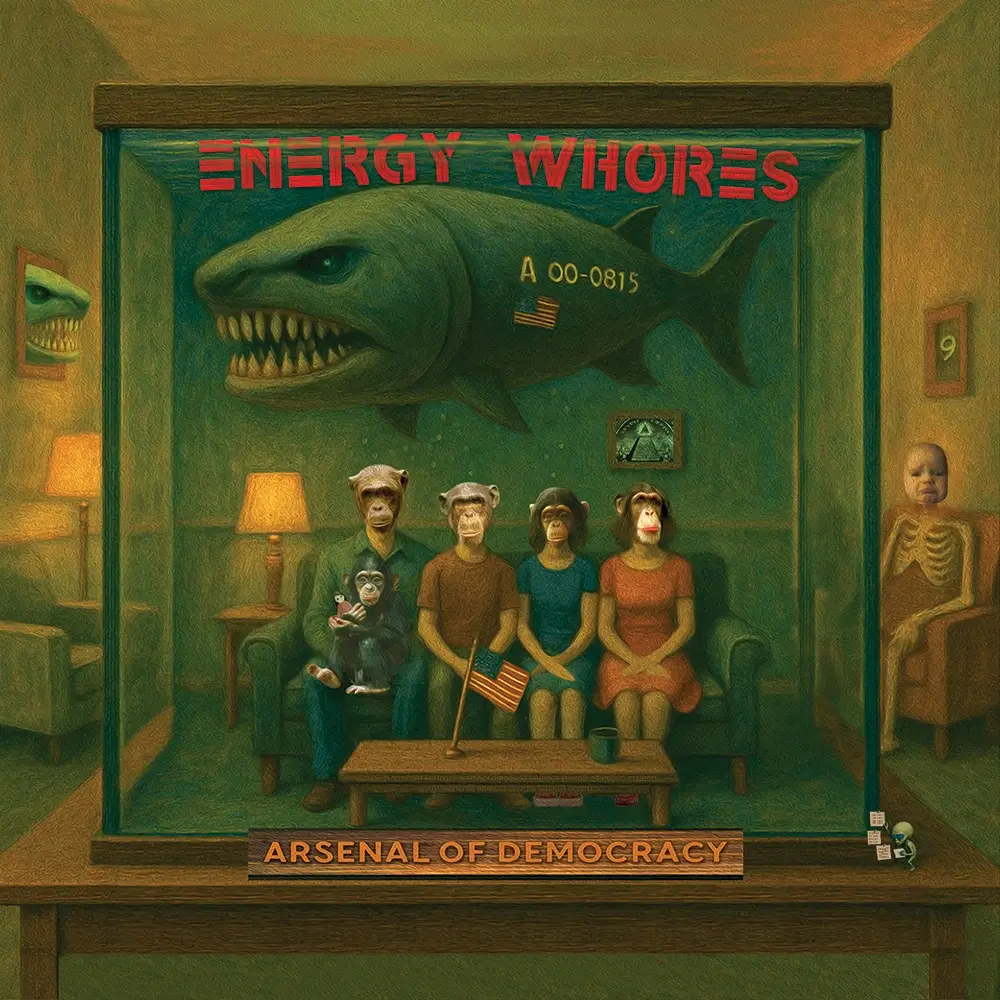
Let’s get this out of the way first: Arsenal of Democracy by Energy Whores is not here to vibe politely in the background while you fold laundry. This album wants your attention, your discomfort, and ideally your blood pressure. Energy Whores, the New York–based DIY project led by Carrie Schoenfeld with guitarist Attilio Valenti, have made a record that feels less like a collection of songs and more like someone angrily shaking you by the shoulders while a synth arpeggiator screams in the background. And honestly? Fair. Energy Whores come from a protest-folk lineage; think Dylan, Phil Ochs, that whole “acoustic guitar but make it politically dangerous” tradition, but Arsenal of Democracy replaces the campfire with a blinking modular synth rack and a sense that something has gone very wrong in the civic machinery. This is electro art rock, punk-pop, avant synth weirdness, and protest music smashed together until the seams are visible. Think self-titled MGMT but with a more activist streak. Importantly, it’s not nostalgia protest. Nobody’s asking you to remember a better America. The album’s thesis is basically: this is the one you’ve got, and it’s rotting in real time. The opener, “Hey Hey Hate!”, kicks the door in with jittery electronics and a confrontational tone that immediately establishes the album’s posture: accusatory, sarcastic, and allergic to subtlety in the best way. This is a band that understands that anger can be theatrical without being hollow. Schoenfeld’s vocals don’t float over the beat; they interrogate it. The song sounds like a chant you’d hear in a protest march that somehow also got remixed at 3 a.m. by someone who owns too many analog synths. From there, the title track “Arsenal of Democracy” locks into a tense, rhythm-driven groove that feels engineered to induce a mild anxiety response. Energy Whores specialize in that uneasy juxtaposition where your body wants to move but your brain is busy cataloguing propaganda, apathy, and institutional decay. It’s art-pop that refuses to let you feel clever for listening to it. You don’t get to smugly nod along; you’re implicated. Tracks like “Pretty Sparkly Things” and “Mach9ne” lean harder into the album’s electro-punk side, pairing glossy textures with lyrics that are anything but pretty. This is where Schoenfeld’s background as a filmmaker and theatre producer really shows; these songs feel staged, like miniature dystopian scenes playing out under fluorescent lights. There’s a performative edge to the delivery, not in a fake way, but in a this is a character because the system forces us all into roles kind of way. Mid-album standout “Bunker Man” is where the record’s satire sharpens into something almost tragic. It skewers paranoia, isolation, and survivalist fantasies with a sense of grim humor, like laughing because the alternative is screaming. “Two Minutes to Midnight” continues that doomsday energy, but instead of bombast, it opts for simmering dread. The clock is always ticking on this album; sometimes loudly, sometimes so quietly you don’t notice until it’s too late. The back half of the record composed of tracks such as “Little Pill,” “Electric Friends,” “Speedo Boys Drone,” and “King Orange”, they feel like the album fully settling into its mission statement. These tracks are less about introducing ideas and more about circling them, poking at different angles: consumer sedation, artificial connection, hollow masculinity, authoritarian spectacle. “King Orange,” in particular, lands as a grotesque caricature that doesn’t bother disguising its target. Subtlety, again, is not the goal. The goal is clarity. What makes Arsenal of Democracy work and not collapse under the weight of its own politics is Schoenfeld’s commitment to melody and structure. These are songs, not lectures. The hooks are real, the beats are danceable, and the sound design is immersive enough to keep pulling you back in. The album understands that if you want to say something difficult, you’d better give people a reason to keep listening. Carrie Schoenfeld has described herself as a “sonic insurgent” and a “lyrical arsonist,” which sounds like marketing copy until you hear the album and realize: no, she actually means it. These songs aren’t love letters; they’re warning signs. They’re written for the disillusioned, the furious, the people who feel like the world is being dismantled in front of them while everyone else argues about the paint color. Arsenal of Democracy isn’t comforting or polite. It doesn’t pretend things are going to be okay. What it does offer is catharsis; the rare feeling that someone else is seeing the same mess you are and choosing to scream about it in tune. In an era where political art often feels either toothless or unbearably self-serious, Energy Whores manage to be sharp, theatrical, and genuinely fun to listen to.  Follow Energy Whores Globe Spotify Soundcloud Bandcamp Instagram Promoted Content About the Author

Arsenal of Democracy Isn’t Comforting or Polite Read More »

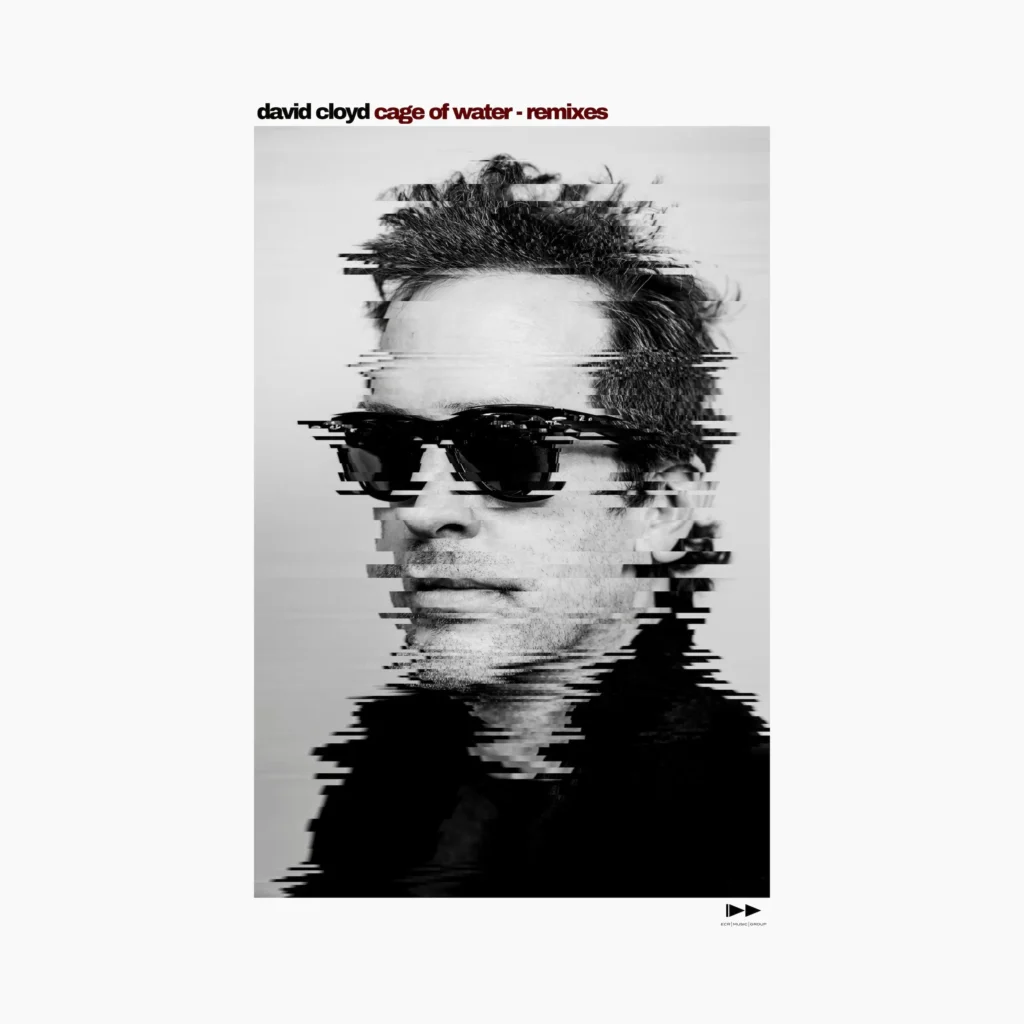
Cage of Water [Remixes] Doesn’t Beg for Your Attention; It Just Pulls You Under and Lets the Pressure Do the Talking

David Cloyd’s Cage of Water [Remixes] EP is one of those releases that feels way more intentional than the phrase “remix EP” usually implies. This isn’t a quick add-on, a streaming algorithm appeasement, or a “hey, remember this song?” moment. It’s a proper rethink. A pause. A deep breath. And then a slow, deliberate plunge back into one track to see what else is hiding under the surface. If you’re even vaguely aware of David Cloyd’s recent comeback, you know this moment didn’t come out of nowhere. After more than a decade away, Red Sky Warning put him back on the map in a very real way including but not limited to SPIN coverage, Apple Music placements alongside actual heavyweights, and a fanbase that suddenly stretched across continents. “Cage of Water” was already one of that album’s emotional pillars, so handing it over to James Tabbi for reinterpretation feels less like a bonus and more like a trust fall. Tabbi, best known as the frontman of The Heroic Enthusiasts, approaches the song like someone who actually listened to it instead of just hearing it. He locks onto the Tresillo rhythm at the core of the original and treats it like sacred text. The standout “Drop of Red Remix” builds on that pulse using Dumbak drums, giving the track this ancient, hypnotic throb that feels physical in your chest. It’s tense, almost claustrophobic, but in a way that makes sense for a song literally about feeling trapped. What really sells the remix is the imagery behind it. Tabbi describes the song as a shark-in-an-aquarium story; powerful, alive, but boxed in behind thick glass, staring out at freedom it can’t reach. That idea bleeds into the sound design. Everything feels contained, pressurized, like it’s pushing outward but never quite breaking free. The other remixes follow the same philosophy: not trying to “improve” the song, but to interrogate it from different emotional angles. Cloyd’s original inspiration grounds all of this. The song comes from his early days of parenthood; huge love, zero sleep, and that weird sense of being present but not fully connected to the world. His memory of staring at sharks in the Baltimore Aquarium while feeling fundamentally disconnected is painfully relatable, and it explains why “Cage of Water” works so well as a remix canvas. The metaphor is strong enough to survive being stretched, bent, and refracted. Sonically, the EP stays cohesive thanks to Blake Morgan handling mastering duties, which keeps everything feeling like part of the same universe. Even as the textures shift and the mood deepens, it never feels scattered or slapped together. This is remixing as interpretation, not decoration. On a personal note, this EP hits the same nerve for me that Porter Robinson’s Worlds Remixed did back in the day. That album worked because it treated remixing as a chance to emotionally reframe something you already loved, not just repackage it for the club. Cage of Water [Remixes] operates in that same lane. It assumes you care. It assumes you’re willing to sit with a feeling a little longer. And it rewards you for doing so. At the end of the day, this EP feels less like a side quest and more like a conversation between two artists who genuinely respect the material and each other. It’s quiet, heavy, and deeply considered; proof that remix projects can still matter when they’re done for the right reasons. Cage of Water [Remixes] doesn’t beg for your attention; it just pulls you under and lets the pressure do the talking. Follow David Cloyd Globe Facebook Spotify Youtube Instagram Promoted Content About the Author

Cage of Water [Remixes] Doesn’t Beg for Your Attention; It Just Pulls You Under and Lets the Pressure Do the Talking Read More »

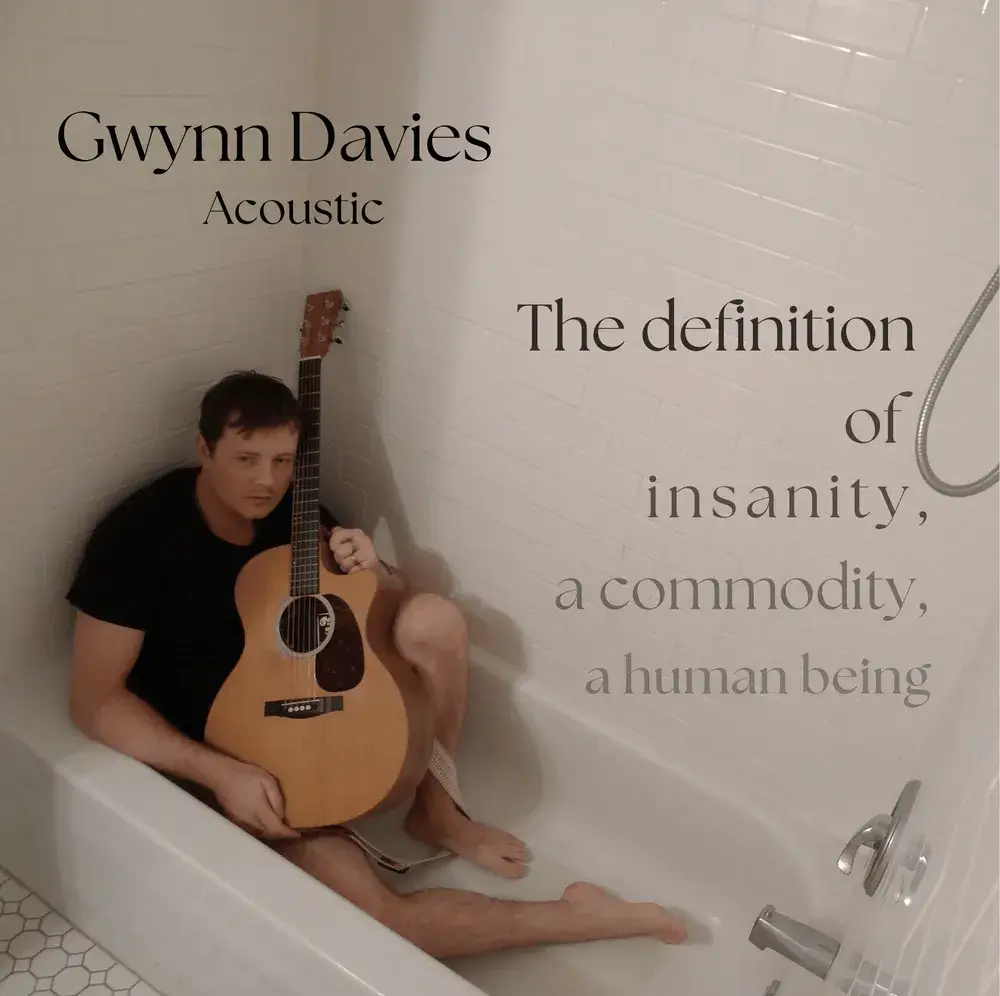
The Definition of Insanity, a Commodity, a Human Being Feels Less Like a Collection of Songs and More Like a Checkpoint

Gwynn Davies’ new project The Definition of Insanity, A Commodity, A Human Being, arrives with the kind of title that already feels like it’s squinting at the state of the world and asking, “Okay, but are we doing this on purpose?” It’s long, it’s slightly unwieldy, and it immediately tells you that this is not a project interested in subtle background vibes. This is an EP that wants your attention, your time, and probably your emotional availability. Preferably uninterrupted. At its core, The Definition of Insanity, A Commodity, A Human Being is Gwynn Davies doubling down on who he is as a songwriter. There are no production tricks here, no sonic fireworks meant to distract you from what’s being said. Instead, the EP leans hard into stripped-back acoustic arrangements and close, intimate vocals that feel less like a performance and more like someone sitting across from you and talking through something they haven’t fully processed yet. This is music that assumes you’re actually listening. If you’re looking for something safe, polished, or passive, this is not that project. It’s quiet, but it’s not gentle. What stands out immediately is how emotionally loaded the songwriting is. Davies doesn’t waste time dressing things up. The lyrics arrive plainly, almost conversationally, but they carry a lot of weight. There’s a sense that these songs weren’t written to impress so much as to survive. The melodies are restrained, sometimes almost hesitant, which makes the emotional punches land harder when they arrive. This is one of those records where the silence between lines matters just as much as the lines themselves. The project opens with “Dark Days & The Ripples In Between,” which sets the tone by refusing to offer easy catharsis. This isn’t a triumphant climb out of despair; it’s about the commitment to keep fighting even when you’re exhausted and not convinced it’ll get better. There’s something refreshingly honest about how unromantic this struggle is portrayed. It’s not inspirational in a motivational-poster way. It’s inspirational in the deeply unglamorous sense of waking up and choosing not to disappear. The acoustic arrangement keeps things grounded, letting the lyrics do the heavy lifting. “Terminal Velocity on Saturday” shifts gears slightly, offering a momentary release from that weight. This is the project’s breather track which works the best in its unabridged and instrumental form as the track is built around the idea of escape; not in a life-changing sense, but in the small, fleeting ways people cope. Pleasure, distraction, carelessness, the idea of letting the world blur just enough to feel human again. It’s lighter in tone, but not shallow. The song understands that temporary escapes aren’t solutions, but they can still be necessary. It feels like a knowing shrug rather than a denial. Then there’s “Corporate America,” which is easily the most outwardly energetic track on the EP. It’s a sharp, satirical jab at the glorification of Western ideals and the American Dream™, complete with its hollow promises and shiny packaging. What makes it work is that Davies doesn’t overplay the satire. The song doesn’t scream; it smirks. The acoustic setup keeps it from turning into a rant, and instead it comes across as weary, ironic, and a little bitter in a way that feels earned. It’s the sound of someone who has seen the machinery up close and isn’t impressed anymore. “The Insomniac” closes the project by drifting back inward. This track feels the most ethereal and vulnerable, echoing Davies’ earlier work and leaning into a kind of late-night, half-awake honesty. There’s a sense of isolation here that doesn’t need to be explained; it just exists. The song floats rather than resolves, which feels intentional. Insomnia isn’t something you conquer. Rather, it’s something you endure. Ending the project here feels right, leaving the listener suspended rather than comforted. Taken as a whole, The Definition of Insanity, A Commodity, A Human Being is a thoughtfully constructed release that reinforces Gwynn Davies’ identity as an artist who values emotional truth over accessibility. These songs don’t rush you. They don’t hold your hand. They ask you to meet them where they are, fully present, and willing to sit with discomfort. That won’t be for everyone, and Davies seems completely fine with that. This project isn’t trying to redefine acoustic music or reinvent the genre. Instead, it refines Davies’ voice and perspective, proving that quiet music can still be confrontational, and simplicity can still be heavy. The Definition of Insanity, A Commodity, A Human Being feels less like a collection of songs and more like a checkpoint; an artist taking stock of the world, himself, and the uneasy space in between. It’s not loud, but it lingers. And sometimes, that’s more unsettling than noise. Follow Gwynn Davies Spotify Facebook Instagram Promoted Content About the Author

The Definition of Insanity, a Commodity, a Human Being Feels Less Like a Collection of Songs and More Like a Checkpoint Read More »

“Honey” Never Feels Like a Collage of Influences; It Feels Personal

“Honey” feels like the kind of song you write when you’re cold in every sense of the word and dreaming about warmth. Written during a winter in Seattle, it sounds like someone staring out at endless gray skies while imagining sunlight on skin, heat in the air, and the kind of affection that sticks to you long after it’s gone. That tension between where you are and where you wish you were is what gives the track its emotional charge. Sonically, it lives in that sweet spot between indie pop and groove-driven rock, pulsing forward with a warm, rolling rhythm that makes the whole thing feel alive. What really sells “Honey” is how physical it feels. This isn’t a song that just floats. The beat has this steady, almost hypnotic push, while the melodies wrap themselves around you in a way that feels both intimate and uplifting. There’s a sensuality here, but it’s not flashy or forced. It’s in the small details: the way the groove settles into your chest, the way the vocals lean into certain phrases like they’re being tasted instead of sung. It feels like closeness, not spectacle. Lyrically, the song is built around a longing that’s emotional as much as it is physical. It’s about wanting connection, warmth, and the courage to actually step into it. That ties directly into Kevin Honold’s larger artistic arc. For a long time, he stayed on the sidelines of his own life, holding things back, afraid of being seen too clearly. “Honey” feels like the sound of someone who’s done hiding. There’s an openness here that doesn’t feel performative; it feels earned. That sense of presence comes from what Honold calls his “rhythmic rock” approach. His music lives in the pulse, in the feeling that everything is being driven by a real, human heartbeat. You can hear that in how “Honey” is arranged. It’s not just guitar and drums; it’s a full, breathing ensemble, with bass, piano, and layered vocals giving the track depth and momentum. The song swells and pulls back, never losing that forward motion that keeps you locked in. There are echoes of Springsteen’s conviction, Bowie’s boldness and Nathaniel Rateliff’s soulful fire, but “Honey” never feels like a collage of influences; it feels personal. Like something that had to be written. And that’s really what makes the song work. It doesn’t just want you to listen. It wants you to feel it. Follow Kevin Honold Globe Spotify Soundcloud Bandcamp Youtube Instagram Tiktok Promoted Content About the Author

“Honey” Never Feels Like a Collage of Influences; It Feels Personal Read More »

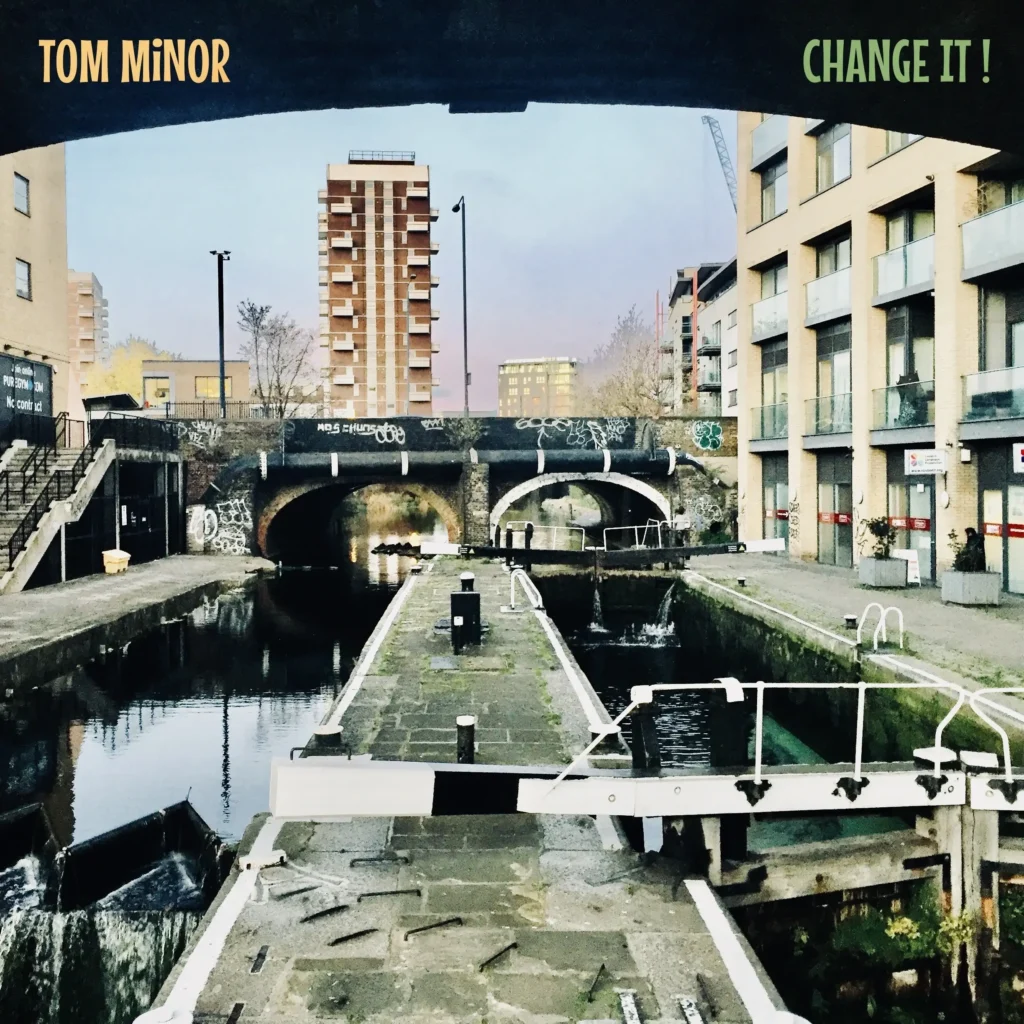
“Change It!” Absolutely Rips

“Change It!” shows up on Boxing Day, which feels kind of perfect, because it’s a song that sounds like it was written by someone who just spent an entire year watching the world fall apart and finally went, “Okay, yeah, no, I’m done being patient.” It’s the latest single from Tom Minor, and it’s doing double duty: closing out the run that started with Future Is an F Word last year while also kicking open the door for his upcoming album, Ten New Toe-Tappers for Shoplifting & Self-Mutilation, which is maybe the most aggressive title imaginable and yet, poetically honest in a Positive Songs for Negative People by Frank Turner way. The track itself is basically a vintage-soul-soaked indie rock rant in the best possible way. It’s got that old-school rebel-yell energy, but filtered through someone who clearly spends way too much time thinking about the future and whether it even exists anymore. “Change It!” isn’t about a specific political cause or a neat, Instagram-ready form of activism. It’s about that raw, jittery feeling that you’re wasting your life while everything around you is quietly catching fire. The song sounds like it’s yelling at you and also trying to shake you awake at the same time, which is honestly kind of refreshing. There’s something really satisfying about how unguarded it feels. The gloves are off, the emotional armor is gone, and Minor just leans into that slightly unhinged urgency. It’s a call-to-arms, sure, but not in a “let’s start a movement” way; more like “please, for the love of god, do literally anything before it’s too late.” The whole thing has this scrappy, sweaty, get-in-the-ring vibe that makes it feel less like a polished single and more like someone yelling their truth from a small stage in a crowded room. Musically, it helps that “Change It!” absolutely rips. Johnny Dalston’s guitar gives the track a sharp, wiry edge, while producer Teaboy Palmer keeps everything moving forward at a pace that doesn’t let you breathe too much. It sounds old and new at the same time: soul and garage rock energy filtered through indie-rock anxiety. Tom Minor himself is one of those artists who feels like he’s been circling this moment for years. Based in London N1, he pulls from everything from punk, power pop, new wave, psych to R&B, but it all gets mashed into what he calls “existential indie,” which is honestly a pretty good description. After spending years writing for other people, Minor finally went all-in on his own voice, and records like Eleven Easy Pieces on Anger & Disappointment made it clear he had a lot to say. “Change It!” feels like that voice getting louder, bolder, and a little more desperate. And weirdly, that’s exactly why it works.  Follow Tom Minor Facebook Spotify Promoted Content About the Author

“Change It!” Absolutely Rips Read More »

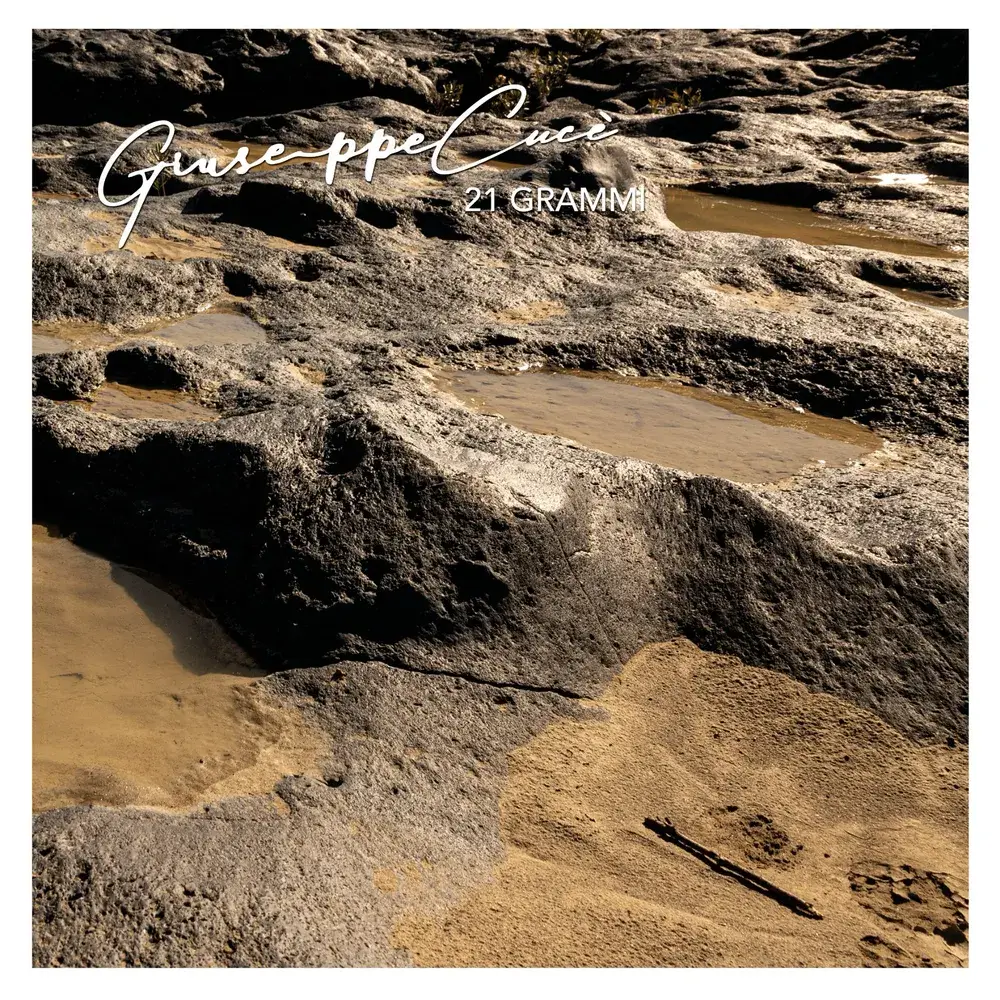
Between Light and Shadow: Experiencing “21 Grammi”

21 Grammi feels like stepping inside someone’s mind, unfiltered and alive. The album drifts between memory, desire, chaos, and fragile hope. Every track is a world on its own, but together they trace a thread of vulnerability, urgency, and longing. The album doesn’t guide you gently, it throws you into experiences, emotions, and reflections, leaving you both unsettled and captivated. The production and lyrics lean into honesty and intimacy. Bodies, hearts, and fleeting moments are treated like fragile weights, light, yet heavy with meaning. There’s a tension throughout: moments of beauty alongside darkness, calm alongside chaos, love alongside absence. It’s not an easy listen, but it’s unforgettable. È tutto così vero This track is a late-night wander through memory and city streets. You smell black sap on the windowsill and hear distant explosions above. One moment you’re in a lonely tavern with soft music and rum, the next you’re staring at blood streaking over rooftops or a cyclops tossing stones into the sea. It’s beautiful and violent, comforting and terrifying, like walking home alone after dark knowing the world is both alive and indifferent. Ventuno You step into Ventuno and immediately feel the weight of life in fragments. The “two grams” lines hit like a pulse. Skin, limbs, eyes, a single gram of heart. You can almost feel each piece vibrating under your touch. It’s urgent, frantic, and restless, like screaming underwater or running through the streets at sunrise, desperate to catch something fleeting. By the time the track ends, you’re breathless, left with the tension of wanting to dive into life and escape it all at once. Dimmi cosa vuoi Dimmi cosa vuoi is like standing at the edge of a cliff with someone you love, shouting over the wind: “Tell me what you want!” The moments stretch impossibly short and infinite. A life, a lifetime, a single breath, all collapse into seconds. It feels like chasing lightning in a storm, reckless but electrifying. You’re aware of choices, of chance, of connection, and yet the song refuses to let you settle. Every repetition feels like both a promise and a question. Fragile equilibrio Here, the album turns inward. You’re inside a mind full of memories and monsters. Each card, each coincidence feels heavy, like walking on a tightrope above your own fears. You hold your breath to stay upright, feeling the weight of every thought. Dorian Gray’s portrait is a perfect image, decay contained in beauty, a reminder that fragility can also be seductive. It’s quiet, tense, and hypnotic, like pausing in a hallway before opening a door you know might change everything. La mia Dea Tender, devotional, almost sacred. You close your eyes and remember a childhood figure, a protector who smells like roses and lavender. The track makes you feel the weight of wanting to freeze time. Dancing by the sea, sharing a smile, everything becomes eternal. Even the idea of making a pact with death feels like a natural extension of this intensity. You are not just listening; you’re guarding something precious alongside the singer. Cuore d’inverno This song feels like love in slow motion. You can feel sun on your skin while winter chills your heart. Passion, jealousy, and fleeting ecstasy swirl together, like walking through a storm while carrying a candle. Every pause between lines is a heartbeat, every word a reminder that holding onto someone is both fragile and vital. You sense the bittersweet truth: love warms and freezes you at the same time, and you can’t escape either. Tutto quello che vuoi The chaos hits you immediately. In the kitchen, firecrackers pop while your grandma cooks sauce below. Outside, missiles streak across the sky. It’s absurd and playful, yet dark, like watching a carnival collapse in slow motion. The repetition of “we are the actors” makes you feel like you’re in on the secret: life is messy, but you get to perform it anyway. It’s a mix of laughter, fear, and daring that leaves you energized and slightly off-balance. Una notte infinita The night stretches endlessly here. Someone has left, footsteps dissolve, and your heart tips precariously with the bed. The emotions fly off like fragile birds, leaving you clinging to connection. It’s the 3 a.m. moment when the world is quiet but loud inside your mind. The song doesn’t resolve the night; it survives it. You feel small, suspended, but strangely alive, as if the darkness itself is teaching you how to feel. Di estate non si muore This one is sun and heat mixed with chaos. You can almost taste the pasta and eggplant while explosions happen across rooftops. Summer feels bright, ironic, almost defiant. You’re in a boat with hands in your pockets, watching the world burn, yet laughing at its absurdity. The track has a weightless danger—warmth and tragedy coexist so fully that you feel alive just breathing it in. 21 Grammi is an album of contrasts. Light and dark, joy and pain, intimacy and chaos live side by side. It never simplifies emotions or experiences, and it doesn’t hold your hand. Each track is an invitation into a fragile, messy, and deeply human world. The album is best experienced in full, letting its flow carry you through highs, lows, and pauses. By the end, you feel the weight of its “grams”, small but heavy, fleeting but permanent. It’s an album that makes you feel alive, even when it’s uncomfortable, and that’s its greatest strength. Instagram Spotify Youtube Promoted Content


Between Light and Shadow: Experiencing “21 Grammi” Read More »