

loader image

2026

Suicidal Strain Stands Out for Its Refusal to Dilute Itself

There’s something quietly defiant about Suicidal Strain before you even press play. In an era where most records are engineered for playlists and algorithmic survival, Add Zedd positions this as a full-length album in the old sense of the word: a complete emotional arc meant to be absorbed, not skimmed. It is not built for shuffle. It asks for time. At its core, Suicidal Strain is piano-led. That foundation matters. The piano here isn’t ornamental; it’s structural. It carries melody, harmony, and often the emotional thesis of a piece before the arrangement expands outward into rock instrumentation, cinematic textures, or electronic undercurrents. From the opening track, aptly named “Hello”, the result is music that feels rooted in songwriting first, production second. Even when the arrangements swell, there’s a sense that everything could collapse back into a solitary piano and vocal and still stand intact. What distinguishes the album most is its commitment to dynamics. The record does not hover at one emotional altitude. Instead, it moves in waves; quiet passages that feel almost exposed, followed by dense, layered crescendos that lean into orchestral or rock intensity. This push and pull creates tension that feels intentional rather than decorative. Silence, or near-silence, is treated as seriously as the loudest moments. The structures themselves resist predictability. Rather than defaulting to verse-chorus symmetry, the songs appear to evolve organically, sometimes stretching into extended instrumental sections or shifting moods midstream. These transitions contribute to the album’s cinematic quality. You don’t feel like you’re being handed hooks; you feel like you’re being guided through scenes. Emotionally, Suicidal Strain is heavy, but not careless. The title alone suggests internal conflict, and the music reflects that weight through contrast rather than melodrama. There’s an undercurrent of introspection running throughout; less performative anguish, more sustained contemplation. The album doesn’t seem interested in spectacle; it’s interested in immersion. One of the most compelling aspects of this project is its origin story. Many of the songs began as late-1990s piano-and-vocal sketches before being reimagined with modern production tools. That temporal layering gives the album a unique character. You can sense an older emotional core refracted through newer technical capabilities. The songs are not chasing contemporary production trends; instead, they feel like preserved ideas given expanded vocabulary. There’s something almost archival about that process; like restoring film rather than remaking it. The independence behind the project also shapes its identity. Written, recorded, produced, mixed, and mastered in a home studio, the album carries the fingerprint of a single vision. That cohesion is noticeable. There are no abrupt stylistic detours designed to broaden market appeal. The sound palette remains consistent, even when the arrangements grow more ambitious. Orchestral flourishes and electronic textures appear as extensions of the same emotional language, not as genre experiments. This self-contained approach inevitably brings imperfections, but in a project like this, those imperfections can become strengths. There’s an intimacy that comes from hearing something not sanded down by committee. The mix choices, the pacing, even the willingness to let a section breathe longer than commercial logic would dictate; all of it reinforces the sense that this album was made for expression first, distribution second. Importantly, Suicidal Strain rewards attentive listening. It doesn’t reveal everything on a surface pass. The interplay between piano motifs and larger arrangements becomes clearer over time. Themes echo. Melodic fragments reappear in altered contexts. The album feels less like a collection of separate tracks and more like chapters in a larger emotional narrative. That narrative doesn’t resolve in a neat, triumphant bow. Instead, it feels cyclical; like an examination rather than a conclusion. The record’s arc suggests endurance more than escape. By the end, the listener isn’t necessarily offered catharsis in the traditional sense, but there is clarity: the clarity that comes from articulating something difficult in full. There’s also a visual and conceptual component to this release, with the artist’s website positioned as the primary destination. That decision reinforces the album-oriented philosophy. Rather than existing as a series of isolated streams, Suicidal Strain is framed as an ecosystem of music, visuals, and background context working together. It’s a reminder that albums once functioned as complete experiences, not just audio files and Suicidal Strain relishes being an album. In today’s indie scene, Suicidal Strain doesn’t water itself down. It feels like it isn’t chasing radio edits or built for quick viral moments. It stays focused on its own sound, and that alone makes it stand out. This feels like music made for the long run, not for fast hype. The piano leads most of the weight, the dynamic shifts hit with purpose, and the structures don’t follow a safe formula but move with the emotion instead. It turns inward without dragging and aims high without begging for attention. Add Zedd’s album offers something rare right now, a record you actually sit with instead of skipping after one listen. Follow Add Zedd Globe Facebook Spotify Youtube Instagram Promoted Content About the Author

Suicidal Strain Stands Out for Its Refusal to Dilute Itself Read More »

New Music Radar Featuring: OÏKOUMEN, Rock do Reino, Sulfurized Inhabitants of the Matchbook, AND Kelly Murphy Music

OÏKOUMEN’s ‘Reign of Idiocy’: A Baroque-Metal Guillotine for Schoolyard Tyrants If you ever wished your high school trauma had a soundtrack composed by Hans Zimmer on a speed metal bender, OÏKOUMEN have arrived to answer your prayers. With their latest single, the French symphonic metal outfit doesn’t just confront the subject of bullying; they obliterate it with a 206 BPM orchestral battering ram. ‘Reign of Idiocy’ is a theatrical, high-velocity exorcism of childhood demons that trades subtlety for sheer, unadulterated bombast. It’s operatic, it’s furious, and it sounds like the Paris Opera House collapsing into a mosh pit. Julien Prost’s mix balances a dangerous line between clarity and chaos. With an RMS pushing the limits, the track is a wall of sound where MIDI-programmed orchestras battle for frequency space against Elie Veux’s razor-sharp guitar work. It is unapologetically maximalist. Laura Mazard delivers a schizophrenic performance in the best way possible, shifting from melodic narration to a ‘tear-stained scream’ that embodies the victim’s transition from fear to vengeful empowerment. While lines like ‘The shame’s on you / Behind this smile’ are direct and simple, they work effectively within the genre’s operatic context. It’s not poetry for the library; it’s a manifesto for the battlefield. The song wastes no time, launching almost immediately into its high-tempo assault. It follows a traditional metal structure but packs it with so much density that the three-minute mark feels like running a marathon. This is pure catharsis. It captures the specific, suffocating rage of being powerless, then flips the script to offer a sonic weapon for the oppressed. Instagram Spotify Rock do Reino: Faith at Breakneck Speed on ‘Obeying You’ Forget the tambourines and campfire acoustics; Rock do Reino is taking the concept of divine surrender and strapping it to a rocket engine. Clocking in at a blistering 233 BPM, ‘Obeying You’ is less a hymn and more a high-octane punk-rock confession. The Brazilian outfit, aiming to break the mould of traditional worship music, has delivered a track that sweats, bleeds, and sprints towards salvation. It’s a sonic paradox—lyrics about total submission delivered with the ferocity of a riot. If this is what surrender sounds like, the battle must have been exhausting. The mix is polished but aggressive, favouring a ‘wall of sound’ approach typical of modern pop-punk. The guitars are crunched to the front, and the drums are relentless, providing a frantic backbone that barely lets the listener breathe. The delivery is urgent and gritty. While the English pronunciation occasionally betrays the band’s roots, it adds a layer of raw authenticity. The vocalist isn’t just singing; he’s pleading, matching the intensity of the instrumental backdrop. Thematically, it’s a classic narrative of hitting rock bottom (‘Crawling on the asphalt’) and finding redemption. The juxtaposition of the phrase ‘Obeying You’—usually associated with quiet piety—against a backdrop of hard rock aggression recontextualizes the act of faith as an active, forceful choice rather than passive acceptance. The song adheres to a punchy verse-chorus structure that capitalizes on dynamic shifts. The transition from the frantic verses to the more melodic, anthemic chorus provides the necessary hooks to keep the listener engaged without losing momentum. There is a palpable sense of desperation turning into resolve. The sheer speed of the track conveys the anxiety of ‘internal battles’ mentioned in their bio, making the release of the chorus feel like a genuine spiritual breakthrough. Instagram Spotify Post-Punk Theatrics for the Digital Void With a band name that reads like a Dali painting and a sound that teleports you straight to the sweaty, neon-lit underground of 1982, Sulfurized Inhabitants of the Matchbook aren’t here to play nice—they’re here to play loud. ‘Speaking in Silence’ is a frantic, kinetic slab of art-rock that channels the nervous energy of Talking Heads through the glam-stomp of a Ziggy Stardust B-side. It is a track that demands your full attention, grabbing you by the lapels and shaking you until you acknowledge its existential crisis. If this is what filling the void sounds like, turn the volume up to eleven. The mix is refreshingly raw and unpolished, favoring a ‘live room’ feel over sterile modern compression. The drums are punchy and driving, sitting upfront to dictate the frantic 150 BPM pace, while the synths and guitars weave a dense, angular tapestry around the rhythm section. The vocal performance is the centerpiece here—highly theatrical, idiosyncratic, and dripping with character. There is a distinct Bowie-esque delivery, moving from spoken-word observation to melodic desperation, perfectly capturing the song’s themes of confusion and alienation. Despite the ‘silence’ in the title, the lyrics speak volumes about modern disconnection. Lines like ‘people keep typing’ and descriptions of staring into screens suggest a critique of the digital age, juxtaposed against an analog musical backdrop. The song follows a traditional verse-chorus structure but maintains high energy throughout. It avoids a slow build, opting instead to throw the listener directly into the deep end from the first bar. The track generates a sense of manic urgency. It feels anxious yet danceable, capturing the specific restlessness of trying to find meaning in a noisy world. Facebook Spotify Kelly Murphy Music and Josh Paulino dissect toxic bonds on the bruising ‘Like a Parasite’ In a music industry often cluttered with carbon-copy aggression, Kelly Murphy Music emerges from the gloom of Seattle to deliver a masterclass in melodic exorcism. Teaming up with Brazilian powerhouse Josh Paulino, their latest single ‘Like a Parasite’ is a visceral rejection of emotional vampires that gnaws at the speakers with predatory intent. It’s not just a song; it’s a jagged, heavy-booted stomp through the wreckage of a manipulative relationship. With a groove that sits right in the pocket of 81 BPM heavy rock sludge and melodies that soar before they crash, Murphy and Paulino have crafted an anthem for anyone who’s ever had to cut the cord to save their own skin. This is the sound of clarity arriving in the form of a sledgehammer. Murphy’s production keeps things delightfully murky yet punchy. The low-end is thick

New Music Radar Featuring: OÏKOUMEN, Rock do Reino, Sulfurized Inhabitants of the Matchbook, AND Kelly Murphy Music Read More »

Terror Terror’s “Made of Parts” Is the Raw, Fresh Awakening 2026 Needs

I think I’ve been saying this all throughout my reviews, but I firmly believe that everything has been done in music already. It’s just a matter of being creative and what makes you stand out. That’s what Terror Terror did on their newest EP, ‘Made of Parts.’ Join me as I discuss this EP in length and read why this can make or break your musical palettes. The first track of the EP, titled ‘Rhododendron’, didn’t waste any time and went ahead and introduced that glorious guitar downstroke rhythm that feels like a wave of music created in the early to mid 90s but mixed and mastered with today’s technology. You can clearly hear the punk influence throughout the track. It’s raw, fuzzy, and just in your face.  What I specifically like about this track is the vocal progression because it’s not your typical melodical phrasing. No, no, no. The verses are spoken poetry that feels like captured from the times of Ramones and The Who, but with that modern twist. The chorus hook doesn’t really have a ‘hook line’ to it because it’s just an instrumental guitar line that indicates to us listeners that we are already in the chorus hook. Which is truly amazing and fresh for 2026.   ‘Dune Bug Death Safari,’ the second track of this EP, has a progressive melodical flow to it because in the verses, the guitar lead parts mimic the vocal melody of the track. This has the same attack in the chorus, but instead of one-note liners, the chorus hook has a moving chord progression that mimics the melody.  We are two tracks in, and from what I’m hearing, ‘Terror Terror’ is big on musical buildups. If you go back and listen to ‘Rhododendron’ and ‘Dune Bug Death Safari,’ you can hear and feel a buildup flow on the intro and on the latter part of the tracks.  If you look at it from a storytelling perspective, it builds character because it creates retention, and in a way, the songs moves itself from the stereotypical idea of what the songs are meant to be played. In other words, it’s a mixed bag of old school and new school catering to younger and older generations.  I hate having favorites, but if I were to recommend a track on this EP, it would be ‘Ugly Mountain.’ The track is what I call a ‘slow burn’. The buildup took a while to reach its defining peak, but when it did, it didn’t disappoint. This track is built around the suspended pentatonic scale, or what most musicians call egyptian scale, because of its namesake.  What I appreciate about it is its heavy influence on a track that I personally love, which is Minerva by Deftones. It has that draggy/psychedelic feel to it that feels like you’re floating in the air. What made it even more interesting is the beat change in the latter part. Watch out for that disco beat. It’s unconventional, but that builds character and identity, and I’m all for it.  And the last track of this EP, ‘Parts People’, is by far the most interesting track of the bunch because of its mixed influence from blues to garage to old school punk, and has a bit of that ethnic and psychedelic feel to it. It stood out because this track has a different character. I was anticipating all the build-ups and hooks that ‘Terror Terror’ was known for, but on this track, they threw them out the window.  Terror Terror’s, newest EP, ‘Made of Parts,’ from their namesake, was equally made of parts that are unconventional and raw. It stood as a great listen because of how fresh it was for 2026. Sure. You can say that it’s not everyone’s cup of tea, but that’s what art is. It’s made to question the very fabric of what music is, and besides, not everyone likes that same sound.  Follow Terror Terror Facebook Instagram Bandcamp Spotify Icon-music Promoted Content About the Author

Terror Terror’s “Made of Parts” Is the Raw, Fresh Awakening 2026 Needs Read More »

Neon Silence EP Feels Careful. Thoughtful. Almost Shy

There is a very specific kind of music project that only exists in the modern internet era. It’s not quite bedroom pop. It’s not quite experimental electronica. It’s definitely not something a major label would know what to do with. It’s the sound of someone opening a laptop at midnight, staring into the digital void, and saying, “Okay, but what if I made something beautiful with this?” That is more or less where Hidden Shores lives with Neon Silence EP. Neon Silence EP treats artificial intelligence the way a Victorian child might treat a mysterious haunted violin they found in the attic. With curiosity. With caution. And with the absolute certainty that they are going to play it anyway, consequences be damned. AI here is not a shortcut. It’s not “press button, receive song.” It’s an instrument. A weird, slightly unpredictable one. Like a piano that occasionally decides it has opinions. The result is an EP built around reinvention; around taking things that already matter like melody, atmosphere, emotional memory and asking, “What happens if I filter this through something that technically isn’t alive?” It’s the musical equivalent of staring at a familiar painting through warped glass. You still recognize it. But it feels… different. Hidden Shores itself feels like a secret identity. By day, the creator is an elementary school teacher in Belgium. By night, they’re quietly experimenting with algorithms and soundscapes. There is something deeply funny and deeply charming about this dual existence. Imagine spending your afternoon teaching kids multiplication, then going home and creating moody, AI-assisted ambient rock. That’s range. Neon Silence EP feels careful. Thoughtful. Almost shy. It doesn’t shout about being “AI music.” It doesn’t slap you with gimmicks. Instead, it approaches technology with respect; both for what it can do and what it can’t. There’s a clear reverence for human musicianship here. You can hear the influence of post-rock, ambient, and alternative music woven into every track. “No-one Lives Forever” opens things with a sense of quiet inevitability. It’s reflective without being melodramatic. It doesn’t beg for attention. It just sits there, gently reminding you that time exists and it is winning. Which is always a fun way to start an EP. “Rows of Houses” is more spatial, more cinematic. It feels like driving through a town at night where every window is lit but nobody is visible. There’s a loneliness here in the trance-induced noise, but not an empty one. More like the kind that invites you to think. “Where the Light Still Reaches – Radio Edit” is probably the most accessible track. It’s structured, melodic, and emotionally direct. If this EP had a “gateway song,” this would be it. It feels hopeful without being naive, like someone choosing optimism while fully aware that things are complicated. Then there’s “Stay Right Here,” which closes the EP in the most appropriate way possible: by refusing to rush. At over six minutes, it lets itself breathe. It lingers. It doesn’t want to leave yet. And honestly, by this point, neither do you. What’s most interesting about Hidden Shores is what it doesn’t try to be. It’s not here to replace musicians. It’s not trying to prove that AI is “better.” It’s not competing with human creativity. Instead, it exists in the margins. In the gray area. In the “what if” space between code and emotion. This EP feels like someone gently testing the boundaries of what music can be, without tearing anything down in the process. It’s respectful. It’s curious. It’s quietly ambitious. Hidden Shores isn’t trying to dominate playlists. It’s trying to haunt them. To slip into your headphones late at night and remind you that beauty can come from strange places. From classrooms. From laptops. From circuits. From hidden shores you didn’t even know were there.  Follow Hidden Shores Globe Spotify Youtube Instagram Promoted Content About the Author

Neon Silence EP Feels Careful. Thoughtful. Almost Shy Read More »

“Give Me. Give Me. Give Me I Want It All” Works Because It Refuses to Choose Between Being Fun and Being Meaningful

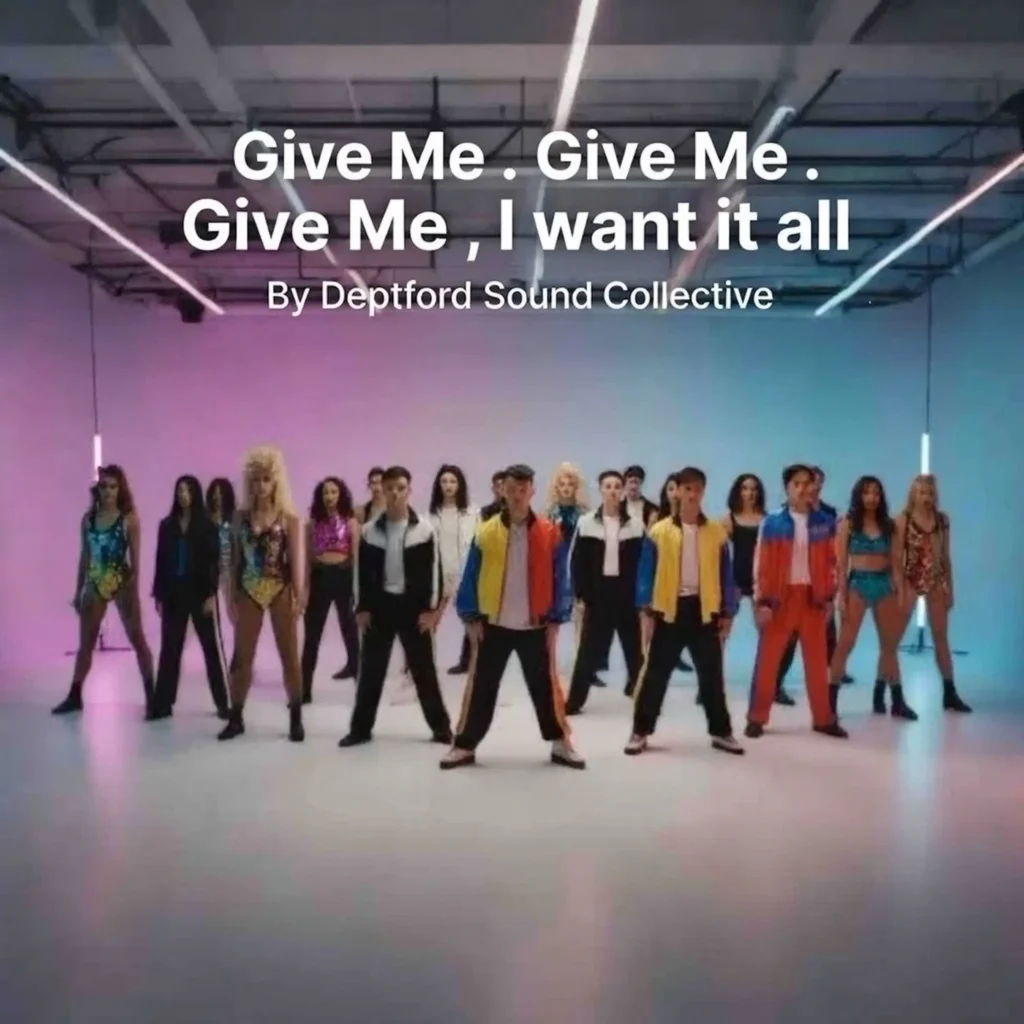
Let’s be honest up front: a song titled “Give Me. Give Me. Give Me I Want It All” sounds like it’s either going to be an aggressively shallow disco throwback or a deeply committed bit. There is no middle ground. Deptford Sound Collective, thankfully, are committed fully to the bit. What they’ve created here is a glittery, satirical protest song that dances directly into political discomfort while wearing platform shoes and winking at you the entire time. On the surface, this track is a parody of 1980s disco excess. You get the familiar bounce, the glossy rhythm, the kind of groove that makes you instinctively picture mirrored walls and questionable fashion choices. But very quickly, it becomes clear that this isn’t just retro cosplay. The Collective uses that sugary, nostalgic sound as a Trojan horse for something sharper: a pointed, humorous message aimed at power, privilege, and political cruelty. Sonically, it also wouldn’t feel out of place in Little Big’s catalogue. There’s that same blend of absurdist pop, club-ready beats, and tongue-in-cheek theatricality. Like Little Big, Deptford Sound Collective understand that sometimes the best way to criticize something is to exaggerate it until it becomes impossible to ignore. The track feels deliberately over-the-top, and that excess becomes part of its political language. The song frames itself as an exaggerated “letter” to Donald Trump, though it’s less about one individual and more about the systems and attitudes he represents. Instead of shouting slogans, it leans into satire. It exaggerates entitlement, mocks greed, and highlights hypocrisy by pretending to embrace it. This is protest through performance. It’s not yelling at you. It’s holding up a funhouse mirror and letting you notice how warped things look. Musically, the groove never collapses under the weight of its message. If anything, it thrives on the contrast between upbeat disco energy and serious subject matter. The production is clean, bouncy, and deliberately inviting. You could dance to this without realizing you’re participating in a political statement. That’s kind of the point. The video and choreography push the concept even further, leaning into camp and theatrical optimism while threading in themes of solidarity and resistance. It feels like community theatre filtered through pop aesthetics and internet culture. Ultimately, “Give Me. Give Me. Give Me I Want It All” works because it refuses to choose between being fun and being meaningful. It’s catchy without being empty, political without being preachy, and ironic without being detached. In a landscape where protest music often feels either painfully earnest or completely toothless, Deptford Sound Collective manage something rare: a song that makes you dance, laugh, and think, sometimes all at once. Follow Deptford Sound Collective Globe Spotify Promoted Content About the Author

“Give Me. Give Me. Give Me I Want It All” Works Because It Refuses to Choose Between Being Fun and Being Meaningful Read More »

Endless Earns Attention Through Emotional Honesty, Careful Craft, and a Willingness to Sit With Uncomfortable Feelings Until They Turn Into Something Beautiful

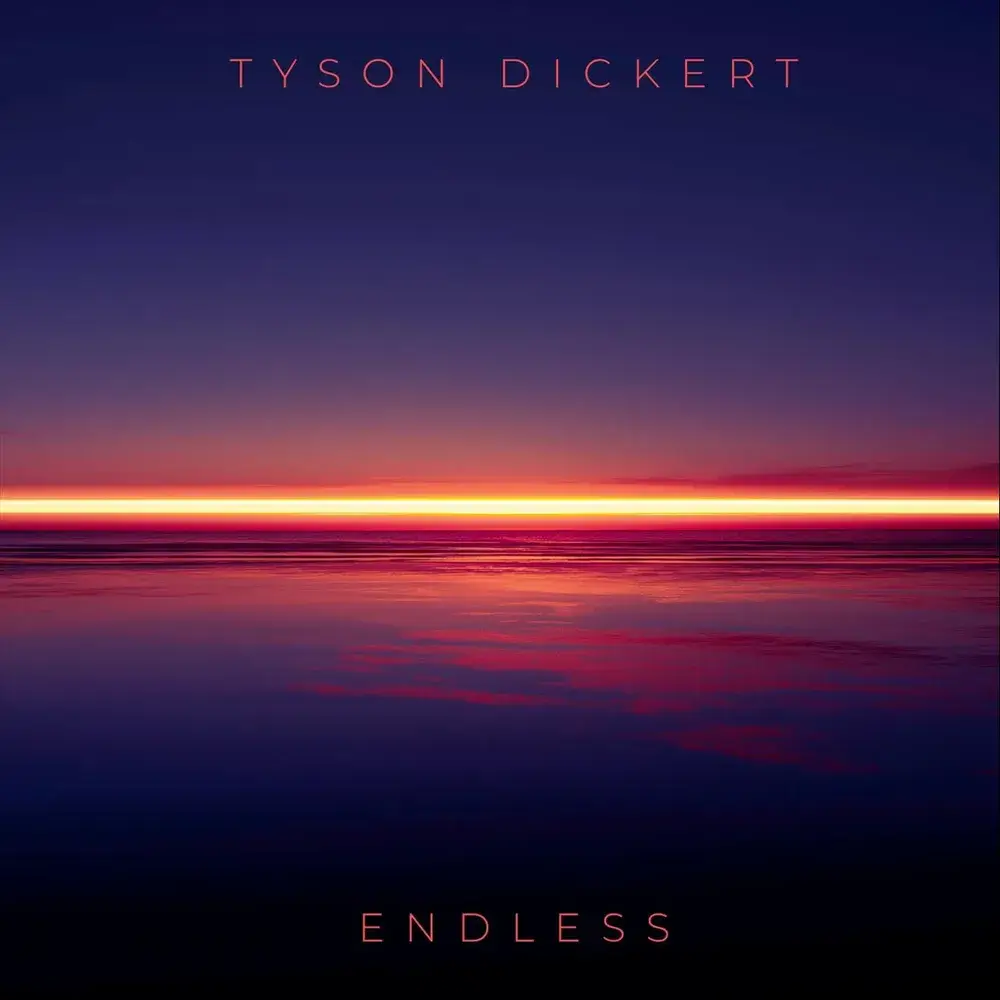
There is a very specific kind of artist who makes you feel like they are constantly in the middle of figuring themselves out in public, and somehow that’s the whole appeal. Not in a messy, “I uploaded my demo folder by accident” way, but in a deliberate, ongoing process of refinement. Tyson Dickert has quietly become one of those artists. With Endless, his latest album, the Michigan-based musician continues a run that already felt unusually productive, following last year’s Beneath the Stars, We Dream of Tomorrow’s Sun and An Endless Voyage on the Astral Sea. Those records established him as someone fascinated by atmosphere, instrumental sprawl, and emotional scale. Endless takes that foundation and says, “Okay, now let’s make this hit harder, feel sharper, and say some things out loud this time around.” The result is an album built on dynamic guitar textures, expressive vocals, and a constant tension between introspection and catharsis. Dickert isn’t abandoning his post-rock and instrumental roots here, but he’s clearly leaning further into songwriting in a traditional sense. There are hooks now. There are lyrics you remember. There are moments where you realize he’s not just building soundscapes anymore, he’s building narratives. The opening track, “Awake Inside a Dream,” sets that agenda immediately. It arrives with climactic confidence, layering pulsing distortion under vocals that sound both vulnerable and determined. When Dickert sings, “Sleep all night when the lights are on,” it lands like a line pulled straight from the notebook of someone who hasn’t slept properly in years. It’s restless, anxious, and oddly comforting. This is a recurring theme across the album: emotional unease presented with melodic warmth. You’re never overwhelmed, but you’re never allowed to fully relax either. “In the Quiet Machine” follows with a more immediate, guitar-forward energy. There’s a colorful rhythmic bounce here that feels almost playful, until you notice the subtle melancholy underneath. Dickert’s songwriting maturity really shows in how he shifts between these modes. He can move from driving post-punk urgency into reflective stillness without making it feel like two different songs taped together. The faint echoes of bands like The Chameleons UK are noticeable, especially in the way he balances nostalgia with modern clarity. Things get darker and more fragmented on “Waking from a Fever Dream,” which lives up to its title. The song lurches between gritty heaviness and hushed, nocturnal passages, capturing the disorientation of emotional burnout. Lines like “I watched you disappear again” feel less like dramatic statements and more like exhausted observations. It’s the sound of someone who has replayed the same memory too many times. “Remember Who We Are” swings the emotional pendulum back toward optimism. It’s one of the album’s most uplifting moments, built around lyrics about light returning after darkness. There’s a sincerity here that never tips into corniness, which is harder to pull off than it sounds. Dickert doesn’t present hope as a grand revelation. It’s fragile, tentative, something you have to keep choosing. Midway through the record, softer acoustic textures start to emerge. These moments, occasionally reminiscent of Radiohead’s “Nice Dream,” offer breathing space without killing momentum. They function like emotional reset buttons, letting the listener process what’s happened so far before being pulled back into more jangling, layered arrangements. Tracks like “Dust Before the Embers” thrive in this middle ground, pairing heavy distortion with calm, steady vocals in a way that feels strangely peaceful. What makes Endless particularly compelling is how consistently it maintains this balance. Brighter tracks and brooding ones aren’t segregated. They coexist, bleed into each other, and inform one another. This gives the album a sense of internal logic. It feels like one long emotional arc rather than a playlist of loosely related moods. The closing stretch is especially strong. “Hollow Sun” leans fully into hard rock territory, stacking thick guitar layers into something dark and energizing. It’s the album at its most muscular, a reminder that Dickert knows how to deliver sheer sonic impact when he wants to. Then comes “Dissolution,” which flips everything on its head. Gentle piano, soft percussion, and an almost weightless atmosphere bring the album to a quiet, reflective close. It feels less like an ending and more like a deep exhale. By the time Endless wraps up, it’s clear that this isn’t just another entry in Tyson Dickert’s growing catalog; it’s a statement of artistic direction. He’s no longer content to let texture do all the talking. He’s stepping forward as a songwriter, a vocalist, and a storyteller, without abandoning the immersive qualities that made his earlier work compelling. In an era where a lot of rock artists feel pressured to either chase trends or retreat into nostalgia, Dickert is doing something more interesting: he’s evolving patiently, thoughtfully, and in public. Endless isn’t flashy. It doesn’t beg for attention. Instead, it earns it through emotional honesty, careful craft, and a willingness to sit with uncomfortable feelings until they turn into something beautiful. That quiet confidence might be its greatest strength. Follow Tyson Dickert Instagram Youtube Spotify Icon-music Promoted Content About the Author

Endless Earns Attention Through Emotional Honesty, Careful Craft, and a Willingness to Sit With Uncomfortable Feelings Until They Turn Into Something Beautiful Read More »

Marzoña Proves That Being a Hopeless Romantic Is Not a Weakness; It Is a Creative Superpower

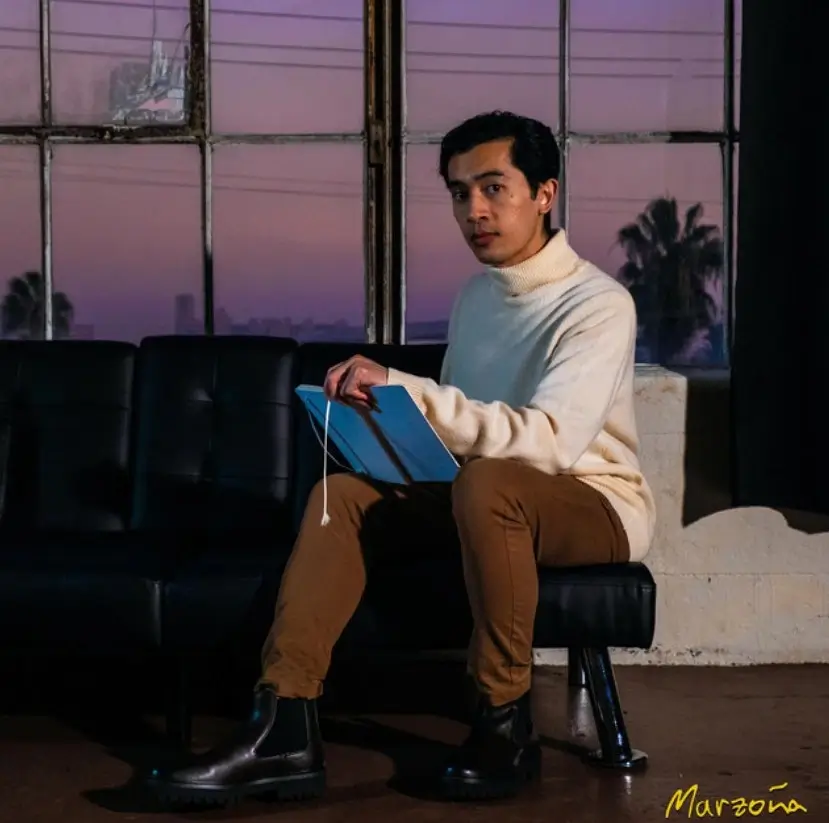
There is a very specific emotional phenomenon that happens when the weather gets cold. Suddenly, everyone becomes reflective. Playlists get sadder. Text messages get longer. Memories you thought were safely archived in your brain’s “Do Not Reopen” folder start aggressively resurfacing. And into this seasonal emotional chaos steps Marzoña with Love Songs For Colder Weather, an album that understands, on a molecular level, what it feels like to be a hopeless romantic in a hoodie at 11 p.m. This is not an album for people who are “chill about relationships.” This is an album for people who overthink, romanticize conversations from three months ago, and somehow convince themselves that winter is spiritually important. Marzoña frames the record around the idea that colder months reignite old feelings and emotional patterns. Cuffing season becomes less of a meme and more of a psychological case study. And honestly? He makes a compelling argument. Structurally, this album works like a seasonal diary. Each track feels like a chapter in an ongoing emotional narrative, documenting the cycle of attraction, hope, disappointment, recovery, and immediate relapse. Marzoña’s background love for musical theater plays a big role here. Many of these songs aren’t just “vibes.” They have arcs. They have emotional beats. They have beginnings, middles, and ends. Sometimes they feel like tiny one-act plays about modern romance, just with better hooks. Musically, Love Songs For Colder Weather exists in an interesting crossroads. You can hear traces of Childish Gambino’s genre flexibility, Ed Sheeran’s intimacy, Arctic Monkeys’ emotional restraint, Justin Timberlake’s polish, and even Drake Bell’s early pop-rock earnestness. But the strongest DNA I found comes from bands like Now, Now, Great Good Fine Ok and Aim and Ignite-era fun. That blend gives the album its soft indie-pop core with bursts of theatrical energy and emotional brightness. Vocally, Marzoña often lands close to Jon Bellion territory for me: tight, expressive, intimate, and slightly confessional. It feels like he is performing inside your headphones rather than at you. This works in the album’s favor, because these songs are fundamentally about internal dialogue; about what people say out loud versus what they’re actually thinking. The tracklist unfolds with intention. “A-List” opens things up by tackling validation and emotional ambition: wanting to matter, wanting to be chosen, wanting to be someone’s priority. It establishes the album’s central tension between confidence and insecurity. “Down For Whatever” follows with early-stage optimism, that phase where everything feels possible and red flags are still politely ignored. “Obviously” and “Plans” mark the point where reality starts creeping in. These songs examine mismatched expectations and emotional assumptions with surprising maturity. Marzoña doesn’t dramatize conflict. He documents it. The quiet frustration in these tracks feels painfully familiar to anyone who has ever pretended they were “fine” with something they were absolutely not fine with. “Honeymoon” leans into fantasy and idealization, capturing the emotional high of believing that this time is different. It’s earnest, dramatic, and intentionally a little over-the-top—like love itself tends to be. This is where the album’s theatrical instincts shine brightest. The back half turns inward. “Cuticles” uses small, almost mundane imagery to represent emotional anxiety, proving that heartbreak doesn’t always arrive with fireworks. Sometimes it shows up in nervous habits and overanalyzed gestures. “Something About You” revisits obsession and emotional residue, that lingering attachment that refuses to fade. “Maybe Tomorrow” closes the album with uncertainty instead of resolution. There is no grand emotional bow tied around the narrative. Just cautious optimism and the quiet acceptance that some stories don’t end neatly. Which, frankly, is the most honest choice possible. What makes Love Songs For Colder Weather work is its balance of self-awareness and sincerity. Marzoña knows he is writing romantic, emotionally exposed music. He knows it borders on dramatic. He knows it risks cliché. And he commits anyway. There is no ironic distancing here. No emotional safety net. These songs mean what they say. Production remains clean and approachable without becoming sterile. Everything is arranged to support the emotional core rather than distract from it. You can tell this album was carefully constructed, revised, and genuinely cared for. It feels made, not assembled. Love Songs For Colder Weather stands out by being unapologetically earnest. It is thoughtful without being pretentious, dramatic without being exhausting, and sincere without being naive. This is music for cold nights, long walks, unsent messages, and people who still believe feelings are worth the trouble. With this album, Marzoña proves that being a hopeless romantic is not a weakness; it is a creative superpower. Follow Marzoña Instagram Tiktok Spotify Promoted Content About the Author

Marzoña Proves That Being a Hopeless Romantic Is Not a Weakness; It Is a Creative Superpower Read More »

Criminal Hero’s “You Better Believe” Works as Both an Introduction and a Statement of Intent

“You Better Believe,” the latest original single from Canadian rock project Criminal Hero, arrives with the confidence of a band that knows exactly what it wants to be and refuses to overcomplicate the process. Built on tight rhythm, muscular guitar lines, and a clear sense of melodic lift, the track feels like a reminder that straightforward rock songwriting, when done well, still hits hard. There’s no unnecessary gloss here, no trend-chasing production tricks. Instead, the song leans into classic structure and modern clarity, finding strength in its balance between polish and grit. From the opening moments, “You Better Believe” establishes its momentum through driving guitars and a steady, grounded groove. The rhythm section locks in early and never lets go, giving the track a sense of forward motion that feels both deliberate and natural. The influence of seventies rock and hard-edged guitar music is immediately noticeable, but it never drifts into nostalgia for nostalgia’s sake. Rather than recreating the past, Criminal Hero uses those foundations as a launchpad, layering them with alternative rock sensibilities and flashes of punk urgency. Vocally, the track carries a sense of conviction that matches its title. There’s a directness to the delivery that avoids melodrama, instead opting for clarity and emotional honesty. The vocals sit comfortably in the mix, never overpowering the instrumentation but never fading into it either. This balance reflects the project’s broader identity: focused, disciplined, and rooted in craft. It’s the sound of someone who has spent time learning what works in real rooms, in front of real audiences, and translating that experience into recorded form. Part of what gives “You Better Believe” its character is the geography embedded in its DNA. Criminal Hero’s journey through Toronto, Detroit, and Vancouver is audible in the song’s blend of classic songwriting, working-class grit, and refined production. The Detroit influence shows in the track’s bar-band energy and unpretentious drive, while Vancouver’s role in finalizing and mastering the recordings comes through in the clean, cohesive sound. Nothing feels rushed or underdeveloped. Every section serves a purpose. As a standalone single, “You Better Believe” works as both an introduction and a statement of intent. It suggests an artist committed to keeping rock music grounded in rhythm, melody, and emotional clarity, without sacrificing intensity. In an era where guitar-driven music often feels either overly nostalgic or aggressively experimental, Criminal Hero occupies a refreshing middle space. This track doesn’t try to reinvent the genre. It simply proves, with confidence and craft, that it still matters. Follow Criminal Hero Globe Facebook X-twitter Spotify Soundcloud Youtube Instagram Tiktok Promoted Content About the Author

Criminal Hero’s “You Better Believe” Works as Both an Introduction and a Statement of Intent Read More »

What Stands Out Most About “Help Me Find a Reason” Is How It Resists Easy Catharsis

“Help Me Find a Reason” feels like the kind of track that exists because it had to, not because it fit neatly into a release plan. It’s positioned as a pop-rock anthem, but its real center of gravity is emotional persistence. This is a song about motion more than resolution, about choosing to keep going even when certainty never shows up. That framing matters, because OGGY doesn’t present hope as something triumphant or loud. She treats it as something practiced, almost disciplined. The track’s evolution from an acoustic sketch into a fuller, more muscular arrangement is easy to hear in the final version. There’s a sense that the song was built outward rather than engineered from the top down. The verses retain an intimacy that feels conversational, while the chorus opens up with the kind of lift you’d expect from a power-pop structure. Crucially, it never tips into melodrama. The production supports the song’s emotional arc without overpowering it, letting the central message land through momentum rather than spectacle. OGGY’s vocal performance is where the song truly anchors itself. There’s control here, but not stiffness. She knows exactly when to pull back and when to lean in, which gives the track a sense of emotional credibility. This isn’t a voice trying to convince you of sincerity; it assumes sincerity as a baseline. Her background in both piano-led balladry and rock-leaning pop shows in how she navigates the song’s dynamics, allowing it to feel expansive without losing clarity. What stands out most about “Help Me Find a Reason” is how it resists easy catharsis. The song doesn’t promise answers or closure. Instead, it sits with uncertainty and reframes persistence as its own form of strength. That makes it more relatable than a lot of inspirational pop, which often rushes toward conclusions it hasn’t earned. Here, the encouragement feels lived-in, shaped by experience rather than optimism alone. As an introduction to OGGY’s upcoming work, the track does its job quietly but effectively. It signals an artist comfortable with growth, unafraid of vulnerability, and confident enough to let emotion lead the structure rather than the other way around. “Help Me Find a Reason” doesn’t demand attention with flash or novelty. It earns it by being steady, honest, and grounded in craft, suggesting that what’s coming next will be less about reinvention and more about refinement. Follow OGGY Globe Facebook Twitter Spotify Soundcloud Youtube Instagram Tiktok Promoted Content About the Author

What Stands Out Most About “Help Me Find a Reason” Is How It Resists Easy Catharsis Read More »

New Music Radar Featuring: Ash Fault Jungle, Amanda Davey, and Crazy KZ

Ash Fault Jungle – Lipstick Lies This track leans hard into that late-80s, early-90s glam metal edge, but it doesn’t feel like cosplay. The guitar riff comes in like a clenched jaw, tight and stubborn, while the bass keeps pushing forward as if it refuses to slow down no matter how ugly the story gets. You can hear the Brother Cane grit in the structure and the Shotgun Messiah swagger in the tone, especially in how the guitars don’t just decorate the song, they carry the weight of it. Lyrically, the song cuts closer than most tracks in this lane. It doesn’t romanticize betrayal. It sits in it. Being tied to someone who cheats for excitement and money feels less like heartbreak and more like being trapped in a rigged game. The words land like receipts thrown on the table, proof you didn’t want but can’t ignore. That’s probably why early listeners connect fast. The pain feels specific, not vague or performative. The vocals sell that tension well. There’s no overacting here. It sounds like someone trying to keep control while everything underneath is already cracked. When the chorus hits, it feels like pressure finally leaking out rather than a big sing-along moment, which works in the song’s favor. It’s anger held just long enough to hurt more. Overall, this track knows exactly what it wants to be. A hard rock song with teeth. It doesn’t chase nostalgia for the sake of it, and it doesn’t soften the story to make it easier to digest. If your audience likes rock that feels lived-in and a little dangerous, this one earns their time. Would you lean even harder into the darkness on the next release, or do you see this as the balance you want to keep? Facebook Spotify Amanda Davey – Finish Line “Finish Line” carries itself like a song written for people who are tired but still standing. It opens with the sense of motion, not a sprint, but a long run where every step costs something. The rock-driven worship foundation gives it weight, while the energy keeps it from slipping into background praise music. You can hear the intention right away. This isn’t about passive belief. It’s about endurance when belief feels expensive. The influence of Hebrews 12:1 is woven into the lyrics without sounding like a sermon set to music. The idea of laying aside burdens comes through as something physical, like dropping a heavy pack mid-race just to keep moving forward. The song understands struggle as part of faith, not a failure of it. That honesty gives the message credibility, especially for listeners walking through long seasons of doubt, exhaustion, or waiting. Musically, the chorus is built to lift a room. It has that bold, open-armed quality that works both in personal listening and in a worship setting. The rock elements add grit, while the worship structure keeps it accessible and communal. It feels designed to be sung by people who need the reminder as much as they need the melody. What makes “Finish Line” work is its balance. It doesn’t rush victory. It respects the distance between pain and breakthrough. By the time the song reaches its emotional peak, the finish line feels earned, not handed out. This track will resonate with listeners who need encouragement that doesn’t talk down to them, and hope that feels strong enough to carry weight. Facebook Spotify Crazy KZ – Repent “Repent” feels like a confession screamed instead of whispered. Crazy KZ doesn’t approach faith from a clean or comfortable place. This track lives in the tension of believing while still wrestling with yourself. The heavy guitars come in like a warning siren, and the angry vocals sound less like performance and more like someone unloading years of frustration at the ceiling. The strength of the song sits in how direct it is. Repentance here isn’t dressed up as something gentle or poetic. It feels urgent. Almost desperate. The vocals carry real weight, like they’re dragging conviction behind them instead of floating over the instrumental. That anger works because it matches the message. This is faith under pressure, not faith at rest. Structurally, the song holds together well. The shifts in intensity feel intentional, not random. It moves like a sermon delivered through distortion, where each section pushes the idea deeper rather than repeating it louder. The religious themes don’t soften the track. If anything, they sharpen it. The lyrics frame repentance as a necessary collision with yourself, not a checkbox or ritual. Knowing that “Repent” sits alongside an album titled Mercy in the Madness adds context that makes the track hit harder. It sounds like a moment inside that madness, where clarity breaks through the noise for a second and demands a response. This isn’t worship music built for comfort. It’s a Christian rock song that leans into conflict, guilt, and accountability. If you’re drawn to heavy music that doesn’t dodge spiritual struggle, “Repent” lands with force. It asks a hard question and refuses to lower its voice while asking it. Facebook Spotify

New Music Radar Featuring: Ash Fault Jungle, Amanda Davey, and Crazy KZ Read More »