
loader image

2026

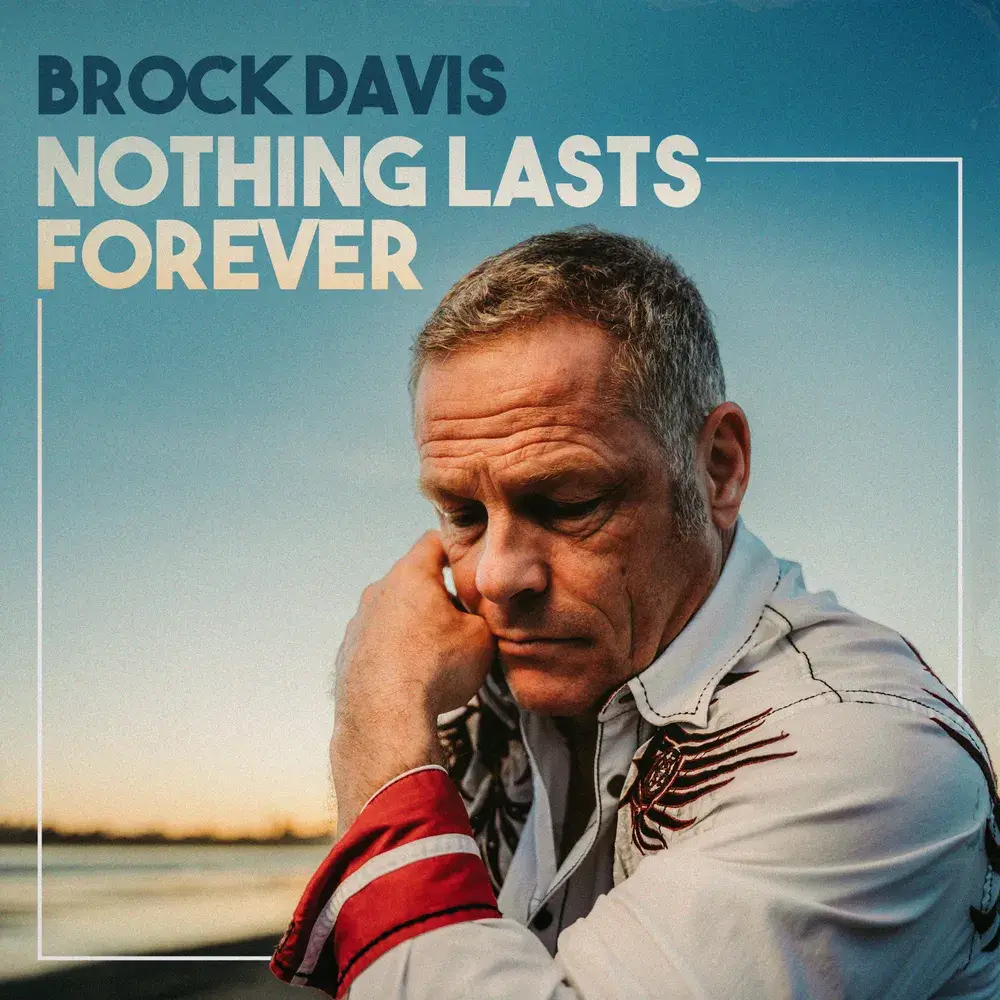
Nothing Lasts Forever Is an Album That Finds Meaning in the Everyday

There’s a certain confidence that comes with making an album called Nothing Lasts Forever and having it land not as a dirge, but as something surprisingly warm, generous, and alive. Brock Davis’ latest record is deeply aware of impermanence, but it isn’t obsessed with doom or mortality-as-spectacle. Instead, it feels like the sound of someone paying very close attention to the moment they’re in and deciding that if things are going to change anyway, they might as well be honest about what matters right now. That honesty is the album’s real backbone, and it’s what makes the whole thing feel quietly powerful rather than heavy-handed. This is Brock’s most fully realized album to date coming through in the form of a 14-song collection that sits comfortably at the crossroads of folk, rock, and country without ever feeling boxed into any one lane. The arrangements are classic without being stale, familiar without drifting into nostalgia cosplay. If you like your Americana grounded in storytelling, melodic hooks, and emotional clarity rather than grit-for-grit’s-sake, Nothing Lasts Forever is very much operating in your wheelhouse. Brock has always been a writer first, and this record doubles down on that strength. These songs aren’t trying to be clever. They’re trying to be true, and that commitment carries more weight than any flashy production trick ever could. The album opens with “All of You,” a deceptively simple country list song that catalogs the everyday traits Brock loves about his wife. It’s warm, unguarded, and instantly disarming; less grand romantic gesture, more lived-in devotion. The genius of the track is how unremarkable its details are, because that’s the point. This isn’t love as mythology; it’s love as a habit, as attention, as choosing the same person over and over again. From there, Brock moves easily between tender ballads and rougher-edged rockers without ever losing his footing or emotional throughline. “Nowhere Near Ready” is one of the album’s quiet standouts, a song about timing and emotional readiness that never leans into self-pity. It understands that sometimes things fail not because anyone did something wrong, but because life didn’t line up neatly. Brock’s strength here is restraint; he trusts the listener to feel the weight without spelling it out. The song sits with its discomfort rather than resolving it, which makes it feel honest in a way that’s increasingly rare. That trust extends to “I’ll Be Your Alibi,” a grittier, Black Keys–esque, guitar-forward track that channels classic country-rock energy while telling an empowering story about standing up to harassment in the workplace. It’s an unexpectedly uplifting moment, driven by solidarity rather than anger, and it fits seamlessly into the album’s broader emotional arc. Brock never turns the song into a lecture; instead, he lets the narrative speak for itself, grounding its message in empathy and resolve. The title track, “Nothing Lasts Forever,” functions as the album’s thematic anchor. It embraces the idea of impermanence without framing it as purely tragic. The verses carry a quiet melancholy, but the song ultimately opens up into something cathartic and affirming. It’s less about loss than about acceptance and about finding meaning precisely because things don’t stay the same. It’s the kind of song that feels heavier the more time you spend with it, not because it’s devastating, but because it’s true. Brock’s love for classic American rock shows up clearly on “Laughin’ ’Til It Hurts,” a Mellencamp-style rocker that leans into nostalgia without romanticizing it too much. It acknowledges the joy of looking back while also recognizing the cracks in the memory. Meanwhile, “I’m Glad You Left Me” is a masterclass in emotional precision, diagnosing a failed marriage with just a few lines and resisting the urge to assign blame. It’s sad, yes, but also strangely freeing; an autopsy performed with compassion instead of bitterness. One of the album’s most ambitious tracks is “Miracle On The Hudson,” which retells the emergency landing of US Airways Flight 1549. Rather than turning it into spectacle, Brock focuses on the human choices made in moments of crisis. The song is rich with detail but never sensationalized, emphasizing quiet acts of love, fear, and resolve. The result is a track that feels intimate despite its scale, grounded in empathy rather than hero worship. As the record moves toward its later half, Brock broadens his scope without losing emotional focus. Highlights for me include “Make Your Own Change” reflects on midlife recalibration, capturing the uneasy realization that no one else is coming to fix your life for you and “One Paycheck Away”, which offers a sharp but compassionate look at economic instability in the US nation, framed not as abstract politics but as lived reality. Ultimately, Nothing Lasts Forever succeeds because it understands that reflection doesn’t have to mean resignation. Brock Davis isn’t writing from a place of despair; he’s writing from a place of attention. This is an album that finds meaning in the everyday, beauty in honesty, and hope in the simple act of telling the truth. And in a world that changes as fast as this one does, that kind of clarity feels like a genuine gift. Follow Brock Davis Globe Facebook Youtube Instagram Spotify Promoted Content About the Author

Nothing Lasts Forever Is an Album That Finds Meaning in the Everyday Read More »
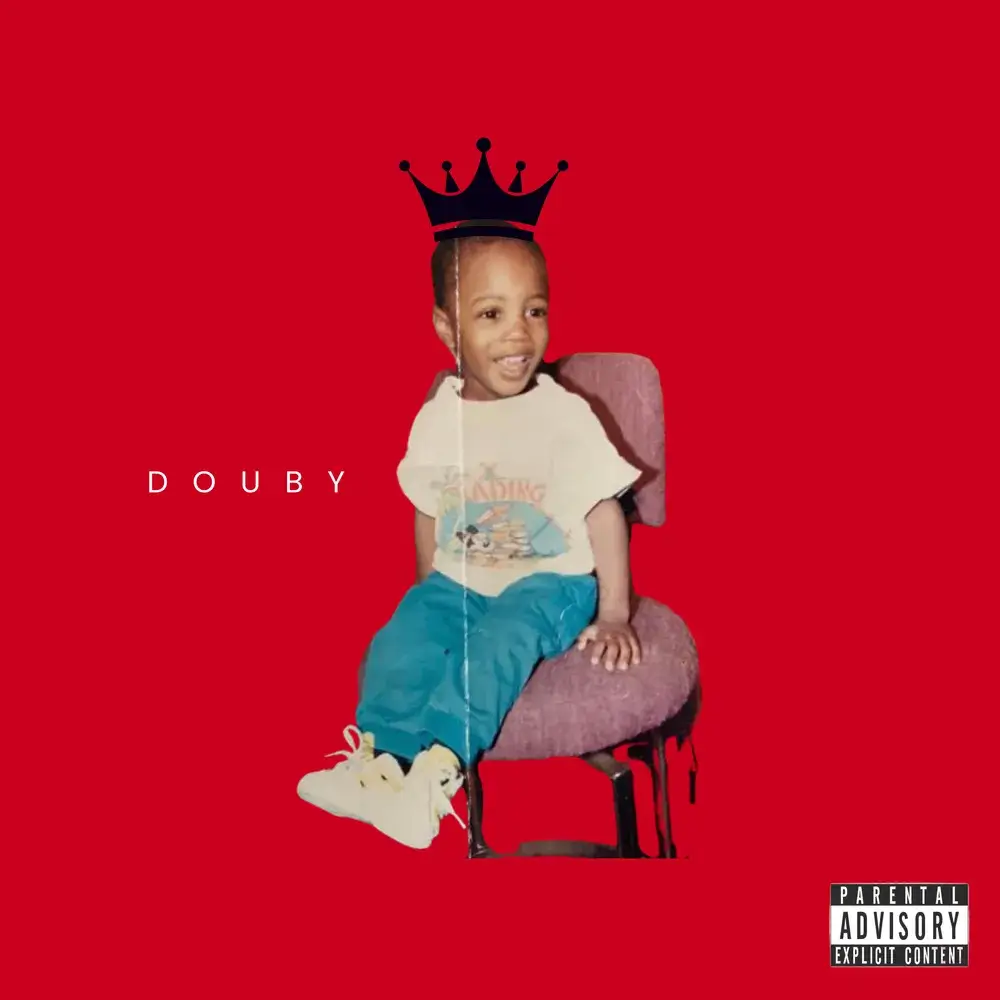
Douby Is Loose, Free, and Confident in Its Own Rhythm

There’s a certain confidence that comes with looseness. Not the careless kind, but the kind that comes from knowing your instincts are sharp enough to trust. Douby, the debut album from DJ SoulChild AC, lives squarely in that space. It’s an album that doesn’t beg to be decoded track-by-track in a rigid order. Instead, it invites you to press shuffle, let go, and let the grooves do the talking. And somehow, no matter where you drop the needle, it lands like a perfectly timed dance mix. Set for release on February 27, Douby is a genre-fluid statement that fuses hip-hop, house, soul, Brazilian funk, and club music into something that feels lived-in rather than labored over. For an artist with half a million monthly Spotify listeners and a massive social following, this being SoulChild AC’s first official album is kind of wild, but it also explains why the record feels less like an introduction and more like a victory lap. From the jump, Douby moves with a DJ’s logic rather than an album purist’s. “PARIS MEETS RIO” is a good example of this philosophy in action: global in rhythm, playful in percussion, and built like a late-night set where borders blur and bodies move on instinct. The Brazilian funk influence is unmistakable, but it never feels pasted on for trend points. It feels earned, as if SoulChild AC has actually lived inside these sounds rather than studied them from afar. That sense of musical citizenship places Douby in conversation with artists like Flying Lotus, who’s long blurred the lines between beat tapes, jazz fusion, and hip-hop futurism. Like FlyLo, SoulChild AC understands negative space, rhythmic tension, and the power of letting tracks breathe. Songs like “ENVY” and “MORE TO THE MUSIC” don’t rush to prove themselves; they unfold, stretch, and let their textures simmer. There’s groove here, but also restraint. Elsewhere, the album leans more overtly club-forward. “BOUNCE” and “BOUNCE PT 2” function like twin engines, both punchy and elastic, built for movement without sacrificing musicality. They hit hard, but never feel stiff; another testament to the album’s loose, human feel. That looseness is where Douby shines most. Even tracks with similar BPMs or moods never feel redundant because the album isn’t obsessed with linear storytelling. It’s obsessed with feel. That approach naturally invites comparisons to KAYTRANADA, especially in how SoulChild AC balances groove with soul. Tracks like “LOVERS GROOVE” and “KITTY KAT KAT” (and its sequel) thrive in that sweet spot where dance music flirts with intimacy. They’re songs you can move to in a crowded room, but also ones that hit just as hard alone with headphones on. The swing is subtle, the basslines warm, and the emotional register stays light without becoming shallow. One of the album’s biggest strengths is how comfortable it is with contradiction. “I DONT WANT EM” carries an almost dismissive cool, while “KICK BACK” feels like a Sunday afternoon stretched into sound. “STUDIO 54” nods to disco lineage without getting stuck in nostalgia, and “SAO PAULO” pulses with kinetic energy that feels both modern and rooted. Even “APOCOLYPTO,” despite its ominous title, feels more like release than destruction; chaos transformed into rhythm. In terms of sequencing, Douby reminds me a lot of Skrillex’s Quest for Fire. That album thrived on the idea that electronic records don’t always need a fixed narrative arc to make sense. SoulChild AC adopts a similar mindset here. You can shuffle Douby endlessly and it still works, each track acting like a self-contained moment that connects organically to the next. That’s a hard thing to pull off, and it speaks to the cohesion of the album’s sonic palette rather than its track order. “EAT IT UP” and “THE MOOVEMENT” feel like mission statements in that regard: music as motion, as physical response, as something you experience more than analyze. There’s no anxiety here about genre boundaries or expectations. Hip-hop drums slide into house rhythms. Soulful textures brush up against club maximalism. Everything feels porous. What makes Douby particularly impressive is how unforced it all sounds. For a debut album, it resists the temptation to over-explain who the artist is. Instead, SoulChild AC lets the music speak, trusting that listeners will follow. That trust pays off. The album doesn’t demand your attention; it earns it by being fun, fluid, and deeply replayable. In the end, Douby feels less like a debut and more like an open door. It’s an album that understands dance music not as a rigid format, but as a living, breathing ecosystem. Shuffle it, play it straight through, drop it into a DJ set and it holds up every time. Loose, free, and confident in its own rhythm, Douby is proof that sometimes the best albums don’t try to control the moment. They just move with it. Follow DJ SoulChild AC Globe Icon-music Spotify Soundcloud Facebook X-twitter Youtube Promoted Content About the Author

Douby Is Loose, Free, and Confident in Its Own Rhythm Read More »

Survival Is Less About Grand Resurrection and More About Quiet Persistence

There’s something deeply dramatic about two former post-punk musicians from Glasgow reconnecting after decades apart and deciding, instead of quietly reminiscing about “the old days,” to make an album about surviving modern existence. It’s either the beginning of a midlife crisis or the start of something genuinely moving and on Survival, the debut album from The Resurrection Club, it turns out to be the latter. The album was built remotely; songs exchanged in fragments across three continents like emotional care packages. There’s something poetic about that: an album about connection made through literal distance. It could have felt cold, overly digital, stitched together by convenience. Instead, it sounds stubbornly human. Producer and DJ Robin Twelftree, known for work alongside The Prodigy, helps sculpt the record’s sound into something that balances atmosphere with urgency. Guitars chime and brood in that classic post-punk way: spacious, slightly haunted, occasionally brittle. But they’re threaded through ambient electronics that expand the sonic palette into something cinematic rather than nostalgic. This isn’t a heritage act reliving 1982. It’s two musicians acknowledging 2026. Lyrically, Survival is not subtle about its concerns. War. Climate anxiety. Alienation. The general sensation that the world is on fire and everyone’s arguing about the thermostat. But the remarkable thing is that the album refuses to wallow. Take “Emergency.” Its refrain of “we have no plan B” could easily tip into apocalyptic melodrama. Instead, it feels restrained, almost weary. The urgency simmers rather than explodes. The production pulses underneath, a low-level anxiety hum that mirrors the lyric without turning it into a slogan. “Every Second Counts” leans further into isolation. There’s a line about no one listening that lands with uncomfortable familiarity. The arrangement gives the vocal room to feel exposed, as if it’s echoing into a slightly too-large space. It’s the sonic equivalent of shouting into the algorithmic void and waiting for a human response. “Survival Pt. 1” hits straight at the core of the album. “I’m not giving up” sounds cheesy on paper. Like a quote printed on a random coffee mug. But here, it works. The voice shakes a little. The guitars feel thick and heavy around it. Suddenly the line doesn’t feel fake. It feels earned. You can hear time in that voice. Not dramatic pain. More like someone who’s been through it and kept going. When “Survival Pt. 2” ends the record with “I’m still breathing,” it doesn’t feel like a big victory lap. It’s quieter than that. No grand speech or “everything’s fixed.” Just survival and being here. And right now, that’s enough. What makes the album compelling isn’t just the thematic weight. It’s the emotional candour. McLeish has said some songs were difficult to even sing, that there were tears in the studio alongside laughter. You can hear that push and pull. The vocals occasionally fray at the edges, but they never collapse. It’s like vulnerability without self-pity. The album sits in an interesting space between analogue spirit and digital geography. Recorded in part at Sol de Sants Studios yet assembled through file-sharing and long-distance iteration, it feels both grounded and dispersed. The guitars retain that tactile, almost physical presence, while the electronics give the songs air and distance. And importantly, perhaps even rebelliously with the current state of music production as of late, it’s entirely human-made. No algorithmic polish, no AI sheen. In an era where music increasingly feels optimized for playlists and passive consumption, Survival insists on sincerity. That alone feels mildly radical. Survival is less about grand resurrection and more about quiet persistence. Two musicians reconnecting. Two voices finding harmony again. An album about global instability that still believes in small-scale connection in moments that contribute to the album’s overall mood: reflective, patient, unconcerned with chasing immediacy. It’s music made apart, about closeness. A record that acknowledges the noise of the modern world but chooses to answer with empathy rather than despair. Follow The Resurrection Club Instagram Spotify Youtube Bandcamp Promoted Content About the Author

Survival Is Less About Grand Resurrection and More About Quiet Persistence Read More »

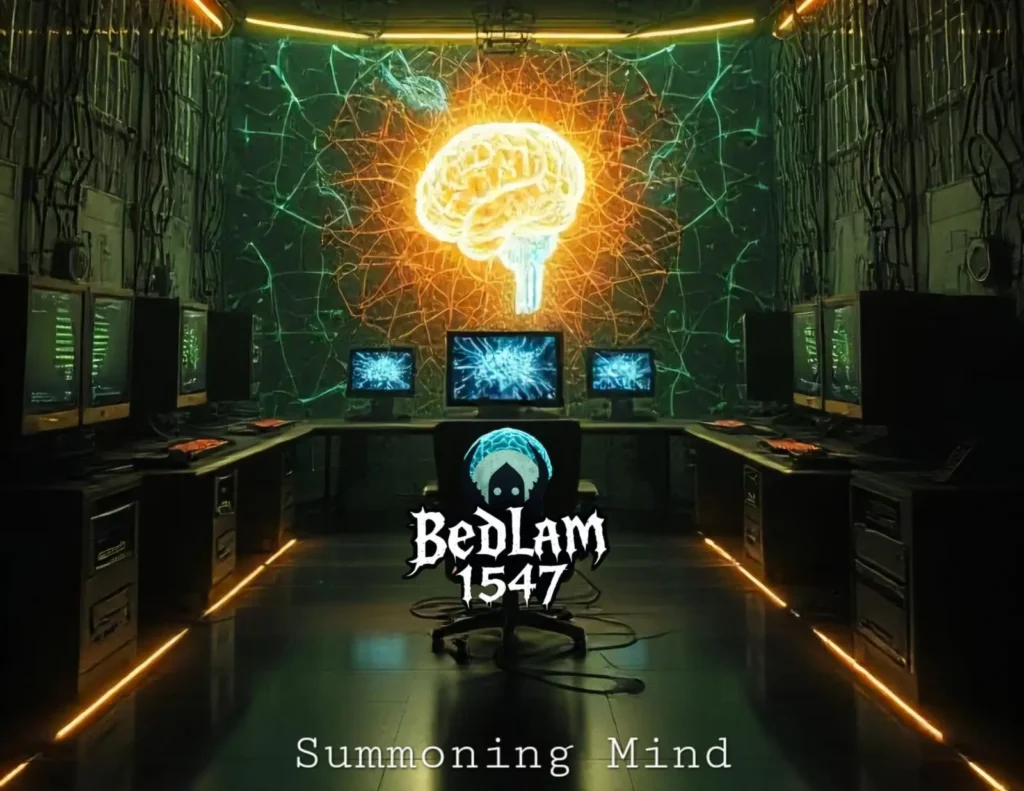
Bedlam 1547’s newest track, ‘Summoning Mind,’ is the Nostalgia Hit we need

It’s rare to hear a rock track in the charts nowadays, that’s why I was happy to hear Bedlam 1547’s newest track, ‘Summoning Mind.’ Join me as I talk about this track in length and why it’s the perfect nostalgia hit. The track starts with this high distorted lead riff alongside that drum pattern that feels like getting you ready for a big thing happening in the next few minutes. I like the dual harmonizing guitars with that distorted bass sound. It perfectly captures the essence of songs created in the glam rock era. Distorted guitars alongside that edgy and running like flow of the track.  And to my surprise, the vocal effects and the song flow double down on the idea of that glam rock meets heavy rock kind of sound. The chord progression is interesting because it acts as the melody of the track. It sounds like it’s following the main melody of the track.  The lead guitar parts in the latter part of the track sound like a solo that Slash would create. The boosted guitar with that face-melting solo always hits the spot. The double pedal pattern in the latter parts of the track created a different flavor on the track. It’s not anticipated, but it adds heaviness, gearing towards that power ending.  Bedlam 1547’s newest track, ‘Summoning Mind,’ is the perfect nostalgia hit for the guitar and heavy music lovers out there because of its arrangement and that sweet, sweet guitar solo.  Follow Bedlam 1547 Spotify Youtube Promoted Content About the Author

Bedlam 1547’s newest track, ‘Summoning Mind,’ is the Nostalgia Hit we need Read More »

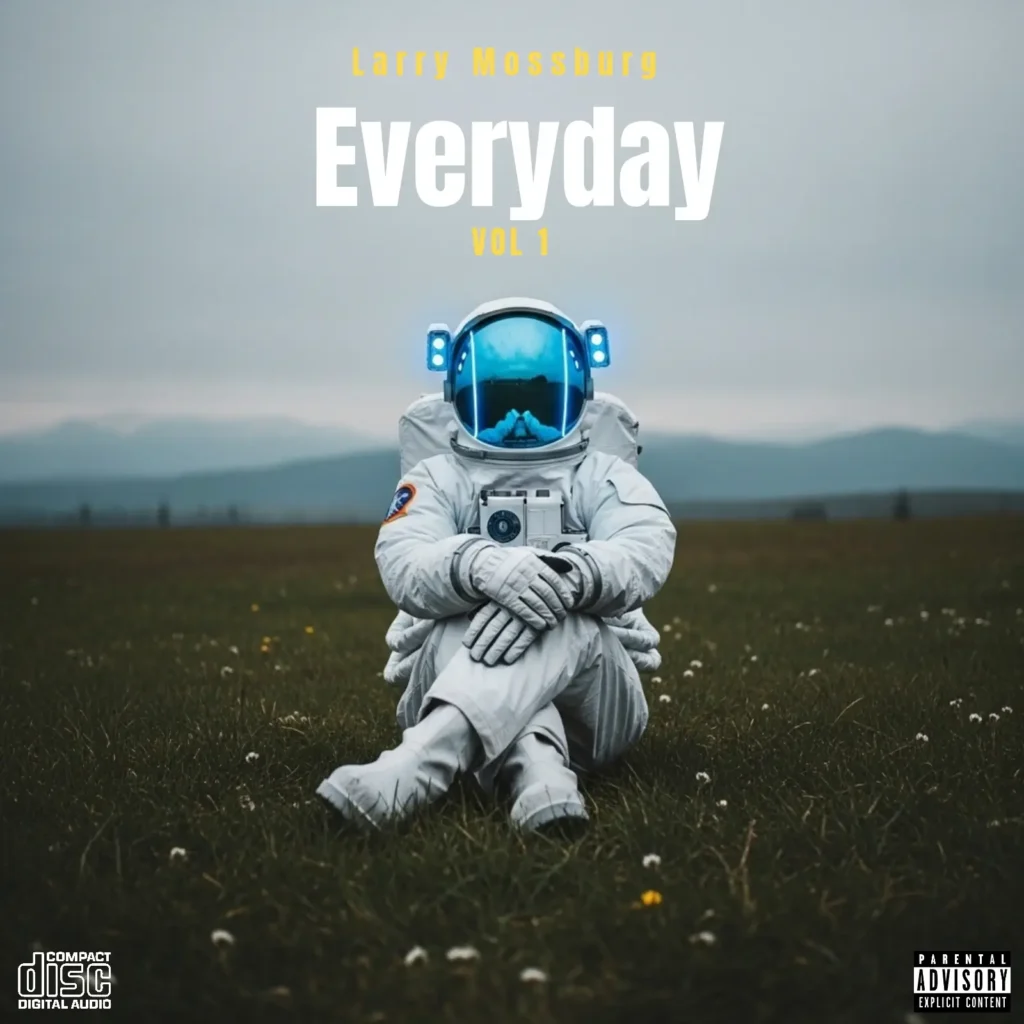
“Everyday” Doesn’t Glamorize or Exaggerate; It Observes

“Everyday” finds Larry Mossburg turning the mundane into something magnetic. Framed as a snapshot of daily life, the track doesn’t aim for grand statements or dramatic arcs. Instead, it zooms in on routine; habits, thoughts, small victories and refracts them through sharp lyricism and a beat that hits harder than the subject matter might suggest. Sonically, “Everyday” feels like an unlikely but compelling hybrid: imagine the off-kilter, reflective delivery of Quelle Chris layered over the cold, minimalist knock of a 21 Savage-style instrumental. The production leans into heavy low end and crisp percussion, with space carved out for Mossburg’s voice to sit front and center. There’s a brooding, trap-rooted pulse under the surface, but the vocal approach adds personality and unpredictability. It’s introspective without being sleepy, assertive without being overblown. The recording process adds another layer of intrigue. Tracked at a friend’s high-end studio, the song blends modern digital precision with analog warmth. That hybrid method is audible in the texture: the drums snap cleanly, yet the overall mix carries a subtle depth and richness that feels tactile rather than sterile. It’s a reminder that even in an era dominated by in-the-box production, thoughtful use of analog gear can add dimension. Lyrically, Mossburg leans into relatability. “Everyday” doesn’t glamorize or exaggerate; it observes. There’s an undercurrent of ambition running through the verses, but it’s grounded in reality; early mornings, late nights, the constant push to level up. The hook is memorable without being overly flashy, built to linger after the track ends. It captures the quiet grind that defines so many emerging artists, especially those building from regional scenes. “Everyday” feels strategically timed; a calling card that introduces his perspective while hinting at bigger stages ahead. It pairs introspection with impact, analog warmth with digital clarity, and reflective lyricism with a beat that demands attention. For listeners just discovering Larry Mossburg, this track serves as a strong entry point; proof that the ordinary, in the right hands, can hit just as hard as the extraordinary. Follow Larry Mossburg Globe Facebook Spotify Soundcloud Youtube Instagram Promoted Content About the Author

“Everyday” Doesn’t Glamorize or Exaggerate; It Observes Read More »

If Auntie EP Is the Drought Breaking, It’s Not a Drizzle; If Anything, It’s a Storm

There’s a very specific kind of emotional pressure that builds when you’ve been “almost” doing the thing for years. Almost putting your own band first. Almost saying what you actually mean. Almost stepping out from behind other projects, other stages, other people’s spotlights. Eventually that pressure needs somewhere to go. That somewhere, in this case, is Auntie, the six-track EP from Midnite Radio. founded by longtime friends Lee Coram (guitar) and Beak Wing (drums) out of Lebanon, Tennessee. And if this record feels like a release valve finally blowing open, that’s because it kind of is. These aren’t musicians figuring it out in a garage for the first time. Coram and Wing have spent years playing on other stages, in other studios, backing other visions. Auntie is what happens when that accumulated experience stops being background noise and becomes the main event. Photo credit: Nikki Christie The EP opens with “Reboot the Drought,” which is either a metaphor or a direct instruction to the universe. It wastes absolutely no time. The guitars arrive bright and assertive, the drums punch with purpose, and the vocals cut cleanly through the mix. It’s confident without being smug; a tricky balance. You don’t get the sense they’re trying to prove they can play. They already know they can. This is more about proving they have something to say. “Fear No Stars” doubles down on that energy. There’s a muscular alt-rock backbone here; clean, ringing guitar tones layered over driving percussion, but it never feels bloated. The sound is tight, intentional. It has that slightly anthemic lift that suggests open skies and headlights at night, but grounded in grit rather than gloss. One of the more interesting things about Auntie is that it was recorded remotely. The band members were working from different cities, living separate lives, stitching this EP together over months instead of hammering it out in the same sweaty room. And yet, it doesn’t sound fragmented. If anything, it sounds laser-focused. The cohesion is almost suspicious. You’d expect a little drift, a little mismatch. Instead, there’s a unified pulse running through the whole thing. “Backwards” leans into mood a bit more, pulling the tempo slightly and letting space creep in around the edges. It’s still undeniably rock, but there’s a subtle genre-flex happening; little shifts in texture and phrasing that suggest they’re not interested in staying strictly inside alt-rock lines. It’s experimentation without the performative weirdness. No one’s adding a theremin just to prove a point. “Quench” feels like a release of tension. The rhythm section is particularly sharp here; Wing’s drumming doesn’t just keep time, it drives the emotional arc. Coram’s guitar tone remains crisp and articulate, with just enough bite to keep it from feeling overly polished. The interplay between them is where the EP really shines. Years of collaboration show up not as flashy solos, but as instinctive timing. “Breath” (which, yes, feels intentionally placed in the tracklist) offers a brief emotional recalibration. It’s not a ballad in the traditional sense, but it carries a reflective weight. The vocals feel especially present here; bright, direct, unmasked. There’s no ironic distance. No wink to the audience. Just delivery. Then there’s “Paradise,” which closes the EP on a note that feels earned rather than explosive. It doesn’t try to outdo the previous tracks; it consolidates them. The energy, the experience, the connection; it all funnels into a track that feels like stepping into your own voice and deciding to stay there. What makes Auntie compelling isn’t reinvention. It’s ownership. This is confident alt-rock built on years of groundwork, finally assembled under one banner. The guitar tones are clean but punchy. The drums are powerful without drowning everything else out. The vocals are bright and forward, carrying the emotional weight without melodrama. And maybe that’s the real story here. Not a band discovering who they are, but a band deciding it’s time to stop waiting. Auntie sounds like musicians who’ve spent years in orbit finally choosing their own trajectory. It’s expressive, connected, energetic and above all, self-assured. If Auntie EP is the drought breaking, it’s not a drizzle; if anything, it’s a storm. Follow Midnite Radio Spotify Promoted Content About the Author

If Auntie EP Is the Drought Breaking, It’s Not a Drizzle; If Anything, It’s a Storm Read More »

Charles Luck’s LP, “Ai12die,” Is a Chart Topping ATM Machine

You only get a handful of chances to cross paths with artists that have the ‘IT’ factor, and I think Charles Luck’s latest album, ‘Ai12die’, is actually it. Let me discuss the album at length and read why this is an album you don’t want to miss. ‘Beep Bop Boop’ is an upbeat song that has a mix of human instrumentation and multi-syllabic rap flow that has an overflowing 2010s vibe. It perfectly captures the era where the two influences were being mixed to capture both fans from the hip-hop/rap scene and the casual listeners.  I specifically like the song flow because it created this nostalgic and profitable flow that producers during that time created. I call it the ‘Money Playbook’ because it’s cash flow right in your ears.  On the other hand, ‘Underwear’ created a different vibe by harnessing rap flows and beats from artists like Eminem and 50 cent but with production created in the early 2010s mimicking styles from songs like ‘The Monster by Eminem and Stereo Hearts by Gym Class Heroes’. It’s evident in the beat samples, chorus hook flow, and the overall song flow.  ‘Like a Fish to Water’ has this oozing flow because of its grooviness, the nostalgic melodical flow, and the short and simple chorus hook paired with a rap flow formula that was very successful during the early to late 2010s. Huge props to that reggae guitar fill. It easily created interest in me to really listen, and I’m sure it became the hook for other listeners to keep on listening.  What I specifically like about ‘Which Way Will I Go?’ is the chorus hook. It’s really short and has a catchy melody that is easy to remember. It got stuck in my head for hours on end because of how catchy it was. The rap flow in the verses works hand in hand with that chorus hook. Huge props to the clap sample at the beginning of the track. It worked its magic and created a new burst of energy, leaving room to anticipate excitement for the rest of the track.  ‘The Dust God (Remix)’ started with this acoustic guitar lick that created an early 2000s vibe to the overall feel of the track. The drum samples in the latter part of the track elevated it into a track easily relatable because it’s a common theme/style similar to songs in the early to late 2010s.  Black Astronaut Records · ai12die ‘Zero’ has this undeniable rap flow that can make anyone’s head turn because of how cool it sounds. Regardless of what beat or how the arrangement is created, the rap flow is just to good to pass up. Rap is a skill of its own, and the ones who are good at it know how to use it correctly. It’s rhythmic pattern, and with the right set, it can be a head turner for sure.  What I like about ‘Statement’ is the interesting use of an ethnic sounding scale mixed with a hip-hop pop track. There are certain things that you don’t want to do to make sure you don’t disrespect the culture, but not only did it become a banger, but it also elevated the idea of creativity for me.  ‘Golden Retrievers’ is the differentiator from the bunch because of the reggaeton elements. ‘Alive’, on the other hand, is what I call mainstream pop from start to finish because of the overall song flow. ‘The Juices’ is set in a different era because after 9 tracks, we finally have an acoustic track.  ‘Gems of Genesis’ feels like a concept pulled from a theater play, re-arranged for a pop anthem, then added that undeniable Charles Luck rap and song flow. ‘Life Goes So Fast’ sounds like a song inspired by a Nickelback playbook of pop music. It’s groovy and has a little bit of country elements to it, but of course still has that Charles Luck rap flow.  ‘Chakra Flow’ is by far the most Charles Luck-sounding track on the album. Simply put, I feel like if I can recommend a track to understand who the real artist is, it should be this track. ‘Maze’ is by far the darkest track of the album because of its flow and the theme itself. It’s like listening to a trailer of what the next album is going to be. Then we end the album with ‘Hoopty.’ A track that has a bouncy flow laced with influences from Eminem and other artists during that time.  Charles Luck’s LP, ‘Ai12die’ is what I call a rollercoaster ride. You have tracks that are the highest of highs and tracks that are in the grey area. It’s an album filled with gems that are ready to set fire to the industry. With proper marketing and probably a label to support it, I can see some of these tracks climbing the charts in no time.  Follow Charles Luck Instagram Promoted Content About the Author

Charles Luck’s LP, “Ai12die,” Is a Chart Topping ATM Machine Read More »

TRXPSCO Is a Project Born Out of Frustration, Stubbornness, and a Crash Course in DIY Beat-Making

There’s something uniquely modern about getting your music pulled from streaming because of a producer dispute and responding not with a vague Instagram Story but with, essentially, “Fine. I’ll do it myself.” That’s the energy powering the self-titled EP from TRXPSCO, a project born out of frustration, stubbornness and a crash course in DIY beat-making. After his previous EP vanished from major platforms amid a dispute with a Russian producer (and, by his account, a parade of “money hungry producers”), TRXPSCO hit pause. Not creatively; rather logistically. Instead of rushing another release, he locked in and learned how to produce his own beats. The result is an EP that feels less like a casual drop and more like a proof of concept: if the industry door closes, build your own studio in the garage. The production reflects that transition. It’s trap-rooted, bass-heavy, and blunt about its intentions. There’s less polish than you’d get from a veteran hitmaker, but that’s kind of the point. The beats feel authored, not outsourced. They’re skeletal in places, occasionally abrasive, but undeniably personal. You can hear someone figuring it out in real time and enjoying the control. “MADE2GETPAID” opens the EP like a mission statement. At 1:44, it doesn’t overstay its welcome. The hook is direct, the drums hit hard, and the whole thing feels like a warm-up lap delivered at full sprint. TRXPSCO’s flow is clipped and confident, leaning into repetition as emphasis rather than filler. “STANDING ON PIMPING” follows with a similar energy but a slightly grimier tone. The beat knocks in a way that feels intentionally unvarnished. It’s less about melodic experimentation and more about asserting presence. If the EP has a thesis, it’s here: self-reliance, hustle, no apologies. “POP IT ENOUGH” stretches things out to just over three minutes and gives the project room to breathe. The instrumental has a bit more space, letting TRXPSCO shift cadences and ride the rhythm instead of bulldozing through it. It’s one of the more balanced tracks on the EP; still aggressive, but controlled. “ROCKSTAR PIMPING” brings back the bravado in a big way. The beat has a bit more bounce, and TRXPSCO sounds energized, almost amused by his own momentum. It’s flashy without being theatrical, and it keeps the EP from sinking too deep into monotone intensity. Then there’s “ACTIVE & ATTRACTIVE,” a closer that runs a second shy of a minute that feels like a quick exhale. It’s short, punchy, and ends the project on a note that’s more vibe than statement; less curtain call, more mic drop. But TRXPSCO isn’t about validation from magazines or metrics. It’s about control. It’s about what happens when an artist decides that if the system won’t cooperate, they’ll just rewire it themselves. TRXPSCO isn’t just a collection of tracks. Rather, it’s a statement that if you want something done right, or at least done your way, you might have to learn how to build it from scratch. Follow TRXPSCO Instagram Spotify Youtube Icon-music Promoted Content About the Author

TRXPSCO Is a Project Born Out of Frustration, Stubbornness, and a Crash Course in DIY Beat-Making Read More »

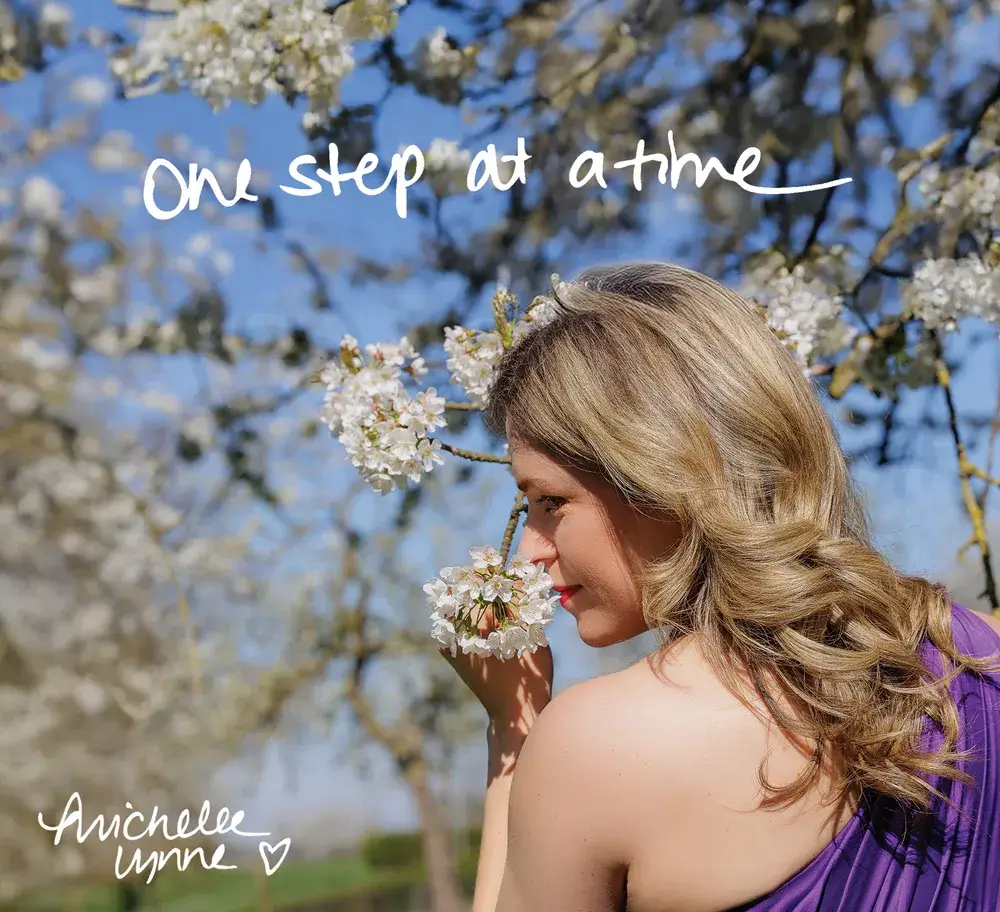
Michelle Lynne’s “One Step at a Time” Is a Shining Beacon

I’m just going to straight out say it. Classical music is not my jam. I’m not that immersed in the culture, thus giving myself the nickname of the “alternative guy,” but Michelle Lynne’s album, ‘One Step at A Time’, proved otherwise. Let me discuss this in depth and read why Michelle Lynne will be a shining beacon of our industry in the years to come. The first track of the album, ‘In the In-Between – Piano Version,’ sounds and feels like a mix of that early 2000s hit with a hint of Christian Contemporary Music because of the chord progression used throughout the track. What I specifically like about this track is that it doesn’t sound like someone just noodled their way into creating an instrumental track. As a musician myself, I know when an instrumental track is just mindless noodling and showing off versus creating a story through the music. Sure, the track has a lot of layers to it, but when you really listen closely, you can hear the changes and the heaviness of each section.  ‘Everglow’ has this radiating glow because of the beautiful chord progression and musical storytelling that will work as an instrumental and as a piece for a song. You can clearly hear the classical music influence because of some cadence and phrasing added in the track.  ‘Hold On’ is the third track of the album, and by far the first track that has a full band setup with complete vocals and instrumentation. You can clearly hear the musical training in the vocal phrasing, spacing, and delivery. I’m not a classically trained musician, but it’s basically night and day when I hear artists who are musically trained versus those who are learned by ear.  ‘Empty Promises’ feels like an inner dialogue from someone who’s already on the verge of just ending the relationship that scarred them internally. It’s evident in phrases like / All these tears I’ve cried / They’ve torn me up inside / And all that’s left to see here are these scars / And empty promises. ‘Pavane pour une infante défunte’ feels and sounds like a track written for a classic movie because of the chord progression, a bit of chordal dissonance, and the entire shift of chord progression and feel. In this specific track, you can hear Michelle Lynne’s musical prowess.  What I specifically like about ‘Let Me Heal’ is the use of drum samples that are first in this album. It’s a clear demonstration that, aside from that classical training, Michelle Lynne can adapt to what a song needs, and truly, that is a mark of an artist.  ‘Jeux d’eau’ is the track to hear because of how Michelle Lynne demonstrated not just how good she is at musical composition, but also with her chops. It’s straight out flexing her musical chops, which I really appreciate because that’s dedication and mastery. Well done!  ‘I’m Here’ is another track that has that unexpected drum sample. After hearing Michelle Lynne’s piano chops, we got a track that talks about transparency as its main theme. It’s evident in phrases like / Let me be real, let me be seen / All of these broken up pieces in me / They belong to you, this much is clear / And if you said that you’ll take them, I’m here This time, we have ‘In the In-Between’, complete with vocals and all the instrumentation. What I like about this track is that it still has that early 2000s vibe with a hint of Christian contemporary music feel to it, because aside from how it sounds, the main theme of the song talks about patience.  ‘Au bord d’une source’ is another classic piece that showcases Michelle Lynne’s musical prowess. What I like about these musical pieces is that it doesn’t feel and sounds like noodling. It still has a story, that emotional arch, and most importantly, it has dynamics. In instrumental tracks, dynamics play a huge role in storytelling, and it’s evident in this track.  Honestly, ‘Hold On – piano version’ is not really needed in this album, but I can hear why it’s still added in this album. You can hear the heart and soul of the composition based on the principle that once you strip a song to its core, does it still give the same energy, or does it have a different way of interpretation? It has the same sentiments with the last track of the album, ‘Empty Promises – piano version.’  I may not have a sweet spot for classical music, but I appreciate the passion for music that Michelle Lynne has. From classical to cornerstone drum samples, it’s no secret that artists like her will shine in the years to come.  Follow Michelle Lynne Spotify Instagram Tiktok Facebook Promoted Content About the Author

Michelle Lynne’s “One Step at a Time” Is a Shining Beacon Read More »

Trainwreck Boyfriend Proves They’ve Already Begun Charting Their Own Map

Trainwreck Boyfriend began the way many modern indie bands do: not through a classified ad or a carefully plotted industry plan, but through a moment of shared recognition in a crowded room. The members first connected at two 2023 shows by The Beths, bonding over their mutual devotion to female-fronted indie rock that balances vulnerability with bite. That origin story is more than trivia; it’s a Rosetta Stone for understanding the band’s self-released debut, a record that thrives on jangling guitars, sugar-rush hooks, and emotional candor delivered without apology. Pardon the pun, but this makes Trainwreck Boyfriend experts in a dying field; so much so that they may bring life to the genre. At the center of Trainwreck Boyfriend is frontwoman and keyboardist Greta Madeline, a former English teacher who spent years diagramming sentences before deciding to write her own in melody. A lifelong songwriter with an almost architectural obsession with hooks, Madeline approaches pop structure the way a poet approaches meter: with discipline, reverence, and the desire to make something that lingers. Her voice is clear, earnest, occasionally defiant and anchors the album’s emotional weather. She’s flanked by a band that gives her melodic instincts room to bloom. Guitarist Billy Hook specializes in layered textures that shimmer without overwhelming. Dez, whose classical roots peek through in precise phrasing and unexpected voicings, adds dimension and drama. Bassist Charlie Evans injects a subtle punk restlessness, while drummer Franz, Madeline’s longtime studio collaborator, provides propulsion that’s muscular yet unfussy. And Kristin Leland who played rhythm guitar and vocal harmonies. Together, they craft a sound that nods to the alt-rock spectrum inhabited by their Beths-inspired beginnings but stretches toward something glossier and more synth-kissed; an ’80s undercurrent humming beneath the heavy jangle. Across ten tracks, there’s a sense of cohesion: themes of belonging, empowerment, and messy human connection thread through songs that oscillate between intimate confession and communal rallying cry. Opener “Freakshow” functions as manifesto and embrace. Over chiming guitars and buoyant keys, Madeline extends an invitation to the eccentric and the weird, reframing oddity as superpower. It’s the kind of song that could easily tip into platitude, but the band’s conviction keeps it grounded. The chorus feels less like branding and more like a genuine clearing of space. “Apartment Life” narrows the lens to the quiet ache of proximity; familiar strangers separated by thin walls and thinner courage. The track captures the tension between isolation and yearning, its melody climbing as if straining toward connection. In a city like Philadelphia, where the band wrote much of the album in a loft overlooking a shifting urban landscape, that emotional geography feels lived-in rather than imagined. The sun breaks through on “Feels Like Summer,” a blast of effervescence that channels pure, uncomplicated joy. It’s the record’s most immediate dopamine hit, built for open windows and impulsive sing-alongs. Yet even here, the craftsmanship is evident: the hooks don’t just sparkle, they stick. Mid-album standout “Checkmate” pivots toward self-reckoning. Lyrically, it’s about the raw honesty of admitting fault and waiting agonizingly for absolution. The arrangement mirrors that tension, pulling back in the verses before blooming into a chorus that feels like a held breath finally released. “Love, Emily” reaches further back, drawing inspiration from the inner world of Emily Dickinson and her intimate correspondence with her sister-in-law Susan. The song refracts literary history through an indie-pop lens, pairing delicate keyboard lines with lyrics that explore creative longing and unspoken devotion. It’s one of the album’s more ambitious moments, proof that Trainwreck Boyfriend’s gaze extends beyond the present tense. “Invisible” might be the emotional core of the record. Beginning in the pain of being overlooked, it evolves into a meditation on agency and collective strength. The band frames invisibility not as erasure but as a vantage point; a place from which solidarity can grow. The swell of voices and instruments in the final chorus feels like a small army assembling. With “Reimagine,” the scope widens to the social and political. Inspired in part by the utopian plea of John Lennon, the song questions why the world still struggles with the same fractures decades later. Rather than preach, Trainwreck Boyfriend opts for yearning; an insistence that imagining better remains a radical act. The album’s final stretch returns to matters of the heart. “Broke” sketches a portrait of guarded love, its melody tentative at first before opening up in cautious hope. “Don’t Go There” dismantles the myth of the unbreakable “tough girl,” arguing that strength lies in acknowledging emotion before it spills over. Closer “Retrogression” captures the maddening backslide of heartbreak; the way a stray detail can collapse months of progress. It’s a relatable, human ending that resists tidy resolution.  All in all, Trainwreck Boyfriend proves they’ve already begun charting their own map one hook, one confession, one communal chorus at a time. Follow Trainwreck Boyfriend Globe Instagram Facebook Tiktok Bandcamp Promoted Content About the Author

Trainwreck Boyfriend Proves They’ve Already Begun Charting Their Own Map Read More »