
loader image

2026

Wait to Be Seated Ultimately Proves Is Something Garage Rock Has Probably Known All Along but Rarely States Out Loud: Toughness and Tenderness Are Not Opposites

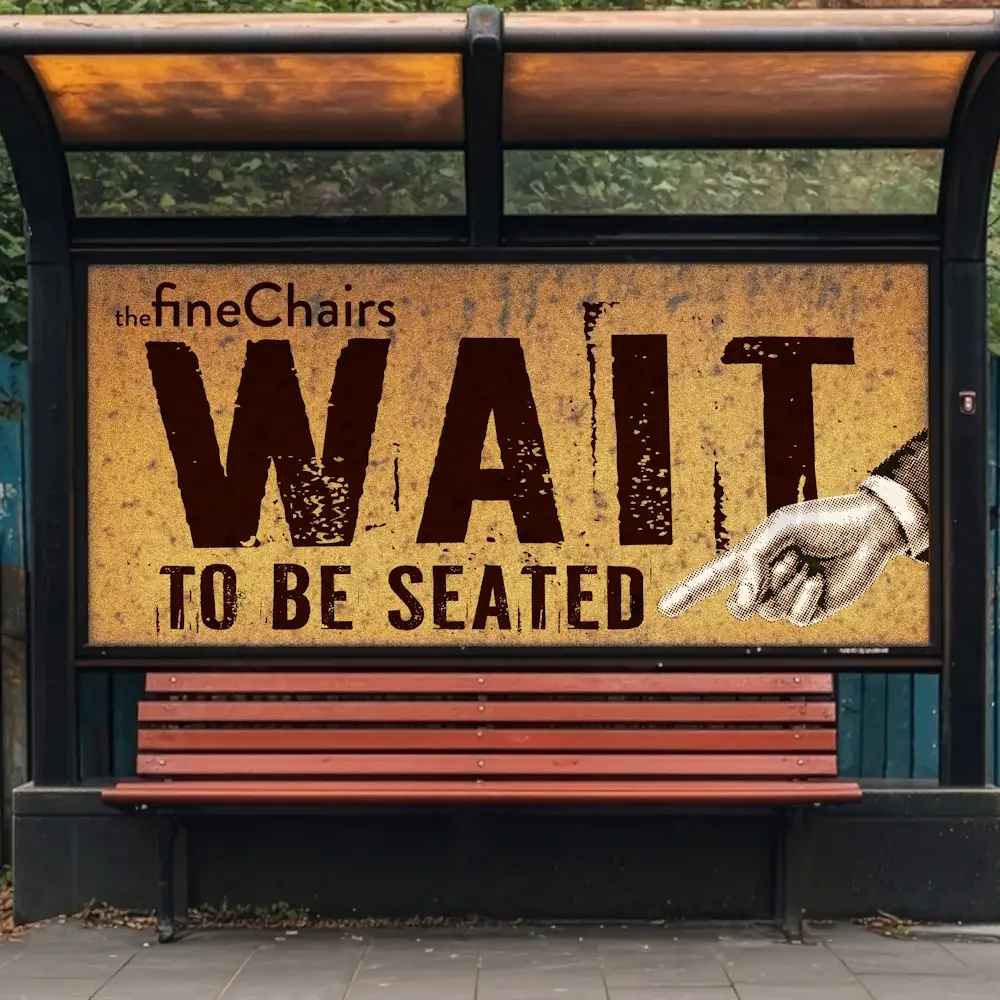
Rock music has always come with a very specific aesthetic package. You know the one: leather jackets, hair that suggests a long-running disagreement with scissors, guitars that sound like someone plugged a chainsaw into a thunderstorm. The cultural message is clear. This is Serious Guy Music. Feelings are allowed, but only if they’re screamed through an amplifier loud enough to frighten nearby wildlife. Wait To Be Seated by The Fine Chairs feels a little like discovering that the intimidating biker at the bar also writes extremely heartfelt poetry about the moon. Not in a mocking way; more in the sense that you suddenly realize the leather jacket was never meant to hide the feelings. It was meant to survive them. Garage rock, historically speaking, has a reputation. It’s supposed to be rough, loud, a little greasy around the edges. It’s the musical equivalent of gasoline fumes and cheap beer. It’s a genre that communicates primarily through momentum: distorted guitars, pounding drums, and the vague sense that someone in the band has just kicked over a chair for emphasis. What it’s not usually known for is emotional vulnerability. That tends to get filed under “other genres.” And yet Wait To Be Seated basically runs on the collision between those two things. On one side, the album delivers exactly the kind of garage-rock energy you’d expect. The guitars snarl, the rhythm section stomps forward like it’s late for a bar fight, and the whole production has that warm, slightly scuffed texture that makes everything feel immediate. It’s loud in the satisfying way; not just noise, but noise with momentum. On the other side, the lyrics are weirdly, almost disarmingly honest. Not in a melodramatic way, but in the way someone might admit something personal while staring very hard at the floor. The band isn’t abandoning the swagger of rock music, but they’re definitely letting some sunlight into the emotional basement. And the interesting thing is that the album manages to keep that balance across twelve tracks without collapsing into repetition, which is honestly harder than it sounds. A lot of albums in this lane start strong and then, around track five or six, you begin to notice that the songs are quietly turning into slightly different versions of the same idea. Here, though, the band keeps shifting the angle. One moment it’s full-throttle garage rock; the next it’s drifting into something more reflective, then back again like someone alternating between yelling into the void and calmly contemplating the void’s interior decorating choices. The opening track, “Half The Truth,” kicks the door down immediately. Overdriven guitars, a thick retro crunch, and a rhythm section that feels less like accompaniment and more like structural reinforcement. It’s the sort of song that makes you instinctively grab an imaginary guitar and perform a dramatic solo in front of the mirror, which is frankly one of the highest compliments a rock song can receive. “Strength And Hope” takes a slightly different approach. The guitars sound intentionally loose, almost drifting, which creates this oddly warm sense of optimism. It’s the musical equivalent of that moment when you know you probably should be doing something productive, but instead you’re halfway through dancing around the room for no reason. The track leans into that mood: light, slightly hazy, and surprisingly infectious. Then there’s “It’s Not What We’d Call Heaven,” which functions as the emotional centerpiece of the album. The song throws gritty rock textures and romantic vulnerability into the same space and just lets them collide. Somewhere in the middle there’s a soaring guitar solo that feels like the bridge between the messy and the idealized, holding them together for a few glorious minutes. “Something Wrong” pulls the tension back a bit and introduces a lighter tone. There’s an indie-rock looseness here, with a faint Eastern flavor woven into the arrangement. It feels like late evening, when work technically still exists but nobody is particularly committed to acknowledging that fact. “Time Is Right” scales things up again. Big guitars, big momentum, big feelings about the future. It’s a song that believes very strongly in forward motion; dreams moving quickly enough that slowing down would feel like defeat. “In Beauty And In Grace” takes the shape of a rock ballad, but it refuses to stay entirely gentle. The melody floats along pleasantly before the guitars remind you that softness, in this band’s world, usually arrives with a small dose of bite. Later tracks like “Rain In My Face” and “Through Empty Space” stretch the atmosphere even further. The former slows everything down into something reflective and slightly roguish, while the latter drifts into a kind of cosmic scale; voices dissolving into the mix, guitars flickering like distant signals from Earth. Wait To Be Seated by The Fine Chairs By the time the closing track, “Feet Upon My Shoes,” arrives, the band seems determined to end the album the way it began: loud, raw, and absolutely convinced that the guitar is still one of humanity’s most effective emotional translation devices. What Wait To Be Seated ultimately proves is something garage rock has probably known all along but rarely states out loud: toughness and tenderness are not opposites. The leather jackets, the distortion, the swagger; it’s all just decoration around a very human core. Underneath the noise, the heart is beating very loudly. And in this case, The Fine Chairs are kind enough to let you hear it. Follow The Fine Chairs Globe Facebook Bandcamp Promoted Content About the Author

Wait to Be Seated Ultimately Proves Is Something Garage Rock Has Probably Known All Along but Rarely States Out Loud: Toughness and Tenderness Are Not Opposites Read More »

Ricky Earlywine Serves Up Hazy, Autotuned Anxiety on an Exercise in Metallic Detachment

“The independent artist leans into the nocturnal shadows of modern trap-soul, trading raw emotion for a numb, atmospheric crawl.” Independent artist Ricky Earlywine enters the fray with “move like this,” a woozy slice of alternative R&B that weaponizes detachment. Rather than offering a booming introduction, he kind of slips in through the back door and trades traditional pop structures for a metallic, heavily processed croon. It also operates as an exercise in suspension that locks the listener in a holding pattern of murky synths and rattling hi-hats that mirror the hazy, late-night hedonism of his contemporaries. The production of this track anchors itself in a slow-crawling trap framework that is completely drenched in reverb and low-end distortion. Earlywine’s voice is pushed to its absolute digital limits and utilizing Auto-Tune not as a corrective tool, but as a textural instrument to project a robotic, numbed emotional state. This specific brand of melancholic distortion owes a clear debt to the late-night paranoia of PartyNextDoor, substituting raw vocal power for an eerie, synthesized atmosphere that feels delightfully unplaceable. Beneath the aquatic vocal mixing, Earlywine mutters about needing a fresh start and a clean slate, attempting to outrun his own shadow. The central hook is a repetitive, deadpan flex of how he chooses to move. It operates like a superficial band-aid over obvious anxieties. It kind of reads as a bold statement of self-possession that quickly cracks that reveals a narrator desperately trying to convince himself that shedding the past is as easy as changing his swagger. For all its moody allure, I’d say the track occasionally struggles under the weight of its own lethargy. By clinging so fiercely to its cloud rap influences and nocturnal aesthetic, it somehow flirts dangerously with the monotonous drone that plagues so much of the modern underground. The lack of distinct structural shifts or percussive switch-ups leaves the middle portion feeling rather stagnant. It requires the listener to accept the track as a pure vibe rather than a dynamic composition. Earlywine heavily relies on his aesthetic, and while it mostly lands, it leaves little room to gauge his actual lyrical acuity. Still, Earlywine is serving up enough darkness and anxiety to mark himself as an artist with undeniable potential. He does understand how to curate a specific and toxic frequency that fits perfectly into the rotation of a winter of yearning and discontent. Much like the slippery, melodic trap-soul pioneered by Don Toliver. If he can sharpen his pen and introduce a bit more friction to his ambient soundscapes, I totally believe his next outing could easily transcend the underground shadows he currently calls home. Follow Ricky Earlywine Spotify Soundcloud Instagram Tiktok Promoted Content About the Author

Ricky Earlywine Serves Up Hazy, Autotuned Anxiety on an Exercise in Metallic Detachment Read More »

New Music Radar Featuring: Nia Akins, Erode The Dream, and Sorry for Interrupting

NIA AKINS’ ‘LEAN’ IS A BRUISED, BIBLICAL PLEA DISGUISED AS AN ARENA-READY INDIE POP BANGER “Independent artist Nia Akins swings for the fences, pairing heavy lyrical codependency with radio-friendly production that mostly sticks the landing.” To promise a massive, festival-ready anthem as an independent artist requires a special kind of ballsy gumption, but that’s exactly what Nia Akins sets out to do on ‘lean’. In an era where detached irony often rules the charts, Akins serves up bruised, earnest desperation. The arrangement might present itself as an accessible, radio-friendly banger, but the underlying anxiety unpicks the bright surface right from the jump. She questions where she stands under “skies that are not blue,” immediately establishing a mood of exhaustion that carries through the entire runtime. It feels undeniably raw, but polished enough to suggest Akins has her sights set far beyond the underground. Thematically, the single tackles the messy reality of co-dependency, anchoring its toxic romance in biblical and architectural metaphors. Akins doesn’t just want a shoulder to cry on; she requires a foundational support system. “If I’m careful not too careful like Samson,” she croons, leaning on the mythological strongman to illustrate the danger of her own crumbling restraint. The lyrical choices occasionally border on heavy-handed—referring to a partner as a “pillar” and “firm as a rock” isn’t exactly breaking new metaphorical ground. Yet, she delivers lines like “dancing on the edge of severance” with enough teeth to make the cliché feel urgent rather than lazy. The production throws us back to the mid-2010s boom of grand, stomping indie pop. Upbeat, driving drum tracks clash against melancholic chord progressions, creating a nervous energy that perfectly mirrors the lyrical panic. It owes a noticeable debt to the organic-meets-electronic sensibilities popularized by artists like Maggie Rogers, blending what sounds like acoustic roots with synthetic, swelling strings. Those orchestral touches provide an artificial but necessary grandeur, elevating a simple plea for help into a high-stakes dramatic monologue. Even when the instrumental threatens to swallow her whole, the mix smartly keeps the focus tight on the vocals. It is precisely that vocal delivery that stops ‘lean’ from fading into the background of a generic streaming playlist. Akins possesses a sharp, strained rasp that cuts cleanly through the swelling instrumentation. Where a stadium-sized contemporary like Florence + The Machine might tackle these same themes with full-throated, unadulterated wailing, Akins opts for something more grounded and fatigued. When she begs to “stay, come home and just lean right on,” she genuinely sounds like someone who has been running on empty for too long. This authentic exhaustion sells the narrative completely, turning a solid pop hook into a moment of genuine vulnerability. While it might lack the avant-garde strangeness of a Weyes Blood record, ‘lean’ makes no apologies for its straightforward, open-hearted ambition. Akins has delivered a solid slab of modern pop that uses its frantic pacing to mask a surprisingly dark core. Is it a paradigm-shifting classic? Time will tell, but it demonstrates the potential of a fiercely independent artist who knows exactly how to manipulate tension and release. For now, it stands as a sharply executed, slightly toxic ode to needing someone else to hold up the sky—and proves Akins is more than capable of shouldering the weight of her own career. Facebook Spotify ERODE THE DREAM – ‘BLUE’ REVIEW: A GRUELING, UNAPOLOGETIC DESCENT INTO 90S-INDEBTED SLUDGE “The independent outfit’s latest offering requires patience, rewarding the brave with ear-bleeding volume and toxic melancholy.” To release a six-minute dirge that opens with literal crickets and a mumbled studio check requires a special kind of ballsy gumption, but that is exactly how independent artist Erode The Dream introduces ‘Blue’. In an era defined by micro-trends and algorithm-optimized hooks, this project feels entirely detached from the modern hype cycle, opting instead to wallow in a suffocating collision of slowcore misery and abrasive volume. The acoustic preamble suggests an intimate, almost voyeuristic setting, lulling the listener into a false sense of security before the bottom drops out and we are plunged into a swamp of detuned guitars and creeping anxiety. The initial architecture of ‘Blue’ relies on a plodding, skeletal bassline and tense percussion that directly recalls the creeping dread of Slint’s post-hardcore milestone Spiderland. Erode The Dream refuses to rush, letting the negative space do as much heavy lifting as the instruments. When the vocals finally arrive, they are strained, agonizing, and dripping with a harsh, toxic melancholy. The frontman drawls about being trapped in ‘deep silence’ and ‘the top of my bed,’ dragging the syllables through the mud. It actively resists conventional melody, leaning instead into a churning noise rock sludge that feels dangerously close to collapsing under its own weight. The fragmented lines we can decipher unpick a darkness rooted in profound physical disassociation and self-loathing. The confession ‘I don’t like me forever’ lands with a sick, heavy thud, while observations about ‘the color of my face, the texture of my skin’ bristle with the nervous energy of someone climbing the walls of their own mind. Then comes the genuine sonic curveball. Around the three-minute mark, the gloom is interrupted by a bizarre, hallucinatory invocation: ‘Awake, shake dreams from your hair.’ Lifting Jim Morrison’s posthumous spoken-word poetry from The Doors’ 1978 release An American Prayer and dropping it into a sludgy 2026 purgatory is a risky move, but it adds an occult weirdness to the track’s spiraling despair. That poetic hallucination acts as the ignition switch for the track’s feral back half. ‘Blue’ abandons its creeping pace and erupts into a chaotic, cymbals-crashing squall of shoegaze textures and violently distorted guitars. It is overwhelming, suffocating, and brutally loud. The Facebook Spotify A RAW, SCRAPPY FOLK-PUNK CONFESSIONAL THAT LEANS INTO ITS OWN BROKENNESS “Independent outfit Sorry for Interrupting delivers a jittery burst of acoustic angst on ‘Closer 2’, finding jagged beauty in lo-fi imperfections and frantic strumming.” Doing a revolution with nothing more than a battered acoustic guitar and a strained vocal cord requires a

New Music Radar Featuring: Nia Akins, Erode The Dream, and Sorry for Interrupting Read More »

New Music Radar Featuring: Grid Theory, Last Second Dropout, and Illumination Road

GRID THEORY DELIVERS A BRUTAL, NOSTALGIC SLAB OF MID-2010S ANGST ON ‘THE BEAUTI OF DECAY’ “With throat-shredding vocals and brickwalled production, this independent release trades technical polish for pure, unadulterated emotional warfare.” To promise a devastating emotional release in a debut single requires a special kind of ballsy gumption, but that’s exactly what independent artist Grid Theory sets out for on ‘The Beauti of Decay’. In an era where alternative rock often smooths its edges for TikTok virality, this release feels aggressively out of step—and intentionally so. It throws us violently back to the mid-2010s metalcore boom, operating entirely on nostalgia, angst, and pure adrenaline. The spelling error in the title might suggest a lack of polish, but make no mistake: this is a calculated dose of aggression that knows exactly which bleeding-heart buttons to push. Getting old-school with the production is a good start, though it comes with caveats. The mix is a direct casualty of the loudness war, brickwalled to the point where the cymbals threaten to swallow the entire frequency spectrum. But perhaps that claustrophobia is the point. Discordant, dark strings and atmospheric synths hum beneath a relentless barrage of low-tuned, percussive guitar riffs and machine-gun double bass drumming. It’s an abrasive wall of sound that leaves absolutely no room to breathe, forcing the listener into a corner before the inevitable breakdown collapses the floor entirely. Whether ‘The Beauti of Decay’ signals the arrival of a major new player in the post-hardcore scene remains to be seen. It certainly doesn’t feel like it will create a cultural phenomenon or entirely shift the genre’s current trajectory. What it does offer, however, is a solid slab of heavy music from an artist with no other choice but to scream their lungs out. Time will tell if Grid Theory can refine their edges without losing their bite. At the very least, they have delivered a delightfully harsh, unapologetic record perfectly tuned for a winter of yearning and discontent. Facebook Spotify LAST SECOND DROPOUT SERVE UP RAW, UNFILTERED 2000S ANGST ON ‘APATHY’ “The independent artist trades pristine production for a throat-tearing, distorted dose of heartbreak.” Reviving the mid-2000s angst-rock playbook requires a specific kind of nerve. We are swimming in a sea of nostalgia acts trying to recapture the magic of checkered Vans and warped tour sunburns, usually resulting in a sanitized, plastic version of rebellion. Enter Last Second Dropout, an independent project making no apologies for looking backwards. With “Apathy”, the artist leans hard into a bruised, chaotic aesthetic, serving up three minutes of relentless frustration that feels distinctly unpolished. Any pretense of subtlety gets thrown out the window in the opening seconds. Guitars grind with a cheap, static-heavy distortion, anchored by a frenetic drum beat that threatens to derail at any moment. It is a messy, blood-pumping ode to foundational pop-punk aggression, ignoring pristine studio polish in favor of raw garage-band energy. The production makes a virtue of its limitations, burying the bass under a squall of cymbals and power chords that sound intentionally overdriven. Then there are the vocals, a strained, throat-shredding whine that practically defines the emo genre. When the singer spits out lines like “Why do you take it out on me?” and begs, “Please let me mourn,” it comes across with the hyperspecific bitterness of a 2AM text message you immediately regret sending. It channels the self-flagellating spirit of bands like Modern Baseball, where the protagonist is equal parts victim and instigator. The delivery is breathy, desperate, and entirely devoid of ego. Instead of pivoting to a clean, radio-ready chorus, “Apathy” opts for structural claustrophobia. The bridge pulls back just enough to let the festering resentment breathe before launching into a chaotic, vocal-stacking climax. You can hear the ghosts of Taking Back Sunday in the way the melodies crash into each other, creating a dense wall of competing grievances. It matches the bruising intensity of modern torchbearers like The Story So Far, proving that a lack of technical perfection can be easily masked by sheer, throat-tearing conviction. “Apathy” does not attempt to redefine the boundaries of alternative rock. What Last Second Dropout offers instead is a potent, concentrated dose of misery that refuses to tidy itself up for mass consumption. For an independent artist, capturing this level of visceral, ugly emotion on tape is half the battle. They might not be headlining arenas anytime soon, but they have delivered a remarkably sharp, satisfyingly bitter anthem for anyone who still prefers their heartbreak drenched in distortion. “It is a messy, blood-pumping ode to foundational pop-punk aggression, ignoring pristine studio polish in favor of raw garage-band energy.” Facebook Spotify ILLUMINATION ROAD SERVE UP A DOSE OF APOCALYPTIC ANXIETY ON A JAGGED, MECHANICAL NEW SINGLE “A desperate plea to survive a collapsing society, ‘The Modern World’ channels the nervous energy of an era teetering on the edge of the abyss.” To promise a blistering critique of contemporary collapse requires a special kind of ballsy gumption, but that is exactly the jagged terrain Illumination Road stakes out on ‘The Modern World’. In an era where apocalyptic anxiety feels more like a daily routine than a philosophical concept, the independent outfit taps directly into the nervous system of 2026. The premise here is a bitter paradox—a desperate plea to survive long enough to witness a utopia that is actively being dismantled by its own architects. It is a thematic trick that echoes the biblical fire-and-brimstone theatricality of Nick Cave and the Bad Seeds, plunging the listener into a chaotic vision where technological advancement is hopelessly shackled to human regression. Getting old-school with an arrangement that feels both urgent and archaic is a good start. The production abandons polished indie rock conventions in favour of something far more menacing and tactile. A scratchy, distorted acoustic guitar progression forms the bruised spine of the track, while an overdriven organ swells in the background like a storm warning. It sounds less like a sterile studio creation and more like a live exorcism

New Music Radar Featuring: Grid Theory, Last Second Dropout, and Illumination Road Read More »

The Understated Brilliance of Brian Melso’s Dream A Little Dream

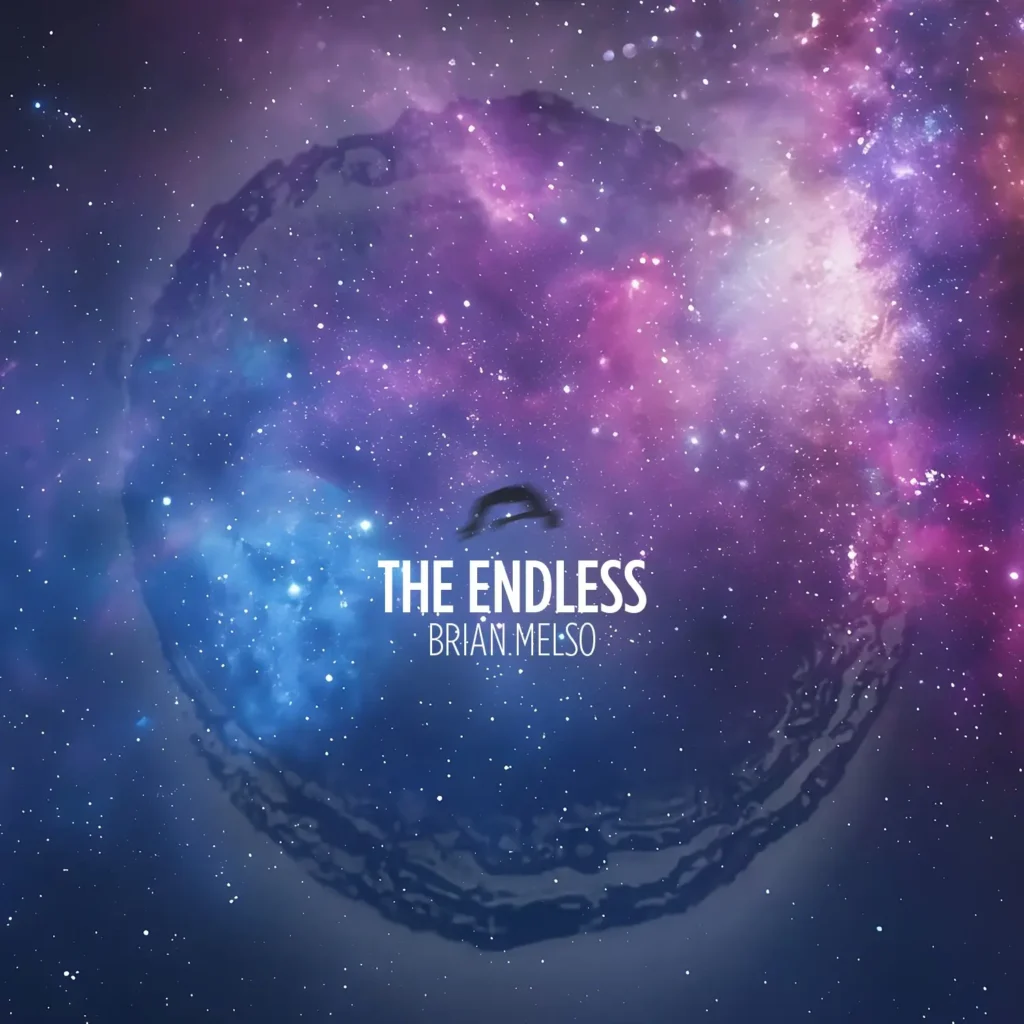
Watch out for indie artist Brian Melso, who just released The Endless on January 18. This three-song project looks at the quiet strength in life’s in-between moments. Instead of chasing catchy hits, Melso’s voice stands out for its emotional depth, making it unforgettable like top pop artists today. The track “Dream a Little Dream” highlights this perfectly. His smooth, relaxed style echoes classic pop icons and pulls listeners in right away. Brian Melso is impressive and someone to watch. “Dream a Little Dream” softly shows that things can improve, no matter what. Its vibe works well when you need a little push or comfort. His smooth, calm voice relaxes you and helps you forget your worries, even for a short while. The song carries quiet hope. It shows strength and courage to hold onto small dreams when life feels uncertain. We all face challenges that seem too big, and this track hits home because it speaks to those struggles. Life rarely goes as planned, but the song nudges you forward. Melso creates a feeling like stepping from a noisy room into a sunny garden. Endless blends cinematic synthwave with uplifting indie piano, keeping a warmth many digital tracks lack. His voice feels safe and personal. When he sings about resilience, it feels like he’s talking directly to you, not performing from a distance. He fits moments when you feel hopeful but slightly down. If you want music that understands your struggles and quietly lifts you up, this track deserves your attention. Follow Brian Melso Globe Spotify Promoted Content About the Author

The Understated Brilliance of Brian Melso’s Dream A Little Dream Read More »

Katie Belle’s “People Pleaser” Isn’t Just About Breaking a Habit; It’s About Rewriting the Role Entirely

There’s a very specific kind of personality trait that pop music loves to dissect: the people pleaser. The person who says yes when they mean no, apologizes for things that aren’t their fault and slowly realizes, usually after several emotionally inconvenient life experiences, that maybe constantly performing a version of yourself for everyone else is in a nutshell… not great for your mental health. It’s the sort of realization that tends to arrive with a bit of drama. Katie Belle’s single “People Pleaser” takes that moment of realization and turns it into an electro-pop catharsis. And the interesting thing is that the song doesn’t frame the transformation gently. It’s not a quiet self-help breakthrough. It’s more like a dramatic character exit. Right from the opening lines of “Nineteen / It was hard to be me / I was starved for validation”, the track establishes its theme with unusual directness. There’s no metaphorical fog here. The lyrics read almost like someone flipping through a personal highlight reel of the worst parts of approval-seeking behavior: doing anything to be loved, trying to be the perfect daughter, performing constantly for other people’s expectations. It’s introspective, but also self-aware enough to acknowledge how exhausting that performance can be. There’s also a sharpness to the songwriting here that occasionally recalls the kind of emotional precision artists like Mitski have built entire careers around in the ability to distill complicated internal struggles into lines that feel painfully straightforward. Belle isn’t imitating that style, but the same kind of emotional clarity is present. The song doesn’t dance around its subject; it names it directly. “People Pleaser” sits comfortably in the modern electro-pop lane. Produced by Fabio Campedelli at his Los Angeles studio, the track builds around percussion-driven electronic rhythms and a bass-heavy groove that keeps the song moving forward even when the lyrics turn inward. The verses lean darker and more reflective, while the chorus opens up into something brighter and more declarative; a classic pop structure, but one that works well for the emotional arc the song is trying to create. And the chorus is really the turning point. When Belle sings “No more people pleaser / sweet demeanor / I’m gonna save me all for myself,” the track shifts from reflection to resolution. Which, in this case, involves metaphorically killing off the old version of herself. Not subtle, admittedly. But it id effective. That theatrical edge shows up again later in the song with lines like “I just killed the girl you thought I was inside of your head.” It’s dramatic, yes, but pop music has always thrived on big emotional gestures. The idea of realizing you’ve spent too long shaping yourself around other people’s expectations is something a lot of listeners will recognize instantly. It’s the kind of emotional turning point that resonates broadly and admittedly, it resonated with me in particular as a recovering people pleaser. Katie Belle’s “People Pleaser” isn’t just about breaking a habit; it’s about rewriting the role entirely. Follow Katie Belle Globe Facebook X-twitter Spotify Soundcloud Youtube Instagram Tiktok Promoted Content About the Author
Katie Belle’s “People Pleaser” Isn’t Just About Breaking a Habit; It’s About Rewriting the Role Entirely Read More »

Devils and Demons Is Like the Best of Rock; Music That Literally Rocks You

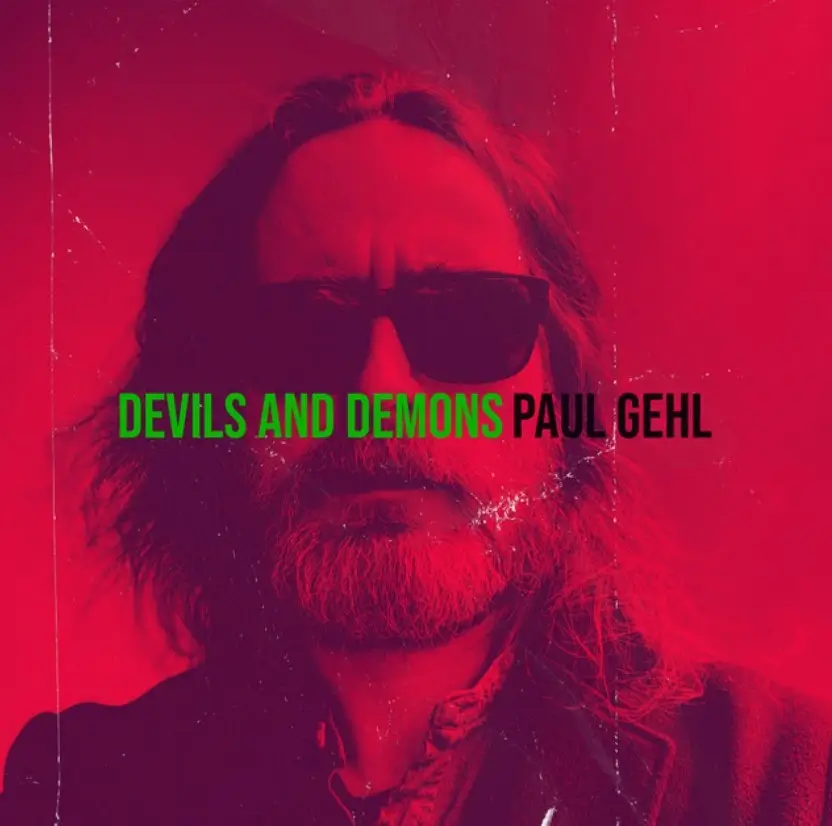
There’s a long tradition in rock music of confronting your inner turmoil by giving it a suitably dramatic name. You don’t just feel bad; you’re battling demons. Possibly several demons. Maybe a devil or two for good measure. It’s a metaphor that has powered everything from classic metal albums to extremely intense diary entries. Which means when a song arrives called “Devils and Demons,” you might reasonably expect something theatrical. Maybe thunderous riffs, maybe gothic drama, maybe a vocalist shouting about existential darkness while a guitar solo attempts to melt your speakers. Paul Gehl’s take on the concept is a little more personal than that. Gehl is a multi-instrumentalist from Luxembourg who started his solo project in 2022. His music roots cover a wide mix. He played in metal bands, studied classical guitar, and learned flamenco techniques. After an injury disrupted his career, he returned to writing songs on electric guitar. You can hear that mix of influences in “Devils and Demons.” The song leans into personal songwriting while holding a darker tone. It reflects the kind of mood you might expect from someone who grew up listening to bands like Black Sabbath and Led Zeppelin. The track centers on Gehl’s experience living with bipolar disorder. It keeps the focus close and personal. It does not treat the topic like some big idea. The lyrics show the ups and downs as something happening inside him. That is where the title comes from. You can also hear parts of Gehl’s training in the way the song moves. The playing feels careful and precise. It sounds like someone who spent years learning different styles before settling into this sound. The melody carries most of the emotion in the song. Instead of leaning on loud volume or heavy distortion, the track builds its mood through pacing and layers of sound. Because of that, the energy grows in a more natural way, creating the kind of rock song that pulls you in and keeps you moving while you listen. The single works as a personal statement and another step in Gehl’s growth as an artist. It keeps things grounded and direct. The track doesn’t rely on flashy moments or big production tricks. It focuses on honesty, showing that some of the strongest rock songs come from simply sharing what’s happening inside your mind. And if that truth happens to involve a few devils and demons along the way… well, rock music has always had room for those. Follow Paul Gehl Spotify Youtube Promoted Content About the Author

Devils and Demons Is Like the Best of Rock; Music That Literally Rocks You Read More »

The World Inside Album Feels Like Sitting Across From Someone Who Is Smart, a Little Anxious, Deeply Sincere, and Trying Very Hard to Articulate Something That Doesn’t Fit Neatly Into a Chorus

There is a particular flavor of indie-folk that has dominated the last decade or so, and you know it when you hear it. It smells faintly of mason jars and reclaimed wood. It is emotionally vulnerable in a way that is very curated. Everyone is sad, but in a way that would still look good in a lifestyle brand Instagram grid. And for a while that worked, because we all collectively agreed that stomping on a kick drum while whisper-singing about heartbreak was, somehow, revolutionary. The World Inside, the second album from Berklee-based collective The Iddy Biddies, feels like a deliberate attempt to crawl out of that aesthetic prison. It is not a rejection of folk, exactly; it still uses the acoustic textures, the soft harmonies, the campfire intimacy, but it actively resists the genre’s worst instincts: the performative sadness, the vague emotionalism, the idea that “authenticity” means never getting weird. Instead, what you get here is an album that is weird in the precise, narrative-driven, “let’s overthink this” way that makes indie music actually interesting. The World Inside feels less like a diary and more like a series of short stories about people who may or may not be him. That’s important, because the album’s core obsession is the gap between who we perform as and who we are when no one is looking. Not in the vague “I’m hiding my feelings” way, but in the “we have constructed entire identities to survive in public” way. This is an album about masks, systems, and the quiet horror of realizing you might be complicit in your own alienation. Which sounds incredibly heavy, but the music doesn’t wallow in it. In fact, one of the album’s greatest strengths is how frequently it chooses motion over melancholy. The opener, “Fortunate Sons,” barrels forward with a driving, almost protest-song energy, taking aim at social inequality without collapsing into self-righteousness. It doesn’t posture. It narrates. There’s a crucial difference. The song feels less like it’s yelling at you and more like it’s dragging you into a crowded room and saying, “Look. This is what we’re living in.” That narrative instinct is what links The Iddy Biddies most strongly to bands like The Decemberists, though without the nautical cosplay. Songs like “Mr. September” take a single character and let him spiral outward into something both psychedelic and painfully human. The bohemian shuffle of the track gives it a hazy, dreamlike quality, but what keeps it compelling is how specific it is. This isn’t vague whimsy. This is a portrait of someone slowly dissolving into their own mythology. Musically, The World Inside is far more ambitious than most indie-folk records. The band leans heavily into Beatlesque harmonic complexity, complete with unexpected chord changes, chromatic movement, moments where your ear goes, “Oh, we are not where I thought we were.” That’s not just cleverness for its own sake. It mirrors the album’s emotional thesis: the internal world is unstable, contradictory, and never resolves as neatly as we’d like. On the title track, “The World Inside,” this idea becomes almost tactile. The shifting meters and atmospheric textures create a sense of gravity, as though your own thoughts are physically pulling you downward. Then there’s “It’s Just a Show,” a psych-pop meditation inspired by Alan Watts, which is the sort of thing that could easily become unbearably smug. Instead, it plays like a strange, slightly unnerving lullaby about the cosmic joke of existence.   That emotional generosity is what saves the album from becoming pretentious. Even when the band is being heady, they are never cruel about it. “Follow You Anywhere,” one of the album’s softest tracks, is a straightforward declaration of devotion, but it’s framed not as possession, but as solidarity. It is about walking with someone through their fear, not trying to fix it. In the context of an album obsessed with internal isolation, that’s a quietly radical stance. “Strange World” pushes the anxiety outward again, turning systemic fear into something almost gothic. The chromatic progressions make the song feel like it’s constantly tilting off-balance, which is exactly what it’s about: the sensation that both your own mind and the world around you are conspiring to keep you afraid. It’s uncomfortable. It’s supposed to be. What ultimately makes The World Inside work is its refusal to simplify. It doesn’t offer easy catharsis. It doesn’t resolve its contradictions. It just sits with them. In a musical landscape that often confuses relatability with shallowness, The Iddy Biddies have made a record that invites you to actually think about what you’re feeling and why. The Iddy Biddies describe their music as a “dinner invitation to a conversation that matters,” and that’s not marketing fluff. The World Inside album feels like sitting across from someone who is smart, a little anxious, deeply sincere and trying very hard to articulate something that doesn’t fit neatly into a chorus. And honestly, that’s the best kind of company. Follow The Iddy Biddies Globe Spotify Youtube Bandcamp Instagram Soundcloud This album was discovered via SubmitHub About the Author

The World Inside Album Feels Like Sitting Across From Someone Who Is Smart, a Little Anxious, Deeply Sincere, and Trying Very Hard to Articulate Something That Doesn’t Fit Neatly Into a Chorus Read More »

“Bad Girl” Is Catchy, Confident, and Rooted in a Story That Feels Real

There’s a long and slightly ridiculous tradition in pop and hip-hop of songs called Bad Girl. At this point it’s basically a genre title. You hear the phrase and your brain automatically starts filling in the blanks: swagger, a club beat, some vague commentary about attraction mixed with danger, and probably at least one line about not being able to behave responsibly. What makes Young V’s “Bad Girl” interesting is that it sort of plays along with that formula, but then quietly shifts the perspective underneath it. Young V, real name Vincent Young, is a Michigan City-based artist who operates in that increasingly common but still tricky space where the artist is also the producer, the writer, and the performer. Which means the final product tends to feel a bit more personal than the typical “assembled in a studio by six people and a laptop” single. And in this case, the inspiration is surprisingly domestic. The core idea behind Bad Girl comes from observing his wife balancing two very different identities: homemaker and career woman. That duality becomes the emotional hook of the song. The “bad girl” here isn’t some cartoonish rebel archetype; it’s someone navigating responsibility, ambition, attraction, and independence all at once. Which is a lot more interesting than the title initially suggests. The track sits in a comfortable middle ground between smooth R&B and modern trap production. There’s a faint influence from artists like Usher in the melodic approach of that slightly glossy, rhythm-forward vocal style, but the instrumental leans contemporary. The beat carries a streetwise bounce while still keeping enough polish to feel radio-friendly. It’s that classic balancing act: gritty enough to feel authentic, clean enough to land in a club playlist without scaring anyone. And to be fair, that balance seems to be working. According to industry buzz around the track, a radio DJ reportedly described it simply as “a hit,” which is the kind of vague but enthusiastic endorsement musicians tend to love. Meanwhile, Young V’s work has already found its way into mock advertising placements for brands like Revlon, which might sound random until you realize that music capable of moving between club energy and commercial accessibility is exactly what those campaigns look for. In full; “Bad Girl” is catchy, confident, and rooted in a story that feels real.  Follow Young V X-twitter Spotify Instagram Promoted Content About the Author

“Bad Girl” Is Catchy, Confident, and Rooted in a Story That Feels Real Read More »

“falling off the earth” Is a Generous, Ambitious Piece of Songwriting

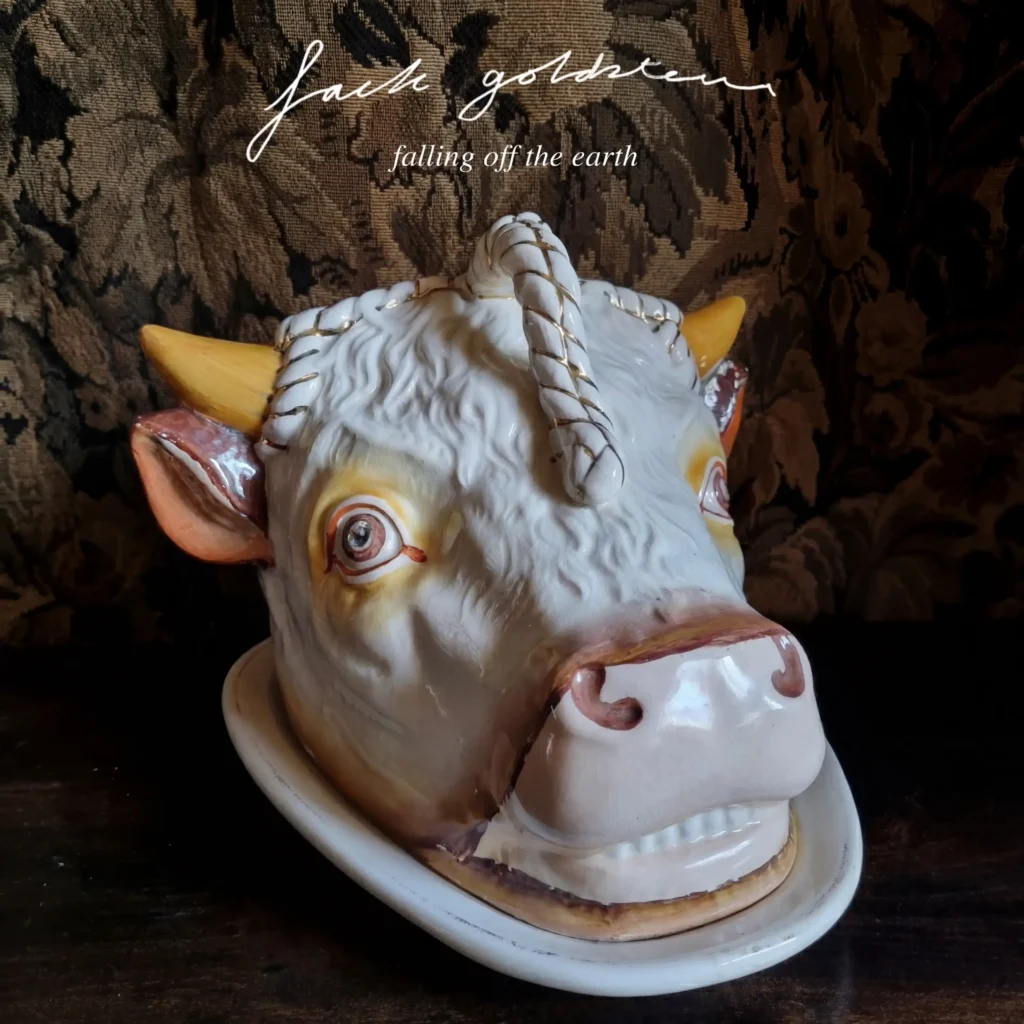
Jack Goldstein’s “falling off the earth” is one of those songs that initially walks up to you wearing a friendly, slightly scruffy Americana jacket, shakes your hand, tells you about farming in the 1980s, and then about halfway through, sets that jacket on fire and asks you to think about mortality. It is sincere, ambitious, emotionally loaded, and just self-aware enough to know that it’s doing a lot. Whether that “lot” always coheres is another question. But it is never boring, and in 2026, that already counts as a minor miracle. The opening stretch plays things surprisingly straight. There’s a warm, mid-tempo, piano-and-guitar backbone that feels deliberately retro, evoking Warren Zevon, Billy Joel, and the faint ghost of every inspirational sports-movie montage ever made. Goldstein’s voice sits comfortably in that space, earnest without being cloying, reflective without collapsing into whispered indie sadness. It works. You settle in. You think, “Okay, this is a thoughtful folk-country-adjacent song about history and loss. I understand the assignment.” Then the song remembers that Jack Goldstein does not, in fact, like assignments. Halfway through, “falling off the earth” detonates into a wall of distortion, mangled synths, and aggressive overdrive. The warm nostalgia is replaced by something closer to controlled panic. It’s effective in a cinematic sense, mirroring the lyrical themes of erasure and collapse. Stability gives way to noise. Memory gives way to entropy. Conceptually, it’s smart. Sonically, it’s confident and beautifully executed. If you’ve spent time in the “internet-era auteur with feelings, headphones, and a distortion pedal” ecosystem, this structure will feel familiar: the hushed introspection, the sudden emotional rupture, the dramatic sonic expansion. Goldstein clearly understands why this approach works, and more importantly, he knows how to adapt it to his own voice. Rather than imitation, it feels like conversation. Where some artists use this formula as a shortcut, Goldstein uses it as a framework. It gives his ideas room to breathe. What truly anchors the song is its emotional specificity. His reflections on the farming crisis and childhood memories prevent the track from drifting into abstract melancholy. The use of sampled brass band recordings from his late parents is especially powerful. This isn’t just clever production; it’s memory embedded in sound. When those samples appear, the song stops being theoretical and becomes tactile. You can feel the past pressing gently against the present. There’s a real Quadeca-level of production quality in this track that personally makes the track so much more impressive. The song’s biggest strength is how confidently it embraces scale. It isn’t afraid to be big, emotional, noisy, sentimental, and intellectually curious all at once. The escalation never feels like a gimmick; it feels earned. Each sonic shift reflects a psychological one. ⁺‧₊˚ ཐི⋆falling off the earth⋆ཋྀ ˚₊‧⁺ by Jack Goldstein Even when it leans into familiar structures, it does so with craft and intention. Goldstein’s songwriting is tight, his production is adventurous without being chaotic, and his vocal delivery remains grounded throughout. He never loses the human thread.  “falling off the earth” is a generous, ambitious piece of songwriting. It honors its influences, builds on them thoughtfully, and uses them to tell a story that is deeply personal and quietly universal. It’s about disappearance, memory, and endurance… and about finding ways to turn all three into something loud, beautiful, and worth holding onto. Follow Jack Goldstein Facebook Twitter Spotify Bandcamp Instagram Promoted Content About the Author

“falling off the earth” Is a Generous, Ambitious Piece of Songwriting Read More »