loader image

2026

“Ride the Storm” Feels Raw Without Sounding Unfinished

Some songs try to sound big by throwing everything at you at once. “Ride the Storm” by Fanny Alexandra does the opposite; it strips things back so much that when something does hit, you actually feel it. It’s the musical equivalent of someone leaning in and saying, “no, listen,” instead of shouting across the room. And weirdly, that restraint ends up making it hit harder than a lot of louder, busier tracks trying to do the same thing. From the start, the song settles into this dark, slow-burn groove built around gritty guitar work that feels more blues than straight alt-rock. It’s not flashy, not overly polished’ if anything, it sounds like it’s actively resisting polish. The tone is rough around the edges in a very deliberate way, like sanding it down any further would ruin the whole point. There’s space in the arrangement too, which is doing a lot of heavy lifting. Instead of constantly filling every second, the track lets things hang, building tension by just not resolving it immediately. That tension is really what drives the song. It doesn’t explode so much as it tightens. The guitars circle around the same ideas, the rhythm stays steady but heavy, and everything feels like it’s slowly closing in on something without quite getting there. It’s cinematic, but not in the “huge orchestra, dramatic swell” way. Rather, it’s more like a long, quiet shot where you know something’s about to go wrong, you just don’t know when. Then there’s the vocal performance, which is probably the most interesting part of the whole thing. Instead of going full power all the time, Fanny Alexandra keeps it controlled, almost restrained, like she’s holding something back on purpose. That makes the emotional weight feel more real, less performative. When the intensity does creep in, it feels earned rather than forced, which is a surprisingly rare thing in this kind of track. And that’s kind of the trick “Ride the Storm” pulls off. It feels raw without sounding unfinished, and it builds atmosphere without relying on big, obvious moments. It’s not trying to overwhelm you; it’s trying to pull you in and keep you there, sitting in that tension for as long as possible. And by the end, you realize it didn’t need to shout to make its point. It just needed to stay exactly as intense as it is. Follow Fanny Alexandra Spotify Instagram Promoted Content About the Author

“Ride the Storm” Feels Raw Without Sounding Unfinished Read More »

In a Music Scene Where Every Project Is Supposed to Be a “Statement,” i connect with beats more than humans Is Content Being a Snapshot

There’s a specific moment in every underground music fan’s life where you discover a new micro-scene online and immediately fall down a rabbit hole. One minute you’re listening to whatever your usual rotation is, the next minute you’re six producers deep into some hyper-specific SoundCloud tag like “plug rage ambient trapcore” wondering how you got here. i connect with beats more than humans, the latest project from CXBIS, feels exactly like that moment. Technically, it’s being presented as an album. Realistically, it behaves more like a short EP or a loose compilation of experiments; eight tracks that run quickly, hit hard, and leave before they’ve had time to overthink themselves. And that’s not a criticism. In fact, it’s kind of the entire point. The project exists because CXBIS recently discovered the plug sound and decided to see what would happen if he leaned into those abrasive bass textures and weirdly groovy melodic loops for a while. The result is something that sits comfortably in the same chaotic neighborhood as Yeat and Playboi Carti’s rage-era experiments: blown-out bass, slightly surreal atmosphere, and a general sense that structure is more of a suggestion than a rule. Tracks like “ill breaking your fucking neck (anybody)”, immediately tells you what kind of project this is going to be. First of all, the title alone feels like it was typed at 2:37 a.m. while someone was extremely confident about something. But more importantly, the production comes in loud, distorted, and impatient. The bass doesn’t gently introduce itself; it kicks the door down. It’s the sort of opener that works less like a traditional “first track” and more like someone hitting play halfway through a mosh pit. Then “ONI” follows up by leaning into the eerie side of the plug aesthetic. The beat has this slightly ominous quality, like something lurking behind the distortion. The melodies drift around in that oddly hypnotic way plug beats tend to do, where you’re not entirely sure why the loop works, but your brain is absolutely locked into it anyway. “ISEE” slows things down just enough to reveal what CXBIS probably liked most about the sound in the first place: the groove. Underneath all the distorted bass and chaotic textures, there’s actually a pretty strong sense of rhythm running through the track. Plug beats often hide their catchiness under layers of noise, but when the rhythm settles in, it becomes weirdly addictive. Who Knows? sits near the center of the project and kind of sums up the entire vibe. The name itself almost feels like an explanation for the project’s creative approach: try things, see what sticks, move on. The production mixes abrasive bass with a bouncing rhythm that lands somewhere between hypnotic and slightly unhinged — which, to be fair, is exactly where the rage scene tends to live anyway. Then we get “piss stain,” which continues the project’s commitment to embracing rawness over polish. It’s messy in a deliberate way, the kind of track that feels like it was built quickly and confidently rather than meticulously engineered. And honestly, that spontaneity works in its favor. “Whatever (right)” offers one of the project’s few moments of relative calm. The bass is still there, obviously; this is still a rage-adjacent project after all, but the pacing relaxes slightly, giving the groove a chance to breathe. It’s a small change, but it helps keep the project from turning into eight consecutive minutes of sonic demolition. Then “bands to make her dance” pushes the energy back up again with a beat that feels built almost entirely around movement. The rhythm here is the star of the show; less chaotic, more propulsive. It’s the sort of track that feels engineered for speakers rather than headphones. CXBIS has been pretty upfront that this project came from stumbling across the plug sound and deciding to try it out. It’s not trying to redefine the genre, and it’s not pretending to be some grand artistic manifesto. It’s a quick, curious dive into a style that caught the artist’s attention. And there’s something refreshing about that honesty. In a music scene where every project is supposed to be a “statement,” i connect with beats more than humans is content being a snapshot; a moment where an artist tried something outside their usual sound just to see how it felt. Sometimes those experiments lead to entirely new directions Sometimes they just make for a fun eight-track detour. In this case… well… who knows? Follow CXBIS Instagram Youtube Spotify Promoted Content About the Author

In a Music Scene Where Every Project Is Supposed to Be a “Statement,” i connect with beats more than humans Is Content Being a Snapshot Read More »

“USA” Isn’t Trying to Guide You Gently Toward a Conclusion or Offer a Neatly Packaged Takeaway

Some songs ease you in. “USA” by OpCritical just kicks the door open, knocks something over on the way in, and immediately starts arguing with the room. It’s loud, a little chaotic, and very clearly not interested in subtlety. From the first few seconds, the track plants its flag and refuses to move, diving headfirst into commentary about the current state of America with the kind of urgency that feels less composed and more accumulated; as if this isn’t a carefully drafted statement so much as everything spilling out at once. And crucially, it never really calms down. If anything, “USA” treats escalation as a design choice. Instead of smoothing its edges or pulling back for contrast, it keeps stacking intensity on top of itself, as if worried that pausing might dilute the message. The result is a track that feels constantly in motion; not evolving in a traditional sense per se, but pushing forward through sheer insistence. It’s less about crafting a neat arc and more about maintaining pressure. That same mindset shows up in the production. “USA” doesn’t settle into a single genre long enough to be pinned down, jumping between rock, punk, grunge, and trap with a kind of deliberate restlessness. The guitars hit hard and upfront, carrying that raw, slightly abrasive energy all the while the rhythm runs about just enough to keep things interesting. Underneath it all, there’s an Arabic-inspired motif threading through the track, adding an unexpected layer that subtly destabilizes the whole thing. It’s not there to smooth anything out; it’s there to make the song feel like it’s leaning slightly off-center at all times. The track operates in big strokes. It doesn’t tiptoe around its ideas; it leans into them, using heightened imagery to frame a country caught in a constant state of tension. People are either checking out or digging in, and that push-and-pull becomes the song’s emotional engine. There’s a sense that everything is happening at once, that there’s no clean resolution waiting at the end, just a series of reactions to an ongoing situation. “USA” isn’t trying to guide you gently toward a conclusion or offer a neatly packaged takeaway. It’s trying to hold your attention long enough to make sure you hear it. And whether you agree with it or not, it commits fully to that goal; loudly, relentlessly and without much interest in doing anything halfway. Follow OpCritical Globe Soundcloud Youtube Promoted Content About the Author

“USA” Isn’t Trying to Guide You Gently Toward a Conclusion or Offer a Neatly Packaged Takeaway Read More »

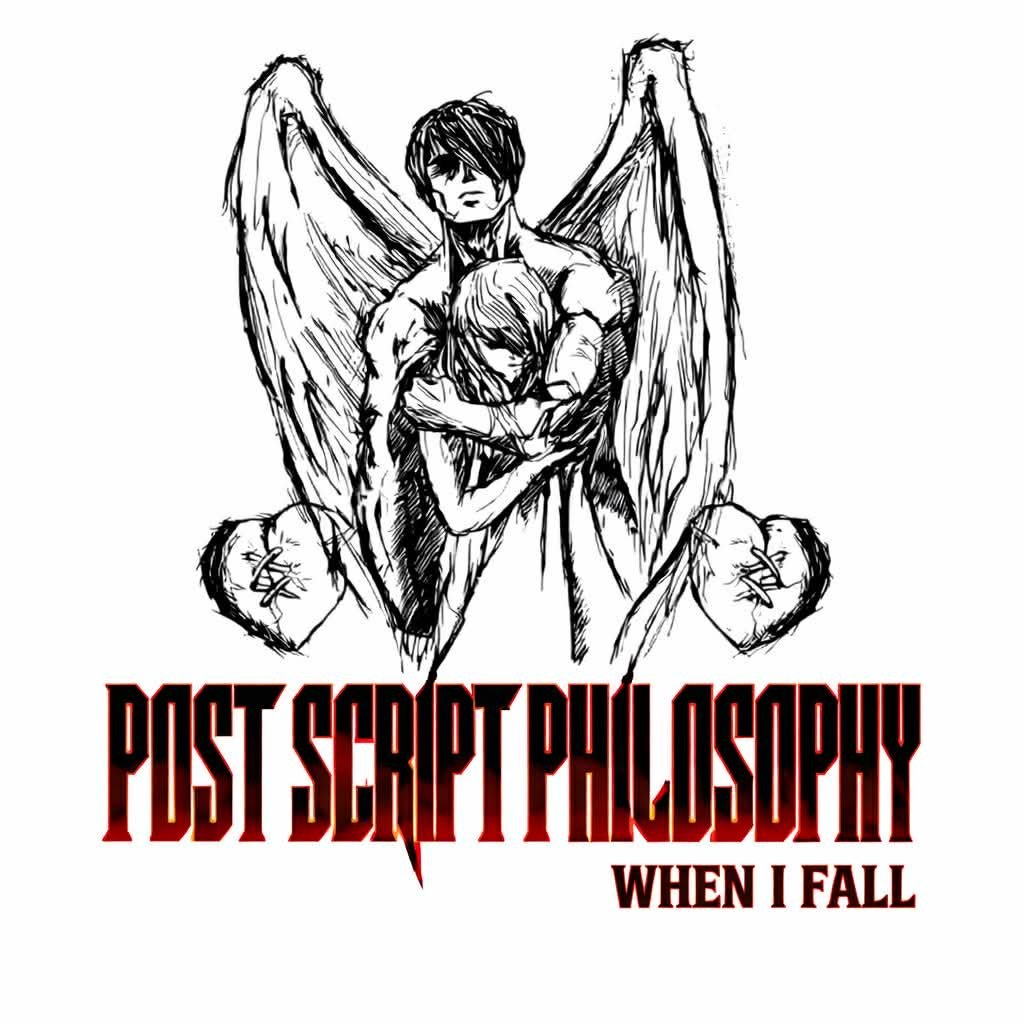
POST SCRIPT PHILOSOPHY DELIVERS A BLISTERING BLAST OF CATHARTIC NOISE ON ‘WHEN I FALL’

“A raw, throat-shredding explosion of post-hardcore angst that begs to be played at maximum volume.” A distortion pedal clicks on and suddenly you are standing in the middle of a crowded basement show. Post Script Philosophy does not bother with a polite introduction on “When I Fall,” opting instead to throw the listener straight into a churning vortex of post-hardcore grit. The opening riff feels thick and physical, carrying the kind of weighty momentum that rattles the floorboards and vibrates right through your chest. There is an immediate sense of urgency established by the driving drum patterns and the heavy, buzzing bassline that anchors the chaos. This is music that demands to be played at maximum volume, designed to overwhelm the senses and force a physical reaction. When the vocals tear through the wall of sound, they carry a ragged, throat-shredding intensity that immediately raises the stakes. The delivery is pure, unfiltered desperation, swinging wildly between a melodic plea and a strained, agonizing shout. Without needing to dissect every word, you can feel the precise shape of the grief being expressed, a frantic search for solid ground when everything else is collapsing. The vocalist pushes their range to the absolute limit, letting their voice fray and crack at the edges, which only makes the performance feel more vulnerable and human. It is the sound of someone pouring every ounce of their remaining energy into a microphone to see if anyone is listening. The production wisely refuses to polish away the rough edges, leaving the mix deliberately abrasive and wonderfully chaotic. The guitars roar with a dense, metallic crunch that feels indebted to the noisy, uncompromising ethos of the late Steve Albini, while the rhythm section hits with the frantic energy of classic emo records. Post Script Philosophy channels the same emotionally charged aggression found in the best work of bands like Title Fight or Touché Amoré, balancing overwhelming noise with an undercurrent of undeniable heartbreak. Every crash cymbal and distorted chord feels like a deliberate choice to amplify the raw emotion rather than obscure it. Around the two-minute mark, the arrangement exhales, dropping into a tense instrumental bridge that offers a brief, deceptive moment of relief. The guitars swirl and churn in the background, building a palpable sense of anxiety before the rhythm explodes into its final, catastrophic climax. This final minute is an absolute triumph of controlled chaos, layering the desperate screams over a relentless barrage of percussion and fuzz. You can feel the sheer exhaustion in the performance, the sense of a band leaving absolutely everything on the floor as the instrumentation races toward its abrupt conclusion. It is a thrilling, cathartic release that feels completely earned after the punishing buildup. Post Script Philosophy turns the darkest corners of human anxiety into a brilliant explosion of triumphant noise on “When I Fall.” They have created a monument to the power of screaming your lungs out in a dark room until you feel better, proving that volume can be the most effective form of therapy. The final note lingers long after the recording cuts out, leaving a ringing in your ears and a strange, comforting lightness in your chest. This is independent rock music at its absolute finest, messy and loud and beautifully alive.  Spotify

POST SCRIPT PHILOSOPHY DELIVERS A BLISTERING BLAST OF CATHARTIC NOISE ON ‘WHEN I FALL’ Read More »

DEF NETTLE DELIVERS A RIGID, CYNICAL EXERCISE IN DANCE-PUNK MINIMALISM

“On ‘Mohawk,’ veteran producer Glen Brady strips post-punk down to its functional, metronomic chassis.” Scores of disaffected men speaking over wiry guitars crowd the post-punk revival. Yard Act and Fontaines D.C. built a cottage industry out of this specific brand of cynical sprechgesang. Def Nettle, the project of veteran Irish producer Glen Brady, steps into this arena with “Mohawk.” He ignores the dour atmosphere of his contemporaries and embraces the rigid pulse of early 2000s dance-punk. Brady anchors the groove with a muffled bassline right out of the gate. He establishes a rigid tempo engineered for a cramped basement club. The band slices choppy, distorted guitars through the mix, providing an abrasive counterpoint to the metronomic drum kit. Brady pulls influence from the jagged funk of early LCD Soundsystem, prioritizing physical momentum over harmonic variation. The frontman adopts a baritone drawl that channels the late Mark E. Smith of The Fall. He delivers his observations with a detached, sardonic edge, treating his voice as a percussion instrument. He locks his syllables into the precise grid of the bass. During the chorus, he repeats the central hook with a deadpan weariness that strips the titular haircut of any remaining rebellious cachet. Brady risks making the arrangement feel static through his strict fixation on a monotonous groove. Listeners wanting a massive structural shift or a melodic bridge will find themselves staring at a brick wall. Yet, he generates a claustrophobic tension through that unyielding repetition. By refusing to offer a pop release valve, he makes the relentless rhythm infectious. Def Nettle succeeds by stripping his influences down to their functional chassis. Brady ignores the temptation to dress up his punk-funk hybrid with commercial studio gloss. He delivers a tight, abrasive exercise in rhythmic cynicism. Through these choices, Brady offers a sharp, unsentimental reminder that underneath the posturing, alternative culture remains another beat to dance to. Facebook Spotify

DEF NETTLE DELIVERS A RIGID, CYNICAL EXERCISE IN DANCE-PUNK MINIMALISM Read More »

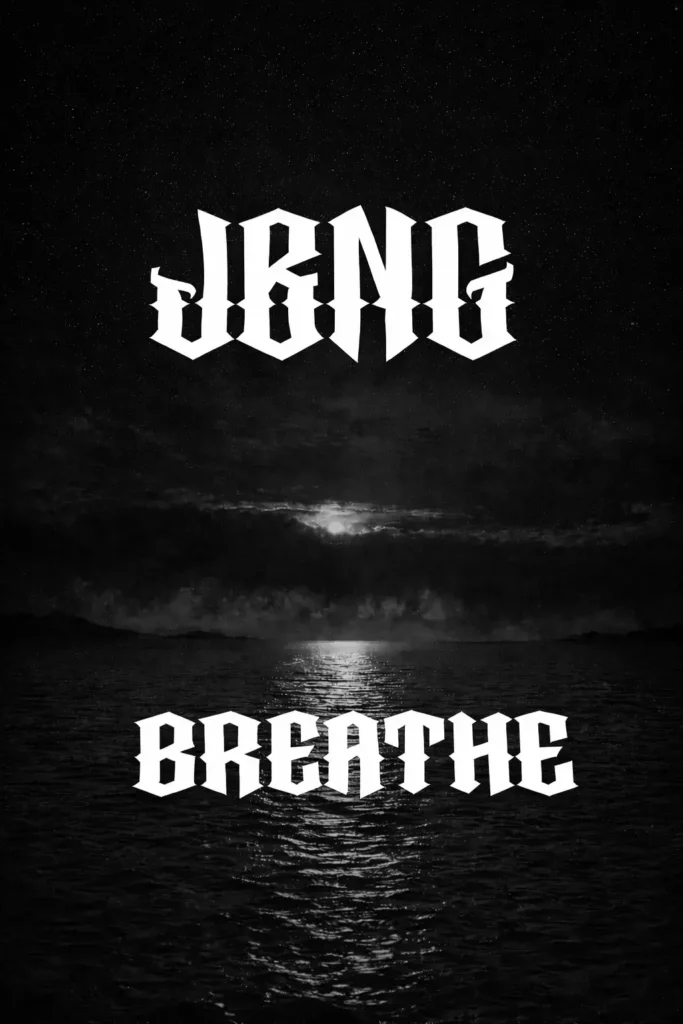
JBNG AND DAVE MARTONE STRIP ALTERNATIVE ROCK TO ITS CLAUSTROPHOBIC CORE ON “MANY MOONS”

“Frontman Jaben John Groome enlists a Canadian guitar virtuoso to transform nineties angst into a suffocating, physical weight.” A jagged, downtuned guitar riff carves through the opening seconds of “Many Moons” before the rhythm section hammers it into submission. JBNG frontman Jaben John Groome made a shrewd calculation recruiting Canadian guitar veteran Dave Martone for this collision of post-grunge and alternative rock. Martone built his career playing alongside instrumental technicians, and he wields his instrument with a measured aggression that grounds the entire track. The guitarist hits the listener with thick, menacing compression, avoiding any risk of dated radio-rock pastiche. Groome shapes the distortion into a claustrophobic, deliberate weapon, turning nostalgic nineties angst into a precise physical weight. Groome barks his way through the verses with a gravelly strain that sounds exhausting and physical. He scrapes his voice against the heavy instrumentation, delivering lines about crawling on the ceiling and breaking his back with a ragged, desperate urgency. He draws from the legacy of alternative metal vocalists who trade technical perfection for raw, bleeding-throat endurance. The frontman pushes his own performance back in the mix, forcing the listener to work to catch every syllable. This mixing choice forces the vocals to fight for space against Martone’s massive riffs, mirroring the thematic focus on suffocation and losing one’s mind. Groome designs the chorus as a blunt-force pressure release valve. Martone stacks guitars into massive walls of sound while drummer Matt Koopman shifts into a pounding, relentless groove. Groome wails about going off the deep end, finding a massive hook hidden beneath the sludge. He avoids the typical loud-quiet-loud dynamic favored by his genre forebears, preferring to sustain a high-stress plateau from the first verse to the final chorus. Bassist Tim Charman drives a persistent throb beneath the chaos, maintaining the momentum even when the vocal melody threatens to drag the track into a doom-metal trudge. In the final thirty seconds, the band cuts the massive rock arrangement to dead air, leaving behind a historical piece of NASA launch audio. A mission control voice announces main engine ignition and liftoff over fading static. Producers have dropped space-race samples into heavy music for decades, but Groome deploys his to punctuate themes of escapism and explosive departure. He uses the sterile archival recording to provide a sharp contrast to the sweat and grime of the past three minutes. This aesthetic pivot frames the aggressive performance as a desperate attempt to achieve escape velocity.“Many Moons” demands attention through sheer force. The musicians offer a bruising reminder that heavy guitars and shredded vocal chords possess a brutal effectiveness when applied with precision. Groome and Martone strip away modern pop-rock gloss, leaving nothing but bone, grit, and feedback. They execute their vision with ruthless efficiency, proving that the best way to handle overwhelming anxiety is to drown it out with volume. The band leaves a mark after the final rocket engines fade.  Facebook Spotify

JBNG AND DAVE MARTONE STRIP ALTERNATIVE ROCK TO ITS CLAUSTROPHOBIC CORE ON “MANY MOONS” Read More »

LOVE GHOST TRADES EMO ANGST FOR INDUSTRIAL AGGRESSION ON THE CATHARTIC ‘REVOLUTION EVOLUTION’

“A brutal pivot to mechanical heavy rock finds Finnegan Bell embracing pure kinetic energy and apocalyptic tropes.” Love Ghost built their early catalog in the hazy intersection of emo and trap rock. On their upcoming Anarchy and Ashes release, frontman Finnegan Bell forces a brutal collision with 1990s industrial rock. He recruits veteran producer Tim Skold to drag the band into mechanical, hostile territory. With ‘Revolution Evolution,’ the group abandons their previous adolescent angst for rigid, militaristic aggression. Bell trades emotional vulnerability for a clenched fist. Skold leaves his unmistakable fingerprints across the entire mix. He opens the arrangement with a punishing, mechanized drum loop pulled from the Antichrist Superstar sessions of Marilyn Manson. Bell deploys guitars as blunt instruments of force. The musicians lock the riffs into a rigid groove alongside the distorted bassline. The frontman sheds his standard melodic elasticity and adopts a chanted, deadpan bark to mimic a rally leader shouting through a megaphone. Skold programs abrasive synthesizers to screech in the background and simulate screaming sirens. Bell constructs the lyrics using apocalyptic, riot-ready tropes. He connects fragmented observations of societal decay. The frontman highlights ‘helicopters in the sky’ and declares ‘this is surveillance’ over the pounding rhythm. He positions himself as a cynical spectator watching the collapse of modern order. He references ‘Jesus Christ on skid row’ and ‘apes on a stage’ to paint a bleak picture. By abandoning traditional narrative cohesion, Bell builds an aggressive mood board of urban dystopia. The singer uses the repetitive chorus demand to ‘Behold the evolution’ to mount a theatrical performance of rebellion. Love Ghost invites immediate comparison to Nine Inch Nails or Ministry by adopting their established industrial playbook. The band mimics the aggressive aesthetic markers of those titans, yet Bell omits their specific brand of underlying psychological terror. He deploys anger as a deliberate stylistic choice. The frontman chants ‘We march onto the riot’ to encourage massive arena singalongs. The group treats political unrest as an aesthetic posture.Skold gives Love Ghost their sharpest and clearest audio profile. They deliver a massive, cathartic rock anthem with absolute conviction and maximum volume. The band manufactures the rebellion from scratch, but the musicians execute the illusion with convincing force. Love Ghost masters the heavy machinery. Bell batters the audience into submission through pure kinetic energy.  Facebook Spotify

LOVE GHOST TRADES EMO ANGST FOR INDUSTRIAL AGGRESSION ON THE CATHARTIC ‘REVOLUTION EVOLUTION’ Read More »

Sid Is About Navigating Identity and Perspective

Some debut albums arrive like a statement. Others arrive like a question that hasn’t quite decided what it’s asking yet. Sid, the debut English-language album from Dian Sheng, sits comfortably in the second category, carrying ideas about identity, culture, and self-understanding without rushing to pin any of them down. Sheng builds Sid like a conversation that keeps drifting into new rooms. Not abruptly, not for the sake of showing range, but because that’s just how thoughts work when you’re trying to figure something out. The album exists in that liminal space between clarity and uncertainty, where identity isn’t declared so much as slowly assembled. Musically, Sid moves like it’s refusing to sit still long enough to be labeled properly. Pop, rock, electronic, jazz; they’re all here. It’s closer to the sound of someone following a feeling and letting the genre catch up later. The result is cohesive without being rigid, varied without feeling like it’s trying to impress you for points. There’s a quiet confidence baked into that. Not the loud, debut-album confidence of “this is exactly who I am,” but the more interesting version: “this is who I might be, give me a minute.” Sid isn’t racing toward a conclusion; it’s wandering, deliberately, between ideas and versions of the self and crucially, it knows that wandering is the point. “Right Now” opens the album without making a scene about it. No dramatic entrance, no oversized hook demanding attention; just a clean, guitar-led structure that feels grounded enough to stand on its own. It’s doing something deceptively simple: establishing trust. It lets Sheng’s melodic instincts speak first, without clutter, and sets the tone for an album that’s more interested in unfolding than announcing. “I Come From Far” is where things start to stretch out a bit. The arrangement opens, the emotional scope widens, and suddenly the album feels like it has somewhere to go; even if it’s not entirely sure where that is yet. There’s a sense of movement baked into the track, like it’s constantly in transit, never fully landing. It doesn’t try to resolve the idea of belonging; it just keeps orbiting it, which ends up feeling more honest anyway. “Undecided Love” is where Sid leans into hesitation as an actual aesthetic choice. The jazz influence slows everything down; not just musically, but emotionally. Notes linger, phrases stretch, and nothing rushes toward a neat conclusion. It’s a song that seems actively uninterested in giving you a clear answer, which is exactly why it works. It sits in that uncomfortable middle space and just stays there, letting the ambiguity do the heavy lifting. “It Will Be Alright” sounds like reassurance on paper, but in practice it’s more like reassurance being carefully assembled in real time. The structure leans more toward pop, but there’s still that slight hesitation underneath it, like the song is testing its own optimism before fully committing. It doesn’t oversell the feeling; it lets it exist, a little tentative, which makes it land more naturally. “Seventeen” shifts the album into motion. Suddenly there’s energy, momentum, something closer to forward drive. The electronic textures add urgency, the melody pushes outward, and the whole track feels like it’s happening in the present tense. There’s a hint of retro influence, sure, but it doesn’t feel like nostalgia. It feels immediate, like the song is less about remembering youth and more about being stuck right in the middle of it. “This Life” pulls things back, but not into stillness; more into reflection with a wider lens. The arrangement builds gradually, layering ideas instead of stacking them, giving the track a sense of progression that feels earned rather than imposed. It holds multiple perspectives at once without forcing them into alignment, which makes it feel expansive without losing focus. “The Way Before” is where the album really leans into its conceptual side. The pacing slows just enough to let the ideas breathe, and the arrangement follows suit; more organic, more textured, less concerned with momentum. It treats memory like something unstable, something that shifts depending on how you look at it. Not a fixed archive, but an ongoing rewrite. It’s the kind of track that doesn’t just revisit the past, it questions whether revisiting it even works the way we think it does. “Shining As Your Name” closes the album by doing something that feels almost radical in its restraint: it doesn’t try to be a finale. The arrangement strips back, the focus narrows, and the song settles into a quieter space. It feels less like an ending and more like a pause; a moment where the album stops asking questions out loud, not because they’ve been answered, but because they’ve been asked enough for now. At its core, Sid is about navigation; of identity, of perspective, of the strange, ongoing process of figuring out where you exist in relation to everything else. Sheng doesn’t present those ideas as fixed conclusions; he treats them as moving parts, constantly shifting and recontextualizing themselves. And rather than trying to resolve that uncertainty, the album leans into it, letting the listener sit in that space where things are still forming. Follow Dian Sheng Facebook X-twitter Spotify Soundcloud Youtube Instagram Promoted Content About the Author


Sid Is About Navigating Identity and Perspective Read More »

“Used to Be Young” Is Reflective Without Becoming Melodramatic, Nostalgic Without Getting Stuck in the Past

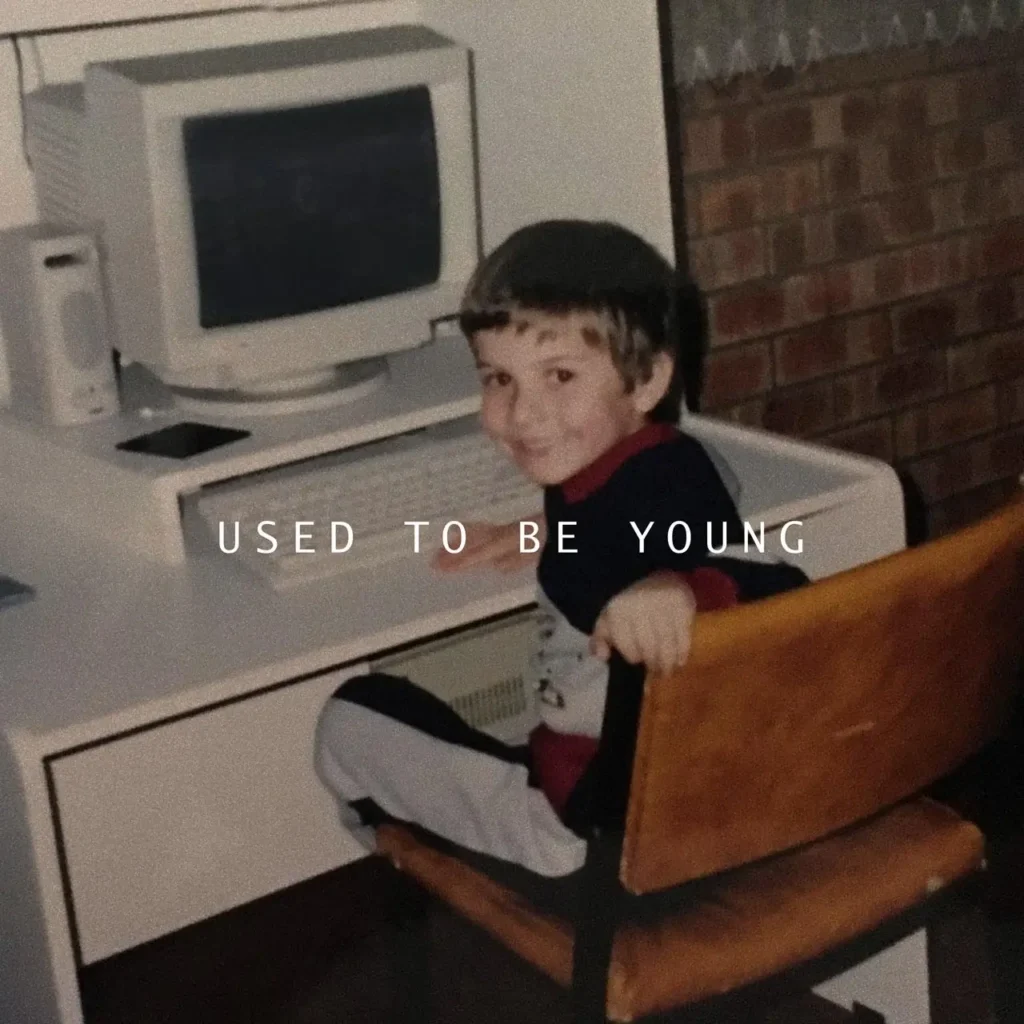
There are two ways to cover a pop song. The first is the karaoke method: sing it more or less the same way, hit the big notes, maybe add one dramatic key change if you’re feeling ambitious. The second is the slightly more interesting approach, where you take the song apart, look at what it’s actually about, and then rebuild it so it sounds like something you might have written yourself. Philip La Rosa’s version of “Used To Be Young” is firmly in the second category. Originally recorded by Miley Cyrus, the song already arrives with a built-in sense of nostalgia. It’s a reflective pop ballad about youth, mistakes and the strange realization that the person you used to be is technically a different person who made a lot of questionable decisions back then. La Rosa’s version leans into that reflective energy even further, positioning the track as a natural continuation of the themes he explored in his previous single, “Introspection.” Rather than treating the song like a standalone cover, he approaches it like the next chapter in an ongoing conversation about growth and self-reflection. Recorded in Perth, Western Australia, the production pulls back from the polished pop gloss of the original and moves toward something softer and moodier. The arrangement drifts into an 80s-leaning new-wave space; think shimmering synths, hazy guitars and a rhythm section that feels like it wandered out of a very emotional late-night radio broadcast. It lands somewhere between the rock-edged pop of Cyrus’ Plastic Hearts era and the warmer, reflective atmosphere of Endless Summer Vacation. The result is a sound that feels nostalgic without turning into a full retro cosplay. What really sells the cover, though, is the performance. Instead of trying to replicate Cyrus’ delivery, La Rosa opts for something quieter and more conversational. The lyrics land less like a stadium-sized pop confession and more like someone reading an old journal entry out loud and realizing halfway through that it still hits a little harder than expected. That shift in tone changes the emotional center of the song. In that sense, “Used To Be Young” fits neatly into Philip La Rosa’s growing catalog. It’s reflective without becoming melodramatic, nostalgic without getting stuck in the past. By filtering a familiar song through his own perspective, La Rosa turns the track into something quietly universal because sometimes looking back isn’t about regret; sometimes it’s just about noticing how far you’ve traveled. Follow Philip La Rosa Globe Facebook X-twitter Spotify Soundcloud Youtube Instagram Tiktok Promoted Content About the Author

“Used to Be Young” Is Reflective Without Becoming Melodramatic, Nostalgic Without Getting Stuck in the Past Read More »

The Emotional Tone of the Stories Being Told and That Attention to Detail Is What Ultimately Makes Quiet Revolution Great

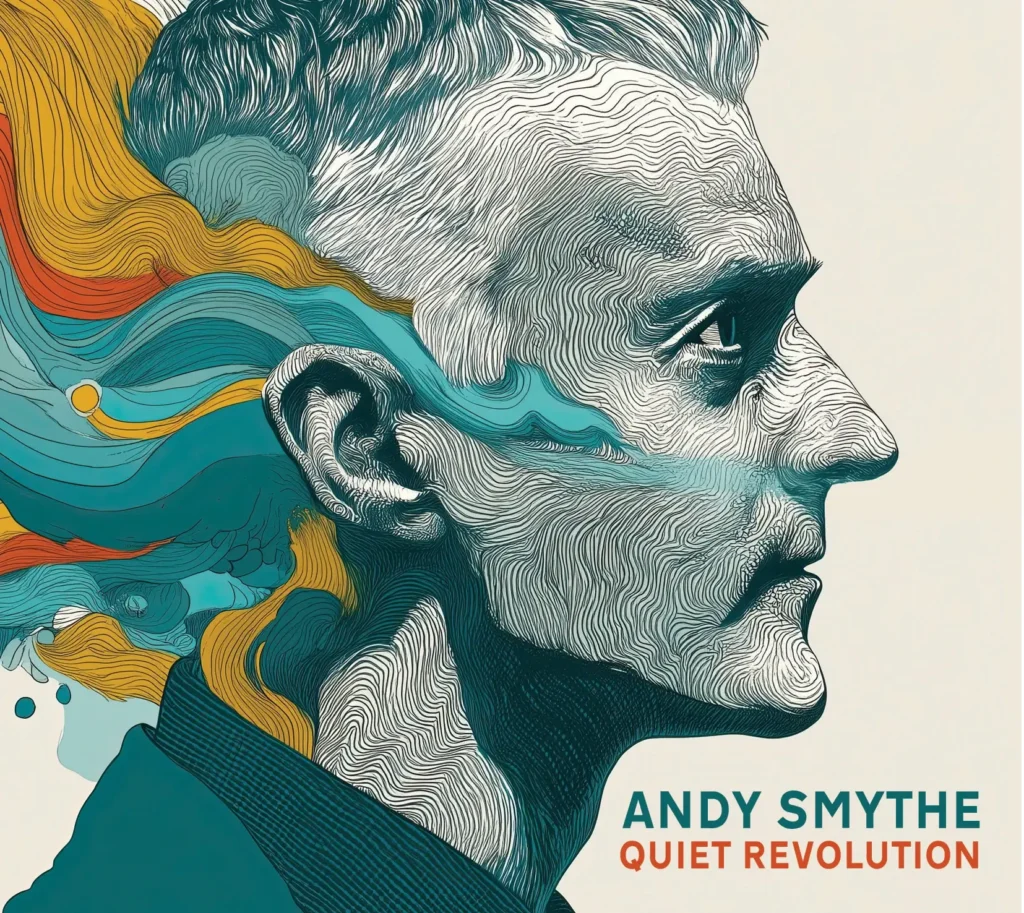
There are two kinds of protest albums. The first kind are loud about it. You know the type: guitars turned up, slogans shouted directly at the nearest microphone, maybe a chorus that feels designed specifically for chanting at a demonstration. They’re not subtle, but that’s sort of the point.The second kind are quieter. Reflective. The sort of records that don’t so much shout about injustice as stare at it for a long time and then write something thoughtful, sometimes angry, sometimes sad and all of it really more about how strange the world has become. Andy Smythe’s Quiet Revolution very clearly belongs to the second category.  This is Smythe’s ninth studio album, which is the sort of fact that tells you two things immediately. First, this is not a new artist suddenly discovering songwriting as a vehicle for social commentary. Second, he’s been doing this long enough to have figured out exactly how he wants his records to sound. His influences are pretty clear: stuff from Nick Drake, Leonard Cohen, Bob Dylan and the Lennon/McCartney songwriting tradition all hover somewhere in the background, but Quiet Revolution doesn’t feel like a nostalgia exercise. Instead, it plays more like a carefully constructed snapshot of a particular moment in time: specifically, the strange political and cultural atmosphere of our current days. The album opens with “Life of a Man” and it immediately establishes the record’s central tension. Musically it’s warm and almost laid-back; a shuffle supported by horns and harmonica, but lyrically it’s sharp and observant. Smythe writes about generational pressure, social expectations and the uneasy feeling that the rules of modern life don’t quite make sense anymore and that sense of quiet frustration becomes a recurring theme. The album’s title, Quiet Revolution, is less about literal revolution and more about the emotional state of someone watching the world drift toward increasing inequality and wondering how we got here. Smythe’s songs circle around issues like the concentration of wealth, social fragmentation and the gradual erosion of civic ideals but he rarely addresses them directly. Instead, he frames them through stories, relationships, and personal reflections. Take “Love Ain’t Free.” On the surface it’s a relationship song, but underneath it’s clearly grappling with the fallout from Brexit, not through political slogans but through the emotional confusion that followed it. The arrangement wraps the song in acoustic guitar, fiddle, and layered vocals, while Smythe poses a simple but pointed question: “Whatever happened to liberty, free speech and dignity?” It’s protest music, but filtered through introspection. Musically the album moves through a surprising range of textures. Smythe is a multi-instrumentalist. He’s playing guitars, piano, bass, organ, harmonica and that flexibility shows up in the arrangements. Across the record you’ll hear strings, trumpet, saxophone, fiddle, and various acoustic instruments weaving together into something that occasionally resembles a small folk orchestra. At times the album even feels slightly theatrical, unfolding more like a musical narrative than a straightforward collection of songs. There are moments that recall the ambitious studio experimentation of late-60s records; the kind of sprawling conceptual thinking associated with albums like Sgt. Pepper’s Lonely Hearts Band. That theatrical quality becomes especially clear in the way Smythe uses his voice. The contrast makes the album feel like it’s moving through different characters or perspectives. One of the more striking songs is “Half Empty, Half Full.” The track begins sparsely before the full band enters about a minute in, adding weight to Smythe’s lyrics about resilience and perception. A trumpet line drifts through the arrangement, giving the song a slightly Waterboys-like sense of grandeur. Meanwhile “The Rage In Me” introduces a darker, more percussive atmosphere. It’s one of the album’s angrier moments, though even here the anger feels measured rather than full-on explosive.  Elsewhere, Smythe experiments with lighter tonal shifts. “Leviathan,” for example, incorporates a subtle ska rhythm, which adds a surprising sense of optimism to a song otherwise concerned with large-scale societal problems.  The album’s central identity remains consistent: thoughtful, observant songwriting supported by carefully crafted arrangements. Smythe clearly spends time shaping the musical environment around each lyric, making sure the instrumentation reflects the emotional tone of the stories being told and that attention to detail is what ultimately makes Quiet Revolution great. This isn’t a protest album that tries to overwhelm the listener with anger. Instead, it’s a record that captures the feeling of living through uncertain times; the frustration, the disbelief, the occasional flashes of hope.  Smythe doesn’t present himself as a revolutionary leader. If anything, he comes across more like an observer standing slightly to the side of the crowd, quietly documenting what he sees which, in the end, may be exactly what the title was suggesting all along. Follow Andy Smythe Globe Facebook Twitter Spotify Soundcloud Bandcamp Youtube Instagram Promoted Content About the Author

The Emotional Tone of the Stories Being Told and That Attention to Detail Is What Ultimately Makes Quiet Revolution Great Read More »