

loader image

2026

A Defiant Anthem for the Slow Living Revolution

I want to make every second last,” sings The Reckless on their latest offering “Take My Time,” and while the sentiment might sound like a standard pop platitude on paper, the delivery carries the weight of a manifesto. It arrives as a deliberate middle finger to the frantic pace of the 2020s and it finds the independent artist carving out a sanctuary within a sea of relentless digital noise. The track functions as a rejection of hustle culture because it ignores the exhausting demands of productivity in favor of a steadier and more intentional pulse. The verses simmer with a controlled tension and the bassline feels like a ticking clock that has at last decided to quit its job. There is a grit to the production that reminds me of early The Black Keys but it is polished with a modern indie rock sensibility that keeps things feeling fresh and urgent. Every note feels placed with intention and the sparse arrangement allows the message to breathe before the chorus breaks the dam. When the chorus hits, the atmosphere shifts from a claustrophobic crawl to a wide-open vista and it feels like stepping out of a crowded room into a cold night. The Reckless understands the power of a well-timed crescendo and they use it here to reinforce the emotional payoff of reclaiming your schedule. It brings to mind the sprawling anthemic quality of U2 during their peak years and the vocal performance hits a sweet spot between defiance and serenity. “What’s the hold up? But believe me I’m getting warmed up,” they chant and it is a line that perfectly frames the quiet confidence at the heart of this project. The final lift of the track is where the magic happens because the layers of guitar and percussion swell into a triumphant wall of sound that feels like a hard-won victory. It is rare to hear an independent music artist command this much space and the technical execution suggests a level of maturity that takes years to develop. “Take My Time” is the kind of record that makes you want to turn off your phone and go for a long drive. It is a necessary reminder that we are allowed to exist at our own speed and The Reckless has provided the perfect soundtrack for anyone brave enough to embrace slow living. I find myself coming back to that final explosive minute over and over again because it feels like a release of all the anxiety that builds up during a standard work week. This is more than a song and it is a blueprint for a better way to live. Facebook Spotify Youtube
A Defiant Anthem for the Slow Living Revolution Read More »

4fro Nick’s Release Will Come as a Welcome Sound of Authenticity; a Set of Two Songs That Have the Patience to Be Heard

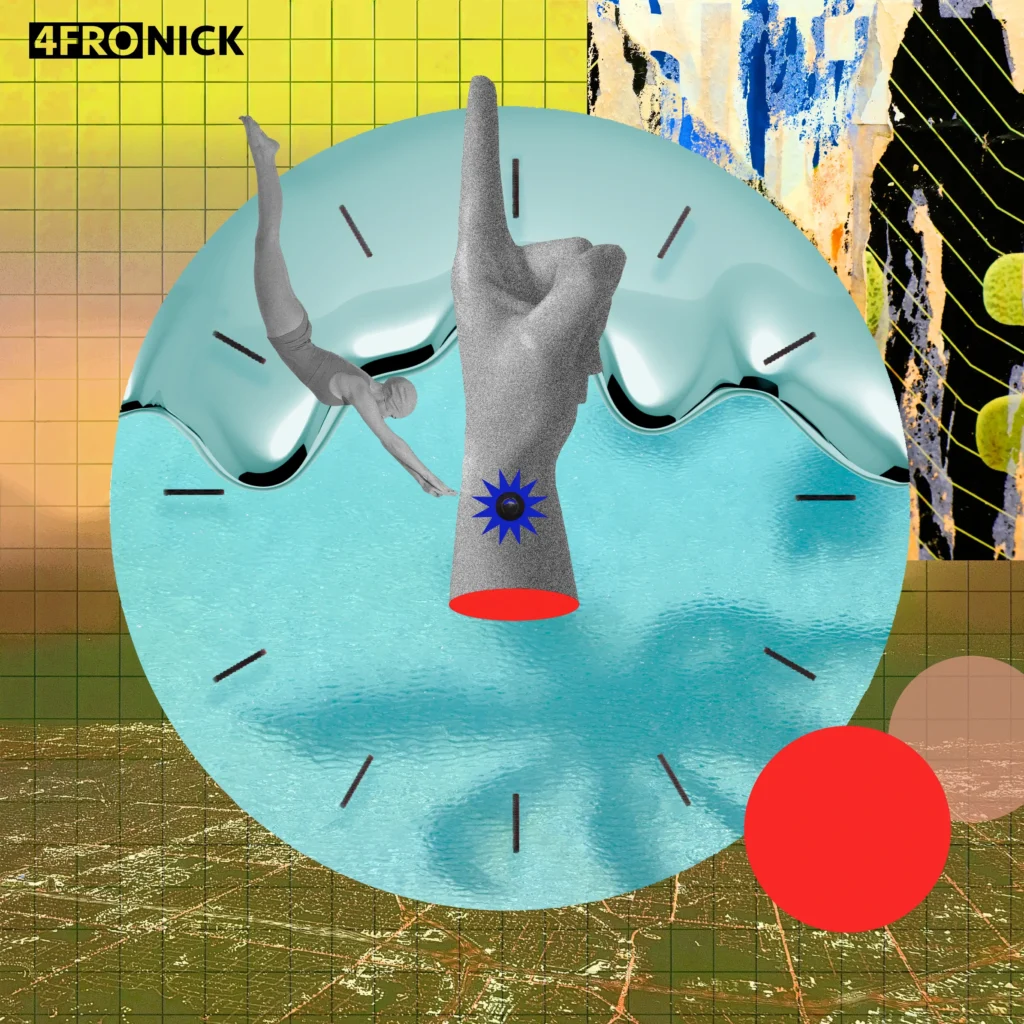
Let’s be honest, there’s a specific type of musician out there who genuinely sounds like they believe rock and roll has all the answers to the world’s problems. But I don’t mean the huge political, or economic kind of problems. We’re talking about more personal ones. The sort of problems that involve regret, wasted time, things you should have done and then the dawning realization that life moves way too fast once you’ve crossed the threshold of twenty-something. This is exactly the kind of musician that 4fro Nick sounds like he is. His newest release consists of two tracks that sound like they were fished from a bin of dusty records, which isn’t a bad thing at all. They were dug up for a reason, after all, and what you hear is two songs that embrace the authenticity of sounding “lived in”. Credit: 4fro Nick by Dwayne Crawford The first song on the EP is called “Don’t Waste My Time (LA Mix)” and that song can easily be deemed the emotional core of the whole release. It’s anchored by expressive singing and strong guitar lines that are just as good at knowing when to play louder as they are at knowing when to fall back into the background. The overall theme is that of one’s valuable time and a growing inability to spend it on meaningless endeavors, a subject, it turns out, most adults eventually need to learn over and over again. You get everything from indie rock elements to some very smooth soul and psychedelic sounds thrown into one seamless blend, and that all works with an amazing contribution from Grammys winner, pianist Leo Genovese. Drummer Johnny Radelat and bassist George Athanas form a cohesive unit, creating an impeccable, smooth groove which is all so perfectly in time it can’t help but remind you how much better music is when people are just playing together. I know that shouldn’t be high praise in the modern day and age but here we are. The B-side, “Get There Before Noon (LA2 Mix),” is built around a similar kind of idea but instead of focusing on past time you’ve lost, it encourages you to utilize your current time to achieve all of your goals before it is too late. If this song were being made by just anyone, it could easily become an overly preachy ballad, but with 4fro Nick, you feel like it’s honest advice from an older brother or best friend who’s done made all their mistakes and knows what they’re talking about. Both of these songs bring out a similar sound and feel as something that you might hear on a Father of Peace concert, with soulful rock music combined with psychedelic undertones, direct, heartfelt emotion and the mature wisdom that comes from experience. However, this is not to say that the sound is an imitation, as it shares the same genetic code with an artist like that who has a reputation for making honest, human, music over any trendy or superficial kind of sound. In a time and place where a good portion of the music being produced is crafted solely for attention spans of seconds and algorithm driven playlists, 4fro Nick’s release will come as a welcome sound of authenticity; a set of two songs that have the patience to be heard. A band, or in this case a lone artist, who still trusts the listener to just sit and enjoy what they are listening to, and isn’t that what music should be about in the end? The limited edition 7-inch pressing also really adds to the entire experience, the whole package feels very classic and the songs definitely do not sound like something you would put on while just glancing at your phone screen. This is music meant to be listened to, so forget about any and all digital convenience and imagine what that actually sounds like! Two songs, no tricks, and no manufactured pop nonsense. Just pure, human, heartfelt, and skilled songwriting. Follow 4fro Nick Globe Facebook X-twitter Spotify Soundcloud Bandcamp Youtube Instagram Tiktok Promoted Content About the Author

4fro Nick’s Release Will Come as a Welcome Sound of Authenticity; a Set of Two Songs That Have the Patience to Be Heard Read More »

A Scorching Rock Anthem for a Crisis That Cannot Be Ignored

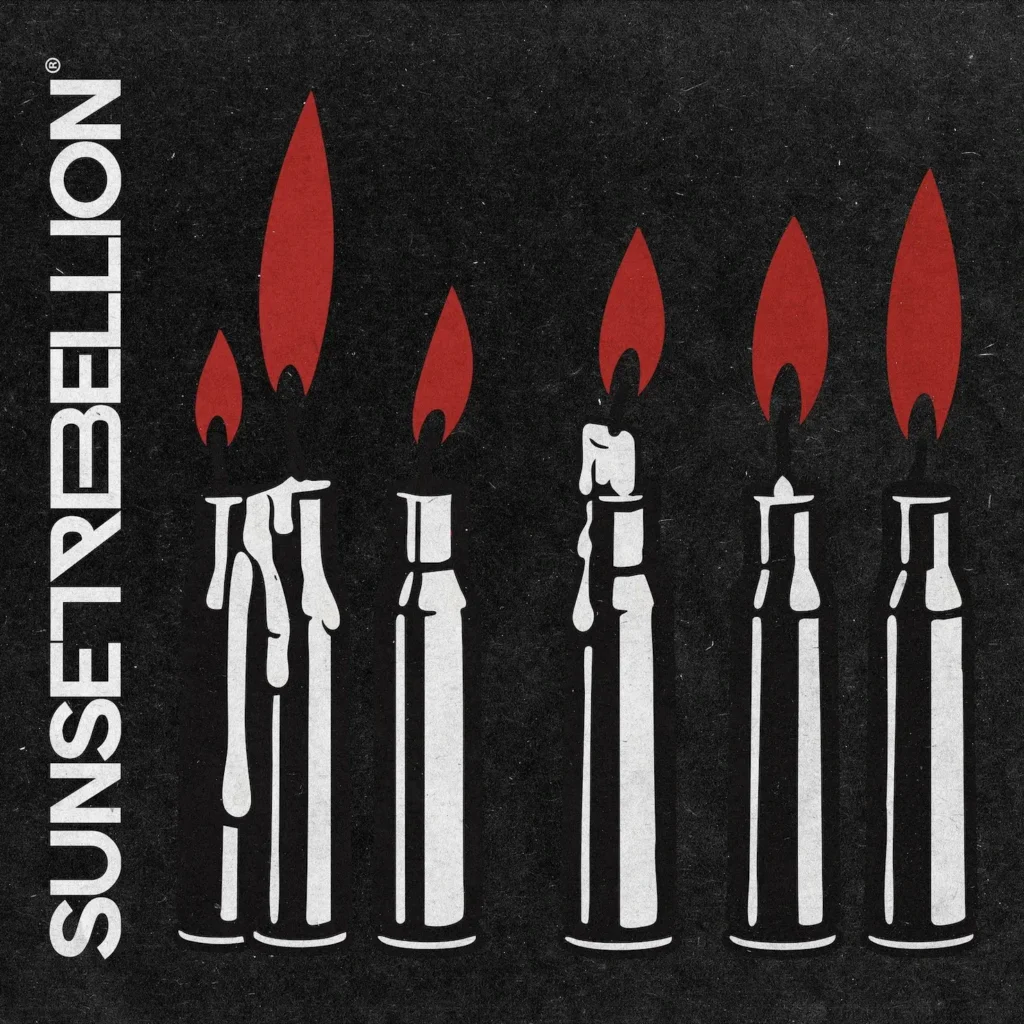
Sunset Rebellion has managed to bottle the specific white-hot fury of a generation that has grown exhausted by the repetitive theatre of grief and their new track Wake acts as a megaphone for a collective scream. It hits with the force of a concrete block dropped from a rooftop and the drums land with a heavy bruising intent that refuses to let the listener settle into a comfortable rhythm. There is no room for polite observation here because the music demands a physical reaction from the very first second and the grit under the fingernails of the production makes every note feel earned. The guitar work is jagged and raw but it never feels messy because there is a surgical precision to the way those chords slash through the mix and the lead singer’s voice carries a gravelly weight that suggests they have personally stood at the edge of too many open graves. You can hear the vocal cords straining under the pressure of the message and that texture becomes a source of power rather than a flaw because it mirrors the structural collapse of the communities being described. This kind of Alternative rock is built on a foundation of honesty and it provides a shelter for anyone who is tired of being told to keep their head down and stay quiet. Rock music has a long history of protest but rarely does it feel this immediate or this devoid of the usual self-indulgent posturing and Sunset Rebellion bypasses the usual tropes of the genre to produce something that feels like a necessary intervention. The lyrics demand accountability with a bluntness that would make Rage Against the Machine proud and the repetition of the central hook serves as a alarm for anyone who thinks thoughts and prayers are a sufficient currency for human life. It is a bold move to write about tragedy without falling into the trap of sentimentality but this band manages to stay focused on the anger that fuels change. There is a moment around the two-minute mark where the instrumentation falls away to leave the vocals exposed and the silence that follows feels heavier than any wall of distortion because it forces you to sit with the ghosts of the departed before the drums kick back in with a renewed vengeful energy. This is Stadium rock ambition used for a righteous cause and the engineering allows every element to breathe so the listener can feel the vibration of the bass strings and the sharp crack of the snare against their chest. It is a Protest song that refuses to be ignored and it demands to be played at a volume that can be heard by those who make the rules. Wake is a record that should be heard by anyone who still believes that art can be a catalyst for a better world and it positions Sunset Rebellion as an essential voice in an industry that too often prioritizes aesthetic over meaning. It is a brilliant scorching piece of work that reminds us why distorted guitars were invented and it provides a spark of hope that music can still be a tool for community and a refuge for the broken. By the time the final feedback fades you feel changed and that is the highest compliment any musician can receive. Instagram Spotify Youtube

A Scorching Rock Anthem for a Crisis That Cannot Be Ignored Read More »

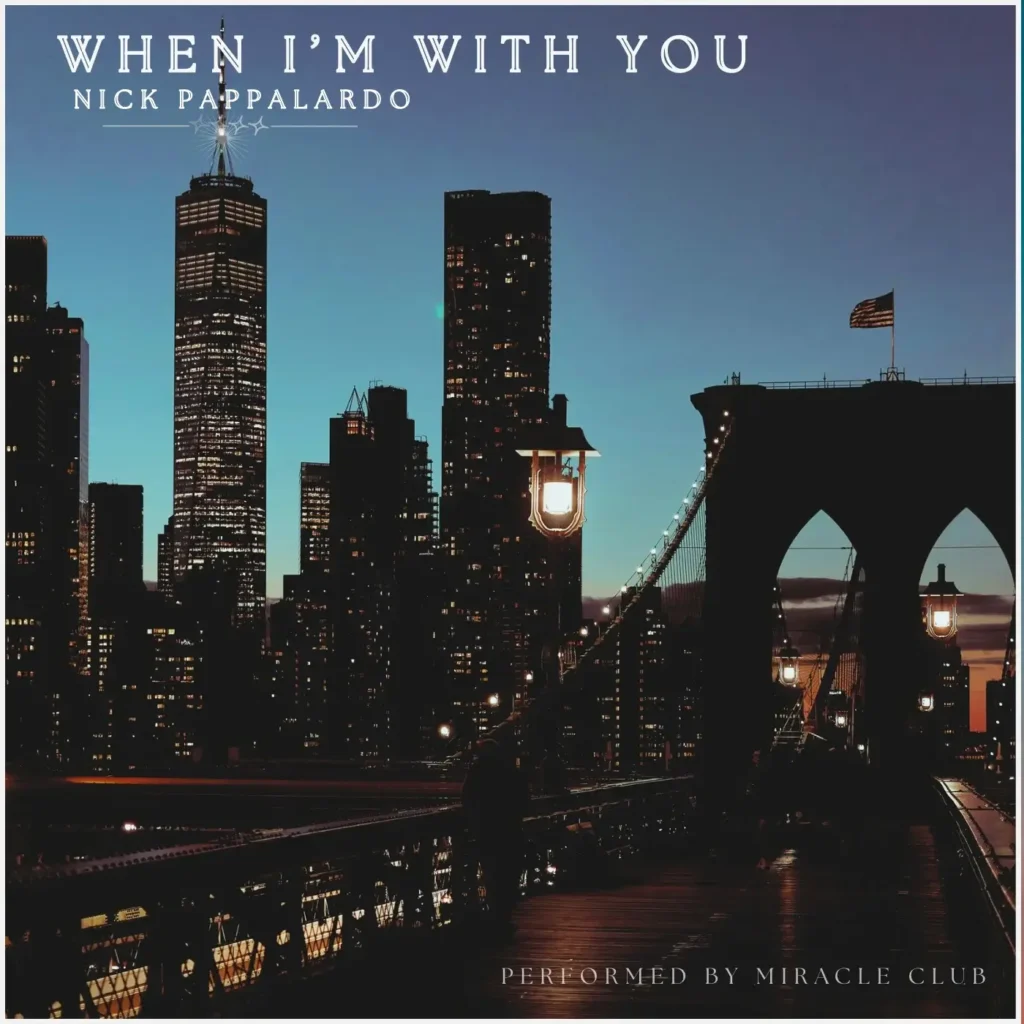
Nick Pappalardo’s “When I’m With You” Is the Feeling

There is something deeply funny and unexpectedly charming about releasing a song called “When I’m With You” in 2026 and managing to make it feel neither ironic nor exhausted. Because let’s be honest: this is one of the oldest titles in the history of songwriting. Entire civilizations have probably written some variation of when I am in proximity to the person I like, my emotional condition improves dramatically. It is not exactly unexplored territory. And yet Nick Pappalardo somehow walks straight into that minefield and emerges with something that feels refreshingly sincere not because he reinvents the love song. Quite the opposite. He leans directly into it. Written from memories of his early gigging days in Brooklyn and New York City, “When I’m With You” is built around the kind of romantic nostalgia that only really works if the artist sounds completely committed to it. Fortunately, Pappalardo does. This is not detached storytelling or vague emotional suggestion. This is a song very obviously written by someone who had a specific person in mind and decided the best way to process that was to spend two years obsessively sculpting guitar tones around it. Honestly? Fair enough. Credit: Leanne DeMartino That obsessive attention is what gives the track its shape. You can hear it in the layered arrangements, the gradual expansion of the instrumentation, and particularly in the guitars, which arrive coated in chorus and distortion like they’ve been lovingly preserved in amber from the golden age of progressive and arena rock. The influence of players like Eric Johnson, Steve Howe, and Eddie Van Halen is unmistakable; not in the sense that Pappalardo is imitating them, but in the way the guitar feels central to the emotional argument of the song. It doesn’t decorate the feeling. Nick Pappalardo’s “When I’m With You” is the feeling. There’s also something quietly ambitious happening beneath the nostalgia. Midway through production, Pappalardo reportedly changed the song’s key entirely to better match the vocal mood, which is exactly the kind of meticulous, mildly obsessive creative decision that tends to separate heartfelt rock songs from merely competent ones. It works. The track moves with confidence, balancing technical precision with emotional looseness in a way that keeps it from feeling overengineered. For all its polished production and carefully stacked arrangements, “When I’m With You” never loses its warmth. It feels human. It feels lived in. It feels like someone trying to preserve a feeling before it disappears. Sometimes rock music tries so hard to be modern that it forgets why people fell in love with it in the first place. Nick Pappalardo’s “When I’m With You” remembers and in doing so, Nick Pappalardo delivers something surprisingly rare: a love song that feels both timeless and genuinely alive. Follow Nick Pappalardo Globe Facebook Spotify Soundcloud Bandcamp Youtube Instagram Promoted Content About the Author

Nick Pappalardo’s “When I’m With You” Is the Feeling Read More »

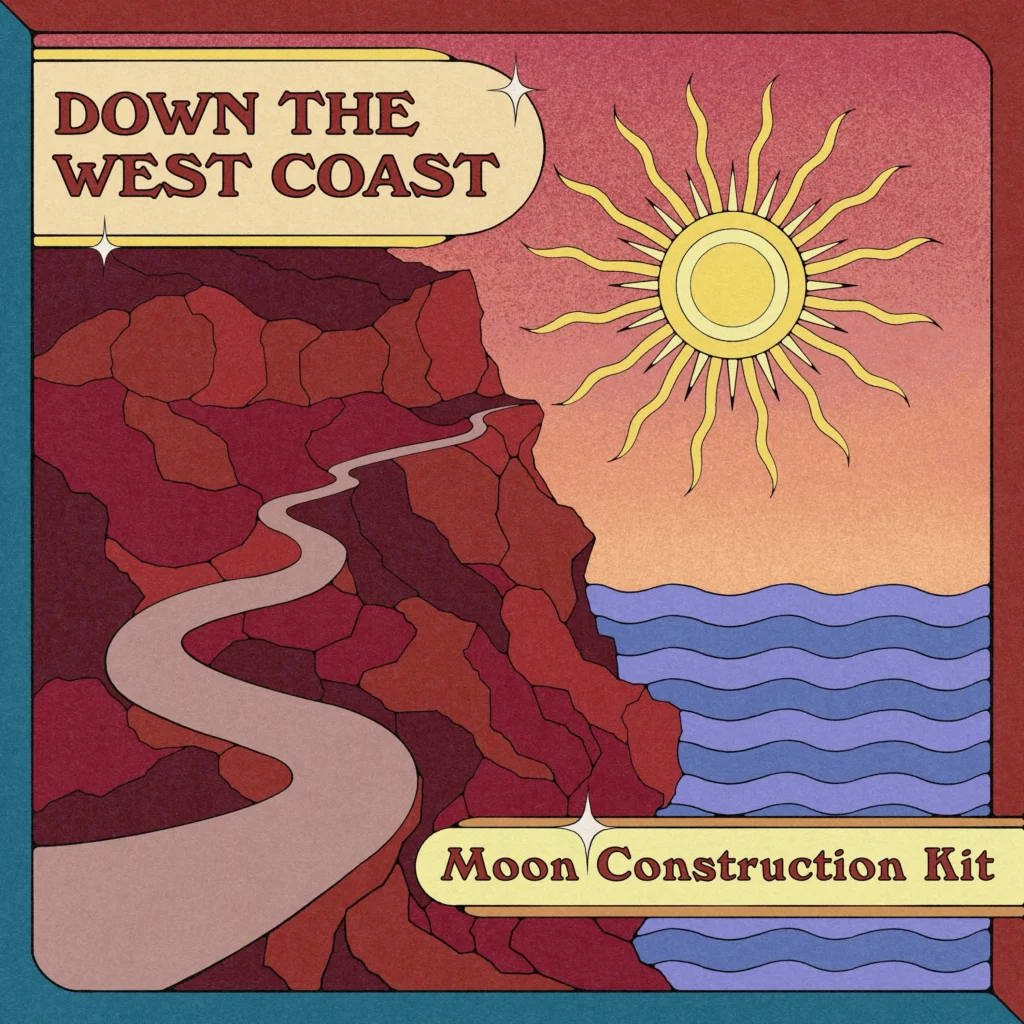
“Down the West Coast” Is the Kind of Song That Makes You Want to Roll the Windows Down

It takes a very specific kind of confidence required to release a song that sounds this unapologetically in love with the late 1960s, not because nostalgia is inherently a problem, but because once you start reaching for sun-warmed acoustic guitars, stacked harmonies, and enough analog texture to make listeners instinctively wonder whether they’ve accidentally found an unreleased B-side from 1968, you run the risk of slipping into pure aesthetic cosplay. A museum exhibit. A lovingly recreated postcard from a time you weren’t actually part of. Fortunately, Moon Construction Kit’s “Down the West Coast” avoids that trap almost entirely. Right from the start, the track actually feels warm and relaxing. The soft acoustic guitars play over a smooth rhythm and every strum feels familiar and comforting. The production sounds natural and full that gives the song a real and honest feel. You can almost hear the room around it. Jazz-tinged woodwinds in indie-pop can often feel like the musical equivalent of someone insisting they’re “just adding a little sophistication” before knocking over an entire bottle of pretension. But here, they work it beautifully. They drift through the song like half-remembered thoughts that add a cinematic sweep and makes “Down the West Coast” feel more like a faded travel diary set to music. Nothing here feels overworked. The vocal harmonies are lush but not overwhelming. It is layered with the kind of soft precision that makes the whole song feel gently suspended in air. And underneath all of it is a melodic hook so deceptively infectious that you may not notice it embedding itself into your brain until several hours later, when you catch yourself humming it while doing something deeply unromantic, like checking your email. That’s the cleverness of “Down the West Coast.” It really feels dreamy and nostalgic, but not in a way that turns inward or collapses into sentimentality. There’s movement here. A quiet forward momentum. It captures longing without becoming weighed down by it. More than anything, I’d say the song feels lovingly made and not assembled or optimized. Every texture, harmony, and little flourish feels chosen because Olivier genuinely believes in the sonic world he’s building. “Down the West Coast” is the kind of song that makes you want to roll the windows down, let the sunlight in, and briefly pretend your life has much better cinematography than it actually does. Follow Moon Construction Kit Globe Spotify Soundcloud Instagram Promoted Content About the Author

“Down the West Coast” Is the Kind of Song That Makes You Want to Roll the Windows Down Read More »

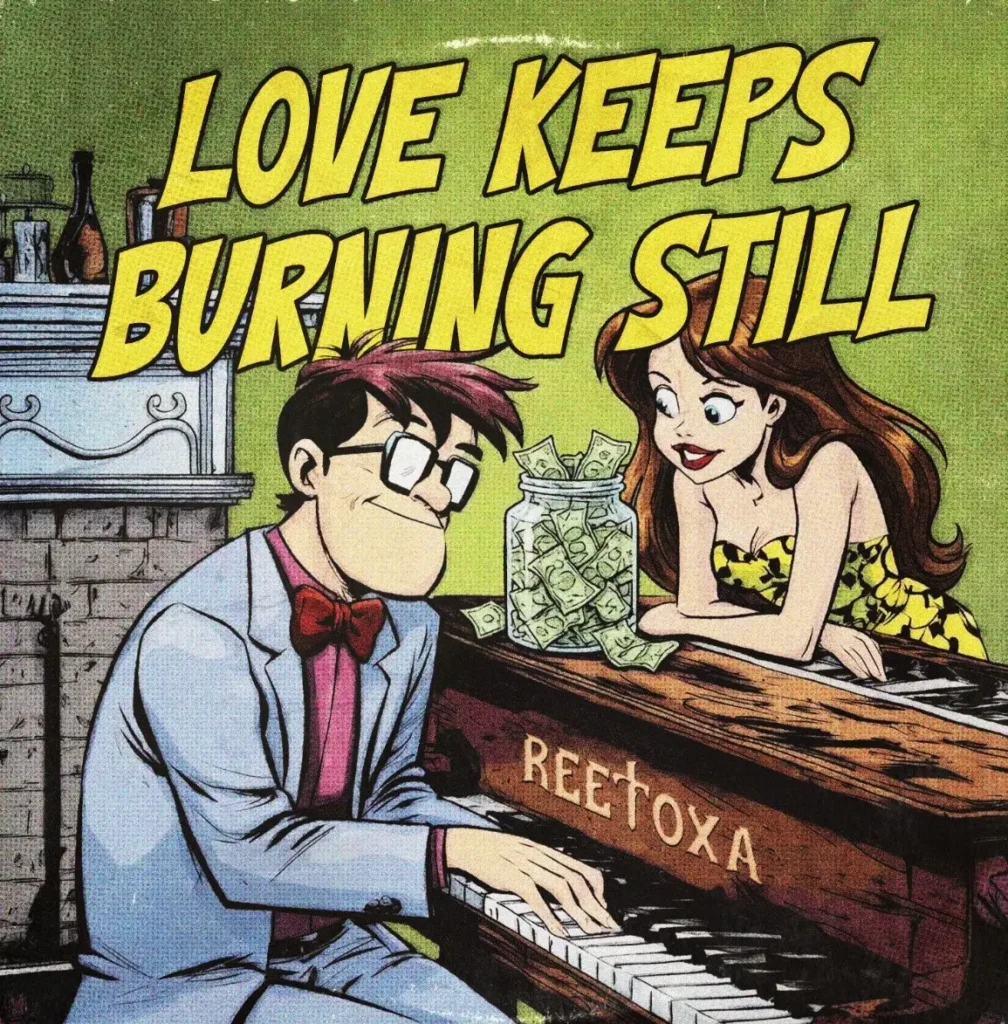
What Makes Reetoxa’s “Love Keeps Burning Still” Ultimately Compelling Is That It Is Mature

There are break-up songs; but there are also songs from the other side of the wreckage. There’s a difference, and that difference is significant. A lot of hurt songs are in the middle of a tantrum. They’re immediate and urgent and dramatic and have somebody wailing in the rain, staring out a window, or being absolutely committed to ensuring you are aware that they are going through hell. Love Keeps Burning Still takes the road less travelled. Born in lockdown (and scheduled for release on Jason McKee‘s forthcoming double album) this is more a hushed remembrance than a cathartic scream. The personal back story is a poignant one of McKee’s 10-year relationship with Lee, who he met at Munich’s Oktoberfest and was married for five years. What makes the song engaging isn’t so much the story of the break up as it is the bitter irony. The obsession with music which had eventually led to the collapse of their relationship also provided the medium through which the experience was processed into art. Which is obviously a very songwriter problem. Sonically, ‘Love Keeps Burning Still’ remains remarkably sparse and measured. Piano takes pride of place, joined by sumptuous orchestration and a voice that never feels the need to push or force the emotion. Reetoxa understands something many ballads don’t know; vulnerability is much more powerful when it isn’t trying too hard to tell you what it feels. The orchestral elements are impressive for all the obvious reasons, too. The arrangements were remotely done with an orchestra in Europe over lockdown and form a cohesive whole without ever becoming overbearing as a result. Strings that contribute, creating an emotional ebb and flow that powers the song to its close. The result is cinematic-this is easily the kind of song that you could picture playing out over a poignant scene in some romance film that requires two people to stand looking off into the middle distance, regretting their communication failure. And while that is undeniably true, what makes ‘Love Keeps Burning Still’ ultimately compelling is that it is mature. This is not a song for closure. This is a song that accepts that the embers of a relationship may go cold, but the emotion they produced will never fully extinguish itself. And perhaps that’s all an artist needs to be is honest enough to admit that. Follow Reetoxa Globe Facebook X-twitter Spotify Youtube Instagram Tiktok Promoted Content About the Author

What Makes Reetoxa’s “Love Keeps Burning Still” Ultimately Compelling Is That It Is Mature Read More »

X-Anonymous Reclaims Identity Through the Grinding Industrial Fire of “Claim It All”

Masks offer a profound sense of freedom and X-Anonymous understands that better than almost anyone in the current underground circuit. Their latest offering Claim It All rips through the silence with a hunger that feels remarkably earned and fiercely independent. This track is not really about vanity because the Metalcore collective has chosen to let the sheer weight of their art and music do the talking. I’d say, by stripping away the faces they invite us to lose ourselves in the friction of the record and that choice feels like a rebellion against a culture obsessed with personality over substance. The way this track was written feels like a frantic clawing toward the light after a long period of darkness. You can really hear the desperation in the lines where they scream “Twist me into what I’m not / Shape me into everything you rot” and it freakin hits like a physical blow to the chest. It seems like it mirrors that specific psychological battle between who we are told to be and who we decide to become. Just from the very start of the track the instrumentation hits with a grinding industrial crunch that feels like a factory coming to life rather than a traditional band rehearsal. And the opening riff has this kinda jagged quality that slices through the air and it works in tandem with the mechanical atmosphere to build a sense of impending release. When that sudden drop at 1:20 hits the floor practically falls out from under you and the production choices here are daring because they favor raw intensity over sanitized radio appeal. I love the way the vocals fray at the edges of the chorus where the singer pushes their voice until it sounds like it might indeed snap under the pressure of the message. The drumming follows a frantic pace that mimics a racing heart and the bass adds a layer of filth that keeps the whole experience grounded in the grit of Industrial metal. This kind of intentional friction is what sets X-Anonymous apart from their peers who often hide behind over-produced layers but here everything feels naked and powerful. Listening to the climax and bridge of this song feels like breaking through a barrier that has been holding you back for years. And the energy of the final minute is an absolute celebration of reclaimed power. You can feel the adrenaline spiking as the guitars reach a fever pitch. It is the sound of a person standing their ground and refusing to be silenced by the expectations of the world. Claim It All is more than a heavy song because it functions as a rallying cry for anyone who has ever felt invisible or controlled. X-Anonymous has produced a work of startling clarity and force that will surely find its way onto every heavy music rotation this year. It honestly leaves me feeling energized and ready to face whatever comes next from this amazing artists. Follow X-ANONYMOUS Globe Spotify Youtube Promoted Content

X-Anonymous Reclaims Identity Through the Grinding Industrial Fire of “Claim It All” Read More »

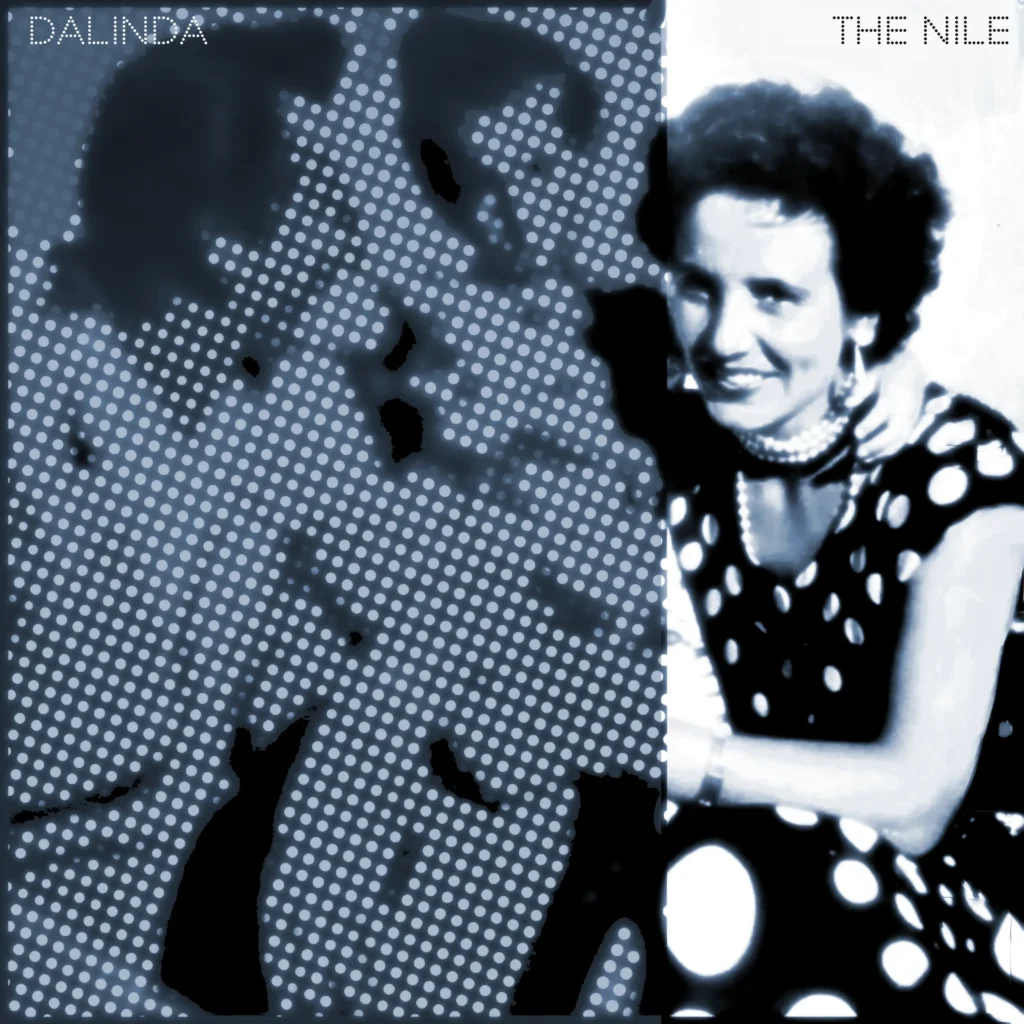
Dalinda’s “The Nile” Is Love, Loss, and Everything In Between

There are songs you can imagine the moment someone explains them. Then there are songs like Dalinda’s The Nile that just demand you experience them. I mean, calling it melancholic indie-pop with dreamy vocals and cinematic textures is technically accurate, but that alone doesn’t come close to what you’re about to hear. The track begins with a hum, the one that feels like something between a breath and a memory. It’s quiet and soft yet enough to leave you staring at the ceiling, feeling every word that follows until you find yourself asking; was it supposed to hurt like this? Its live instrumentation and zero-sample approach make it feel more organic instead of manufactured.  And once you reach the lines “Cause if you go, I’ll never ever know. The Nile will stop its flow,” it starts feeling less like a song but something that feels a little too real and a little too close. What makes this track hit is that it doesn’t fall into the dramatic, overdone heartbreak songs you could hear while doomscrolling on 15-second reels. Her multicultural background manifests in her sound, while her songwriting remains lived and experienced because it leans into honesty instead of theatrics. Overall, if you want something that feels like a slow bus ride home when the window is slightly fogged and everything outside feels like it’s happening to someone else, Dalinda’s The Nile is definitely for you.  Follow Dalinda Globe Spotify Youtube Promoted Content About the Author

Dalinda’s “The Nile” Is Love, Loss, and Everything In Between Read More »

“Etched in Love” Doesn’t Just Talk About Heartbreak, It Shows You What It Feels Like

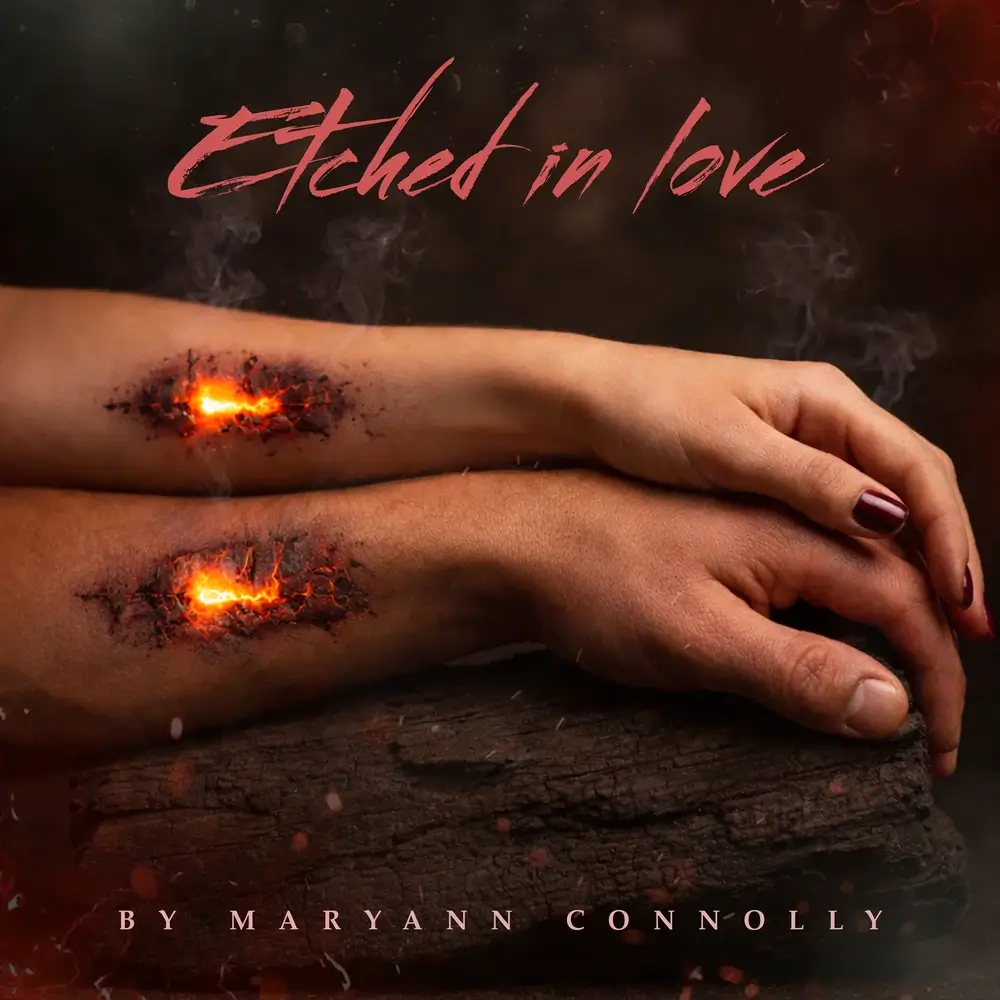
Something changes the moment Etched in Love plays because how can a song convince you that you’ve lived a moment you’ve never actually experienced? It just draws you in, and suddenly everything hurts a little bit more. Maryann Connolly is a 25-year-old actress, model, and singer who loves modeling and performing at New York and Paris Fashion Weeks. With Etched in Love, she explores a more intimate, vulnerable side of her artistry towards her growing pop career.  The track opens with only a guitar and a vocal, it’s as if it’s mentally preparing you for everything that will follow. Maryann’s words hit immediately, and you’ll find yourself walking down an empty aisle, moving through a ceremony stripped of its witnesses with no guests, no voices.  It builds up slowly. And once you reach the line “our bodies are etched in love,” it exposes something deeper: cherishing a love that once existed and reliving how it fell apart.  One thing about Maryann is that she knows how to build an atmosphere without being excessive. She just knows where to place each pause, sound, and feeling, along with her earnest songwriting that makes everything feel closer and more personal.  Once the song is over, you’ll realize it was never just an average, cliché song about heartbreak. Nothing dramatic really, but enough to leave you sitting in the silence while thinking about what you just heard.  Follow maryann connolly Facebook Spotify Soundcloud Youtube Instagram Tiktok Promoted Content About the Author

“Etched in Love” Doesn’t Just Talk About Heartbreak, It Shows You What It Feels Like Read More »

Tides Will Turn Is Great Because It Embraces Something Many Contemporary Records Have Either Rejected or Simply Failed to Recognize; Authenticity Isn’t a Marketing Strategy

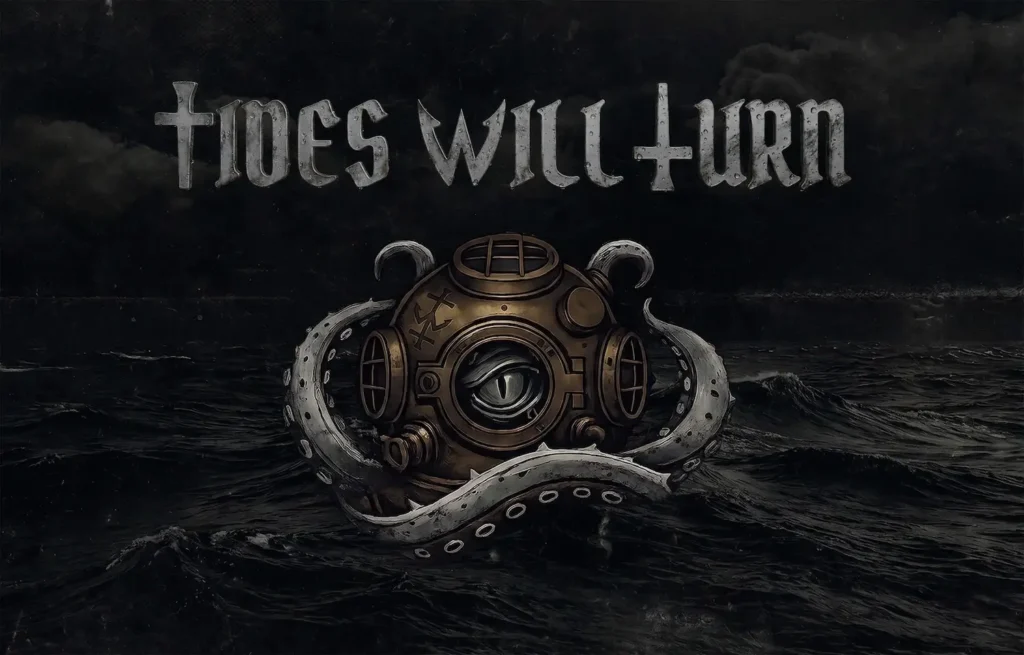
Every “Is Rock Dead?” article since 2004 has been wrong about people still making plenty of rock music, and Tides Will Turn‘s debut album is a wonderful example of this fact. But what is truly surprisingly rare, even now, is an album from an actual band that seems genuinely invested in the prospect of making an album instead of simply stringing together several potential playlist fillers. Tides Will Turn by the identically named British Columbia band does just that immediately from the start. “Lifetime Ago Go,” the opening number, wastes absolutely no time. It hits with the sort of guitars that remind you that sometimes the simple ability of a guitar to sound like a guitar is all it needs, which is an idea so out of date for now that it seems revolutionary in this record’s context. But then much of this record just seems so completely unconcerned with whatever passing trends the streaming service era holds. This album relies on a different background for this very reason, leaning on the lineage of artists such as The Clash, Creedence Clearwater Revival, Johnny Cash, and The Cramps without directly imitating them, or using their records as inspiration to craft what feels like the musical blueprint for any storytelling record, a record more concerned with atmosphere and character than sonic stunts. According to the band, Tides Will Turn is meant to be an cohesive listening experience, a feat that feels increasingly rare. Listen to early highlights such as “American Sole” or “Life and Death.” The first is full of crunchy guitars and driven drums before opening up with intricate leads while the second embraces a kind of smoky, worn-in, almost forgotten rock-and-roll attitude that feels as if it’s aged in some dusty, oak-aged cask. In both cases, what the album shows you, quite brilliantly, is that this is a record written with confidence, not swagger. Swagger needs to be admired, whereas confidence just assumes it has your respect. Instead, this record quickly shifts from a collection of individual songs to an entire immersion into the band’s world. “Port Home” introduces a more optimistic, up-tempo feeling, while “Never Gonna Win” lays down a slinky groove that calls back to a time when indie rock didn’t constantly feel like it was trying to deliver an intelligent witty jab every five seconds. This is a surprisingly liberating listen, especially given that, today, it seems as though, through the eyes of critics at least, authenticity and simplicity in music are increasingly being mocked in favor of clever, detached irony and references. In the last few years, our digital culture has successfully turned everything into a game of communication through the intermediary of detachment; every song has to be a joke, a reference to a joke, or the reaction to a joke. Now, you have this album out here singing about who you are, the consequences of your actions, survival, what happens when you become an adult and don’t get to ask for a guest room, among other things. This is when this record truly becomes interesting; Because behind the Americana, the punk attitude, and the influences, there’s a theme running throughout: the continuation of artistic creation in a world where life has become increasingly complex. These aren’t tracks for ambitious rock stars hoping to make it big-they’re tunes that seem to have been written by people who have already seen and experienced enough of life to realize that human existence is far more peculiar than celebrity can ever be. This sentiment provides emotional heft to “Hearts on Fire,” “Home Wrecker,” and “Screaming Hill.” “Hearts on Fire” starts small, slowly building up from stripped-down guitar until it’s one of the most energetic tracks, “Home Wrecker” is appropriately messy, and “Screaming Hill” offers some of the album’s most impressive atmosphere. This last track combines distorted guitars with a steady beat to really give Matt Chevy’s voice a chance to shine. Every bit of it sounds truly alive. It all even works with the final track, a cover of “Dancing in the Dark.” Every cover is tricky because the audience knows the original, but Tides Will Turn makes it their own and turns a song into a reflection of its themes. Tides Will Turn is great because it embraces something many contemporary records have either rejected or simply failed to recognize; authenticity isn’t a marketing strategy. Rather, it’s a symptom of having something sincere to share.Tides Will Turn doesn’t strive to reinvent the concept of rock; it doesn’t even strive to save it. All it believes in is solid songcraft, the authenticity of performers and their experiences. After spending an hour listening to these tracks, it is rather difficult to disagree. Follow Tides Will Turn Globe Facebook Spotify Soundcloud Bandcamp Youtube Instagram Promoted Content About the Author

Tides Will Turn Is Great Because It Embraces Something Many Contemporary Records Have Either Rejected or Simply Failed to Recognize; Authenticity Isn’t a Marketing Strategy Read More »