
loader image

2026

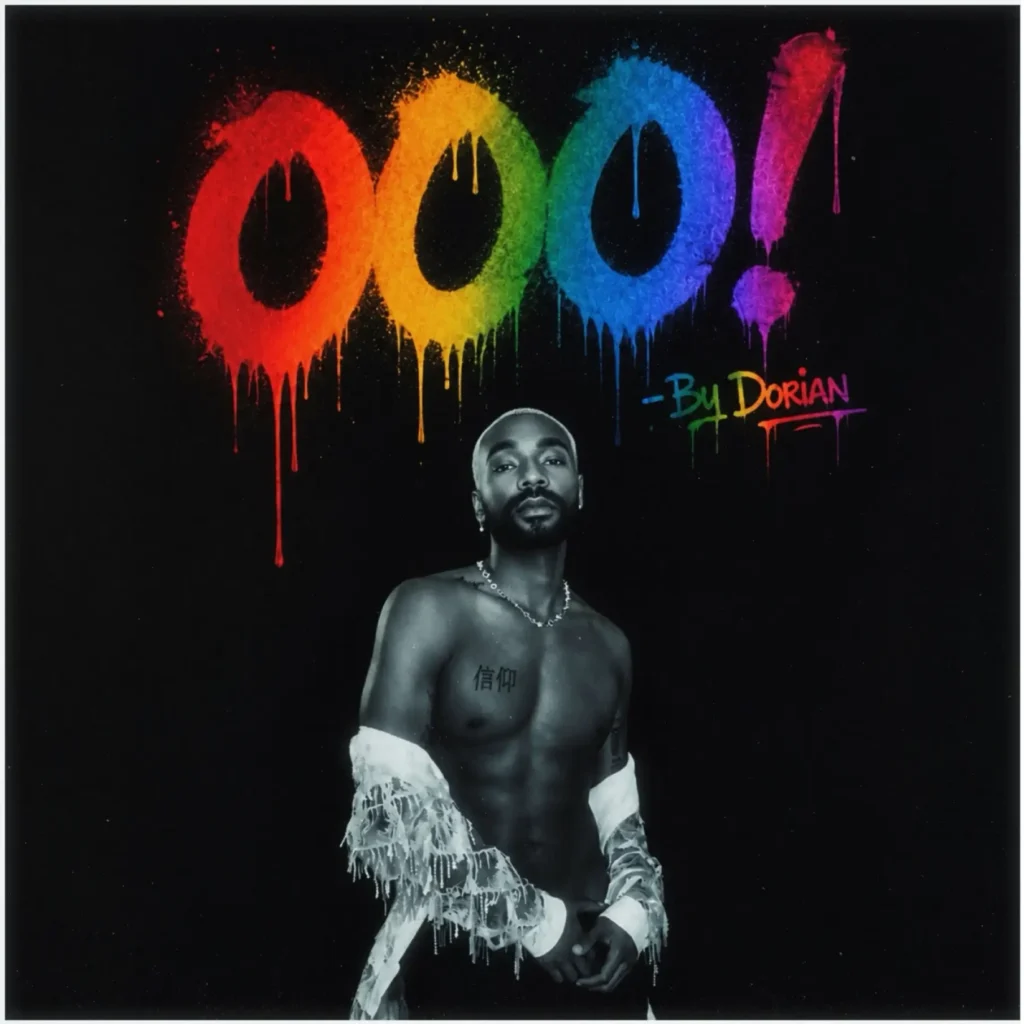
Dorian Manages to Spin Awkwardness Into Pure, Ecstatic Euphoria on OOO

For an artist who has spent the better part of six years releasing genre-hopping indie projects, Dorian seems surprisingly uninterested in hewing to the contemporary dance-pop blueprint. From a bouncy bassline, pristine synth textures, layered backup vocals, a singalong-ready chorus that seems expressly designed to compel you to the nearest dancefloor-but what distinguishes OOO from the seemingly endless pile of algorithmically optimized “summer anthems” cluttering the airwaves and streaming services is its embrace of the dramatic, and “dramatic” here is used as the highest possible compliment. At its core, OOO is a story of a lovers’ squabble. Not of the kind of soul-shattering, life-altering fallout that compels an artist to venture out into the woods for a twelve-minute folk epic performed into the middle distance, but the annoying sort, in which two equally stubborn parties stubbornly refuse to acknowledge they’ve done anything wrong despite their mutual desire to get back to how things were before all the fuss. Dorian manages to spin this awkwardness into pure, ecstatic euphoria, viewing emotional turmoil not as a burden but as an excuse for a ridiculously stylish pity party. This push and pull are replicated in the track’s production: Verses, for instance, build with contained grooves before bursting into a chorus, which places Dorian’s own voice front and center-undoubtedly the artist’s greatest asset to this point: a voice theatrical enough to capture the song’s emotional urgency without straying into hyper-dramatization, which is surprisingly tricky to pull off on a song constructed with equal intent for headphones or for a packed club. There are points in which OOO is bordering on audaciously maximalist, harmonies climbing higher as percussion splinters and flurries of notes scatter, the song grasping in every direction to find yet another catchy flourish to add to its growing repertoire. It mostly succeeds, although at times the arrangement does seem to be trying to win an argument simply on the merits of its volume. If OOO is any indication of what is in store for Dorian on his upcoming album Reconnected, though, the singer isn’t looking to re-invent the dance-pop genre, but rather remind us why it was so compelling in the first place; colourful, genuine and heartbreakingly heartfelt, it is the sort of song that, at a moment when so many pop artists wrongly choose alienation and indifference to genuine feeling, refreshingly dances through the thorny landscape of a relationship’s messy, mid-argument terrain. Follow Dorian Facebook Spotify Soundcloud Youtube Instagram Tiktok X-twitter Promoted Content About the Author

Dorian Manages to Spin Awkwardness Into Pure, Ecstatic Euphoria on OOO Read More »

Designer Reclaims the Grit of the Streets With a Ferocious New Anthem

There is a restless energy blooming in the independent circuit and Designer has tapped into a vein of raw power that feels absolutely vital for 2026. Their track Ugly In The Streets arrived like a lightning bolt when I first heard it and it reminded me why we still need guitar music to be messy and loud because the world is messy and loud. They released their debut album Headcase and the buzz is already building toward their upcoming European tour in September and it is easy to see why after only a single listen. While many contemporary artists are retreating into the safety of soft bedroom pop Designer is reclaiming the grit of Post-Punk and Garage Rock with a ferocity that demands your full attention. The production on Ugly In The Streets feels like it was recorded in a basement with the windows blown out and that authenticity is exactly what makes it stand out in a sea of over-polished radio hits. It is a return to form for anyone who misses the sweat and the feedback of a real Rock and Roll show. The way the distortion kicks in around the forty eight second mark is nothing short of exhilarating because it transforms the song from a steady crawl into a full speed sprint. Designer knows how to handle tension and they let the bassline breathe before smothering it in a layer of fuzzy guitar noise that feels like static electricity on your skin. It is the kind of songwriting that feels intuitive and primal so you can’t help but move along with the chaotic rhythm they have created throughout the Discogs entry for their new catalog. There is a defiance in the vocal delivery that speaks to a generation tired of pretending everything is perfect and the repetition of the title feels like a mantra for the disillusioned. Every word is spat out with a conviction that tells me Designer is living through every note and every scream rather than merely playing a part for an audience. This music is a lifeline for the outsiders and the dreamers who find beauty in the cracks of the sidewalk or the noise of the city at night as they look toward European tour dates for salvation. Designer is clearly on the verge of something massive and their independence only makes the achievement feel more impressive because they have built this world on their own terms. If this track is any indication of what we can expect from the rest of Headcase then we are looking at the start of a very long and very loud career. Someone needs to sign them and manage them and book them immediately because this kind of talent does not stay hidden for long in the current climate. Instagram Spotify Youtube

Designer Reclaims the Grit of the Streets With a Ferocious New Anthem Read More »

I Believe Is Just Made to Be a Good Soundtrack for an Over-Easy Conversation with Someone You’ve Known for Years

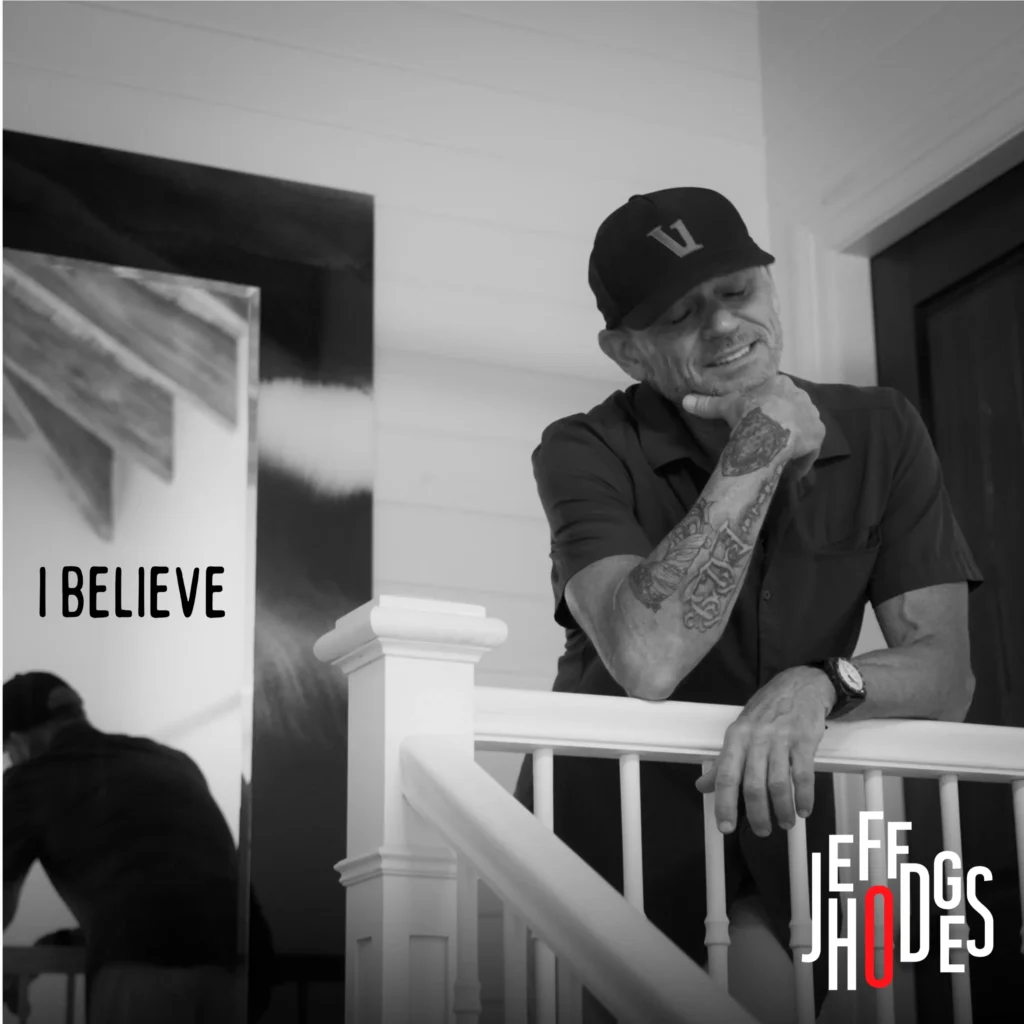
Jeff Hodges’ I Believe enters the world with a press release full of signifiers. This is an Americana-country ballad with all of the typical modern saints in mind spanning Zach Bryan, Chris Stapleton and Leon Bridges, arriving complete with respectable streaming numbers, a burgeoning live performance series dubbed the N4KED MAN Sessions, and a biography so broad it can accommodate time in Nashville, ownership of a recording studio, and eventual relocation to the Turks and Caicos. All useful information if one is trying to piece together an artist profile. It’s nearly entirely useless if you’re trying to determine if the song itself is any good. Fortunately, I Believe does much to steer clear of a common pitfall for modern Americana music; confusing restraint with personality. There’s a species of acoustic singer-songwriter music which seems convinced that sincerity is achieved through subtraction. Guitar comes in. A brushed snare makes a midway appearance. Somebody warbles in a way which sounds so weathered they appear to have spent considerable time staring at a body of water. You can hear the genericness already. I Believe avoids falling prey to such tactics, but a careful turn of performance keeps Hodges grounded. The arrangement is of a determined sparseness, based primarily on acoustic guitar and light percussion, with enough ambiance to prevent the production from sounding like the remnants of an aborted demo. The melody unfolds at a leisurely, unhurried pace that sidesteps any enormous, crotch-punching refrain likely to find its way on contemporary country radio. Rather, Hodges prefers Mount Eerie-style conversational turns of phrase. He approaches his lines as if they’re observations during an evening commute, rather than grand, bold assertions. Those unvarnished tendencies fit well with the theme. I Believe is essentially an effort in sustaining those tiny certainties which one collects over a lifetime- faith in people, in human connection, and the fact that one’s smallest moments matter as much as the truly remarkable ones. It feels sincere without verging on cloying; a trick more songwriting professionals realize they do not pull than they admit. On some occasions, the piece could be more expansive. The chord progression is rarely unexpected, and any who favor the emotional outpourings of Stapleton or the hyper-specific detail work of Zach Bryan will likely lament the relative lack of textual richness. The lyrics hint at profound revelations, though tend to ultimately land on broadly recognizable sentiments.  Not every song has to be innovative to warrant a listen. Some songs just work by being themselves. I Believe isn’t an arena singalong or the foundation of an algorithmic single. Some songs just make a good soundtrack to the over-easy conversation with someone you’ve known for years; familiar, comfortable and perfectly dated. Follow Jeff Hodges Globe Spotify Youtube Instagram Tiktok Promoted Content About the Author

I Believe Is Just Made to Be a Good Soundtrack for an Over-Easy Conversation with Someone You’ve Known for Years Read More »

“Since Emilia” Remembers That Grunge Isn’t About How You Feel Miserable; It’s About How You Feel Human

There’s only so many times you can mention that you really miss the ’90s before people begin to ask if you’ve considered buying a flannel shirt and playing Singles in a loop. Grunge nostalgia is an entire industry now. Half the bands who do it sound like they’re painstakingly replicating a museum exhibit titled ‘Kurt Cobain Once Existed.’ The other half just remember why the music mattered. YACOVELLI fortunately, are among them. “Since Emilia,” the fourth single from the New York neo-grunge and punk project of long-time underground musician Alex Yacovelli, isn’t quite a revival, but it’s more of a spirited conversation with an era that never fully left the artist’s bloodstream. It’s got all the necessary accoutrements- drop-tuned guitars, thick, murky riffs, cryptic lyrics that’ll keep you up all night wondering what the story is-but it’s also full of pleasant surprises. Credit: Photo cred. Shannen Bamford The down-tuned rhythm guitars punch through the speakers like several hundred pounds of sheer, satisfying crunch reminiscent of the glory days when rock would remind us that a riff could punch through an amplifier. And you can absolutely feel it in this song, which pulls influences from stuff like Soundgarden, Foo Fighters, and even in a surprising but effective way, the odd, inexplicably upbeat melancholy that can be found in a Weezer song. In an age of careful influences checklists,   Beyond the instrumental component, “Since Emilia” can serve as a puzzle box. The song, as Yacovelli himself puts it, “is like a poetic riddle”, and that’s about right. He doesn’t so much write a narrative as he creates an emotional landscape filled with clues for the listener to decipher. In an era where many songs spoon-feed their listeners information, it is refreshing to hear Yacovelli offer something more mysterious. Even the production choices reflect the understanding of a great many D.I.Y. Rock musicians: the cleaner the music, the greater the personality. His recordings possess the perfect degree of rawness. Everything sounds just slightly on the edge of collapse, yet somehow remains entirely contained and coherent.   The strength of “Since Emilia” is its core principle. It remembers that grunge isn’t about how you feel miserable; it’s about how you feel human.   Follow YACOVELLI Globe Facebook Spotify Soundcloud Bandcamp Youtube Instagram Tiktok Promoted Content About the Author

“Since Emilia” Remembers That Grunge Isn’t About How You Feel Miserable; It’s About How You Feel Human Read More »

Hope and Need Provides the Truest Picture Yet of Who Gibbz Is Beneath the Mythology

There are two types of independent artists who record at home: The sort that spends 80% of their energy trying to convince you they’re actually living a millionaire’s lifestyle on the sly. And then there’s the sort that takes their existing lives-family struggles, career anxieties, rising pressure and doubts about the future and says, “That might actually be interesting.” Ray Gibbz, a musician hailing from San Diego, happily belongs in the second category. Available since June 16th, Hope and Need provides the truest picture yet of who Gibbz is beneath the mythology. There are no buried chests or bigger-than-life tales. Instead, it’s just a young musician in the process of balancing familial expectations, individual goals and the sobering awareness that taking music seriously means a significant chunk of your life is spent perpetually asking yourself whether this will ultimately lead anywhere. And frankly, it’s a breath of fresh air. While hip-hop has forever provided space for aspirational tales, some of the most memorable records emerge from artists who are honest about not having all the answers. We’ve always loved Nas for his ability to find poetry in the mundaneness of everyday, and you hear the echoes of his observant style in the way Gibbz frames his lyrics. On “Hope and Need,” he doesn’t inflate emotion, wrap it in metaphors the size of a Marvel film or overdramatize his struggles. He merely presents them. Gibbz handles everything himself-from composition to recording-a practice common for artists like him but rarely resulting in something this fully fleshed. The resulting sound is less like a commercial product, more like someone unpacking thoughts in real time. The instrumentation of Hope and Need offers more of the same-Gibbz is at the helm for production, songwriting, and performing the song itself, and he produces without formal training, from the comfort of his apartment home. Gibbz has shared that the mastering and mixing took around two weeks, a longer timeframe than usual for him, but the extra time definitely adds to the polished sheen of the song. The mix is both weighty without overwhelming Gibbz’s message or vocal work. As Gibbz’s career progresses-he hopes to begin doing more touring in the near future-he’ll surely expand and build on this foundation of DIY expertise and raw honesty. “Hope and Need” isn’t a victory rap record. It is an encouragement; if you don’t always get everything, even then the effort itself is reason to keep moving toward it. It has taken on a more important, more difficult quality; in our cynical age, there’s still room for sincere optimism. Follow Ray Gibbz Spotify Promoted Content About the Author

Hope and Need Provides the Truest Picture Yet of Who Gibbz Is Beneath the Mythology Read More »

MAWK3 Resurrects the High-Gloss Glamour of the Sunset Strip

There is a specific kind of arrogance that only thrives in the neon-baked sprawl of Sunset Boulevard. MAWK3 taps into that vein of pure narcissism with their latest single Everybody Wants To Be You which feels like a mid-afternoon gin and tonic spilled on a leather jacket. It works as a high-octane celebration of vanity where the trio strips away any pretense of humility in favor of a strutting peacock energy that demands eye contact and a healthy dose of worship. A thumping rhythmic engine drives the song forward and because they understand the mechanics of Power Pop the trio skips the subtleties when they can blow out the speakers with a riff that sounds like it was stolen from a 1970s Hard Rock treasure chest. The bass is thick and syrupy but it has enough bite to keep things dangerous so that every beat feels like a heel clicking against pavement in a crowded room where every head turns at once. You can almost see the sequins and the cheap smoke machines because the energy is so loud and unapologetic about its desire to be the center of attention and that is why it works so well. The vocal delivery is an exercise in sneering confidence and it drips with a flirtatious edge that makes the listener feel like the most attractive person in the world. This is the sound of a band that knows exactly how to weaponize their charisma and turn a rock anthem into a personal Supermodel runway show. There is no room for self-doubt in these vocal layers and the way they lean into the higher register suggests a band that has spent plenty of time studying the greats who weren’t afraid to be a little bit pretty and a little bit dangerous all at once. While many contemporary acts are busy hiding behind layers of irony or mopey Shoegaze textures MAWK3 is out here doing the work by bringing back the unapologetic sex appeal of Glam Rock and doing it without a hint of shame. They are carrying the torch of bands who lived for the stage and the spotlight and the sheer thrill of being watched and because they are based in Los Angeles they have that local pedigree for theatricality that you can’t fake with a plug-in or a social media filter. This is big room music for people who still believe that being a rock star is a full-time job that requires better hair and more attitude than the rest of the world. Everybody Wants To Be You is a three-minute ego trip that arrives at the perfect time for a world that has forgotten how to have a little fun with its own reflection. It functions as a loud and colorful reminder that sometimes the most radical thing you can do is look in the mirror and decide that you are the star of the show and everyone else is a guest in your world. MAWK3 has handed us a soundtrack for our own self-obsession and it feels incredible to finally have permission to enjoy it. Instagram Spotify Youtube

MAWK3 Resurrects the High-Gloss Glamour of the Sunset Strip Read More »

“Royal Ruby” Works Because It Genuinely Sounds Like Ray Gibbz Enjoyed Making Up the Story Enough to Bother Telling It With Sincerity

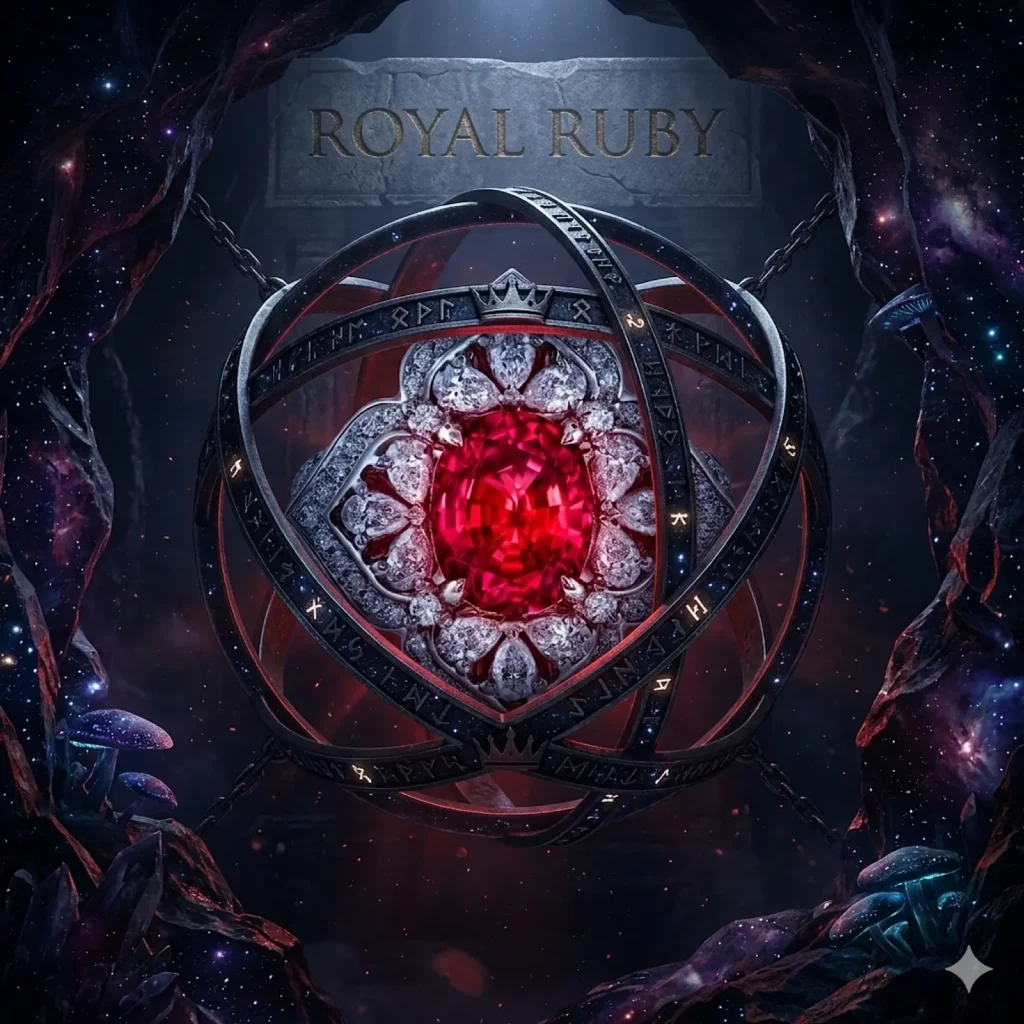
There are, broadly, two types of rap storytelling songs. The first ones you tell you about growing up broke, getting rich, losing your friends, finding your way, or discovering that celebrity isn’t nearly as rewarding as you thought it would be. They exist because people like to listen to other people. The second type are ones that propose fantastical stories. For example, “What if I undertook an epic quest to find a mythical gem forged by three ancient goddesses?” Admittedly, there aren’t many examples of the latter. “Royal Ruby,” then, by San Diego’s Ray Gibbz (which is the kind of made-up rap name I expect from any artist daring enough to attempt the latter category) makes an interesting if somewhat bold argument. The song, released on June 4, takes on the subject less in the “I remember it like yesterday” narrative of most current hip-hop songs and more as a movie; an ancient tale woven together in the style of a very low-budget film production. And it bumps in the whip. Most artists dabble in hyperbole or larger than life fantasy in one verse before they resort back to what’s been said a million times by now, but “Royal Ruby” sticks to its mythology. The story unfolds just like ancient lore. In the production Gibbz opts for mood rather than instrumentation, with a cinematic vibe that enables his story to shine. There’s the same sort of low-key swagger in his delivery that you’d want from someone painting a picture so fantastical, he has to feel more confidence than anything else for the narrative to work. “Royal Ruby” works because it genuinely sounds like Ray Gibbz enjoyed making up the story enough to bother telling it with sincerity. The San Diego rapper, producer, and songwriter taught himself everything, working entirely from his apartment without formal training or industry infrastructure. Inspired by artists such as Nas, he embraces a similarly narrative-driven approach, though filtered through a far more fantastical lens. Hip-hop doesn’t necessarily need more songs about ancient gemstones crafted by divine beings, but it probably wouldn’t hurt and for four minutes, “Royal Ruby” makes a convincing case that there should be at least a few more. Follow Ray Gibbz Spotify Promoted Content About the Author

“Royal Ruby” Works Because It Genuinely Sounds Like Ray Gibbz Enjoyed Making Up the Story Enough to Bother Telling It With Sincerity Read More »

Joseph Turner & The Dudes of Hazard’s “The Shadow Remains” May Feel a Bit Too Much Like the Person They Are

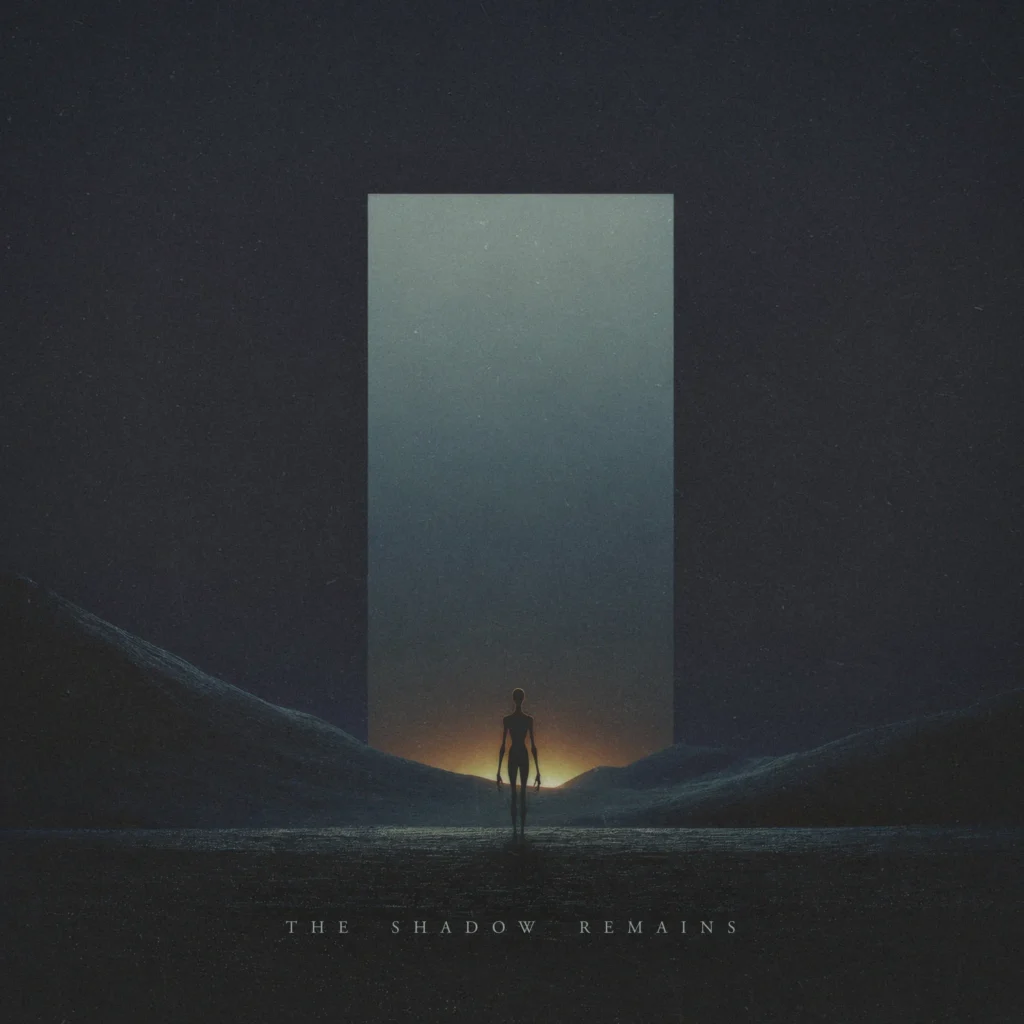
Fear is funny. Not “ha ha” funny though, rather the kind where your mind gets so used to being anxious, or in constant mode of being ready for anything, the fear itelf becomes the norm, or rather, comfort. Kind of like the really irritating person who just doesn’t want to leave your place, although they aren’t paying any rent. It feels weird to get them out. “The Shadow Remains” deals with this. The latest, from Joseph Turner & The Dudes of Hazard, is what the situation looks like, when the struggle for survival stops being an event and becomes a part of you. It’s about carrying your fear until you forget what life was like before it came and the music feels substantial enough to bear this amount of emotional luggage. “The Shadow Remains,” from the very beginning, doesn’t focus on any particular kind of song structure but on mood. The drums seem to be going in a circle around the whole track, whereas the vocals come and go in the shape of a mantra. The sound of horns appear like a kind of alarm that’s telling you that trouble’s around the corner, though the song doesn’t really try to achieve any big resolution with them. The music never truly resolves, as the narrator isn’t trying to do that either. Everything feels like it’s in a state of restless movement, as if the song itself were wandering around, trying to quiet a mind that’s running around in circles. The song lands in a space somewhere between indie rock, dark Americana and that kind of cinematic alternative where atmosphere comes before impact. If you are looking for a big chorus you can sing along to then you’ll be disappointed. But if you want something that will work its way into your skin slowly and not leave until the next day, well, that’s another thing. The thing about “The Shadow Remains” is that it’s about subtlety. Turner isn’t about presenting your psychological battle as a theatrical piece of fiction, it’s about simply existing in the mood. There aren’t any really grand statements in there, there aren’t any flares and fireworks, just this and nothing more.  Joseph Turner & The Dudes of Hazard · The Shadow Remains Hypnotic, atmospheric, in some way the song could be described as slightly eerie, but it succeeds in highlighting what many songs about anxiety fail to address; it’s not about dealing with fear, but about learning to live with the version of yourself it leaves you with. For many people with anxious tendencies, Joseph Turner & The Dudes of Hazard’s “The Shadow Remains” may feel a bit too much like the person they are and this is exactly why it works. Follow Joseph Turner & The Dudes of Hazard Globe Facebook X-twitter Soundcloud Bandcamp Youtube Instagram Tiktok Promoted Content About the Author

Joseph Turner & The Dudes of Hazard’s “The Shadow Remains” May Feel a Bit Too Much Like the Person They Are Read More »

Kings County Brings Murkiness Into Unexpectedly Positive Relief on “What Now”

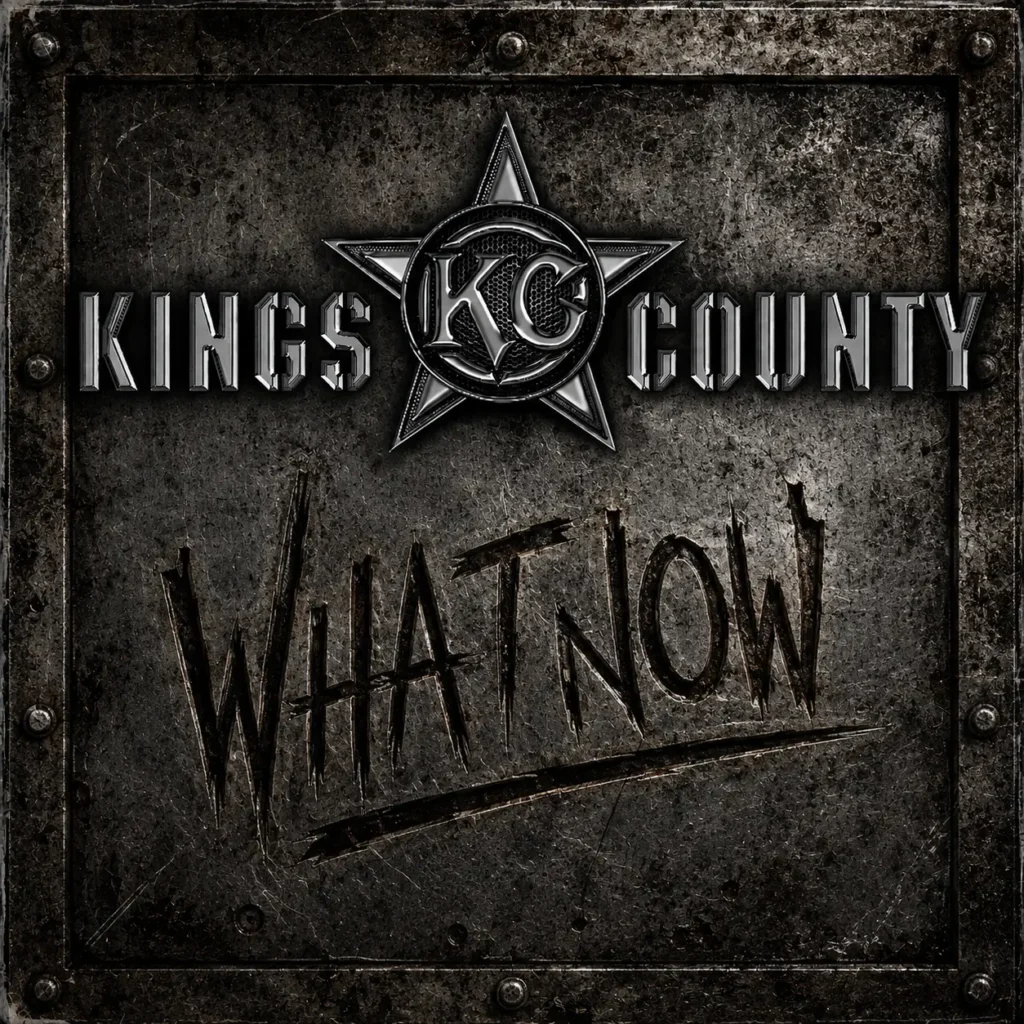
About seven million rock tunes about broken relationships-that’s not a dig. Humanity has been trying to hurt the ones we love for a good several thousand years and rock just brought it to scale. In truth, the real challenge isn’t finding fresh angles to sound off to about the pain, but making an audience care enough to listen. If you’re are in luck, Kings County do know that. Their new song, “What Now“, seemingly has a straightforward thought at its center – the point when it all explodes. Not the “breaking up,” or the “screaming fight,” or even the “actors running through the airport” scene (you know what I mean). Rather, it is the focus on what comes after the elevator doors close on that “difficult emotional space, full of uncertainty and suspended emotion” where you’ve just caught your breath and are wondering how on earth to begin again. Today’s song. Yes, there’s frustration. Yes, there’s regret. But beneath all of that is something more useful: movement. The song feels less like somebody collapsing and more like somebody standing in the wreckage trying to figure out where the exits are. It’s a song about uncertainty rather than defeat. Musically, the band does exactly what a band like Kings County should be doing. Big guitars. Big hooks. Big choruses. No unnecessary complications and I mean that as a compliment. A surprising number of modern rock bands seem to believe complexity automatically equals depth. Meanwhile Kings County are operating on a much older principle: if people can’t remember the chorus after one listen, you’ve probably overthought it. You can still make out influences of the band everywhere. We haven’t dropped the emphasis on melodies like The Beatles would have wanted, and the overwhelming power of Arena Rock of the 1970’s goes without saying. The guitars are punchy, and the drums- propellor everything along, and the chorus rocks up just in time, enough momentum to take the singer’s own angsty discontent and make it a shared thing. The sound production, by Chuck Alkazian at Pearl Sound Studios, provides the right amount of shine and sheen, but not over-polished and deadening to the impact. It all sounds large, but not sterilized. I know it sounded powerful, but still lived as real people. The Orlando quartet aren’t trying to reinvent rock music with this. They’re actually just trying to write a tune people can relate to. And that can sometimes be an extremely difficult thing to do. “What Now” hits a home run because it just accepts that the heartache isn’t the story. It just begins after. And for four minutes, Kings County brings that murkiness into unexpectedly positive relief. Follow Kings County Globe Facebook X-twitter Spotify Youtube Instagram Tiktok Promoted Content About the Author

Kings County Brings Murkiness Into Unexpectedly Positive Relief on “What Now” Read More »

California Punk Royalty Reinvents the Wheel With High-Octane Alt-Rock Grit

The sun-scorched asphalt of Southern California has a way of baking certain voices into its cracks until they become part of the geography and hearing Jack Grisham and the Life Undone rip through Pieces of the Sun feels like watching a wildfire reclaim a manicured suburb. Grisham has spent the better part of four decades serving as the unpredictable wild card of the Orange County scene but here he sounds less like a ghost of 1981 and more like a man who has finally found a way to weaponize his own history. It is a striking return that avoids the trap of nostalgia by choosing instead to favor a sharp and muscular sort of Alternative Rock that feels dangerously alive. The backstory of this record reads like a piece of punk rock kismet because it began with a chance meeting at the Punk Rock Museum in Las Vegas where Lars Triesch and Grisham were introduced by the iconic photographer Edward Colver. There is a driving momentum to this track that feels like it was pulled from the jagged edges of Post-Punk and then polished with the grit of a German industrial town where producers Kurt Ebelhäuser and Michel Wern helped hammer these ideas into shape. The guitars on Pieces of the Sun have this wonderful churning quality that builds a wall of pressure before the chorus breaks everything open and the way the rhythm section locks into that relentless groove makes the whole thing feel like it could go on forever without losing its edge. I love the specific moment at the bridge where the distortion clears out for a heartbeat and you can hear the air in the room before Paul Roessler adds that signature Kitten Robot Studios polish that brings the California darkness home. Grisham has always had one of the most distinctive snarls in the underground and he uses it here to great effect by balancing a certain weathered wisdom with a raw and immediate frustration that makes every line land with weight. His performance is a reminder that you don’t need to scream to be heard when you have this much authority behind your delivery and he sounds like he is having more fun than he has in years. This is a record for the people who still believe that rock and roll should feel like a secret and a threat and Jack Grisham and the Life Undone have delivered a piece of work that honors his Punk roots while pointing toward a future that is wide open and glowing with heat. Facebook Spotify Youtube

California Punk Royalty Reinvents the Wheel With High-Octane Alt-Rock Grit Read More »