loader image

2026

PRJCT MGR’s Capitalize (feat. Nora June) Is A Strange Way To Talk About Growing Up

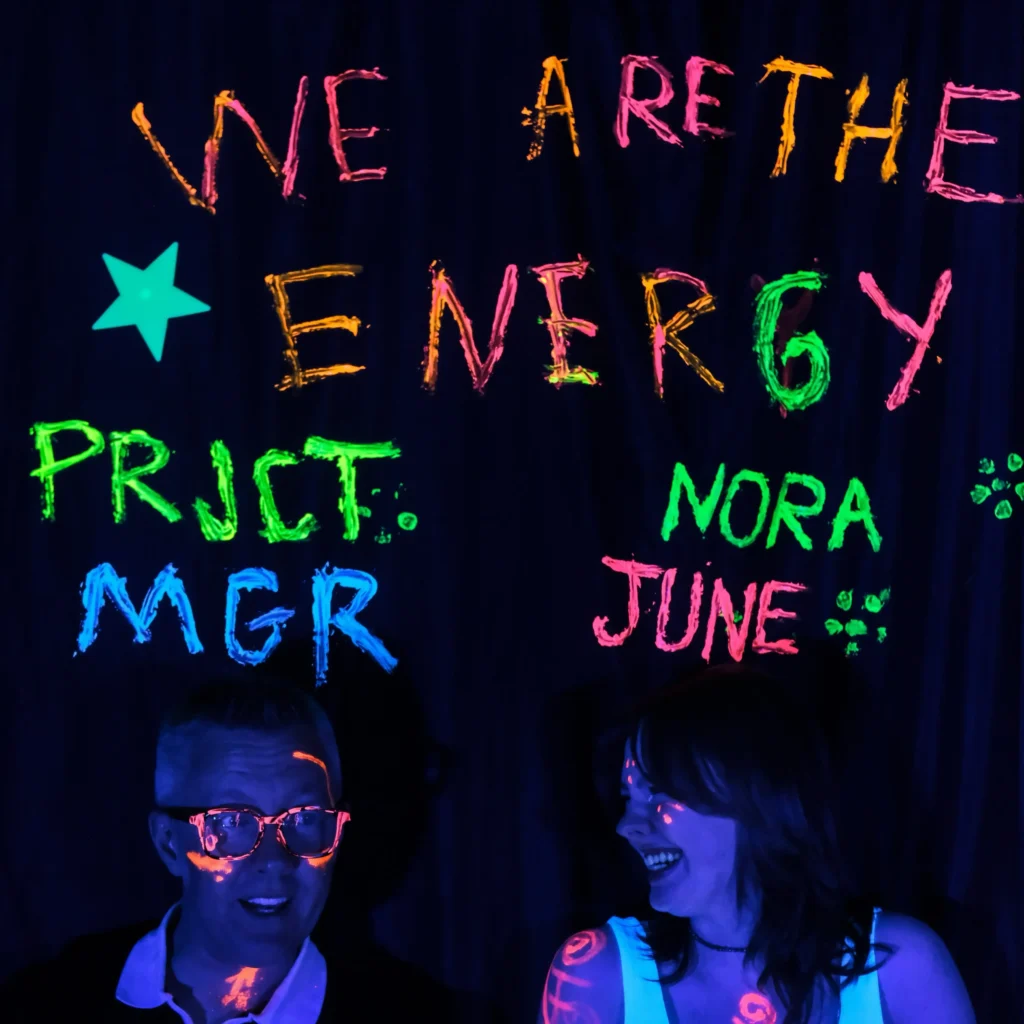
Once in a while, you’ll come across songs that sound insanely good, then you hear the lyrics and go, “Wait… there’s actually a lot going on here.” Today, that song is PRJCT MGR’s Capitalize (feat. Nora June). And it starts like a weird classroom exercise, with layers tiptoeing around one another. You can practically hear PRJCT MGR’s years of making music manifest in the way the track’s arrangement comes into place. There’s still a little of that old-school garage-band kid in there, from the days of flyers on telephone poles and playing whatever gig came along. But the lyrics are where the song actually tells you to stop and pay attention. Apparently, growing up doesn’t get you out of the classroom; it just puts you in a different one, with new faces, new rules, and the same old confusion. In four minutes, he manages to blur the line between being a kid and being an adult, like all the things you thought you’d outgrow simply found a new space to fit into your life.  The track closes with the lines, “Read right, never capitalize. Rewrite, never capitalize,” and it sounds like a protest. Not exactly to bend all the rules, but to recognize that some of them were never meant to define you. Twenty-five-plus years into a career outside music, PRJCT MGR is back where he started, just with better gear, a basement studio, and an insanely talented daughter to keep the ego in check. The plan is simple: make more music, put it out into the world, and see what happens. Turns out, sometimes getting back into the game is reason enough to play. Follow PRJCT MGR Globe Spotify Youtube Instagram Promoted Content About the Author

PRJCT MGR’s Capitalize (feat. Nora June) Is A Strange Way To Talk About Growing Up Read More »

Segana’s Midnight Masquerade Is a Neon Noir Trip With Nowhere to Go

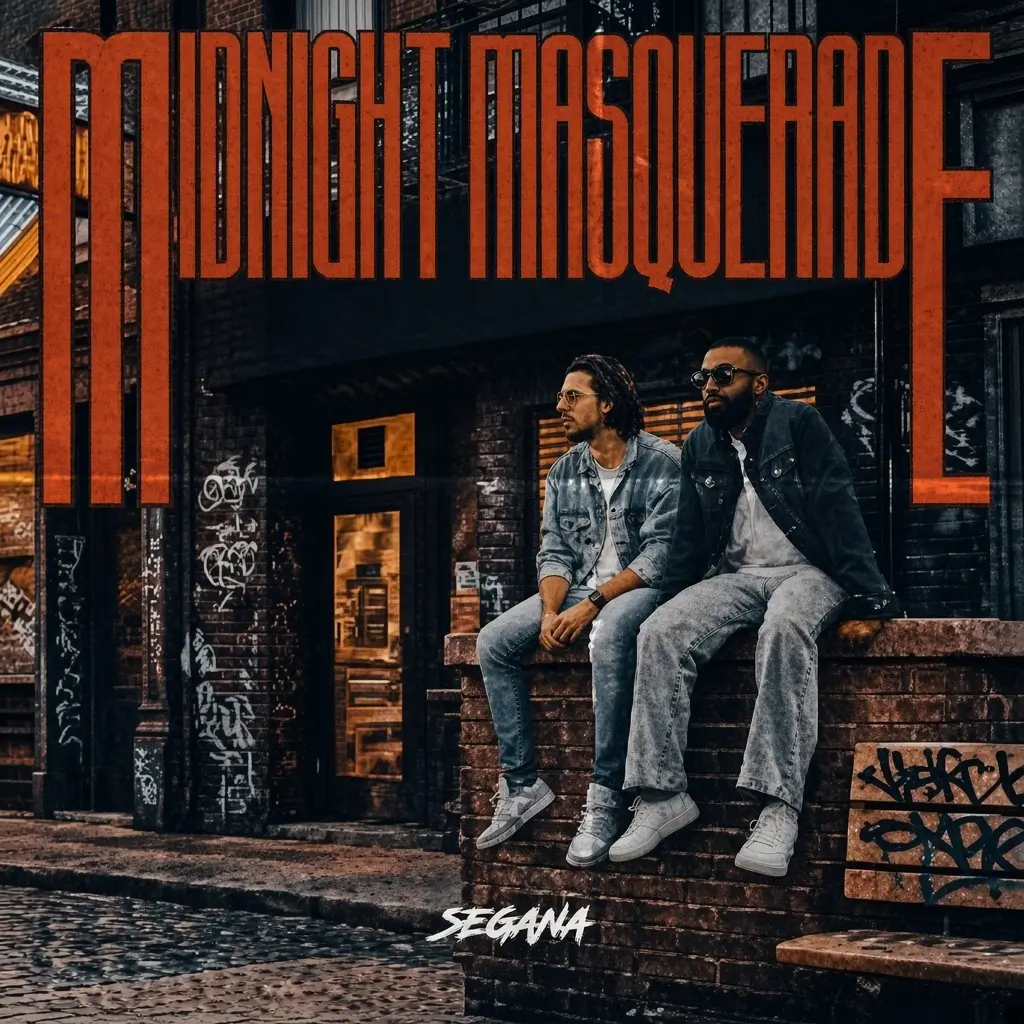
There are albums that just arrive with their own lighting department. You know the type. The press copy says “after-hours.” There are probably signs that glow faintly in the dark. Someone’s definitely wearing a leather jacket. Every couplet or so is about the intersecting themes of wantonness, risk, seduction, running away, or running away from your seduction. If you’re really unlucky, the word “cinematic” is somewhere in the bio. Fortunately, there is more to Segana’s Midnight Masquerade than what the marketing terminology may imply. Blair Djuna, aka singer Derrick Attwood, and his best buddy Josh Paltoo of Sydney have been bouncing around between alt-pop, rock, R&B, and electronic styles for years. The pair met while studying songwriting at JMC Academy and eventually enjoyed some success with their 2018 single “Forget You.” On Midnight Masquerade, they shake things up a little, embracing the synth-heavy appeal of night pop without losing focus on the songwriting. And it definitely is a night album. The first track, “Earth to Mercury,” quickly sets the tone for the record. By this point, there are solid grooves, silky vocals, and just enough steady momentum to justify walking, but not standing around. The song is slick, infectiously melodic, and a tad edgy—the musical counterpart to vowing to have only one drink, then choosing to do so by taking a cab to the bar and back. “Swingin Sixties” then cranks it up a notch. Its nostalgic cracks and rock ’n’ roll sensibility add a bit of swagger to the song compared to the more straightforward synth-pop in the rest of the album. The song gets this, too, knowing that nostalgia is best left unfiltered. That’s one of the better things about Midnight Masquerade: Segana is invested enough in atmosphere that atmosphere isn’t the entire feast. There are synths galore, but they mostly serve a compositional purpose rather than being a kind of vast wallpaper. Much of the album’s structure relies on the rhythmic electronic textures, while the vocals tend to rest easily within the songs’ arrangements. And there’s a sense of back and forth between pop’s instant appeal and its more bizarre tendencies. That feeling becomes especially apparent on “How Could They Know.” More passive and paranoid than the early, frantic numbers, it’s bathed in shadow, held together by mystery and doubt. The track isn’t content to lay out every element of its story before us; it implies that something is going on just beyond the edge. Then “Dancing in the Rain” takes that tension and turns it into a romantic feeling. All the thunder, churning seas, and emotion are present, but this works because the track has the production to give those things a direction. It’s not a generic love song; it’s more like a moment in the same weird nighttime universe that the album has been creating. “You’re the One” is much more straightforward. Where some of the record thrives on glancing ambiguity, this one rests in devotion, softening the emotional core of the album. “Cherry Crush” also expands the palette, maintaining the record’s interest in heightened emotion but changing the texture. This is what turns Midnight Masquerade into so much more than a bunch of songs sharing some common synths. The tracks aren’t wildly different from each other, but they’re not all trying to do the same thing either. There’s swagger, there’s romance, there’s tension, and there’s relief. “Feels Like Heaven,” “To Be a Believer,” and “Believe” offer a little levity to the album, letting the record shake itself loose from its darker corners without sounding like the volume has just been turned down. And then there is the title track, much like the album’s mission statement. “Midnight Masquerade,” with its relentless percussion and multi-tracked production, encapsulates the album’s recurring themes of disguise, lure, and transient elusion, with the masquerade less about shrouding oneself entirely than the odd sense of freedom that comes with temporarily becoming someone else. Perhaps that’s what gives its aesthetic some traction.  Because, lest we forget, Midnight Masquerade isn’t that much into realism. It wants heightened emotion. It wants the night to be more dramatic than the day. It wants every theme park ride to have a risk element and every city street to seem as though it’s been lit by a special-effects crew for a music video. That might wear you out. In less considerate hands, ten tracks of this would be like living inside an energy drink. Segana mostly deflects this by anchoring the album in melody and groove. The production is slick, yet the songs still carry some individuality beneath the sheen; the record doesn’t quite dissolve into mere atmospheres. Occasionally, the aesthetic seems to surpass the material. Even so, this claim is strangely persuasive; Segana knows exactly what world they’re creating, and they remain committed to it. This one is a good continuous-play record for a late-night drive, for wandering around a city with a pair of headphones, or for simply sitting in a dark room and letting the synths do their thing. Midnight Masquerade isn’t aiming to reinvent the pop wheel. It doesn’t have to. Its goal is more modest and, perhaps, more relevant: to construct a believable universe and to ensure that you want to remain in it. For an album about masks, secrets, and after-dark escapism, Segana’s greatest illusion is that the mask remains in place. Follow Segana Facebook Spotify Soundcloud Youtube Instagram Tiktok Promoted Content About the Author


Segana’s Midnight Masquerade Is a Neon Noir Trip With Nowhere to Go Read More »

The House Flies’ “Lost Literature” Finds the Fun in Getting Lost

There are songs that arrive fully assembled, wearing a little name tag that says, “Hello, I am a single.” Then there are songs like The House Flies’ “Lost Literature,” which apparently started as a bassline and simply refused to stop growing until it became an entire song. Honestly, fair enough. The four-piece band from Moline, Illinois, has built its sound around dark, post-punk-flavored rock, but “Lost Literature” reveals a noticeably more melodic and immediately catchy side of the band. Following a heavier single in “Derelict Crawl,” the track doesn’t exactly kick down the door. It strolls in, finds a groove, sits there for a while, and somehow makes you want to sit with it too. The bass does most of the initial heavy lifting, joined by a steady drum pulse that gives the song its forward motion. What’s interesting is how little the band seems interested in escaping that groove. The chorus circles back on itself repeatedly, but instead of feeling like the song has run out of ideas, the repetition becomes the idea. This is particularly effective because “Lost Literature” is dealing with memory and identity: the awkward space between who you are, who you were, and whatever happened in between. Alex Riggen’s lyrics use images like rental cars, porch lights, clover and quiet radio static to create something that feels like driving through a small town late at night when you have absolutely no business being awake. Riggen has described imagining two people who know each other well, sitting somewhere familiar before eventually getting into a car and driving without much of a destination. It’s a simple premise, but the song wisely doesn’t explain itself to death. You can put your own memories into those empty spaces. That’s probably the best thing about “Lost Literature.” It’s catchy without becoming annoyingly eager to be catchy, atmospheric without disappearing into its own fog, and repetitive without becoming stagnant. Follow The House Flies Globe Bandcamp Youtube Instagram Facebook Spotify Promoted Content About the Author

The House Flies’ “Lost Literature” Finds the Fun in Getting Lost Read More »

BR33Z WORLD’s Black Heart Is a Tale of Life, Suffering, and Success

BR33Z WORLD’s Black Heart features eight tracks, but there’s much to unpack. It’s about survival, treachery, allegiance, ambition, the blocks, and resilience, but it’s not eight songs sounding the same. BR33Z WORLD moves through rage, regret, mistrust, edge, and resolve, making his personal story multifaceted. Born in San Francisco and raised in Oakland, but shaped by Fillmore— BR33Z WORLD made the album about his own struggle and the process of rebuilding his life after a life-changing experience. Now, that’s something to keep in mind, but the record is better off not being viewed as eight individual accounts of what he went through. Credit: Copy Right 2026 BR33Z WORLD ALL RIGHTS RESERVED “Can’t Run” is a good starting point because it establishes the album’s most intense side right away. Betrayal and difficult circumstances are among the song’s subject matter, but the more compelling notion is that of being stuck within a cycle: the title implies there’s no easy escape, and the writing keeps coming back to the notion of decisions and their outcomes. It elevates the song from being a straightforward street record into a prologue to the world the rest of the album is exploring. “It Ain’t Easy” gets much more intimate. With “It Ain’t Easy,” you don’t get all that far away from the camera. BR33Z WORLD shifts the direction a bit and goes inward, toward the experiences and humanity that brought him here. His West Coast melodic delivery graces the track with a calmer tone, but that doesn’t overshadow what the track is really about; in fact, it leaves more room for the narrative. “Can’t Change” picks up where “It Ain’t Easy” left off, focusing on the aftermath and what remains after an experience has already happened. Some things still become a part of you. One of the clearest and most specific messages of the entire album comes across here: just because you survive something doesn’t mean you can erase its effect on you. Then the album moves into its more assertive side. “The Plug” is full of street energy, while “Never Bite the Hand That Feeds” returns to the themes of loyalty and treachery. Even the latter’s title feels like an adage warning you off, which is appropriate for an album where relationships are often presented as something that can either bind people together or lead to complications. “Different View” broadens the scope of the album, while “Cry Baby” provides another musical change of pace. They’re necessary because Black Heart could have gotten predictable in a hurry if every song tackled its subject with the same intensity. As it turns out, varying the tone and delivery makes room for the heavier records. The end result is an album that sounds planned and thought out, not just put together. “Can’t Run” presents the conflict, “It Ain’t Easy” shifts the focus inward, and “Can’t Change” reflects on the permanence of difficult experiences. Then the more energetic tracks draw the listener back to street relationships, loyalty, and aspirations, while the more varied tracks keep the project from turning into one long, dark meditation. Which is exactly the point at which BR33Z WORLD’s melodic sensibility comes in handy. A West Coast sound isn’t merely an aesthetic label to slap on a rap project. Making each song sound like it belongs on the same album allows him to switch from the hardest rap delivery to a more melodic one without making the songs feel like they could have been recorded for different albums. Every single one of them zeroes in on a story that, in a way, we can take home: BR33Z WORLD has survived a lot, and Black Heart is interested in what’s next. This isn’t just a record about what happened to him. It’s about what follows; the lessons, the suspicion, the identity, the ambition, and the need to do his thing. Black Heart isn’t a neat, neatly explained redemption arc that finds its resolution by track eight. Rather, the project is filled with room for a dissonance that feels all the more resonant for its messiness: pain sits alongside grand ambition; wariness sits alongside dependence; painful memory sits alongside the urge to move forward. As a document of an artist getting on with the business of living after life-altering incidents, Black Heart is more concerned with the aftermath than with the event itself, and its most compelling moments arrive when that personal history informs rather than consumes the music. The story behind this album is as powerful as the music itself. After surviving being shot in the head and three times in the back, he faced a long road of recovery that included relearning how to walk and talk. That experience became a defining part of his life and the inspiration behind BLACK HEART, giving this album a deeper meaning rooted in survival, resilience, and the determination to rebuild a life from the ground up and finding purpose through pain. Survival isn’t the end of a story on this album. It’s the start of a new chapter, and with two more albums scheduled to follow, BR33Z WORLD still hasn’t closed the book. Follow BR33Z WORLD Globe Facebook X-twitter Spotify Youtube Instagram Tiktok Promoted Content About the Author
BR33Z WORLD’s Black Heart Is a Tale of Life, Suffering, and Success Read More »

Hamish’s “Singing in My Soul” Is an Old Song That Refuses to Stay Old

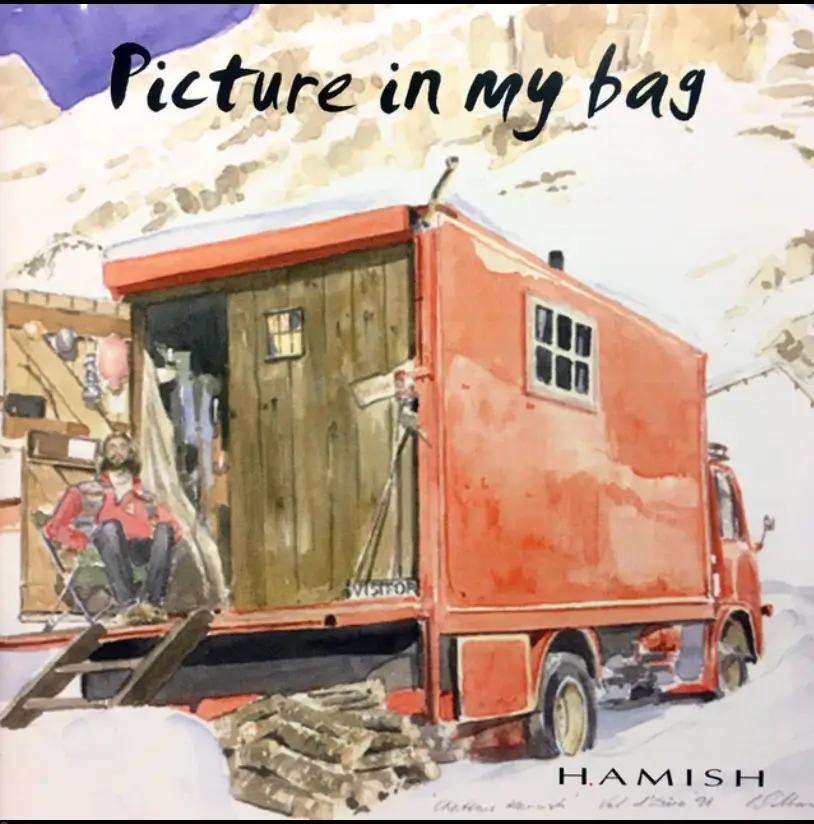
Some musicians collect records. Hamish seems to collect stories. Three decades spent wandering England’s music scene, setting up the Rabbit Hole at Glastonbury, quietly supporting young bands, hitchhiking across America with a guitar, and somehow ending up at Lisa Bonet’s party after getting lost in Venice Beach have all become part of his story. He also wrote “Singing In My Soul,” a track from his 1999 debut album, “Picture In My Bag,” and it’s only just now getting its day in the sun. And, to be honest, the song sounds exactly like something with that much history in it. Recorded at Hatfield Court, a sprawling, dilapidated mansion in Herefordshire, “Singing In My Soul” was produced by Les Penning, who is known for his work with Mike Oldfield. The recording environment isn’t so much a studio as a random setting: ‘There, I knew what it needed: an ancient oak-panelled drawing room. An old, wood-fired Aga.’ As a result, the song has a raw, atmospheric feel that places it firmly in the realm of real life. Local musicians were brought into the mansion and, instead of wiping away every abrasion, the song captures the vibrancy of that experience. “Singing In My Soul” is folk-rock, but not the sort that is poured into a glass display marked AUTHENTIC FOLK MUSIC. It’s more alive, human, and lived-in. Surprisingly for any song that has only just emerged from the musical equivalent of a forgotten drawer, it has already enjoyed a long existence. It became a hit on the New Zealand folk charts while Hamish was touring there and was subsequently featured in one of the country’s top television shows. The song also continues to be played at weddings and other functions to this day. That perseverance makes sense when you consider how simply Hamish approaches songwriting. It’s all about melody and storytelling, and “Singing In My Soul” doesn’t appear to be too preoccupied with impressing; it just wants to say something. It is somehow fitting that Hamish has come back to this material as he is on the cusp of releasing “Significant Others.” The album languished for 16 years under a mountain of cuttings before being resurrected by local musicians with producer Chris Oldfield, formerly of Dreadzone. Hamish’s history with up-and-coming artists makes that spirit of collaboration even more fitting. He hosted The Rabbit Hole at Glastonbury for 16 years, giving young and emerging bands a platform to be heard. The venue became so popular that even Hamish’s stage costume of a rabbit became part of his identity, and he eventually got a LEGO character made in his likeness. So “Singing In My Soul,” ultimately, is not just a song from 1999, but a snapshot of something Hamish seems to have known all along: Good songs, even old ones, can still live on if they have a little life left in them and keep finding new people. Follow Hamish Spotify Promoted Content About the Author

Hamish’s “Singing in My Soul” Is an Old Song That Refuses to Stay Old Read More »

Chet Nordy’s “For You” Turns a 15 Year Old Wedding Song Into a Rock Anthem

There is something slightly absurd about writing a love song for your wedding and then, 15 years later, deciding it needs electric guitars. This is also exactly why Chet Nordy’s “For You” works: the song’s grander rock treatment is built around something that was originally much smaller, more private, and presumably played with considerably fewer amps.  “For You” began as an acoustic song written by Dave Nordstrom, who performs as Chet Nordy, for his wife on their wedding day. The new version expands that intimate origin into a full rock production, with Josh Paulino handling the vocals and Nordstrom playing and recording the instruments himself. The arrangement understands the danger of this transformation. Turn a personal love song into a rock anthem and there is always a risk that the emotion gets buried under guitars, drums and the general sonic equivalent of someone shouting “THIS IS LOVE” through a megaphone. “For You” largely avoids that by giving its instrumentation a clear emotional function. The electric guitar establishes the song’s immediate character, with melodic licks providing the first major hook. Rather than using distortion simply for volume, Nordstrom uses the guitar to increase the song’s sense of momentum. The arrangement then pushes toward a broad, singable chorus, giving the private sentiment a more communal quality. Paulino sings it straight out, with just enough focus to compete with the ever-widening scope of the arrangement. This keeps the lyrics front and center rather than allowing the lush arrangement to overshadow them. The most effective decision, however, may be the acoustic guitar outro. After spending much of the track building toward a larger rock sound, “For You” returns to something closer to its original form. It is a simple structural idea, but an appropriate one: the song ends by reconnecting with the version that existed before the studio, amplification and production entered the picture. That gives the arrangement an emotional arc beyond simply “quiet bit becomes loud bit.” The electric guitars represent the song as a finished recording; the acoustic ending reminds us that it started as something meant for one person. The lyrics themselves are straightforward about commitment, which may be the point. Fifteen years after its original purpose, “For You” isn’t trying to make love sound mysterious. It treats lasting affection as something worth stating plainly and then turns that statement into a guitar song loud enough for everyone else to hear. Follow Chet Nordy Spotify Facebook Instagram Tiktok Promoted Content About the Author
Chet Nordy’s “For You” Turns a 15 Year Old Wedding Song Into a Rock Anthem Read More »

FORRM’s “PALAZZO” Builds an Expansive World Through Experimental Rock

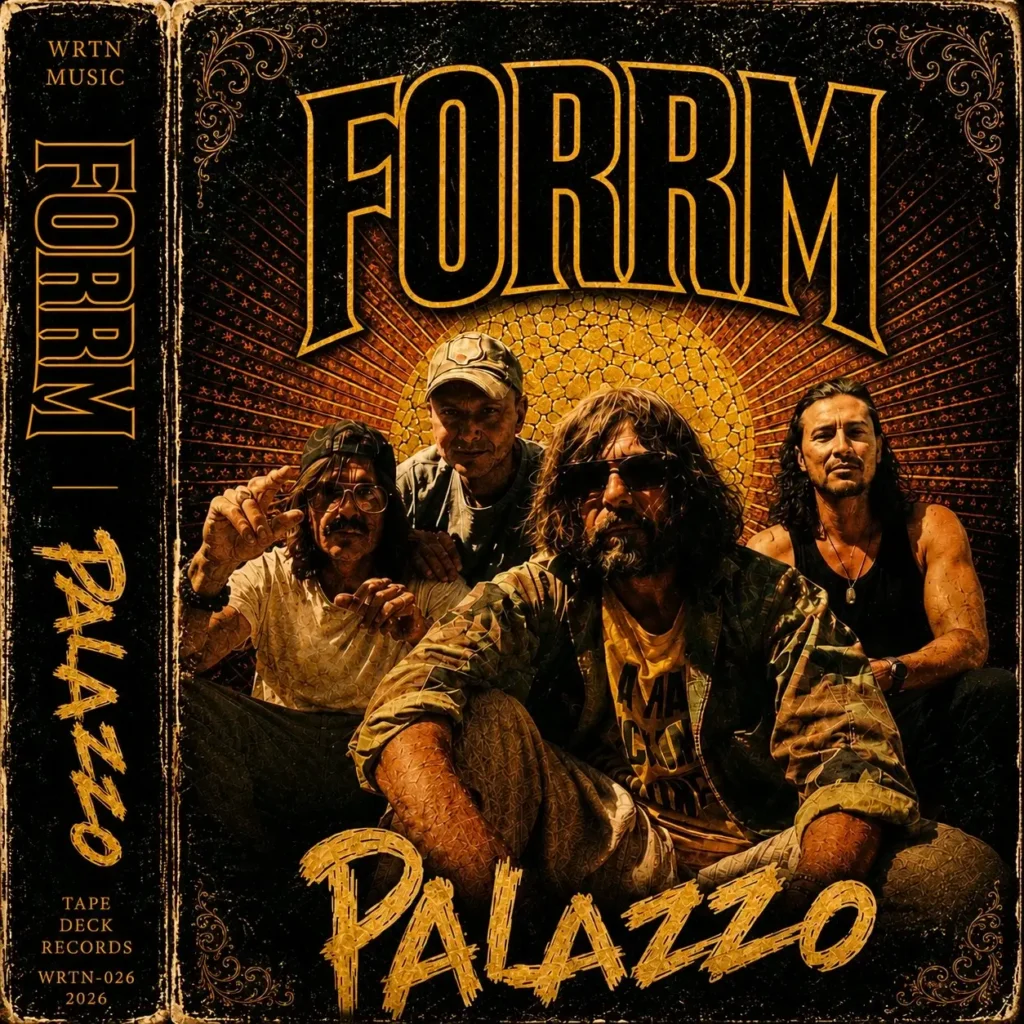
PALAZZO finds FORRM working where experimental rock and electronic music collide with cinematic composition, using atmosphere as the fabric of a song rather than an afterthought. The single offers a taste of FORRM – the free-wielding multidisciplinary project helmed by Iranian-French artist/filmmaker/musician Firouz Farman Farmaian in an expansive track grounded in the physical. Written at Bloom Studios, “PALAZZO” plays with a back and forth between acoustic instrumentation and electronic sound design. The acoustic intentions create a window into the song, while guitars, bass, percussion, and electronic instrumentation shift and spiral around its center. The song avoids the usual repetition of verse, chorus, verse, chorus, instead swinging constantly and shifting in density, volume, and air. This is reflective of the general way in which FORRM operates: traveling between the worlds of music, film, contemporary art and site-specific work. “PALAZZO” obviously feels very much like it is built out of these other disciplines in the way it is developed; it creates its visual environment rather than following it. The Venice and Palazzo Dandolo references are perhaps the most helpful to this task. The production has an architectural feeling to it, with echo and multilayered instrumentation making it feel further away from the listener and larger. It is perhaps less about trying to sonically recreate Venice than about capturing an idea of the place: history, movement, spectacle, and mystery. The guitars really work on this track to keep it in touch with rock. The tone of the guitars keeps the production from becoming too slick while the electronic elements extend the sonic range without dominating the live instruments. The rhythm section delivers the drive beneath the atmospheric sections. Another major element to consider in the mix is the vocal performance. This is prominently featured because of its contrary directness to the spaciousness of the production, allowing the listener to feel as though there is a human element in a rather heavily designed setting. This prevents it from floating entirely as an ambient piece. However, a sacrifice has to be made. “PALAZZO” is less about single moments or “hooks”, or traditional song structure and more about a feeling, a mood and building slowly. For someone used to more traditionally-structured music, with tightly-wound hooks, it may take longer to get into. But that also means that the track retains its cinematic quality.The strength of “PALAZZO” lies precisely in the correspondence of ideas and implementation. FORRM’s desire to unite rock and cinema, visual art and physical spaces is taken to the music; it is not only in the presentation. “PALAZZO” is thus a house for exploring, and the focus is less on a resolution of a cliff-hanging hook than on the environment it is created to be experienced in. Follow FORRM Globe Soundcloud Bandcamp Instagram Play-circle Music Promoted Content About the Author

FORRM’s “PALAZZO” Builds an Expansive World Through Experimental Rock Read More »

Slovak Heavyweights Stercore Vaporize Digital Anxiety With an Unrelenting Electronic-Deathcore Assault

When Slovak heavyweights Stercore unleash Void, the impact feels less like a standard single release and more like detonating an EMP directly inside a crowded digital hub. Standing at the vanguard of Eastern Europe’s aggressive music underground, this band has spent years refining a lethal strain of modern metalcore that refuses to pull punches. From the very first second, the production slams forward with massive down-tuned guitars and glitched synth textures that paint a bleak picture of hyper-connected isolation. The opening riff doesn’t just ask for attention, it demands submission as low frequencies shake the floor and guttural roars tear through the speakers. Having recently honed their live attack across Japan alongside heavy hitters like Born of Osiris and Signs of the Swarm, the group channels that world-stage confidence directly into this studio arrangement. Glitchy electronic splatters slice through heavy rhythm guitars while the drumming switches effortlessly between hyper-fast blast beats and punishing half-time grooves. The synthesis of mechanical synth work and brute human force creates a dizzying atmosphere that feels intensely modern and completely terrifying. Nothing about this song feels safe or comfortable. The single hits a nerve by capturing the suffocating weight of staring into glowing screens while feeling completely hollow inside. As the track accelerates toward its midpoint, icy synthesizer arpeggios hover over thunderous bass hits, building up a sense of panic before collapsing into a catastrophic breakdown around two minutes and forty seconds in. That heavy drop leans straight into brutal deathcore territory, giving the vocal performance room to shred its vocal cords over crushing syncopated rhythms. Fresh off an explosive appearance at Portugal’s Vagos Metal Fest, Stercore demonstrate that they belong on the global stage with total authority. Void stands as a brilliant achievement for independent heavy music, showing how a band can push technical boundaries without ever losing the raw emotional blood that makes metal matter in the first place. Put this on the loudest speakers you can find and let the breakdown take full control. Facebook Spotify Youtube

Slovak Heavyweights Stercore Vaporize Digital Anxiety With an Unrelenting Electronic-Deathcore Assault Read More »

Ivan Mudd’s “Getaway Car” Is Power Pop With Plenty of Momentum

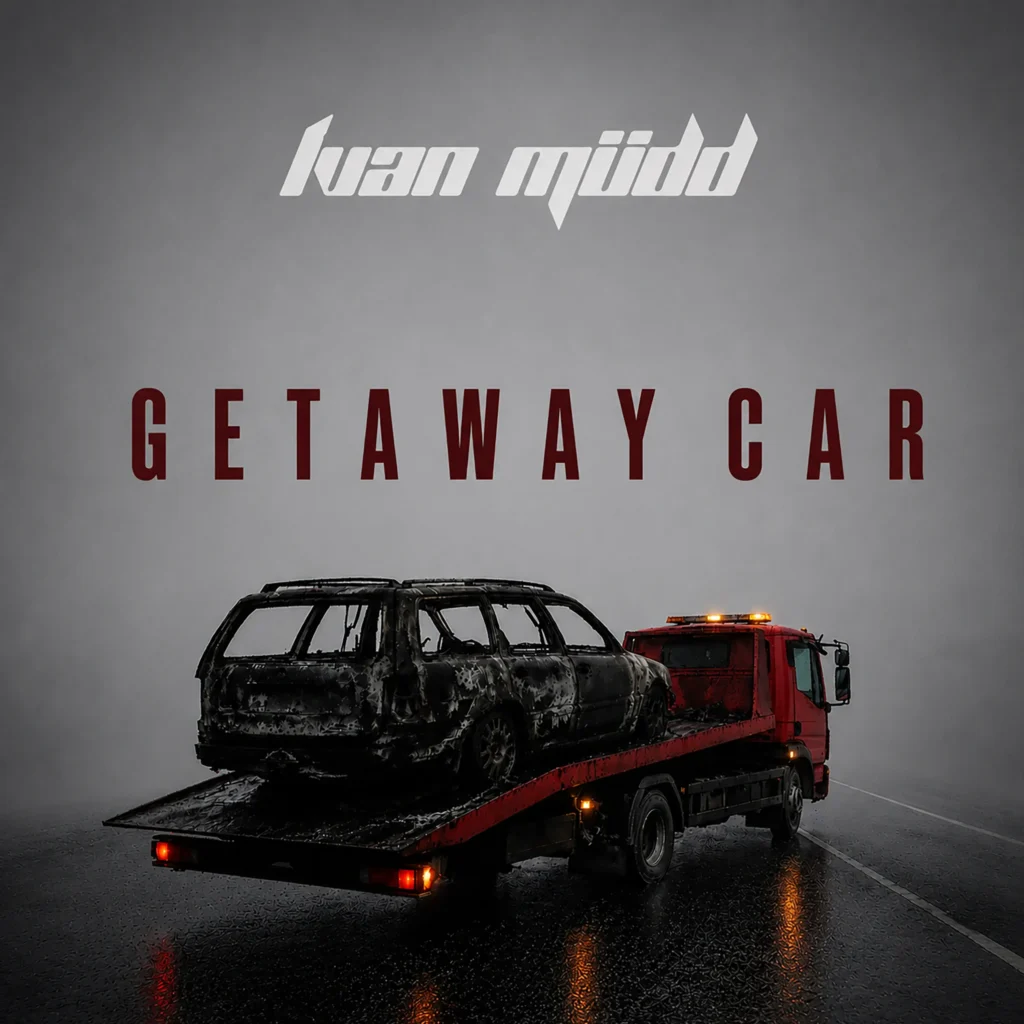
“Getaway Car” by Ivan Mudd comes out of the gate racing. Ivan Mudd’s first single delivers with fuzzy guitars, crunch, punk attitude, and a catchy melodic hook that makes the track immediately inviting. While it is a straightforward power pop tune, the band knows exactly how much grit and melody it needs to keep the formula interesting. The Norwegian trio has a pretty rough-edged sound in their guitar work without resorting to full-on distortion, ensuring that the melodies aren’t sacrificed entirely, while the vocals keep things solidly in the realm of accessible pop. It all sounds intentionally basic without ever feeling underdeveloped or lacking. Credit: Photo by Kristin Adamsrød That straightforwardness actually works well for the momentum of the track. “Getaway Car” is a track that obviously wants to make you feel like you’re moving. It’s got that driving groove to it, and the guitars are just dogged about keeping the momentum going, so it can feel like you’ve been dumped in the trunk of a car and driven away. While its roughly textured surface and sweet songwriting seem mildly oppositional, there’s something conducive to harmony. Ivan Mudd is aware that distortion can add punch to the best power pop, but it shouldn’t drown the hook out. The fuzz gives substance, but the song provides the flesh. This song is from “Tales From The Valley,” the band’s concept album loosely centered on a fake television series and fictional city. That setup lends “Getaway Car” a cinematic element without making it unnecessarily convoluted. Even its title just implies that you’re arriving somewhere in the middle of a tale, as something is happening and someone is leaving. Above all, it captures the fundamental essence of power pop: hit people with a good tune, crank up the guitars, and don’t overanalyze it. “Getaway Car” hits people with a good tune, cranks up the guitars, and does so with a bit of grit and personality. Follow Ivan Mudd Facebook Spotify Youtube Instagram Tiktok Promoted Content About the Author

Ivan Mudd’s “Getaway Car” Is Power Pop With Plenty of Momentum Read More »

Electrobuddha’s “The Man Who Killed the World” Makes an Apocalypse You Can Dance To

“The Man Who Killed The World” is an extremely confident title. It suggests one spectacularly bad person, possibly wearing a cape and standing on top of a volcano. Electrobuddha’s song, thankfully, is a little more complicated than that. The track, which first surfaced in 2016 and was given a remixed 2026 version, punishes war, hunger, inequality and destruction to nature. There is a lot to pack into a single tune, but McCaffer, the Scottish artist who makes music as Electrobuddha, does not seem to be lecturing; rather, there’s a progressively more uncomfortable feel of psychedelic rock to it. The first sentence sets the scene right away: “Just look around you, satellites keep falling from the sky. It mystified you. Seems to me we are running out of time.” Hitting you over the head? Not so much. Hit you like a breath of fresh air? Yes. There is enough in the music itself to make it worthy of replay. A jagged, broken drumbeat makes the first heartbeat of the track, a wobbling bass line pulls the record into its mood, then guitars, synths and strings gather around it, attempting to make the record sound as crowded as possible. And yet, it doesn’t fall apart. That is mostly because the beat is still king. The drums are still beating relentlessly, with the bass bordering on tangible, the strings helping to build up the tension, the electronic sounds becoming strangely unnerving, while the vocal by McCaffer is right in the eye of the storm. The remix also has an advantage in that its subject matter has never exactly fallen out of date. If anything, the issues raised by the lyrics have acquired the unwelcome attribute of a perma-current zeitgeist. The world still has war. Still has hunger. Still has inequality. And still objects to any plan that doesn’t benefit billionaires. Anyways. McCaffer’s DIY methodology suits the genre’s can-be-chaotic subject material. Recording from his own home studio, he creates the track with samples, guitars, drums, strings and his own vocals. The video for the song, by McCaffer himself, is also painstakingly edited and synchronized; adding to the sense that this artist is assembling all of this himself. “The Man Who Killed The World” is not subtle, and it doesn’t have to be. Its most effective passages are when the protest message and music fuse, when the percussion endures, when the bass continues its relentless drive, and when the songwriting becomes taut. For “eco rock,” Electrobuddha has a simple message: get into a panic, but keep moving. Follow Electrobuddha Facebook Spotify Promoted Content About the Author

Electrobuddha’s “The Man Who Killed the World” Makes an Apocalypse You Can Dance To Read More »