
There are albums that just arrive with their own lighting department. You know the type. The press copy says “after-hours.” There are probably signs that glow faintly in the dark. Someone’s definitely wearing a leather jacket. Every couplet or so is about the intersecting themes of wantonness, risk, seduction, running away, or running away from your seduction. If you’re really unlucky, the word “cinematic” is somewhere in the bio.
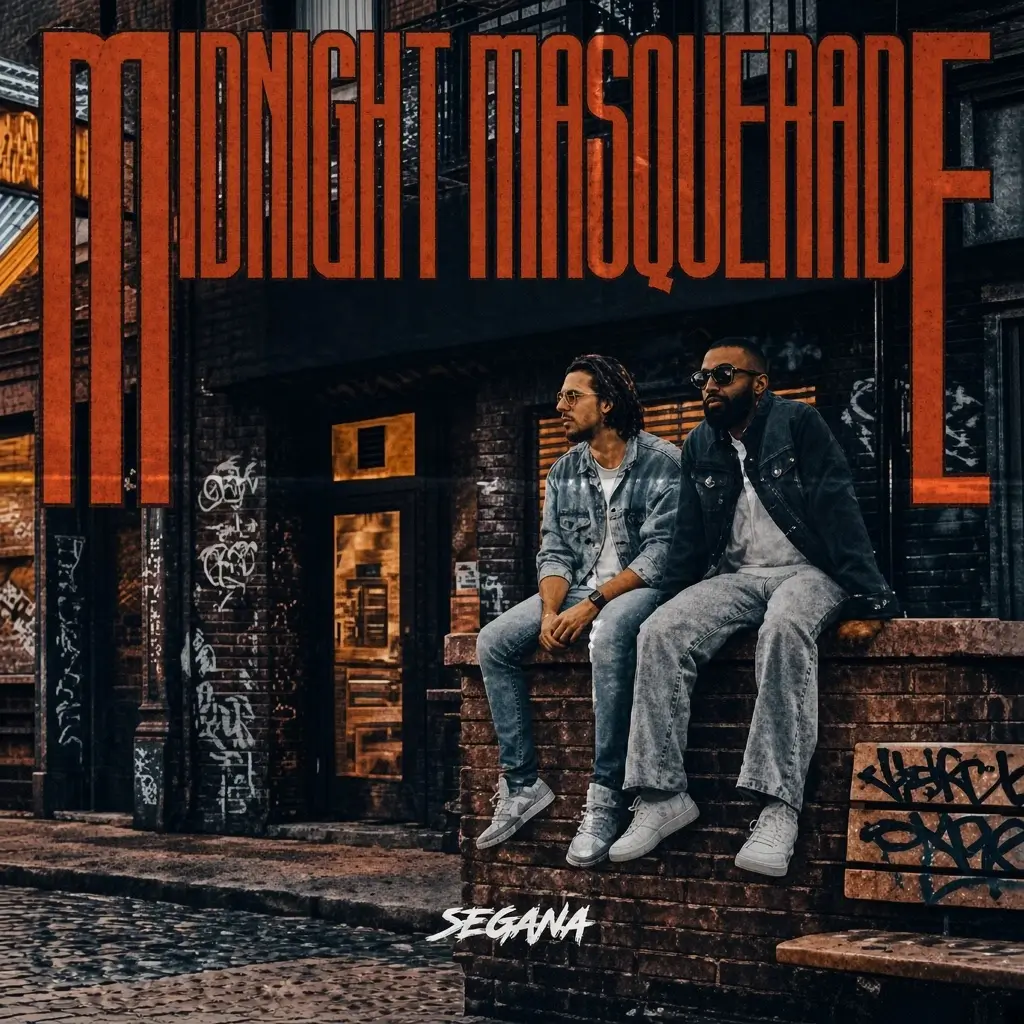
Fortunately, there is more to Segana’s Midnight Masquerade than what the marketing terminology may imply.
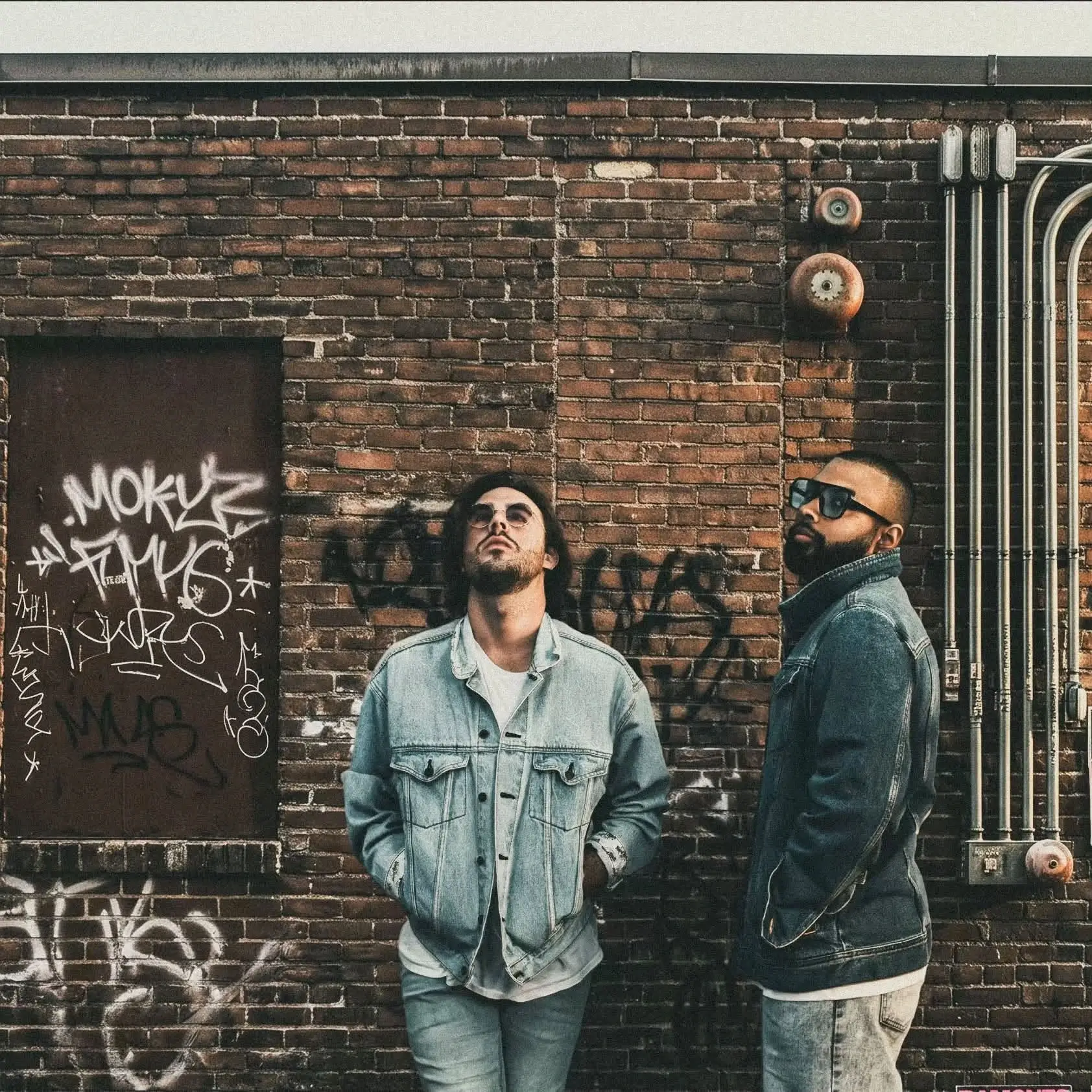
Blair Djuna, aka singer Derrick Attwood, and his best buddy Josh Paltoo of Sydney have been bouncing around between alt-pop, rock, R&B, and electronic styles for years. The pair met while studying songwriting at JMC Academy and eventually enjoyed some success with their 2018 single “Forget You.” On Midnight Masquerade, they shake things up a little, embracing the synth-heavy appeal of night pop without losing focus on the songwriting.
And it definitely is a night album.
The first track, “Earth to Mercury,” quickly sets the tone for the record. By this point, there are solid grooves, silky vocals, and just enough steady momentum to justify walking, but not standing around. The song is slick, infectiously melodic, and a tad edgy—the musical counterpart to vowing to have only one drink, then choosing to do so by taking a cab to the bar and back.
“Swingin Sixties” then cranks it up a notch. Its nostalgic cracks and rock ’n’ roll sensibility add a bit of swagger to the song compared to the more straightforward synth-pop in the rest of the album. The song gets this, too, knowing that nostalgia is best left unfiltered.
That’s one of the better things about Midnight Masquerade: Segana is invested enough in atmosphere that atmosphere isn’t the entire feast.
There are synths galore, but they mostly serve a compositional purpose rather than being a kind of vast wallpaper. Much of the album’s structure relies on the rhythmic electronic textures, while the vocals tend to rest easily within the songs’ arrangements. And there’s a sense of back and forth between pop’s instant appeal and its more bizarre tendencies.
That feeling becomes especially apparent on “How Could They Know.” More passive and paranoid than the early, frantic numbers, it’s bathed in shadow, held together by mystery and doubt. The track isn’t content to lay out every element of its story before us; it implies that something is going on just beyond the edge.
Then “Dancing in the Rain” takes that tension and turns it into a romantic feeling. All the thunder, churning seas, and emotion are present, but this works because the track has the production to give those things a direction. It’s not a generic love song; it’s more like a moment in the same weird nighttime universe that the album has been creating.
“You’re the One” is much more straightforward. Where some of the record thrives on glancing ambiguity, this one rests in devotion, softening the emotional core of the album. “Cherry Crush” also expands the palette, maintaining the record’s interest in heightened emotion but changing the texture.
This is what turns Midnight Masquerade into so much more than a bunch of songs sharing some common synths.
The tracks aren’t wildly different from each other, but they’re not all trying to do the same thing either. There’s swagger, there’s romance, there’s tension, and there’s relief. “Feels Like Heaven,” “To Be a Believer,” and “Believe” offer a little levity to the album, letting the record shake itself loose from its darker corners without sounding like the volume has just been turned down.
And then there is the title track, much like the album’s mission statement. “Midnight Masquerade,” with its relentless percussion and multi-tracked production, encapsulates the album’s recurring themes of disguise, lure, and transient elusion, with the masquerade less about shrouding oneself entirely than the odd sense of freedom that comes with temporarily becoming someone else. Perhaps that’s what gives its aesthetic some traction.
Because, lest we forget, Midnight Masquerade isn’t that much into realism. It wants heightened emotion. It wants the night to be more dramatic than the day. It wants every theme park ride to have a risk element and every city street to seem as though it’s been lit by a special-effects crew for a music video.
That might wear you out. In less considerate hands, ten tracks of this would be like living inside an energy drink.
Segana mostly deflects this by anchoring the album in melody and groove. The production is slick, yet the songs still carry some individuality beneath the sheen; the record doesn’t quite dissolve into mere atmospheres.
Occasionally, the aesthetic seems to surpass the material. Even so, this claim is strangely persuasive; Segana knows exactly what world they’re creating, and they remain committed to it. This one is a good continuous-play record for a late-night drive, for wandering around a city with a pair of headphones, or for simply sitting in a dark room and letting the synths do their thing.
Midnight Masquerade isn’t aiming to reinvent the pop wheel. It doesn’t have to. Its goal is more modest and, perhaps, more relevant: to construct a believable universe and to ensure that you want to remain in it.
For an album about masks, secrets, and after-dark escapism, Segana’s greatest illusion is that the mask remains in place.
Follow Segana
About the Author
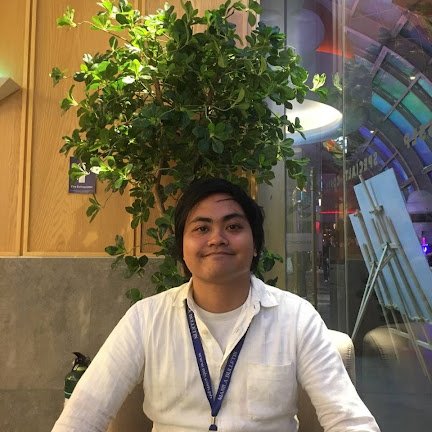
A tenured media critic known working as a ghost writer, freelance critic for various publications around the world, the former lead writer of review blogspace Atop The Treehouse and content creator for Manila Bulletin.