

loader image

New Music

Bastion’s Wake “Go Tell the Bees” Is A Vessel Of Stories For Everyone Who Has Lived, Lost, and Returned

There’s something so intriguing when you name an album “Go Tell the Bees”. Like, excuse me, are we really talking to bees now? No — but close. So you listened to the album and realized Bastion’s Wake is onto something great, the kind that cannot be replicated by some AI or any formulaic pursuit to become “in”. It’s the sound from genuine people and their passion to share and create. Bastion’s Wake, hailing from Wilmington, DE, United States, is known for their seamless blend of melodic death, doom influences, and symphonic power metal. The band was formed in 2016 as the brainchild of Sami and Ray, later on joined by drummer Rob Westbrook and bassist Ben Westbrook. The album was recorded at Electric Fossil Studios in Milford, DE, with engineer Kirby Fitzgerald while the production process overseen by Øystein G. Brun of Crosound Studio in Norway. Going back to the album’s title, you might think it’s too fun or whimsy, but it’s rooted in a long-held myth from beekeepers: inform the hives they kept of significant life events such as birth, death, or even departure to keep them alive and thriving. Somehow, that myth resonates so well with the entirety of this album, from the acoustic opener Motanka, to recognizing heroic actions of Ukrainian people in the ending track Sunflower, Bastion’s Wake honors the living and the lost through a 10-part album. Go Tell the Bees opens with Motanka and it’s a minute dominated by acoustic guitar that feels gloomy from the way it trembles. The title Motanka, is a Slavic doll made for wishes and protection, which is why there’s a sense of ritual echoing from the strings you can’t shake off. Willow’s Ruse follows with soaring guitars and pounding drum hits, the kind that pulls you in as it crashes and collides. The vocals carry grief yet charged with resilience, loud yet with grace that isn’t taught but learned as they sing, “am I leaving, leaving in sorrow, am I leading, leading you there”. Think of an elegy and awakening dressed in distortion, with sharpness that cuts through the pain and the past, trembling and unsure but rises with bruises and clenched teeth.  (Don’t) Tell the Bees comes in haunting and raw, like a villain rising from despair and the shadows of their own doom. Every layer of the arrangement all leads to one thing: wreckage. Lyrically, you’ll get a piece that lies between poetry and confession, all coming from the things that bring us guilt, the things we do to hide shame. There’s sorrow and menace along the lines, “she is the monster and I am a fiend”. It’s twisted, toxic, and destructive all at once.  Another standout track is Tiny Box which welcomes you with a darker atmosphere. Think of a dream that isn’t half-remembered, the kind that imprints itself to your mind, uncovering all the fragile and unsettling. There’s tension in every note, it’s as if it just learned the weight of the choices etched in the lines of the palm, not knowing how to carry them. The tiny box feels like a medium, a fragile one that asks you to bear the weight of all you wished for and all that was lost. And when you’re nearing the end of the track, the vocals and instruments explode into something cathartic, asking you a question, “would you give your illusions to me?”  Pathos starts with slow, evocative keys like it’s straight out of a Disney musical. There’s dazzle and grandeur in the arrangement while a voice rides above with grace and broadway flair. Listening to this feels like standing in the midst of the ruins, bruised and wounded as the light starts to claim every space. This is an anthem of courage and self-reclamation that belongs to the stage and spotlight, it’s for everyone who carried ache and vulnerability and built themselves piece by piece.  The best part in this album lies in the band’s ability to be loud and deliberate. Some heavy songs typically get swayed by volume and rage, but surprisingly, every layer of each track in this album sounds so delicate and intentional, theirs to be exact. And the lyrics? You won’t get something half-baked. It’s poetic, deep, and truly lived in. From grief, loss, and awakening hope, the band made sure it reaches and resonates to the core. This isn’t just about bees. It’s curated for you to find something that speaks and connects on a personal level. Bastion’s Wake establishes a record that feels less like an album and more like a vessel of stories that can only be told once you’ve lived, lost, or returned.  Follow Bastion’s Wake Globe Facebook Spotify Bandcamp Youtube Instagram Tiktok Promoted Content About the Author
Bastion’s Wake “Go Tell the Bees” Is A Vessel Of Stories For Everyone Who Has Lived, Lost, and Returned Read More »

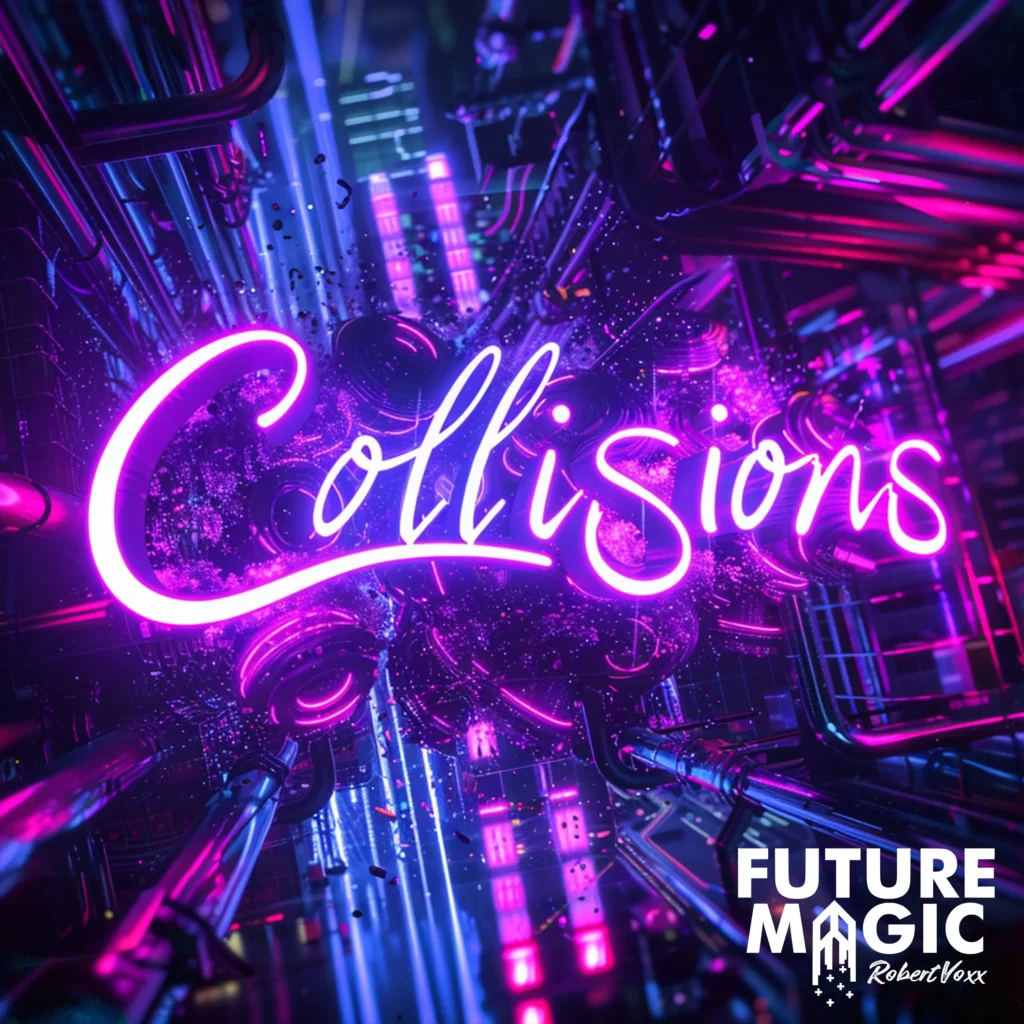
Future Magic and Voxx Use Electronic Sound Not as Armor but as Exposure on Collisions

There’s a particular kind of electronic music that sounds less like it was written and more like it was exorcised. Collisions by Future Magic & Robert Voxx is that kind of record; the kind that doesn’t arrive to make a scene, but to make sense of one. It’s five tracks of emotional detonation disguised as EDM, built from grief, relapse, and recovery. You can tell from the first drop that this isn’t a playlist-chasing “banger.” It’s a plea for air. Both artists were living through hell while making it. Voxx was still grieving his brother’s suicide, which becomes the EP’s central gravity well, while Future Magic was clawing his way out of addiction. Most electronic music gestures at euphoria as an aesthetic; here, it’s an act of survival. The pair seem to understand that real catharsis is messy and often ugly and that makes Collisions feel startlingly honest. The opener, “Typhoon,” might as well be subtitled “grief, but make it metalcore.” It starts like an EDM track and ends like a collapse. The guitars roar in like a memory you thought you’d buried, the drums take on that A Day To Remember chaos energy, and when the drop finally hits, it’s less of a release and more of an implosion. Marshmello wishes he felt this tired. It’s a storm that doesn’t cleanse; it just wrecks everything you thought you’d rebuilt. Then comes “Remedy,” which doesn’t sound like a cure so much as someone remembering what healing feels like. It’s all shimmering synths and hopeful chord progressions — the kind of melodic swells you’d expect from Illenium or Said The Sky. But listen closely and there’s grit under the gloss; the percussion is slightly too sharp, the vocal mix just raw enough to betray a human behind the autotune. It’s the sound of someone trying to hold themselves together with melody and reverb. “Chemicals” is, fittingly, about addiction. It flirts with the kind of euphoric high Cash Cash or Tritonal might chase, right up until the dubstep bonus drop sucker-punches you with distorted self-awareness. It’s not a song about wanting to get high; it’s about realizing you already are; and that the comedown’s going to hurt like hell. There’s something disarmingly vulnerable about the way the production glitches and gasps; a reminder that all this technology, all this sound, can only barely contain what it’s trying to express. Then there’s “Crosswinds,” which opens with acoustic guitars  a jarring moment of organic warmth after the previous chaos and builds into something that wouldn’t sound out of place among melodic dubstep greats. It’s the calm between relapses, a fragile truce with yourself. The melodies shimmer with exhaustion and relief, like the moment you stop running and realize you’re still here. Finally, “Collisions.” The emotional keystone. The track where everything unravels and, somehow, reknits. It begins with delicate piano chords straight out of a mid-2000s adult alternative hit à la Keane or The Fray, before ascending into an Illenium-sized drop that feels like grief transcending language. You can hear Robert Voxx processing loss in real time. It’s not sentimental; it’s raw, ugly, and absolutely devastating. And then it’s over, leaving behind a quiet echo the kind that feels like silence has weight. What makes Collisions remarkable isn’t its polish or its production tricks. It’s that it understands EDM can be intimate, even fragile. Future Magic and Voxx use electronic sound not as armor but as exposure. Every build and drop is an emotional gamble, and somehow they keep winning. If you listen to enough of this genre, you start to expect emotional shorthand the safe highs and tidy resolutions. But Collisions refuses neatness. It’s about surviving without pretending you’re fine; about waking up in the ruins and deciding to build something anyway. By the end, there’s no triumphant outro, no sense that everything’s been fixed. Just two artists who’ve been through hell and come back humming. And maybe that’s the point: that the only real drop worth chasing is the one where you fall apart and still get up again. Follow Future Magic Globe Instagram Spotify Soundcloud Icon-music-note Youtube Mixcloud Promoted Content About the Author

Future Magic and Voxx Use Electronic Sound Not as Armor but as Exposure on Collisions Read More »

There’s a Certain Kind of Bravery in Writing a Song Like “Fly Away”

There’s a certain kind of bravery in writing a song like “Fly Away” It’s not the loud, triumphant kind you see in movie montages; it’s quieter, lonelier, and far more honest. This is a song about grief, but more than that, it’s about surviving it. Shy-Anne Hovorka, an award-winning songwriter and educator from northern Ontario, has always worn her heart openly in her music. But “Fly Away” written in memory of her best friend, feels like she’s doing something riskier: she’s showing us what it sounds like when the heart cracks and then keeps beating anyway. The song begins almost imperceptibly, a few notes of piano floating in like a memory you didn’t mean to revisit. Hovorka’s voice enters soft but deliberate, the kind of tone that suggests she’s not performing this so much as confessing it. There’s no studio polish here, no artifice to hide behind; just the raw tremor of someone trying to turn pain into something that makes sense. And somehow, she does. The production is simple but effective: a slow, swelling arrangement of strings and ambient textures that never crowd her vocals, just lift them, gently, as if the music itself is helping her carry the weight. “Fly Away” doesn’t wallow. It lingers. It circles back on itself, the way grief does, not in big cinematic crescendos, but in small repetitions that hurt because they feel real. When she sings about loss, she’s not trying to make it pretty; she’s trying to make it true. The lyrics never reach for cheap catharsis or easy answers. Instead, they dwell in the space where absence becomes a kind of presence; that strange place where the person you’ve lost still exists in the air between words. The accompanying video amplifies this quiet devastation. It’s filled with imagery of open skies, wind and motion; all those overused metaphors for release that, in this case, actually work, because you can tell she means them. This isn’t about letting go in a “self-help” kind of way. It’s about continuing to love someone who’s gone, and figuring out what to do with that love once it has nowhere to land. What makes “Fly Away” stand out in Hovorka’s already impressive body of work is its restraint. Over six albums; Black ThunderBird, Interwoven Roots, Bones and beyond; she’s explored everything from pop-leaning anthems to orchestral folk hybrids. But here, she pares it all down. The song breathes. It’s just her, a piano, a ghost, and the faint suggestion that healing might be possible. In a music landscape obsessed with “big moments” and “viral hooks,” this track feels radical precisely because it refuses to perform its grief for applause. And maybe that’s the point. “Fly Away” isn’t trying to fix you, or even comfort you in the traditional sense. It’s a mirror held up to loss, one that doesn’t promise that time will heal all wounds, but quietly insists that you can still live with them. The final chorus doesn’t explode; it exhales. By the end, Hovorka sounds less like she’s singing to her departed friend and more like she’s learning to exist with their memory; not as something that hurts, but as something that still, somehow, gives her strength. If you’ve ever lost someone, “Fly Away” will hit you like a slow tide; not crashing all at once, but creeping in until you’re submerged. And when it’s over, it doesn’t feel like you’ve been drained; it feels like you’ve been understood. That’s rare. That’s powerful. And in a world that keeps demanding you “move on,” Shy-Anne Hovorka dares to make a song that says, simply, it’s okay if you can’t; just keep singing anyway.  Follow Shy-Anne Hovorka Globe Facebook Spotify Soundcloud Youtube Instagram Promoted Content About the Author

There’s a Certain Kind of Bravery in Writing a Song Like “Fly Away” Read More »

On Pertinax, Suris Are Out Here Writing Songs About Feeling Too Much

There’s something quietly rebellious about an album like Pertinax. Suris, composed of the duo of Lindsey and David Mackie, have decided to make something defiantly sincere. It’s the sound of two people who have been doing this long enough to know better, but went ahead and did it anyway. “Pertinax” literally means “resolute,” which is fitting, because this album refuses to apologize for caring deeply about things. It’s a record full of lush arrangements, dramatic vocals, and uncomfortably honest songwriting; the kind of thing that makes you realize how allergic most modern music has become to risk. The first track, “Mended,” arrives like a transmission from a different era, the place where 70s mysticism and 80s romanticism got drunk together and forgot to go home. Lindsey Mackie sounds like Stevie Nicks if she’d fronted Purity Ring, while David’s production layers shimmering synths and guitar textures that teeter between comfort and unease. The song’s title is optimistic, but the tone isn’t quite; it’s about trying to put yourself back together when the world keeps handing you the wrong pieces. It’s the perfect thesis statement for the album: beauty and ruin, cohabiting politely. “Last Train Home” picks up the tempo, and suddenly you’re in what sounds like an Arcade Fire B-side; if Arcade Fire had the restraint to stop shouting about suburbia for five minutes. The track pulses with urgency but avoids the self-importance that usually comes with that territory. It’s cinematic, but not in a “look, we’ve got string sections!” way; more like the cinematic feeling of being the only person left on the last carriage home, staring at your reflection and wondering if you’ve already missed something important. “Whole” is the point where the album leans into its art-rock credentials. It’s the most obviously Kate Bush-adjacent track here, but what makes it work is Lindsey’s vocal delivery; unguarded to the point of it being conversational, like she’s telling you something too personal but can’t help herself. There’s a fragility in how she phrases the chorus, a kind of emotional risk that feels rare these days. You can tell this isn’t a song built for playlists; it’s one of those tracks that sits quietly in your brain until it decides to hurt you a bit later. Then there’s “Take All She Brings,” which opens with an upbeat, jangly rhythm that could almost fool you into thinking it’s a feel-good track. Spoiler: it’s not. It’s a song about giving too much of time, of love, of energy and realizing that nobody’s coming to refill the tank. It’s got this Florence + The Machine-before-the-theatrics energy, all tambourine and ache. It’s one of the album’s standouts because it weaponizes charm; it sounds sweet, but there’s poison in the sugar. The back half of Pertinax settles into reflection. “Born to Be With You” is a slow, smoky ballad that feels like early Bowie after a long night of thinking too much. It’s patient, self-contained, and utterly sincere. Lindsey’s voice — rich, slightly cracked, full of restraint — carries it effortlessly. It’s a song about companionship, but not in the Hallmark sense; it’s about the quiet, unglamorous kind of love that survives the weather. And then there’s “Fugue.” Oh, “Fugue.” This is the part of the album where Suris stop pretending they’re playing by anyone’s rules. It’s huge, weird, and operatic; imagine if Celine Dion and Björk tried to write a song together, and somehow it worked. The song builds into this layered, dizzying crescendo that feels like a reckoning. Not a conclusion, but an unraveling. It’s the album’s final statement, a reminder that art doesn’t have to resolve to mean something. Sometimes you just end on a sustained note and let it haunt people. What makes Pertinax compelling isn’t that it’s technically flawless; it’s that it feels lived in. You can hear the fingerprints all over it. The production is detailed but never sterile; the performances are passionate without drifting into melodrama. Suris don’t sound like they’re chasing a sound; they sound like they’ve already found it, years ago, and just decided to polish it into the shape of who they are now. What’s more interesting is how Suris take all those influences and fold them into something unmistakably human. There’s no irony here, no wink at the camera. Pertinax is, at its core, a record about being earnest in an age that keeps trying to convince you not to be. That might be why it hits so hard. Because while everyone else is busy making clever music about detachment, Suris are out here writing songs about feeling too much. And that’s what makes Pertinax special: it’s not trying to be relevant. It’s trying to be real.  Follow Suris Globe Facebook X-twitter Spotify Soundcloud Youtube Instagram Tiktok Promoted Content About the Author

On Pertinax, Suris Are Out Here Writing Songs About Feeling Too Much Read More »

Epic Scales Feels Refreshingly Tactile; Like It Was Built With Hands, Sweat, and Maybe a Bit of Divine Frustration

There’s something charmingly audacious about an artist calling their project Epic Scales. It’s like naming your first novel Profound Literature; it’s a title that either crashes under its own weight or earns the hell out of it. Luckily for Samuel Yuri, his album does the latter. Across five tracks, this Brazilian composer, guitarist, and DIY auteur conjures a world that sounds part spaghetti western, part gothic cathedral, and part late-night philosophy session after three too many coffees. It’s music that absolutely refuses to sit still or to let you. Right from the start, Yuri makes it clear that this isn’t some throwaway bedroom project cobbled together over a weekend. The opener, “Epic Scales,” isn’t just an intro; it’s a mission statement. Sludgy, looping guitar riffs crash together like tectonic plates while subtle melodic runs flicker through the noise like Morse code from a distant planet. It’s cinematic and grimy all at once; the kind of track that could soundtrack both a western duel and a space opera about regret. It doesn’t need words; it just needs volume. Then there’s “West Song – Second Version,” which sounds like ZZ Top wandered into a grunge bar and started slow-dancing with the ghost of Layne Staley. The vocals are weary and human; not perfect, not polished, but alive in that way corporate rock forgot how to be. It’s blues dragged through the mud until it starts to look like something mythic. You can practically hear the sweat in the strings and the gravel in the singer’s lungs. When “Arab Theme III” kicks in, the whole thing takes a left turn into the sun-scorched unknown. Yuri leans into modal scales and smoky atmosphere, channeling both the exoticism of ’60s psych-rock and the grounded grit of post-rock storytelling. It’s the kind of track that feels like a mirage with it’s surprising (for the genre Yuri emulates) beautiful, shimmering, and just out of reach. And that’s the trick: Yuri doesn’t fetishize “world music” textures; he integrates them, makes them part of his evolving soundscape instead of set dressing. “Wind Before the Storm” is where everything comes to a head. If you’ve followed Yuri’s previous instrumental versions, this is the final form; the fully evolved Pokémon of the bunch per se. Heavy, moody, and relentless, it’s a slow build of guitars that threaten to swallow the song whole. There’s something Staind-like about its melancholy and something Rob Zombie-esque about its menace, but the result feels distinctly Yuri: a cathartic crescendo that leaves you buzzing. This is the track that makes you sit up, rewind, and realize, Oh, he meant it. The finale, “Storm,” plays like a ghost of the track before; not so much a reprise as an aftershock. The guitars don’t rage this time; they drift. It’s the quiet after the collapse, the sound of smoke clearing over a battlefield of reverb. By the time it fades, you feel like you’ve just lived through something. Not a story, but a memory. What makes Epic Scales fascinating isn’t just its musicality; it’s its stubbornness. Samuel Yuri doesn’t care about fitting into Spotify’s “mood playlists” or making algorithm-friendly hooks. This is music for people who miss the days when rock albums felt like quests. It’s proudly cinematic, defiantly self-produced, and just messy enough to feel human. Every track sounds like it was made by someone who actually gives a damn, and that’s rarer than it should be. In a musical landscape flooded with polished half-thoughts, Epic Scales feels refreshingly tactile; like it was built with hands, sweat, and maybe a bit of divine frustration. Yuri isn’t reinventing the wheel. Rather, he’s forging his own. And as far as debut statements go, Epic Scales doesn’t whisper “I’m here.” It leans over the amplifier, looks the world dead in the eye, and growls. Follow Samuel Yuri Facebook X-twitter Soundcloud Youtube Instagram Promoted Content About the Author

Epic Scales Feels Refreshingly Tactile; Like It Was Built With Hands, Sweat, and Maybe a Bit of Divine Frustration Read More »

Emerge With A Strength That’s Earned And Lived With “Wasteland Whispers” by Pentrilox

There’s nothing like a song that cuts you open then heals and stitches you back together, the kind where tension and resilience coexist in the same rhythm and note. For today’s rare cuts, Pentrilox steps in with Wasteland Whispers, a cathartic single to confront your demons and emerge with a strength that is earned and lived. You’ll know from the start that Wasteland Whispers isn’t your average track with its chilling, otherworldly atmosphere. The female vocals carry ghostly yet mesmerizing notes while the male voice keeps a deep, evocative tone that adds nuance to the track. Pentrilox gives you this hard rock and metal sensibilities with a gothic edge while keeping that clean, deliberate arrangement.  Aside from serving vocals and musical prowess, they also have an unmatched lyricism. Pentrilox isn’t just mere performing, they open a portal to some cosmic, dark dimension where your inner demons whispers and echoes non-stop. But underneath their haunting depiction of internal struggles, there’s perseverance and self-awareness that gives you a faint glimmer of hope to get through storms and despair, dropping the line, “when the whispers filled your mind, remember who you really are”. This track is part of the Indianapolis band’s latest album Appalachian Echoes. What you’ll love more about this is the emotions and vulnerability never gets lost in the volume. It’s powerful enough without being overwhelming, loud but clear and precise. Whether you’re a long-time fan of atmospheric rock or casually finding a song to vibe with, Wasteland Whispers by Pentrilox is going to be an unforgettable ride. And the more you lean in, the more it grows in the depths of your soul only music can reach.  Follow Pentrilox Globe Facebook X-twitter Spotify Youtube Instagram Tiktok Soundcloud Promoted Content About the Author
Emerge With A Strength That’s Earned And Lived With “Wasteland Whispers” by Pentrilox Read More »

okay(K) Presents: Modest Tyler Is an Experiment in Sincerity

If okay(K) presents: Modest Tyler proves anything, it’s that okay(K) is less interested in fitting into a scene and more interested in seeing what happens when e dissolves one. His new project sounds like what would happen if Young Thug and/or Lil Yachty decided to front Silent Alarm-era Bloc Party; an unlikely fusion of yearning indie guitars, soft-glow autotune, and vulnerable swagger. The result? A debut that’s messy, charming, and startlingly self-assured. It’s an album that keeps tripping over its own emotions, standing up again, and turning the stumble into rhythm. The opener, when the sun don’t shine, drifts in like a lazy sunrise with a soft wash of reverb, a looping guitar phrase, and okay(K)’s syrupy, half-sung cadence. He doesn’t rush; he hovers. There’s a looseness to his delivery that feels almost accidental, like he’s testing whether the beat will catch him if he falls. And it does, barely. The track’s woozy warmth immediately sets the tone for the record: intimate, hazy, and unbothered by perfection. It’s music that values feeling over form; the sonic equivalent of a long exhale. take a break builds on that with the confidence of someone who’s finally decided to open the blinds. The guitars shimmer, the percussion snaps, and suddenly we’re in the strange middle ground between surf-rock and bedroom rap. okay(K) has a gift for making contrasts feel natural; one second he’s crooning like a dazed dream-pop frontman, the next he’s half-rapping with deadpan confidence. It shouldn’t make sense, but that’s what makes it so compelling. It’s a small act of rebellion in a streaming era obsessed with clarity: he doesn’t want to sound like anyone else, even when the DNA of his influences peeks through. By i can’t help myself, the album starts showing its heart. The autotune here isn’t a disguise; it’s a filter for vulnerability, giving his voice an alien shimmer that fits perfectly against the melancholy guitar line. The whole thing could’ve been ripped straight from a 2005 indie record; if those bands had grown up with FL Studio and TikTok instead of four-track tape machines. There’s something wistful about it, like Bloc Party if Kele had a plug-in addiction. fable is the pivot, the track where the haze clears and you realize there’s more intent behind this than you thought. The beat thickens, the bars get sharper, and suddenly okay(K) is no longer drifting through his influences; he’s commanding them. It’s not just a rap cut, it’s a declaration. The tension between softness and control between his sing-song delivery and the precision of his verses creates an energy that carries the rest of the album. This is where the project snaps into focus. Then comes poor kid, the emotional hangover. It’s lo-fi, bass-heavy, and weirdly beautiful; imagine Livin’ It Up by Young Thug rewritten on a dying laptop at 3 a.m. It’s both swaggering and sad, like he’s celebrating and mourning the same thing at once. That contradiction defines okay(K)’s best moments: joy and melancholy intertwined until you can’t tell which is which. A personal highlight comes in the form of hey dan, they hate and, that’s great man, that’s great which reads like a throwaway at first, until it blindsides you with honesty. It’s a rambling spoken-word piece aimed at former Spotify CEO Daniel Ek, which sounds ridiculous until you actually hear it. It’s raw, funny, and slightly unhinged, like an artist finally saying out loud what everyone in the algorithmic trenches is thinking. It’s half mantra, half coping mechanism. It’s lo-fi defiance, the sound of someone realizing that sincerity is the most punk thing left. That flows directly into daniel ek, the album’s soft landing. It’s the closest okay(K) comes to the communal catharsis of BROCKHAMPTON’s Saturation II with smooth synths, mellow percussion, and a final sigh of acceptance. After the confrontation, the exhaustion sets in. okay(K)’s voice fades in and out of the mix, less performer and more presence, like he’s slowly evaporating into the song. It’s a fitting end for a record built on tension and release. What makes okay(K) presents: Modest Tyler work isn’t its polish; it’s the lack of it. okay(K) knows his edges are showing, and he leaves them there on purpose. The mix sometimes wobbles, the vocals clip, and the transitions aren’t seamless, but that’s the point. It’s an album that documents becoming rather than being. You can hear the curiosity in every track: the joy of a musician trying things not because they’ll chart, but because they sound interesting. okay(K) · okay(K) presents: Modest Tyler In a world where “genre-blending” has become a marketing cliché, okay(K) presents: Modest Tyler feels like the real thing. It’s an album that doesn’t just cross boundaries; it forgets they exist. okay(K) doesn’t need to prove he’s innovative; he’s just genuinely weird in a way that innovation can’t fake. At its core, okay(K) presents: Modest Tyler is an experiment in sincerity. It’s okay(K) stepping into his sound one unsteady footstep at a time; vulnerable, restless, and thrillingly alive. It’s indie music reimagined through trap sensibilities, or maybe trap reimagined through the heart of an indie kid. Whatever it is, it works. Because behind the hazy guitars and warped autotune lies something rare: an artist who’s not trying to be perfect… just real. Follow okay(K) Instagram Instagram X-twitter Soundcloud Promoted Content About the Author

okay(K) Presents: Modest Tyler Is an Experiment in Sincerity Read More »

Ollie K’s The Mysterons Is a Time Capsule From the Future

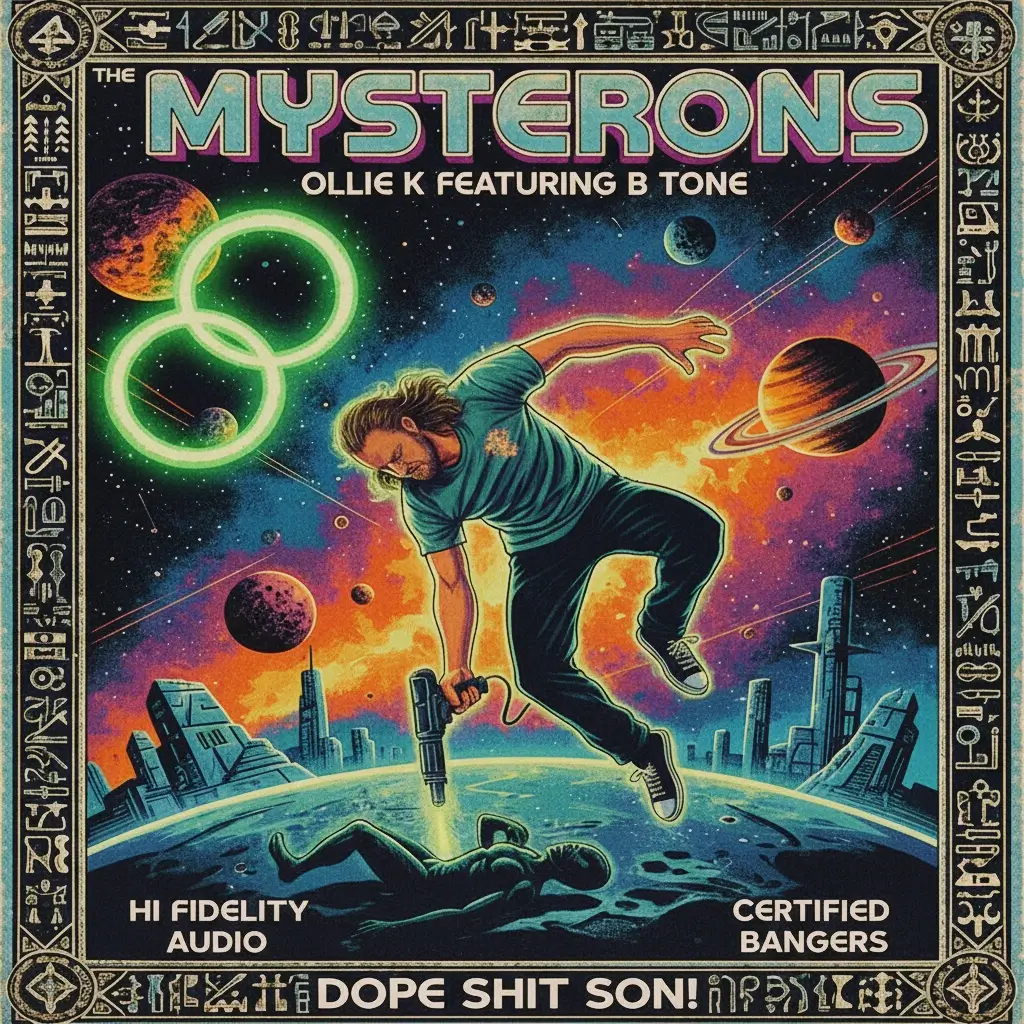
There’s something inherently ambitious about The Mysterons, the kind of album that could only be made by someone who’s spent years living inside both their record collection and their imagination. Devon-based artist Ollie K’s latest project isn’t just a record; it’s an experience, a transmission from a parallel universe where Captain Scarlet, MF DOOM, and DJ Premier share the same airwaves. It’s nostalgic, cinematic, and deeply personal, yet weirdly timeless in its execution. Scheduled for release on October 26, 2025, The Mysterons feels like the product of decades of quiet obsession;a lovingly constructed sound-world where 1960s sci-fi collides with 2000s underground hip-hop and British grit. What makes The Mysterons compelling isn’t just its premise, but how fully Ollie K commits to it. This isn’t a gimmick album. Every skit, sample, and snatch of dialogue from Captain Scarlet is woven into the production like part of its DNA. Recorded, produced, and mixed entirely in Ollie’s home studio, the record bears all the hallmarks of a true DIY project: rough edges, warm analog textures, and an obsessive attention to atmosphere. It’s a project that rewards deep listening, the kind of album that sounds straightforward on first play and then keeps unfolding with every revisit. The opening skit, The Mysteron Threat, sets the tone perfectly with a dispatch from another era, complete with vintage crackle and radio interference. What follows is Captain Scarlet, a track that immediately recalls the swagger of MF DOOM’s Madvillainy, but with a distinctly British sensibility. Ollie’s flow is clipped and sharp, his delivery more conversational than performative, and yet it fits the dusty beat like circuitry. It’s the sound of someone half-rapping, half-narrating their way through an alternate reality. The production is lush but unsettling, layers of brass and strings buried under tape hiss, giving it a haunted, archival feel. Then there’s Humid in Here, a curveball that swaps noir tension for something almost danceable. Built around a hypnotic flute loop and a bassline that feels both playful and slyly menacing, it’s the kind of track that sneaks up on you. Ollie’s verses move between deadpan humor and sharp introspection, painting scenes that feel both mundane and cosmic. It’s a balancing act few pull off without collapsing into parody, but here it works; it’s oddly funky, like The Avalanches if they’d grown up on pirate radio instead of surf rock. By the time Spectrum is Green rolls around, the album’s narrative logic begins to click. The snippets from Captain Scarlet aren’t just aesthetic; they form a loose storyline about control, paranoia, and the blurred line between man and machine. The production here leans heavily into collage territory: chopped vocal fragments, reversed guitar lines, snare hits that sound like they’re echoing through a submarine hull. It’s chaotic in the best way, recalling Frontier Psychiatrist by The Avalanches but with a darker, dustier twist. Voice of the Mysterons might be the album’s crown jewel; a track that feels like DJ Premier and Skepta teamed up in a lab orbiting Mars. The beat is skeletal but potent: sharp drums, ghostly samples, and a low, creeping synth that sounds like a transmission from another dimension. Ollie’s voice sits right in the pocket, every syllable deliberate, every pause charged. There’s a confidence here that suggests an artist fully in command of his tools. It’s hip-hop that doesn’t try to mimic its heroes; it reimagines what they stood for. Between these full-length tracks, Ollie threads in short skits like The Lunar Controller, which acts as both palette cleanser and world-building device. These moments prevent the album from ever feeling static; they’re like shortwave signals interrupting the broadcast, reminding you that you’re eavesdropping on something much stranger than a conventional record. The presence of collaborator B-Tone-33 on hooks like The Imposter and In the Shadows adds an extra layer of texture, grounding Ollie’s dense production with soulful, rugged vocal lines. Their chemistry gives the project a communal feel. This isn’t just one man tinkering in isolation; it’s a collective vision built from late nights and shared frequencies. What’s striking about The Mysterons is how confidently it straddles the line between concept and craft. It would be easy for an album this referential to collapse under its own cleverness, but Ollie K avoids that by making the story secondary to the sound. Every choice, every dusty sample, every clipped vocal is in service of mood and motion. It’s music that feels alive because it was made by hand, not by algorithm. In many ways, The Mysterons plays like a thought experiment: what if Madvillainy had been made by a British producer raised on Gerry Anderson reruns and analog synths? But that comparison, while flattering, undersells the originality here. This isn’t mimicry; it’s reinvention. Ollie K has taken the ghosts of both the musical and televisual past and built something new from their remains. By the end, The Mysterons doesn’t resolve so much as it fades out, like a transmission slipping out of range. It leaves you wanting to tune back in, to catch the next message. And maybe that’s the point. The Mysterons is a time capsule from the future. It’s weird, immersive, and quietly brilliant; the work of an artist who’s not just paying homage to his influences, but communing with them. Follow Ollie K Spotify Soundcloud Youtube Promoted Content About the Author
Ollie K’s The Mysterons Is a Time Capsule From the Future Read More »

“Somebody’s Always Doin’ Something 2 Somebody” Feels Like the Sound of Someone Who Still Believes Guitars Can Tell the Truth

At this point, it’s hard to tell whether Robert Allen, a.k.a. DownTown Mystic, is making rock music or conducting a long-running experiment to prove that sincerity never actually went out of style. His new track, “Somebody’s Always Doin’ Something 2 Somebody,” feels like the sound of someone who still believes guitars can tell the truth, and honestly, he might be right. Allen’s been at this for a while; long enough that his music’s been sync-licensed into more TV shows and films than most bands have listeners. From Flora and Ulysses to Sovereign to some late-night rerun you half-remember, his sound has quietly colonized the background noise of modern media. But this track isn’t content to be background. It’s a reminder that classic rock; the kind built on muscle, melody, and moral exhaustion and yet can still feel urgent when it’s played like it matters. The song opens with a familiar swagger: a guitar tone you can smell, the kind of analog warmth that makes you want to lean back and nod like you understand life a little better than you did five seconds ago. What’s impressive here isn’t the nostalgia; it’s the refusal to fake it. Allen’s voice doesn’t chase youth; it wears its miles proudly. He’s backed by legends like Max Weinberg and Garry Tallent from Springsteen’s E Street Band, plus drummer Steve Holley and bassist Paul Page, and you can hear the chemistry of people who’ve been in too many studios and still somehow care. Every snare hit feels earned. Every riff sounds lived-in. It’s the kind of song you’d expect to find on a jukebox that still takes coins; the kind wedged between a Springsteen classic and a Petty deep cut, humming with that same blend of grit and grace that used to make rock feel like a form of rebellion rather than a genre preset. It’s smart without being smug, unpretentious without being dull, and carries a quiet defiance that only comes from an artist who’s seen enough of the industry to stop caring about its approval. “Vintage yet modern,” as Allen likes to describe it, but really it’s something rarer than either: timeless because it’s honest. The production doesn’t chase perfection; it breathes, it creaks, it hums with the texture of real instruments played by people who mean it. You can hear the fingerprints; the small imperfections that make the groove human, the lived-in phrasing that makes the lyric sting just a little more. And that’s the trick, isn’t it? Everybody’s always doing something to somebody, but very few are still doing rock this well. Follow DownTown Mystic Globe Facebook X-twitter Spotify Soundcloud Youtube Instagram Promoted Content About the Author

“Somebody’s Always Doin’ Something 2 Somebody” Feels Like the Sound of Someone Who Still Believes Guitars Can Tell the Truth Read More »

“Don’t Fall” Is the Sound of a Band Refusing to Rush What Actually Matters

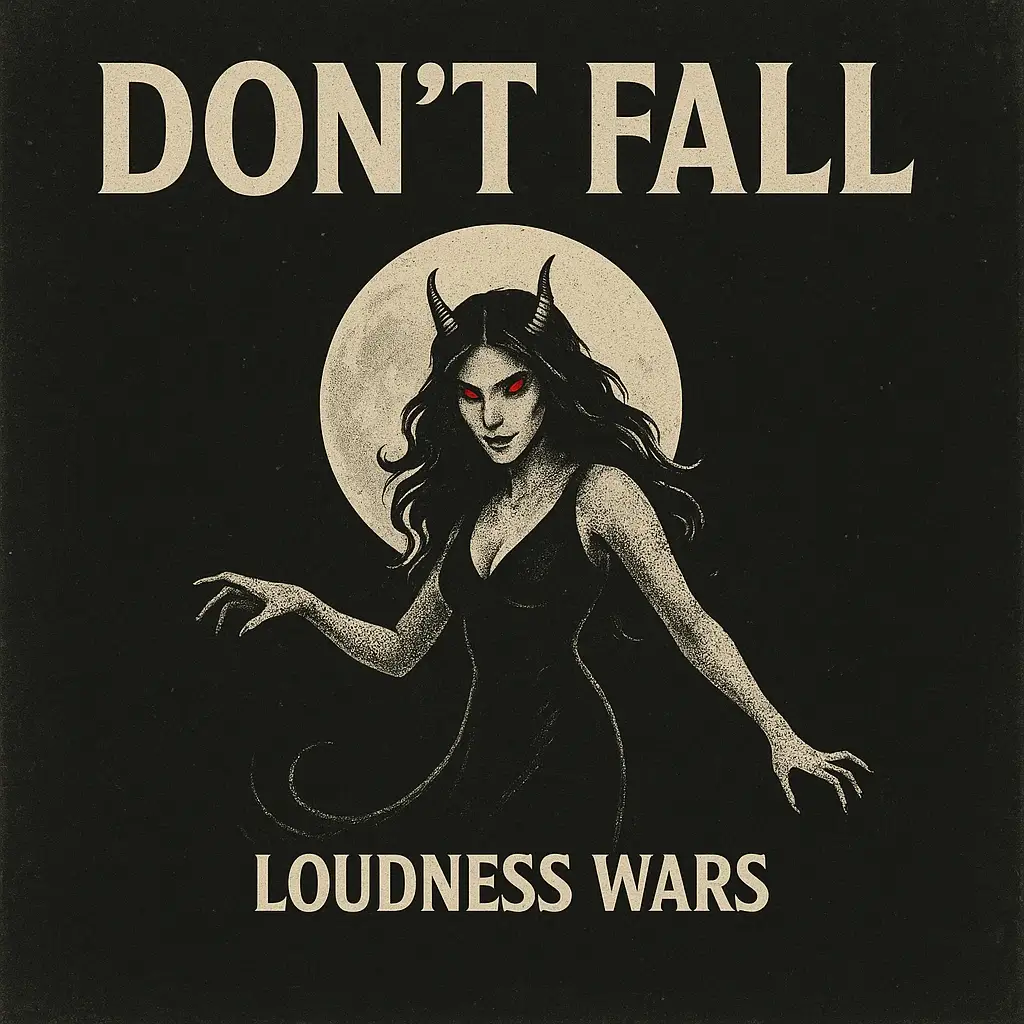
“Don’t Fall” is the sound of a band refusing to rush what actually matters. For a trio that only meets once or twice a month in Chesham, Loudness Wars sound like they’ve been trapped in a rehearsal room for decades, slowly distilling every idea until it becomes something sharp enough to leave a mark. Their third release of the year, “Don’t Fall,” doesn’t just play; it lingers. It’s the kind of track that sneaks up on you in the middle of a playlist and quietly demands to be heard again, because it feels like the product of obsession rather than habit. The song opens with a pulse that doesn’t so much begin as emerge. There’s no gimmick, no obvious hook screaming for your attention; just a loop that keeps circling back on itself, gathering gravity each time. The repetition isn’t filler; it’s structure. It’s what happens when you let an idea breathe long enough to haunt you. Jerome’s vocals carry the sound of someone giving a warning too late, while Rich’s bass grinds beneath like a heartbeat refusing to slow down. Ian’s drumming; tight, tense, perfectly human and ties it all together with the kind of control that makes restraint sound dangerous. Loudness Wars understand the physics of tension. The song walks that impossible line between beauty and menace, melody and discomfort, without ever resolving it. The chorus is catchy, eerie, unforgettable and feels like it was written for the moment you realize you’ve been driving the wrong way for miles but can’t bring yourself to turn around. It’s not cinematic in the way bands usually chase that word; it’s cinematic in the sense that it builds a world you can feel pressing in on all sides. What gives “Don’t Fall” its real weight is the band’s total absence of artifice. Recorded in their rehearsal space, mixed painstakingly at home over a full year, it’s not the sound of perfection; it’s the sound of persistence. You can hear the fingerprints in the mix, the soft edges where analog and exhaustion meet. In a music landscape obsessed with immediacy, Loudness Wars have done the most radical thing possible: they’ve taken their time. Three singles deep into 2025, the band already feels like they’ve hit a turning point. “Withered Flower” hinted at emotional gravity; “Don’t Fall” confirms it with focus and intent. There’s talk of more releases this year, even YouTube broadcasts from their rehearsal space; an oddly fitting move for a band that thrives on intimacy and imperfection. Loudness Wars aren’t here to be fashionable. They’re here to last. “Don’t Fall” isn’t a plea; it’s a warning, and maybe a promise. Whatever comes next, they’ve already earned your patience. Follow Loudness wars Soundcloud Bandcamp Instagram Spotify Promoted Content About the Author

“Don’t Fall” Is the Sound of a Band Refusing to Rush What Actually Matters Read More »