

loader image

New Music

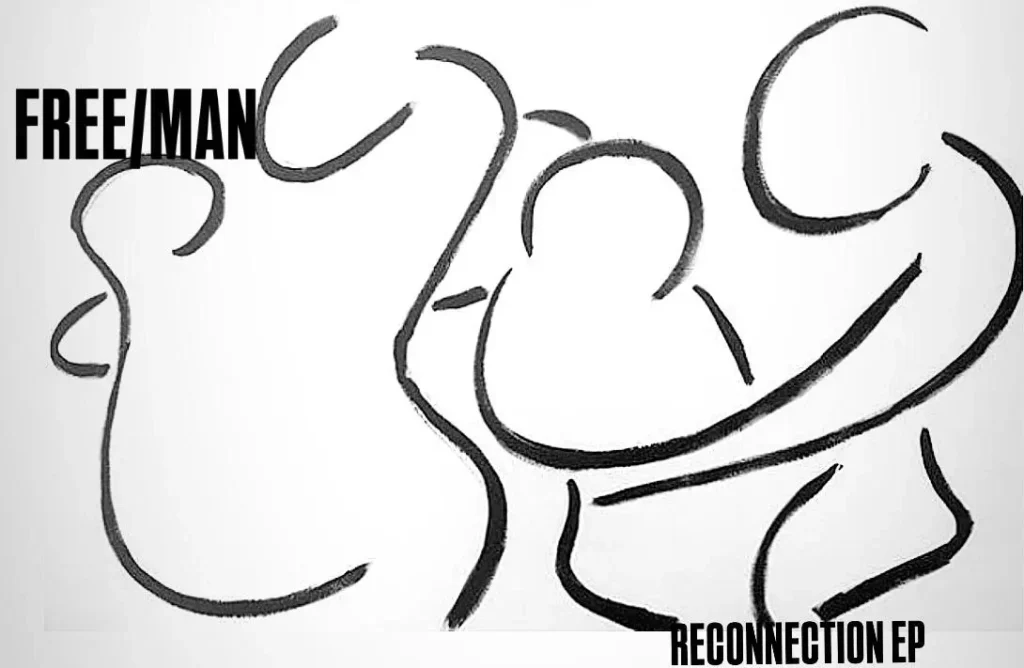
Reconnection EP Is a Small, Four-Song EP That Feels Like Someone Coming Back to Life in Slow Motion

There’s something endearingly unpretentious about RECONNECTION EP. It’s not trying to reinvent music, save the industry, or make you tweet about how “raw” it is. It’s just a person; Charlie Freeman, aka FREE/MAN, quietly figuring things out in public. After years of silence, a cancelled 26-city China tour, and a pandemic-shaped pause, Freeman’s decided to stop pretending the world makes sense and just sing about it. The result is a small, four-song EP that feels like someone coming back to life in slow motion. You can hear the years in his voice. Not in a “he’s aged” way, but in a “he’s stopped pretending not to feel things” way. The opener, “Not Tomorrow,” has that weary optimism that only exists when you’ve hit bottom a few times and decided to try again anyway. The acoustic strum isn’t flashy; it just moves, steady as breathing and Freeman sings like he’s talking himself into the next sunrise. It’s not profound, and that’s why it hits. Think something close to a Milky Chance song, complete with a subtle funk nod. Then there’s “Bluebird,” which sounds like it wandered out of the 1970s after a long nap. It’s all light and breeze, but the kind that only shows up after rain. It’s got a bit of Van Morrison’s looseness, a touch of Cat Stevens’ quiet ache, and the kind of warmth that happens when you leave the studio imperfections in because they feel more honest than perfection ever could. It’s music made by someone who’s stopped chasing polish and started chasing peace. Covering “Redemption Song” is a dangerous move, but Freeman somehow makes it work by doing the opposite of what you’d expect. He doesn’t try to be Bob Marley. Instead, he just slows it down, strips it bare, and finds something small and human in it with respect; a kind of quiet personal prayer for grace in an era allergic to sincerity. And then there’s “Two Witches,” the most macabre Snow Patrol song never made. It’s haunting in that “bonfire at the end of the world” way; tender, spectral, and just a bit cursed. The guitars glimmer like candlelight on wet stone, and Freeman’s voice drifts somewhere between confession and incantation. It feels familiar at first, like a lost anthem from some melancholy alt-rock timeline, but it keeps slipping out of reach, too strange to settle into sentimentality. By the time it fades, you’re not sure if you’ve been comforted or hexed. Which, for a song like this, might be exactly the point. That’s what RECONNECTION EP does best: it doesn’t resolve. It lingers. It’s an in-between moment; not the triumphant return, not the final statement, just the part where someone starts feeling human again. Freeman’s been through the usual artist trials: loss, stasis, cancelled tours, the creeping suspicion that the world’s stopped listening. But instead of reacting with cynicism, he’s doubled down on vulnerability. There’s no irony here, no streaming-era cynicism disguised as depth. Just a man and his guitar, trying to tell the truth without flinching. And maybe that’s what makes this EP quietly radical. In a time where most music feels like product, Reconnection feels like a process. You can practically hear Freeman exhale between takes. It’s imperfect, hand-built and crucially, alive. It’s not here to impress you. It’s here to remind you that being earnest isn’t a flaw. If his upcoming album Gift in the Shadows is the destination, this EP is the moment he remembers the map still exists. It’s small, but it matters. Because sometimes the bravest thing an artist can do isn’t to reinvent themselves; RECONNECTION EP is to admit they never really lost who they were.  Follow Free / man Instagram Spotify Promoted Content About the Author

Reconnection EP Is a Small, Four-Song EP That Feels Like Someone Coming Back to Life in Slow Motion Read More »

On “Fumes,” HorthWorld Is an Artist Catching Fire in Real Time, Running on Heart, Hope, and Fittingly, Fumes

Every now and then, a song comes along that feels like it’s been sitting in the corner of your brain, waiting for someone to write it. HorthWorld’s latest single, “Fumes,” is that kind of track; a rush of adrenaline disguised as a love song, built for the moments when affection and exhaustion start to blur together. It’s upbeat, urgent, and alive with the sound of someone trying to hold onto feeling in a world that won’t slow down. The brain behind HorthWorld is Andrew Horth, a Derbyshire-based singer-songwriter whose approach to indie rock feels both reverent and restless. Since debuting with “Watercooler Girl” in 2024, a song that drew praise from producers like Nick Brine (Oasis, Stereophonics) and Gavin Monaghan (Editors, Ocean Colour Scene); Horth has carved out a sonic identity that thrives on contrast. His music walks the tightrope between humor and heartbreak, introspection and immediacy, all while balancing hooks sharp enough to cut through any crowd noise. “Fumes” is perhaps his most complete statement yet. The track opens like it’s mid-sprint; driving guitars, crisp percussion, and melodies that refuse to sit still. There’s a pulse here that recalls Sam Fender’s widescreen storytelling and Biffy Clyro’s emotional volatility, yet it feels entirely its own. Horth’s vocals carry a kind of lived-in urgency. Not the stadium roar of an anthem, but the breathless confession of someone who’s been up too late thinking about what they can’t stop feeling. Lyrically, “Fumes” captures that particular brand of insomnia only love can cause; the sleeplessness of wanting something that’s already taken up all your waking hours. There’s a tension between motion and meaning, between chasing connection and running on empty. The two key changes only amplify that sense of escalation. Not as gimmickry, but as storytelling through arrangement. Each shift feels like a new chapter in the same emotional spiral. It’s the kind of song that would’ve dominated rock radio in the mid-2000s but feels oddly fresh now, precisely because it dares to sound unguarded. In an age of ironic detachment, “Fumes” wears its heart on its sleeve and then burns the sleeve for warmth. HorthWorld may be just getting started, but “Fumes” already sounds like the moment everything clicks; HorthWorld is an artist catching fire in real time, running on heart, hope and fittingly, fumes. Follow HorthWorld Globe Facebook Spotify Soundcloud Youtube Instagram Tiktok X-twitter Bandcamp Promoted Content About the Author

On “Fumes,” HorthWorld Is an Artist Catching Fire in Real Time, Running on Heart, Hope, and Fittingly, Fumes Read More »

Trueclaw’s “The Ones Remembered” Carries Loss And Legacy

There’s something so symbolic and moving when artists explore themes of existence and humanity, creating a space between collective struggle, triumphs, and endurance. And that’s the exact feeling you’ll get from Trueclaw’s latest release “The Ones Remembered”. Hailing from Uppsala, Sweden, Trueclaw is back with another compelling track as a rising force in the music scene. With The Ones Remembered, Trueclaw unravels loss and legacy that goes beyond mere nostalgia. The Ones Remembered starts in a way that feels celestial. The vocals enter like it has risen from ruins, fragile yet echoes through countless stories that surpasses time. The electronic textures and atmospheric layers feel like pain, struggle, and endurance turned into one sacred, monumental record.  The line, “when all the stars have faded their meaning won’t subside,” holds a significant weight that pulls you into a feeling you can’t name, but clear enough to know it’s the life you never lived, the echoes of other people who once walked the same ground as you. This is the exact work of someone who knows how to leverage technology — not to replace but to bring out the soul and creativity behind it. All in all, Trueclaw’s The Ones Remembered are traces of those who came before. It’s a tribute and a vow that their stories, like the endless echoes from the unknown, will always carry on.  Follow Trueclaw Spotify Promoted Content About the Author

Trueclaw’s “The Ones Remembered” Carries Loss And Legacy Read More »

Until They Burn Me Don’t Sound Like Anyone Else on A Carnival of Reveries Because They Don’t Seem to Care Who They’re Supposed to Sound Like

 It’s rare these days to find an album that feels lived in. So much of modern rock is polished within an inch of its life; auto-tuned, compressed, and algorithmically optimized until every trace of humanity has been surgically removed. Until They Burn Me want absolutely nothing to do with that. Their new record, A Carnival of Reveries, feels like it was recorded in a room that still smells faintly of cigarette smoke, sweat, and spilled whiskey. This is not a complaint. It’s a celebration. The production throughout A Carnival of Reveries is refreshingly organic; everything sounds close, imperfect, alive. There’s no digital sheen, no click-track precision. You can hear fingers slide on strings, the rasp of a throat between verses, the faint hum of amplifiers when a chord fades. That texture matters. It’s what separates this record from so many contemporary “roots revival” albums that mistake nostalgia for authenticity. Carlyle and Jordan don’t want to recreate the past; they’re trying to extend it; to see what happens when the blues gets older without losing its teeth. Until They Burn Me is Cody Carlyle and Travis Jordan, two musicians who’ve been playing together for over three decades, most notably in their earlier band The Dry Season. In 2021, they formalized their next chapter: a collaboration that draws from folk, blues, country, and punk, but filters it through a uniquely ragged sense of grace. What emerges is something like modern blues storytelling; music for people who’ve seen too much, laughed through it anyway, and found a tune that could carry them home. A Carnival of Reveries is aptly named. The album moves like a traveling sideshow; rough, colorful, unpredictable, and full of small miracles. Each song offers another vignette of loss, redemption, and the strange joy that comes from refusing to give up. The opening track, “Dark & Deep,” sets the tone immediately: a growling guitar riff, a voice smoked over hickory, and a rhythm section that moves like a slow train at midnight. Carlyle and Jordan have said the song was inspired by Blind Willie Johnson, and you can hear that lineage loud and clear; the rawness, the moral gravity, the sense that you’re listening to someone tell you something half-confessional, half-divine. It’s a rare thing in modern blues-rock: a song that doesn’t imitate but inhabits the tradition. You can almost hear the floorboards creak beneath it. Then there’s “To the Bone,” a deceptively upbeat track about aging and acceptance. The lyrics wrestle with the passage of time and that uncomfortable realization that youth isn’t coming back, though something else might take its place. The blues has always been about transformation; about turning heartbreak into motion and this song nails that. The guitars shimmer and slide; the percussion feels like a heartbeat that won’t quite settle down. It’s the sound of a band leaning into maturity without ever sounding tired. This is where things start to get strange. “Licorice & Lollipops,” written thirty years ago, carries an uncanny tone: part dream, part fever. It’s sweet, yes, but never comforting. There’s something rotten beneath the surface, a quiet warning disguised as a waltz. The vocals are deliberately obscured, mixed just enough to make the lyrics feel like they’re whispering secrets from another room. It’s unsettling, and that’s the point. The band has called it a cynical look at how we sugarcoat the darkness around us, and the production matches perfectly; a little sticky, a little sickly, and completely captivating. The blues has always loved simplicity, and “Dig Them Graves” takes that ethic to heart. Written in two hours and recorded in two days, it sounds as if it could have been captured in a single take and that immediacy is haunting. A war song without pageantry, it doesn’t rage or lament; it observes. The detached narration of violence is almost more disturbing than outrage would be. The riff repeats like a marching rhythm, steady and unyielding, while the vocals slide between resignation and warning. There’s something beautifully wrong about it, the way old field hollers were both hymns and dirges. After that darkness, “Revealed to Him in the Wild” feels like a deep breath. It’s blues as philosophy; patient, open, reverent. The lyrics describe a moment of quiet revelation, a recognition of how small and miraculous we are in the vastness of everything else. It’s less about religious enlightenment than awe: that old blues idea that wisdom doesn’t arrive through study but through surviving. The guitar tone here is warmer, the tempo slower, as if the song itself is kneeling down. Every record needs a closer that sums up the journey, and “Josef K” is exactly that; theatrical, slightly unhinged, yet somehow joyous. A song that’s been gestating for thirty years, it bears layers of history baked into every measure. The rhythm swings like a carnival ride on the verge of breaking down while the lyrics dance between absurdism and revelation. The band calls it “the form it was always meant to take,” and it does feel final, like a curtain call. The instrumentation builds toward chaos but never loses control. There’s laughter in the despair, and that’s the essence of what makes this band’s sound so human. What’s striking about A Carnival of Reveries is that these songs don’t long for the past; they wrestle with it. Every track feels like a conversation between who these musicians were and who they’ve become. It’s folk-punk stripped of its teenage fury and blues-rock stripped of its swagger; what’s left is the bone-deep honesty that both genres were always reaching for. Until They Burn Me don’t sound like anyone else on A Carnival of Reveries because they don’t seem to care who they’re supposed to sound like. They’re too busy following the pulse that’s carried them for thirty years; that steady, stubborn rhythm that says, we’re still here. And really, that’s the most blues thing there is.  Follow Until They Burn Me Globe Facebook X-twitter Spotify Bandcamp Youtube Instagram Tiktok Promoted Content About

Until They Burn Me Don’t Sound Like Anyone Else on A Carnival of Reveries Because They Don’t Seem to Care Who They’re Supposed to Sound Like Read More »

Maybe Everyone Else Can Get to Thain’s Ill Levels on “Still Sick”

There’s something beautifully unhinged about Thain’s “Still Sick.” It’s the kind of track that sounds like it was written in a fever dream and recorded before the adrenaline had time to fade. From the first few seconds of hard-hitting and yet simple percussion right until a razor-sharp guitar riff tears through the mix; the kind of R&B-flavored lick that hasn’t hit this hard since YK Osiris’s “Worth It.” But where Osiris used it to seduce, Thain uses it to scar. This isn’t smooth talk; it’s a wound humming through the amplifier. Thain, hailing from Wichita, Kansas, isn’t just another rapper trying to catch the algorithm. He’s a craftsman; the kind of artist who still believes a studio is a place for combustion, not perfection. On “Still Sick”, you can hear that urgency; the track doesn’t sound polished so much as caught in motion, like someone hit “record” in the middle of an argument and just let it play out. Vocally, Thain sits somewhere between Schoolboy Q’s rugged snarl and Jay Rock’s no-nonsense confidence, with flashes of Logic and Joyner Lucas in his rapid-fire control. His flow feels like a balancing act; too tight and it’d suffocate, too loose and it’d collapse. Instead, he threads the needle perfectly, delivering every bar like he’s daring himself not to breathe. There’s swagger, sure, but it’s not for show. You get the sense he’s fighting something; burnout, doubt, maybe the quiet terror of wanting more than what your city will give you. Thematically, “Still Sick” reads like a confession dressed up as a banger. Thain isn’t wallowing, but he’s not pretending to have it all figured out either. He’s tired; maybe of himself, the grind, maybe even the game; that exhaustion curdles into defiance. Hippy K’s verse offers contrast rather than competition; a more melodic Young Thug-influenced glide that eases the track’s tension without deflating it. It’s the sort of feature that works because it deepens the mood, not because it fights for the spotlight. Not to mention the live instrumentation gives the track weight; that guitar riff which I cannot give any more praise for, the heartbeat bass, the drums that sound like they were mic’d too close on purpose. It’s messy in all the right ways. “Still Sick” doesn’t sound like it was built for playlists; it sounds like it was built to exist. It’s hip-hop with calloused hands; part catharsis, part confession, part chaos. And if this is what Thain sounds like when he’s “still sick,” maybe we shouldn’t want him to get better. Maybe everyone else can get to his ill levels. Follow Thain Facebook X-twitter Spotify Soundcloud Youtube Instagram Tiktok Promoted Content About the Author

Maybe Everyone Else Can Get to Thain’s Ill Levels on “Still Sick” Read More »

“Ruckus” by SHY.COMFY.DENSE. Hits Hard Without Gimmicks And Ego

You know the kind of music that immediately dominates the room once it plays? That’s SHY.COMFY.DENSE.’s “Ruckus”. Once the beat drops, you’ll get something that isn’t loud yet enough to make a lasting impact. While others tend to overexpose themselves on screen, Italy-based SHY.COMFY.DENSE. stays lowkey by keeping his identity hidden. And no, it’s not just some kind of performative gimmick but a way to make his art resonate louder. Now, he’s back with another track that refuses to back down and give up.  There’s so much swag and grit overflowing right from the first beat, immediately filling you with a kind of energy that’s short, yet sharp and alive. The skittering hi-hats and punchy basslines are nothing new, yet that exact formula is exactly why trap still rules in today’s scene.   You’ll also know SHY.COMFY.DENSE. has gone through it from the way he spits his verses. And it hits even harder because you’ll get no empty bravado or hollow ego, but pure lived experience that will feed your drive and momentum. Lyrically, it feels like someone’s grabbing you by the shoulders while saying, “keep going, no matter what“.  What you’ll love about SHY.COMFY.DENSE. is not just his authenticity but the intent and purpose in crafting his art. He lets music speak for itself instead of adding unnecessary preach and boasts, and the result? Ruckus, a rap anthem that moves and empowers during tough times.  Follow SHY.COMFY.DENSE. Spotify Youtube Instagram Tiktok Promoted Content About the Author

“Ruckus” by SHY.COMFY.DENSE. Hits Hard Without Gimmicks And Ego Read More »

Rooftop Screamers’ “Forsaken” Is A Foreboding Doom In Grit and Distortion

Rock music so good it starts to alter the chemistry of your brain? That’s the exact energy Rooftop Screamers’ latest single “Forsaken” brings to the function, and it’s the soundtrack of collapse and the inevitable. Rooftop Screamers is thriving through the hands of Kevin Hahn for guitars, Don Schwarz for bass, and Mike Collins for drums and keyboards. Featuring Stephen McSwaine, Rooftop Screamers foretells the future of the world on its edge into one compact mix. You’ll definitely know a rock song is going to be good right from the first riff of the guitar, and that’s exactly how Forsaken gets your attention. There’s no pretense, no unnecessary build-ups, only grit and distortion for you to let loose. And if you think the arrangement hits hard, the lyrics punch even harder. The opening line, “here’s a taste, here’s a taste of what’s to come”, immediately throws you into the uncomfortable truth.  Imagine early Muse, Deftones, and Steven Wilson locked in one studio at midnight with their jam coming out like a statement and a prophecy. But this time, it’s Rooftop Screamers channeling that heavy, introspective cinematic rock. What really burns at the core of Rooftop Screamers’ Forsaken is a sort of apocalyptic imagery. But along with this uncertainty, there’s still an undercurrent of clarity and awareness in their words that isn’t lost on grit. That even with this foreboding doom, there’s a sense of odd, quiet defiance that is impossible to ignore.  Follow Rooftop Screamers Facebook Spotify Bandcamp Youtube Promoted Content About the Author
Rooftop Screamers’ “Forsaken” Is A Foreboding Doom In Grit and Distortion Read More »

Kill Me Kate’s Self-Titled Album Is Less a Debut Than a Document and More Proof That Art Can Outlast Distance, Bitterness, and Even Time

Some records take months. Others take years. Kill Me Kate took fifteen. The band’s long-gestating self-titled debut isn’t a revival or a reunion; it’s more like a resurrection of sorts. A raw, emotional, and unflinching punk record, it’s built from blistering riffs, bruised honesty, and the kind of persistence that only comes from heartbreak and unfinished business. This is the sound of four people crawling back from the wreckage; not to relive the past, but to make peace with it. Kill Me Kate didn’t begin as a grand plan; more like an accident that stuck. Ralph Puma and Tom Moretti had played together since high school in a band called Remember Venice, one of those teenage projects that burns fast and fades faster once college hits. When RV dissolved, Tom wasn’t done. He introduced Ralph to drummer Danny Figueroa, his bandmate from the metal outfit Cimmerii, and the chemistry was instant. They bonded over punk, film, and rare creative shorthands. After a few chaotic parties and half-serious rehearsals, the trio became Palantine. Then Danny posted a Craigslist ad for a guitarist, and Marcus Lindberg answered; a Swedish virtuoso who could make his guitar weep one moment and shred the next. Their first rehearsal sealed the deal. Ralph showed up hungover and half-asleep; Marcus literally shook him awake, and somehow that messy introduction set the tone for everything that followed: chaotic, unfiltered, alive. They recorded Kill Me Kate at Lightning Boy Audio in Buffalo, New York, with producer Mike Congilolsi of Cimmerii. It was a blur of caffeine, distortion, and creative mania; long nights chasing the perfect take. Ralph returned solo on a Megabus to finish his vocals, and in a haze of exhaustion, he and Mike accidentally wrote what became the album’s opening track. Then life intervened. Deaths, heartbreaks, a mugging and the kind of silence that swallows a band whole. Ralph and Danny, once inseparable, drifted apart under the weight of everything unsaid. Kill Me Kate died the quiet way bands do; not with a breakup, but with exhaustion. Years later, Ralph reached out. The friendship was scarred but intact. With producer Anthony Bilancia of Small Room Studio, they dug through the old recordings, hoping to save what was left. What emerged wasn’t a rescue; it was a rebirth. Bilancia remixed and reshaped the sessions remotely as the band reassembled from across states and continents. Against all odds, Kill Me Kate lived again; older, rougher, but still pulsing with the same messy heart that started it all. So what does fifteen years of frustration, friendship, and unfinished emotion sound like? Kill Me Kate sounds like catharsis; loud, cracked, and deeply alive. The album opens with “Kill Me, Kate,” a furious, melodic intro that feels like something Nouvelle Story or Yorushika might make if they grew up on basement punk. Its clean guitar arpeggios bloom into distortion; part confession, part combustion, setting the emotional tone for everything that follows. “My Name Is Horace” channels the jagged energy of early Fall Out Boy. Think Take This to Your Grave with better production and worse sleep schedules. It’s punchy, witty, and deceptively intricate, packing more hooks into two and a half minutes than most pop-punk albums manage in a tracklist. On “I’m Not a Shoulder, She’s Catching On,” the band leans into melodic melancholy. The chord progression may nod to Girls Just Wanna Have Fun, but the vibe is pure Joyce Manor: urgent, sloppy, and devastatingly sincere. It’s the kind of song that sounds like it’s being performed by people who need to get it out of their system before it eats them alive. Then comes “If Those Weasels Get Their Hands on Us, We’re as Good as Dipped,” a lost Green Day anthem in all but name. The song’s driving rhythm and sardonic title feel straight out of the Insomniac era, but Ralph’s vocal grit gives it a weight Billie Joe Armstrong never quite touches. “I’ve Got Six Friends, and They Can All Run Faster Than You” pushes into more experimental territory of something Pinkerton-era Weezer colliding with post-rock grandeur. It’s massive and messy in all the right ways, a love letter to the kind of emo that sounds like it’s crumbling under the weight of its own heart. “Ezekiel 25:17” borrows its name (and menace) from Pulp Fiction’s famous speech, but reimagines it through snarling grunge guitars and punk fury. If Hole ever tried their hand at pop-punk, it might sound like this; righteous, ragged, and weirdly spiritual. “Everyone Has Their Cross to Bear, Mine Is Your Daughter” is the emotional mellowing point; an alt-rock dirge that channels American Football’s post-rock patience. It’s a song about acceptance, not absolution, and it hurts in the way old letters do. Finally, “It’s Like Turning Air Into Gold” closes the album with devastating clarity. Imagine The Wonder Years at their most existential, only with a chorus that howls like a wound: “I thought I could handle this.” It’s the sound of catharsis arriving late, but exactly on time. Kill Me Kate’s self-titled album is less a debut than a document and more proof that art can outlast distance, bitterness, and even time. It’s not perfect; it’s better than that. It’s honest. You can hear the fractures in the mix, the ghosts in the tape, the human cost of keeping a dream alive. Fifteen years later, Kill Me Kate didn’t come back to chase trends or relive youth. They came back to finish a sentence that had been cut short, and the results are glorious. Follow Kill Me Kate Spotify Youtube Instagram Promoted Content About the Author

Kill Me Kate’s Self-Titled Album Is Less a Debut Than a Document and More Proof That Art Can Outlast Distance, Bitterness, and Even Time Read More »

On Underwater City, Florent Dares to Deliver a Body of Work That Demands Immersion

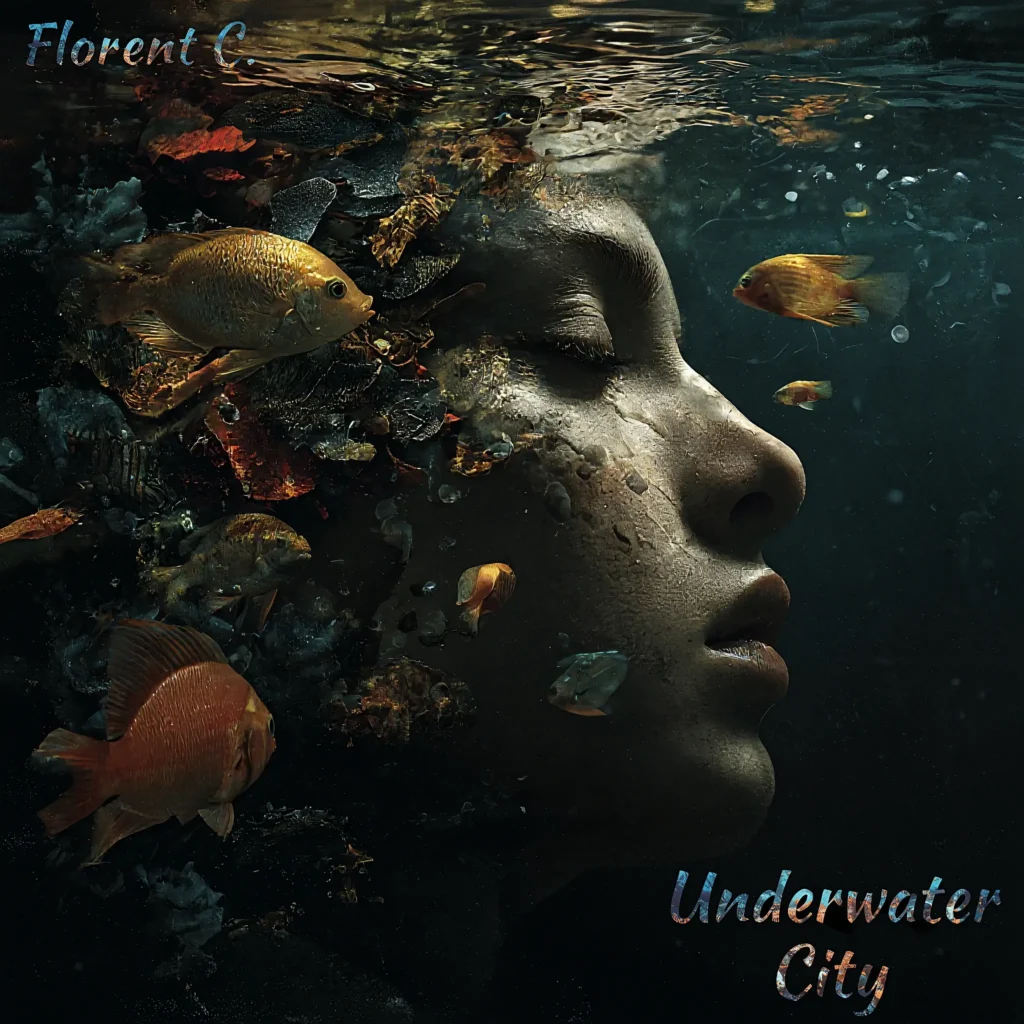
Every once in a while, you find an artist who sounds like they’re trying to soundtrack the end credits of your emotional breakdown. Belgian artist Florent C. is one of those people. He’s been floating around the alt-pop/electronic scene for a while now, quietly producing tracks that sound like they belong in the trailer for a prestige sci-fi series about grief. And now, with his new album Underwater City, he’s gone fully aquatic: sonically, thematically, and possibly spiritually. It’s an 11-track dive into dark pop, electronica, and cinematic melancholy. You don’t just listen to it; you sort of dissolve into it. It’s like he took the concept of “vibes” and said, “Okay, but what if they were drowning?” The premise is simple but ambitious: make an album that feels like being underwater, not in a cute lo-fi way, but in the slow, crushing, oddly beautiful way that being underwater actually feels. And somehow, he pulls it off. Florent’s sound has always been about connection; human emotion running through synthetic veins. He’s the kind of artist who can make an 808 kick sound like it’s crying. On Underwater City, he refines that ability to a near-surgical precision. It’s the musical equivalent of holding your breath and seeing how long you can last before your chest starts to burn. We start with “Perfect Disaster,” and the name’s honestly a warning. It’s a glittering drop into chaos; a mix of Cheat Codes’ pop bombast and Billie Eilish’s late-night existential dread. It’s the sound of someone realizing the club is closing but their problems aren’t. The track manages to feel simultaneously loud and fragile, like a mirror ball hanging by dental floss. “Phonetic Dreams” follows, and it’s basically what happens when you let Armin van Buuren score your nap paralysis demon. Trance energy, liquid synths, a tempo that insists you should be dancing but an atmosphere that whispers, maybe think about your ex instead. It’s got this human heartbeat under all the electronic shimmer, which keeps it from floating away completely. At this point in the album, you start realizing Florent’s not just making songs; he’s constructing an ecosystem. You’re in his aquarium now, and he’s the guy tapping the glass to see if you’ll react. “He Never Talked” slows everything down. It’s one of those songs that feels like someone left Illenium alone in a dark room with a guitar and a single flickering LED light. The vocals are delicate and wounded, and the production knows exactly when to step back and let the silence hit. It’s understated, and that’s exactly why it hurts. Every album has that one track that says, “Yes, this is the theme.” For Florent, that’s “Underwater City.” It’s lush, cinematic, and structured like a three-act film. There’s tension, build-up, release; all that good narrative arc stuff. It feels big, but not in an ego way. More like existential scale big. The synths crash like waves; the percussion pulses like sonar. You can practically see the submerged skyline, the neon flickering through the fog. It’s one of those rare title tracks that actually earns its title. After that emotional high tide, “Where Do We Go” brings a moment of clarity. It’s gentle, floaty, and full of that “hopeful sadness” energy you’d find on a SuicideSheep playlist. You could either cry to it or study to it, maybe both. It’s unsure whether it wants to surface or stay submerged, which is kind of the point. Then we get “Now I Rise.” Suddenly, there’s sunlight again. It’s one of the more organic tracks here, leaning into acoustic warmth instead of synth-heavy waves. Think Jessie Reyez but underwater, writing about perseverance while dodging jellyfish of emotion. It’s the moment in the movie where the protagonist swims toward the light and the audience collectively forgets to breathe. “Bee’s Knees” shows up and says, “Hey, remember fun?” It’s a sleek, modern update of those early-2000s Bonnie Bailey club vibes, except now it’s self-aware enough to know how ridiculous that sounds. It’s danceable, nostalgic, and oddly touching. It’s as if the album took a break from emotional depth to twirl around the dancefloor in flippers. And then comes “There’s Nobody Left.” If Underwater City were a film, this would be the part where the camera pans over the empty ocean floor while the protagonist’s oxygen gauge runs low. It’s long, ambient, and heavy. Imagine early ODESZA but stripped of festival euphoria; just the loneliness, just the echo. It’s haunting in the best way. Finally, the album ends with “Shut Up,” which feels like waking up from a beautiful dream and immediately stubbing your toe. It’s trap-R&B, sharp, chaotic, and defiantly alive. You can hear the frustration, the catharsis, the “I’m not dead yet” energy. It’s Jessie Reyez-adjacent but more resigned, like she’s given up on being polite about her pain. Underwater City is not just an album; it’s a mood experiment. It’s the sonic equivalent of staring into the deep end and realizing the deep end is staring back. Florent C. has built a world that asks you to submerge yourself, and he trusts you’ll come back up changed. It’s cohesive, emotional, and occasionally pretentious in the best possible way. The production is clean but not sterile, emotional but never melodramatic. Florent’s greatest trick is making digital sound human, like he’s teaching machines to feel bad about breakups. On Underwater City, Florent dares to deliver a body of work that demands immersion. And when you do, you might catch yourself thinking: “Wait… was I underwater this whole time, or did I just need to breathe?”  Follow Florent C. Facebook Spotify Youtube Instagram Promoted Content About the Author

On Underwater City, Florent Dares to Deliver a Body of Work That Demands Immersion Read More »

Love Isn’t A Fleeting Moment in TaniA Kyllikki’s “I Promise I’ll Wait For You”

Love is often painted as something perfect, something superficial and unreal. But TaniA Kyllikki isn’t here to do the same. With her latest single “I Promise I’ll Wait For You”, she dissects its depth, declaring her love into something raw and undeniably human. British singer-songwriter TaniA Kyllikki is a passionate independent rising artist making waves in radio and in streaming apps. This time, she’s back with I Promise I’ll Wait For You, an emotional ballad that will make you yearn to love in the same depth.  You’ll feel a lot of passion from the intro than in an ocean of tracks you hear today. The delicate touch of synth playing with TaniA’s vocals gives you a kind of warmth that releases all the tension. Think of Whitney Houston’s grace and control colliding with Mariah Carey’s range and airy vocals, except this time it’s TaniA in her own element.  You won’t get a cheesy, fleeting romance that hits from the get-go. What bshe offers are words unfolding gently, telling a story of love in its most devoted form. The repetition of, “I will wait for you” isn’t just a hook but a declaration of love anchored from patience, vulnerability, and sincerity.  Aside from the timeless arrangement, you’ll know why TaniA’s lyricism is highly praised. Her songwriting, shaped by resilience, carries depth, maturity, and strength. Overall, I Promise I’ll Wait For You is a faithful vow, an unshakeable one that is worth every heartbeat and waiting.  Follow TaniA Kyllikki Globe Facebook Twitter Youtube Instagram Promoted Content About the Author

Love Isn’t A Fleeting Moment in TaniA Kyllikki’s “I Promise I’ll Wait For You” Read More »