
loader image

New Music

“Train to Nowhere” Is the Sort of Song That Immediately Signals It Is Not Here to Be Polite

“Train to Nowhere” is the sort of song that immediately signals it is not here to be polite. This is not a holiday release meant to soundtrack gift-wrapping or half-remembered family arguments; it is a piece of music that wants to sit you down and quietly ask whether you’re actually okay. Framed as a journey through Paul Gehl’s experience with mental illness, the track uses its central metaphor of the unstoppable forward motion of a train to capture that uniquely awful feeling of being dragged through your own mind, whether you want to be there or not. What makes the song compelling is not just that it is confessional, but that it is careful. “Train to Nowhere” doesn’t present suffering as a poetic aesthetic. Instead, it sounds like someone trying to make sense of chaos while it is still happening. The production leans into this tension: although this is technically a solo release, Gehl deliberately builds it to feel like a full band, as though the music itself is pushing and pulling against him. That layered, almost crowded soundscape gives the song weight. It feels less like a diary entry and more like a conversation happening inside your own head; voices overlapping, emotions refusing to stay in neat boxes. Paul Gehl’s background gives this approach real texture. Based in Luxembourg, he came to songwriting by way of classical and flamenco guitar, two traditions that prize precision, discipline, and physical connection to the instrument. That makes the pivot to electric guitar and heavy, emotionally charged songwriting feel especially significant. After a career-ending injury forced him to rethink his relationship with music, Gehl didn’t retreat into safety. Instead, he leaned harder into expression, drawing influence from bands like Black Sabbath and Led Zeppelin, whose legacy is built on turning pain, power, and vulnerability into something loud enough to be undeniable. His previous single, “On the Other Side,” hinted at this direction, but “Train to Nowhere” feels like the moment where the project truly finds its voice. It is not trying to impress you with virtuosity, even though Gehl clearly has it. It is trying to communicate something messy, urgent, and real. And in an industry that often treats emotional honesty as a branding exercise, that kind of sincerity stands out. If “Train to Nowhere” is about anything, it is about what happens when you stop pretending you’re in control of your own narrative and start telling the truth instead. That might not be comfortable listening, but it is the kind that actually sticks with you. Follow Paul Gehl Spotify Youtube Promoted Content About the Author
“Train to Nowhere” Is the Sort of Song That Immediately Signals It Is Not Here to Be Polite Read More »

Sabrina Nejmah’s “Don’t You Worry” Is an Art AI Can’t and Won’t Touch

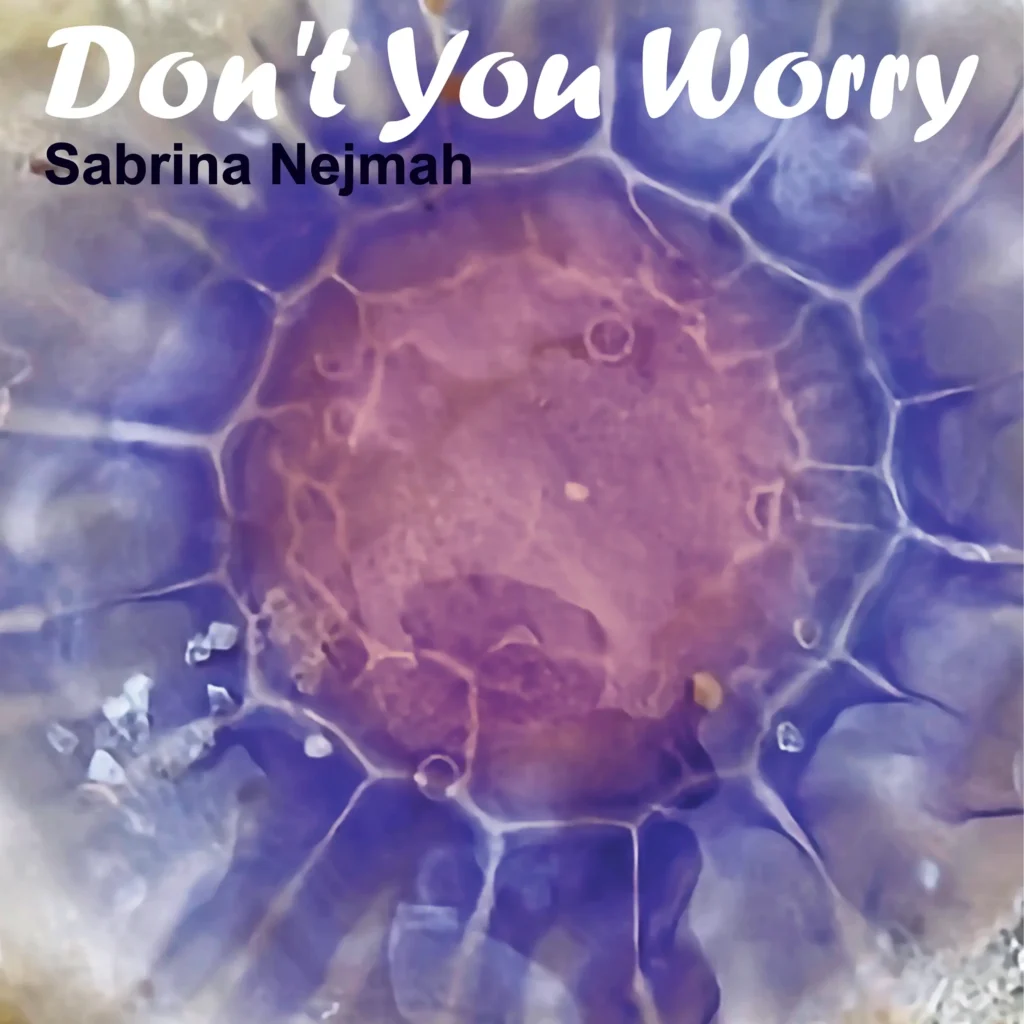
We are now in an age where everything is handed to us on a silver platter. We have AI and the internet to help us with almost anything, but Sabrina Nejmah’s newest single, ‘Don’t You Worry,’ is a track that even AI would never think of recommending. ‘Don’t You Worry’ started with this uplifting and positive-sounding sax line that perfectly introduces that overall feel of the track. On the surface, the arrangement is not flashy, especially if you are the kind of listener who focuses first on the music and then on the lyrics, but that track has colorful lyrical imagery from phrases like / Cruising through an empty space / I keep an eye on the oxygen clock / Leaving earth behind / While we float through asteroid skies / are a few examples of storytelling done correctly.  It’s a song about trust masked in a sci-fi storyline that few will be able to decipher because, on the outside looking in, it’s a track that doesn’t have that technical angst, vivid technical arrangement, and that skillful wow factor. The crème de la crème is the lyrics. How colorful it was portrayed, and how creative the way it was delivered.  Sabrina Nejmah’s ‘Don’t You Worry’ is a track that will be notable because of its lyrical imagery. With thousands of songs being released on a day-to-day basis, Sabrina Nejmah decided to walk a path that a few brave people walk, and that’s creative lyricism over technical flash.  Follow Sabrina Nejmah Globe Spotify Soundcloud Bandcamp Instagram Promoted Content About the Author
Sabrina Nejmah’s “Don’t You Worry” Is an Art AI Can’t and Won’t Touch Read More »

Tony Lio’s “Better to Sleep” Is a Beautiful Dissonance

In my years of reviewing music, believe it or not, there is a safe and proven way to create and arrange music. But to break it down to its core and literally break the rules can be either awesomely good or terribly bad. Better to Sleep is a prime example of stripping music to its core and hearing the soul of the track. It’s a track that consists of an acoustic guitar, percussion, subtle samples, and, from time to time, a delay/reverb guitar lick.  What made it special is its simplicity, packed with symbolism from start to finish. The phrase on the chorus hook, / Better to love better to sleep / Dreams of you haunting me / is what I call beautiful dissonance. The first phrase alone is a bit confusing, but it was met with the idea of intense passion in the second phrase.  The beautiful dissonance became symbolic every time the guitar lick came in because the note progression on the acoustic guitar doesn’t necessarily match the notes being played in the guitar lick, yet there’s always a resolution in the end.  Tony Lio’s ‘Better to Sleep’ is a clear representation that theory can only get us so far. Playing it safe is good, but getting out of your comfort zone can lead to dissonance that can either make you or break you.  Follow Tony Lio Globe Facebook Spotify Bandcamp Youtube Instagram Promoted Content About the Author

Tony Lio’s “Better to Sleep” Is a Beautiful Dissonance Read More »

Lisa Jo’s “Lord of the Night” Feels More Like A Mindset Than a Record

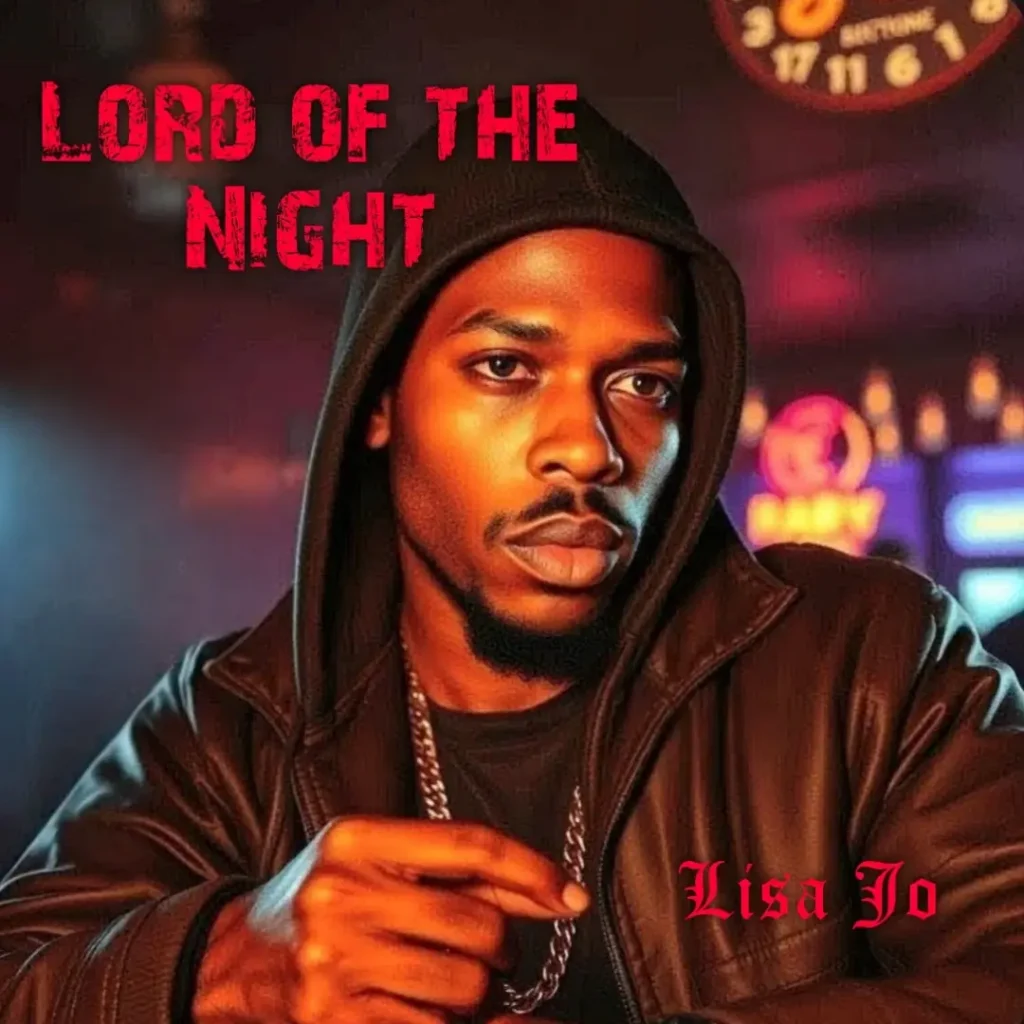
Don’t you just love it when artists refuse to be subtle? They don’t ask for space. They either take it or make damn sure it’s theirs in the first place. That’s the exact energy of Lisa Jo’s “Lord of the Night”, and it honestly feels more like a mindset than a record. With over 30 songs produced in just three months, Lisa Jo is a rising artist known for her innovative approach, undeniable talent, and intense love for music. Now, she’s back at it again with Lord of the Night, showcasing her versatility and refusal to be boxed in one genre.  Lord of the Night starts strong with classic, old school beats that will immediately make you nod along. Think of a track that dominates the whole room once it plays because of its commanding, cinematic beats. And as Lisa Jo drops the first verse, the confidence and streetwise swag will pour over you before you could even react.  Along with the slick arrangement are over-the-top bars, all unfiltered and unapologetic. But despite this, it doesn’t feel excessive or overly confident at all. Each line maps out like a blueprint for survival, with aggressive raps filling the space with ego and tension. And as they spit the line, “already warned you, step the f*ck back, or down you go,” the title makes much more sense. This isn’t just bravado, it’s a declaration and a warning for everyone who tries to take over. What makes this stand out is the rap’s progression—the details get sharper, the intensity and tension builds, as Lisa Jo’s confident flow holds it all together. There’s no sign of subtlety or politeness here, thriving in excess and slick lyricism all throughout. If you want your hip-hop track to be confrontational and commanding, Lisa Jo’s Lord of the Night deserves a spot in your playlist.  Follow Lisa Jo Facebook Spotify Youtube Instagram Tiktok Promoted Content About the Author

Lisa Jo’s “Lord of the Night” Feels More Like A Mindset Than a Record Read More »

What Makes the Unreasonables Work Is Not Nostalgia; It’s Intention

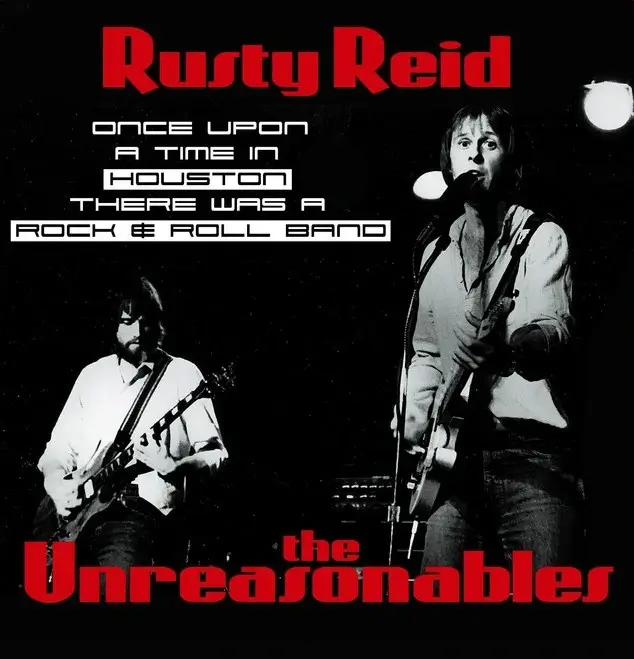
There are two kinds of nostalgia records. One kind treats the past like a museum exhibit: everything behind glass, perfectly preserved, spiritually dead. The other treats it like a toolbox; something you can reach into, grab a sound, and start building something new with it. The Unreasonables belongs firmly in the second camp. This is not a man unearthing forgotten tapes and hoping we clap politely. This is a modern record that very deliberately retreats into older sounds because it believes, and correctly if I may add, that something important got lost along the way. Rusty Reid may have written these songs decades ago, but what we hear now isn’t a relic; it’s a curated act of resistance against a present-day music industry that has sanded every emotional edge smooth. In an era of hyper-polished, algorithm-optimized pop, The Unreasonables sounds almost rebellious in its commitment to guitar-driven storytelling, big melodies, and emotional directness. It wears its Springsteen, Elvis and Beatles DNA proudly, not as cosplay but as a statement: this is what rock used to do when it actually cared about people. The opening stretch of“Hot as a Pistol,” “Hurricane” and “Crossfire” is built on propulsion. These are songs that move. Not in the sense of club beats or TikTok hooks, but in the sense of forward momentum, like a car on a long night drive when something important is about to happen. The guitars are bright but never brittle, the rhythms tight but human and Reid’s voice sits comfortably at the center, guiding everything without dominating it. This is classic pop-rock architecture, updated just enough to feel present rather than embalmed. One of the album’s great strengths is how well it understands pacing. The Unreasonables is nineteen tracks long, but it doesn’t feel bloated. That’s because Reid knows how to alternate between urgency and reflection. “Coldhearted” and “Impatient” pull things inward, shifting the emotional lens from motion to frustration. These aren’t grand, cinematic heartbreak anthems; they’re smaller, more uncomfortable songs about wanting something and not quite knowing how to get it. The production wisely refuses to inflate them into melodrama. They’re allowed to stay tense, unresolved, and human. That refusal to overproduce is one of the album’s quiet victories. Modern pop is obsessed with making everything feel big. Reid does the opposite. His songs feel inhabited. You can hear the room around them. You can hear the spaces between the notes. It makes the record feel less like a product and more like a place you’ve been invited into. As the album moves through “You’re Not the One,” “Shock Me,” “Excuses,” and “Enough Is Enough,” it becomes clear that The Unreasonables is less about romance as fantasy and more about romance as negotiation. These songs are about power, vulnerability, miscommunication, and emotional boundaries. They never collapse into cynicism, but they also refuse to pretend love is simple. That complexity is what keeps them interesting long after the first listen. The middle of the record, featuring cuts like “Piece of the Action,” “Calcasieu Sue” and “Only Right Girl” introduces a warmer, slightly more playful energy. Here the Beatles influence comes through most clearly, not in imitation, but in the way melody is treated as a form of emotional truth. These are songs that understand how joy, longing, and optimism can coexist without canceling each other out. By the time we reach “Me and You” and “Try to Do That to Me,” the album has narrowed its focus again, becoming more intimate, more psychologically detailed. This culminates in “Let’s Just Talk,” one of the record’s defining moments. It’s built on a jangly New Wave pulse that feels both retro and oddly current, capturing the fragile tension of emotional proximity without ever resorting to cliché. The song doesn’t rush to resolution; it lets uncertainty do the heavy lifting. “How Much More” and “Edge of the End” widen the lens once again, shifting from interpersonal drama to something closer to existential fatigue. These tracks feel like the moment in a long conversation when both people lean back and realize how much has already been said and how much still hasn’t. And when “The Way She Does Me” closes the album, it does so not with a triumphant finale, but with a kind of hard-won emotional clarity. What makes The Unreasonables work is not nostalgia; it’s intention. Reid is not trying to recreate the past; he’s trying to recover a way of making music that valued storytelling, melody, and emotional honesty over metrics and marketability. In that sense, this album feels almost radical. It’s a reminder that rock music doesn’t have to be ironic, minimalist, or self-aware to be relevant. Sometimes it just has to be sincere and well-made. In a cultural moment obsessed with the new, The Unreasonables makes a compelling case for the old, not as something to worship, but as something to build from. And that might be the most quietly subversive thing a record can do. Follow Rusty Reid Globe Facebook Twitter Youtube Spotify Soundcloud Bandcamp Instagram Promoted Content About the Author
What Makes the Unreasonables Work Is Not Nostalgia; It’s Intention Read More »

Terrell Journey’s “A Journey Digital Christmas Vol 1” Isn’t Here To Fake The Holidays

Holidays aren’t just about carols and back-to-back celebrations. Sometimes, it’s the unfulfilled wishes, grief, unanswered messages, and all the things that make joy feel out of reach. Terrell Journey’s “A Journey Digital Christmas Vol 1” doesn’t mask that reality, giving you a curation that doesn’t force warmth to sit with you through ache and loneliness. Terrell Journey is a rising music sensation from Atlanta, Georgia. Now, he’s back on the stage with a collection of holiday music that isn’t the one you’ll hear at the malls and grocery aisles. It’s the one you’ll play at Christmas eve alone with all the feelings and thoughts that you can’t wrap or gift to someone because it definitely belongs to you.  Christmas Too Fast opens the EP with R&B layers instead of jangling bells, making it clear that it’s not your typical Christmas carol. Right from the first track, Terrell made it clear that this isn’t some warm embrace on the holidays. It’s the disconnect as bills pile up and wishlists stay unfulfilled, making this season more transactional than joyful. He offers no comfort or resolution but a kind of honesty to sit with you if you’re ever in survival mode in December.  Christmas Pajamas eased the weight left by the first track with its gentle, softer beats. There’s no chaos from preparing dinners, only one person that craves intimacy and connection instead of materialistic needs. The hook, “I wanna see you in your Christmas pajamas,” feels less like a wish and more like a desire that can only be fulfilled through someone’s presence.  The EP ends with Sleep Through Christmas, stripping down the season into its most melancholic. The layers burst with ache and hurt. Think of a voice mail sent on Christmas eve, the one that echoes yearning for someone who will never come back. It’s a record of grief that overshadows the joy of this season.  One thing about this EP is it doesn’t pretend that everything is fine, but it doesn’t romanticize them either. It gives you a different reality that this season doesn’t only come with snow and moments under the mistletoe. Sometimes, it also comes with longing and heartbreak that isn’t often talked about. If your Christmas doesn’t feel the same anymore, or if you simply want someone to sit with you through all the feelings you can’t talk about, Terrell Journey’s A Journey Digital Christmas Vol 1 is a companion on days where uninvited thoughts come undone while  everything’s covered in presents and lights.  Follow Terrell Journey Spotify Soundcloud Youtube Instagram Promoted Content About the Author

Terrell Journey’s “A Journey Digital Christmas Vol 1” Isn’t Here To Fake The Holidays Read More »

Listening to Feux Is to Move Through Light and Shadow

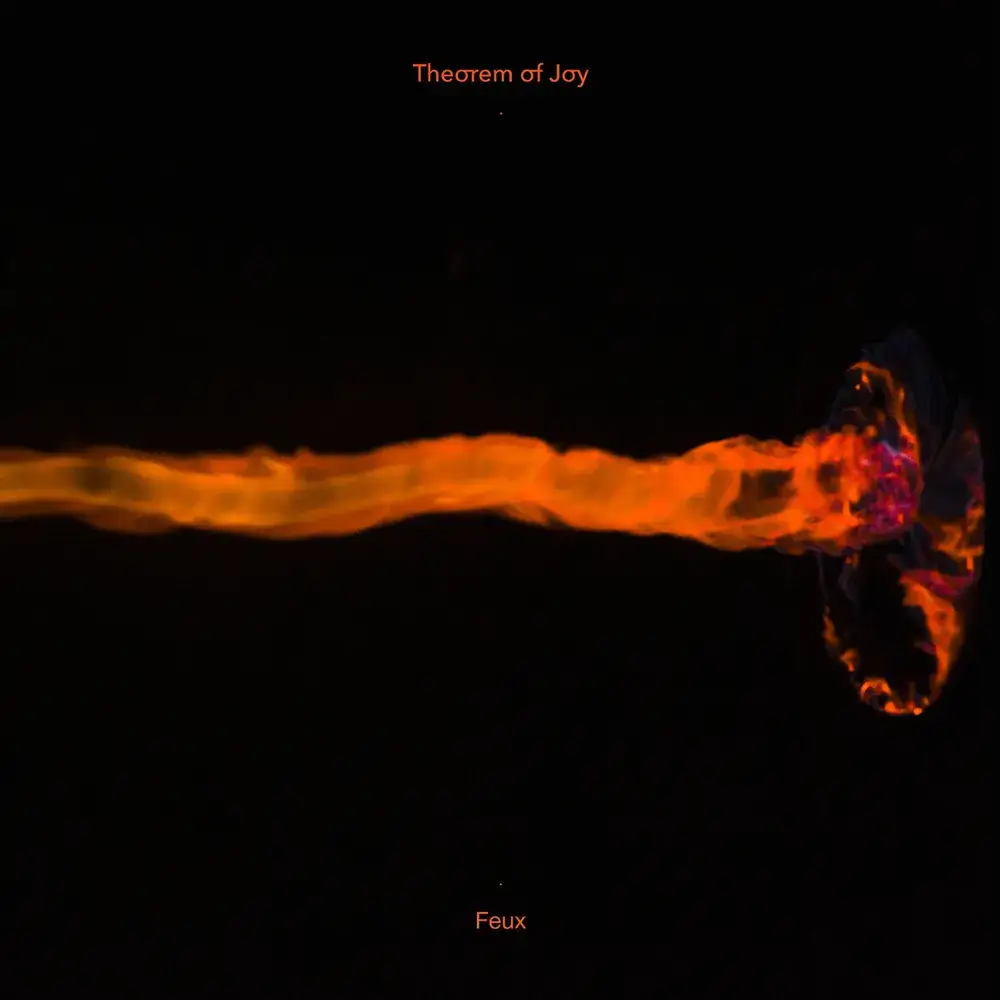
By the time a jazz group reaches its third album, there’s usually a choice to be made. You either double down on the sound that earned you attention in the first place, or you take the riskier route and ask questions your earlier work only hinted at. With Feux, Theorem of Joy chooses the latter and does so with the quiet confidence of a band that understands exactly who it is, even as it deliberately destabilizes that understanding. Founded in 2017 by composer and double bassist Thomas Julienne, Theorem of Joy has spent the better part of a decade carving out a reputation as one of the more thoughtful formations on the contemporary jazz scene. Their self-titled debut in 2018 introduced a group deeply invested in texture and restraint. L’Hiver, their album from 2021 expanded that palette into colder, more introspective territory, while Dysnomia Live released the next year, a photo-concert collaboration with photographer Alexandre Dupeyron, blurred the boundaries between performance, documentation and memory. A major tour in China in autumn 2024 further cemented the group’s international presence, but Feux feels less like a victory lap and more like a reckoning. The album’s title Feux, or Fires, isn’t metaphorical window dressing. Fire is the organizing principle here, treated not as spectacle but as paradox: destructive and regenerative, intimate and collective. Julienne frames the record as a question rather than a statement. Where do our inner fires come from? Which ones sustain us, and which ones burn us out? It’s a conceptual approach that could easily tip into abstraction, but Feux remains grounded through precise composition and an almost stubborn emotional clarity. Across eleven tracks, the album unfolds as a kind of initiatory journey. “New Spring” opens the record with cautious optimism, not through grand gestures but through gradual unfolding. There’s a sense of emergence here; ideas forming, retreating, then reappearing with more conviction. “Au Monde” follows with a more outward gaze, its brevity suggesting a moment of contact with something larger before pulling back into reflection. What’s striking about Feux is how often it resists the temptation to resolve itself. Pieces like “Heart Wide Open” and “Behind the Sky” feel emotionally expansive, yet they never overstate their intentions. The ensemble moves with remarkable cohesion, allowing space and silence to function as compositional tools rather than gaps to be filled. Jazz here is less about virtuosity on display and more about collective listening; about the notes you don’t play, as Abigail Thorne of PhilosophyTube would say. The two “Echo” interludes are brief, almost fragile, but they act as hinge points within the album. They don’t exist to impress, but to recalibrate. In a genre that often equates complexity with density, these moments of restraint feel quietly radical. They remind the listener that reflection is an active process, not a passive one. Midway through the record, “Little Raymonde” and “In the Way” bring a warmer, more human texture to the album’s conceptual framework. There’s a sense of memory here. Maybe personal, possibly familial, though the music never insists on a specific narrative. Instead, it gestures toward shared experience, inviting listeners to project their own histories into the space the band creates. The latter half of Feux becomes increasingly outward-looking. “El Haik Dance Floor” introduces a rhythmic urgency that feels almost celebratory, while “Upside Down Candle” and “Ideal Robots” return to the album’s central question: how do we live together? These tracks grapple with modern anxieties of technology, alienation, collective responsibility, all without lapsing into didacticism. The music doesn’t offer solutions; it offers conditions for thought. Throughout, Julienne’s compositional voice remains firm but generous. He doesn’t dominate the ensemble; he organizes it. Theorem of Joy functions less as a band with a leader and more as a system of interdependent parts, each responding to the others in real time. That dynamic gives Feux its emotional credibility. The doubts and hopes the album explores don’t feel theoretical. If anything, they feel lived in. Ultimately, Feux succeeds because it understands jazz not as a genre to be defended, but as a language capable of asking urgent questions. This is music that engages with the present moment without trying to pin it down, acknowledging uncertainty as a fundamental condition rather than a problem to be solved. Listening to Feux is to move through light and shadow, destruction and renewal, solitude and society. It’s an album that trusts its audience to listen carefully and rewards them when they do. Follow Theorem of joy Globe Instagram Spotify Youtube Bandcamp Facebook Promoted Content About the Author

Listening to Feux Is to Move Through Light and Shadow Read More »

AMa by floodlit Is the Kind of Debut You Don’t Forget

Finding new music always feels better when it feels earned. That moment when a song hits and you already know it’s going to stay in your rotation. Like you just uncovered something before everyone else catches on. That’s exactly the feeling AMa by floodlit gave me. Floodlit is a Los Angeles–based five-piece made up of three US men and two Chinese women, and their chemistry is obvious from the first seconds. They debuted with their first single and music video, AMa, on November 21, 2025. This didn’t feel like a quiet test run. It felt like a statement. AMa sounds expensive in the best way. Clean but aggressive. Heavy without being messy. Every instrument knows its role, and the songwriting stays sharp from start to finish. The structure keeps shifting just enough to keep you locked in. The vocals carry the weight of the song. Clean parts feel controlled and emotional, while the screams cut through with real anger and purpose. You can tell this band understands dynamics, not just volume. AMa is intense, focused, and full of fire. It doesn’t sound like a debut. It sounds like a band that already knows where it’s going and isn’t afraid to move fast. If this is your first time hearing floodlit, you’re not late. You’re right on time. Follow floodlit Facebook Spotify Youtube

AMa by floodlit Is the Kind of Debut You Don’t Forget Read More »

Watching the World Go By Trusts That If You Sit With It Long Enough, It Will Reveal Itself

WATCHING THE WORLD GO BY is the kind of album that sneaks up on you; not because it’s quiet, but because it’s patient. Jernej Zoran’s seventh full-length record since 2012 doesn’t announce itself as a grand statement so much as it calmly sets up a chair, plugs in a guitar, and waits for you to notice how much work is being done. Which, eventually, you do. And then you start wondering how long it’s been doing this while you weren’t paying attention. Zoran, a guitarist from Novo mesto, Slovenia, has built a career on being quietly prolific. Seven albums and two EPs in just over a decade is the output of someone less concerned with chasing trends than with following a long, winding internal logic. WATCHING THE WORLD GO BY feels like the natural extension of that logic: a sonic collage of acoustic and electric guitar-driven compositions that borrow freely from classic rock vocabulary without sounding like a museum exhibit. This is not nostalgia cosplay. It’s more like a conversation with the past, conducted in fluent guitar. The album opens with “Take Off Your Mask,” which immediately establishes the record’s tonal flexibility. The track has a theatrical, slightly ominous sway that calls to mind Nick Cave at his most accessible. Specifically, that strange era where Cave briefly flirted with animated family film soundtracks and somehow made it work. The guitars here don’t rush. They circle. They suggest drama rather than demand it, setting the stage for an album that’s more interested in mood than in hooks. That restraint carries into “All They Say All They Do,” a mostly instrumental piece that feels like late-stage Pink Floyd; less The Wall, more The Division Bell. It’s expansive without being indulgent, atmospheric without dissolving into background music. The guitar work is deliberate, almost conversational, as if the song is thinking out loud and letting you listen in. This is a recurring strength throughout the album: Zoran understands that guitar virtuosity doesn’t require constant proof. “Moonwalking Bear” shifts gears into something brighter and more playful, leaning into a Queen-inspired glam-rock guitar style. It’s fully instrumental, but it doesn’t feel empty of voice. The melodies carry a kind of theatrical confidence, the sort that suggests someone who grew up absorbing Brian May solos not as exercises, but as storytelling tools. It’s a reminder that instrumental tracks don’t have to be passive; they can grin at you. The title track, “Watching the World Go By,” is the album’s emotional center. Calm, melodic, and unmistakably McCartney-coded, it’s a guitar ballad that seems content to exist without insisting on significance. There’s a gentleness here that feels earned, not sentimental. It’s the sound of someone who has made peace with observation; of standing still while everything else moves, and finding that stillness meaningful. From there, the album unfolds like a travelogue of feeling rather than geography, even as its production is genuinely international. Zoran recorded guitars in Slovenia; bass came from Croatia; drums were tracked in Louisiana; keyboards mostly in Italy; guest vocalists appear from the U.S. and South Africa. This could feel gimmicky, but instead it reinforces the album’s core thesis: music as a collaborative, borderless language. You don’t hear the passport stamps; you hear the cohesion. Tracks like “(Let Me Help You) Carry That Cross,” “Free,” and “Tears of Orion” continue to explore variations on blues-rock, cinematic ambience, and emotional weight. These aren’t songs that beg to be singled out individually; they work best as part of the album’s slow accumulation. Zoran’s guitars alternate between being “as tame as sleeping kittens” and “roaring like lions,” but the transitions are smooth, almost conversational. Nothing feels out of place, even when the styles shift. “Angels with Broken Wings” comes closest to fully synthesizing the album’s influences, blending Pink Floyd’s spacious introspection with The Beatles’ melodic clarity. It’s the kind of track that could only exist once you’ve internalized both bands deeply enough to stop imitating them directly. The result is something familiar but not derivative; a recurring theme on this record. The album closes with “You” and “(In Me You’ll) Live Forever,” the latter an instrumental that feels almost Cinematic Orchestra-adjacent in its emotional pacing. It’s a fitting ending: reflective, unresolved in the best way, and more interested in lingering than concluding. Jernej Zoran’s musical journey, sparked by watching Rattle and Hum and falling in love with the guitar, feels embedded in every note here. As the leader of the Jernej Zoran Trio and one of Slovenia’s most accomplished blues-rock guitarists, he has little left to prove. WATCHING THE WORLD GO BY isn’t an attempt to reinvent the genre or outdo his influences. It’s a document of craft, curiosity, and continuity. This album trusts that if you sit with it long enough, it will reveal itself. And it does. Not all at once. But patiently. Like the world going by, while someone thoughtful enough is still watching. Follow Jernej Zoran Globe Facebook X-twitter Spotify Youtube Instagram Promoted Content About the Author

Watching the World Go By Trusts That If You Sit With It Long Enough, It Will Reveal Itself Read More »

At Its Core, Real Shadows Is a Song-First Project

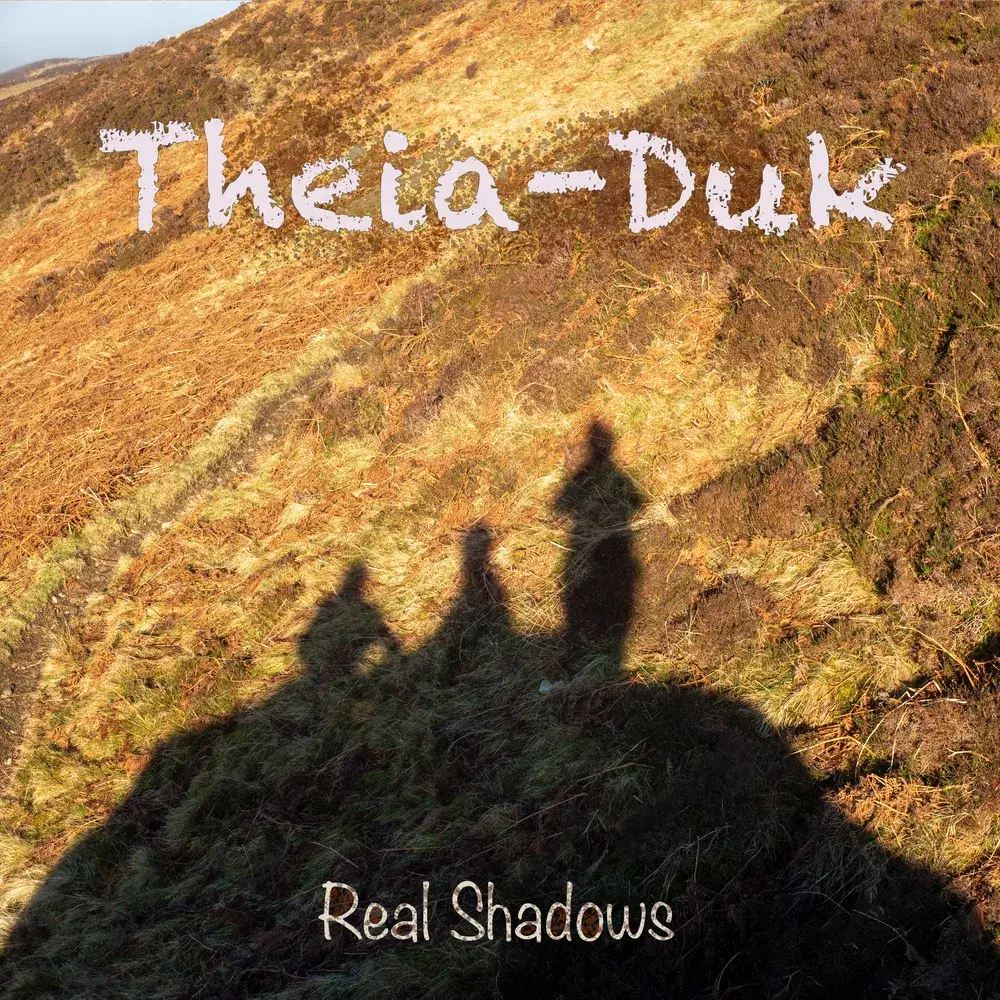
Real Shadows is one of those debut EPs that immediately signals it is not here to fight you for attention. It’s not screaming for playlist placement, it’s not doing the whole “hi this is my face and my lore” thing and it’s definitely not trying to convince you it was assembled by a committee of algorithms in a dark room. Instead, Theia-Duk quietly slides four songs across the table and says, “These work. Sit with them.” And annoyingly enough, they do. At its core, Real Shadows is a song-first project, which sounds like the bare minimum until you remember how rare that actually is. These tracks are built around harmony, groove, and arrangement in a way that feels almost old-fashioned; live drums that breathe, guitars that sound like they’re being played by actual hands and horns and strings that show up because the song asked for them, not because someone ticked a genre box. It’s pop and indie-adjacent, sure, but filtered through soul instincts and a clear respect for melody over spectacle. The EP opens with “This Is Fire,” which immediately sets the tone by refusing to be ironic. It’s a fiddle-driven, country-leaning barn-burner that feels playful without tipping into novelty. Think Holly Humberstone energy if she wandered into a stomp-clap-adjacent country jam and decided to stay. It’s lively, charming, and most importantly, confident, like the project knows exactly how warm and accessible it wants to be without apologizing for it. “Glide” pulls things back a bit, but not in a momentum-killing way. The tempo slows, the arrangement opens up, and the emotional center becomes clearer. It still carries that Humberstone-esque vulnerability, but filtered through a more rootsy, grounded palette. The restraint here works: instead of chasing a big emotional peak, the song lets its groove and vocal blend do the heavy lifting. It’s the kind of track that sneaks up on you halfway through and you suddenly realize you’ve stopped doing whatever else you were doing. The EP’s most surprising moment comes with “How Lucky You Are.” The trumpet touches immediately shift the setting, dropping the song into a breezy, New Orleans-tinged pop space that feels both fresh and familiar. Vocally, this is where Theia-Duk leans into a deeper register, flirting with Alanis Morissette territory without falling into imitation. The result is warm, slightly wistful, and emotionally grounded. It’s the song that most clearly signals the project’s ambition; not just to sound nice, but to say something sincere without melodrama. Closing track “Never Ever Ever Been Better” takes a left turn into alt-rock territory, blending shades of Sheryl Crow, Alanis Morissette, and early Colbie Caillat. It’s the most outward-facing track on the EP, with a fuller arrangement and a more classic radio-rock structure. But even here, the emphasis stays on feel rather than flash. Nothing is overcooked. Nothing is trying to prove it belongs. What really ties Real Shadows together is its refusal to overexplain itself. The decision to keep the project visually low-profile feels intentional rather than evasive. In an era of relentless self-branding, Theia-Duk’s near-anonymity comes across as a statement: the songs are the point. With Erich Russek’s writing providing cohesion and Terra Talina’s mix preserving warmth and dynamics, the EP feels human in a way that’s increasingly rare nowadays and that’s why it should be treasured all the more.  Follow Theia-Duk Globe Spotify Promoted Content About the Author

At Its Core, Real Shadows Is a Song-First Project Read More »