loader image

New Music

Michellar’s “CROSSED” Gives You Heartache In The Most-Floor Shaking Rhythms

Hurt doesn’t have to be in some kind of sad, tearful ballad that sucks the life out of you. Sometimes, you just need glossy and electrifying beats to prove it hurts. Today, that song is Michellar’s latest single, “CROSSED”. Michellar is a talented artist based in San Francisco. And for her final release this year, she’s back with a powerful dance anthem that will give you heartache in the most floor-shaking rhythms.  The electrifying intro will catch you off guard, immediately giving you that club ready beats and pads as an invitation to move along. Then Michellar’s voice enters with a sultry, fierce vocals that carries vulnerability, the kind that doesn’t soften but sharpens the track’s edges even more. Think of a sound plotted for sweats and lights, like it asks you to move through suppressed feelings and dares you to keep up. But underneath is the ache that cannot be hidden with any gloss and shimmers. And there’s something so painfully brutal as Michellar repeats the line, “you have crossed my heart.” It’s as if there’s no way to find out whether it’s a chant or a mantra you never intended to live by.  One thing about Michellar’s CROSSED is it burns deeper despite its bright, high-energy production. Honestly, it’s like dancing, moving your body hard enough while the most devastating question lingers in your mind: Why do we keep going like this when there is no love? If you like heartbreaks dressed as a banger, this is definitely a must-listen.  Michelle Bond · CROSSED featuring Lillian Follow Michellar Globe Soundcloud Bandcamp Instagram Facebook Promoted Content About the Author

Michellar’s “CROSSED” Gives You Heartache In The Most-Floor Shaking Rhythms Read More »

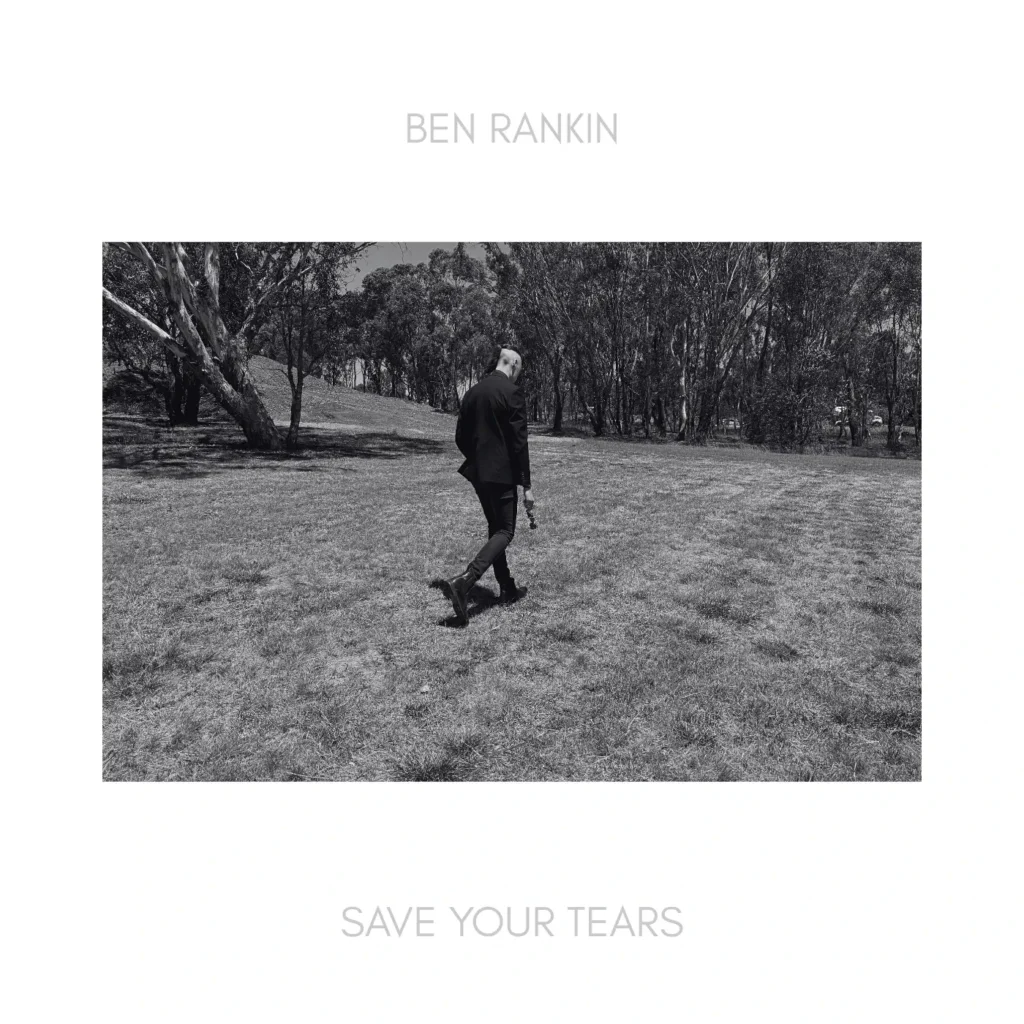
Ben Rankin’s Latest Single, “Save Your Tears,” Is Alternative on Its Own

Based on my experience, creating a rock track is one of the hardest things to market in today’s musical landscape, but Ben Rankin braved the waters and decided to give us ‘Save Your Tears’. Join me as I discuss this track in length and read why I’m adding this track to my playlist. The track started with this drum beat sample that has a keyboard lick closely resembling samples from gospel songs. Then the distorted guitar lick came in. The music gets heavier and heavier by the second, erasing that pre-emptive feel of the samples in the intro. The guitar lick is groovy, but is still grounded in those alternative roots, resembling influences from Black Veil Brides and A Day To Remember, just to name a few. What I specifically like about this track is how the chorus is presented.  The verse feels deeply rooted in that metal/alternative style, but when the chorus came in, it felt a bit different because of its pop influence. The chorus hook has a different melody; it’s catchy and short, which is a common theme with chorus hooks in pop songs.  I can’t comment on the overall arrangement because I have a bias toward alternative/metal music, as I enjoy it a lot, but one thing I can say is that it has all the elements of a rock track that a fan like me appreciates. The breakdown, the vocal screams, and the guitar riff. Especially the guitar riff. If it doesn’t give ‘stanky face’ material, then it’s a fail.  I enjoyed Ben Rankin’s latest single, ‘Save Your Tears,’ as a fan of alternative/metal music. It has all the elements that I was hoping for and more. The real highlight of this track is the intro sample because of how different it is from the overall feel of the track. Follow Ben Rankin Spotify Youtube Instagram Promoted Content About the Author

Ben Rankin’s Latest Single, “Save Your Tears,” Is Alternative on Its Own Read More »

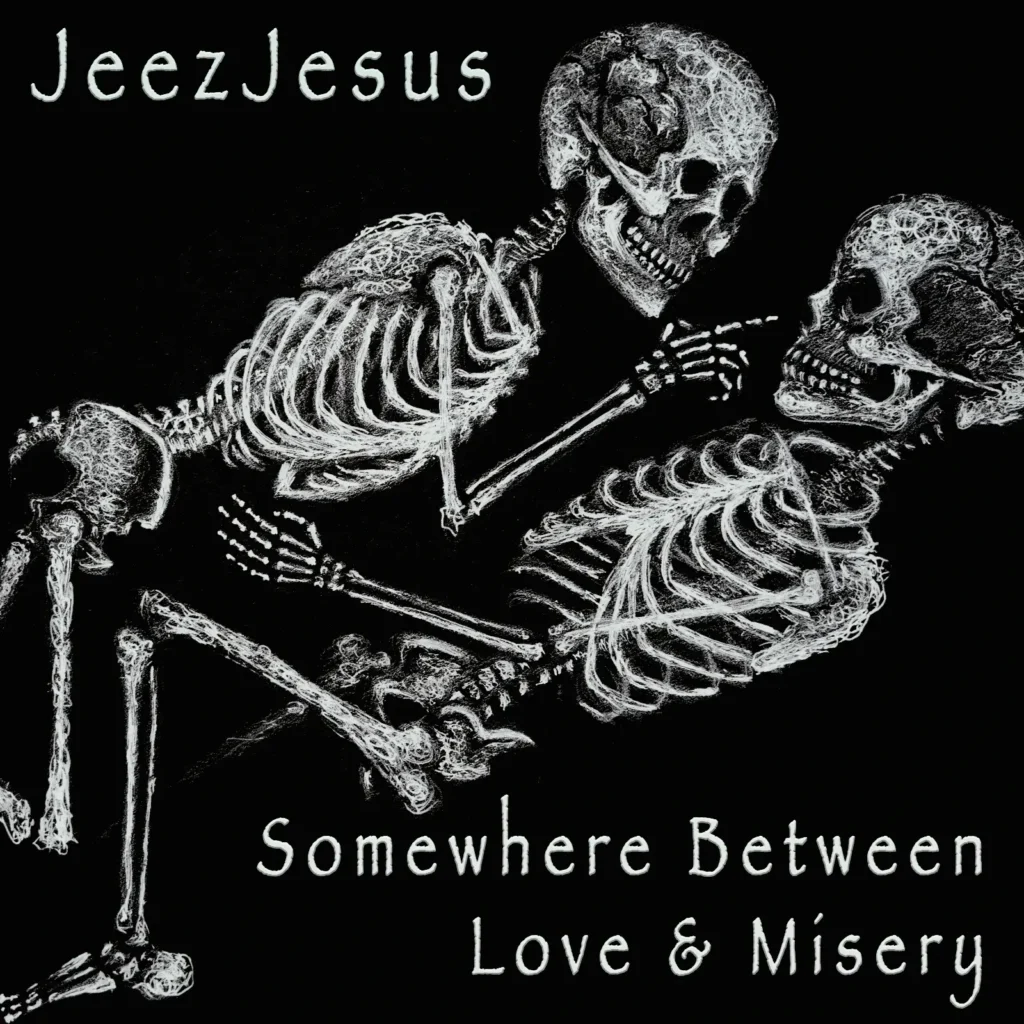
JeezJesus’ Latest LP, “Somewhere Between Love & Misery,” Is Brave and Bold

In today’s landscape, it’s not just about the skills because we are all skilled enough to create music. It’s now a battle of character and identity, but what if the artist decided to showcase multiple identities just because they can? I’m talking about JeezJesus and his brand new LP, Somewhere Between Love & Misery. Join me as I discuss this in length and read why this track is artist-centric. The LP started with an atmospheric, gloomy, and uneasy track titled, ‘Abandon Everything.’ It perfectly sets that dark electronic alternative music that the album was hoping to bring. It created curiosity enough that it made me listen a lot more because it was just that symbolic in a way.  ‘I See You’ feels and sounds like the perfect soundtrack to an indie mystery thriller game. It has all the packages you need: the distorted/heavy synth lick, distorted mic effect, and that futuristic drum beat, and to be quite honest, I’ve never been a fan of electronic music because of how mainstream they’ve become, but JeezJesus is different. He made sure that his identity and his sound are rooted in the music.  ‘Like to Like You’ started with this groovy and heavily synthesized bass keyboard lick. The cool thing about it is that it should never work. I’ve come across artists who use synthesizers as a module or as a means to create curiosity and identity, but on this particular track, it became the main thing that you need to listen to. It’s not sitting in the background. It’s in the forefront.  The track ‘Control’ feels like it was influenced by those early 2010s club vibes because of the beat and the repetitive keyboard lick, but what made it special is that it still has that dark overtone to it, mainly because of the bassy keyboard string notes. To me, this track sounds like a masterclass in brand creation. You take samples of known styles and add your own touch to it, making it a remarkable track.  ‘Cost of the Lost’ is another track rooted in that dark electronic alternative sound of JeezJesus. The distorted mic effect added flare and mystery to the overall feel of the track. This is another prime example of what I call ‘music for the soul’. It doesn’t conform to what is the norm, but it creates authenticity and adds a layer of originality to the artist themselves.  By the track, ‘Don’t Wanna Be Here,’ I already have a hunch of how JeezJesus creates music. JeezJesus loves to create anticipation and mystery, and it shows in the intro. He lets the music marinate for the listeners by creating spaces in the means of spending a bit more time in the intro and a couple more. JeezJesus is never afraid to be different. ‘Pressures of Life (Killing Me)’ is another example of taking popular styles and adding a bit of himself to the music. It started with this infectious drum beat and keyboard synth, and eventually added that heavy and distorted vocal effect to create that layer of identity being synchronized with known styles.  By the track, ‘We Could Be Friends,’ it sounds like something flipped in the music. The music sounded a bit more hopeful and geared towards that electronic mainstream sound because of the song progression, the overall melody of the track, and how the synth is being used. Sure, it has that JeezJesus element to it, but it feels and sounds a bit light.  ‘Burnt Out’ sounds like a mix of old school punk, but in the electronic style, because of the song progression, the use of the synth, and the overall light feel to the track. It actually goes hand in hand with ‘It’s Doing My Head In.’ It started with this keyboard bass lick that created a positive vibe to it, mainly because of the notes used.  ‘Work to Die’ feels like a mix of that dark overtone mixed with that mainstream rub because of the overall song progression, the notes used in the track, and that distorted vocal effect. I have to say that creating an album that has a bit of everything when it comes to branding is a bold move. It clearly means that JeezJesus is never afraid to tap into his identity, even if it means contradicting himself. That’s a very rare thing to hear and see in today’s musical landscape.  ‘I’m So Stressed’ and ‘I Want a Pony’ have that same positive feel to them. Again, another clear statement of authenticity and bravery in an industry where sticking to just one thing is the norm, and for that, I raise my hands. JeezJesus’ latest LP, ‘Somewhere Between Love & Misery’, is a masterclass in bravery and artist branding. It perfectly encapsulates the idea of an artist creating art for themselves rather than the masses.  Follow JeezJesus Globe Spotify Bandcamp Youtube Instagram Tiktok Promoted Content About the Author

JeezJesus’ Latest LP, “Somewhere Between Love & Misery,” Is Brave and Bold Read More »

“Decide” Is Catchy Without Pandering, Thoughtful Without Sinking Into Gloom, and Warm Without Drifting Into Sentimentality

“Decide” is the kind of track born from a very specific modern purgatory: that existential waiting room you enter after a job interview, where time stops, your inbox becomes a malevolent deity, and every notification ping triggers a fight-or-flight response. It’s in that liminal space wherein dread and hope do the tango in. And somehow, instead of turning into a stress-ball-shaped song, “Decide” emerges as a bright, jangly slice of power-pop catharsis. It captures the sensation of anxiously tapping your foot for hours, but rearranges all that nervous energy into melody, harmony, and something suspiciously close to charm. What makes the track click is its beautifully imperfect construction. That DIY spirit gives the song its grounding; its humanity. It’s not polished into oblivion; it actually breathes a little. And that breathing room lets the small details shine, especially the piano, which ends up being the emotional anchor of the whole thing. It’s a really pretty line; genuinely lovely, delicate without feeling like it’s trying too hard, and it immediately calls to mind The Mountain Goats’ Dark In Here. Not just because “piano + feelings = Mountain Goats,” but because it taps into that same vibe the album nailed: thoughtful melancholy delivered with the confidence of musicians who know exactly what they’re doing without needing to show off about it. But the comparison works on a deeper level too. Dark in Here had this great low-key tension, like John Darnielle was pacing around a dim room thinking out loud while someone quietly played keys behind him. Decide carries that same energy, except the stress isn’t biblical doom. The piano sets the emotional lighting, the DIY production keeps it honest, and the whole thing feels like real thoughts sung in real time; less apocalyptic dread, more everyday anxiety… just turned into something surprisingly beautiful. The group keeps a trace of Americana humming under the hood, but power-pop now steers the car and it steers with confidence. Think Fountains of Wayne if they stopped smirking for five minutes, or Old 97’s if they discovered introspection but kept the swagger. And that’s why “Decide” lands so well. It’s catchy without pandering, thoughtful without sinking into gloom and warm without drifting into sentimentality. More importantly, it hints that Southbank is entering a new phase. If this blend of jangly clarity, narrative honesty, and quietly gorgeous instrumentation is the new baseline, then the band isn’t just finding its footing. They’re starting to build something that could genuinely surprise people.   Follow Southbank Globe Facebook Spotify Bandcamp Youtube Instagram Promoted Content About the Author

“Decide” Is Catchy Without Pandering, Thoughtful Without Sinking Into Gloom, and Warm Without Drifting Into Sentimentality Read More »

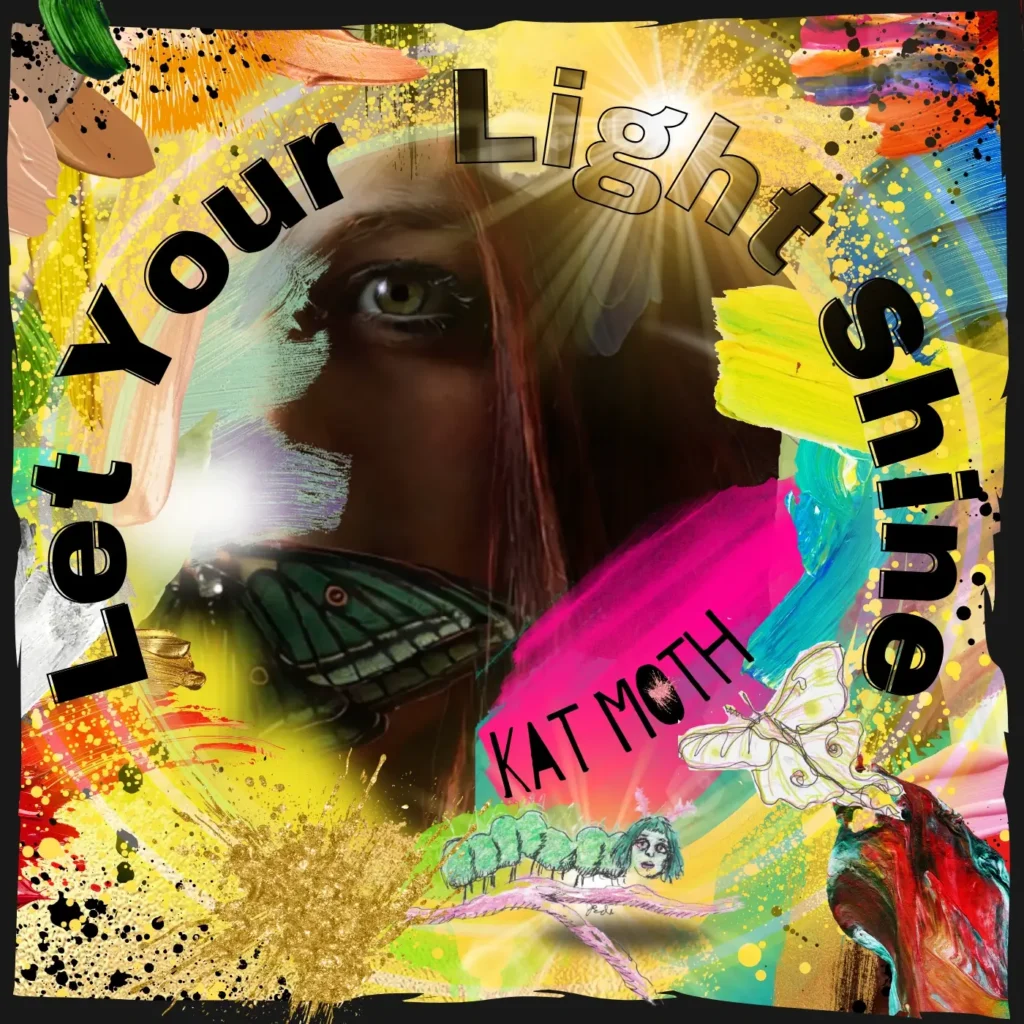
If You Thought You’ve Lost You Spark, Listen to Kat Moth’s “Let Your Light Shine”

In a pool of empty feel-good tracks, Kat Moth’s “Let Your Light Shine” means every word it speaks. The best part? She doesn’t just promise things will get better, she shows you how to find the spark you thought you already lost. Kat Moth is a Berlin-based singer-songwriter creating alt-pop anthems for the late bloomers and quiet rebels. And for her 8th single and her last release before launching her album, she weaves   Let Your Light Shine through alt-pop and indie-folk sensibilities. The track screams peace right from the first note, the one that immediately lifts up the curtain and tells you quietly to breathe again. The warm acoustics and soft alt-pop textures anchor the song, and somehow, it gives you clean and tender melodies that spill like an early-morning light—bright but never blinding.  The lyrics uplifts as much as the arrangement, delivered through Moth’s calming vocals. Her words are packed with honesty and genuineness that feels like a warm embrace, it’s as if she knows your name, the things you’ve been through, and the habits you’ve already outgrown. She tells you the truth you’ve pushed aside for too long: remember how great you are. This isn’t just a bundle of positive affirmations thrown to force smiles and healing. She crafted this track with a purpose, speaking words that are softened by experience. If you want songs that are honest enough to remind you of all the good, lightest things in the world you deserve, Let Your Light Shine by Kat Moth is a great way to start the day. Follow Kat Moth Spotify Bandcamp Youtube Instagram Tiktok Promoted Content About the Author

If You Thought You’ve Lost You Spark, Listen to Kat Moth’s “Let Your Light Shine” Read More »

The Dawn Razor’s Latest Album, “In Sublime Presence,” Is the Exception

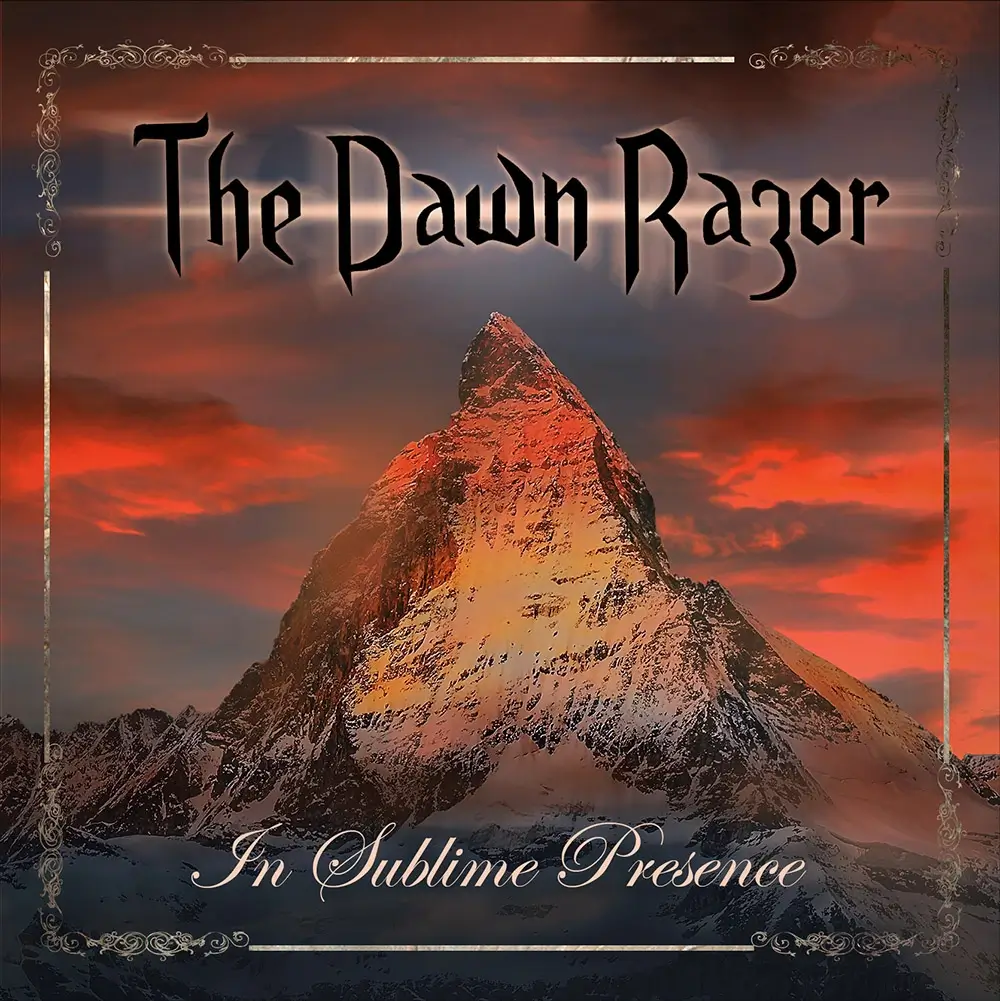
I have to be completely honest. Listening to a metal album can be really tiring. Some albums feel like we can just remix each song because they all sound the same, but The Dawn Razor’s latest album, ‘In Sublime Presence’, is, for me, an exception. Join me as I discuss this LP in length and read why this album is in my top easy listen category. ‘Point Nemo’ started with this triplet feel, distorted guitar chug with a pinch of harmonics in each last section that got me hyped ultimately, and to my surprise, when the bass line came in, the tone was heaven-sent. It sounds like it was compressed to the nines.  It’s not buried in the mix and can be heard clearly. I have to give props to the bass riff as well. It works perfectly with that chuggy guitar riff and that progressive drum pattern. The chorus hook is short but works well. It’s a clear testament that you don’t need a lengthy chorus hook. A few catchy phrases should and would always work.  ‘Refuse Tomorrow’ cemented The Dawn Razor’s identity by giving us a mix of death and black metal vibes due to the guitar riff that works perfectly with that progressive but clean drum progression. The overall sound and feel of the track is moshpit-ready, which I’m sure fans will surely love and appreciate.  ‘The Wooden Idol’ feels and sounds like it can potentially be a soundtrack to a movie or an entrance theme song of a fighter because of the buildup created in the intro. It started with this melodic minor guitar riff, then as the song progresses, it gets heavier and heavier, giving this ‘ready to fight’ feel to the track.  And to be honest, the whole track did not disappoint at all. When the vocal screams came in, it shifted to a different genre, which is surprisingly awesome. From that theme song-ish vibe of an intro transitioning to that death metal feel, it keeps me on my toes for sure.  ‘Fiery Dawn’ wasted no time and gave us that stanky face blast beats on top of that deep and rich chuggy guitar tone that sounds exciting to hear live. As an indie artist myself, listening to an album is a great experience, but listening to an album you binge-listen to live is even a greater and fun experience.  I’m not sure if it’s me, but there’s a revolving guitar riff in the first few bars of the track that sounds and feels like a major riff. For context, A minor note sounds sad or angry, but a major note feels happy and jaunty, so to have a riff that sounds happy inside of a song that was supposed to sound angry is like seeing Bigfoot. It should never work, but these guys are skillfully mad at their respective instruments that music theory bent over to their will.  ‘The Lord and the Crow’ is another example of that track that sounds and feels like a soundtrack to a movie because of the setup from the intro to the ending. The tracks juggles from death metal to alternative due to the heaviness of each section. You can hear the discipline and the effort put into creating each song. It has that ‘The Dawn Razor’ touch to it, but each track is never the same.  ‘Chiaroscuro Italiano’ is a perfect example of hearing what light and dark should be based on its meaning. The clean vocals represent light, and the vocal scream represents darkness, which is layered in that technically proficient track that sounds dark but sounds clear because of how clean ‘The Dawn Razor’ executed each section.  By this stage, we already know how perfectly capable these guys are, and ‘Tropical Survival’ was as astonishing as the previous tracks. I specifically like that syncopated pattern that’s revolving all throughout the track.  ‘A Change of Heaven’s Mandate’ was a breath of fresh air because ‘The Dawn Razor’ used a sample in the beginning of the track, creating a war cry feel to the overall track. ‘Untouched Boundaries’ is in that experimental grey area of the album. Even though it’s experimental, it still has that ‘The Dawn Razor’ sound.  And ending the LP, we have ‘Pico da Neblina’, which is an instrumental track. I felt like they just had to add it in as the last song of the LP to help listeners like me calm down after all the face-melting arpeggios and blast beats. The Dawn Razor’s LP, ‘In Sublime Presence,’ is by far the easiest listen that I’ve had this year. It was no secret that these guys are technically gifted and have a knack for great music. It’s an album that is easy to recommend because of its rich vocabulary of sub-genres that will leave listeners wanting more.  Follow The Dawn Razor Globe Facebook Spotify Soundcloud Bandcamp Youtube Instagram Tiktok Promoted Content About the Author

The Dawn Razor’s Latest Album, “In Sublime Presence,” Is the Exception Read More »

Moon Construction Kit’s “Chemicals” Is A Power Goth Pop For The Wired And Numbed

A song knows exactly what you feel when it sits right between a collapse or a dance. Today, that song is Moon Construction Kit’s “Chemicals”, and it’s the kind that stirs whatever’s left of your emotional stability with a hook you can’t help but move to. Moon Construction Kit is the brainchild of Lausanne multi-instrumentalist/producer Olivier Cornu, a singular alternative voice, mixing late-’60s psych-pop and modern synth-pop. Now, he’s back with a showstopper single, Chemicals laid bare in indie rock, gothic haze, and sharp pop hooks. Chemicals will leave you breathless right from the start. The beats scream nights where right and wrong feels the same and you know deep down it’s going to wreck your nervous system. The layers will dominate you through its electrifying, hypnotic beats that feel like panic and sweat in neon lights.  And the vocals? Moon Construction Kit isn’t just riding over the arrangement. They spiral, they collapse, they rush and feel too much until they go numb.  The lyrics carry this brooding gloom underneath but refuses to fall into this pit so they hand it over to you with a smirk. What you’ll love more about this track is how weirdly addictive it sits between adrenaline and numbness. It’s as if a restless mind is vividly captured in real time, then turned into a catchy, hypnotic sound between feeling too much and nothing at all.  One thing about Moon Construction Kit’s Chemicals is it doesn’t try so hard to sound different yet it never feels ordinary or manufactured at all. It’s for everyone with wired nerves, overstimulated, or numbed from too much feeling.  Follow Moon Construction Kit Globe Spotify Soundcloud Instagram Promoted Content About the Author

Moon Construction Kit’s “Chemicals” Is A Power Goth Pop For The Wired And Numbed Read More »

Destiny Imani’s EP, ‘Wishful Thinking’ is R&B Laced with Passion

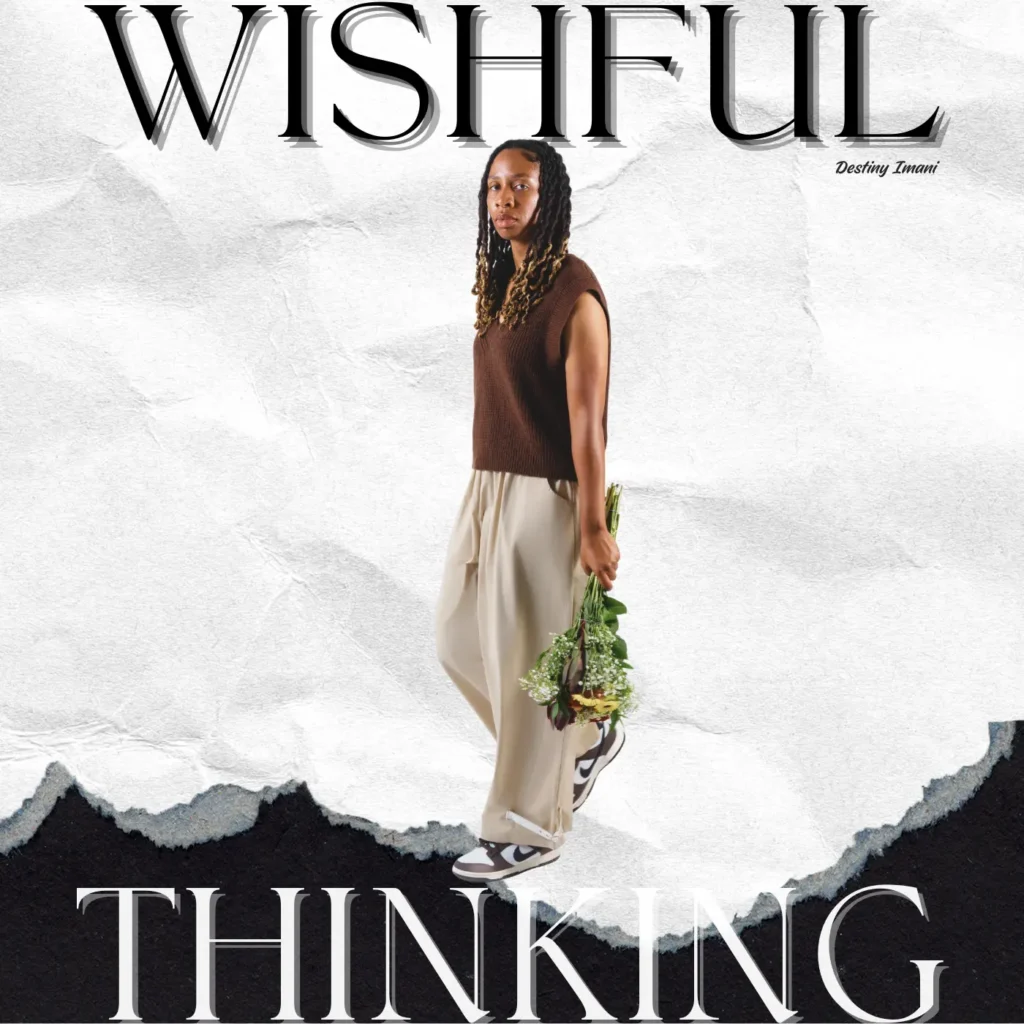
Sometimes, you don’t need an over-the-top production, complicated arrangement, and hard-to-swallow lyricism. Sometimes, simple yet raw lyrics are the way to go. Let me introduce Destiny Imani and her latest EP, ‘Wishful Thinking.’ The EP started with ‘Love Again.’ The keyboard lick alongside the keyboard string effect created this gloomy yet airy feel to the track, which goes hand in hand with the main theme of the track. The song talks about that love that’s too strong to move past, which is evident in phrases like / Let me just tell the truth I know you’re hurting too / Can we try love again / I would do it over again / Oh, break my heart for love that won’t end. It’s a short track, but it’s expressive enough to understand.  ‘Blank Slate’ is somehow connected to the first track, ‘Love Again, ‘ because at some point, it almost has the same melody and song progression. This track’s theme is geared towards that intensity and passion with a relationship that is on the verge of breaking but refuses to back down. It’s evident in phrases like / Can we start with a blank slate / I need you in my space / Your type of love I can’t replace / My favorite drug, just need one taste / No breakups, I’m holding on to the end / are phrases which convey perseverance in the face of impending heartache.  ‘Therapy’ is the third track of the EP, and by far, that keyboard lick and keyboard string effect is somewhat Destiny Imani’s identity. It’s her sound, and I’m sure that listeners understand her identity because of the unmissable flow. The song talks about asking for a lifeline. Asking that lover to stay and be beside the character in healing. Phrases like / You’re my therapy / Cause you’re healing me / I’m still healing from a past I want to leave behind / Can you stay for me / Can you wait for me / are lines that are really straightforward and without compromise.  And the carrier single, ‘Wishful Thinking,’ feels like an introduction to a new and different sound because it breaks that keyboard stint formula that was introduced in the first three songs. This track started with a guitar lick, followed by that groovy yet simple drum pattern.  Destiny Imani’s EP, ‘Wishful Thinking,’ is simplicity in its honest and raw form. What I specifically like about this EP is that even though the instrumentation is flat-out simple, the lyrics convey a truth that will lead listeners to become fans. It speaks of a genuine experience that relates to anyone at any moment in life.  Follow Destiny Imani Globe Instagram Spotify Youtube About the Author

Destiny Imani’s EP, ‘Wishful Thinking’ is R&B Laced with Passion Read More »

Industry Plant Is a Love Letter to Imperfection, to the Joy of Making Noise With Your Friends Until It Starts to Sound Like Something True

There’s a rare kind of confidence that comes from building something entirely on your own and Bury The Pines wear that confidence like armor. Their debut full-length, Industry Plant, doesn’t sound like a first record. It sounds like a proof of concept; that a band can throw post-hardcore, progressive rock, math rock, and pure emotional chaos into a blender, hit “record,” and still come out with something coherent, even exhilarating. It’s sharp, restless, and endlessly replayable. The kind of album that feels handcrafted rather than assembled; honest in a way most music these days is too scared to be. The most remarkable part? It’s completely self-produced. Guitarist and member Evan Hendrix handled the engineering, mixing, and mastering himself, which is both insane and impressive because this doesn’t sound like an in-house demo; it sounds huge. Every crash of cymbal, every trembling riff, every breath between verses feels surgically placed. It’s like a modern update on Tiny Moving Parts’ precision and energy; those hairpin time signatures and melodic math-rock inflections, but filtered through the wide-screen emotional palette of Turnstile’s Glow On. There’s catharsis here, but it’s never messy. It’s designed to hit. A Perfect Tomorrow kicks off the album with a deceptive brightness, all interlocking guitars and nervous optimism. It’s the kind of opener that dares you to feel hopeful while keeping an eye on the storm clouds. Then Hearts On Fire arrives, brimming with melodic tension and vocals that sound like Bloc Party if Kele Okereke had grown up screaming in basements instead of clubs. There’s that familiar ache; the one where joy and grief blur together into something you can dance to. Pardon My French is where the band truly flexes. The riffs tumble over each other like an argument that’s getting out of hand, the rhythm section swinging from control to collapse and back again. It’s playful, even as it threatens to unravel; a bit like what you’d get if Turnstile decided to jam with TTNG after five energy drinks. By contrast, Music Over Money plays the rebel’s hymn. It’s defiant without self-pity, a shot fired at the soullessness of industry logic. It’s not subtle, but that’s the point. Bury The Pines aren’t trying to be cool; they’re trying to be real, and they’re too skilled to miss. Then comes Jade Shadow (featuring Stay Gone), the album’s emotional centerpiece. This is where everything clicks; the band’s technical precision, Hendrix’s studio ear, and the raw, unguarded vulnerability that holds it all together. It’s a gorgeous, ghostly track that feels halfway between an anthem and an exorcism. The guitars shimmer like heat haze before dropping into something darker and heavier, like watching sunlight filter through wreckage. It’s moody, cinematic, and painfully human. By Afternoon in June, the chaos softens. The guitars become distant and warm, the vocals almost whispered, like a memory you’re afraid to say out loud. It’s a moment of calm that proves Bury The Pines can do more than just break things; they can build quiet, too. And then Circle Back Around closes the record with something resembling peace. It’s six minutes of release, revisiting the motifs and rhythms of earlier tracks as if to say: yes, we survived. The final moments fade not with exhaustion but with resolve. What’s truly striking about Industry Plant is how unguarded it feels. The band doesn’t posture or preen; they mean every note. It’s an album that bleeds sincerity while still embracing the technical fireworks of their influences. Imagine the emotional clarity of Tiny Moving Parts, the rhythmic swagger of Turnstile, and the cinematic melancholy of Nouvelle Story, all wired into something unmistakably their own. In summation, Bury The Pines sound defiantly human. Industry Plant is a love letter to imperfection to the joy of making noise with your friends until it starts to sound like something true. It’s messy, intentional, beautiful, and most of all, real. The kind of debut that doesn’t just promise a future; it insists on one. Follow Bury The Pines Instagram Spotify Soundcloud Promoted Content About the Author

Industry Plant Is a Love Letter to Imperfection, to the Joy of Making Noise With Your Friends Until It Starts to Sound Like Something True Read More »

Ultimately, Rare Brew Isn’t About Nostalgia So Much as Endurance

With recent album ‘Pertinax’, Suris, composed of Lindsey and David Mackiemade a record that was almost embarrassingly earnest. It didn’t wink at you. It didn’t sound like it was written by a committee trying to forecast next week’s Spotify trend. It just existed, lush and vulnerable, the sound of two people who actually cared. The result felt old-fashioned in the best way: proof that sincerity can still be punk if you mean it. Now, with Rare Brew, the Mackies return; not with a sequel, but something closer to an anthology. It’s a re-release of the songs that have lingered in their catalogue for years, now remastered with the kind of attention only artists who’ve lived inside their own work can give. It’s an album about growth, but not the measurable kind. Think of it as a retrospective filtered through time, emotion, and sharper mastering tools. If Pertinax was about resilience and holding on when everything’s collapsing, Rare Brew is about reflection: looking back at what you made and realizing it still matters. The title isn’t subtle, and that’s the point. This is an album that knows it’s an acquired taste and refuses to apologize for it. The opener, “Astrosurf,” sounds like a hymn for people who no longer believe but still miss the feeling. It’s baroque-pop in the Kate Bush sense; grand, theatrical, and just weird enough to be funny. There’s a gospel undertone beneath the synths, a ghostly choir humming from another room. Lindsey’s vocals hover between prayer and performance, while Dave builds a soundscape that feels both ancient and digital; like Fleetwood Mac discovering MIDI in the Renaissance. It’s a dense, intoxicating first sip. Then comes “This Is The City,” the musical equivalent of a perfectly tailored coat hiding pockets full of anxiety. On the surface, it’s smooth; sophisti-pop chords, funk guitars that would make early Maroon 5 jealous, but underneath, something’s twitching. It’s the sound of modernity with a hangover. The production feels lived-in, like walking through a city you know too well, where even the streetlights seem tired. “Great Wide Open” is where Rare Brew hits its theatrical stride. Imagine Björk producing Phil Collins’ “In the Air Tonight” after reading too much eco-philosophy. The song builds and breaks like a wave, all reverb and revelation, leaving you suspended in a wash of sound that feels like an ending you didn’t see coming. It’s cinematic, but not in the “look, we’ve got strings!” sense. It’s big because it believes it’s allowed to be. After that widescreen moment, “Scaur Bank” brings things back to intimacy. Piano, voice, and the kind of lyricism that doesn’t bother to explain itself. Lindsey sings like she’s thinking out loud, and Dave’s guitar replies like an old friend who knows when to fill the silence. It’s small in scale but huge in feeling; the kind of song that sneaks up on you three listens later and stays there. By “Absolute Zero,” the album’s quiet rebellion fully lands. It plays like a love letter to Fleetwood Mac written by people who understood the sadness behind the California sheen. The melody feels familiar, like something you’ve half-remembered from another life, but the production resists nostalgia; minor chords that never quite resolve, harmonies slightly out of focus. It’s the sound of watching a home movie and realizing you don’t remember being that happy. And then there’s “Last Fish In The Sea.” Playful melody, aquatic imagery, whimsy on the surface, but listen closely and it’s heartbreak in disguise. Imagine Stevie Nicks singing “Part of Your World” after reading too much climate science. The track feels like a fairy tale drowning in its own metaphor. Lindsey’s voice carries the ache of someone who still wants to believe in magic but knows it’s probably gone extinct. It’s quietly devastating. The closer, “All Over Again,” ties it all together with cruel symmetry. Jangle-pop wrapped around melancholy; a deceptively upbeat song about emotional recursion, about making the same mistakes because they’re the ones that still feel real. The guitars shimmer, the rhythm sways, and just as catharsis approaches, it ends; not abruptly, but like someone turning off the light mid-sentence. It’s not despair; it’s restraint. What makes Rare Brew special isn’t just the songwriting or polish; it’s the refusal to pretend. You can hear the years in these recordings: the imperfections, the moments where emotion beats technique, the sense that these songs were made because they had to be. Every track carries fingerprints. Where Pertinax was about standing firm, Rare Brew is about what follows; the quiet confidence of artists who no longer need to prove anything. The Mackies aren’t chasing relevance; they’re documenting a process. You can hear the dialogue between their past and present selves in every mix, every newly opened frequency range. Dave’s remastering doesn’t sanitize the recordings; it reveals their bones. The mix has air, depth, time. Lindsey’s rich, textured, unmistakably human voice sits at the center, not as performance but as presence. It’s as if the album itself is breathing again. Ultimately, Rare Brew isn’t about nostalgia so much as endurance. While everyone else is busy making clever music about detachment, Suris are writing songs about feeling too much and meaning it. That’s the trick of Rare Brew. It’s not rare because it’s hard to find. It’s rare because it’s honest.  Follow Suris Globe Facebook X-twitter Spotify Soundcloud Youtube Instagram Tiktok Promoted Content About the Author


Ultimately, Rare Brew Isn’t About Nostalgia So Much as Endurance Read More »