
loader image

New Music

Arsenal of Democracy Isn’t Comforting or Polite

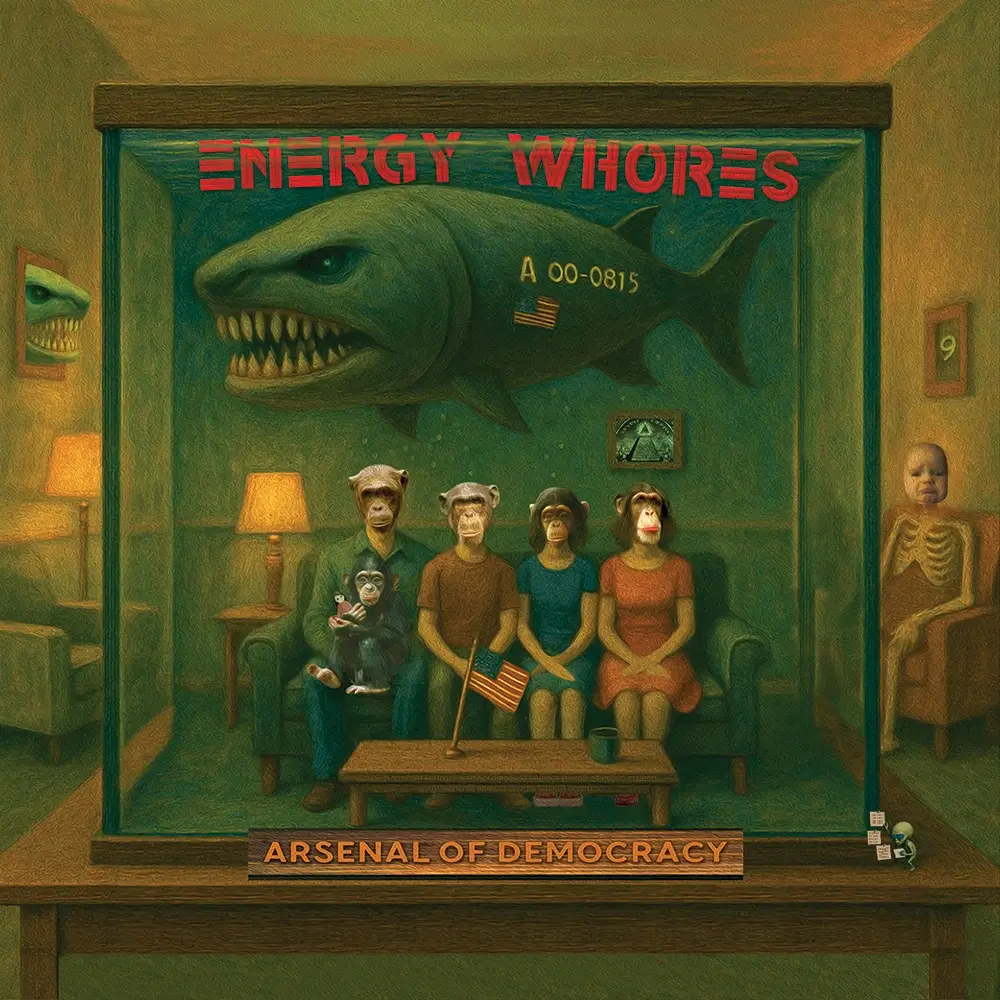
Let’s get this out of the way first: Arsenal of Democracy by Energy Whores is not here to vibe politely in the background while you fold laundry. This album wants your attention, your discomfort, and ideally your blood pressure. Energy Whores, the New York–based DIY project led by Carrie Schoenfeld with guitarist Attilio Valenti, have made a record that feels less like a collection of songs and more like someone angrily shaking you by the shoulders while a synth arpeggiator screams in the background. And honestly? Fair. Energy Whores come from a protest-folk lineage; think Dylan, Phil Ochs, that whole “acoustic guitar but make it politically dangerous” tradition, but Arsenal of Democracy replaces the campfire with a blinking modular synth rack and a sense that something has gone very wrong in the civic machinery. This is electro art rock, punk-pop, avant synth weirdness, and protest music smashed together until the seams are visible. Think self-titled MGMT but with a more activist streak. Importantly, it’s not nostalgia protest. Nobody’s asking you to remember a better America. The album’s thesis is basically: this is the one you’ve got, and it’s rotting in real time. The opener, “Hey Hey Hate!”, kicks the door in with jittery electronics and a confrontational tone that immediately establishes the album’s posture: accusatory, sarcastic, and allergic to subtlety in the best way. This is a band that understands that anger can be theatrical without being hollow. Schoenfeld’s vocals don’t float over the beat; they interrogate it. The song sounds like a chant you’d hear in a protest march that somehow also got remixed at 3 a.m. by someone who owns too many analog synths. From there, the title track “Arsenal of Democracy” locks into a tense, rhythm-driven groove that feels engineered to induce a mild anxiety response. Energy Whores specialize in that uneasy juxtaposition where your body wants to move but your brain is busy cataloguing propaganda, apathy, and institutional decay. It’s art-pop that refuses to let you feel clever for listening to it. You don’t get to smugly nod along; you’re implicated. Tracks like “Pretty Sparkly Things” and “Mach9ne” lean harder into the album’s electro-punk side, pairing glossy textures with lyrics that are anything but pretty. This is where Schoenfeld’s background as a filmmaker and theatre producer really shows; these songs feel staged, like miniature dystopian scenes playing out under fluorescent lights. There’s a performative edge to the delivery, not in a fake way, but in a this is a character because the system forces us all into roles kind of way. Mid-album standout “Bunker Man” is where the record’s satire sharpens into something almost tragic. It skewers paranoia, isolation, and survivalist fantasies with a sense of grim humor, like laughing because the alternative is screaming. “Two Minutes to Midnight” continues that doomsday energy, but instead of bombast, it opts for simmering dread. The clock is always ticking on this album; sometimes loudly, sometimes so quietly you don’t notice until it’s too late. The back half of the record composed of tracks such as “Little Pill,” “Electric Friends,” “Speedo Boys Drone,” and “King Orange”, they feel like the album fully settling into its mission statement. These tracks are less about introducing ideas and more about circling them, poking at different angles: consumer sedation, artificial connection, hollow masculinity, authoritarian spectacle. “King Orange,” in particular, lands as a grotesque caricature that doesn’t bother disguising its target. Subtlety, again, is not the goal. The goal is clarity. What makes Arsenal of Democracy work and not collapse under the weight of its own politics is Schoenfeld’s commitment to melody and structure. These are songs, not lectures. The hooks are real, the beats are danceable, and the sound design is immersive enough to keep pulling you back in. The album understands that if you want to say something difficult, you’d better give people a reason to keep listening. Carrie Schoenfeld has described herself as a “sonic insurgent” and a “lyrical arsonist,” which sounds like marketing copy until you hear the album and realize: no, she actually means it. These songs aren’t love letters; they’re warning signs. They’re written for the disillusioned, the furious, the people who feel like the world is being dismantled in front of them while everyone else argues about the paint color. Arsenal of Democracy isn’t comforting or polite. It doesn’t pretend things are going to be okay. What it does offer is catharsis; the rare feeling that someone else is seeing the same mess you are and choosing to scream about it in tune. In an era where political art often feels either toothless or unbearably self-serious, Energy Whores manage to be sharp, theatrical, and genuinely fun to listen to.  Follow Energy Whores Globe Spotify Soundcloud Bandcamp Instagram Promoted Content About the Author
Arsenal of Democracy Isn’t Comforting or Polite Read More »

Cage of Water [Remixes] Doesn’t Beg for Your Attention; It Just Pulls You Under and Lets the Pressure Do the Talking

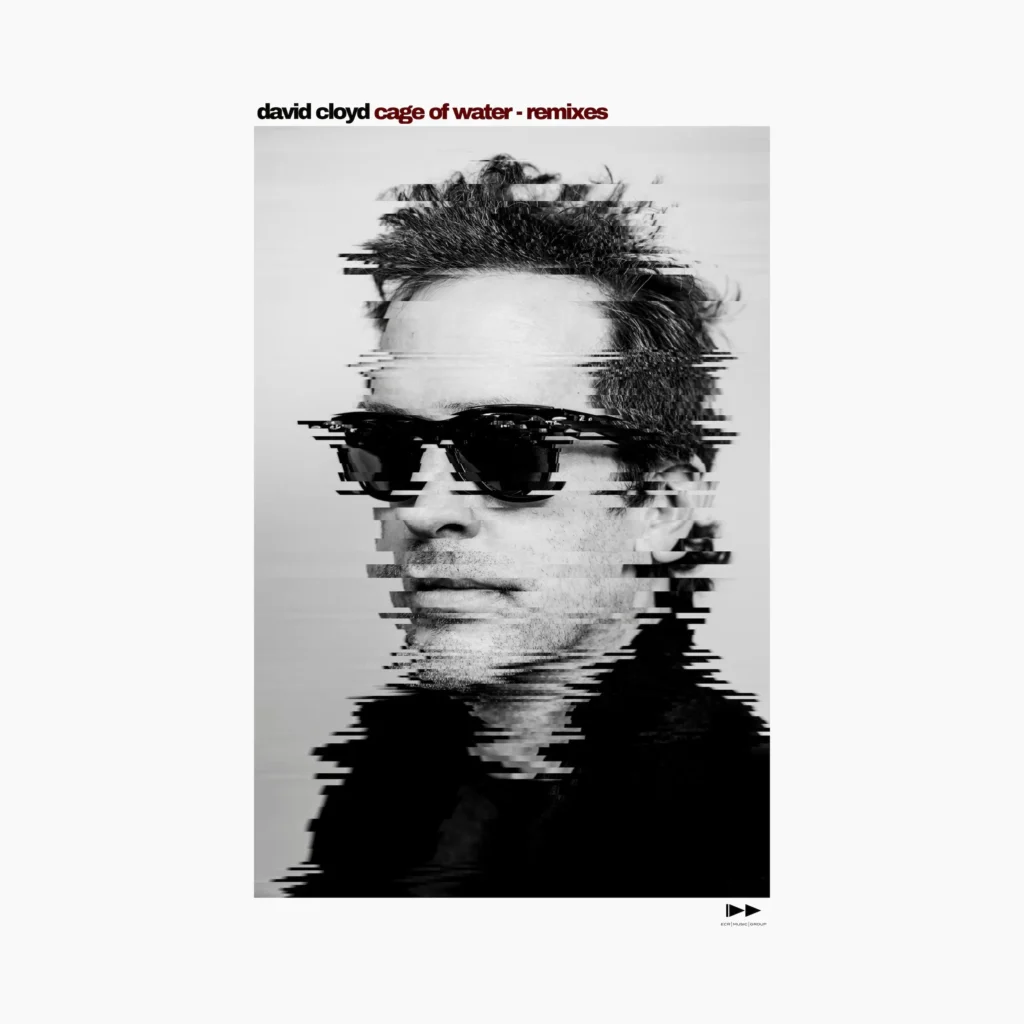
David Cloyd’s Cage of Water [Remixes] EP is one of those releases that feels way more intentional than the phrase “remix EP” usually implies. This isn’t a quick add-on, a streaming algorithm appeasement, or a “hey, remember this song?” moment. It’s a proper rethink. A pause. A deep breath. And then a slow, deliberate plunge back into one track to see what else is hiding under the surface. If you’re even vaguely aware of David Cloyd’s recent comeback, you know this moment didn’t come out of nowhere. After more than a decade away, Red Sky Warning put him back on the map in a very real way including but not limited to SPIN coverage, Apple Music placements alongside actual heavyweights, and a fanbase that suddenly stretched across continents. “Cage of Water” was already one of that album’s emotional pillars, so handing it over to James Tabbi for reinterpretation feels less like a bonus and more like a trust fall. Tabbi, best known as the frontman of The Heroic Enthusiasts, approaches the song like someone who actually listened to it instead of just hearing it. He locks onto the Tresillo rhythm at the core of the original and treats it like sacred text. The standout “Drop of Red Remix” builds on that pulse using Dumbak drums, giving the track this ancient, hypnotic throb that feels physical in your chest. It’s tense, almost claustrophobic, but in a way that makes sense for a song literally about feeling trapped. What really sells the remix is the imagery behind it. Tabbi describes the song as a shark-in-an-aquarium story; powerful, alive, but boxed in behind thick glass, staring out at freedom it can’t reach. That idea bleeds into the sound design. Everything feels contained, pressurized, like it’s pushing outward but never quite breaking free. The other remixes follow the same philosophy: not trying to “improve” the song, but to interrogate it from different emotional angles. Cloyd’s original inspiration grounds all of this. The song comes from his early days of parenthood; huge love, zero sleep, and that weird sense of being present but not fully connected to the world. His memory of staring at sharks in the Baltimore Aquarium while feeling fundamentally disconnected is painfully relatable, and it explains why “Cage of Water” works so well as a remix canvas. The metaphor is strong enough to survive being stretched, bent, and refracted. Sonically, the EP stays cohesive thanks to Blake Morgan handling mastering duties, which keeps everything feeling like part of the same universe. Even as the textures shift and the mood deepens, it never feels scattered or slapped together. This is remixing as interpretation, not decoration. On a personal note, this EP hits the same nerve for me that Porter Robinson’s Worlds Remixed did back in the day. That album worked because it treated remixing as a chance to emotionally reframe something you already loved, not just repackage it for the club. Cage of Water [Remixes] operates in that same lane. It assumes you care. It assumes you’re willing to sit with a feeling a little longer. And it rewards you for doing so. At the end of the day, this EP feels less like a side quest and more like a conversation between two artists who genuinely respect the material and each other. It’s quiet, heavy, and deeply considered; proof that remix projects can still matter when they’re done for the right reasons. Cage of Water [Remixes] doesn’t beg for your attention; it just pulls you under and lets the pressure do the talking. Follow David Cloyd Globe Facebook Spotify Youtube Instagram Promoted Content About the Author

Cage of Water [Remixes] Doesn’t Beg for Your Attention; It Just Pulls You Under and Lets the Pressure Do the Talking Read More »

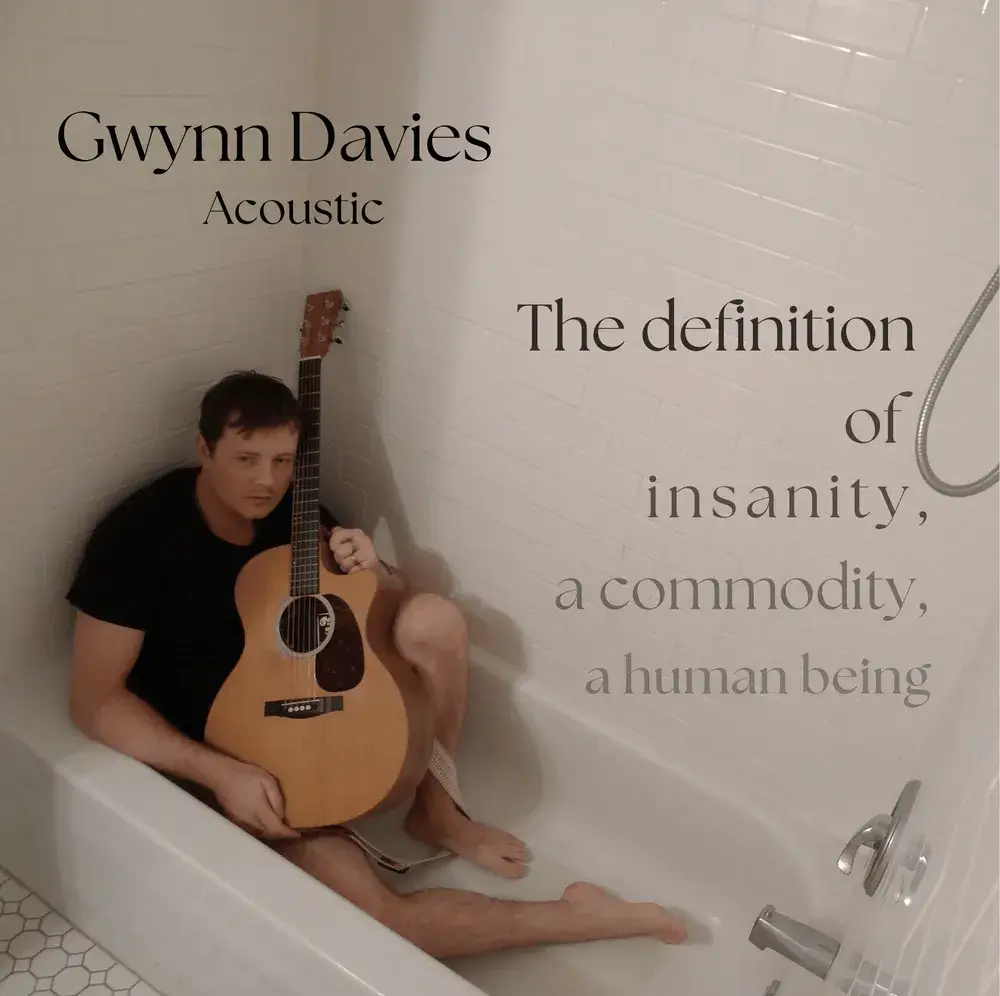
The Definition of Insanity, a Commodity, a Human Being Feels Less Like a Collection of Songs and More Like a Checkpoint

Gwynn Davies’ new project The Definition of Insanity, A Commodity, A Human Being, arrives with the kind of title that already feels like it’s squinting at the state of the world and asking, “Okay, but are we doing this on purpose?” It’s long, it’s slightly unwieldy, and it immediately tells you that this is not a project interested in subtle background vibes. This is an EP that wants your attention, your time, and probably your emotional availability. Preferably uninterrupted. At its core, The Definition of Insanity, A Commodity, A Human Being is Gwynn Davies doubling down on who he is as a songwriter. There are no production tricks here, no sonic fireworks meant to distract you from what’s being said. Instead, the EP leans hard into stripped-back acoustic arrangements and close, intimate vocals that feel less like a performance and more like someone sitting across from you and talking through something they haven’t fully processed yet. This is music that assumes you’re actually listening. If you’re looking for something safe, polished, or passive, this is not that project. It’s quiet, but it’s not gentle. What stands out immediately is how emotionally loaded the songwriting is. Davies doesn’t waste time dressing things up. The lyrics arrive plainly, almost conversationally, but they carry a lot of weight. There’s a sense that these songs weren’t written to impress so much as to survive. The melodies are restrained, sometimes almost hesitant, which makes the emotional punches land harder when they arrive. This is one of those records where the silence between lines matters just as much as the lines themselves. The project opens with “Dark Days & The Ripples In Between,” which sets the tone by refusing to offer easy catharsis. This isn’t a triumphant climb out of despair; it’s about the commitment to keep fighting even when you’re exhausted and not convinced it’ll get better. There’s something refreshingly honest about how unromantic this struggle is portrayed. It’s not inspirational in a motivational-poster way. It’s inspirational in the deeply unglamorous sense of waking up and choosing not to disappear. The acoustic arrangement keeps things grounded, letting the lyrics do the heavy lifting. “Terminal Velocity on Saturday” shifts gears slightly, offering a momentary release from that weight. This is the project’s breather track which works the best in its unabridged and instrumental form as the track is built around the idea of escape; not in a life-changing sense, but in the small, fleeting ways people cope. Pleasure, distraction, carelessness, the idea of letting the world blur just enough to feel human again. It’s lighter in tone, but not shallow. The song understands that temporary escapes aren’t solutions, but they can still be necessary. It feels like a knowing shrug rather than a denial. Then there’s “Corporate America,” which is easily the most outwardly energetic track on the EP. It’s a sharp, satirical jab at the glorification of Western ideals and the American Dream™, complete with its hollow promises and shiny packaging. What makes it work is that Davies doesn’t overplay the satire. The song doesn’t scream; it smirks. The acoustic setup keeps it from turning into a rant, and instead it comes across as weary, ironic, and a little bitter in a way that feels earned. It’s the sound of someone who has seen the machinery up close and isn’t impressed anymore. “The Insomniac” closes the project by drifting back inward. This track feels the most ethereal and vulnerable, echoing Davies’ earlier work and leaning into a kind of late-night, half-awake honesty. There’s a sense of isolation here that doesn’t need to be explained; it just exists. The song floats rather than resolves, which feels intentional. Insomnia isn’t something you conquer. Rather, it’s something you endure. Ending the project here feels right, leaving the listener suspended rather than comforted. Taken as a whole, The Definition of Insanity, A Commodity, A Human Being is a thoughtfully constructed release that reinforces Gwynn Davies’ identity as an artist who values emotional truth over accessibility. These songs don’t rush you. They don’t hold your hand. They ask you to meet them where they are, fully present, and willing to sit with discomfort. That won’t be for everyone, and Davies seems completely fine with that. This project isn’t trying to redefine acoustic music or reinvent the genre. Instead, it refines Davies’ voice and perspective, proving that quiet music can still be confrontational, and simplicity can still be heavy. The Definition of Insanity, A Commodity, A Human Being feels less like a collection of songs and more like a checkpoint; an artist taking stock of the world, himself, and the uneasy space in between. It’s not loud, but it lingers. And sometimes, that’s more unsettling than noise. Follow Gwynn Davies Spotify Facebook Instagram Promoted Content About the Author
The Definition of Insanity, a Commodity, a Human Being Feels Less Like a Collection of Songs and More Like a Checkpoint Read More »

“Honey” Never Feels Like a Collage of Influences; It Feels Personal

“Honey” feels like the kind of song you write when you’re cold in every sense of the word and dreaming about warmth. Written during a winter in Seattle, it sounds like someone staring out at endless gray skies while imagining sunlight on skin, heat in the air, and the kind of affection that sticks to you long after it’s gone. That tension between where you are and where you wish you were is what gives the track its emotional charge. Sonically, it lives in that sweet spot between indie pop and groove-driven rock, pulsing forward with a warm, rolling rhythm that makes the whole thing feel alive. What really sells “Honey” is how physical it feels. This isn’t a song that just floats. The beat has this steady, almost hypnotic push, while the melodies wrap themselves around you in a way that feels both intimate and uplifting. There’s a sensuality here, but it’s not flashy or forced. It’s in the small details: the way the groove settles into your chest, the way the vocals lean into certain phrases like they’re being tasted instead of sung. It feels like closeness, not spectacle. Lyrically, the song is built around a longing that’s emotional as much as it is physical. It’s about wanting connection, warmth, and the courage to actually step into it. That ties directly into Kevin Honold’s larger artistic arc. For a long time, he stayed on the sidelines of his own life, holding things back, afraid of being seen too clearly. “Honey” feels like the sound of someone who’s done hiding. There’s an openness here that doesn’t feel performative; it feels earned. That sense of presence comes from what Honold calls his “rhythmic rock” approach. His music lives in the pulse, in the feeling that everything is being driven by a real, human heartbeat. You can hear that in how “Honey” is arranged. It’s not just guitar and drums; it’s a full, breathing ensemble, with bass, piano, and layered vocals giving the track depth and momentum. The song swells and pulls back, never losing that forward motion that keeps you locked in. There are echoes of Springsteen’s conviction, Bowie’s boldness and Nathaniel Rateliff’s soulful fire, but “Honey” never feels like a collage of influences; it feels personal. Like something that had to be written. And that’s really what makes the song work. It doesn’t just want you to listen. It wants you to feel it. Follow Kevin Honold Globe Spotify Soundcloud Bandcamp Youtube Instagram Tiktok Promoted Content About the Author

“Honey” Never Feels Like a Collage of Influences; It Feels Personal Read More »

“Change It!” Absolutely Rips

“Change It!” shows up on Boxing Day, which feels kind of perfect, because it’s a song that sounds like it was written by someone who just spent an entire year watching the world fall apart and finally went, “Okay, yeah, no, I’m done being patient.” It’s the latest single from Tom Minor, and it’s doing double duty: closing out the run that started with Future Is an F Word last year while also kicking open the door for his upcoming album, Ten New Toe-Tappers for Shoplifting & Self-Mutilation, which is maybe the most aggressive title imaginable and yet, poetically honest in a Positive Songs for Negative People by Frank Turner way. The track itself is basically a vintage-soul-soaked indie rock rant in the best possible way. It’s got that old-school rebel-yell energy, but filtered through someone who clearly spends way too much time thinking about the future and whether it even exists anymore. “Change It!” isn’t about a specific political cause or a neat, Instagram-ready form of activism. It’s about that raw, jittery feeling that you’re wasting your life while everything around you is quietly catching fire. The song sounds like it’s yelling at you and also trying to shake you awake at the same time, which is honestly kind of refreshing. There’s something really satisfying about how unguarded it feels. The gloves are off, the emotional armor is gone, and Minor just leans into that slightly unhinged urgency. It’s a call-to-arms, sure, but not in a “let’s start a movement” way; more like “please, for the love of god, do literally anything before it’s too late.” The whole thing has this scrappy, sweaty, get-in-the-ring vibe that makes it feel less like a polished single and more like someone yelling their truth from a small stage in a crowded room. Musically, it helps that “Change It!” absolutely rips. Johnny Dalston’s guitar gives the track a sharp, wiry edge, while producer Teaboy Palmer keeps everything moving forward at a pace that doesn’t let you breathe too much. It sounds old and new at the same time: soul and garage rock energy filtered through indie-rock anxiety. Tom Minor himself is one of those artists who feels like he’s been circling this moment for years. Based in London N1, he pulls from everything from punk, power pop, new wave, psych to R&B, but it all gets mashed into what he calls “existential indie,” which is honestly a pretty good description. After spending years writing for other people, Minor finally went all-in on his own voice, and records like Eleven Easy Pieces on Anger & Disappointment made it clear he had a lot to say. “Change It!” feels like that voice getting louder, bolder, and a little more desperate. And weirdly, that’s exactly why it works.  Follow Tom Minor Facebook Spotify Promoted Content About the Author

“Change It!” Absolutely Rips Read More »

Between Light and Shadow: Experiencing “21 Grammi”

21 Grammi feels like stepping inside someone’s mind, unfiltered and alive. The album drifts between memory, desire, chaos, and fragile hope. Every track is a world on its own, but together they trace a thread of vulnerability, urgency, and longing. The album doesn’t guide you gently, it throws you into experiences, emotions, and reflections, leaving you both unsettled and captivated. The production and lyrics lean into honesty and intimacy. Bodies, hearts, and fleeting moments are treated like fragile weights, light, yet heavy with meaning. There’s a tension throughout: moments of beauty alongside darkness, calm alongside chaos, love alongside absence. It’s not an easy listen, but it’s unforgettable. È tutto così vero This track is a late-night wander through memory and city streets. You smell black sap on the windowsill and hear distant explosions above. One moment you’re in a lonely tavern with soft music and rum, the next you’re staring at blood streaking over rooftops or a cyclops tossing stones into the sea. It’s beautiful and violent, comforting and terrifying, like walking home alone after dark knowing the world is both alive and indifferent. Ventuno You step into Ventuno and immediately feel the weight of life in fragments. The “two grams” lines hit like a pulse. Skin, limbs, eyes, a single gram of heart. You can almost feel each piece vibrating under your touch. It’s urgent, frantic, and restless, like screaming underwater or running through the streets at sunrise, desperate to catch something fleeting. By the time the track ends, you’re breathless, left with the tension of wanting to dive into life and escape it all at once. Dimmi cosa vuoi Dimmi cosa vuoi is like standing at the edge of a cliff with someone you love, shouting over the wind: “Tell me what you want!” The moments stretch impossibly short and infinite. A life, a lifetime, a single breath, all collapse into seconds. It feels like chasing lightning in a storm, reckless but electrifying. You’re aware of choices, of chance, of connection, and yet the song refuses to let you settle. Every repetition feels like both a promise and a question. Fragile equilibrio Here, the album turns inward. You’re inside a mind full of memories and monsters. Each card, each coincidence feels heavy, like walking on a tightrope above your own fears. You hold your breath to stay upright, feeling the weight of every thought. Dorian Gray’s portrait is a perfect image, decay contained in beauty, a reminder that fragility can also be seductive. It’s quiet, tense, and hypnotic, like pausing in a hallway before opening a door you know might change everything. La mia Dea Tender, devotional, almost sacred. You close your eyes and remember a childhood figure, a protector who smells like roses and lavender. The track makes you feel the weight of wanting to freeze time. Dancing by the sea, sharing a smile, everything becomes eternal. Even the idea of making a pact with death feels like a natural extension of this intensity. You are not just listening; you’re guarding something precious alongside the singer. Cuore d’inverno This song feels like love in slow motion. You can feel sun on your skin while winter chills your heart. Passion, jealousy, and fleeting ecstasy swirl together, like walking through a storm while carrying a candle. Every pause between lines is a heartbeat, every word a reminder that holding onto someone is both fragile and vital. You sense the bittersweet truth: love warms and freezes you at the same time, and you can’t escape either. Tutto quello che vuoi The chaos hits you immediately. In the kitchen, firecrackers pop while your grandma cooks sauce below. Outside, missiles streak across the sky. It’s absurd and playful, yet dark, like watching a carnival collapse in slow motion. The repetition of “we are the actors” makes you feel like you’re in on the secret: life is messy, but you get to perform it anyway. It’s a mix of laughter, fear, and daring that leaves you energized and slightly off-balance. Una notte infinita The night stretches endlessly here. Someone has left, footsteps dissolve, and your heart tips precariously with the bed. The emotions fly off like fragile birds, leaving you clinging to connection. It’s the 3 a.m. moment when the world is quiet but loud inside your mind. The song doesn’t resolve the night; it survives it. You feel small, suspended, but strangely alive, as if the darkness itself is teaching you how to feel. Di estate non si muore This one is sun and heat mixed with chaos. You can almost taste the pasta and eggplant while explosions happen across rooftops. Summer feels bright, ironic, almost defiant. You’re in a boat with hands in your pockets, watching the world burn, yet laughing at its absurdity. The track has a weightless danger—warmth and tragedy coexist so fully that you feel alive just breathing it in. 21 Grammi is an album of contrasts. Light and dark, joy and pain, intimacy and chaos live side by side. It never simplifies emotions or experiences, and it doesn’t hold your hand. Each track is an invitation into a fragile, messy, and deeply human world. The album is best experienced in full, letting its flow carry you through highs, lows, and pauses. By the end, you feel the weight of its “grams”, small but heavy, fleeting but permanent. It’s an album that makes you feel alive, even when it’s uncomfortable, and that’s its greatest strength. Instagram Spotify Youtube Promoted Content

Between Light and Shadow: Experiencing “21 Grammi” Read More »

An Exception Is the Sound of Someone Circling Their Own Obsessions, Refining Them, and Occasionally Setting Them on Fire Just to See What Survives

An Exception, released in January 2026 by alternative rock artist I Forget Myself is not the sound of someone trying to keep up with trends. It is the sound of someone circling their own obsessions, refining them, and occasionally setting them on fire just to see what survives. What immediately stands out about An Exception is how clean it sounds. Not sterile, not overproduced; just purposeful. The EP returns to a polished rock aesthetic that feels almost defiantly old-fashioned in a musical ecosystem obsessed with lo-fi authenticity and half-finished ideas. This isn’t nostalgia. It’s a conscious choice to treat songwriting and sound design as crafts rather than vibes. Every synth swell, every guitar line, every carefully layered vocal feels like it has been placed exactly where it belongs, which is honestly more radical in 2026 than it probably should be. I Forget Myself, born in South Africa, of European descent, and now based in Hong Kong after more than a decade in Asia, brings a quietly global sensibility to his music. That biography doesn’t show up as world-music clichés or genre tourism; instead, it manifests as a kind of restless hybridity. His songs never quite settle into one identity. They feel like they are always in transit, borrowing emotional textures from different places, different eras, and different versions of himself. As a longtime independent artist, multi-instrumentalist, and producer who has spent years in various rock bands, he approaches solo work less like a lone genius and more like a one-person ensemble, constantly negotiating with his own influences. That conversation starts in earnest with “Bygones,” which sounds like someone sat down with the entire Muse discography and distilled it into a single, hyper-focused blast of theatrical rock. But this isn’t imitation in the lazy sense. It captures what Muse at their best do so well: tension, release, and a kind of melodramatic urgency that somehow feels sincere. The song swells and collapses in on itself, using big gestures not to mask emptiness but to emphasize emotional weight. It feels like reckoning with the past while being slightly annoyed that it’s still there. “Magna Catharsis” then takes a sharp left turn into something far more psychedelic. There’s a distinctly Pink Floyd Animals-era mood at the start; brooding, spacious, and politically anxious right up until the track suddenly leans into a full-blown rock pastiche complete with Jet-style guitar swagger. It’s an almost ridiculous shift, but that’s exactly why it works. The song feels like it’s arguing with itself about whether introspection or bravado is the better coping mechanism, and the answer, of course, is “both, at the same time.” “I Dream Out An Exception” is where the EP really earns its title. This is space-rock done with genuine confidence, not just reverb and vague cosmic metaphors. The track floats, but it also drives forward, like something trying to escape gravity without losing momentum. There’s a sense of longing here that feels less romantic and more existential; the desire not just to be somewhere else, but to be someone else, even if only temporarily. Finally, “Contexts,” the EP’s longest track, brings everything together with a subtle nod to Radiohead’s In Rainbows in the chord progressions. Not in terms of direct sound, but in its emotional texture: warm, melancholic, and quietly devastating. The song unfolds patiently, layering meaning as much as melody, and it leaves you with the unsettling realization that understanding yourself is often just a matter of changing the frame around the same old feelings. An Exception doesn’t try to reinvent alternative rock. It doesn’t need to. Instead, it makes a far bolder claim: that careful, thoughtful, emotionally literate rock music still has something to say, if you’re willing to actually listen.  Follow I Forget Myself Globe Facebook X-twitter Spotify Soundcloud Bandcamp Youtube Instagram Tiktok Promoted Content About the Author

An Exception Is the Sound of Someone Circling Their Own Obsessions, Refining Them, and Occasionally Setting Them on Fire Just to See What Survives Read More »

The Whole Deal With Perhaps Is It Waits for You to Show Up

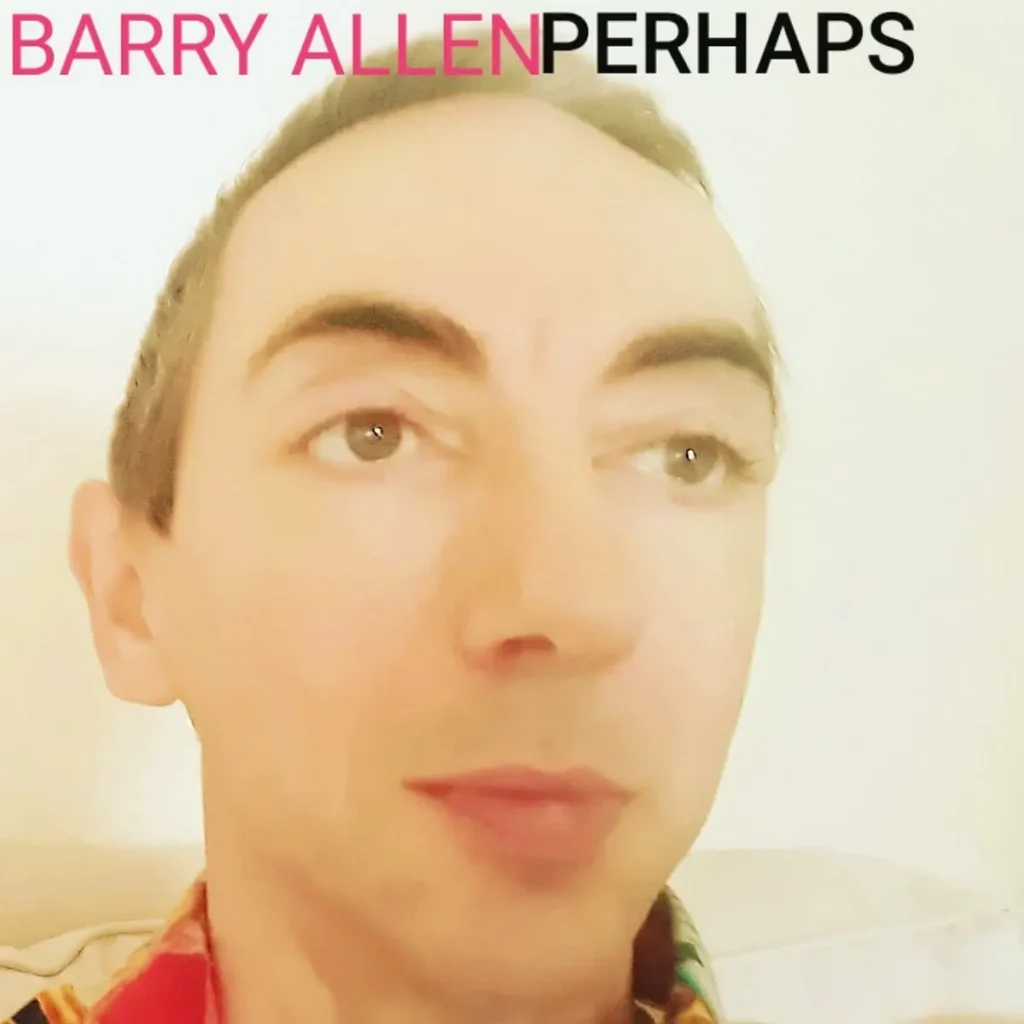
There’s a certain kind of album that doesn’t try to win you over. It doesn’t do the big, glossy, “look how important I am” thing. It just kind of sits there, awkwardly, like someone in the corner of a party holding a drink and hoping you’ll come talk to them. Perhaps is very much that kind of record. Barry Allen’s album doesn’t announce itself as a masterpiece, or even as something especially bold. Instead, it just quietly opens up and starts telling you how it feels, which is somehow both incredibly disarming and a little terrifying. Allen draws heavily from the lineage of folk confessionals like Joni Mitchell’s emotional clarity and Roy Orbison’s operatic vulnerability, but Perhaps isn’t just an exercise in tasteful nostalgia. The album was recorded in a home studio in Chessington with pianist Mike Cliffe, a classically trained musician Allen met at the YMCA, which feels like a detail from a lost Richard Curtis film but ends up being crucial to the album’s texture. This is not a slick, industry-shaped project. It sounds like two people sitting in a room, trying very hard to tell the truth. And that truth is, quite frankly, messy as their head space. The opening track, “Stay,” doesn’t ease you in so much as it drops you straight into the emotional deep end. It’s a plea that barely disguises how terrified it is of being ignored. The song’s restraint is what makes it devastating; no bombast, no dramatic climax, just the quiet ache of wanting someone to choose you. In the context of the album, it establishes a theme that will keep resurfacing: the fear that love is temporary, and that maybe you are too. “Beautiful Thing” and “Perhaps” continue this tension between hope and doubt. The title track in particular feels like an entire philosophy compressed into three minutes. “Perhaps” is not just a word here; it’s a worldview. Everything in this song feels provisional, tentative, as if Allen is constantly leaving himself emotional escape routes. It’s not indecisive; it’s honest. Certainty, after all, is usually a performance. “We’re Here, We’re Queer” is a song that could have easily been clumsy or slogan-heavy but instead comes across as gently defiant. It doesn’t demand attention; it asserts existence. In an album so preoccupied with being seen and loved, this track feels like a turning point. For a moment, Allen isn’t asking for permission to be himself; he’s just stating it. “The Two of Us” and “Marvellous” pull the album back into intimate territory. These songs feel almost too small for the weight they carry, which is exactly why they work. There’s something incredibly moving about hearing someone articulate devotion in such unassuming terms. No grand gestures, just the quiet miracle of choosing another person over and over again. “High and Lowly” closes the record on a note that isn’t quite hopeful, but isn’t hopeless either. It feels like acceptance; not of happiness, necessarily, but of complexity. Of the fact that being alive means constantly oscillating between the two. Perhaps isn’t the kind of album that kicks down your door and demands you listen to it. It doesn’t scream for attention, and it definitely doesn’t try to convince you it’s important. It just kind of… exists. It sits there quietly, like a friend on the couch who’s not going to start talking unless you do first. And if you’re in the right mood; if you’re a little tired, a little reflective, maybe a little emotionally bruised, it slowly opens up. Perhaps by Barry Allen You don’t get everything from this record on the first listen. It doesn’t really work like that. It’s not built for instant hooks or viral moments. It’s built for when you’re driving alone at night, or lying in bed staring at the ceiling, or washing dishes and letting your brain wander into places you usually try to avoid. That’s when it starts to hit. That’s when you realize the songs aren’t trying to impress you; they’re just trying to sit with you. And that’s kind of the whole deal with Perhaps; it waits for you to show up. It waits for you to bring your own feelings into it. If you’re not in the headspace for that, it’ll just sound like some nice, soft folk songs and that’s fine. But if you are; if you’re willing to be a little emotionally honest with yourself, it suddenly feels like the album is talking directly to you. Not in a spooky, magical way. Just in that very human way where someone else has put words to something you’ve been carrying around without knowing how to say it. All in all, Perhaps is a record that doesn’t pretend to have answers, but is brave enough to ask the questions out loud.  Follow Barry Allen Facebook Soundcloud Bandcamp Youtube Promoted Content About the Author

The Whole Deal With Perhaps Is It Waits for You to Show Up Read More »

Ping Machines’ Track, “From 1 2 Another,” Is All Fuzz and No Gimmick

With how the music is evolving today, you get to miss the feeling of just enjoying the process of creating music. Nowadays, you have to have a flashy gimmick, have metaphoric lyrics, and all that pizazz, but Ping Machines’ track, ‘From 1 2 another,’ told us otherwise. “From 1 2 another” started with this bassy fuzzed downstroking guitar tone that completely elevates the overall feel of the track. From the get-go, you are introduced to a sound that’s unapologetically in your face. I specifically like the pinch of distorted effect added in the vocals. It worked in correlation with that fuzzy downstroke guitar strum and that running-like feel rhythm of the overall track.  And with that face-melting tone comes an even darker yet expressive lyrics from phrases like / I am the captain of sleep / And gonna dive so deep / ′Til I see the colors / Of your hidden side. The song’s theme veers towards the psychological side, which is fascinating because it works with the overall feel of the arrangement.  Ping Machines’ song, ‘From 1 2 another,’ is a track that metalheads and even heavy rock fans will definitely enjoy because of its simple yet effective arrangement, rich tone, technical proficiency, and interesting lyrics, making it a rough but enjoyable listen.  Follow Ping Machines Globe Facebook Spotify Bandcamp Youtube Instagram Promoted Content About the Author
Ping Machines’ Track, “From 1 2 Another,” Is All Fuzz and No Gimmick Read More »

Reverie … From Then Till Now Is the Sound of Someone Finally Comfortable Enough to Speak in Her Own Time and Inviting You to Listen Just as Carefully

There’s a familiar mythology attached to artists who return to music after decades away. The narrative usually demands a comeback story, complete with redemption arcs and triumphant rediscovery. REVERIE … FROM THEN TILL NOW resists that framing. Michellar’s album doesn’t sound like someone scrambling to reclaim lost time; it sounds like the work of someone who lived fully outside of music and came back with perspective, patience, and intent. Michellar’s relationship with songwriting began early, shaped by the folk-rich environment of her youth. Artists like Peter, Paul and Mary, James Taylor, and Carole King provided an early blueprint; songs built on emotional clarity rather than spectacle. That foundation lingered even through a forty-year hiatus, during which Michellar focused on building a successful landscape design business. When she returned to songwriting in earnest following her acceptance into the de Young Museum Open Call Exhibition in 2023, it wasn’t framed as a restart. It was a continuation. The flurry of work that followed with twenty-two singles released in nine months introduced listeners to Michellar’s core artistic language. Those releases established her as an artist deeply invested in atmosphere, emotional restraint, and narrative coherence. Across that run, she consistently favored mood over momentum, allowing songs to unfold rather than announce themselves. Her work suggested an aversion to trend-chasing and a preference for lived-in honesty, even when tackling heavy emotional or social themes. That context matters, because REVERIE … FROM THEN TILL NOW is not an isolated statement; it’s a distillation. The album draws from the aesthetic and emotional lessons of that prolific period, but organizes them into something more reflective and deliberate. Where the singles felt like individual rooms, REVERIE feels like a house; one you move through slowly, noticing how each space connects to the next. The album opens with “Its Another Year,” immediately situating itself in reflection rather than reinvention. Time is a recurring motif throughout the record; not as regret, but as accumulated weight. Tracks like “Intersection (Toby Wilson)” and “Promise” linger in moments of pause and decision, capturing the quiet tension between who we were and who we allow ourselves to become. There’s a steadiness to the songwriting that suggests confidence not in perfection, but in process. Collaboration plays a significant role across the album, yet Michellar’s voice remains unmistakably centered. “Running Wild,” “September,” and “We Both Can Fall” introduce additional perspectives through featured vocalists, but these moments feel conversational rather than performative. The collaborators don’t pull focus; they expand the emotional frame. The result is an album that feels communal without losing its sense of authorship. Midway through the record, “Never Say Sorry” and “The Letter” serve as emotional anchors. These songs sit comfortably in restraint, allowing silence and space to do as much work as melody. Rather than chasing catharsis, they linger in unresolved feelings, trusting the listener to meet them halfway. The part-of-the-title title track, “Reverie,” acts as a thematic hinge; less a centerpiece than a moment of suspension, where memory and present awareness briefly overlap. As the album moves toward its close, “Get Me There to Church” and “Conquer All with Love” widen the emotional scope. There’s a sense of earned resolve here; not optimism imposed from above, but belief assembled from experience. The album concludes with “The Star,” a track that feels less like an ending than a quiet release, leaving the listener in reflection rather than resolution. REVERIE … FROM THEN TILL NOW is not an album concerned with relevance or reinvention. It’s about continuity; of voice, of values, of creative instinct. Michellar isn’t interested in keeping up with the moment; she’s interested in understanding it. In doing so, she offers something increasingly rare: music that values patience, emotional clarity, and sincerity over immediacy. This isn’t the sound of an artist reclaiming a past self. It’s the sound of someone finally comfortable enough to speak in her own time and inviting you to listen just as carefully. Follow Michellar Globe Soundcloud Bandcamp Instagram Facebook Promoted Content About the Author
Reverie … From Then Till Now Is the Sound of Someone Finally Comfortable Enough to Speak in Her Own Time and Inviting You to Listen Just as Carefully Read More »