
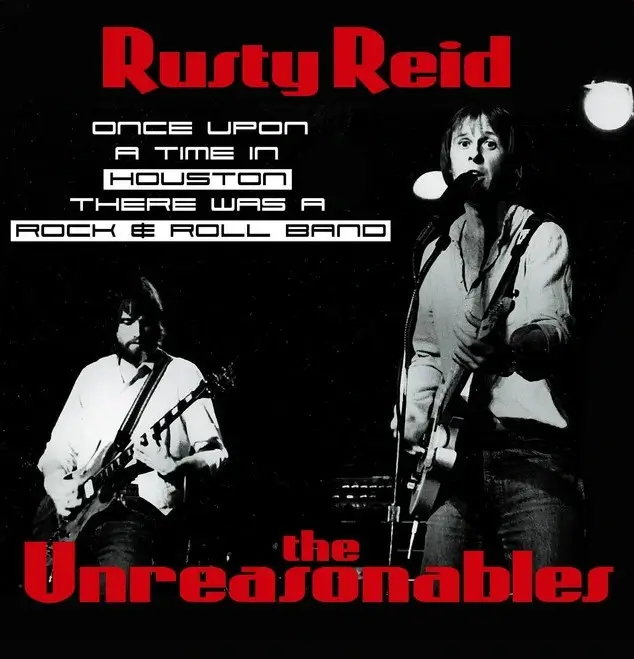
There are two kinds of nostalgia records. One kind treats the past like a museum exhibit: everything behind glass, perfectly preserved, spiritually dead. The other treats it like a toolbox; something you can reach into, grab a sound, and start building something new with it. The Unreasonables belongs firmly in the second camp. This is not a man unearthing forgotten tapes and hoping we clap politely. This is a modern record that very deliberately retreats into older sounds because it believes, and correctly if I may add, that something important got lost along the way.
Rusty Reid may have written these songs decades ago, but what we hear now isn’t a relic; it’s a curated act of resistance against a present-day music industry that has sanded every emotional edge smooth. In an era of hyper-polished, algorithm-optimized pop, The Unreasonables sounds almost rebellious in its commitment to guitar-driven storytelling, big melodies, and emotional directness. It wears its Springsteen, Elvis and Beatles DNA proudly, not as cosplay but as a statement: this is what rock used to do when it actually cared about people.
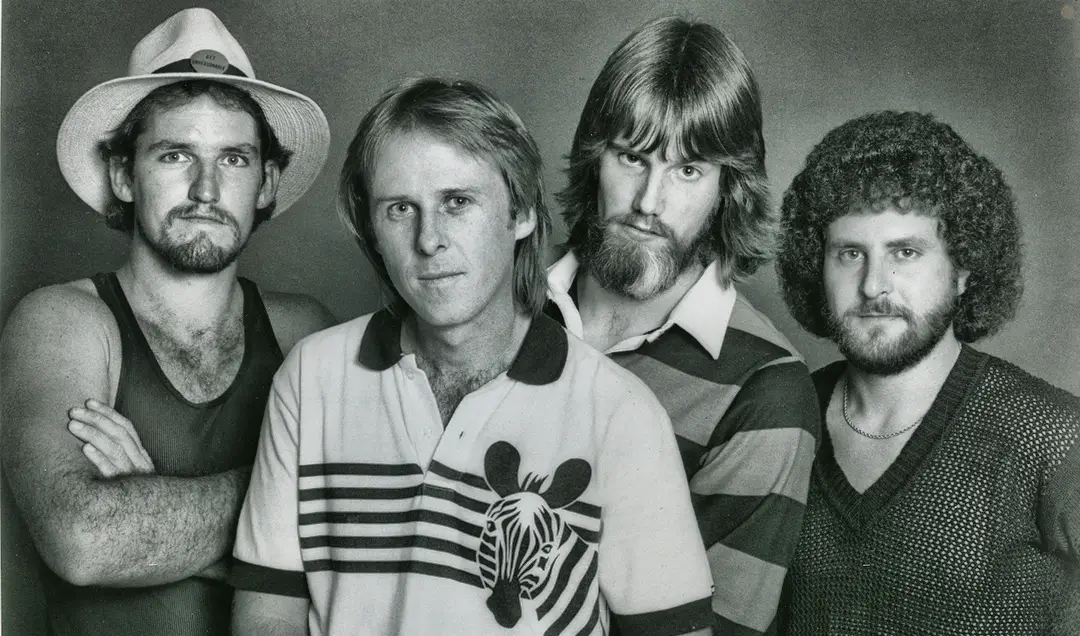
The opening stretch of“Hot as a Pistol,” “Hurricane” and “Crossfire” is built on propulsion. These are songs that move. Not in the sense of club beats or TikTok hooks, but in the sense of forward momentum, like a car on a long night drive when something important is about to happen. The guitars are bright but never brittle, the rhythms tight but human and Reid’s voice sits comfortably at the center, guiding everything without dominating it. This is classic pop-rock architecture, updated just enough to feel present rather than embalmed.
One of the album’s great strengths is how well it understands pacing. The Unreasonables is nineteen tracks long, but it doesn’t feel bloated. That’s because Reid knows how to alternate between urgency and reflection. “Coldhearted” and “Impatient” pull things inward, shifting the emotional lens from motion to frustration. These aren’t grand, cinematic heartbreak anthems; they’re smaller, more uncomfortable songs about wanting something and not quite knowing how to get it. The production wisely refuses to inflate them into melodrama. They’re allowed to stay tense, unresolved, and human.
That refusal to overproduce is one of the album’s quiet victories. Modern pop is obsessed with making everything feel big. Reid does the opposite. His songs feel inhabited. You can hear the room around them. You can hear the spaces between the notes. It makes the record feel less like a product and more like a place you’ve been invited into.
As the album moves through “You’re Not the One,” “Shock Me,” “Excuses,” and “Enough Is Enough,” it becomes clear that The Unreasonables is less about romance as fantasy and more about romance as negotiation. These songs are about power, vulnerability, miscommunication, and emotional boundaries. They never collapse into cynicism, but they also refuse to pretend love is simple. That complexity is what keeps them interesting long after the first listen.
The middle of the record, featuring cuts like “Piece of the Action,” “Calcasieu Sue” and “Only Right Girl” introduces a warmer, slightly more playful energy. Here the Beatles influence comes through most clearly, not in imitation, but in the way melody is treated as a form of emotional truth. These are songs that understand how joy, longing, and optimism can coexist without canceling each other out.
By the time we reach “Me and You” and “Try to Do That to Me,” the album has narrowed its focus again, becoming more intimate, more psychologically detailed. This culminates in “Let’s Just Talk,” one of the record’s defining moments. It’s built on a jangly New Wave pulse that feels both retro and oddly current, capturing the fragile tension of emotional proximity without ever resorting to cliché. The song doesn’t rush to resolution; it lets uncertainty do the heavy lifting.
“How Much More” and “Edge of the End” widen the lens once again, shifting from interpersonal drama to something closer to existential fatigue. These tracks feel like the moment in a long conversation when both people lean back and realize how much has already been said and how much still hasn’t. And when “The Way She Does Me” closes the album, it does so not with a triumphant finale, but with a kind of hard-won emotional clarity.
What makes The Unreasonables work is not nostalgia; it’s intention. Reid is not trying to recreate the past; he’s trying to recover a way of making music that valued storytelling, melody, and emotional honesty over metrics and marketability. In that sense, this album feels almost radical. It’s a reminder that rock music doesn’t have to be ironic, minimalist, or self-aware to be relevant. Sometimes it just has to be sincere and well-made.
In a cultural moment obsessed with the new, The Unreasonables makes a compelling case for the old, not as something to worship, but as something to build from. And that might be the most quietly subversive thing a record can do.
Follow Rusty Reid
About the Author

A tenured media critic known working as a ghost writer, freelance critic for various publications around the world, the former lead writer of review blogspace Atop The Treehouse and content creator for Manila Bulletin.