
loader image

New Music

Neon Silence EP Feels Careful. Thoughtful. Almost Shy

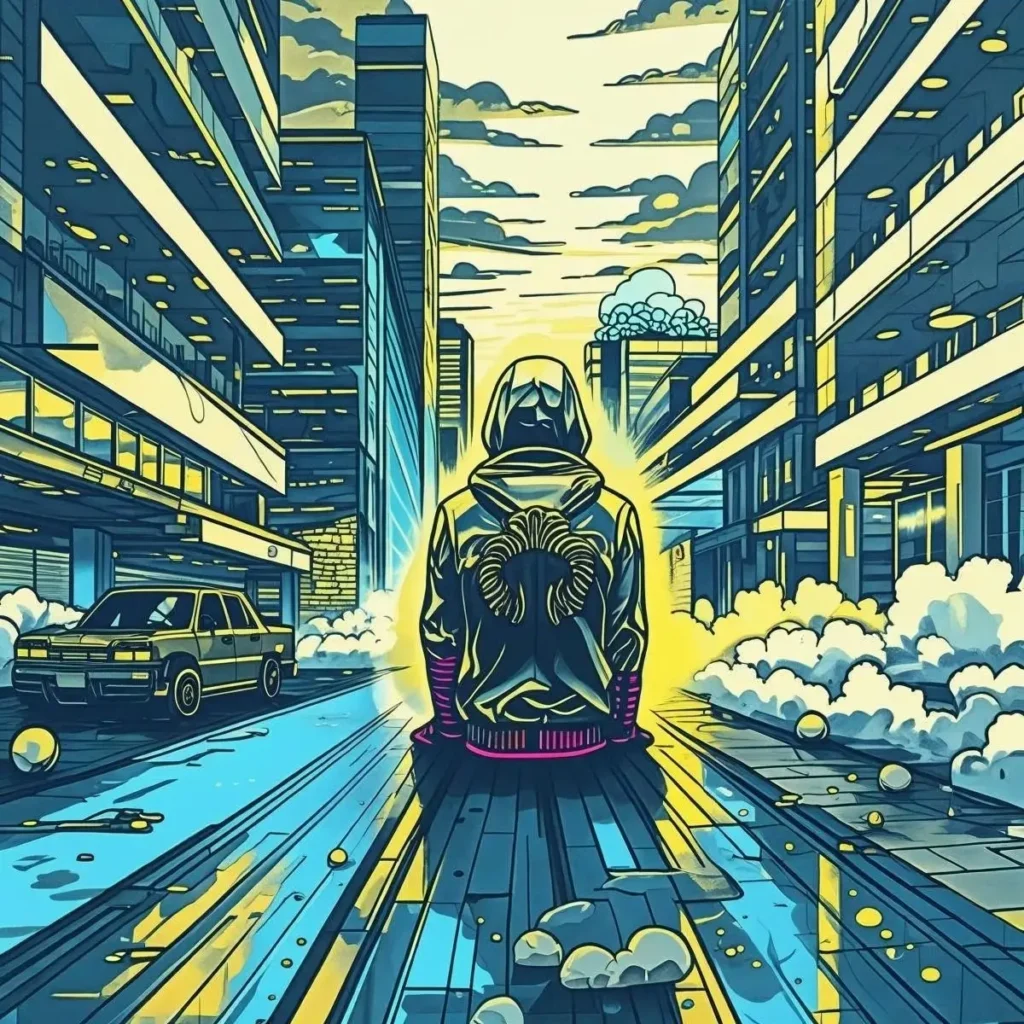
There is a very specific kind of music project that only exists in the modern internet era. It’s not quite bedroom pop. It’s not quite experimental electronica. It’s definitely not something a major label would know what to do with. It’s the sound of someone opening a laptop at midnight, staring into the digital void, and saying, “Okay, but what if I made something beautiful with this?” That is more or less where Hidden Shores lives with Neon Silence EP. Neon Silence EP treats artificial intelligence the way a Victorian child might treat a mysterious haunted violin they found in the attic. With curiosity. With caution. And with the absolute certainty that they are going to play it anyway, consequences be damned. AI here is not a shortcut. It’s not “press button, receive song.” It’s an instrument. A weird, slightly unpredictable one. Like a piano that occasionally decides it has opinions. The result is an EP built around reinvention; around taking things that already matter like melody, atmosphere, emotional memory and asking, “What happens if I filter this through something that technically isn’t alive?” It’s the musical equivalent of staring at a familiar painting through warped glass. You still recognize it. But it feels… different. Hidden Shores itself feels like a secret identity. By day, the creator is an elementary school teacher in Belgium. By night, they’re quietly experimenting with algorithms and soundscapes. There is something deeply funny and deeply charming about this dual existence. Imagine spending your afternoon teaching kids multiplication, then going home and creating moody, AI-assisted ambient rock. That’s range. Neon Silence EP feels careful. Thoughtful. Almost shy. It doesn’t shout about being “AI music.” It doesn’t slap you with gimmicks. Instead, it approaches technology with respect; both for what it can do and what it can’t. There’s a clear reverence for human musicianship here. You can hear the influence of post-rock, ambient, and alternative music woven into every track. “No-one Lives Forever” opens things with a sense of quiet inevitability. It’s reflective without being melodramatic. It doesn’t beg for attention. It just sits there, gently reminding you that time exists and it is winning. Which is always a fun way to start an EP. “Rows of Houses” is more spatial, more cinematic. It feels like driving through a town at night where every window is lit but nobody is visible. There’s a loneliness here in the trance-induced noise, but not an empty one. More like the kind that invites you to think. “Where the Light Still Reaches – Radio Edit” is probably the most accessible track. It’s structured, melodic, and emotionally direct. If this EP had a “gateway song,” this would be it. It feels hopeful without being naive, like someone choosing optimism while fully aware that things are complicated. Then there’s “Stay Right Here,” which closes the EP in the most appropriate way possible: by refusing to rush. At over six minutes, it lets itself breathe. It lingers. It doesn’t want to leave yet. And honestly, by this point, neither do you. What’s most interesting about Hidden Shores is what it doesn’t try to be. It’s not here to replace musicians. It’s not trying to prove that AI is “better.” It’s not competing with human creativity. Instead, it exists in the margins. In the gray area. In the “what if” space between code and emotion. This EP feels like someone gently testing the boundaries of what music can be, without tearing anything down in the process. It’s respectful. It’s curious. It’s quietly ambitious. Hidden Shores isn’t trying to dominate playlists. It’s trying to haunt them. To slip into your headphones late at night and remind you that beauty can come from strange places. From classrooms. From laptops. From circuits. From hidden shores you didn’t even know were there.  Follow Hidden Shores Globe Spotify Youtube Instagram Promoted Content About the Author

Neon Silence EP Feels Careful. Thoughtful. Almost Shy Read More »
“Give Me. Give Me. Give Me I Want It All” Works Because It Refuses to Choose Between Being Fun and Being Meaningful

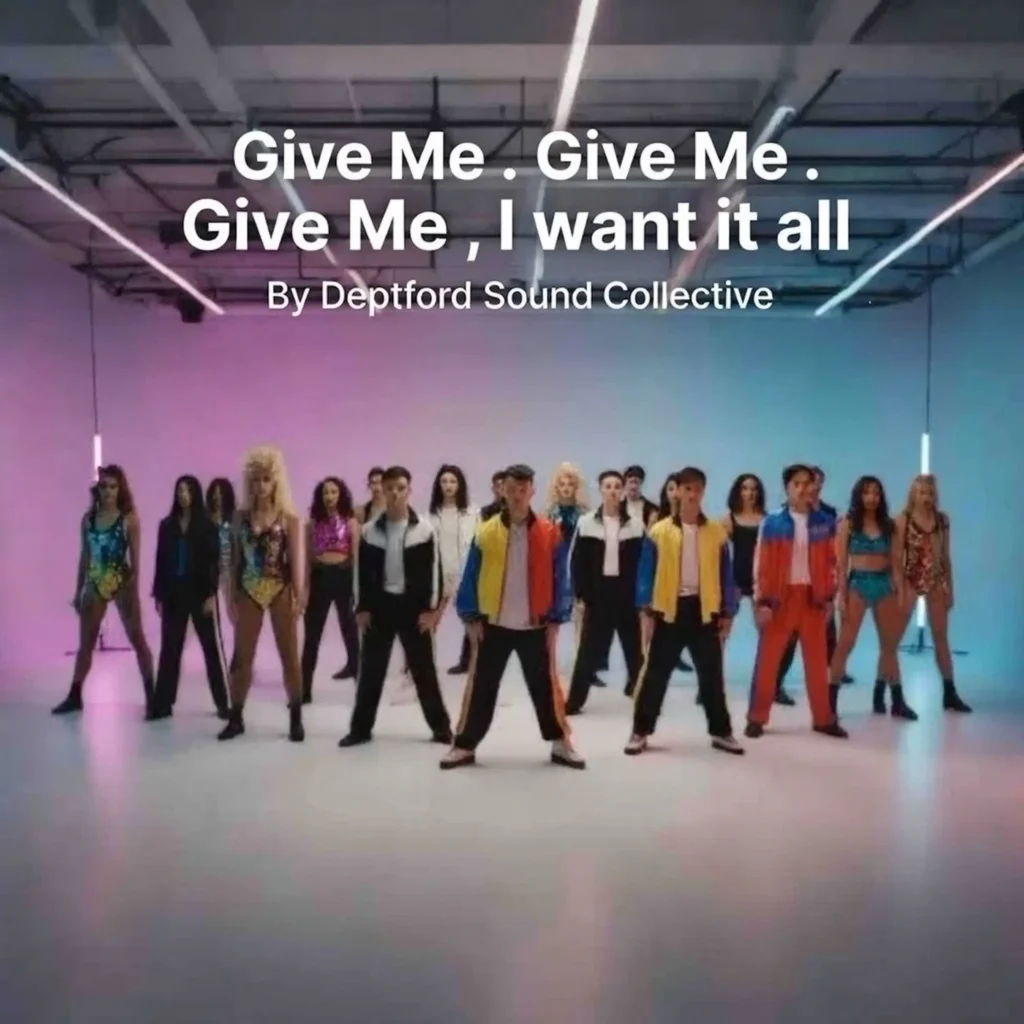
Let’s be honest up front: a song titled “Give Me. Give Me. Give Me I Want It All” sounds like it’s either going to be an aggressively shallow disco throwback or a deeply committed bit. There is no middle ground. Deptford Sound Collective, thankfully, are committed fully to the bit. What they’ve created here is a glittery, satirical protest song that dances directly into political discomfort while wearing platform shoes and winking at you the entire time. On the surface, this track is a parody of 1980s disco excess. You get the familiar bounce, the glossy rhythm, the kind of groove that makes you instinctively picture mirrored walls and questionable fashion choices. But very quickly, it becomes clear that this isn’t just retro cosplay. The Collective uses that sugary, nostalgic sound as a Trojan horse for something sharper: a pointed, humorous message aimed at power, privilege, and political cruelty. Sonically, it also wouldn’t feel out of place in Little Big’s catalogue. There’s that same blend of absurdist pop, club-ready beats, and tongue-in-cheek theatricality. Like Little Big, Deptford Sound Collective understand that sometimes the best way to criticize something is to exaggerate it until it becomes impossible to ignore. The track feels deliberately over-the-top, and that excess becomes part of its political language. The song frames itself as an exaggerated “letter” to Donald Trump, though it’s less about one individual and more about the systems and attitudes he represents. Instead of shouting slogans, it leans into satire. It exaggerates entitlement, mocks greed, and highlights hypocrisy by pretending to embrace it. This is protest through performance. It’s not yelling at you. It’s holding up a funhouse mirror and letting you notice how warped things look. Musically, the groove never collapses under the weight of its message. If anything, it thrives on the contrast between upbeat disco energy and serious subject matter. The production is clean, bouncy, and deliberately inviting. You could dance to this without realizing you’re participating in a political statement. That’s kind of the point. The video and choreography push the concept even further, leaning into camp and theatrical optimism while threading in themes of solidarity and resistance. It feels like community theatre filtered through pop aesthetics and internet culture. Ultimately, “Give Me. Give Me. Give Me I Want It All” works because it refuses to choose between being fun and being meaningful. It’s catchy without being empty, political without being preachy, and ironic without being detached. In a landscape where protest music often feels either painfully earnest or completely toothless, Deptford Sound Collective manage something rare: a song that makes you dance, laugh, and think, sometimes all at once. Follow Deptford Sound Collective Globe Spotify Promoted Content About the Author

“Give Me. Give Me. Give Me I Want It All” Works Because It Refuses to Choose Between Being Fun and Being Meaningful Read More »

Endless Earns Attention Through Emotional Honesty, Careful Craft, and a Willingness to Sit With Uncomfortable Feelings Until They Turn Into Something Beautiful

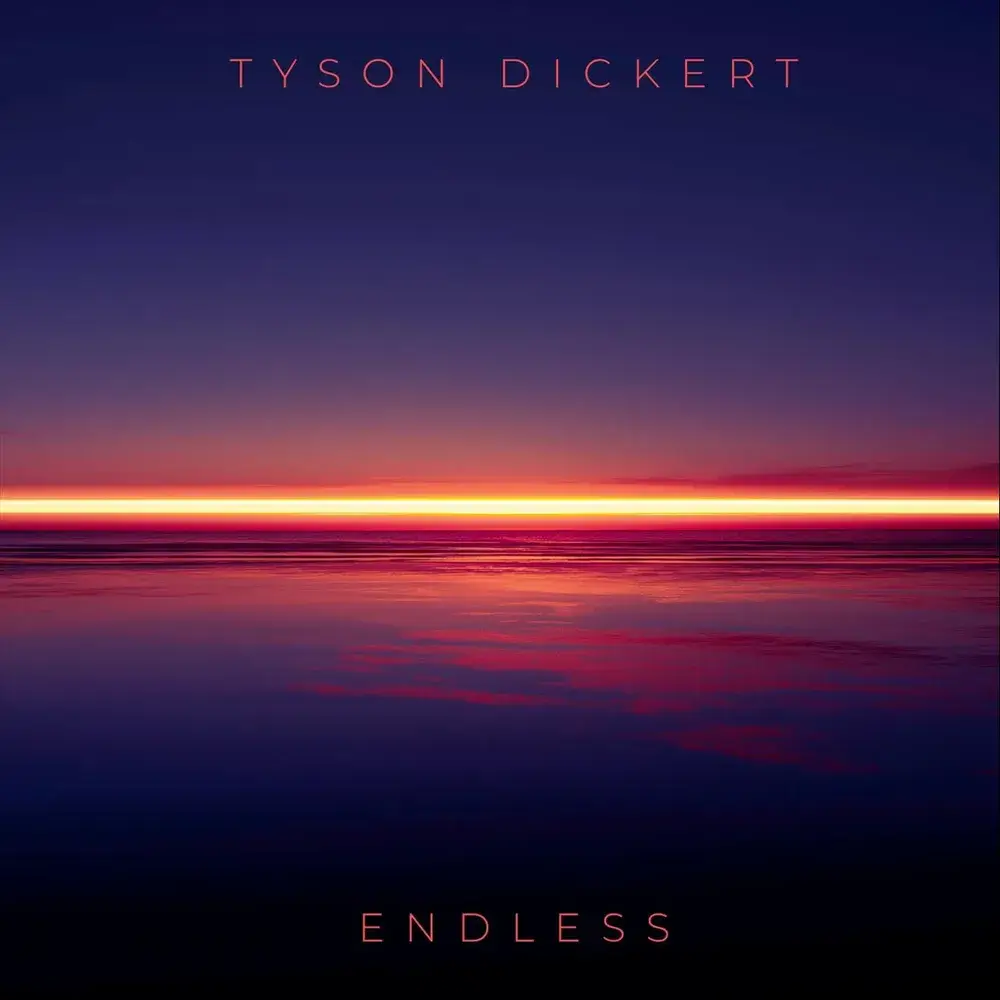
There is a very specific kind of artist who makes you feel like they are constantly in the middle of figuring themselves out in public, and somehow that’s the whole appeal. Not in a messy, “I uploaded my demo folder by accident” way, but in a deliberate, ongoing process of refinement. Tyson Dickert has quietly become one of those artists. With Endless, his latest album, the Michigan-based musician continues a run that already felt unusually productive, following last year’s Beneath the Stars, We Dream of Tomorrow’s Sun and An Endless Voyage on the Astral Sea. Those records established him as someone fascinated by atmosphere, instrumental sprawl, and emotional scale. Endless takes that foundation and says, “Okay, now let’s make this hit harder, feel sharper, and say some things out loud this time around.” The result is an album built on dynamic guitar textures, expressive vocals, and a constant tension between introspection and catharsis. Dickert isn’t abandoning his post-rock and instrumental roots here, but he’s clearly leaning further into songwriting in a traditional sense. There are hooks now. There are lyrics you remember. There are moments where you realize he’s not just building soundscapes anymore, he’s building narratives. The opening track, “Awake Inside a Dream,” sets that agenda immediately. It arrives with climactic confidence, layering pulsing distortion under vocals that sound both vulnerable and determined. When Dickert sings, “Sleep all night when the lights are on,” it lands like a line pulled straight from the notebook of someone who hasn’t slept properly in years. It’s restless, anxious, and oddly comforting. This is a recurring theme across the album: emotional unease presented with melodic warmth. You’re never overwhelmed, but you’re never allowed to fully relax either. “In the Quiet Machine” follows with a more immediate, guitar-forward energy. There’s a colorful rhythmic bounce here that feels almost playful, until you notice the subtle melancholy underneath. Dickert’s songwriting maturity really shows in how he shifts between these modes. He can move from driving post-punk urgency into reflective stillness without making it feel like two different songs taped together. The faint echoes of bands like The Chameleons UK are noticeable, especially in the way he balances nostalgia with modern clarity. Things get darker and more fragmented on “Waking from a Fever Dream,” which lives up to its title. The song lurches between gritty heaviness and hushed, nocturnal passages, capturing the disorientation of emotional burnout. Lines like “I watched you disappear again” feel less like dramatic statements and more like exhausted observations. It’s the sound of someone who has replayed the same memory too many times. “Remember Who We Are” swings the emotional pendulum back toward optimism. It’s one of the album’s most uplifting moments, built around lyrics about light returning after darkness. There’s a sincerity here that never tips into corniness, which is harder to pull off than it sounds. Dickert doesn’t present hope as a grand revelation. It’s fragile, tentative, something you have to keep choosing. Midway through the record, softer acoustic textures start to emerge. These moments, occasionally reminiscent of Radiohead’s “Nice Dream,” offer breathing space without killing momentum. They function like emotional reset buttons, letting the listener process what’s happened so far before being pulled back into more jangling, layered arrangements. Tracks like “Dust Before the Embers” thrive in this middle ground, pairing heavy distortion with calm, steady vocals in a way that feels strangely peaceful. What makes Endless particularly compelling is how consistently it maintains this balance. Brighter tracks and brooding ones aren’t segregated. They coexist, bleed into each other, and inform one another. This gives the album a sense of internal logic. It feels like one long emotional arc rather than a playlist of loosely related moods. The closing stretch is especially strong. “Hollow Sun” leans fully into hard rock territory, stacking thick guitar layers into something dark and energizing. It’s the album at its most muscular, a reminder that Dickert knows how to deliver sheer sonic impact when he wants to. Then comes “Dissolution,” which flips everything on its head. Gentle piano, soft percussion, and an almost weightless atmosphere bring the album to a quiet, reflective close. It feels less like an ending and more like a deep exhale. By the time Endless wraps up, it’s clear that this isn’t just another entry in Tyson Dickert’s growing catalog; it’s a statement of artistic direction. He’s no longer content to let texture do all the talking. He’s stepping forward as a songwriter, a vocalist, and a storyteller, without abandoning the immersive qualities that made his earlier work compelling. In an era where a lot of rock artists feel pressured to either chase trends or retreat into nostalgia, Dickert is doing something more interesting: he’s evolving patiently, thoughtfully, and in public. Endless isn’t flashy. It doesn’t beg for attention. Instead, it earns it through emotional honesty, careful craft, and a willingness to sit with uncomfortable feelings until they turn into something beautiful. That quiet confidence might be its greatest strength. Follow Tyson Dickert Instagram Youtube Spotify Icon-music Promoted Content About the Author

Endless Earns Attention Through Emotional Honesty, Careful Craft, and a Willingness to Sit With Uncomfortable Feelings Until They Turn Into Something Beautiful Read More »

Marzoña Proves That Being a Hopeless Romantic Is Not a Weakness; It Is a Creative Superpower

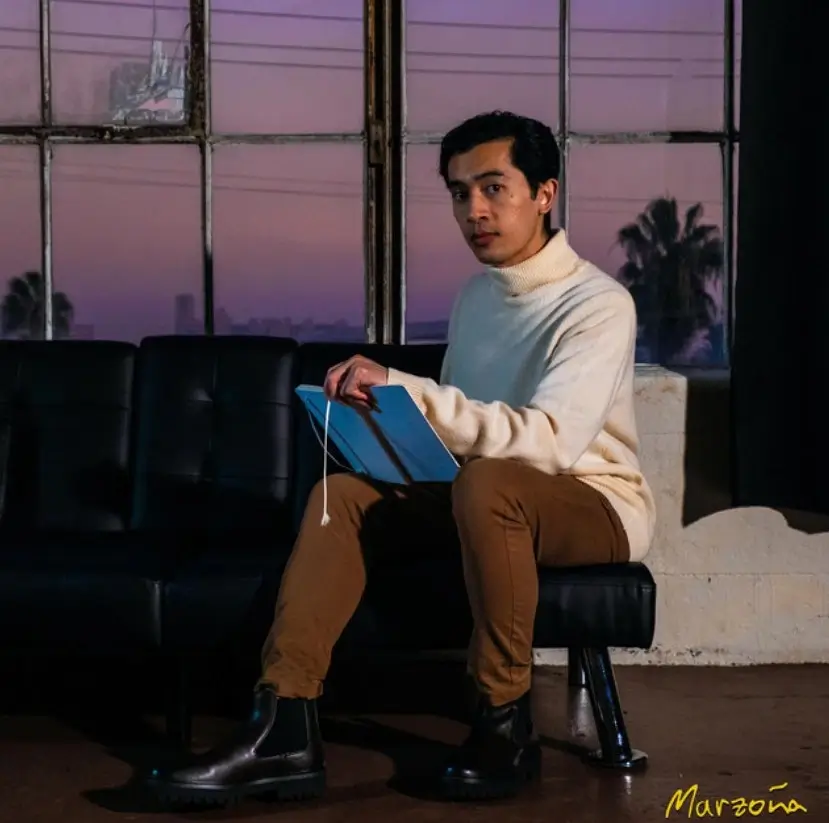
There is a very specific emotional phenomenon that happens when the weather gets cold. Suddenly, everyone becomes reflective. Playlists get sadder. Text messages get longer. Memories you thought were safely archived in your brain’s “Do Not Reopen” folder start aggressively resurfacing. And into this seasonal emotional chaos steps Marzoña with Love Songs For Colder Weather, an album that understands, on a molecular level, what it feels like to be a hopeless romantic in a hoodie at 11 p.m. This is not an album for people who are “chill about relationships.” This is an album for people who overthink, romanticize conversations from three months ago, and somehow convince themselves that winter is spiritually important. Marzoña frames the record around the idea that colder months reignite old feelings and emotional patterns. Cuffing season becomes less of a meme and more of a psychological case study. And honestly? He makes a compelling argument. Structurally, this album works like a seasonal diary. Each track feels like a chapter in an ongoing emotional narrative, documenting the cycle of attraction, hope, disappointment, recovery, and immediate relapse. Marzoña’s background love for musical theater plays a big role here. Many of these songs aren’t just “vibes.” They have arcs. They have emotional beats. They have beginnings, middles, and ends. Sometimes they feel like tiny one-act plays about modern romance, just with better hooks. Musically, Love Songs For Colder Weather exists in an interesting crossroads. You can hear traces of Childish Gambino’s genre flexibility, Ed Sheeran’s intimacy, Arctic Monkeys’ emotional restraint, Justin Timberlake’s polish, and even Drake Bell’s early pop-rock earnestness. But the strongest DNA I found comes from bands like Now, Now, Great Good Fine Ok and Aim and Ignite-era fun. That blend gives the album its soft indie-pop core with bursts of theatrical energy and emotional brightness. Vocally, Marzoña often lands close to Jon Bellion territory for me: tight, expressive, intimate, and slightly confessional. It feels like he is performing inside your headphones rather than at you. This works in the album’s favor, because these songs are fundamentally about internal dialogue; about what people say out loud versus what they’re actually thinking. The tracklist unfolds with intention. “A-List” opens things up by tackling validation and emotional ambition: wanting to matter, wanting to be chosen, wanting to be someone’s priority. It establishes the album’s central tension between confidence and insecurity. “Down For Whatever” follows with early-stage optimism, that phase where everything feels possible and red flags are still politely ignored. “Obviously” and “Plans” mark the point where reality starts creeping in. These songs examine mismatched expectations and emotional assumptions with surprising maturity. Marzoña doesn’t dramatize conflict. He documents it. The quiet frustration in these tracks feels painfully familiar to anyone who has ever pretended they were “fine” with something they were absolutely not fine with. “Honeymoon” leans into fantasy and idealization, capturing the emotional high of believing that this time is different. It’s earnest, dramatic, and intentionally a little over-the-top—like love itself tends to be. This is where the album’s theatrical instincts shine brightest. The back half turns inward. “Cuticles” uses small, almost mundane imagery to represent emotional anxiety, proving that heartbreak doesn’t always arrive with fireworks. Sometimes it shows up in nervous habits and overanalyzed gestures. “Something About You” revisits obsession and emotional residue, that lingering attachment that refuses to fade. “Maybe Tomorrow” closes the album with uncertainty instead of resolution. There is no grand emotional bow tied around the narrative. Just cautious optimism and the quiet acceptance that some stories don’t end neatly. Which, frankly, is the most honest choice possible. What makes Love Songs For Colder Weather work is its balance of self-awareness and sincerity. Marzoña knows he is writing romantic, emotionally exposed music. He knows it borders on dramatic. He knows it risks cliché. And he commits anyway. There is no ironic distancing here. No emotional safety net. These songs mean what they say. Production remains clean and approachable without becoming sterile. Everything is arranged to support the emotional core rather than distract from it. You can tell this album was carefully constructed, revised, and genuinely cared for. It feels made, not assembled. Love Songs For Colder Weather stands out by being unapologetically earnest. It is thoughtful without being pretentious, dramatic without being exhausting, and sincere without being naive. This is music for cold nights, long walks, unsent messages, and people who still believe feelings are worth the trouble. With this album, Marzoña proves that being a hopeless romantic is not a weakness; it is a creative superpower. Follow Marzoña Instagram Tiktok Spotify Promoted Content About the Author

Marzoña Proves That Being a Hopeless Romantic Is Not a Weakness; It Is a Creative Superpower Read More »

Criminal Hero’s “You Better Believe” Works as Both an Introduction and a Statement of Intent

“You Better Believe,” the latest original single from Canadian rock project Criminal Hero, arrives with the confidence of a band that knows exactly what it wants to be and refuses to overcomplicate the process. Built on tight rhythm, muscular guitar lines, and a clear sense of melodic lift, the track feels like a reminder that straightforward rock songwriting, when done well, still hits hard. There’s no unnecessary gloss here, no trend-chasing production tricks. Instead, the song leans into classic structure and modern clarity, finding strength in its balance between polish and grit. From the opening moments, “You Better Believe” establishes its momentum through driving guitars and a steady, grounded groove. The rhythm section locks in early and never lets go, giving the track a sense of forward motion that feels both deliberate and natural. The influence of seventies rock and hard-edged guitar music is immediately noticeable, but it never drifts into nostalgia for nostalgia’s sake. Rather than recreating the past, Criminal Hero uses those foundations as a launchpad, layering them with alternative rock sensibilities and flashes of punk urgency. Vocally, the track carries a sense of conviction that matches its title. There’s a directness to the delivery that avoids melodrama, instead opting for clarity and emotional honesty. The vocals sit comfortably in the mix, never overpowering the instrumentation but never fading into it either. This balance reflects the project’s broader identity: focused, disciplined, and rooted in craft. It’s the sound of someone who has spent time learning what works in real rooms, in front of real audiences, and translating that experience into recorded form. Part of what gives “You Better Believe” its character is the geography embedded in its DNA. Criminal Hero’s journey through Toronto, Detroit, and Vancouver is audible in the song’s blend of classic songwriting, working-class grit, and refined production. The Detroit influence shows in the track’s bar-band energy and unpretentious drive, while Vancouver’s role in finalizing and mastering the recordings comes through in the clean, cohesive sound. Nothing feels rushed or underdeveloped. Every section serves a purpose. As a standalone single, “You Better Believe” works as both an introduction and a statement of intent. It suggests an artist committed to keeping rock music grounded in rhythm, melody, and emotional clarity, without sacrificing intensity. In an era where guitar-driven music often feels either overly nostalgic or aggressively experimental, Criminal Hero occupies a refreshing middle space. This track doesn’t try to reinvent the genre. It simply proves, with confidence and craft, that it still matters. Follow Criminal Hero Globe Facebook X-twitter Spotify Soundcloud Youtube Instagram Tiktok Promoted Content About the Author

Criminal Hero’s “You Better Believe” Works as Both an Introduction and a Statement of Intent Read More »

What Stands Out Most About “Help Me Find a Reason” Is How It Resists Easy Catharsis

“Help Me Find a Reason” feels like the kind of track that exists because it had to, not because it fit neatly into a release plan. It’s positioned as a pop-rock anthem, but its real center of gravity is emotional persistence. This is a song about motion more than resolution, about choosing to keep going even when certainty never shows up. That framing matters, because OGGY doesn’t present hope as something triumphant or loud. She treats it as something practiced, almost disciplined. The track’s evolution from an acoustic sketch into a fuller, more muscular arrangement is easy to hear in the final version. There’s a sense that the song was built outward rather than engineered from the top down. The verses retain an intimacy that feels conversational, while the chorus opens up with the kind of lift you’d expect from a power-pop structure. Crucially, it never tips into melodrama. The production supports the song’s emotional arc without overpowering it, letting the central message land through momentum rather than spectacle. OGGY’s vocal performance is where the song truly anchors itself. There’s control here, but not stiffness. She knows exactly when to pull back and when to lean in, which gives the track a sense of emotional credibility. This isn’t a voice trying to convince you of sincerity; it assumes sincerity as a baseline. Her background in both piano-led balladry and rock-leaning pop shows in how she navigates the song’s dynamics, allowing it to feel expansive without losing clarity. What stands out most about “Help Me Find a Reason” is how it resists easy catharsis. The song doesn’t promise answers or closure. Instead, it sits with uncertainty and reframes persistence as its own form of strength. That makes it more relatable than a lot of inspirational pop, which often rushes toward conclusions it hasn’t earned. Here, the encouragement feels lived-in, shaped by experience rather than optimism alone. As an introduction to OGGY’s upcoming work, the track does its job quietly but effectively. It signals an artist comfortable with growth, unafraid of vulnerability, and confident enough to let emotion lead the structure rather than the other way around. “Help Me Find a Reason” doesn’t demand attention with flash or novelty. It earns it by being steady, honest, and grounded in craft, suggesting that what’s coming next will be less about reinvention and more about refinement. Follow OGGY Globe Facebook Twitter Spotify Soundcloud Youtube Instagram Tiktok Promoted Content About the Author

What Stands Out Most About “Help Me Find a Reason” Is How It Resists Easy Catharsis Read More »

“Second Chance at Love” Feels Less Like a Comeback Statement and More Like a Natural Continuation

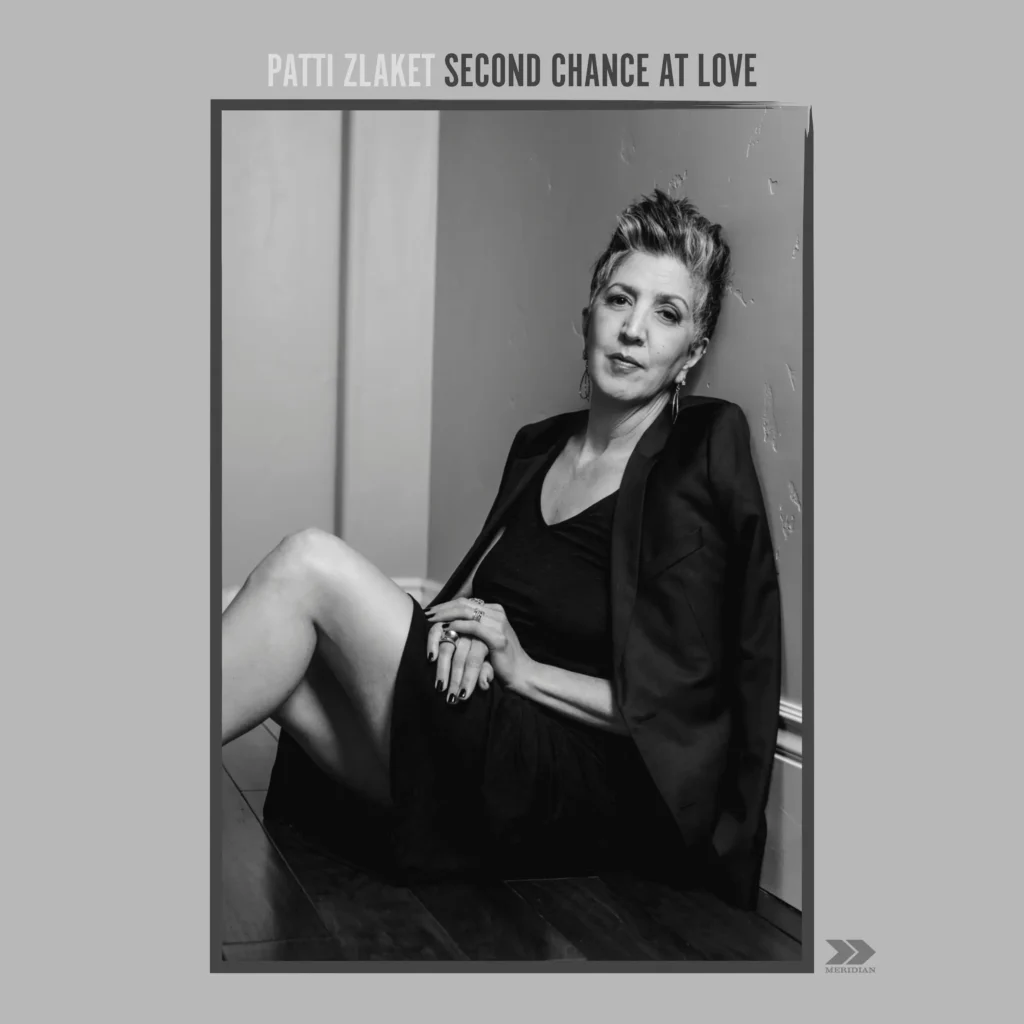
There’s a familiar kind of comeback story in music, usually framed as a dramatic return or a bold reclaiming of relevance. What makes Patti Zlaket’s “Second Chance At Love” feel refreshing is how little it leans on that narrative. The song doesn’t announce itself with urgency or spectacle. Instead, it arrives calmly, confident in the idea that some voices only grow more compelling with time. From the first moments, Zlaket’s vocal performance sets the tone. Her voice carries warmth and experience without sounding heavy or world-weary. She doesn’t rush lines or overemphasize emotion. She lets the song breathe, trusting the listener to meet her where she is. That restraint becomes one of the track’s greatest strengths. It feels intimate and conversational rather than performative, like someone telling you something meaningful because they finally know how to say it. The production by Tariqh Akoni complements that approach beautifully. Everything is clean and spacious, leaving room for nuance rather than crowding the song with unnecessary flourishes. Lee Sklar’s bass work deserves special mention. It’s subtle, melodic, and deeply reassuring, the kind of playing that quietly anchors the entire track. Nothing here is trying to steal the spotlight. The arrangement exists to support the story, and it does so with remarkable grace. What truly elevates “Second Chance At Love” is its lyrical perspective. Writing from the point of view of a rescue dog is a risky idea, but Zlaket handles it with sincerity and care. The song never slips into gimmickry or sentimentality. Instead, it focuses on resilience, trust, and the possibility of being loved again after loss. Those themes resonate far beyond the literal narrative, giving the track emotional depth without spelling everything out. There’s also something deeply reassuring about how comfortable the song feels in its own skin. It doesn’t chase trends or attempt to modernize itself at the expense of honesty. It sounds like an artist who knows exactly who she is and has nothing left to prove. That confidence is quiet, but it’s powerful. “Second Chance At Love” may not rely on big dramatic moments or surprise turns, but that consistency works in its favor. The song’s strength lies in its steadiness, its warmth, and its sense of emotional clarity. “Second Chance At Love” feels less like a comeback statement and more like a natural continuation, a reminder that sometimes the most meaningful music comes from simply showing up and telling the truth. Follow Patti Zlaket Globe Facebook Spotify Instagram Promoted Content About the Author

“Second Chance at Love” Feels Less Like a Comeback Statement and More Like a Natural Continuation Read More »

Paul Gehl Aims for Atmosphere First, Melodrama Second on “Through the Darkness”

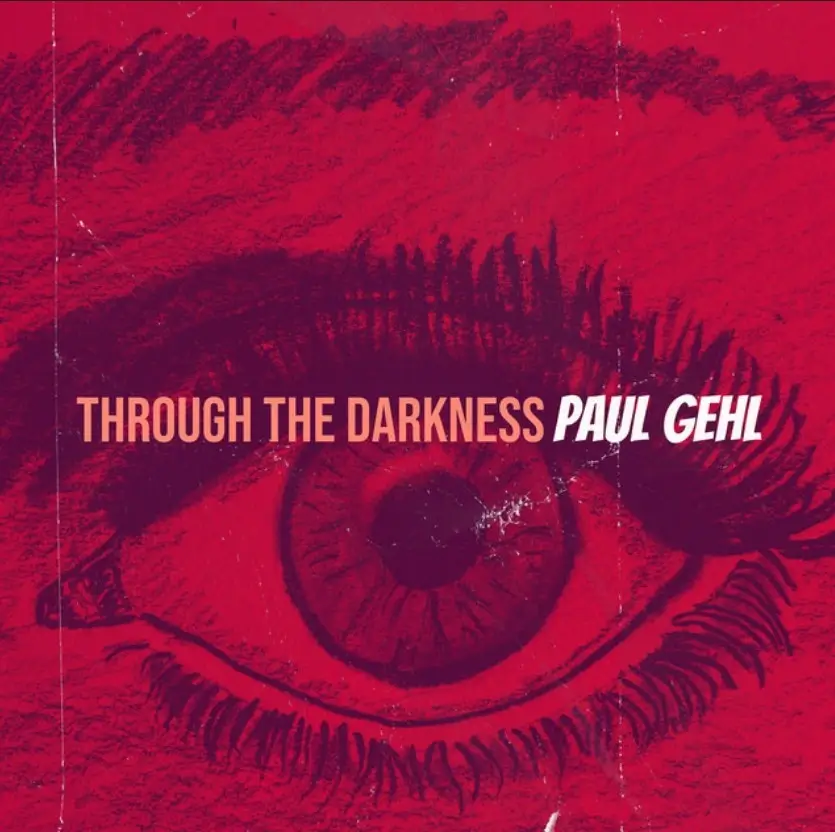
There’s a certain kind of rock song that really wants you to know it’s Serious. Big emotions, big shadows, meaningful pauses where you’re clearly supposed to reflect. “Through the Darkness” mostly understands that temptation and then, to its credit, doesn’t drown in it. Paul Gehl aims for atmosphere first, melodrama second, which already puts the track ahead of a lot of earnest-but-clumsy modern rock. The song builds itself around tension rather than flash. It doesn’t rush to a chorus like it’s afraid you’ll get bored. Instead, it lets repetition do the work, circling its central ideas until they feel heavy in a deliberate, physical way. That approach immediately invites comparison to long-form rock staples of something like Iron Butterfly’s In-A-Gadda-Da-Vida, not because Gehl is copying its structure, but because he’s clearly interested in the same idea of letting a groove linger long enough that it becomes the point. This is a track that trusts endurance over immediacy. Vocally and lyrically, “Through the Darkness” leans into vulnerability without overselling it. The writing isn’t trying to outsmart you or hide behind abstraction. It’s direct, sometimes almost blunt, but that honesty works in its favor. There’s a sense that Gehl isn’t performing pain so much as documenting it, which keeps the song grounded even when the arrangement swells. Production-wise, the track is clean without being sterile. You can hear Gehl’s multi-instrumentalist background in how carefully each layer is placed. The guitars are expressive but restrained, favoring sustain and texture over shredding. That choice feels intentional, especially given his roots in heavier genres. Rather than flexing technique, the song prioritizes mood, which aligns with its slow-burn structure. “Through the Darkness” succeeds as a thoughtful, atmosphere-driven piece of modern rock. It’s reflective without being self-important, heavy without being overbearing, and confident enough to let time do the talking. It doesn’t demand your attention, but if you give it, it rewards you. Follow Paul Gehl Spotify Youtube Promoted Content About the Author

Paul Gehl Aims for Atmosphere First, Melodrama Second on “Through the Darkness” Read More »

Loose Omens Feels Intentional From Start to Finish, Guided by a Clear Artistic Vision and a Refusal to Compromise

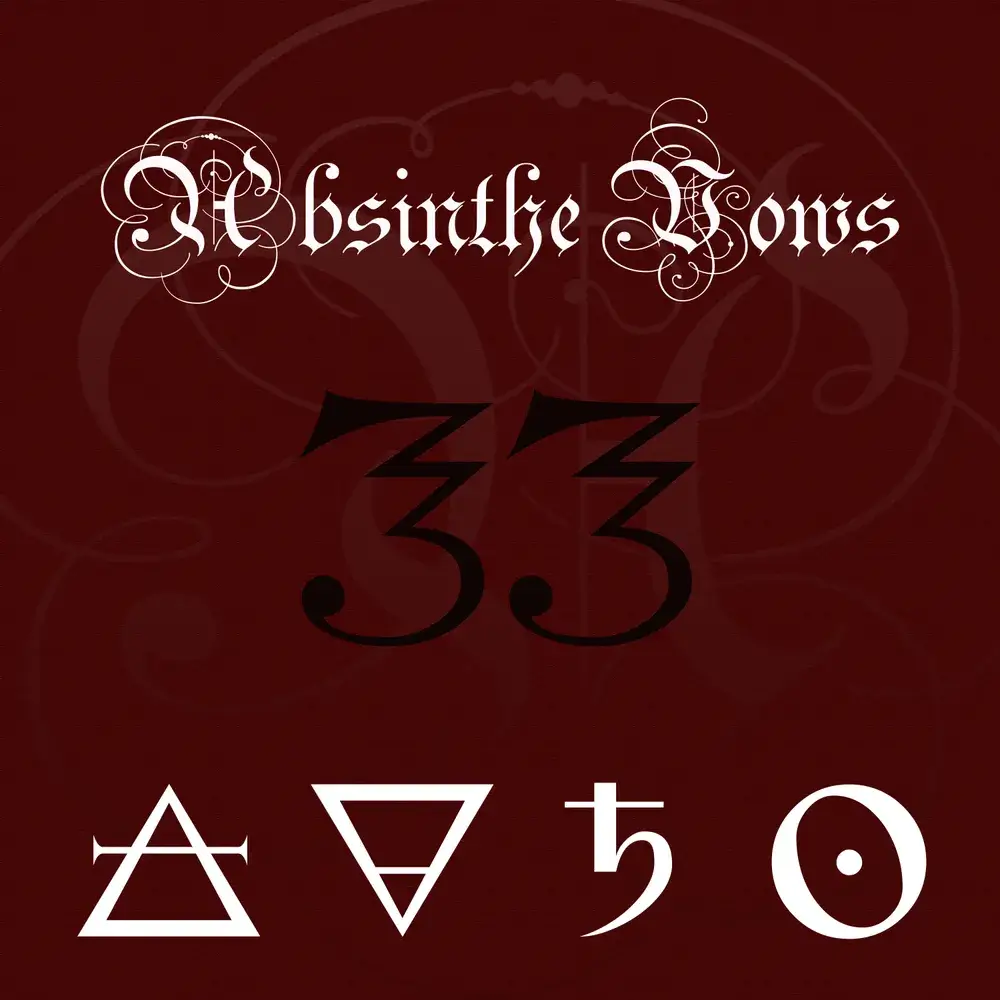
With Loose Omens, Absinthe Vows have very clearly decided that “making a normal album” is not on the table, locked in a drawer, and thrown into the sea. This is a double album, which in 2026 is already a mildly unhinged act of confidence. This isn’t a victory lap or a retrospective or a playlist padded out to justify the runtime. It’s more like an intentional descent. A controlled fall. Less “here are 20 songs” and more “you’re entering a space now, please do not expect a guided tour.” From the jump, the album positions itself less as a record and more as an environment; something you inhabit rather than casually sample. Listening to it feels like being invited into someone else’s ritual and realizing, about ten minutes in, that leaving early would be rude. As Absinthe Vows’ fourth full-length, Loose Omens carries the confidence of a band that knows exactly who they are and doesn’t feel the need to explain it. There’s no hand-holding here. No obvious entry point designed to ease newcomers in. The album assumes you’re either willing to meet it where it is, or you’re not. And if you’re not, that’s fine. It will continue without you and there’s something refreshing but slightly intimidating about that posture. The album opens with “Fatally Sung,” which barely qualifies as a song in the traditional sense. It’s more of a mood-setting invocation, a throat-clearing spell that lets you know what kind of headspace you’re about to occupy. It’s short, ominous, and deeply uncomfortable in a quiet way, like standing in a room where something bad definitely happened but nobody’s going to explain it. This is where Loose Omens draws its line in the sand. There will be ceremony. There will be dread. And you’re not getting eased into either. From there, the album settles into its early rhythm, establishing the sound palette that will carry it for the long haul. “Throb” introduces a more mechanical pulse, flirting openly with industrial textures while still clinging to a post-punk backbone. It feels cold and physical at the same time, like a heartbeat you’re not sure belongs to you. There’s a push-and-pull here between movement and restraint, between something that wants to be danced to and something that actively resents the idea. That tension becomes one of the album’s defining traits, repeating in different forms across the runtime. One of the early moments where everything clicks is “Painting Over the Blood Tarot.” This is where Loose Omens really locks into its identity. The track takes its time, layering ghostly guitars and ritualistic rhythms with a patience that feels intentional rather than self-indulgent. Nothing rushes. Nothing explodes. Instead, the song creeps forward, letting its atmosphere do the work. Thematically, this is where the album’s obsessions start to surface more clearly: erasure, reinvention, symbolic violence, and the uneasy act of covering something up without ever fully removing it. “Staring at Ghost Ships” pulls things back again, shorter and more restrained, but no less effective. It feels distant and hollowed out, like watching something important drift away without being able to stop it. That sense of abandonment and emotional distance threads through a lot of Loose Omens, and here it’s expressed with a minimalist precision that keeps it from tipping into melodrama. As the album unfolds, Absinthe Vows arrives like a mission statement. Every track are brooding confidence and grim resolve, a crystallization of the band’s aesthetic and emotional goals. The pairing of “Deth Masque” and “Death Mask” is one of the album’s smarter structural choices. Placed back-to-back, the tracks feel like reflections of each other; two sides of the same idea, circling themes of identity, concealment, and performance. It’s not subtle, but subtlety isn’t really the point. The effectiveness comes from how clearly the mirroring is communicated, reinforcing the album’s fixation on masks, roles, and the spaces between them. Later tracks like “Still Rebirth” offer reflection without comfort, while “An Ancient Heart” taps into a more classic gothic sensibility that feels timeless rather than nostalgic. By the time the album reaches its closing stretch, it’s unapologetically heavy with “This Will Be the End of Everything” living up to its title, collapsing the album’s themes into a looming, terminal statement as a personal highlight. What makes Loose Omens work, especially at this length, is restraint. For all its darkness and density, the album never collapses under its own weight. Absinthe Vows understand that atmosphere is about tension, not excess, and that goth music is most powerful when it’s precise rather than theatrical. This isn’t a record that demands your attention. It waits for you to give it. And if you do, it doesn’t let go easily. As a double album, Loose Omens could have easily overstayed its welcome. Instead, it feels intentional from start to finish, guided by a clear artistic vision and a refusal to compromise. It’s not a casual listen, and it’s definitely not background music. But if you’re willing to sit with it and I mean really sit with it… it rewards that patience. Follow Absinthe Vows Facebook Instagram X-twitter Spotify Promoted Content About the Author

Loose Omens Feels Intentional From Start to Finish, Guided by a Clear Artistic Vision and a Refusal to Compromise Read More »

What Really Stands Out Is How Comfortable “Over the Moon” Feels in Its Own Skin

J Terrell’s “Over the Moon” feels like that moment in a long road trip where you pull over, turn the engine off, and just sit there for a second, realizing you’re way farther from home than you thought, but in a good way. Coming off the genre-sprawling Cowboy Tango and the punchy momentum of tracks like “Juice” and “Punch,” this single isn’t trying to out-flex anything. It’s a pause. A recalibration. Terrell reminding both himself and the listener what his music sounds like when it’s not in a rush. The song circles around distance, but not in the melodramatic, staring-out-a-rainy-window sense. “Over the Moon” treats love as something that survives on understanding rather than proximity. It’s less “I miss you” and more “I know you’re still there.” That framing gives the track a quiet emotional confidence, like it’s already accepted the situation and decided it’s going to be okay anyway. Sonically, this is where the Adeem The Artist comparison really clicks, especially if you imagine Adeem’s songwriting instincts filtered through a smoother, R&B-leaning lens. There’s that same grounded honesty, that same refusal to dress feelings up as something ironic or detached. But instead of acoustic grit or folk-punk edges, Terrell wraps those emotions in warmth; soft production, patient pacing, and a vocal delivery that sounds like it’s speaking directly rather than performing at you. You can also hear shades of Shaboozey collaborating with GIVEON or Daniel Caesar in the way the track blends country DNA with modern pop and R&B textures without turning it into a novelty. This is “space cowboy” music that actually understands the cowboy part; the openness, the loneliness, the long stretches of reflection and then lets the soul and pop influences do the emotional heavy lifting. It’s genre fusion that feels natural, not algorithm-brained. What really stands out is how comfortable “Over the Moon” feels in its own skin. It’s not chasing a viral moment or a dramatic payoff. The production stays restrained, letting the mood do the work instead of trying to manufacture a big hook. That choice makes the song feel more human, like something you live with rather than something designed to impress you in 30 seconds. In the bigger picture of J Terrell’s catalog, this track feels like a checkpoint on the road past “El Dorado.” It’s not the destination, but it tells you a lot about where he’s headed. “Over the Moon” shows an artist who’s figured out that emotional clarity can be just as powerful as sonic chaos. If Cowboy Tango was the wide-open map, this is Terrell quietly tracing the route with stars overhead, distance behind him, and enough confidence to know the connection still holds. Follow J Terrell X-twitter Spotify Soundcloud Instagram Tiktok Facebook Promoted Content About the Author

What Really Stands Out Is How Comfortable “Over the Moon” Feels in Its Own Skin Read More »