loader image

New Music

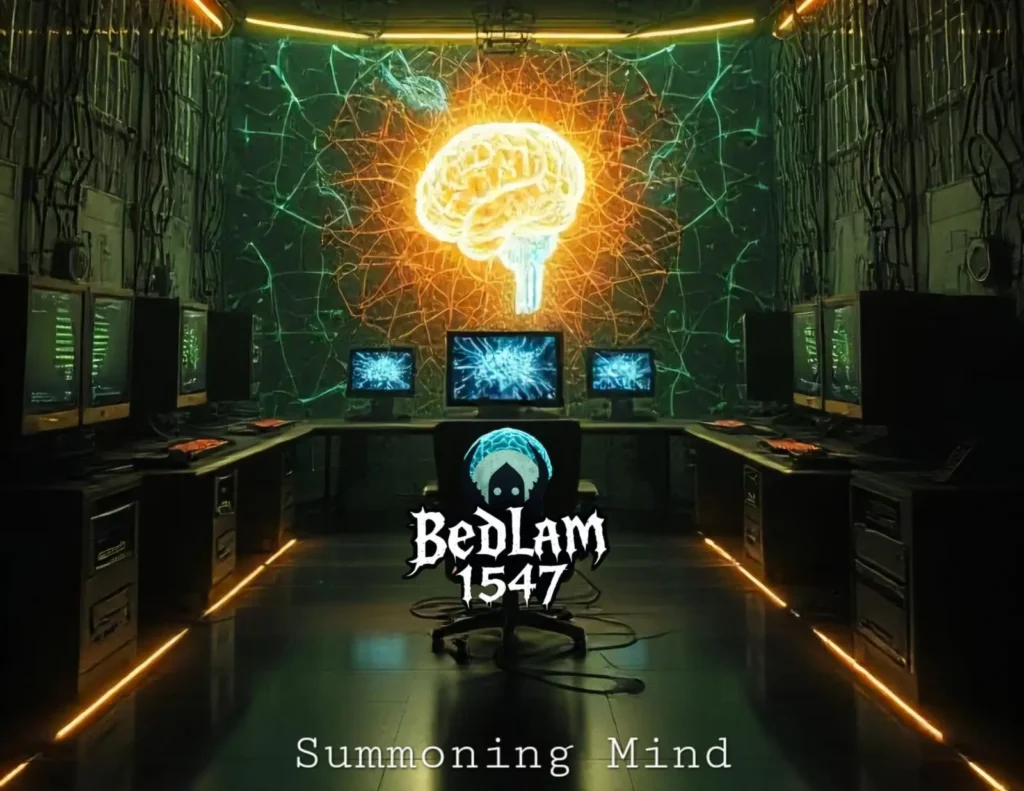
Bedlam 1547’s newest track, ‘Summoning Mind,’ is the Nostalgia Hit we need

It’s rare to hear a rock track in the charts nowadays, that’s why I was happy to hear Bedlam 1547’s newest track, ‘Summoning Mind.’ Join me as I talk about this track in length and why it’s the perfect nostalgia hit. The track starts with this high distorted lead riff alongside that drum pattern that feels like getting you ready for a big thing happening in the next few minutes. I like the dual harmonizing guitars with that distorted bass sound. It perfectly captures the essence of songs created in the glam rock era. Distorted guitars alongside that edgy and running like flow of the track.  And to my surprise, the vocal effects and the song flow double down on the idea of that glam rock meets heavy rock kind of sound. The chord progression is interesting because it acts as the melody of the track. It sounds like it’s following the main melody of the track.  The lead guitar parts in the latter part of the track sound like a solo that Slash would create. The boosted guitar with that face-melting solo always hits the spot. The double pedal pattern in the latter parts of the track created a different flavor on the track. It’s not anticipated, but it adds heaviness, gearing towards that power ending.  Bedlam 1547’s newest track, ‘Summoning Mind,’ is the perfect nostalgia hit for the guitar and heavy music lovers out there because of its arrangement and that sweet, sweet guitar solo.  Follow Bedlam 1547 Spotify Youtube Promoted Content About the Author

Bedlam 1547’s newest track, ‘Summoning Mind,’ is the Nostalgia Hit we need Read More »

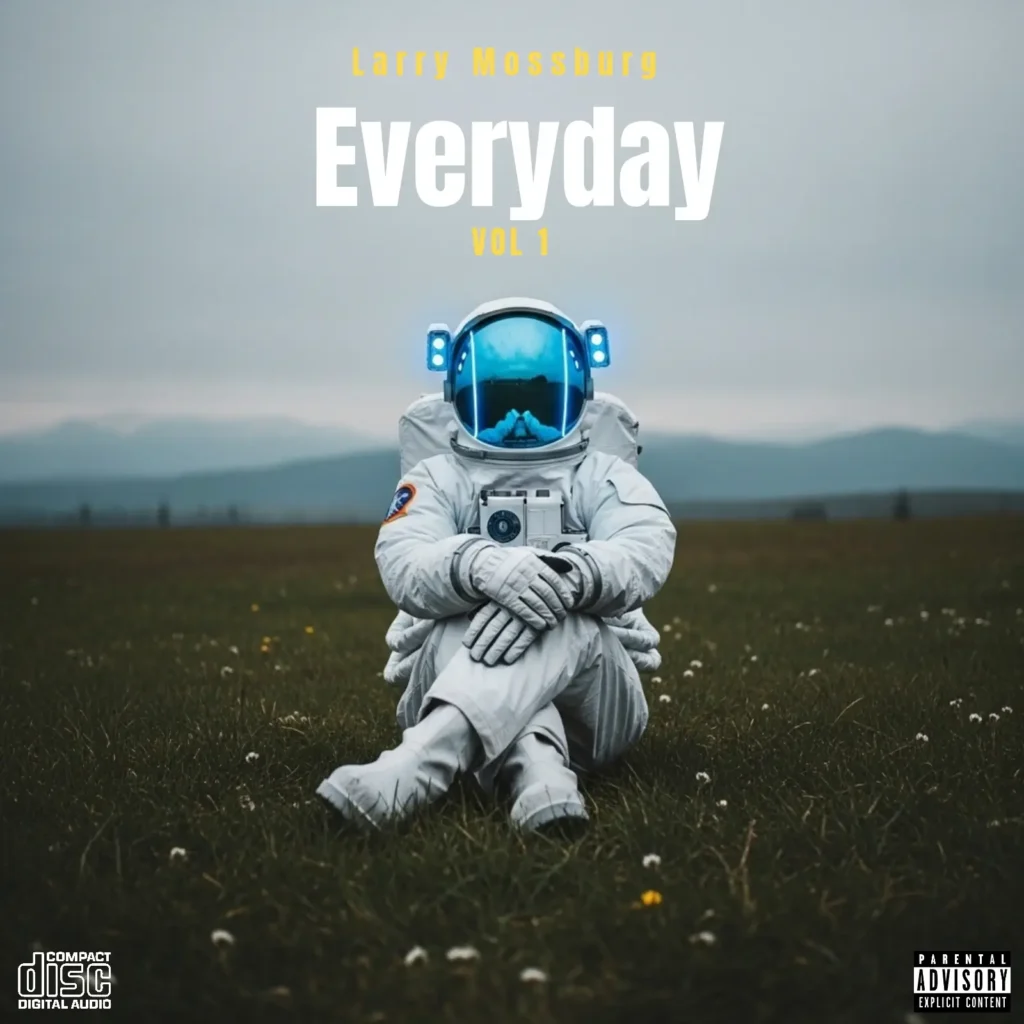
“Everyday” Doesn’t Glamorize or Exaggerate; It Observes

“Everyday” finds Larry Mossburg turning the mundane into something magnetic. Framed as a snapshot of daily life, the track doesn’t aim for grand statements or dramatic arcs. Instead, it zooms in on routine; habits, thoughts, small victories and refracts them through sharp lyricism and a beat that hits harder than the subject matter might suggest. Sonically, “Everyday” feels like an unlikely but compelling hybrid: imagine the off-kilter, reflective delivery of Quelle Chris layered over the cold, minimalist knock of a 21 Savage-style instrumental. The production leans into heavy low end and crisp percussion, with space carved out for Mossburg’s voice to sit front and center. There’s a brooding, trap-rooted pulse under the surface, but the vocal approach adds personality and unpredictability. It’s introspective without being sleepy, assertive without being overblown. The recording process adds another layer of intrigue. Tracked at a friend’s high-end studio, the song blends modern digital precision with analog warmth. That hybrid method is audible in the texture: the drums snap cleanly, yet the overall mix carries a subtle depth and richness that feels tactile rather than sterile. It’s a reminder that even in an era dominated by in-the-box production, thoughtful use of analog gear can add dimension. Lyrically, Mossburg leans into relatability. “Everyday” doesn’t glamorize or exaggerate; it observes. There’s an undercurrent of ambition running through the verses, but it’s grounded in reality; early mornings, late nights, the constant push to level up. The hook is memorable without being overly flashy, built to linger after the track ends. It captures the quiet grind that defines so many emerging artists, especially those building from regional scenes. “Everyday” feels strategically timed; a calling card that introduces his perspective while hinting at bigger stages ahead. It pairs introspection with impact, analog warmth with digital clarity, and reflective lyricism with a beat that demands attention. For listeners just discovering Larry Mossburg, this track serves as a strong entry point; proof that the ordinary, in the right hands, can hit just as hard as the extraordinary. Follow Larry Mossburg Globe Facebook Spotify Soundcloud Youtube Instagram Promoted Content About the Author

“Everyday” Doesn’t Glamorize or Exaggerate; It Observes Read More »

If Auntie EP Is the Drought Breaking, It’s Not a Drizzle; If Anything, It’s a Storm

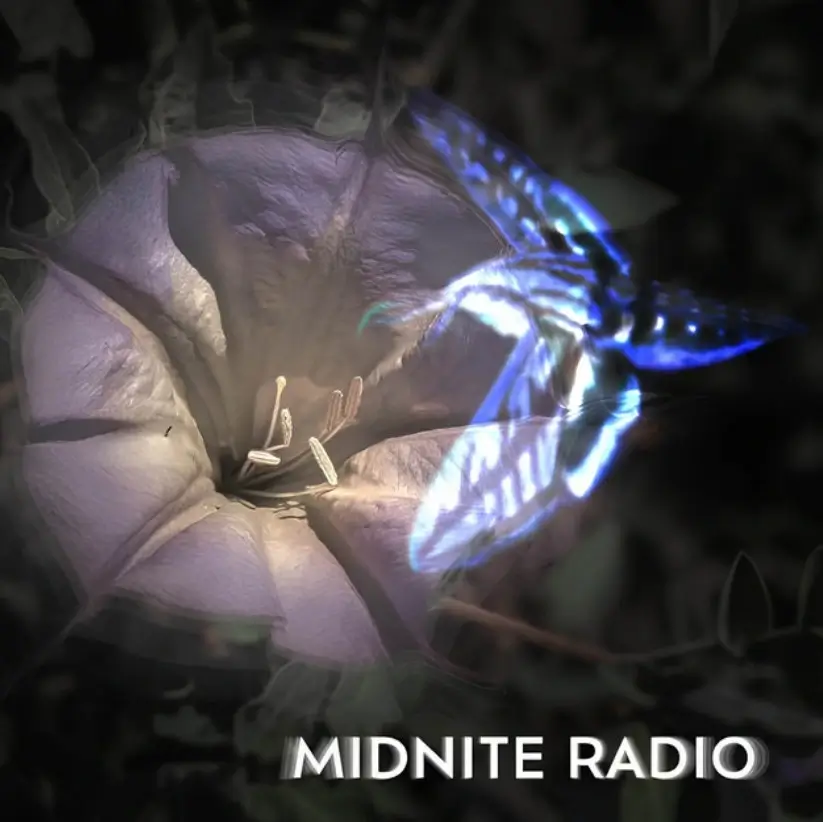
There’s a very specific kind of emotional pressure that builds when you’ve been “almost” doing the thing for years. Almost putting your own band first. Almost saying what you actually mean. Almost stepping out from behind other projects, other stages, other people’s spotlights. Eventually that pressure needs somewhere to go. That somewhere, in this case, is Auntie, the six-track EP from Midnite Radio. founded by longtime friends Lee Coram (guitar) and Beak Wing (drums) out of Lebanon, Tennessee. And if this record feels like a release valve finally blowing open, that’s because it kind of is. These aren’t musicians figuring it out in a garage for the first time. Coram and Wing have spent years playing on other stages, in other studios, backing other visions. Auntie is what happens when that accumulated experience stops being background noise and becomes the main event. Photo credit: Nikki Christie The EP opens with “Reboot the Drought,” which is either a metaphor or a direct instruction to the universe. It wastes absolutely no time. The guitars arrive bright and assertive, the drums punch with purpose, and the vocals cut cleanly through the mix. It’s confident without being smug; a tricky balance. You don’t get the sense they’re trying to prove they can play. They already know they can. This is more about proving they have something to say. “Fear No Stars” doubles down on that energy. There’s a muscular alt-rock backbone here; clean, ringing guitar tones layered over driving percussion, but it never feels bloated. The sound is tight, intentional. It has that slightly anthemic lift that suggests open skies and headlights at night, but grounded in grit rather than gloss. One of the more interesting things about Auntie is that it was recorded remotely. The band members were working from different cities, living separate lives, stitching this EP together over months instead of hammering it out in the same sweaty room. And yet, it doesn’t sound fragmented. If anything, it sounds laser-focused. The cohesion is almost suspicious. You’d expect a little drift, a little mismatch. Instead, there’s a unified pulse running through the whole thing. “Backwards” leans into mood a bit more, pulling the tempo slightly and letting space creep in around the edges. It’s still undeniably rock, but there’s a subtle genre-flex happening; little shifts in texture and phrasing that suggest they’re not interested in staying strictly inside alt-rock lines. It’s experimentation without the performative weirdness. No one’s adding a theremin just to prove a point. “Quench” feels like a release of tension. The rhythm section is particularly sharp here; Wing’s drumming doesn’t just keep time, it drives the emotional arc. Coram’s guitar tone remains crisp and articulate, with just enough bite to keep it from feeling overly polished. The interplay between them is where the EP really shines. Years of collaboration show up not as flashy solos, but as instinctive timing. “Breath” (which, yes, feels intentionally placed in the tracklist) offers a brief emotional recalibration. It’s not a ballad in the traditional sense, but it carries a reflective weight. The vocals feel especially present here; bright, direct, unmasked. There’s no ironic distance. No wink to the audience. Just delivery. Then there’s “Paradise,” which closes the EP on a note that feels earned rather than explosive. It doesn’t try to outdo the previous tracks; it consolidates them. The energy, the experience, the connection; it all funnels into a track that feels like stepping into your own voice and deciding to stay there. What makes Auntie compelling isn’t reinvention. It’s ownership. This is confident alt-rock built on years of groundwork, finally assembled under one banner. The guitar tones are clean but punchy. The drums are powerful without drowning everything else out. The vocals are bright and forward, carrying the emotional weight without melodrama. And maybe that’s the real story here. Not a band discovering who they are, but a band deciding it’s time to stop waiting. Auntie sounds like musicians who’ve spent years in orbit finally choosing their own trajectory. It’s expressive, connected, energetic and above all, self-assured. If Auntie EP is the drought breaking, it’s not a drizzle; if anything, it’s a storm. Follow Midnite Radio Spotify Promoted Content About the Author

If Auntie EP Is the Drought Breaking, It’s Not a Drizzle; If Anything, It’s a Storm Read More »

Charles Luck’s LP, “Ai12die,” Is a Chart Topping ATM Machine

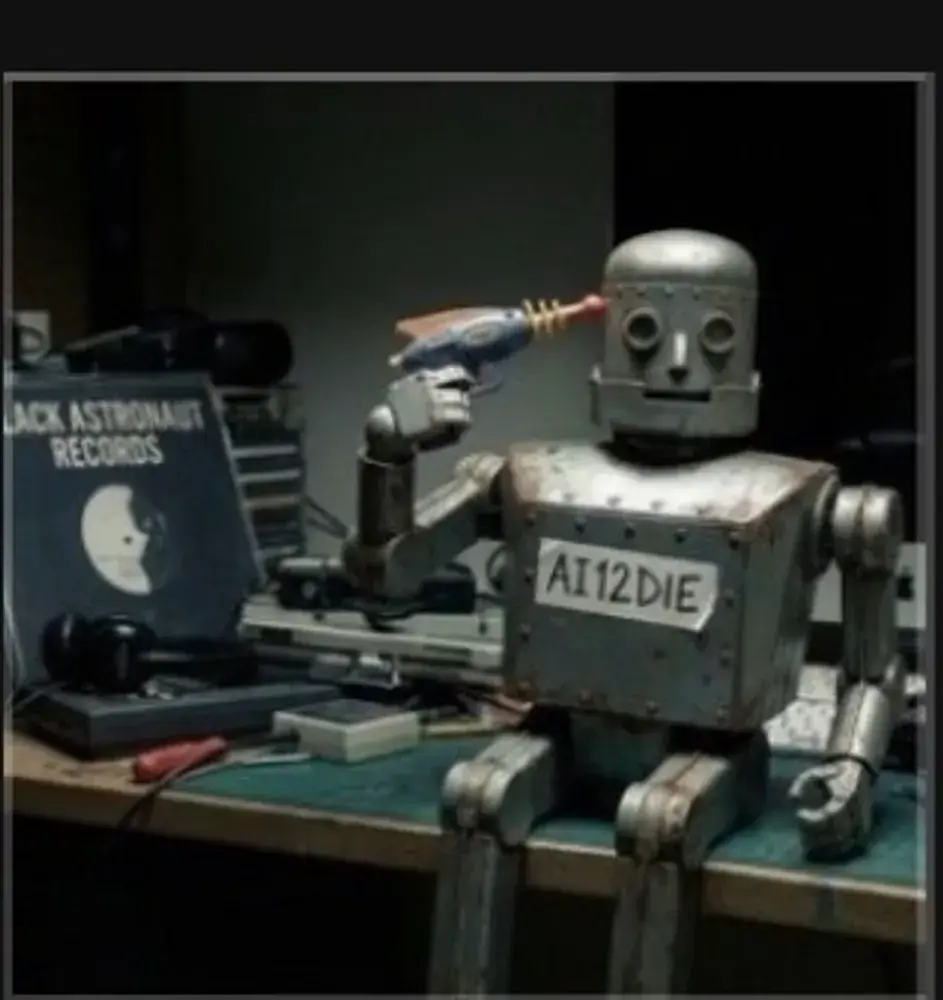
You only get a handful of chances to cross paths with artists that have the ‘IT’ factor, and I think Charles Luck’s latest album, ‘Ai12die’, is actually it. Let me discuss the album at length and read why this is an album you don’t want to miss. ‘Beep Bop Boop’ is an upbeat song that has a mix of human instrumentation and multi-syllabic rap flow that has an overflowing 2010s vibe. It perfectly captures the era where the two influences were being mixed to capture both fans from the hip-hop/rap scene and the casual listeners.  I specifically like the song flow because it created this nostalgic and profitable flow that producers during that time created. I call it the ‘Money Playbook’ because it’s cash flow right in your ears.  On the other hand, ‘Underwear’ created a different vibe by harnessing rap flows and beats from artists like Eminem and 50 cent but with production created in the early 2010s mimicking styles from songs like ‘The Monster by Eminem and Stereo Hearts by Gym Class Heroes’. It’s evident in the beat samples, chorus hook flow, and the overall song flow.  ‘Like a Fish to Water’ has this oozing flow because of its grooviness, the nostalgic melodical flow, and the short and simple chorus hook paired with a rap flow formula that was very successful during the early to late 2010s. Huge props to that reggae guitar fill. It easily created interest in me to really listen, and I’m sure it became the hook for other listeners to keep on listening.  What I specifically like about ‘Which Way Will I Go?’ is the chorus hook. It’s really short and has a catchy melody that is easy to remember. It got stuck in my head for hours on end because of how catchy it was. The rap flow in the verses works hand in hand with that chorus hook. Huge props to the clap sample at the beginning of the track. It worked its magic and created a new burst of energy, leaving room to anticipate excitement for the rest of the track.  ‘The Dust God (Remix)’ started with this acoustic guitar lick that created an early 2000s vibe to the overall feel of the track. The drum samples in the latter part of the track elevated it into a track easily relatable because it’s a common theme/style similar to songs in the early to late 2010s.  Black Astronaut Records · ai12die ‘Zero’ has this undeniable rap flow that can make anyone’s head turn because of how cool it sounds. Regardless of what beat or how the arrangement is created, the rap flow is just to good to pass up. Rap is a skill of its own, and the ones who are good at it know how to use it correctly. It’s rhythmic pattern, and with the right set, it can be a head turner for sure.  What I like about ‘Statement’ is the interesting use of an ethnic sounding scale mixed with a hip-hop pop track. There are certain things that you don’t want to do to make sure you don’t disrespect the culture, but not only did it become a banger, but it also elevated the idea of creativity for me.  ‘Golden Retrievers’ is the differentiator from the bunch because of the reggaeton elements. ‘Alive’, on the other hand, is what I call mainstream pop from start to finish because of the overall song flow. ‘The Juices’ is set in a different era because after 9 tracks, we finally have an acoustic track.  ‘Gems of Genesis’ feels like a concept pulled from a theater play, re-arranged for a pop anthem, then added that undeniable Charles Luck rap and song flow. ‘Life Goes So Fast’ sounds like a song inspired by a Nickelback playbook of pop music. It’s groovy and has a little bit of country elements to it, but of course still has that Charles Luck rap flow.  ‘Chakra Flow’ is by far the most Charles Luck-sounding track on the album. Simply put, I feel like if I can recommend a track to understand who the real artist is, it should be this track. ‘Maze’ is by far the darkest track of the album because of its flow and the theme itself. It’s like listening to a trailer of what the next album is going to be. Then we end the album with ‘Hoopty.’ A track that has a bouncy flow laced with influences from Eminem and other artists during that time.  Charles Luck’s LP, ‘Ai12die’ is what I call a rollercoaster ride. You have tracks that are the highest of highs and tracks that are in the grey area. It’s an album filled with gems that are ready to set fire to the industry. With proper marketing and probably a label to support it, I can see some of these tracks climbing the charts in no time.  Follow Charles Luck Instagram Promoted Content About the Author

Charles Luck’s LP, “Ai12die,” Is a Chart Topping ATM Machine Read More »

TRXPSCO Is a Project Born Out of Frustration, Stubbornness, and a Crash Course in DIY Beat-Making

There’s something uniquely modern about getting your music pulled from streaming because of a producer dispute and responding not with a vague Instagram Story but with, essentially, “Fine. I’ll do it myself.” That’s the energy powering the self-titled EP from TRXPSCO, a project born out of frustration, stubbornness and a crash course in DIY beat-making. After his previous EP vanished from major platforms amid a dispute with a Russian producer (and, by his account, a parade of “money hungry producers”), TRXPSCO hit pause. Not creatively; rather logistically. Instead of rushing another release, he locked in and learned how to produce his own beats. The result is an EP that feels less like a casual drop and more like a proof of concept: if the industry door closes, build your own studio in the garage. The production reflects that transition. It’s trap-rooted, bass-heavy, and blunt about its intentions. There’s less polish than you’d get from a veteran hitmaker, but that’s kind of the point. The beats feel authored, not outsourced. They’re skeletal in places, occasionally abrasive, but undeniably personal. You can hear someone figuring it out in real time and enjoying the control. “MADE2GETPAID” opens the EP like a mission statement. At 1:44, it doesn’t overstay its welcome. The hook is direct, the drums hit hard, and the whole thing feels like a warm-up lap delivered at full sprint. TRXPSCO’s flow is clipped and confident, leaning into repetition as emphasis rather than filler. “STANDING ON PIMPING” follows with a similar energy but a slightly grimier tone. The beat knocks in a way that feels intentionally unvarnished. It’s less about melodic experimentation and more about asserting presence. If the EP has a thesis, it’s here: self-reliance, hustle, no apologies. “POP IT ENOUGH” stretches things out to just over three minutes and gives the project room to breathe. The instrumental has a bit more space, letting TRXPSCO shift cadences and ride the rhythm instead of bulldozing through it. It’s one of the more balanced tracks on the EP; still aggressive, but controlled. “ROCKSTAR PIMPING” brings back the bravado in a big way. The beat has a bit more bounce, and TRXPSCO sounds energized, almost amused by his own momentum. It’s flashy without being theatrical, and it keeps the EP from sinking too deep into monotone intensity. Then there’s “ACTIVE & ATTRACTIVE,” a closer that runs a second shy of a minute that feels like a quick exhale. It’s short, punchy, and ends the project on a note that’s more vibe than statement; less curtain call, more mic drop. But TRXPSCO isn’t about validation from magazines or metrics. It’s about control. It’s about what happens when an artist decides that if the system won’t cooperate, they’ll just rewire it themselves. TRXPSCO isn’t just a collection of tracks. Rather, it’s a statement that if you want something done right, or at least done your way, you might have to learn how to build it from scratch. Follow TRXPSCO Instagram Spotify Youtube Icon-music Promoted Content About the Author

TRXPSCO Is a Project Born Out of Frustration, Stubbornness, and a Crash Course in DIY Beat-Making Read More »

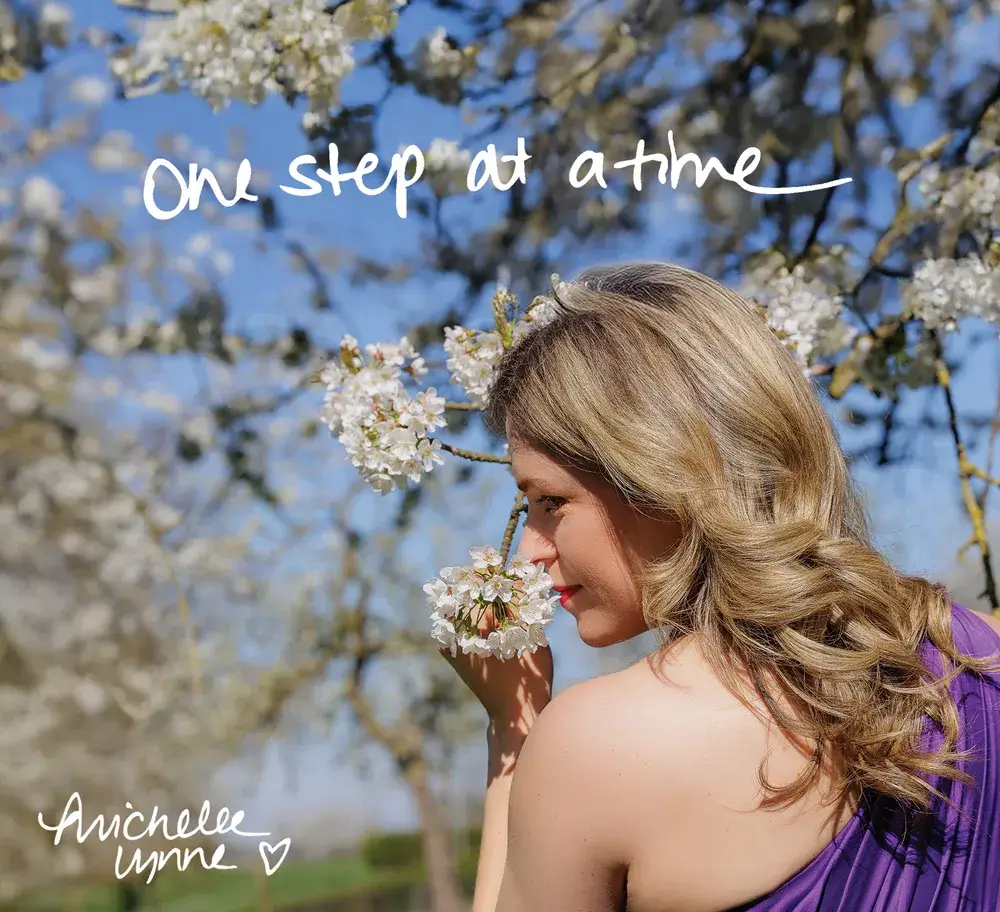
Michelle Lynne’s “One Step at a Time” Is a Shining Beacon

I’m just going to straight out say it. Classical music is not my jam. I’m not that immersed in the culture, thus giving myself the nickname of the “alternative guy,” but Michelle Lynne’s album, ‘One Step at A Time’, proved otherwise. Let me discuss this in depth and read why Michelle Lynne will be a shining beacon of our industry in the years to come. The first track of the album, ‘In the In-Between – Piano Version,’ sounds and feels like a mix of that early 2000s hit with a hint of Christian Contemporary Music because of the chord progression used throughout the track. What I specifically like about this track is that it doesn’t sound like someone just noodled their way into creating an instrumental track. As a musician myself, I know when an instrumental track is just mindless noodling and showing off versus creating a story through the music. Sure, the track has a lot of layers to it, but when you really listen closely, you can hear the changes and the heaviness of each section.  ‘Everglow’ has this radiating glow because of the beautiful chord progression and musical storytelling that will work as an instrumental and as a piece for a song. You can clearly hear the classical music influence because of some cadence and phrasing added in the track.  ‘Hold On’ is the third track of the album, and by far the first track that has a full band setup with complete vocals and instrumentation. You can clearly hear the musical training in the vocal phrasing, spacing, and delivery. I’m not a classically trained musician, but it’s basically night and day when I hear artists who are musically trained versus those who are learned by ear.  ‘Empty Promises’ feels like an inner dialogue from someone who’s already on the verge of just ending the relationship that scarred them internally. It’s evident in phrases like / All these tears I’ve cried / They’ve torn me up inside / And all that’s left to see here are these scars / And empty promises. ‘Pavane pour une infante défunte’ feels and sounds like a track written for a classic movie because of the chord progression, a bit of chordal dissonance, and the entire shift of chord progression and feel. In this specific track, you can hear Michelle Lynne’s musical prowess.  What I specifically like about ‘Let Me Heal’ is the use of drum samples that are first in this album. It’s a clear demonstration that, aside from that classical training, Michelle Lynne can adapt to what a song needs, and truly, that is a mark of an artist.  ‘Jeux d’eau’ is the track to hear because of how Michelle Lynne demonstrated not just how good she is at musical composition, but also with her chops. It’s straight out flexing her musical chops, which I really appreciate because that’s dedication and mastery. Well done!  ‘I’m Here’ is another track that has that unexpected drum sample. After hearing Michelle Lynne’s piano chops, we got a track that talks about transparency as its main theme. It’s evident in phrases like / Let me be real, let me be seen / All of these broken up pieces in me / They belong to you, this much is clear / And if you said that you’ll take them, I’m here This time, we have ‘In the In-Between’, complete with vocals and all the instrumentation. What I like about this track is that it still has that early 2000s vibe with a hint of Christian contemporary music feel to it, because aside from how it sounds, the main theme of the song talks about patience.  ‘Au bord d’une source’ is another classic piece that showcases Michelle Lynne’s musical prowess. What I like about these musical pieces is that it doesn’t feel and sounds like noodling. It still has a story, that emotional arch, and most importantly, it has dynamics. In instrumental tracks, dynamics play a huge role in storytelling, and it’s evident in this track.  Honestly, ‘Hold On – piano version’ is not really needed in this album, but I can hear why it’s still added in this album. You can hear the heart and soul of the composition based on the principle that once you strip a song to its core, does it still give the same energy, or does it have a different way of interpretation? It has the same sentiments with the last track of the album, ‘Empty Promises – piano version.’  I may not have a sweet spot for classical music, but I appreciate the passion for music that Michelle Lynne has. From classical to cornerstone drum samples, it’s no secret that artists like her will shine in the years to come.  Follow Michelle Lynne Spotify Instagram Tiktok Facebook Promoted Content About the Author

Michelle Lynne’s “One Step at a Time” Is a Shining Beacon Read More »

Trainwreck Boyfriend Proves They’ve Already Begun Charting Their Own Map

Trainwreck Boyfriend began the way many modern indie bands do: not through a classified ad or a carefully plotted industry plan, but through a moment of shared recognition in a crowded room. The members first connected at two 2023 shows by The Beths, bonding over their mutual devotion to female-fronted indie rock that balances vulnerability with bite. That origin story is more than trivia; it’s a Rosetta Stone for understanding the band’s self-released debut, a record that thrives on jangling guitars, sugar-rush hooks, and emotional candor delivered without apology. Pardon the pun, but this makes Trainwreck Boyfriend experts in a dying field; so much so that they may bring life to the genre. At the center of Trainwreck Boyfriend is frontwoman and keyboardist Greta Madeline, a former English teacher who spent years diagramming sentences before deciding to write her own in melody. A lifelong songwriter with an almost architectural obsession with hooks, Madeline approaches pop structure the way a poet approaches meter: with discipline, reverence, and the desire to make something that lingers. Her voice is clear, earnest, occasionally defiant and anchors the album’s emotional weather. She’s flanked by a band that gives her melodic instincts room to bloom. Guitarist Billy Hook specializes in layered textures that shimmer without overwhelming. Dez, whose classical roots peek through in precise phrasing and unexpected voicings, adds dimension and drama. Bassist Charlie Evans injects a subtle punk restlessness, while drummer Franz, Madeline’s longtime studio collaborator, provides propulsion that’s muscular yet unfussy. And Kristin Leland who played rhythm guitar and vocal harmonies. Together, they craft a sound that nods to the alt-rock spectrum inhabited by their Beths-inspired beginnings but stretches toward something glossier and more synth-kissed; an ’80s undercurrent humming beneath the heavy jangle. Across ten tracks, there’s a sense of cohesion: themes of belonging, empowerment, and messy human connection thread through songs that oscillate between intimate confession and communal rallying cry. Opener “Freakshow” functions as manifesto and embrace. Over chiming guitars and buoyant keys, Madeline extends an invitation to the eccentric and the weird, reframing oddity as superpower. It’s the kind of song that could easily tip into platitude, but the band’s conviction keeps it grounded. The chorus feels less like branding and more like a genuine clearing of space. “Apartment Life” narrows the lens to the quiet ache of proximity; familiar strangers separated by thin walls and thinner courage. The track captures the tension between isolation and yearning, its melody climbing as if straining toward connection. In a city like Philadelphia, where the band wrote much of the album in a loft overlooking a shifting urban landscape, that emotional geography feels lived-in rather than imagined. The sun breaks through on “Feels Like Summer,” a blast of effervescence that channels pure, uncomplicated joy. It’s the record’s most immediate dopamine hit, built for open windows and impulsive sing-alongs. Yet even here, the craftsmanship is evident: the hooks don’t just sparkle, they stick. Mid-album standout “Checkmate” pivots toward self-reckoning. Lyrically, it’s about the raw honesty of admitting fault and waiting agonizingly for absolution. The arrangement mirrors that tension, pulling back in the verses before blooming into a chorus that feels like a held breath finally released. “Love, Emily” reaches further back, drawing inspiration from the inner world of Emily Dickinson and her intimate correspondence with her sister-in-law Susan. The song refracts literary history through an indie-pop lens, pairing delicate keyboard lines with lyrics that explore creative longing and unspoken devotion. It’s one of the album’s more ambitious moments, proof that Trainwreck Boyfriend’s gaze extends beyond the present tense. “Invisible” might be the emotional core of the record. Beginning in the pain of being overlooked, it evolves into a meditation on agency and collective strength. The band frames invisibility not as erasure but as a vantage point; a place from which solidarity can grow. The swell of voices and instruments in the final chorus feels like a small army assembling. With “Reimagine,” the scope widens to the social and political. Inspired in part by the utopian plea of John Lennon, the song questions why the world still struggles with the same fractures decades later. Rather than preach, Trainwreck Boyfriend opts for yearning; an insistence that imagining better remains a radical act. The album’s final stretch returns to matters of the heart. “Broke” sketches a portrait of guarded love, its melody tentative at first before opening up in cautious hope. “Don’t Go There” dismantles the myth of the unbreakable “tough girl,” arguing that strength lies in acknowledging emotion before it spills over. Closer “Retrogression” captures the maddening backslide of heartbreak; the way a stray detail can collapse months of progress. It’s a relatable, human ending that resists tidy resolution.  All in all, Trainwreck Boyfriend proves they’ve already begun charting their own map one hook, one confession, one communal chorus at a time. Follow Trainwreck Boyfriend Globe Instagram Facebook Tiktok Bandcamp Promoted Content About the Author

Trainwreck Boyfriend Proves They’ve Already Begun Charting Their Own Map Read More »

Suicidal Strain Stands Out for Its Refusal to Dilute Itself

There’s something quietly defiant about Suicidal Strain before you even press play. In an era where most records are engineered for playlists and algorithmic survival, Add Zedd positions this as a full-length album in the old sense of the word: a complete emotional arc meant to be absorbed, not skimmed. It is not built for shuffle. It asks for time. At its core, Suicidal Strain is piano-led. That foundation matters. The piano here isn’t ornamental; it’s structural. It carries melody, harmony, and often the emotional thesis of a piece before the arrangement expands outward into rock instrumentation, cinematic textures, or electronic undercurrents. From the opening track, aptly named “Hello”, the result is music that feels rooted in songwriting first, production second. Even when the arrangements swell, there’s a sense that everything could collapse back into a solitary piano and vocal and still stand intact. What distinguishes the album most is its commitment to dynamics. The record does not hover at one emotional altitude. Instead, it moves in waves; quiet passages that feel almost exposed, followed by dense, layered crescendos that lean into orchestral or rock intensity. This push and pull creates tension that feels intentional rather than decorative. Silence, or near-silence, is treated as seriously as the loudest moments. The structures themselves resist predictability. Rather than defaulting to verse-chorus symmetry, the songs appear to evolve organically, sometimes stretching into extended instrumental sections or shifting moods midstream. These transitions contribute to the album’s cinematic quality. You don’t feel like you’re being handed hooks; you feel like you’re being guided through scenes. Emotionally, Suicidal Strain is heavy, but not careless. The title alone suggests internal conflict, and the music reflects that weight through contrast rather than melodrama. There’s an undercurrent of introspection running throughout; less performative anguish, more sustained contemplation. The album doesn’t seem interested in spectacle; it’s interested in immersion. One of the most compelling aspects of this project is its origin story. Many of the songs began as late-1990s piano-and-vocal sketches before being reimagined with modern production tools. That temporal layering gives the album a unique character. You can sense an older emotional core refracted through newer technical capabilities. The songs are not chasing contemporary production trends; instead, they feel like preserved ideas given expanded vocabulary. There’s something almost archival about that process; like restoring film rather than remaking it. The independence behind the project also shapes its identity. Written, recorded, produced, mixed, and mastered in a home studio, the album carries the fingerprint of a single vision. That cohesion is noticeable. There are no abrupt stylistic detours designed to broaden market appeal. The sound palette remains consistent, even when the arrangements grow more ambitious. Orchestral flourishes and electronic textures appear as extensions of the same emotional language, not as genre experiments. This self-contained approach inevitably brings imperfections, but in a project like this, those imperfections can become strengths. There’s an intimacy that comes from hearing something not sanded down by committee. The mix choices, the pacing, even the willingness to let a section breathe longer than commercial logic would dictate; all of it reinforces the sense that this album was made for expression first, distribution second. Importantly, Suicidal Strain rewards attentive listening. It doesn’t reveal everything on a surface pass. The interplay between piano motifs and larger arrangements becomes clearer over time. Themes echo. Melodic fragments reappear in altered contexts. The album feels less like a collection of separate tracks and more like chapters in a larger emotional narrative. That narrative doesn’t resolve in a neat, triumphant bow. Instead, it feels cyclical; like an examination rather than a conclusion. The record’s arc suggests endurance more than escape. By the end, the listener isn’t necessarily offered catharsis in the traditional sense, but there is clarity: the clarity that comes from articulating something difficult in full. There’s also a visual and conceptual component to this release, with the artist’s website positioned as the primary destination. That decision reinforces the album-oriented philosophy. Rather than existing as a series of isolated streams, Suicidal Strain is framed as an ecosystem of music, visuals, and background context working together. It’s a reminder that albums once functioned as complete experiences, not just audio files and Suicidal Strain relishes being an album. In today’s indie scene, Suicidal Strain doesn’t water itself down. It feels like it isn’t chasing radio edits or built for quick viral moments. It stays focused on its own sound, and that alone makes it stand out. This feels like music made for the long run, not for fast hype. The piano leads most of the weight, the dynamic shifts hit with purpose, and the structures don’t follow a safe formula but move with the emotion instead. It turns inward without dragging and aims high without begging for attention. Add Zedd’s album offers something rare right now, a record you actually sit with instead of skipping after one listen. Follow Add Zedd Globe Facebook Spotify Youtube Instagram Promoted Content About the Author


Suicidal Strain Stands Out for Its Refusal to Dilute Itself Read More »

New Music Radar Featuring: OÏKOUMEN, Rock do Reino, Sulfurized Inhabitants of the Matchbook, AND Kelly Murphy Music

OÏKOUMEN’s ‘Reign of Idiocy’: A Baroque-Metal Guillotine for Schoolyard Tyrants If you ever wished your high school trauma had a soundtrack composed by Hans Zimmer on a speed metal bender, OÏKOUMEN have arrived to answer your prayers. With their latest single, the French symphonic metal outfit doesn’t just confront the subject of bullying; they obliterate it with a 206 BPM orchestral battering ram. ‘Reign of Idiocy’ is a theatrical, high-velocity exorcism of childhood demons that trades subtlety for sheer, unadulterated bombast. It’s operatic, it’s furious, and it sounds like the Paris Opera House collapsing into a mosh pit. Julien Prost’s mix balances a dangerous line between clarity and chaos. With an RMS pushing the limits, the track is a wall of sound where MIDI-programmed orchestras battle for frequency space against Elie Veux’s razor-sharp guitar work. It is unapologetically maximalist. Laura Mazard delivers a schizophrenic performance in the best way possible, shifting from melodic narration to a ‘tear-stained scream’ that embodies the victim’s transition from fear to vengeful empowerment. While lines like ‘The shame’s on you / Behind this smile’ are direct and simple, they work effectively within the genre’s operatic context. It’s not poetry for the library; it’s a manifesto for the battlefield. The song wastes no time, launching almost immediately into its high-tempo assault. It follows a traditional metal structure but packs it with so much density that the three-minute mark feels like running a marathon. This is pure catharsis. It captures the specific, suffocating rage of being powerless, then flips the script to offer a sonic weapon for the oppressed. Instagram Spotify Rock do Reino: Faith at Breakneck Speed on ‘Obeying You’ Forget the tambourines and campfire acoustics; Rock do Reino is taking the concept of divine surrender and strapping it to a rocket engine. Clocking in at a blistering 233 BPM, ‘Obeying You’ is less a hymn and more a high-octane punk-rock confession. The Brazilian outfit, aiming to break the mould of traditional worship music, has delivered a track that sweats, bleeds, and sprints towards salvation. It’s a sonic paradox—lyrics about total submission delivered with the ferocity of a riot. If this is what surrender sounds like, the battle must have been exhausting. The mix is polished but aggressive, favouring a ‘wall of sound’ approach typical of modern pop-punk. The guitars are crunched to the front, and the drums are relentless, providing a frantic backbone that barely lets the listener breathe. The delivery is urgent and gritty. While the English pronunciation occasionally betrays the band’s roots, it adds a layer of raw authenticity. The vocalist isn’t just singing; he’s pleading, matching the intensity of the instrumental backdrop. Thematically, it’s a classic narrative of hitting rock bottom (‘Crawling on the asphalt’) and finding redemption. The juxtaposition of the phrase ‘Obeying You’—usually associated with quiet piety—against a backdrop of hard rock aggression recontextualizes the act of faith as an active, forceful choice rather than passive acceptance. The song adheres to a punchy verse-chorus structure that capitalizes on dynamic shifts. The transition from the frantic verses to the more melodic, anthemic chorus provides the necessary hooks to keep the listener engaged without losing momentum. There is a palpable sense of desperation turning into resolve. The sheer speed of the track conveys the anxiety of ‘internal battles’ mentioned in their bio, making the release of the chorus feel like a genuine spiritual breakthrough. Instagram Spotify Post-Punk Theatrics for the Digital Void With a band name that reads like a Dali painting and a sound that teleports you straight to the sweaty, neon-lit underground of 1982, Sulfurized Inhabitants of the Matchbook aren’t here to play nice—they’re here to play loud. ‘Speaking in Silence’ is a frantic, kinetic slab of art-rock that channels the nervous energy of Talking Heads through the glam-stomp of a Ziggy Stardust B-side. It is a track that demands your full attention, grabbing you by the lapels and shaking you until you acknowledge its existential crisis. If this is what filling the void sounds like, turn the volume up to eleven. The mix is refreshingly raw and unpolished, favoring a ‘live room’ feel over sterile modern compression. The drums are punchy and driving, sitting upfront to dictate the frantic 150 BPM pace, while the synths and guitars weave a dense, angular tapestry around the rhythm section. The vocal performance is the centerpiece here—highly theatrical, idiosyncratic, and dripping with character. There is a distinct Bowie-esque delivery, moving from spoken-word observation to melodic desperation, perfectly capturing the song’s themes of confusion and alienation. Despite the ‘silence’ in the title, the lyrics speak volumes about modern disconnection. Lines like ‘people keep typing’ and descriptions of staring into screens suggest a critique of the digital age, juxtaposed against an analog musical backdrop. The song follows a traditional verse-chorus structure but maintains high energy throughout. It avoids a slow build, opting instead to throw the listener directly into the deep end from the first bar. The track generates a sense of manic urgency. It feels anxious yet danceable, capturing the specific restlessness of trying to find meaning in a noisy world. Facebook Spotify Kelly Murphy Music and Josh Paulino dissect toxic bonds on the bruising ‘Like a Parasite’ In a music industry often cluttered with carbon-copy aggression, Kelly Murphy Music emerges from the gloom of Seattle to deliver a masterclass in melodic exorcism. Teaming up with Brazilian powerhouse Josh Paulino, their latest single ‘Like a Parasite’ is a visceral rejection of emotional vampires that gnaws at the speakers with predatory intent. It’s not just a song; it’s a jagged, heavy-booted stomp through the wreckage of a manipulative relationship. With a groove that sits right in the pocket of 81 BPM heavy rock sludge and melodies that soar before they crash, Murphy and Paulino have crafted an anthem for anyone who’s ever had to cut the cord to save their own skin. This is the sound of clarity arriving in the form of a sledgehammer. Murphy’s production keeps things delightfully murky yet punchy. The low-end is thick

New Music Radar Featuring: OÏKOUMEN, Rock do Reino, Sulfurized Inhabitants of the Matchbook, AND Kelly Murphy Music Read More »

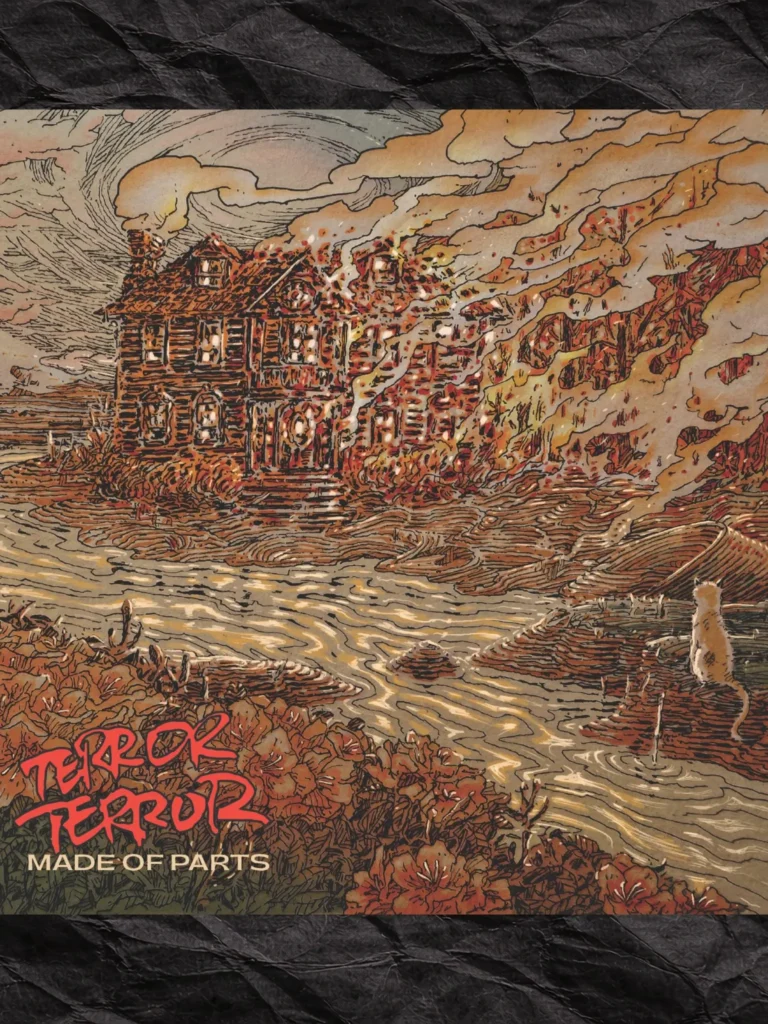
Terror Terror’s “Made of Parts” Is the Raw, Fresh Awakening 2026 Needs

I think I’ve been saying this all throughout my reviews, but I firmly believe that everything has been done in music already. It’s just a matter of being creative and what makes you stand out. That’s what Terror Terror did on their newest EP, ‘Made of Parts.’ Join me as I discuss this EP in length and read why this can make or break your musical palettes. The first track of the EP, titled ‘Rhododendron’, didn’t waste any time and went ahead and introduced that glorious guitar downstroke rhythm that feels like a wave of music created in the early to mid 90s but mixed and mastered with today’s technology. You can clearly hear the punk influence throughout the track. It’s raw, fuzzy, and just in your face.  What I specifically like about this track is the vocal progression because it’s not your typical melodical phrasing. No, no, no. The verses are spoken poetry that feels like captured from the times of Ramones and The Who, but with that modern twist. The chorus hook doesn’t really have a ‘hook line’ to it because it’s just an instrumental guitar line that indicates to us listeners that we are already in the chorus hook. Which is truly amazing and fresh for 2026.   ‘Dune Bug Death Safari,’ the second track of this EP, has a progressive melodical flow to it because in the verses, the guitar lead parts mimic the vocal melody of the track. This has the same attack in the chorus, but instead of one-note liners, the chorus hook has a moving chord progression that mimics the melody.  We are two tracks in, and from what I’m hearing, ‘Terror Terror’ is big on musical buildups. If you go back and listen to ‘Rhododendron’ and ‘Dune Bug Death Safari,’ you can hear and feel a buildup flow on the intro and on the latter part of the tracks.  If you look at it from a storytelling perspective, it builds character because it creates retention, and in a way, the songs moves itself from the stereotypical idea of what the songs are meant to be played. In other words, it’s a mixed bag of old school and new school catering to younger and older generations.  I hate having favorites, but if I were to recommend a track on this EP, it would be ‘Ugly Mountain.’ The track is what I call a ‘slow burn’. The buildup took a while to reach its defining peak, but when it did, it didn’t disappoint. This track is built around the suspended pentatonic scale, or what most musicians call egyptian scale, because of its namesake.  What I appreciate about it is its heavy influence on a track that I personally love, which is Minerva by Deftones. It has that draggy/psychedelic feel to it that feels like you’re floating in the air. What made it even more interesting is the beat change in the latter part. Watch out for that disco beat. It’s unconventional, but that builds character and identity, and I’m all for it.  And the last track of this EP, ‘Parts People’, is by far the most interesting track of the bunch because of its mixed influence from blues to garage to old school punk, and has a bit of that ethnic and psychedelic feel to it. It stood out because this track has a different character. I was anticipating all the build-ups and hooks that ‘Terror Terror’ was known for, but on this track, they threw them out the window.  Terror Terror’s, newest EP, ‘Made of Parts,’ from their namesake, was equally made of parts that are unconventional and raw. It stood as a great listen because of how fresh it was for 2026. Sure. You can say that it’s not everyone’s cup of tea, but that’s what art is. It’s made to question the very fabric of what music is, and besides, not everyone likes that same sound.  Follow Terror Terror Facebook Instagram Bandcamp Spotify Icon-music Promoted Content About the Author
Terror Terror’s “Made of Parts” Is the Raw, Fresh Awakening 2026 Needs Read More »