
loader image

New Music

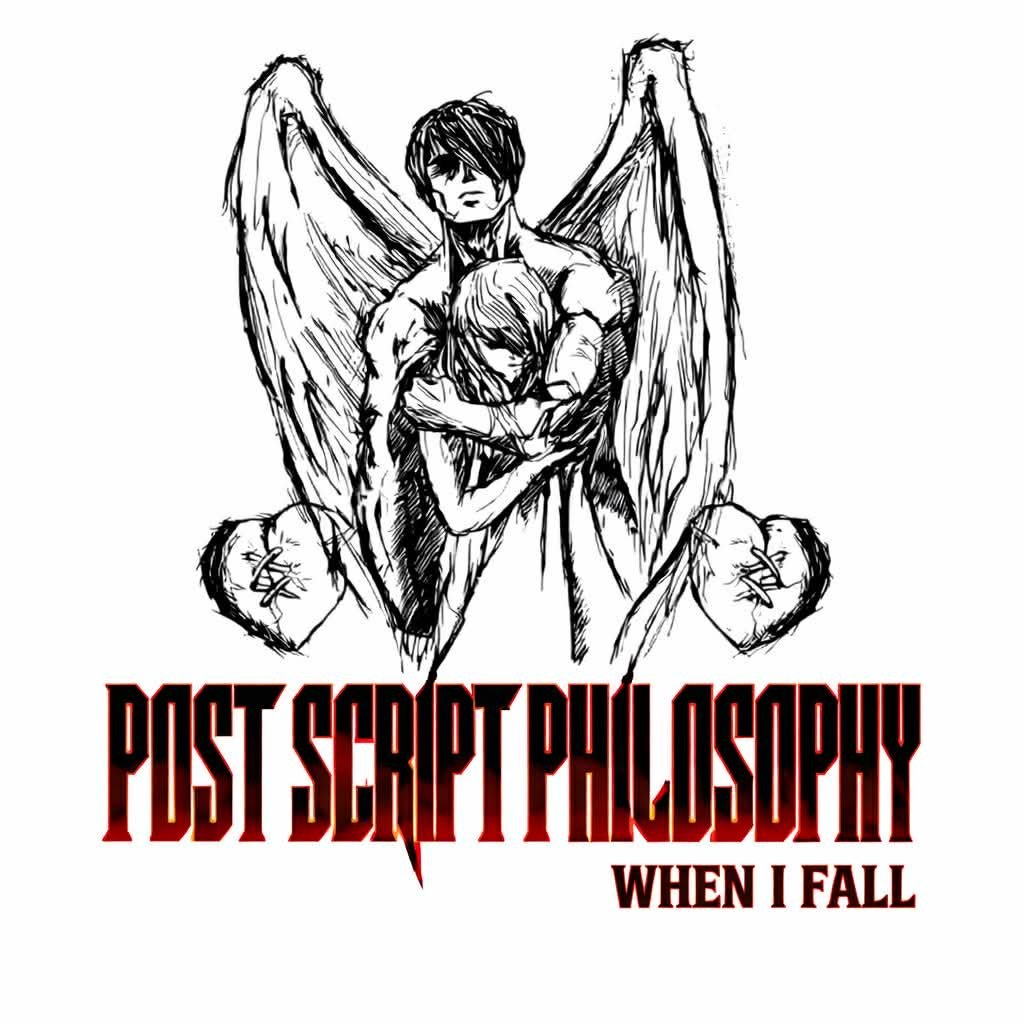
POST SCRIPT PHILOSOPHY DELIVERS A BLISTERING BLAST OF CATHARTIC NOISE ON ‘WHEN I FALL’

“A raw, throat-shredding explosion of post-hardcore angst that begs to be played at maximum volume.” A distortion pedal clicks on and suddenly you are standing in the middle of a crowded basement show. Post Script Philosophy does not bother with a polite introduction on “When I Fall,” opting instead to throw the listener straight into a churning vortex of post-hardcore grit. The opening riff feels thick and physical, carrying the kind of weighty momentum that rattles the floorboards and vibrates right through your chest. There is an immediate sense of urgency established by the driving drum patterns and the heavy, buzzing bassline that anchors the chaos. This is music that demands to be played at maximum volume, designed to overwhelm the senses and force a physical reaction. When the vocals tear through the wall of sound, they carry a ragged, throat-shredding intensity that immediately raises the stakes. The delivery is pure, unfiltered desperation, swinging wildly between a melodic plea and a strained, agonizing shout. Without needing to dissect every word, you can feel the precise shape of the grief being expressed, a frantic search for solid ground when everything else is collapsing. The vocalist pushes their range to the absolute limit, letting their voice fray and crack at the edges, which only makes the performance feel more vulnerable and human. It is the sound of someone pouring every ounce of their remaining energy into a microphone to see if anyone is listening. The production wisely refuses to polish away the rough edges, leaving the mix deliberately abrasive and wonderfully chaotic. The guitars roar with a dense, metallic crunch that feels indebted to the noisy, uncompromising ethos of the late Steve Albini, while the rhythm section hits with the frantic energy of classic emo records. Post Script Philosophy channels the same emotionally charged aggression found in the best work of bands like Title Fight or Touché Amoré, balancing overwhelming noise with an undercurrent of undeniable heartbreak. Every crash cymbal and distorted chord feels like a deliberate choice to amplify the raw emotion rather than obscure it. Around the two-minute mark, the arrangement exhales, dropping into a tense instrumental bridge that offers a brief, deceptive moment of relief. The guitars swirl and churn in the background, building a palpable sense of anxiety before the rhythm explodes into its final, catastrophic climax. This final minute is an absolute triumph of controlled chaos, layering the desperate screams over a relentless barrage of percussion and fuzz. You can feel the sheer exhaustion in the performance, the sense of a band leaving absolutely everything on the floor as the instrumentation races toward its abrupt conclusion. It is a thrilling, cathartic release that feels completely earned after the punishing buildup. Post Script Philosophy turns the darkest corners of human anxiety into a brilliant explosion of triumphant noise on “When I Fall.” They have created a monument to the power of screaming your lungs out in a dark room until you feel better, proving that volume can be the most effective form of therapy. The final note lingers long after the recording cuts out, leaving a ringing in your ears and a strange, comforting lightness in your chest. This is independent rock music at its absolute finest, messy and loud and beautifully alive.  Spotify

POST SCRIPT PHILOSOPHY DELIVERS A BLISTERING BLAST OF CATHARTIC NOISE ON ‘WHEN I FALL’ Read More »

DEF NETTLE DELIVERS A RIGID, CYNICAL EXERCISE IN DANCE-PUNK MINIMALISM

“On ‘Mohawk,’ veteran producer Glen Brady strips post-punk down to its functional, metronomic chassis.” Scores of disaffected men speaking over wiry guitars crowd the post-punk revival. Yard Act and Fontaines D.C. built a cottage industry out of this specific brand of cynical sprechgesang. Def Nettle, the project of veteran Irish producer Glen Brady, steps into this arena with “Mohawk.” He ignores the dour atmosphere of his contemporaries and embraces the rigid pulse of early 2000s dance-punk. Brady anchors the groove with a muffled bassline right out of the gate. He establishes a rigid tempo engineered for a cramped basement club. The band slices choppy, distorted guitars through the mix, providing an abrasive counterpoint to the metronomic drum kit. Brady pulls influence from the jagged funk of early LCD Soundsystem, prioritizing physical momentum over harmonic variation. The frontman adopts a baritone drawl that channels the late Mark E. Smith of The Fall. He delivers his observations with a detached, sardonic edge, treating his voice as a percussion instrument. He locks his syllables into the precise grid of the bass. During the chorus, he repeats the central hook with a deadpan weariness that strips the titular haircut of any remaining rebellious cachet. Brady risks making the arrangement feel static through his strict fixation on a monotonous groove. Listeners wanting a massive structural shift or a melodic bridge will find themselves staring at a brick wall. Yet, he generates a claustrophobic tension through that unyielding repetition. By refusing to offer a pop release valve, he makes the relentless rhythm infectious. Def Nettle succeeds by stripping his influences down to their functional chassis. Brady ignores the temptation to dress up his punk-funk hybrid with commercial studio gloss. He delivers a tight, abrasive exercise in rhythmic cynicism. Through these choices, Brady offers a sharp, unsentimental reminder that underneath the posturing, alternative culture remains another beat to dance to. Facebook Spotify

DEF NETTLE DELIVERS A RIGID, CYNICAL EXERCISE IN DANCE-PUNK MINIMALISM Read More »

JBNG AND DAVE MARTONE STRIP ALTERNATIVE ROCK TO ITS CLAUSTROPHOBIC CORE ON “MANY MOONS”

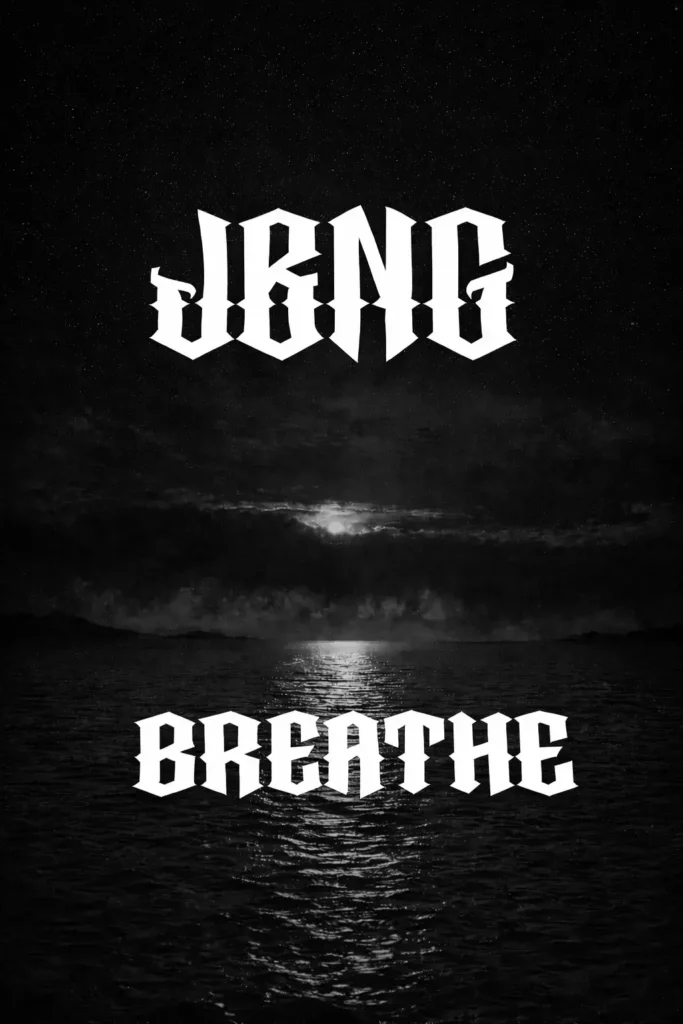
“Frontman Jaben John Groome enlists a Canadian guitar virtuoso to transform nineties angst into a suffocating, physical weight.” A jagged, downtuned guitar riff carves through the opening seconds of “Many Moons” before the rhythm section hammers it into submission. JBNG frontman Jaben John Groome made a shrewd calculation recruiting Canadian guitar veteran Dave Martone for this collision of post-grunge and alternative rock. Martone built his career playing alongside instrumental technicians, and he wields his instrument with a measured aggression that grounds the entire track. The guitarist hits the listener with thick, menacing compression, avoiding any risk of dated radio-rock pastiche. Groome shapes the distortion into a claustrophobic, deliberate weapon, turning nostalgic nineties angst into a precise physical weight. Groome barks his way through the verses with a gravelly strain that sounds exhausting and physical. He scrapes his voice against the heavy instrumentation, delivering lines about crawling on the ceiling and breaking his back with a ragged, desperate urgency. He draws from the legacy of alternative metal vocalists who trade technical perfection for raw, bleeding-throat endurance. The frontman pushes his own performance back in the mix, forcing the listener to work to catch every syllable. This mixing choice forces the vocals to fight for space against Martone’s massive riffs, mirroring the thematic focus on suffocation and losing one’s mind. Groome designs the chorus as a blunt-force pressure release valve. Martone stacks guitars into massive walls of sound while drummer Matt Koopman shifts into a pounding, relentless groove. Groome wails about going off the deep end, finding a massive hook hidden beneath the sludge. He avoids the typical loud-quiet-loud dynamic favored by his genre forebears, preferring to sustain a high-stress plateau from the first verse to the final chorus. Bassist Tim Charman drives a persistent throb beneath the chaos, maintaining the momentum even when the vocal melody threatens to drag the track into a doom-metal trudge. In the final thirty seconds, the band cuts the massive rock arrangement to dead air, leaving behind a historical piece of NASA launch audio. A mission control voice announces main engine ignition and liftoff over fading static. Producers have dropped space-race samples into heavy music for decades, but Groome deploys his to punctuate themes of escapism and explosive departure. He uses the sterile archival recording to provide a sharp contrast to the sweat and grime of the past three minutes. This aesthetic pivot frames the aggressive performance as a desperate attempt to achieve escape velocity.“Many Moons” demands attention through sheer force. The musicians offer a bruising reminder that heavy guitars and shredded vocal chords possess a brutal effectiveness when applied with precision. Groome and Martone strip away modern pop-rock gloss, leaving nothing but bone, grit, and feedback. They execute their vision with ruthless efficiency, proving that the best way to handle overwhelming anxiety is to drown it out with volume. The band leaves a mark after the final rocket engines fade.  Facebook Spotify

JBNG AND DAVE MARTONE STRIP ALTERNATIVE ROCK TO ITS CLAUSTROPHOBIC CORE ON “MANY MOONS” Read More »

LOVE GHOST TRADES EMO ANGST FOR INDUSTRIAL AGGRESSION ON THE CATHARTIC ‘REVOLUTION EVOLUTION’

“A brutal pivot to mechanical heavy rock finds Finnegan Bell embracing pure kinetic energy and apocalyptic tropes.” Love Ghost built their early catalog in the hazy intersection of emo and trap rock. On their upcoming Anarchy and Ashes release, frontman Finnegan Bell forces a brutal collision with 1990s industrial rock. He recruits veteran producer Tim Skold to drag the band into mechanical, hostile territory. With ‘Revolution Evolution,’ the group abandons their previous adolescent angst for rigid, militaristic aggression. Bell trades emotional vulnerability for a clenched fist. Skold leaves his unmistakable fingerprints across the entire mix. He opens the arrangement with a punishing, mechanized drum loop pulled from the Antichrist Superstar sessions of Marilyn Manson. Bell deploys guitars as blunt instruments of force. The musicians lock the riffs into a rigid groove alongside the distorted bassline. The frontman sheds his standard melodic elasticity and adopts a chanted, deadpan bark to mimic a rally leader shouting through a megaphone. Skold programs abrasive synthesizers to screech in the background and simulate screaming sirens. Bell constructs the lyrics using apocalyptic, riot-ready tropes. He connects fragmented observations of societal decay. The frontman highlights ‘helicopters in the sky’ and declares ‘this is surveillance’ over the pounding rhythm. He positions himself as a cynical spectator watching the collapse of modern order. He references ‘Jesus Christ on skid row’ and ‘apes on a stage’ to paint a bleak picture. By abandoning traditional narrative cohesion, Bell builds an aggressive mood board of urban dystopia. The singer uses the repetitive chorus demand to ‘Behold the evolution’ to mount a theatrical performance of rebellion. Love Ghost invites immediate comparison to Nine Inch Nails or Ministry by adopting their established industrial playbook. The band mimics the aggressive aesthetic markers of those titans, yet Bell omits their specific brand of underlying psychological terror. He deploys anger as a deliberate stylistic choice. The frontman chants ‘We march onto the riot’ to encourage massive arena singalongs. The group treats political unrest as an aesthetic posture.Skold gives Love Ghost their sharpest and clearest audio profile. They deliver a massive, cathartic rock anthem with absolute conviction and maximum volume. The band manufactures the rebellion from scratch, but the musicians execute the illusion with convincing force. Love Ghost masters the heavy machinery. Bell batters the audience into submission through pure kinetic energy.  Facebook Spotify

LOVE GHOST TRADES EMO ANGST FOR INDUSTRIAL AGGRESSION ON THE CATHARTIC ‘REVOLUTION EVOLUTION’ Read More »

Sid Is About Navigating Identity and Perspective

Some debut albums arrive like a statement. Others arrive like a question that hasn’t quite decided what it’s asking yet. Sid, the debut English-language album from Dian Sheng, sits comfortably in the second category, carrying ideas about identity, culture, and self-understanding without rushing to pin any of them down. Sheng builds Sid like a conversation that keeps drifting into new rooms. Not abruptly, not for the sake of showing range, but because that’s just how thoughts work when you’re trying to figure something out. The album exists in that liminal space between clarity and uncertainty, where identity isn’t declared so much as slowly assembled. Musically, Sid moves like it’s refusing to sit still long enough to be labeled properly. Pop, rock, electronic, jazz; they’re all here. It’s closer to the sound of someone following a feeling and letting the genre catch up later. The result is cohesive without being rigid, varied without feeling like it’s trying to impress you for points. There’s a quiet confidence baked into that. Not the loud, debut-album confidence of “this is exactly who I am,” but the more interesting version: “this is who I might be, give me a minute.” Sid isn’t racing toward a conclusion; it’s wandering, deliberately, between ideas and versions of the self and crucially, it knows that wandering is the point. “Right Now” opens the album without making a scene about it. No dramatic entrance, no oversized hook demanding attention; just a clean, guitar-led structure that feels grounded enough to stand on its own. It’s doing something deceptively simple: establishing trust. It lets Sheng’s melodic instincts speak first, without clutter, and sets the tone for an album that’s more interested in unfolding than announcing. “I Come From Far” is where things start to stretch out a bit. The arrangement opens, the emotional scope widens, and suddenly the album feels like it has somewhere to go; even if it’s not entirely sure where that is yet. There’s a sense of movement baked into the track, like it’s constantly in transit, never fully landing. It doesn’t try to resolve the idea of belonging; it just keeps orbiting it, which ends up feeling more honest anyway. “Undecided Love” is where Sid leans into hesitation as an actual aesthetic choice. The jazz influence slows everything down; not just musically, but emotionally. Notes linger, phrases stretch, and nothing rushes toward a neat conclusion. It’s a song that seems actively uninterested in giving you a clear answer, which is exactly why it works. It sits in that uncomfortable middle space and just stays there, letting the ambiguity do the heavy lifting. “It Will Be Alright” sounds like reassurance on paper, but in practice it’s more like reassurance being carefully assembled in real time. The structure leans more toward pop, but there’s still that slight hesitation underneath it, like the song is testing its own optimism before fully committing. It doesn’t oversell the feeling; it lets it exist, a little tentative, which makes it land more naturally. “Seventeen” shifts the album into motion. Suddenly there’s energy, momentum, something closer to forward drive. The electronic textures add urgency, the melody pushes outward, and the whole track feels like it’s happening in the present tense. There’s a hint of retro influence, sure, but it doesn’t feel like nostalgia. It feels immediate, like the song is less about remembering youth and more about being stuck right in the middle of it. “This Life” pulls things back, but not into stillness; more into reflection with a wider lens. The arrangement builds gradually, layering ideas instead of stacking them, giving the track a sense of progression that feels earned rather than imposed. It holds multiple perspectives at once without forcing them into alignment, which makes it feel expansive without losing focus. “The Way Before” is where the album really leans into its conceptual side. The pacing slows just enough to let the ideas breathe, and the arrangement follows suit; more organic, more textured, less concerned with momentum. It treats memory like something unstable, something that shifts depending on how you look at it. Not a fixed archive, but an ongoing rewrite. It’s the kind of track that doesn’t just revisit the past, it questions whether revisiting it even works the way we think it does. “Shining As Your Name” closes the album by doing something that feels almost radical in its restraint: it doesn’t try to be a finale. The arrangement strips back, the focus narrows, and the song settles into a quieter space. It feels less like an ending and more like a pause; a moment where the album stops asking questions out loud, not because they’ve been answered, but because they’ve been asked enough for now. At its core, Sid is about navigation; of identity, of perspective, of the strange, ongoing process of figuring out where you exist in relation to everything else. Sheng doesn’t present those ideas as fixed conclusions; he treats them as moving parts, constantly shifting and recontextualizing themselves. And rather than trying to resolve that uncertainty, the album leans into it, letting the listener sit in that space where things are still forming. Follow Dian Sheng Facebook X-twitter Spotify Soundcloud Youtube Instagram Promoted Content About the Author

Sid Is About Navigating Identity and Perspective Read More »

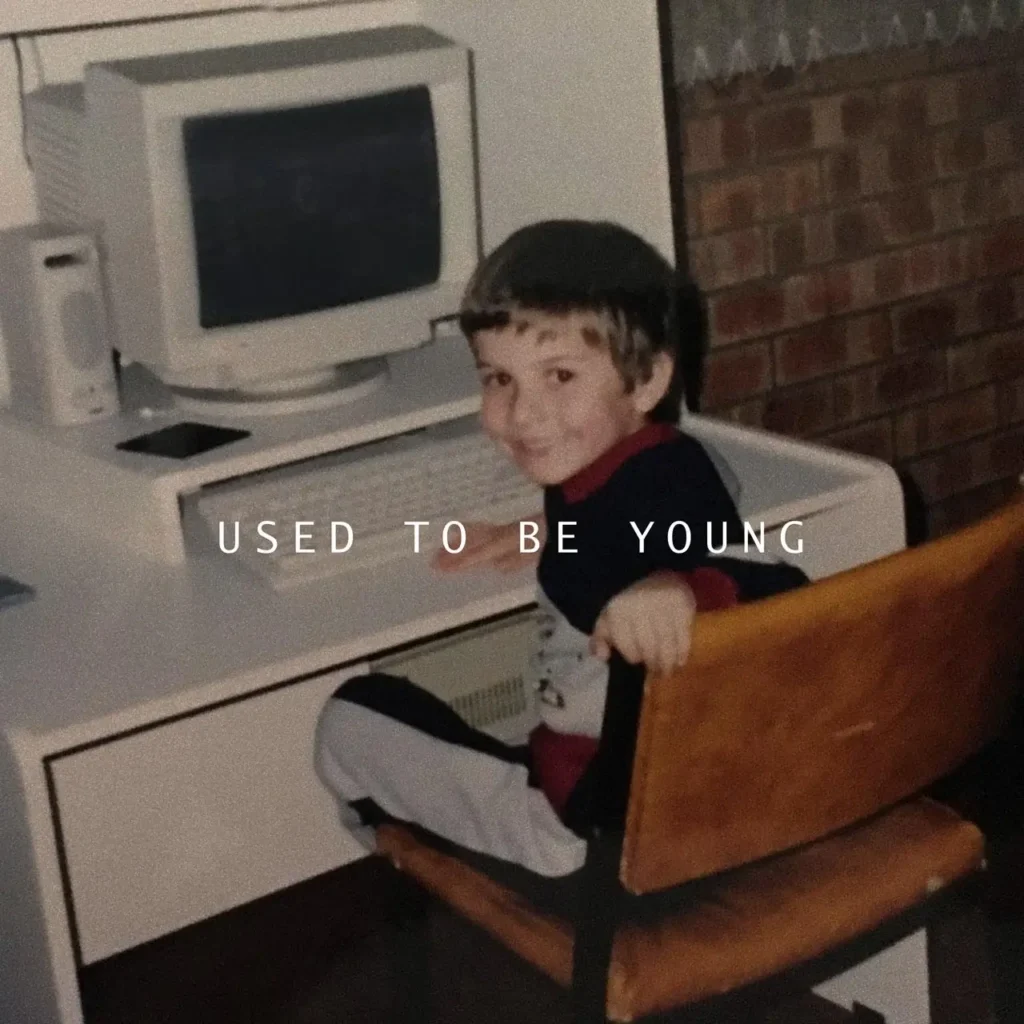
“Used to Be Young” Is Reflective Without Becoming Melodramatic, Nostalgic Without Getting Stuck in the Past

There are two ways to cover a pop song. The first is the karaoke method: sing it more or less the same way, hit the big notes, maybe add one dramatic key change if you’re feeling ambitious. The second is the slightly more interesting approach, where you take the song apart, look at what it’s actually about, and then rebuild it so it sounds like something you might have written yourself. Philip La Rosa’s version of “Used To Be Young” is firmly in the second category. Originally recorded by Miley Cyrus, the song already arrives with a built-in sense of nostalgia. It’s a reflective pop ballad about youth, mistakes and the strange realization that the person you used to be is technically a different person who made a lot of questionable decisions back then. La Rosa’s version leans into that reflective energy even further, positioning the track as a natural continuation of the themes he explored in his previous single, “Introspection.” Rather than treating the song like a standalone cover, he approaches it like the next chapter in an ongoing conversation about growth and self-reflection. Recorded in Perth, Western Australia, the production pulls back from the polished pop gloss of the original and moves toward something softer and moodier. The arrangement drifts into an 80s-leaning new-wave space; think shimmering synths, hazy guitars and a rhythm section that feels like it wandered out of a very emotional late-night radio broadcast. It lands somewhere between the rock-edged pop of Cyrus’ Plastic Hearts era and the warmer, reflective atmosphere of Endless Summer Vacation. The result is a sound that feels nostalgic without turning into a full retro cosplay. What really sells the cover, though, is the performance. Instead of trying to replicate Cyrus’ delivery, La Rosa opts for something quieter and more conversational. The lyrics land less like a stadium-sized pop confession and more like someone reading an old journal entry out loud and realizing halfway through that it still hits a little harder than expected. That shift in tone changes the emotional center of the song. In that sense, “Used To Be Young” fits neatly into Philip La Rosa’s growing catalog. It’s reflective without becoming melodramatic, nostalgic without getting stuck in the past. By filtering a familiar song through his own perspective, La Rosa turns the track into something quietly universal because sometimes looking back isn’t about regret; sometimes it’s just about noticing how far you’ve traveled. Follow Philip La Rosa Globe Facebook X-twitter Spotify Soundcloud Youtube Instagram Tiktok Promoted Content About the Author

“Used to Be Young” Is Reflective Without Becoming Melodramatic, Nostalgic Without Getting Stuck in the Past Read More »

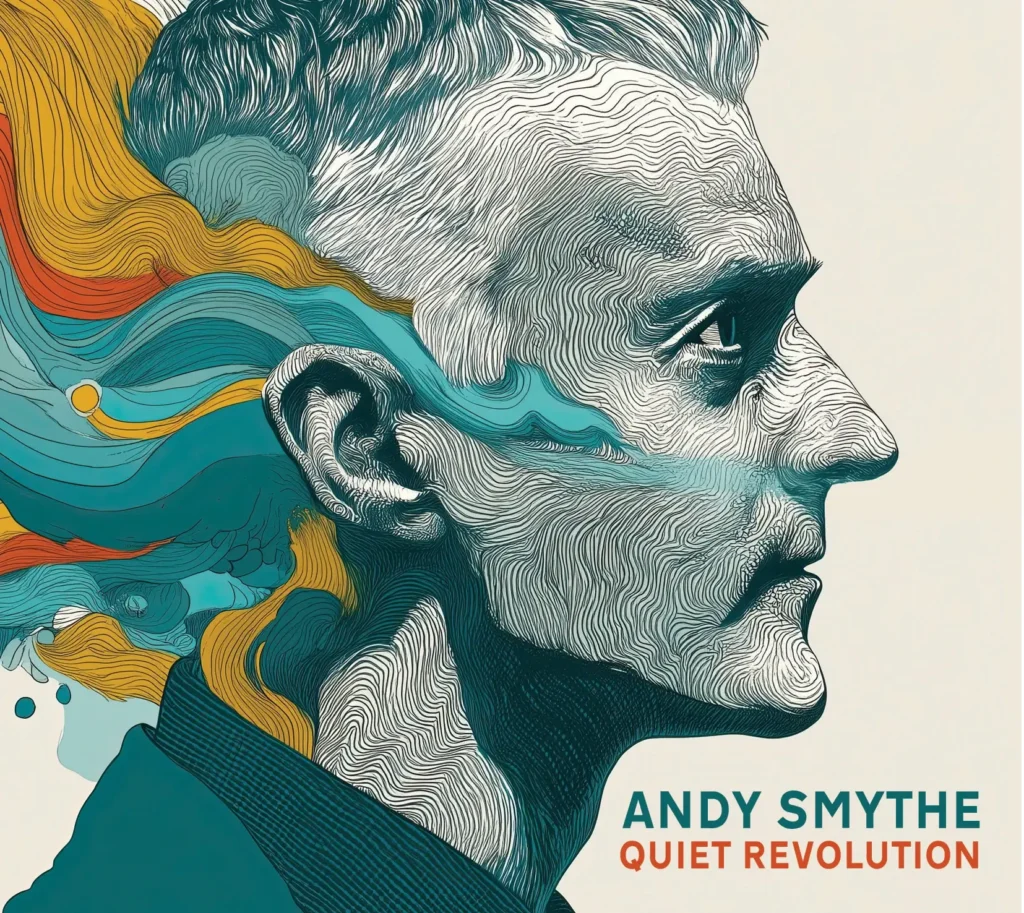
The Emotional Tone of the Stories Being Told and That Attention to Detail Is What Ultimately Makes Quiet Revolution Great

There are two kinds of protest albums. The first kind are loud about it. You know the type: guitars turned up, slogans shouted directly at the nearest microphone, maybe a chorus that feels designed specifically for chanting at a demonstration. They’re not subtle, but that’s sort of the point.The second kind are quieter. Reflective. The sort of records that don’t so much shout about injustice as stare at it for a long time and then write something thoughtful, sometimes angry, sometimes sad and all of it really more about how strange the world has become. Andy Smythe’s Quiet Revolution very clearly belongs to the second category.  This is Smythe’s ninth studio album, which is the sort of fact that tells you two things immediately. First, this is not a new artist suddenly discovering songwriting as a vehicle for social commentary. Second, he’s been doing this long enough to have figured out exactly how he wants his records to sound. His influences are pretty clear: stuff from Nick Drake, Leonard Cohen, Bob Dylan and the Lennon/McCartney songwriting tradition all hover somewhere in the background, but Quiet Revolution doesn’t feel like a nostalgia exercise. Instead, it plays more like a carefully constructed snapshot of a particular moment in time: specifically, the strange political and cultural atmosphere of our current days. The album opens with “Life of a Man” and it immediately establishes the record’s central tension. Musically it’s warm and almost laid-back; a shuffle supported by horns and harmonica, but lyrically it’s sharp and observant. Smythe writes about generational pressure, social expectations and the uneasy feeling that the rules of modern life don’t quite make sense anymore and that sense of quiet frustration becomes a recurring theme. The album’s title, Quiet Revolution, is less about literal revolution and more about the emotional state of someone watching the world drift toward increasing inequality and wondering how we got here. Smythe’s songs circle around issues like the concentration of wealth, social fragmentation and the gradual erosion of civic ideals but he rarely addresses them directly. Instead, he frames them through stories, relationships, and personal reflections. Take “Love Ain’t Free.” On the surface it’s a relationship song, but underneath it’s clearly grappling with the fallout from Brexit, not through political slogans but through the emotional confusion that followed it. The arrangement wraps the song in acoustic guitar, fiddle, and layered vocals, while Smythe poses a simple but pointed question: “Whatever happened to liberty, free speech and dignity?” It’s protest music, but filtered through introspection. Musically the album moves through a surprising range of textures. Smythe is a multi-instrumentalist. He’s playing guitars, piano, bass, organ, harmonica and that flexibility shows up in the arrangements. Across the record you’ll hear strings, trumpet, saxophone, fiddle, and various acoustic instruments weaving together into something that occasionally resembles a small folk orchestra. At times the album even feels slightly theatrical, unfolding more like a musical narrative than a straightforward collection of songs. There are moments that recall the ambitious studio experimentation of late-60s records; the kind of sprawling conceptual thinking associated with albums like Sgt. Pepper’s Lonely Hearts Band. That theatrical quality becomes especially clear in the way Smythe uses his voice. The contrast makes the album feel like it’s moving through different characters or perspectives. One of the more striking songs is “Half Empty, Half Full.” The track begins sparsely before the full band enters about a minute in, adding weight to Smythe’s lyrics about resilience and perception. A trumpet line drifts through the arrangement, giving the song a slightly Waterboys-like sense of grandeur. Meanwhile “The Rage In Me” introduces a darker, more percussive atmosphere. It’s one of the album’s angrier moments, though even here the anger feels measured rather than full-on explosive.  Elsewhere, Smythe experiments with lighter tonal shifts. “Leviathan,” for example, incorporates a subtle ska rhythm, which adds a surprising sense of optimism to a song otherwise concerned with large-scale societal problems.  The album’s central identity remains consistent: thoughtful, observant songwriting supported by carefully crafted arrangements. Smythe clearly spends time shaping the musical environment around each lyric, making sure the instrumentation reflects the emotional tone of the stories being told and that attention to detail is what ultimately makes Quiet Revolution great. This isn’t a protest album that tries to overwhelm the listener with anger. Instead, it’s a record that captures the feeling of living through uncertain times; the frustration, the disbelief, the occasional flashes of hope.  Smythe doesn’t present himself as a revolutionary leader. If anything, he comes across more like an observer standing slightly to the side of the crowd, quietly documenting what he sees which, in the end, may be exactly what the title was suggesting all along. Follow Andy Smythe Globe Facebook Twitter Spotify Soundcloud Bandcamp Youtube Instagram Promoted Content About the Author

The Emotional Tone of the Stories Being Told and That Attention to Detail Is What Ultimately Makes Quiet Revolution Great Read More »

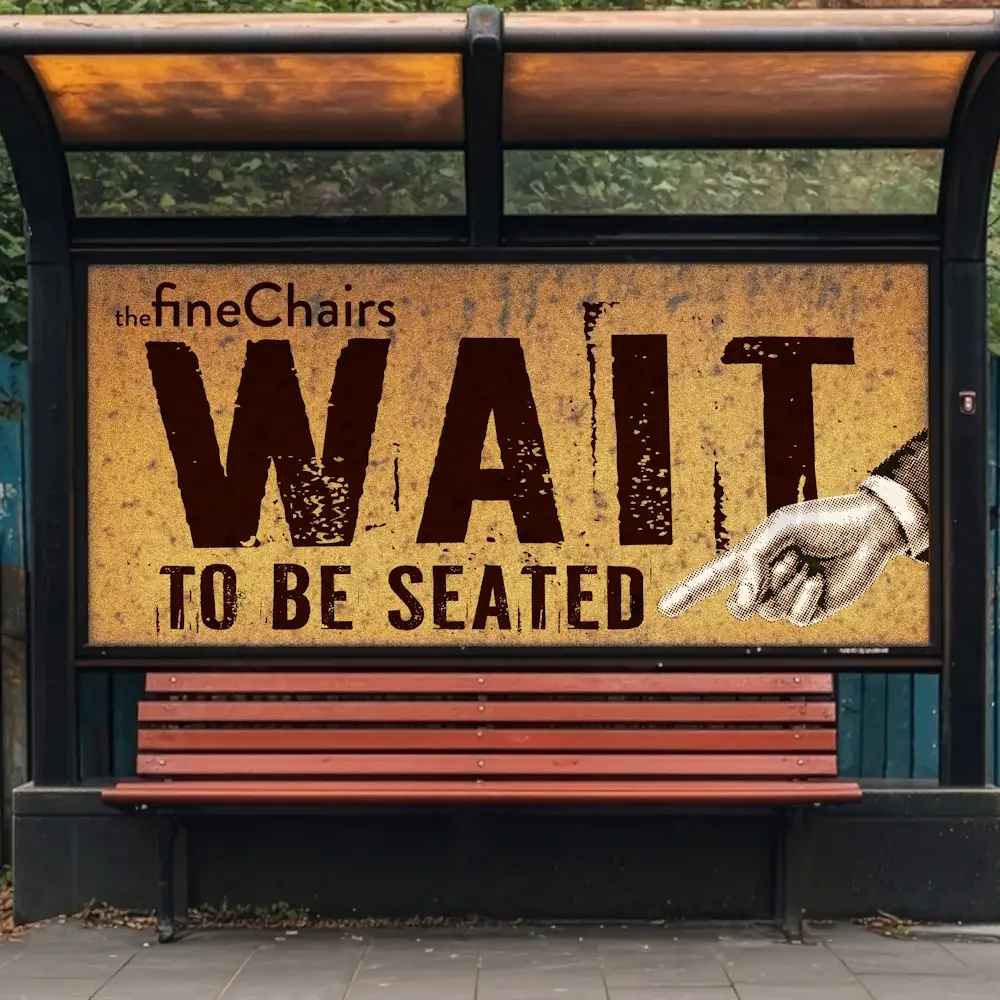
Wait to Be Seated Ultimately Proves Is Something Garage Rock Has Probably Known All Along but Rarely States Out Loud: Toughness and Tenderness Are Not Opposites

Rock music has always come with a very specific aesthetic package. You know the one: leather jackets, hair that suggests a long-running disagreement with scissors, guitars that sound like someone plugged a chainsaw into a thunderstorm. The cultural message is clear. This is Serious Guy Music. Feelings are allowed, but only if they’re screamed through an amplifier loud enough to frighten nearby wildlife. Wait To Be Seated by The Fine Chairs feels a little like discovering that the intimidating biker at the bar also writes extremely heartfelt poetry about the moon. Not in a mocking way; more in the sense that you suddenly realize the leather jacket was never meant to hide the feelings. It was meant to survive them. Garage rock, historically speaking, has a reputation. It’s supposed to be rough, loud, a little greasy around the edges. It’s the musical equivalent of gasoline fumes and cheap beer. It’s a genre that communicates primarily through momentum: distorted guitars, pounding drums, and the vague sense that someone in the band has just kicked over a chair for emphasis. What it’s not usually known for is emotional vulnerability. That tends to get filed under “other genres.” And yet Wait To Be Seated basically runs on the collision between those two things. On one side, the album delivers exactly the kind of garage-rock energy you’d expect. The guitars snarl, the rhythm section stomps forward like it’s late for a bar fight, and the whole production has that warm, slightly scuffed texture that makes everything feel immediate. It’s loud in the satisfying way; not just noise, but noise with momentum. On the other side, the lyrics are weirdly, almost disarmingly honest. Not in a melodramatic way, but in the way someone might admit something personal while staring very hard at the floor. The band isn’t abandoning the swagger of rock music, but they’re definitely letting some sunlight into the emotional basement. And the interesting thing is that the album manages to keep that balance across twelve tracks without collapsing into repetition, which is honestly harder than it sounds. A lot of albums in this lane start strong and then, around track five or six, you begin to notice that the songs are quietly turning into slightly different versions of the same idea. Here, though, the band keeps shifting the angle. One moment it’s full-throttle garage rock; the next it’s drifting into something more reflective, then back again like someone alternating between yelling into the void and calmly contemplating the void’s interior decorating choices. The opening track, “Half The Truth,” kicks the door down immediately. Overdriven guitars, a thick retro crunch, and a rhythm section that feels less like accompaniment and more like structural reinforcement. It’s the sort of song that makes you instinctively grab an imaginary guitar and perform a dramatic solo in front of the mirror, which is frankly one of the highest compliments a rock song can receive. “Strength And Hope” takes a slightly different approach. The guitars sound intentionally loose, almost drifting, which creates this oddly warm sense of optimism. It’s the musical equivalent of that moment when you know you probably should be doing something productive, but instead you’re halfway through dancing around the room for no reason. The track leans into that mood: light, slightly hazy, and surprisingly infectious. Then there’s “It’s Not What We’d Call Heaven,” which functions as the emotional centerpiece of the album. The song throws gritty rock textures and romantic vulnerability into the same space and just lets them collide. Somewhere in the middle there’s a soaring guitar solo that feels like the bridge between the messy and the idealized, holding them together for a few glorious minutes. “Something Wrong” pulls the tension back a bit and introduces a lighter tone. There’s an indie-rock looseness here, with a faint Eastern flavor woven into the arrangement. It feels like late evening, when work technically still exists but nobody is particularly committed to acknowledging that fact. “Time Is Right” scales things up again. Big guitars, big momentum, big feelings about the future. It’s a song that believes very strongly in forward motion; dreams moving quickly enough that slowing down would feel like defeat. “In Beauty And In Grace” takes the shape of a rock ballad, but it refuses to stay entirely gentle. The melody floats along pleasantly before the guitars remind you that softness, in this band’s world, usually arrives with a small dose of bite. Later tracks like “Rain In My Face” and “Through Empty Space” stretch the atmosphere even further. The former slows everything down into something reflective and slightly roguish, while the latter drifts into a kind of cosmic scale; voices dissolving into the mix, guitars flickering like distant signals from Earth. Wait To Be Seated by The Fine Chairs By the time the closing track, “Feet Upon My Shoes,” arrives, the band seems determined to end the album the way it began: loud, raw, and absolutely convinced that the guitar is still one of humanity’s most effective emotional translation devices. What Wait To Be Seated ultimately proves is something garage rock has probably known all along but rarely states out loud: toughness and tenderness are not opposites. The leather jackets, the distortion, the swagger; it’s all just decoration around a very human core. Underneath the noise, the heart is beating very loudly. And in this case, The Fine Chairs are kind enough to let you hear it. Follow The Fine Chairs Globe Facebook Bandcamp Promoted Content About the Author

Wait to Be Seated Ultimately Proves Is Something Garage Rock Has Probably Known All Along but Rarely States Out Loud: Toughness and Tenderness Are Not Opposites Read More »

Ricky Earlywine Serves Up Hazy, Autotuned Anxiety on an Exercise in Metallic Detachment

“The independent artist leans into the nocturnal shadows of modern trap-soul, trading raw emotion for a numb, atmospheric crawl.” Independent artist Ricky Earlywine enters the fray with “move like this,” a woozy slice of alternative R&B that weaponizes detachment. Rather than offering a booming introduction, he kind of slips in through the back door and trades traditional pop structures for a metallic, heavily processed croon. It also operates as an exercise in suspension that locks the listener in a holding pattern of murky synths and rattling hi-hats that mirror the hazy, late-night hedonism of his contemporaries. The production of this track anchors itself in a slow-crawling trap framework that is completely drenched in reverb and low-end distortion. Earlywine’s voice is pushed to its absolute digital limits and utilizing Auto-Tune not as a corrective tool, but as a textural instrument to project a robotic, numbed emotional state. This specific brand of melancholic distortion owes a clear debt to the late-night paranoia of PartyNextDoor, substituting raw vocal power for an eerie, synthesized atmosphere that feels delightfully unplaceable. Beneath the aquatic vocal mixing, Earlywine mutters about needing a fresh start and a clean slate, attempting to outrun his own shadow. The central hook is a repetitive, deadpan flex of how he chooses to move. It operates like a superficial band-aid over obvious anxieties. It kind of reads as a bold statement of self-possession that quickly cracks that reveals a narrator desperately trying to convince himself that shedding the past is as easy as changing his swagger. For all its moody allure, I’d say the track occasionally struggles under the weight of its own lethargy. By clinging so fiercely to its cloud rap influences and nocturnal aesthetic, it somehow flirts dangerously with the monotonous drone that plagues so much of the modern underground. The lack of distinct structural shifts or percussive switch-ups leaves the middle portion feeling rather stagnant. It requires the listener to accept the track as a pure vibe rather than a dynamic composition. Earlywine heavily relies on his aesthetic, and while it mostly lands, it leaves little room to gauge his actual lyrical acuity. Still, Earlywine is serving up enough darkness and anxiety to mark himself as an artist with undeniable potential. He does understand how to curate a specific and toxic frequency that fits perfectly into the rotation of a winter of yearning and discontent. Much like the slippery, melodic trap-soul pioneered by Don Toliver. If he can sharpen his pen and introduce a bit more friction to his ambient soundscapes, I totally believe his next outing could easily transcend the underground shadows he currently calls home. Follow Ricky Earlywine Spotify Soundcloud Instagram Tiktok Promoted Content About the Author

Ricky Earlywine Serves Up Hazy, Autotuned Anxiety on an Exercise in Metallic Detachment Read More »

New Music Radar Featuring: Nia Akins, Erode The Dream, and Sorry for Interrupting

NIA AKINS’ ‘LEAN’ IS A BRUISED, BIBLICAL PLEA DISGUISED AS AN ARENA-READY INDIE POP BANGER “Independent artist Nia Akins swings for the fences, pairing heavy lyrical codependency with radio-friendly production that mostly sticks the landing.” To promise a massive, festival-ready anthem as an independent artist requires a special kind of ballsy gumption, but that’s exactly what Nia Akins sets out to do on ‘lean’. In an era where detached irony often rules the charts, Akins serves up bruised, earnest desperation. The arrangement might present itself as an accessible, radio-friendly banger, but the underlying anxiety unpicks the bright surface right from the jump. She questions where she stands under “skies that are not blue,” immediately establishing a mood of exhaustion that carries through the entire runtime. It feels undeniably raw, but polished enough to suggest Akins has her sights set far beyond the underground. Thematically, the single tackles the messy reality of co-dependency, anchoring its toxic romance in biblical and architectural metaphors. Akins doesn’t just want a shoulder to cry on; she requires a foundational support system. “If I’m careful not too careful like Samson,” she croons, leaning on the mythological strongman to illustrate the danger of her own crumbling restraint. The lyrical choices occasionally border on heavy-handed—referring to a partner as a “pillar” and “firm as a rock” isn’t exactly breaking new metaphorical ground. Yet, she delivers lines like “dancing on the edge of severance” with enough teeth to make the cliché feel urgent rather than lazy. The production throws us back to the mid-2010s boom of grand, stomping indie pop. Upbeat, driving drum tracks clash against melancholic chord progressions, creating a nervous energy that perfectly mirrors the lyrical panic. It owes a noticeable debt to the organic-meets-electronic sensibilities popularized by artists like Maggie Rogers, blending what sounds like acoustic roots with synthetic, swelling strings. Those orchestral touches provide an artificial but necessary grandeur, elevating a simple plea for help into a high-stakes dramatic monologue. Even when the instrumental threatens to swallow her whole, the mix smartly keeps the focus tight on the vocals. It is precisely that vocal delivery that stops ‘lean’ from fading into the background of a generic streaming playlist. Akins possesses a sharp, strained rasp that cuts cleanly through the swelling instrumentation. Where a stadium-sized contemporary like Florence + The Machine might tackle these same themes with full-throated, unadulterated wailing, Akins opts for something more grounded and fatigued. When she begs to “stay, come home and just lean right on,” she genuinely sounds like someone who has been running on empty for too long. This authentic exhaustion sells the narrative completely, turning a solid pop hook into a moment of genuine vulnerability. While it might lack the avant-garde strangeness of a Weyes Blood record, ‘lean’ makes no apologies for its straightforward, open-hearted ambition. Akins has delivered a solid slab of modern pop that uses its frantic pacing to mask a surprisingly dark core. Is it a paradigm-shifting classic? Time will tell, but it demonstrates the potential of a fiercely independent artist who knows exactly how to manipulate tension and release. For now, it stands as a sharply executed, slightly toxic ode to needing someone else to hold up the sky—and proves Akins is more than capable of shouldering the weight of her own career. Facebook Spotify ERODE THE DREAM – ‘BLUE’ REVIEW: A GRUELING, UNAPOLOGETIC DESCENT INTO 90S-INDEBTED SLUDGE “The independent outfit’s latest offering requires patience, rewarding the brave with ear-bleeding volume and toxic melancholy.” To release a six-minute dirge that opens with literal crickets and a mumbled studio check requires a special kind of ballsy gumption, but that is exactly how independent artist Erode The Dream introduces ‘Blue’. In an era defined by micro-trends and algorithm-optimized hooks, this project feels entirely detached from the modern hype cycle, opting instead to wallow in a suffocating collision of slowcore misery and abrasive volume. The acoustic preamble suggests an intimate, almost voyeuristic setting, lulling the listener into a false sense of security before the bottom drops out and we are plunged into a swamp of detuned guitars and creeping anxiety. The initial architecture of ‘Blue’ relies on a plodding, skeletal bassline and tense percussion that directly recalls the creeping dread of Slint’s post-hardcore milestone Spiderland. Erode The Dream refuses to rush, letting the negative space do as much heavy lifting as the instruments. When the vocals finally arrive, they are strained, agonizing, and dripping with a harsh, toxic melancholy. The frontman drawls about being trapped in ‘deep silence’ and ‘the top of my bed,’ dragging the syllables through the mud. It actively resists conventional melody, leaning instead into a churning noise rock sludge that feels dangerously close to collapsing under its own weight. The fragmented lines we can decipher unpick a darkness rooted in profound physical disassociation and self-loathing. The confession ‘I don’t like me forever’ lands with a sick, heavy thud, while observations about ‘the color of my face, the texture of my skin’ bristle with the nervous energy of someone climbing the walls of their own mind. Then comes the genuine sonic curveball. Around the three-minute mark, the gloom is interrupted by a bizarre, hallucinatory invocation: ‘Awake, shake dreams from your hair.’ Lifting Jim Morrison’s posthumous spoken-word poetry from The Doors’ 1978 release An American Prayer and dropping it into a sludgy 2026 purgatory is a risky move, but it adds an occult weirdness to the track’s spiraling despair. That poetic hallucination acts as the ignition switch for the track’s feral back half. ‘Blue’ abandons its creeping pace and erupts into a chaotic, cymbals-crashing squall of shoegaze textures and violently distorted guitars. It is overwhelming, suffocating, and brutally loud. The Facebook Spotify A RAW, SCRAPPY FOLK-PUNK CONFESSIONAL THAT LEANS INTO ITS OWN BROKENNESS “Independent outfit Sorry for Interrupting delivers a jittery burst of acoustic angst on ‘Closer 2’, finding jagged beauty in lo-fi imperfections and frantic strumming.” Doing a revolution with nothing more than a battered acoustic guitar and a strained vocal cord requires a

New Music Radar Featuring: Nia Akins, Erode The Dream, and Sorry for Interrupting Read More »