
loader image

New Music

New Music Radar Featuring: Grid Theory, Last Second Dropout, and Illumination Road

GRID THEORY DELIVERS A BRUTAL, NOSTALGIC SLAB OF MID-2010S ANGST ON ‘THE BEAUTI OF DECAY’ “With throat-shredding vocals and brickwalled production, this independent release trades technical polish for pure, unadulterated emotional warfare.” To promise a devastating emotional release in a debut single requires a special kind of ballsy gumption, but that’s exactly what independent artist Grid Theory sets out for on ‘The Beauti of Decay’. In an era where alternative rock often smooths its edges for TikTok virality, this release feels aggressively out of step—and intentionally so. It throws us violently back to the mid-2010s metalcore boom, operating entirely on nostalgia, angst, and pure adrenaline. The spelling error in the title might suggest a lack of polish, but make no mistake: this is a calculated dose of aggression that knows exactly which bleeding-heart buttons to push. Getting old-school with the production is a good start, though it comes with caveats. The mix is a direct casualty of the loudness war, brickwalled to the point where the cymbals threaten to swallow the entire frequency spectrum. But perhaps that claustrophobia is the point. Discordant, dark strings and atmospheric synths hum beneath a relentless barrage of low-tuned, percussive guitar riffs and machine-gun double bass drumming. It’s an abrasive wall of sound that leaves absolutely no room to breathe, forcing the listener into a corner before the inevitable breakdown collapses the floor entirely. Whether ‘The Beauti of Decay’ signals the arrival of a major new player in the post-hardcore scene remains to be seen. It certainly doesn’t feel like it will create a cultural phenomenon or entirely shift the genre’s current trajectory. What it does offer, however, is a solid slab of heavy music from an artist with no other choice but to scream their lungs out. Time will tell if Grid Theory can refine their edges without losing their bite. At the very least, they have delivered a delightfully harsh, unapologetic record perfectly tuned for a winter of yearning and discontent. Facebook Spotify LAST SECOND DROPOUT SERVE UP RAW, UNFILTERED 2000S ANGST ON ‘APATHY’ “The independent artist trades pristine production for a throat-tearing, distorted dose of heartbreak.” Reviving the mid-2000s angst-rock playbook requires a specific kind of nerve. We are swimming in a sea of nostalgia acts trying to recapture the magic of checkered Vans and warped tour sunburns, usually resulting in a sanitized, plastic version of rebellion. Enter Last Second Dropout, an independent project making no apologies for looking backwards. With “Apathy”, the artist leans hard into a bruised, chaotic aesthetic, serving up three minutes of relentless frustration that feels distinctly unpolished. Any pretense of subtlety gets thrown out the window in the opening seconds. Guitars grind with a cheap, static-heavy distortion, anchored by a frenetic drum beat that threatens to derail at any moment. It is a messy, blood-pumping ode to foundational pop-punk aggression, ignoring pristine studio polish in favor of raw garage-band energy. The production makes a virtue of its limitations, burying the bass under a squall of cymbals and power chords that sound intentionally overdriven. Then there are the vocals, a strained, throat-shredding whine that practically defines the emo genre. When the singer spits out lines like “Why do you take it out on me?” and begs, “Please let me mourn,” it comes across with the hyperspecific bitterness of a 2AM text message you immediately regret sending. It channels the self-flagellating spirit of bands like Modern Baseball, where the protagonist is equal parts victim and instigator. The delivery is breathy, desperate, and entirely devoid of ego. Instead of pivoting to a clean, radio-ready chorus, “Apathy” opts for structural claustrophobia. The bridge pulls back just enough to let the festering resentment breathe before launching into a chaotic, vocal-stacking climax. You can hear the ghosts of Taking Back Sunday in the way the melodies crash into each other, creating a dense wall of competing grievances. It matches the bruising intensity of modern torchbearers like The Story So Far, proving that a lack of technical perfection can be easily masked by sheer, throat-tearing conviction. “Apathy” does not attempt to redefine the boundaries of alternative rock. What Last Second Dropout offers instead is a potent, concentrated dose of misery that refuses to tidy itself up for mass consumption. For an independent artist, capturing this level of visceral, ugly emotion on tape is half the battle. They might not be headlining arenas anytime soon, but they have delivered a remarkably sharp, satisfyingly bitter anthem for anyone who still prefers their heartbreak drenched in distortion. “It is a messy, blood-pumping ode to foundational pop-punk aggression, ignoring pristine studio polish in favor of raw garage-band energy.” Facebook Spotify ILLUMINATION ROAD SERVE UP A DOSE OF APOCALYPTIC ANXIETY ON A JAGGED, MECHANICAL NEW SINGLE “A desperate plea to survive a collapsing society, ‘The Modern World’ channels the nervous energy of an era teetering on the edge of the abyss.” To promise a blistering critique of contemporary collapse requires a special kind of ballsy gumption, but that is exactly the jagged terrain Illumination Road stakes out on ‘The Modern World’. In an era where apocalyptic anxiety feels more like a daily routine than a philosophical concept, the independent outfit taps directly into the nervous system of 2026. The premise here is a bitter paradox—a desperate plea to survive long enough to witness a utopia that is actively being dismantled by its own architects. It is a thematic trick that echoes the biblical fire-and-brimstone theatricality of Nick Cave and the Bad Seeds, plunging the listener into a chaotic vision where technological advancement is hopelessly shackled to human regression. Getting old-school with an arrangement that feels both urgent and archaic is a good start. The production abandons polished indie rock conventions in favour of something far more menacing and tactile. A scratchy, distorted acoustic guitar progression forms the bruised spine of the track, while an overdriven organ swells in the background like a storm warning. It sounds less like a sterile studio creation and more like a live exorcism

New Music Radar Featuring: Grid Theory, Last Second Dropout, and Illumination Road Read More »
The Understated Brilliance of Brian Melso’s Dream A Little Dream

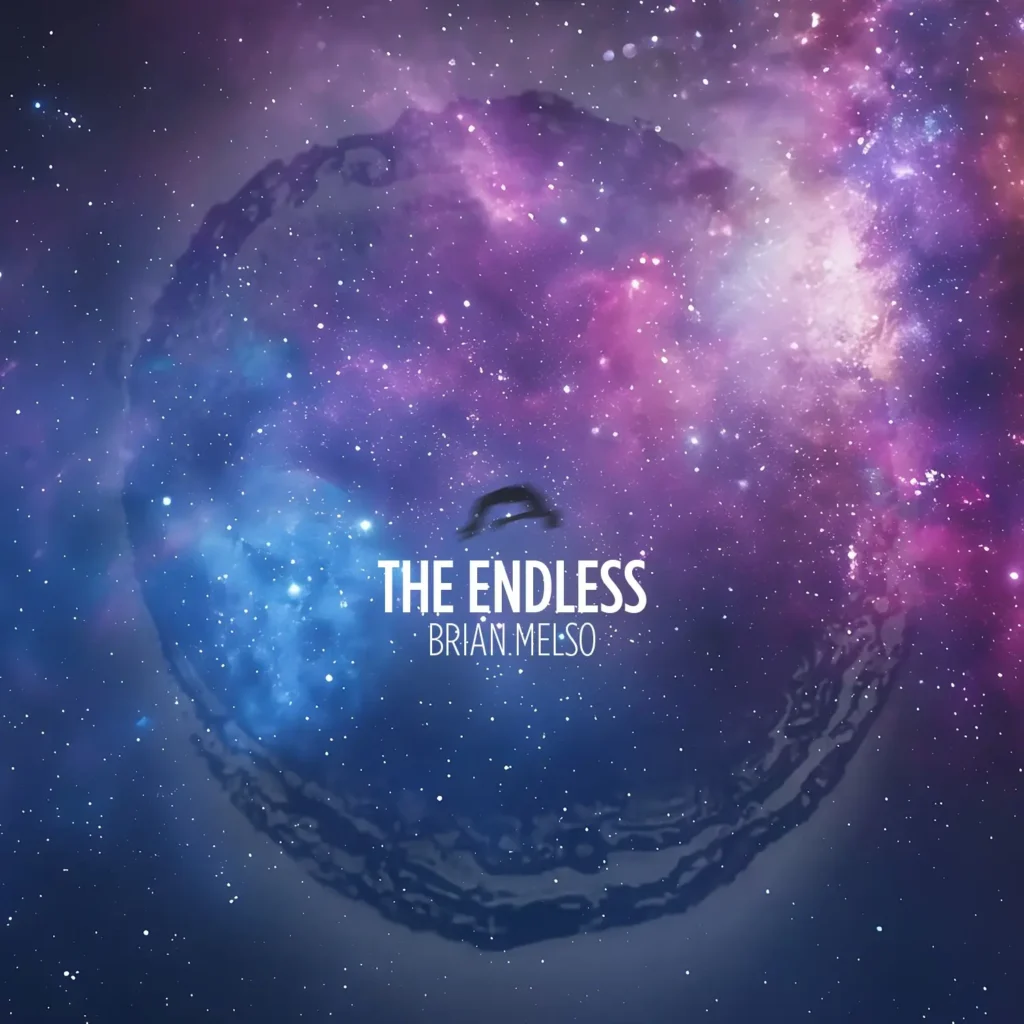
Watch out for indie artist Brian Melso, who just released The Endless on January 18. This three-song project looks at the quiet strength in life’s in-between moments. Instead of chasing catchy hits, Melso’s voice stands out for its emotional depth, making it unforgettable like top pop artists today. The track “Dream a Little Dream” highlights this perfectly. His smooth, relaxed style echoes classic pop icons and pulls listeners in right away. Brian Melso is impressive and someone to watch. “Dream a Little Dream” softly shows that things can improve, no matter what. Its vibe works well when you need a little push or comfort. His smooth, calm voice relaxes you and helps you forget your worries, even for a short while. The song carries quiet hope. It shows strength and courage to hold onto small dreams when life feels uncertain. We all face challenges that seem too big, and this track hits home because it speaks to those struggles. Life rarely goes as planned, but the song nudges you forward. Melso creates a feeling like stepping from a noisy room into a sunny garden. Endless blends cinematic synthwave with uplifting indie piano, keeping a warmth many digital tracks lack. His voice feels safe and personal. When he sings about resilience, it feels like he’s talking directly to you, not performing from a distance. He fits moments when you feel hopeful but slightly down. If you want music that understands your struggles and quietly lifts you up, this track deserves your attention. Follow Brian Melso Globe Spotify Promoted Content About the Author

The Understated Brilliance of Brian Melso’s Dream A Little Dream Read More »

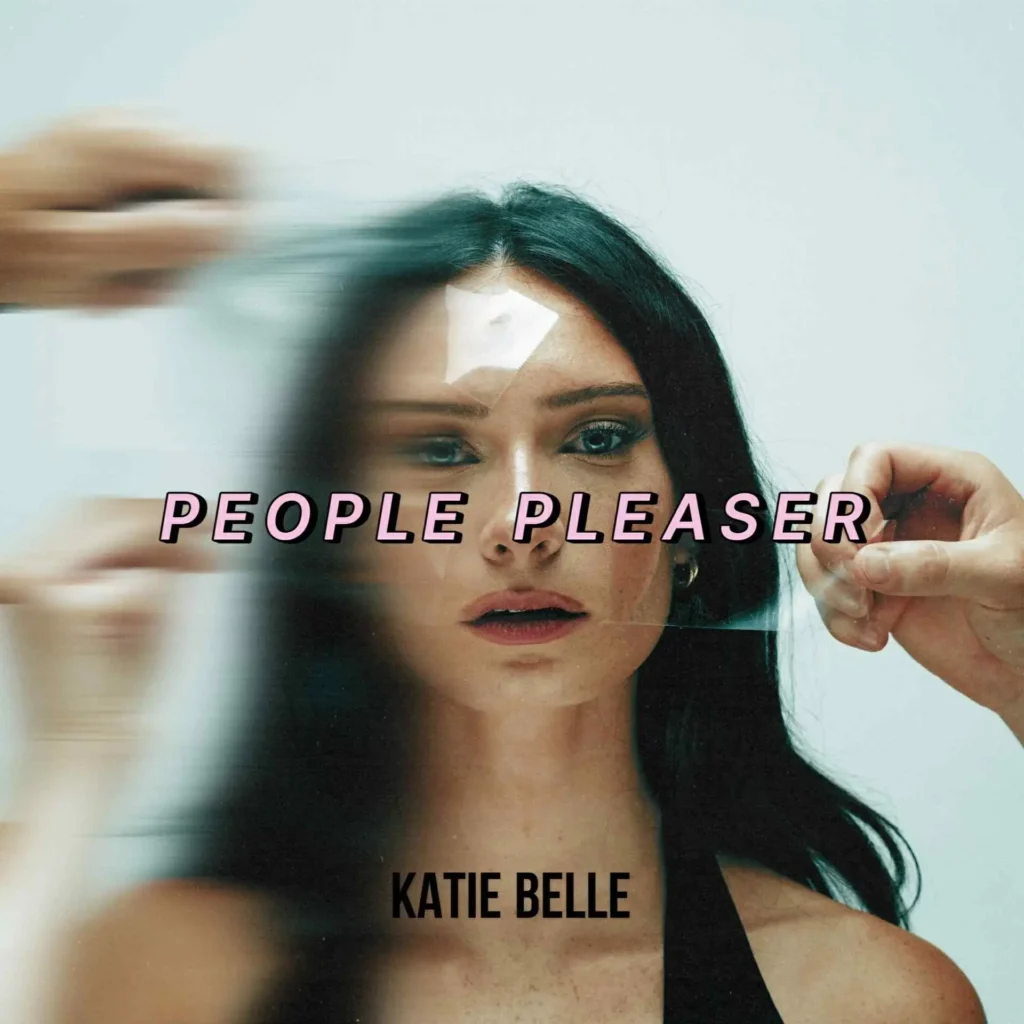
Katie Belle’s “People Pleaser” Isn’t Just About Breaking a Habit; It’s About Rewriting the Role Entirely

There’s a very specific kind of personality trait that pop music loves to dissect: the people pleaser. The person who says yes when they mean no, apologizes for things that aren’t their fault and slowly realizes, usually after several emotionally inconvenient life experiences, that maybe constantly performing a version of yourself for everyone else is in a nutshell… not great for your mental health. It’s the sort of realization that tends to arrive with a bit of drama. Katie Belle’s single “People Pleaser” takes that moment of realization and turns it into an electro-pop catharsis. And the interesting thing is that the song doesn’t frame the transformation gently. It’s not a quiet self-help breakthrough. It’s more like a dramatic character exit. Right from the opening lines of “Nineteen / It was hard to be me / I was starved for validation”, the track establishes its theme with unusual directness. There’s no metaphorical fog here. The lyrics read almost like someone flipping through a personal highlight reel of the worst parts of approval-seeking behavior: doing anything to be loved, trying to be the perfect daughter, performing constantly for other people’s expectations. It’s introspective, but also self-aware enough to acknowledge how exhausting that performance can be. There’s also a sharpness to the songwriting here that occasionally recalls the kind of emotional precision artists like Mitski have built entire careers around in the ability to distill complicated internal struggles into lines that feel painfully straightforward. Belle isn’t imitating that style, but the same kind of emotional clarity is present. The song doesn’t dance around its subject; it names it directly. “People Pleaser” sits comfortably in the modern electro-pop lane. Produced by Fabio Campedelli at his Los Angeles studio, the track builds around percussion-driven electronic rhythms and a bass-heavy groove that keeps the song moving forward even when the lyrics turn inward. The verses lean darker and more reflective, while the chorus opens up into something brighter and more declarative; a classic pop structure, but one that works well for the emotional arc the song is trying to create. And the chorus is really the turning point. When Belle sings “No more people pleaser / sweet demeanor / I’m gonna save me all for myself,” the track shifts from reflection to resolution. Which, in this case, involves metaphorically killing off the old version of herself. Not subtle, admittedly. But it id effective. That theatrical edge shows up again later in the song with lines like “I just killed the girl you thought I was inside of your head.” It’s dramatic, yes, but pop music has always thrived on big emotional gestures. The idea of realizing you’ve spent too long shaping yourself around other people’s expectations is something a lot of listeners will recognize instantly. It’s the kind of emotional turning point that resonates broadly and admittedly, it resonated with me in particular as a recovering people pleaser. Katie Belle’s “People Pleaser” isn’t just about breaking a habit; it’s about rewriting the role entirely. Follow Katie Belle Globe Facebook X-twitter Spotify Soundcloud Youtube Instagram Tiktok Promoted Content About the Author

Katie Belle’s “People Pleaser” Isn’t Just About Breaking a Habit; It’s About Rewriting the Role Entirely Read More »

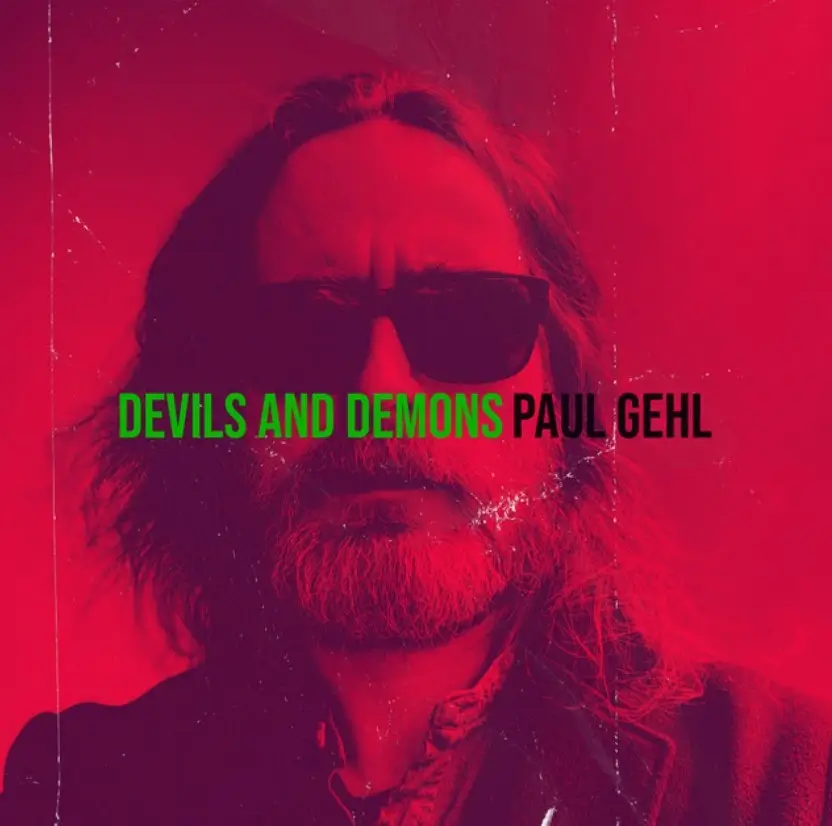
Devils and Demons Is Like the Best of Rock; Music That Literally Rocks You

There’s a long tradition in rock music of confronting your inner turmoil by giving it a suitably dramatic name. You don’t just feel bad; you’re battling demons. Possibly several demons. Maybe a devil or two for good measure. It’s a metaphor that has powered everything from classic metal albums to extremely intense diary entries. Which means when a song arrives called “Devils and Demons,” you might reasonably expect something theatrical. Maybe thunderous riffs, maybe gothic drama, maybe a vocalist shouting about existential darkness while a guitar solo attempts to melt your speakers. Paul Gehl’s take on the concept is a little more personal than that. Gehl is a multi-instrumentalist from Luxembourg who started his solo project in 2022. His music roots cover a wide mix. He played in metal bands, studied classical guitar, and learned flamenco techniques. After an injury disrupted his career, he returned to writing songs on electric guitar. You can hear that mix of influences in “Devils and Demons.” The song leans into personal songwriting while holding a darker tone. It reflects the kind of mood you might expect from someone who grew up listening to bands like Black Sabbath and Led Zeppelin. The track centers on Gehl’s experience living with bipolar disorder. It keeps the focus close and personal. It does not treat the topic like some big idea. The lyrics show the ups and downs as something happening inside him. That is where the title comes from. You can also hear parts of Gehl’s training in the way the song moves. The playing feels careful and precise. It sounds like someone who spent years learning different styles before settling into this sound. The melody carries most of the emotion in the song. Instead of leaning on loud volume or heavy distortion, the track builds its mood through pacing and layers of sound. Because of that, the energy grows in a more natural way, creating the kind of rock song that pulls you in and keeps you moving while you listen. The single works as a personal statement and another step in Gehl’s growth as an artist. It keeps things grounded and direct. The track doesn’t rely on flashy moments or big production tricks. It focuses on honesty, showing that some of the strongest rock songs come from simply sharing what’s happening inside your mind. And if that truth happens to involve a few devils and demons along the way… well, rock music has always had room for those. Follow Paul Gehl Spotify Youtube Promoted Content About the Author

Devils and Demons Is Like the Best of Rock; Music That Literally Rocks You Read More »

The World Inside Album Feels Like Sitting Across From Someone Who Is Smart, a Little Anxious, Deeply Sincere, and Trying Very Hard to Articulate Something That Doesn’t Fit Neatly Into a Chorus

There is a particular flavor of indie-folk that has dominated the last decade or so, and you know it when you hear it. It smells faintly of mason jars and reclaimed wood. It is emotionally vulnerable in a way that is very curated. Everyone is sad, but in a way that would still look good in a lifestyle brand Instagram grid. And for a while that worked, because we all collectively agreed that stomping on a kick drum while whisper-singing about heartbreak was, somehow, revolutionary. The World Inside, the second album from Berklee-based collective The Iddy Biddies, feels like a deliberate attempt to crawl out of that aesthetic prison. It is not a rejection of folk, exactly; it still uses the acoustic textures, the soft harmonies, the campfire intimacy, but it actively resists the genre’s worst instincts: the performative sadness, the vague emotionalism, the idea that “authenticity” means never getting weird. Instead, what you get here is an album that is weird in the precise, narrative-driven, “let’s overthink this” way that makes indie music actually interesting. The World Inside feels less like a diary and more like a series of short stories about people who may or may not be him. That’s important, because the album’s core obsession is the gap between who we perform as and who we are when no one is looking. Not in the vague “I’m hiding my feelings” way, but in the “we have constructed entire identities to survive in public” way. This is an album about masks, systems, and the quiet horror of realizing you might be complicit in your own alienation. Which sounds incredibly heavy, but the music doesn’t wallow in it. In fact, one of the album’s greatest strengths is how frequently it chooses motion over melancholy. The opener, “Fortunate Sons,” barrels forward with a driving, almost protest-song energy, taking aim at social inequality without collapsing into self-righteousness. It doesn’t posture. It narrates. There’s a crucial difference. The song feels less like it’s yelling at you and more like it’s dragging you into a crowded room and saying, “Look. This is what we’re living in.” That narrative instinct is what links The Iddy Biddies most strongly to bands like The Decemberists, though without the nautical cosplay. Songs like “Mr. September” take a single character and let him spiral outward into something both psychedelic and painfully human. The bohemian shuffle of the track gives it a hazy, dreamlike quality, but what keeps it compelling is how specific it is. This isn’t vague whimsy. This is a portrait of someone slowly dissolving into their own mythology. Musically, The World Inside is far more ambitious than most indie-folk records. The band leans heavily into Beatlesque harmonic complexity, complete with unexpected chord changes, chromatic movement, moments where your ear goes, “Oh, we are not where I thought we were.” That’s not just cleverness for its own sake. It mirrors the album’s emotional thesis: the internal world is unstable, contradictory, and never resolves as neatly as we’d like. On the title track, “The World Inside,” this idea becomes almost tactile. The shifting meters and atmospheric textures create a sense of gravity, as though your own thoughts are physically pulling you downward. Then there’s “It’s Just a Show,” a psych-pop meditation inspired by Alan Watts, which is the sort of thing that could easily become unbearably smug. Instead, it plays like a strange, slightly unnerving lullaby about the cosmic joke of existence.   That emotional generosity is what saves the album from becoming pretentious. Even when the band is being heady, they are never cruel about it. “Follow You Anywhere,” one of the album’s softest tracks, is a straightforward declaration of devotion, but it’s framed not as possession, but as solidarity. It is about walking with someone through their fear, not trying to fix it. In the context of an album obsessed with internal isolation, that’s a quietly radical stance. “Strange World” pushes the anxiety outward again, turning systemic fear into something almost gothic. The chromatic progressions make the song feel like it’s constantly tilting off-balance, which is exactly what it’s about: the sensation that both your own mind and the world around you are conspiring to keep you afraid. It’s uncomfortable. It’s supposed to be. What ultimately makes The World Inside work is its refusal to simplify. It doesn’t offer easy catharsis. It doesn’t resolve its contradictions. It just sits with them. In a musical landscape that often confuses relatability with shallowness, The Iddy Biddies have made a record that invites you to actually think about what you’re feeling and why. The Iddy Biddies describe their music as a “dinner invitation to a conversation that matters,” and that’s not marketing fluff. The World Inside album feels like sitting across from someone who is smart, a little anxious, deeply sincere and trying very hard to articulate something that doesn’t fit neatly into a chorus. And honestly, that’s the best kind of company. Follow The Iddy Biddies Globe Spotify Youtube Bandcamp Instagram Soundcloud This album was discovered via SubmitHub About the Author

The World Inside Album Feels Like Sitting Across From Someone Who Is Smart, a Little Anxious, Deeply Sincere, and Trying Very Hard to Articulate Something That Doesn’t Fit Neatly Into a Chorus Read More »

“Bad Girl” Is Catchy, Confident, and Rooted in a Story That Feels Real

There’s a long and slightly ridiculous tradition in pop and hip-hop of songs called Bad Girl. At this point it’s basically a genre title. You hear the phrase and your brain automatically starts filling in the blanks: swagger, a club beat, some vague commentary about attraction mixed with danger, and probably at least one line about not being able to behave responsibly. What makes Young V’s “Bad Girl” interesting is that it sort of plays along with that formula, but then quietly shifts the perspective underneath it. Young V, real name Vincent Young, is a Michigan City-based artist who operates in that increasingly common but still tricky space where the artist is also the producer, the writer, and the performer. Which means the final product tends to feel a bit more personal than the typical “assembled in a studio by six people and a laptop” single. And in this case, the inspiration is surprisingly domestic. The core idea behind Bad Girl comes from observing his wife balancing two very different identities: homemaker and career woman. That duality becomes the emotional hook of the song. The “bad girl” here isn’t some cartoonish rebel archetype; it’s someone navigating responsibility, ambition, attraction, and independence all at once. Which is a lot more interesting than the title initially suggests. The track sits in a comfortable middle ground between smooth R&B and modern trap production. There’s a faint influence from artists like Usher in the melodic approach of that slightly glossy, rhythm-forward vocal style, but the instrumental leans contemporary. The beat carries a streetwise bounce while still keeping enough polish to feel radio-friendly. It’s that classic balancing act: gritty enough to feel authentic, clean enough to land in a club playlist without scaring anyone. And to be fair, that balance seems to be working. According to industry buzz around the track, a radio DJ reportedly described it simply as “a hit,” which is the kind of vague but enthusiastic endorsement musicians tend to love. Meanwhile, Young V’s work has already found its way into mock advertising placements for brands like Revlon, which might sound random until you realize that music capable of moving between club energy and commercial accessibility is exactly what those campaigns look for. In full; “Bad Girl” is catchy, confident, and rooted in a story that feels real.  Follow Young V X-twitter Spotify Instagram Promoted Content About the Author

“Bad Girl” Is Catchy, Confident, and Rooted in a Story That Feels Real Read More »

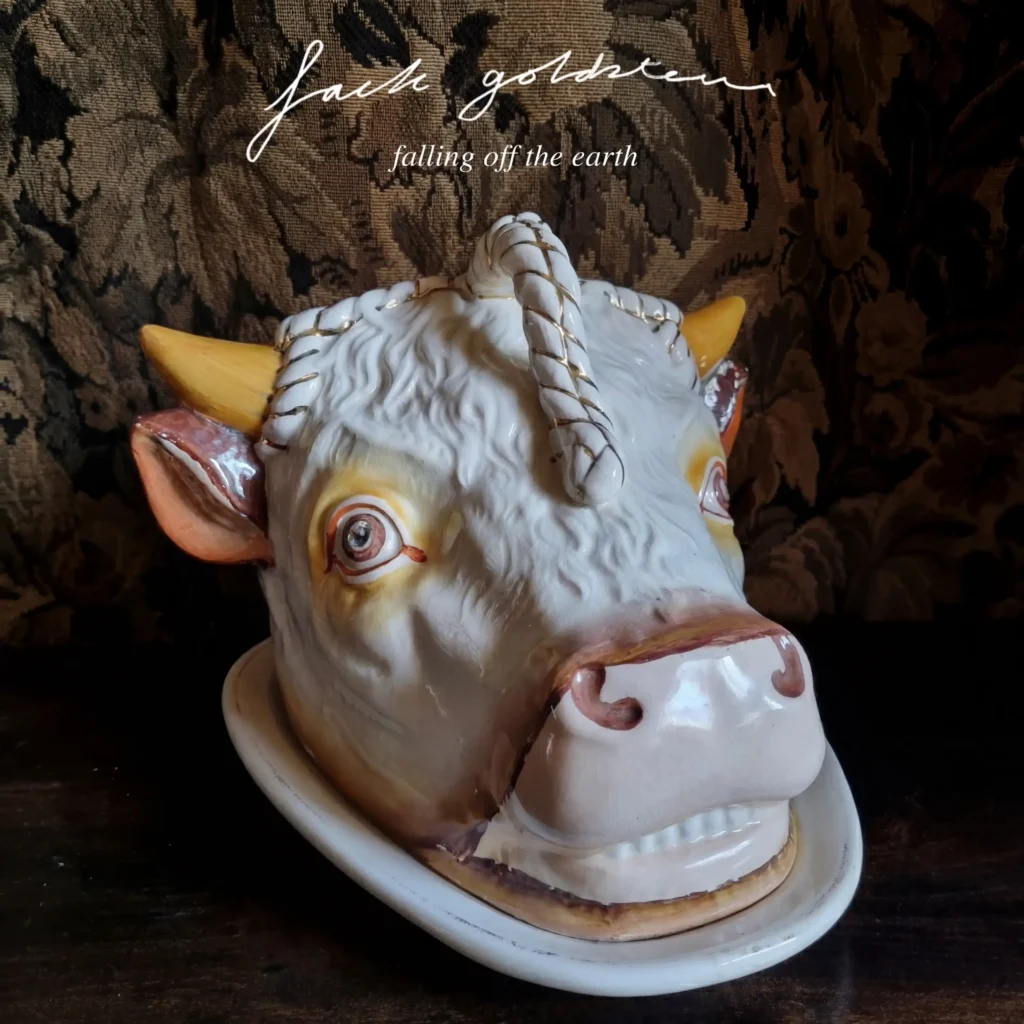
“falling off the earth” Is a Generous, Ambitious Piece of Songwriting

Jack Goldstein’s “falling off the earth” is one of those songs that initially walks up to you wearing a friendly, slightly scruffy Americana jacket, shakes your hand, tells you about farming in the 1980s, and then about halfway through, sets that jacket on fire and asks you to think about mortality. It is sincere, ambitious, emotionally loaded, and just self-aware enough to know that it’s doing a lot. Whether that “lot” always coheres is another question. But it is never boring, and in 2026, that already counts as a minor miracle. The opening stretch plays things surprisingly straight. There’s a warm, mid-tempo, piano-and-guitar backbone that feels deliberately retro, evoking Warren Zevon, Billy Joel, and the faint ghost of every inspirational sports-movie montage ever made. Goldstein’s voice sits comfortably in that space, earnest without being cloying, reflective without collapsing into whispered indie sadness. It works. You settle in. You think, “Okay, this is a thoughtful folk-country-adjacent song about history and loss. I understand the assignment.” Then the song remembers that Jack Goldstein does not, in fact, like assignments. Halfway through, “falling off the earth” detonates into a wall of distortion, mangled synths, and aggressive overdrive. The warm nostalgia is replaced by something closer to controlled panic. It’s effective in a cinematic sense, mirroring the lyrical themes of erasure and collapse. Stability gives way to noise. Memory gives way to entropy. Conceptually, it’s smart. Sonically, it’s confident and beautifully executed. If you’ve spent time in the “internet-era auteur with feelings, headphones, and a distortion pedal” ecosystem, this structure will feel familiar: the hushed introspection, the sudden emotional rupture, the dramatic sonic expansion. Goldstein clearly understands why this approach works, and more importantly, he knows how to adapt it to his own voice. Rather than imitation, it feels like conversation. Where some artists use this formula as a shortcut, Goldstein uses it as a framework. It gives his ideas room to breathe. What truly anchors the song is its emotional specificity. His reflections on the farming crisis and childhood memories prevent the track from drifting into abstract melancholy. The use of sampled brass band recordings from his late parents is especially powerful. This isn’t just clever production; it’s memory embedded in sound. When those samples appear, the song stops being theoretical and becomes tactile. You can feel the past pressing gently against the present. There’s a real Quadeca-level of production quality in this track that personally makes the track so much more impressive. The song’s biggest strength is how confidently it embraces scale. It isn’t afraid to be big, emotional, noisy, sentimental, and intellectually curious all at once. The escalation never feels like a gimmick; it feels earned. Each sonic shift reflects a psychological one. ⁺‧₊˚ ཐི⋆falling off the earth⋆ཋྀ ˚₊‧⁺ by Jack Goldstein Even when it leans into familiar structures, it does so with craft and intention. Goldstein’s songwriting is tight, his production is adventurous without being chaotic, and his vocal delivery remains grounded throughout. He never loses the human thread.  “falling off the earth” is a generous, ambitious piece of songwriting. It honors its influences, builds on them thoughtfully, and uses them to tell a story that is deeply personal and quietly universal. It’s about disappearance, memory, and endurance… and about finding ways to turn all three into something loud, beautiful, and worth holding onto. Follow Jack Goldstein Facebook Twitter Spotify Bandcamp Instagram Promoted Content About the Author

“falling off the earth” Is a Generous, Ambitious Piece of Songwriting Read More »

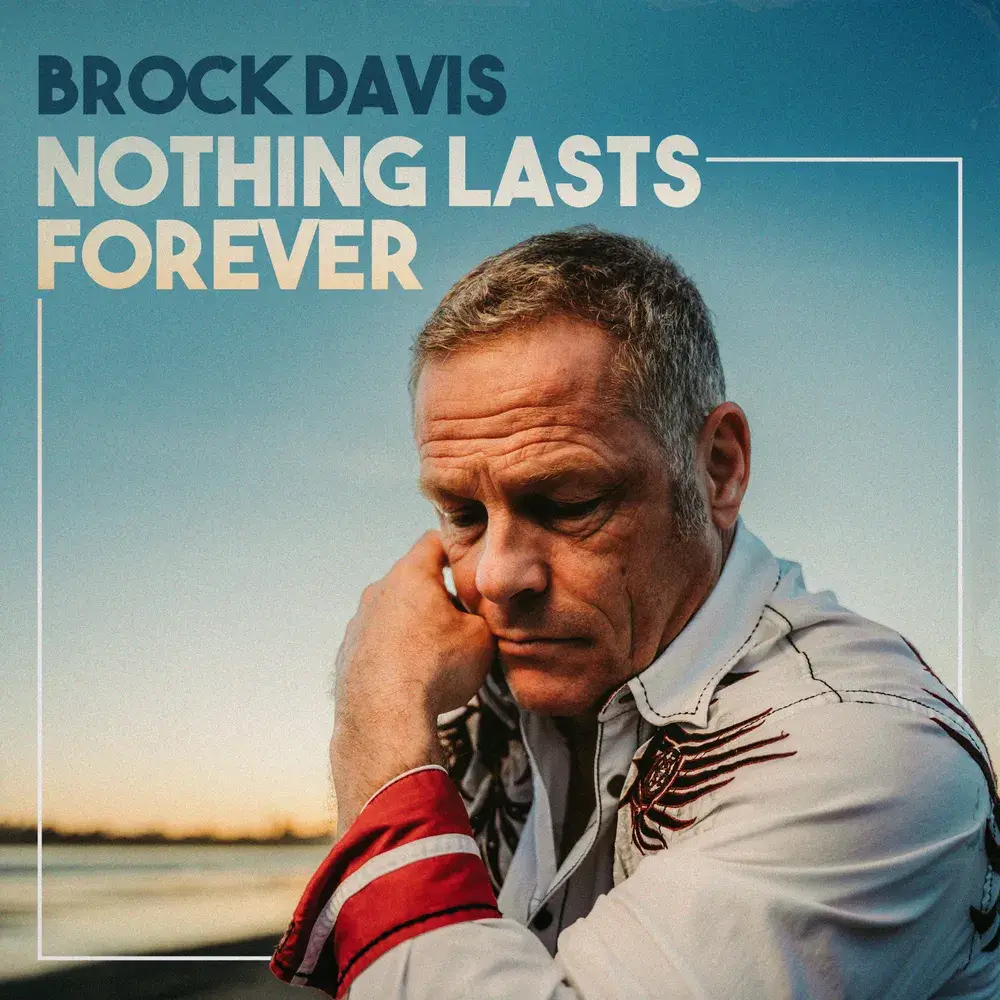
Nothing Lasts Forever Is an Album That Finds Meaning in the Everyday

There’s a certain confidence that comes with making an album called Nothing Lasts Forever and having it land not as a dirge, but as something surprisingly warm, generous, and alive. Brock Davis’ latest record is deeply aware of impermanence, but it isn’t obsessed with doom or mortality-as-spectacle. Instead, it feels like the sound of someone paying very close attention to the moment they’re in and deciding that if things are going to change anyway, they might as well be honest about what matters right now. That honesty is the album’s real backbone, and it’s what makes the whole thing feel quietly powerful rather than heavy-handed. This is Brock’s most fully realized album to date coming through in the form of a 14-song collection that sits comfortably at the crossroads of folk, rock, and country without ever feeling boxed into any one lane. The arrangements are classic without being stale, familiar without drifting into nostalgia cosplay. If you like your Americana grounded in storytelling, melodic hooks, and emotional clarity rather than grit-for-grit’s-sake, Nothing Lasts Forever is very much operating in your wheelhouse. Brock has always been a writer first, and this record doubles down on that strength. These songs aren’t trying to be clever. They’re trying to be true, and that commitment carries more weight than any flashy production trick ever could. The album opens with “All of You,” a deceptively simple country list song that catalogs the everyday traits Brock loves about his wife. It’s warm, unguarded, and instantly disarming; less grand romantic gesture, more lived-in devotion. The genius of the track is how unremarkable its details are, because that’s the point. This isn’t love as mythology; it’s love as a habit, as attention, as choosing the same person over and over again. From there, Brock moves easily between tender ballads and rougher-edged rockers without ever losing his footing or emotional throughline. “Nowhere Near Ready” is one of the album’s quiet standouts, a song about timing and emotional readiness that never leans into self-pity. It understands that sometimes things fail not because anyone did something wrong, but because life didn’t line up neatly. Brock’s strength here is restraint; he trusts the listener to feel the weight without spelling it out. The song sits with its discomfort rather than resolving it, which makes it feel honest in a way that’s increasingly rare. That trust extends to “I’ll Be Your Alibi,” a grittier, Black Keys–esque, guitar-forward track that channels classic country-rock energy while telling an empowering story about standing up to harassment in the workplace. It’s an unexpectedly uplifting moment, driven by solidarity rather than anger, and it fits seamlessly into the album’s broader emotional arc. Brock never turns the song into a lecture; instead, he lets the narrative speak for itself, grounding its message in empathy and resolve. The title track, “Nothing Lasts Forever,” functions as the album’s thematic anchor. It embraces the idea of impermanence without framing it as purely tragic. The verses carry a quiet melancholy, but the song ultimately opens up into something cathartic and affirming. It’s less about loss than about acceptance and about finding meaning precisely because things don’t stay the same. It’s the kind of song that feels heavier the more time you spend with it, not because it’s devastating, but because it’s true. Brock’s love for classic American rock shows up clearly on “Laughin’ ’Til It Hurts,” a Mellencamp-style rocker that leans into nostalgia without romanticizing it too much. It acknowledges the joy of looking back while also recognizing the cracks in the memory. Meanwhile, “I’m Glad You Left Me” is a masterclass in emotional precision, diagnosing a failed marriage with just a few lines and resisting the urge to assign blame. It’s sad, yes, but also strangely freeing; an autopsy performed with compassion instead of bitterness. One of the album’s most ambitious tracks is “Miracle On The Hudson,” which retells the emergency landing of US Airways Flight 1549. Rather than turning it into spectacle, Brock focuses on the human choices made in moments of crisis. The song is rich with detail but never sensationalized, emphasizing quiet acts of love, fear, and resolve. The result is a track that feels intimate despite its scale, grounded in empathy rather than hero worship. As the record moves toward its later half, Brock broadens his scope without losing emotional focus. Highlights for me include “Make Your Own Change” reflects on midlife recalibration, capturing the uneasy realization that no one else is coming to fix your life for you and “One Paycheck Away”, which offers a sharp but compassionate look at economic instability in the US nation, framed not as abstract politics but as lived reality. Ultimately, Nothing Lasts Forever succeeds because it understands that reflection doesn’t have to mean resignation. Brock Davis isn’t writing from a place of despair; he’s writing from a place of attention. This is an album that finds meaning in the everyday, beauty in honesty, and hope in the simple act of telling the truth. And in a world that changes as fast as this one does, that kind of clarity feels like a genuine gift. Follow Brock Davis Globe Facebook Youtube Instagram Spotify Promoted Content About the Author

Nothing Lasts Forever Is an Album That Finds Meaning in the Everyday Read More »

Douby Is Loose, Free, and Confident in Its Own Rhythm

There’s a certain confidence that comes with looseness. Not the careless kind, but the kind that comes from knowing your instincts are sharp enough to trust. Douby, the debut album from DJ SoulChild AC, lives squarely in that space. It’s an album that doesn’t beg to be decoded track-by-track in a rigid order. Instead, it invites you to press shuffle, let go, and let the grooves do the talking. And somehow, no matter where you drop the needle, it lands like a perfectly timed dance mix. Set for release on February 27, Douby is a genre-fluid statement that fuses hip-hop, house, soul, Brazilian funk, and club music into something that feels lived-in rather than labored over. For an artist with half a million monthly Spotify listeners and a massive social following, this being SoulChild AC’s first official album is kind of wild, but it also explains why the record feels less like an introduction and more like a victory lap. From the jump, Douby moves with a DJ’s logic rather than an album purist’s. “PARIS MEETS RIO” is a good example of this philosophy in action: global in rhythm, playful in percussion, and built like a late-night set where borders blur and bodies move on instinct. The Brazilian funk influence is unmistakable, but it never feels pasted on for trend points. It feels earned, as if SoulChild AC has actually lived inside these sounds rather than studied them from afar. That sense of musical citizenship places Douby in conversation with artists like Flying Lotus, who’s long blurred the lines between beat tapes, jazz fusion, and hip-hop futurism. Like FlyLo, SoulChild AC understands negative space, rhythmic tension, and the power of letting tracks breathe. Songs like “ENVY” and “MORE TO THE MUSIC” don’t rush to prove themselves; they unfold, stretch, and let their textures simmer. There’s groove here, but also restraint. Elsewhere, the album leans more overtly club-forward. “BOUNCE” and “BOUNCE PT 2” function like twin engines, both punchy and elastic, built for movement without sacrificing musicality. They hit hard, but never feel stiff; another testament to the album’s loose, human feel. That looseness is where Douby shines most. Even tracks with similar BPMs or moods never feel redundant because the album isn’t obsessed with linear storytelling. It’s obsessed with feel. That approach naturally invites comparisons to KAYTRANADA, especially in how SoulChild AC balances groove with soul. Tracks like “LOVERS GROOVE” and “KITTY KAT KAT” (and its sequel) thrive in that sweet spot where dance music flirts with intimacy. They’re songs you can move to in a crowded room, but also ones that hit just as hard alone with headphones on. The swing is subtle, the basslines warm, and the emotional register stays light without becoming shallow. One of the album’s biggest strengths is how comfortable it is with contradiction. “I DONT WANT EM” carries an almost dismissive cool, while “KICK BACK” feels like a Sunday afternoon stretched into sound. “STUDIO 54” nods to disco lineage without getting stuck in nostalgia, and “SAO PAULO” pulses with kinetic energy that feels both modern and rooted. Even “APOCOLYPTO,” despite its ominous title, feels more like release than destruction; chaos transformed into rhythm. In terms of sequencing, Douby reminds me a lot of Skrillex’s Quest for Fire. That album thrived on the idea that electronic records don’t always need a fixed narrative arc to make sense. SoulChild AC adopts a similar mindset here. You can shuffle Douby endlessly and it still works, each track acting like a self-contained moment that connects organically to the next. That’s a hard thing to pull off, and it speaks to the cohesion of the album’s sonic palette rather than its track order. “EAT IT UP” and “THE MOOVEMENT” feel like mission statements in that regard: music as motion, as physical response, as something you experience more than analyze. There’s no anxiety here about genre boundaries or expectations. Hip-hop drums slide into house rhythms. Soulful textures brush up against club maximalism. Everything feels porous. What makes Douby particularly impressive is how unforced it all sounds. For a debut album, it resists the temptation to over-explain who the artist is. Instead, SoulChild AC lets the music speak, trusting that listeners will follow. That trust pays off. The album doesn’t demand your attention; it earns it by being fun, fluid, and deeply replayable. In the end, Douby feels less like a debut and more like an open door. It’s an album that understands dance music not as a rigid format, but as a living, breathing ecosystem. Shuffle it, play it straight through, drop it into a DJ set and it holds up every time. Loose, free, and confident in its own rhythm, Douby is proof that sometimes the best albums don’t try to control the moment. They just move with it. Follow DJ SoulChild AC Globe Icon-music Spotify Soundcloud Facebook X-twitter Youtube Promoted Content About the Author

Douby Is Loose, Free, and Confident in Its Own Rhythm Read More »

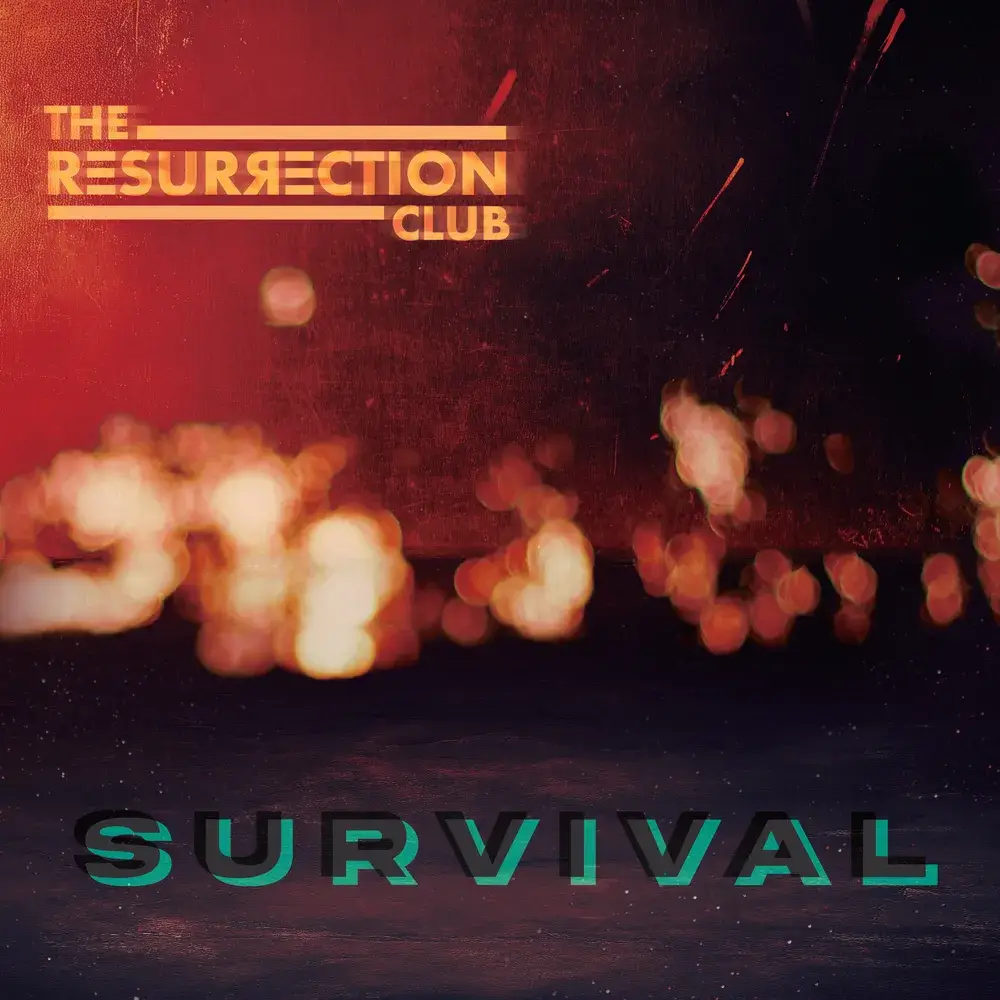
Survival Is Less About Grand Resurrection and More About Quiet Persistence

There’s something deeply dramatic about two former post-punk musicians from Glasgow reconnecting after decades apart and deciding, instead of quietly reminiscing about “the old days,” to make an album about surviving modern existence. It’s either the beginning of a midlife crisis or the start of something genuinely moving and on Survival, the debut album from The Resurrection Club, it turns out to be the latter. The album was built remotely; songs exchanged in fragments across three continents like emotional care packages. There’s something poetic about that: an album about connection made through literal distance. It could have felt cold, overly digital, stitched together by convenience. Instead, it sounds stubbornly human. Producer and DJ Robin Twelftree, known for work alongside The Prodigy, helps sculpt the record’s sound into something that balances atmosphere with urgency. Guitars chime and brood in that classic post-punk way: spacious, slightly haunted, occasionally brittle. But they’re threaded through ambient electronics that expand the sonic palette into something cinematic rather than nostalgic. This isn’t a heritage act reliving 1982. It’s two musicians acknowledging 2026. Lyrically, Survival is not subtle about its concerns. War. Climate anxiety. Alienation. The general sensation that the world is on fire and everyone’s arguing about the thermostat. But the remarkable thing is that the album refuses to wallow. Take “Emergency.” Its refrain of “we have no plan B” could easily tip into apocalyptic melodrama. Instead, it feels restrained, almost weary. The urgency simmers rather than explodes. The production pulses underneath, a low-level anxiety hum that mirrors the lyric without turning it into a slogan. “Every Second Counts” leans further into isolation. There’s a line about no one listening that lands with uncomfortable familiarity. The arrangement gives the vocal room to feel exposed, as if it’s echoing into a slightly too-large space. It’s the sonic equivalent of shouting into the algorithmic void and waiting for a human response. “Survival Pt. 1” hits straight at the core of the album. “I’m not giving up” sounds cheesy on paper. Like a quote printed on a random coffee mug. But here, it works. The voice shakes a little. The guitars feel thick and heavy around it. Suddenly the line doesn’t feel fake. It feels earned. You can hear time in that voice. Not dramatic pain. More like someone who’s been through it and kept going. When “Survival Pt. 2” ends the record with “I’m still breathing,” it doesn’t feel like a big victory lap. It’s quieter than that. No grand speech or “everything’s fixed.” Just survival and being here. And right now, that’s enough. What makes the album compelling isn’t just the thematic weight. It’s the emotional candour. McLeish has said some songs were difficult to even sing, that there were tears in the studio alongside laughter. You can hear that push and pull. The vocals occasionally fray at the edges, but they never collapse. It’s like vulnerability without self-pity. The album sits in an interesting space between analogue spirit and digital geography. Recorded in part at Sol de Sants Studios yet assembled through file-sharing and long-distance iteration, it feels both grounded and dispersed. The guitars retain that tactile, almost physical presence, while the electronics give the songs air and distance. And importantly, perhaps even rebelliously with the current state of music production as of late, it’s entirely human-made. No algorithmic polish, no AI sheen. In an era where music increasingly feels optimized for playlists and passive consumption, Survival insists on sincerity. That alone feels mildly radical. Survival is less about grand resurrection and more about quiet persistence. Two musicians reconnecting. Two voices finding harmony again. An album about global instability that still believes in small-scale connection in moments that contribute to the album’s overall mood: reflective, patient, unconcerned with chasing immediacy. It’s music made apart, about closeness. A record that acknowledges the noise of the modern world but chooses to answer with empathy rather than despair. Follow The Resurrection Club Instagram Spotify Youtube Bandcamp Promoted Content About the Author

Survival Is Less About Grand Resurrection and More About Quiet Persistence Read More »