
loader image

2026

Segrëgates’ “No Rhyme or Reason” Is More About Attitude Than Algorithm

Modern-day rock ’n’ roll could use a little more attitude and a lot less pretending. Thankfully, there are bands that are more than willing to say it out loud, and Segrëgates does exactly that on their latest release, No Rhyme or Reason. Segrëgates formed around 2010 with Motorhead serving as a major influence, and they’re refreshingly upfront about it. They leaned into that sound so hard that being called a Motorhead rip-off was practically a compliment. The band is at it again with No Rhyme or Reason, pushing back against everything modern rock n’ roll has become.  You’d get no polite introduction; it’s as if they’ve kicked the door open, turned the amps on, and decided to tell you exactly what’s on their mind. The attitude is embedded in the way the guitars snarl through each riff while the drums back it up with the same bite, never letting the energy dip for even a second.  They have no interest in subtlety when it comes to the lyrics either; it’s just as blunt as the guitars. They leave the rough edges intact, and in a scene that’s getting used to polish rather than substance, the line “no rhyme or reason” feels refreshingly rebellious.  If you feel like going back to that kind of rock n’ roll that was more about attitude than algorithms, Segrëgates’ No Rhyme or Reason is worth every replay.  Buy the 7inch Vinyl here : #PUNK by Segrëgates Follow Segrëgates Facebook Youtube Instagram Spotify Promoted Content About the Author

Segrëgates’ “No Rhyme or Reason” Is More About Attitude Than Algorithm Read More »

BLØSMM’s “Poser” Turns Being Called a Poser Into a Battle Cry

There’s something wonderfully stupid about the insult “poser” when you really think about it. It is basically someone saying “You are pretending to be the thing you want to become” as though everyone who has ever tried to reinvent themselves simply woke up one morning already finished. BLØSMM’s “Poser” takes that accusation and turns it into ammunition. The debut single from Phoenix-based duo Jordan White and Brian Dellis arrives and it sounds less like a gentle introduction to a new project than two musicians kicking down the door to their next chapter. Built around crushing guitars, cinematic production, thumping drums and industrial-tinged textures, the song immediately establishes a world where self-doubt is apparently something you defeat by turning your amplifier up. Credit: Jim Louvau The track opens with punchy melodies and grinding guitar work before White’s voice enters, carrying the kind of grainy, wounded intensity that makes the whole thing feel considerably more personal than your average modern-rock anthem. Her vocals move from restrained frustration into soaring falsetto, creating the impression of someone slowly losing their grip and then deciding, actually, maybe losing their grip is preferable to continuing to live according to everyone else’s expectations. And this is where “Poser” becomes more interesting than its title initially suggests. The song is about identity erosion, ego, failure and reaching the point where you have very little left to protect. It’s got the same energy of anti-poser rhetoric as the Kendrick Lamar’s “Not Like Us,” but with instrumentation that sounds like Massive Attack’s take on a Bring Me The Horizon song. Musically, the song understands the value of contrast. The guitars are enormous, but the production leaves enough room for White’s vocal performance to actually hurt. The quieter moments create tension before the heavier passages crash back in, giving the song an arena-sized quality without reducing everything to an endless wall of noise. Produced by Andy Gerold and Jim Louvau and mixed by Sean Beavan, “Poser” has the glossy weight of contemporary hard rock while retaining enough emotional messiness to feel human. You can hear echoes of the modern heaviness associated with bands such as Spiritbox, Bring Me The Horizon and Bad Omens, but BLØSMM’s real selling point is the conflict underneath the production. As the opening chapter of the upcoming concept album Archer and Ego, the song introduces a larger question: what happens when the person everyone expects you to be stops matching the person you actually want to become? “Poser” doesn’t pretend to have an easy answer. It just picks up the broken pieces, plugs in the guitar, and keeps going. Honestly, that’s probably the better answer anyway. Follow BLØSMM Globe Facebook X-twitter Youtube Instagram Tiktok Promoted Content About the Author

BLØSMM’s “Poser” Turns Being Called a Poser Into a Battle Cry Read More »

Actve Captve’s “PSSSH!” Makes Chaos Feel A Little Easier To Swallow

There’s only a handful of songs that can take all the noise, anxiety, and bad news and turn it into something cathartic. Actve Captve’s latest release PSSSH! does exactly that—and somehow makes the chaos fun to sit with. If Twenty One Pilots, AWOLNATION, and Glass Animals are in your playlist, Austin-based band Actve Captve might be worth adding to the mix. On PSSSH!, they bring alternative rock, electronic pop, and punk energy together for those who want this modern life chaos feel a little easier to swallow. Credit: Photographer: Greer James The track started with slow keys before transitioning into driving guitars and livelier rhythm as if all that pent-up frustration has nowhere to go but into the layers of the production. On the surface, it might be deceiving, since the energy sounds upbeat enough to make you nod along. Then there’s “Pain! Sorrow! Suffering! Self Hate!” which spells out “PSSSH!” It’s the kind of goofy little detail that shouldn’t work as well as it does, but somehow makes the whole thing more fun.  Actve Captve definitely have the knack for turning the ugliest parts of modern life like bad news, outrage, dopamine, and grief, into something weirdly singable. And for a song about feeling overwhelmed, they sure knows how to keep things light and lively. Follow Actve Captve Globe Facebook Spotify Soundcloud Bandcamp Youtube Instagram Promoted Content About the Author

Actve Captve’s “PSSSH!” Makes Chaos Feel A Little Easier To Swallow Read More »

Frozenroom Ignite Arena-Sized Metal Core Fire on Triumphant New Single

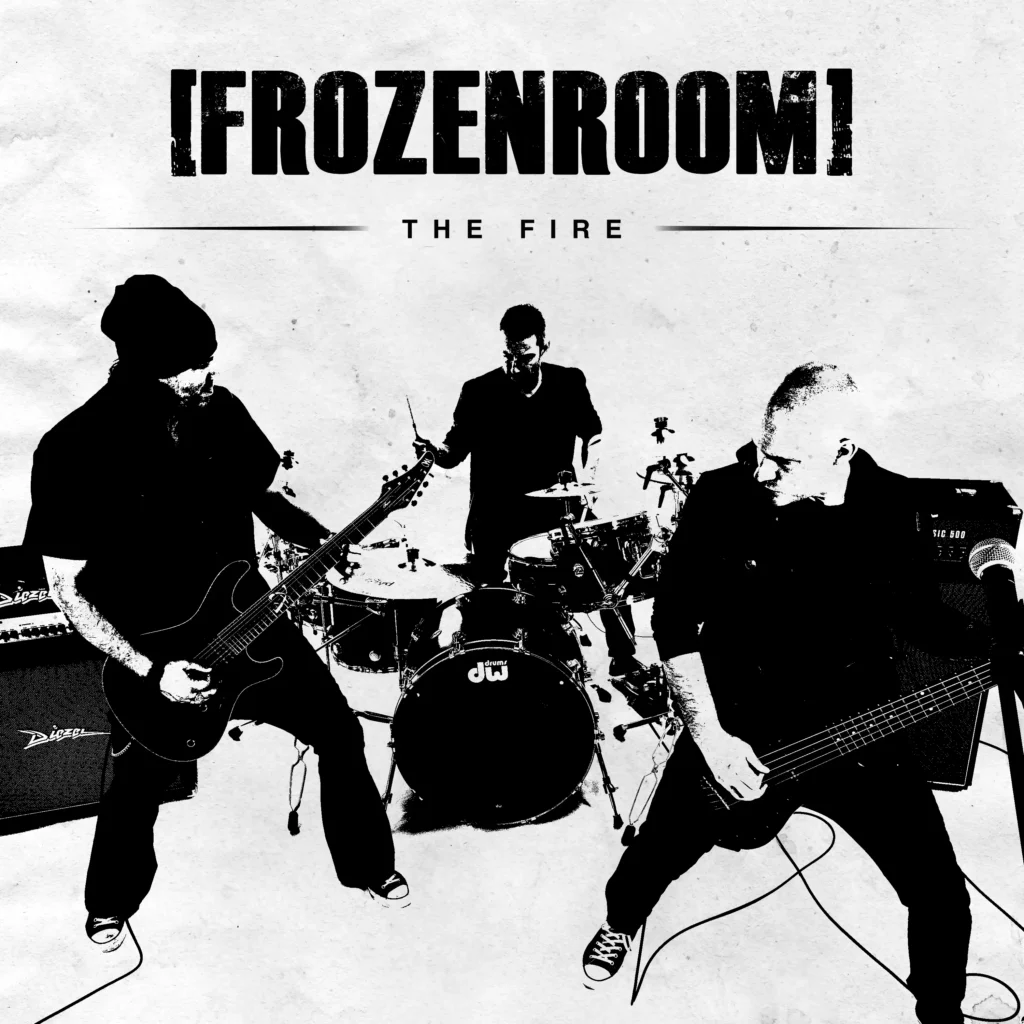
Picture standing at the edge of a dark highway while FROZENROOM fires up their latest single “The Fire” with a crushing riff that shakes your chest cavity. The guitars hit like heavy machinery and the opening sequence pulls no punches as it builds an arena-sized momentum. You can hear decades of Alternative Metal heritage humming under the hood but the energy feels immediate and urgent. It sets an exhilarating stage for an anthem built to drag anyone out of their personal rut. The verse starts quietly with “Stuck in silence finding ground” while the bass rhythm creeps forward like a storm brewing on the horizon. When the drums crash in at the thirty-second mark the track pivots into pure stadium-rock territory reminiscent of Foo Fighters at their most triumphant. The vocal delivery shifts from a tense murmur into an absolute roar that demands total commitment from the listener. It feels like breaking through a heavy wall of fog and finding daylight on the other side. The chorus arrives like an explosion when the lead singer belts out “Do you feel the fire” over a wall of distorted guitars and thundering kick drums. There is no hesitant foot-dragging here because the melody swings for the upper deck with the fearless swagger of peak Bring Me the Horizon. Every single chord change pushes the adrenaline higher and higher while the percussion rattles through your teeth. The sheer scale of the production turns a personal crisis into an absolute celebration of survival. Around the two-minute mark the track shifts down into a heavy groove that lets the lead guitar rip through a razor-sharp solo before building back up for the final onslaught. The bassline keeps the foundation locked down so tight that the heavy pop-metal melody never loses its foothold even when the sound grows massive. Fans of heavy acts like Architects or polished rock titans like Shinedown will recognize that rare spark where pop instincts align perfectly with raw guitar power. By the time the final chorus fades out leaving only the ring of feedback you feel completely recharged and ready to tackle whatever comes next. FROZENROOM have dropped a total stunner that sets a massive bar for their upcoming EP A Rush of Life. Crank this one with the windows all the way down and let the noise wash over you. It is a bold statement of intent from an independent group that sounds ready to conquer giant festivals. Instagram Spotify Youtube

Frozenroom Ignite Arena-Sized Metal Core Fire on Triumphant New Single Read More »

Spoony B’s “99 Apples” Makes the Beautiful Mess of Spoony B Its Priority

Some rappers take ages to curate an image, and then there is Spoony-B, whose response to all this artistic branding, to me, seems to have been-well, what if I just sound like a public safety risk? And yes, that is part of the enjoyment. The South Philly rapper (born Brandon Baich) is an artist who defines himself through the unexpected, the uncensored and, frankly, the absurd. His bio for starters boasts about escaping morbid obesity, surviving four car accidents and struggling for seven years to quit smoking; in other words, it consists of content that could support several albums, or at least one particularly unsettling autobiographical book. Often, the subject matter merely becomes a hoverboard; it could be said that it represents a contemporary spin on Lupe Fiasco’s Kick Push. “99 Apples” finds a home among this content. This commitment to the weirdly specific is something difficult to manufacture on a massive scale-in fact, on his promo information, they even compare the rapper’s voice to “the really stressed cousin of Slim Shady,” before essentially advising us to keep an eye on him. It is obviously clearly a joke, but it gives you a decent heads-up about the package you’re in for. Spoony-B is certainly aware of hip-hop’s love affair with mythological excess. You invent a character, exaggerated personas are employed, and suddenly everyone is clearly a threat of some kind to everyone they meet in their neighborhood. Unlike taking this mythology too seriously, he seems content to laugh about the absurdity of it all while simultaneously making himself the punchline.  This awareness is important because, beneath the silliness, there is something undeniably relatable. Several car crashes, smoking addiction, obesity, dating struggles – none of this is particularly comedic on its own. But Spoony-B has managed to transform his life struggles into comedic fodder instead of something depressing, such as something his biographers have pointed out about his life since overcoming the aforementioned challenges-he’s not posing as a flawless persona; instead, he presents a character who has made repeated ill-advised choices and seemingly discovered this means to both survive and also record a mixtape. In this light, “99 Apples” is less of an assertion of how cool Spoony-B is and more of another extension of his unique chaos.This would obviously not be the appropriate choice for someone expecting something technically proficient, clean-cut, or generally cautious. However, if you’re looking for an artist who appears comfortable in his own weird skin, Spoony-B offers an enjoyable listen. After all, the most effective artistic persona may just be knowing exactly how strange you truly are and doing something great with it. Follow Spoony-B Youtube Promoted Content About the Author

Spoony B’s “99 Apples” Makes the Beautiful Mess of Spoony B Its Priority Read More »

G Sharp BIG 40’s “Salt” Turns a Fentanyl Warning Into Raw Hip Hop Rock

There are songs that want to make you feel good, songs that want to make you dance, and songs that apparently looked at the fentanyl crisis and went, “Right, we’re going to need guitars for this.” That is “Salt,” the single from Washington, D.C. artist G Sharp BIG 40. Inspired by a news story about a young person who died after taking contaminated Percocet, the track tackles the fentanyl epidemic with all the subtlety of someone kicking down the door. And honestly, subtlety would probably be the wrong approach here. The title itself comes from the horrifying reality behind the song: fentanyl being mixed into other substances in tiny amounts, almost casually, “like salt.” It is a simple metaphor, but that simplicity makes it hit harder. There is nothing abstract about what G Sharp BIG 40 is talking about. This is about addiction, contaminated drugs, and the fact that the crisis is close enough to affect almost everyone somehow. Musically, “Salt” is just as rough around the edges as its subject matter. G Sharp BIG 40 combines hip-hop with guitar-driven rock, creating something that feels less like a carefully polished studio production and more like somebody decided the basement was perfectly good enough to make a record in and well, it was. G Sharp BIG 40 is essentially a one-man band, handling the performance and production himself from the basement of his home, where he is also raising his children. His production philosophy is wonderfully unscientific: he basically twists knobs until something sounds cool. That approach gives “Salt” its personality. There is an appealing lack of studio perfection here. The track does not sound like it was engineered to remove every rough edge and package the subject into something commercially comfortable. Instead, the DIY quality becomes part of the message. The music feels immediate, imperfect and angry in a way that suits what it is actually trying to say. That does not mean “Salt” is simply misery set to a beat. There is energy underneath the subject matter, particularly in the collision between the hip-hop elements and guitar-heavy attack. G Sharp BIG 40 understands that music can be a place to process something awful without turning the experience into a lecture and I find that to be the song’s biggest strength. “Salt” is not pretending it can solve the fentanyl crisis in four minutes. It is doing something smaller: taking a terrible reality, turning it into sound, and hoping somebody hears it. Sometimes that is enough to start a conversation. Follow G Sharp BIG 40 Facebook Spotify Instagram Promoted Content About the Author

G Sharp BIG 40’s “Salt” Turns a Fentanyl Warning Into Raw Hip Hop Rock Read More »

THROES NYC’s “The Wires Out” Is Made for Nights When You Feel a Little Reckless

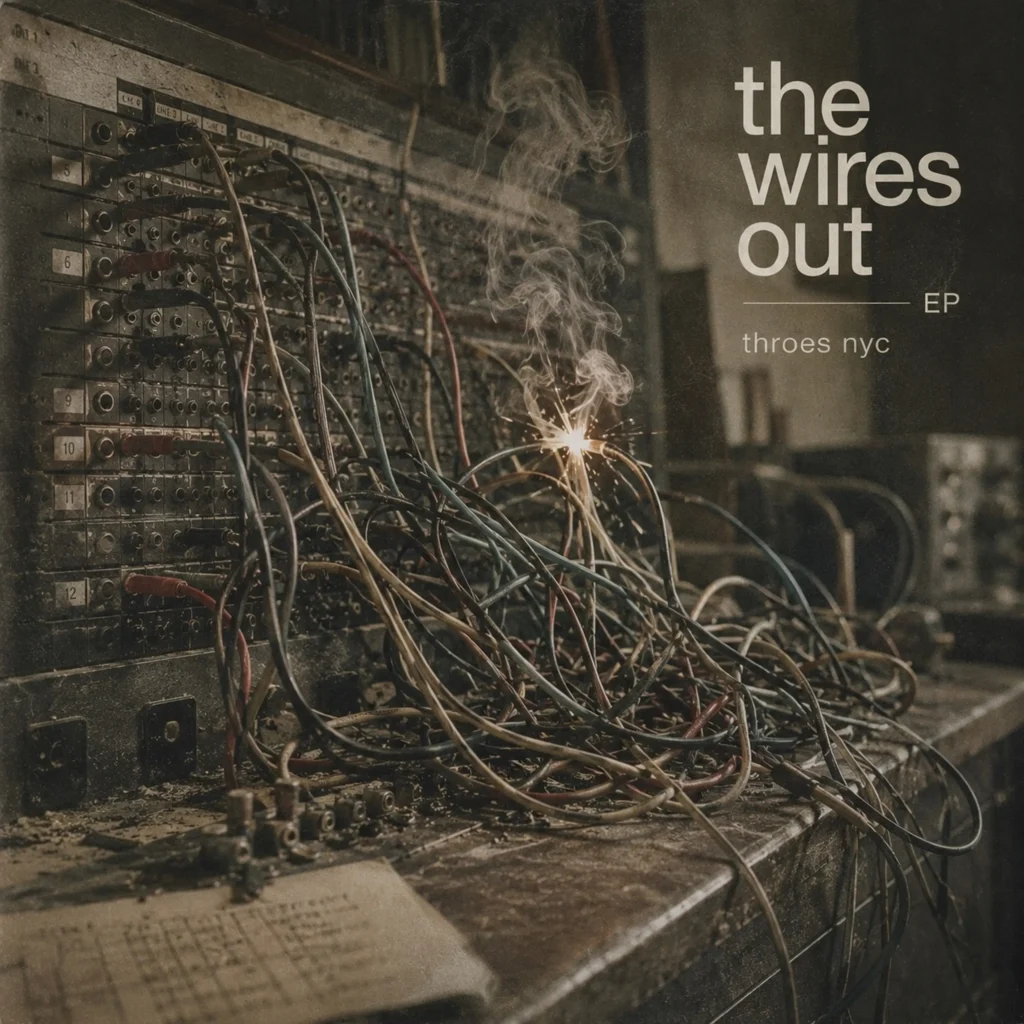
You just got to love it when EPs are named exactly like how it sounds. THROES NYC’s The Wires Out is pretty much that—everything is exposed, buzzing, sparking, and maybe one bad decision away from catching fire. THROES NYC is the brainchild of Queens, NY natives Michael Bozzo and Courtney Leo, who have been making music together since they were kids. Their teenage years were spent soaking up the chaos of NYC’s ’90s and ’00s music scene, and that influence still runs through their work. And it’s much more evident now with their 2-track EP, The Wires Out. Always, Baby sounds exactly like the song you should probably stop listening to at night before you even do something for the plot. As if it’s in that weird little space between wanting someone and having no idea where that wanting would take you. THROES NYC somehow bottles neon lights, cigarette smoke, and a downtown bar into one hazy trip-hop song where its electronic, melodic pop instinct keeps it strangely inviting.  If we’re being honest, Always Baby isn’t the safest song to put on when you’re trying to make sensible choices, but it’s probably one of the best for making questionable ones sound so real and cinematic.  And while Always Baby is the desire, Something Chemical gets you to the point where things get complicated. It opens with a grave, a promise, a woman being told she’ll be the next one. It’s unsettling, romantic, and completely unhinged in all ways.  You can hear its NYC influence from its washed-out synths and warped rhythms, good at pulling you in that you almost forget how questionable the whole thing is. They just make every repetition of “I want it all” sound so damn convincing.  It definitely makes sense that a duo raised on the raw energy of ‘90s and ‘00s New York would eventually create a project as intimate and explosive as this. But what truly makes it stand out is they don’t just chase that nostalgic NYC sound; they pull it apart, dissect it, add some shimmer, atmosphere, and a whole lot of feeling, as if they took everything they loved about that era and ran it through their own lenses.  As The Wires Out wraps up, you’ll realize that it never completely settles, and the mess is kind of the point. It’s the kind of record you play when you’re not trying to make sense of your feelings, but simply letting yourself have a night that’s a little dark, a little romantic, and a little self-destructive. Follow THROES NYC Globe Spotify Bandcamp Youtube Instagram Promoted Content About the Author

THROES NYC’s “The Wires Out” Is Made for Nights When You Feel a Little Reckless Read More »

Audiosvora’s “Motion” Turns Restlessness Into a Breakdown

Picture this: a metalcore song built around the idea that you have to keep moving or everything falling apart. It sounds like the sort of motivational poster that would be hanging in a gym run by a man who owns seven protein shakers. Except Audiosvora’s “Motion” takes that idea and makes it considerably more aggressive: stop moving and the whole system starts breaking down. The Budapest-based nu-metalcore band’s latest single is the first taste of their upcoming EP of the same name and it wastes very little time establishing the central argument. “We don’t move to reach a goal, we move to stay the same,” vocalist Viktor Smirnov sings, before the song proceeds to do everything possible to avoid staying musically in one place. “Motion” jumps between metalcore, nu-metal, phonk, electronic music and industrial textures with the confidence of a band that has apparently decided genre boundaries are more of a suggestion than an actual rule. One moment you get swaggering, rap-influenced delivery; the next, the guitars come crashing down alongside extreme vocals and breakdowns. It is basically Limp Bizkit wandering into a rave and discovering that the rave has also brought a breakdown. The clever part is that the song’s restless structure actually reinforces its concept. The arrangement keeps shifting rather than simply repeating the same heavy section until everyone involved becomes exhausted. There are quieter passages where the instrumentation pulls back, creating just enough empty space for the inevitable return of the noise to hit harder.    The production also deserves credit for making this ridiculous collection of influences feel coherent. Synths and electronic textures aren’t merely decorative wallpaper behind the guitars. They are part of the machinery. Phonk rhythms, rave elements, rap delivery and industrial sounds all push against the metalcore foundation, while the guitars provide the necessary blunt-force trauma. Audiosvora doesn’t use guitar solos often, making its appearance here feel almost suspiciously traditional. In a song otherwise determined to smash together nu-metalcore, phonk and electronic music, suddenly somebody remembers that guitars can actually solo. It is a small detail, but it gives “Motion” another unexpected turn. The accompanying video keeps things deliberately simple, focusing on the band performing rather than constructing some enormous cinematic narrative. Its fisheye lenses, close-up shots and constant movement borrow from the chaotic visual language of 2000s metal and nu-metal videos, which is an extremely appropriate choice. “Motion” is ultimately a pretty convincing introduction to Audiosvora’s current identity: heavy, weird, electronic, occasionally playful and absolutely unwilling to sit still. Which, considering the song’s entire thesis, is probably the point. Follow Audiosvora Facebook Spotify Soundcloud Bandcamp Youtube Instagram Tiktok Promoted Content About the Author

Audiosvora’s “Motion” Turns Restlessness Into a Breakdown Read More »

Floyds Row’s The Carlisle Sessions Finds New Life in Old Folk Songs

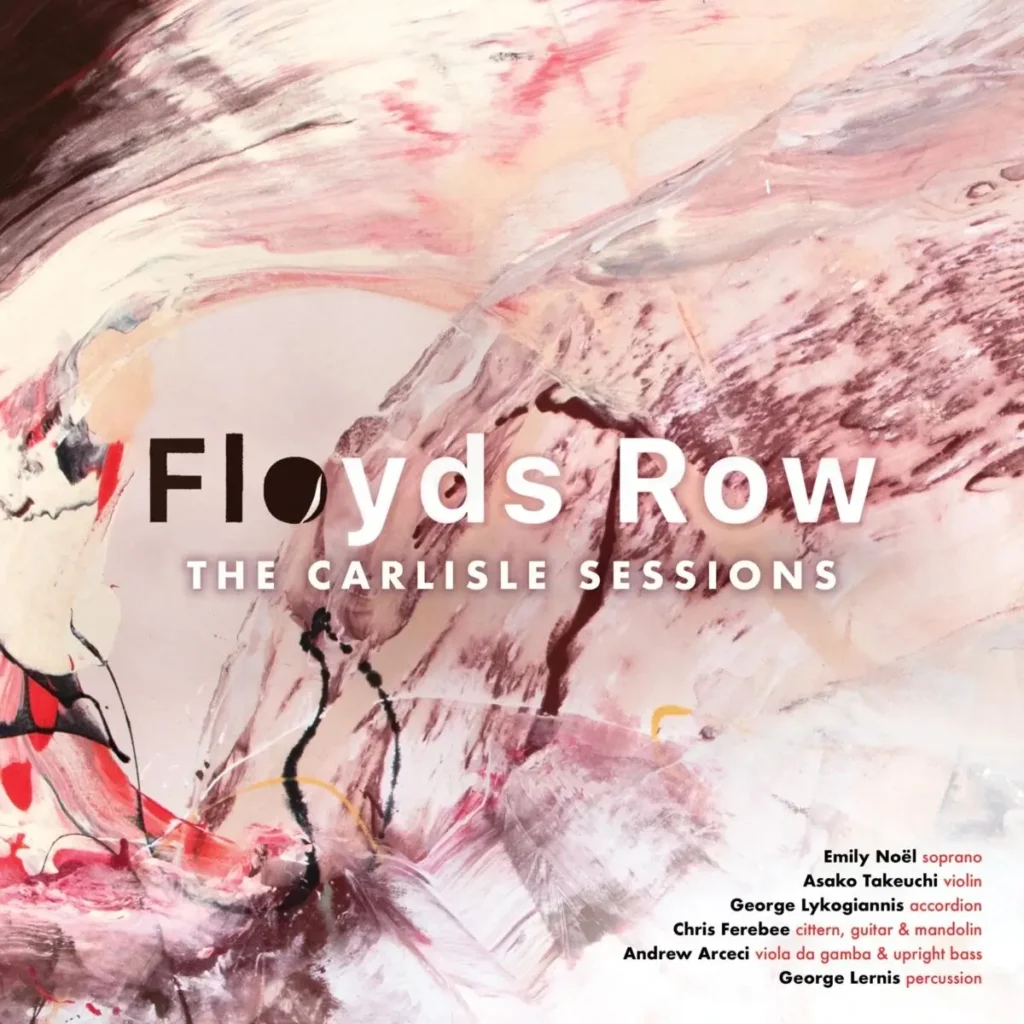
Floyds Row’s The Carlisle Sessions is a five-track EP that digs through old folk material and gives it a fresh coat of paint without pretending the past needs to be perfectly recreated. The group, formed out of collaborations at the University of Oxford, approaches traditional music less like a museum exhibit and more like a box of very old toys they are allowed to actually play with. And, thankfully, they are very good at playing with them. The EP opens with “George Washington’s Favorite Cotillion,” an upbeat instrumental that immediately establishes Floyds Row’s particular combination of folk and classical musicianship. Accordion, percussion, guitars and mandolin bounce around each other with the energy of a small gathering that has somehow turned into a dance party. It is short, lively and wonderfully odd. “Henry Martin” slows things down and introduces soprano Emily Noël, whose voice is frankly ridiculous in the best possible way. There is something almost ghostly about her delivery, particularly alongside Asako Takeuchi’s violin. The song tells its old maritime tale without sounding like it is desperately trying to convince you that you are standing on a wooden ship in 1720. It simply lets the story and performance do the work. “Jackaroe” follows with a darker, more dramatic atmosphere. Noël again provides the emotional center, while the ensemble gives the traditional song enough weight to feel theatrical without becoming overly polished. George Lykogiannis’ accordion is especially effective throughout the EP, adding a warm, slightly mysterious texture that makes everything feel like it has wandered in from another century. Then comes “Maiden Lane / Kettle Drum,” which might be the strongest showcase of the musicians themselves. Takeuchi’s violin leads the way before the arrangement expands around it, with Chris Ferebee’s cittern, guitar and mandolin and Andrew Arceci’s viola da gamba and upright bass filling out the sound. George Lernis eventually takes over with a percussion passage that is genuinely thrilling.   The closer, “The Song of Robin Hood & His Huntes-Men,” brings everything together with a suitably adventurous finish. The arrangement feels almost like the soundtrack to a storybook coming alive, with guitar, bass, violin, accordion, percussion and Noël’s vocals all contributing to the atmosphere. What makes The Carlisle Sessions work is that Floyds Row understands the difference between preserving history and being trapped by it. These songs are old, but the performances do not feel frozen in place. This probably will not be everyone’s cup of tea. It is not exactly music designed for a playlist titled “songs to scream in the car.” But that is also why it is worth hearing. Floyds Row takes music that could easily feel distant because of how ancient they are and gives it modern or rather a timeless sense of warmth, movement and personality. The Carlisle Sessions is less a trip backward than a reminder that the past can still dance. Follow Floyds Row Globe Spotify Youtube Facebook Promoted Content About the Author

Floyds Row’s The Carlisle Sessions Finds New Life in Old Folk Songs Read More »

Dear Doky Weaponizes High-Octane Anxiety on the Fiery ‘Black Hole’

A jagged wall of distorted guitar feedback cuts straight through the quiet before a furious drum beat kicks the door off its hinges. On Black Hole independent artist Dear Doky charges out of the gate with an immediate sense of emergency that grabs your chest and refuses to let go. The track instantly establishes a frantic velocity as heavy bass notes rumble beneath a razor sharp riff. It feels like sprinting downhill on slick gravel where every step threatens to spill into absolute chaos. That relentless pace drives the verses forward while raw vocals stretch to their absolute limit against a wall of overdrive. Dear Doky leans hard into the classic spirit of late nineties alternative rock while keeping the punch clean and modern. The rhythm section rattles with the nervous excitement of early Jimmy Eat World records and the guitars hit with a heavy metallic crunch that gives the melody real muscle. When the chorus hits at 0:48 the tension explodes into a massive melodic hook that demands to be shouted back at full volume. It is a terrifying and thrilling moment where the gravity of the situation takes over completely. Listen to the way the vocals fray at the edges during the breakdown near 1:55 where a sudden drop in production space leaves only a pounding kick drum and a solitary guitar string buzzing in the quiet. Dear Doky channels the fiery energy of mid-2000s icons like Paramore alongside the aggressive rhythmic drive of Sum 41 to build a sound that feels both nostalgic and aggressively fresh. The lyrics tap into that spiral of losing control and watching the floor fall away beneath your feet. By the time the final chorus roars back in for one last explosive stretch you are completely locked inside the storm. Dear Doky has turned pure panic into an infectious rallying cry that proves independent rock music still has plenty of teeth left. Play it loud in the car with the windows rolled all the way down and let the noise take over.  Instagram Spotify Youtube

Dear Doky Weaponizes High-Octane Anxiety on the Fiery ‘Black Hole’ Read More »