
Protected: YGB’s The Indictment Finds the Person Behind the Street-Rap Persona
There is no excerpt because this is a protected post.
Protected: YGB’s The Indictment Finds the Person Behind the Street-Rap Persona Read More »


There is no excerpt because this is a protected post.
Protected: YGB’s The Indictment Finds the Person Behind the Street-Rap Persona Read More »

Romance is a deeply embarrassing activity. You spend years developing emotional defenses, learning boundaries, becoming independent and generally convincing yourself that you are a fully functioning autonomous human being and then somebody smiles at you in the right way and suddenly you’re reconsidering the entire architecture. Shelita’s “Open To You” is about that catastrophic administrative error. It translates the point where attraction goes from being theoretical, to being embodied-warm, sexual and surprisingly carefree. Instead of revealing it as a huge emotional ordeal, Shelita portrays vulnerability as a choice. Either we choose to keep up the walls, or we acknowledge that we’ve found someone we care about enough to grant passage beneath them. Photo Credit: Dario Tejada Musically, that sentiment is articulated in the way the song foregoes the predictable tropes of a power ballad, not striving for a sense that every point of emotion on the record should be something world-historically significant. It’s a song laid on a mellow, R&B informed backdrop of shimmering keys, understated drums and bass set against electric textures. Everything feels deliberately far from being overwrought or too over-the-top. Because ultimately, “Open To You” is something inherently intimate and overproducing it would seem akin to shouting directly into someone’s ear. Shelita’s vocals are warm and controlled, shifting between conversational passages and a more expansive chorus without suddenly turning the song into a vocal endurance competition. The performance has a playful quality that prevents the sensuality from becoming overly solemn. When she sings, “I am open to you, honey I am all for you,” the appeal is precisely how straightforward it is. There is no elaborate philosophical framework required. She likes this person. She wants them closer. The committee has reached a decision. The writing also understands that attraction has a physical vocabulary. Candlelit rooms, flowers, water, bodies, movement and the ocean create a recurring sense of touch and immersion. These images could easily become unbearable if handled with too much reverence, but the laid-back arrangement keeps them grounded. The song isn’t pretending to discover the meaning of love. It’s enjoying the part where love, or at least the possibility of it, is still exciting. That makes “Open To You” more interesting than its premise might initially suggest. Its central conflict isn’t really between two lovers. It’s between desire and self-protection. Independence tells you to maintain control; attraction asks you to voluntarily give some of it away. What Shelita wants to say here is remarkably uncomplicated: sometimes opening yourself up is terrifying. Sometimes it’s stupid. Sometimes it’s exactly what you wanted. “Open To You” chooses the third option, puts a groove underneath it and refuses to apologize. Follow Shelita Globe Facebook X-twitter Spotify Soundcloud Youtube Instagram Tiktok Promoted Content About the Author
Shelita’s “Open to You” Makes a Case for Emotional Vulnerability Being Worth the Risk Read More »

The opening clang of Jimi Fiano’s “Hey Joe (Not Your Father’s Hey Joe)” doesn’t so much announce itself as it throws a rusty, amplified gauntlet at your feet, immediately drenching the space in a humid haze of overdriven tube amps and a general sense of impending musical mayhem. This isn’t the kind of track that lets you ease in gently with a cup of Earl Grey, because from the first distorted guitar stab, Fiano makes it abundantly clear we’re deep in the gritty, smoke-filled backroom of a roadhouse, where the air hangs thick with sweat and questionable intentions. The rhythmic engine here lumbers forward with a kind of muscular, unrefined swagger, its drums sounding like they were mic’d in a cavernous concrete bunker, all room tone and raw impact rather than polished sheen. That kick drum thuds with a pleasingly blunt force, while the snare crackles like a broken lightbulb, occasionally dropping a fill that feels less like a planned flourish and more like a drummer just barely wrestling the rhythm into submission, giving the whole affair a delightfully precarious energy. Meanwhile, the bass guitar sits in a low-end pocket so cavernous you could lose a small car in there, rumbling along with a dark, almost menacing consistency that provides a solid, if somewhat unruly, foundation for the six-string fireworks that erupt overhead. Fiano’s vocal delivery on this track leans hard into a gruff, road-worn sincerity, his voice a gravelly instrument that sounds like it’s seen a few too many late nights and screamed over a few too many loud stages. When he rasps “Hey Joe, where you going with that gun in your hand,” there’s a world-weary defiance in the question, less a plea and more a challenge, which suits the murderous intent of the original narrative perfectly. His performance doesn’t attempt to smooth out any edges, instead embracing the raw strain and slight imperfections, making the tale of jealous rage and a woman scorned feel intensely personal, even if it’s a story we’ve heard a thousand times before. It’s a vocal that says, “I know this story, and I’ve got my own scars to prove it.” This particular “Hey Joe” feels less like a reverent cover and more like a necessary exorcism, pushing the iconic blues standard through a meat grinder of heavy rock grit that recalls the raw power of early Black Sabbath demos, albeit with a more contemporary polish. It sits comfortably alongside artists who appreciate the heft of a well-placed riff and the immediate thrill of loud guitars, drawing parallels to the unvarnished blues-rock of acts like The Black Crowes during their more swaggering moments. You might even find echoes of the relentless, almost primal energy of the Jon Spencer Blues Explosion, especially in the way the track leans into its own chaotic charm, while maintaining a clear reverence for the blues rock tradition, avoiding any unnecessary flash. Jimi Fiano’s “Hey Joe (Not Your Father’s Hey Joe)” isn’t trying to reinvent the wheel, but it certainly gives that wheel a fresh coat of obsidian paint and some new, menacing treads. Its replay value lies in its sheer, unapologetic commitment to loud, dirty rock and roll, offering a satisfyingly primal punch that feels genuinely earned. This track suggests Fiano is a musician who understands that sometimes, the most profound statements are made with a well-placed power chord and a voice full of conviction, rather than intricate acrobatics, setting a clear course for more unapologetically heavy, blues-inflected rock down the line. Globe Spotify

When eight Hamburg musicians step into a studio with decades of sweat and stage smoke behind them you expect grit, but Simple Things by 5th Avenue catches you completely off guard with its pure heart and breezy melody. Ever since their legendary appearance at the inaugural Wacken Open Air back in 1990 this northern German powerhouse has carried the torch for unpretentious rock and roll. This track doesn’t try to reinvent the wheel or chase contemporary pop trends. Instead it wraps acoustic strums around driving electric riffs and lets a infectious melody take total control. The arrangement kicks off with a warm folk-rock acoustic guitar line before swelling into a widescreen chorus that demands you turn the volume dial all the way to the right. You can hear every bit of their history in the timber of the vocals as they sing about autumn leaves and simple moments with the kind of lived-in authority that only veteran players can pull off. The rhythm section lays down an effortless pocket while dual guitars trade clean fills and crunching chords that build a towering wall of sound. There is zero posturing here because these musicians have nothing left to prove to anyone. Listening to the midpoint build where the electric guitar breaks out into a soaring melodic solo feels like rolling the windows down on a coastal highway near Hamburg. The transition at 02:45 where the kick drum drives hard while acoustic strums ride underneath the electric lead creates a massive wave of energy. It bridges the classic grit of traditional hard rock with the warm intimacy of classic seventies singer-songwriter material. Every vocal harmony in the backdrop lands with crisp precision and gives the track a stadium-sized ambition. What makes the track stick in your head long after the final note fades is the sheer enthusiasm radiating from every single performance. Most bands who have been around for three decades end up sounding tired or cynical but 5th Avenue plays with the wide-eyed joy of teenagers rehearsing in a garage for the very first time. They lean into bright major key harmonies and sing lyrics that celebrate connection and quiet gratitude in an era that often feels overwhelmingly complicated and noisy. This is an absolute victory for independent music and a glowing proof of what happens when a collective stays true to their roots. Simple Things deserves a prime spot on every road trip playlist and stands as a glorious tribute to the endurance of authentic German rock. Put this record on high rotation when you need a immediate mood boost and let eight seasoned rockers remind you why live music remains the ultimate human elixir. Spotify Youtube
Hamburg Rock Veterans ‘5th Avenue’ Deliver Pure Unfiltered Joy on ‘Simple Things’ Read More »
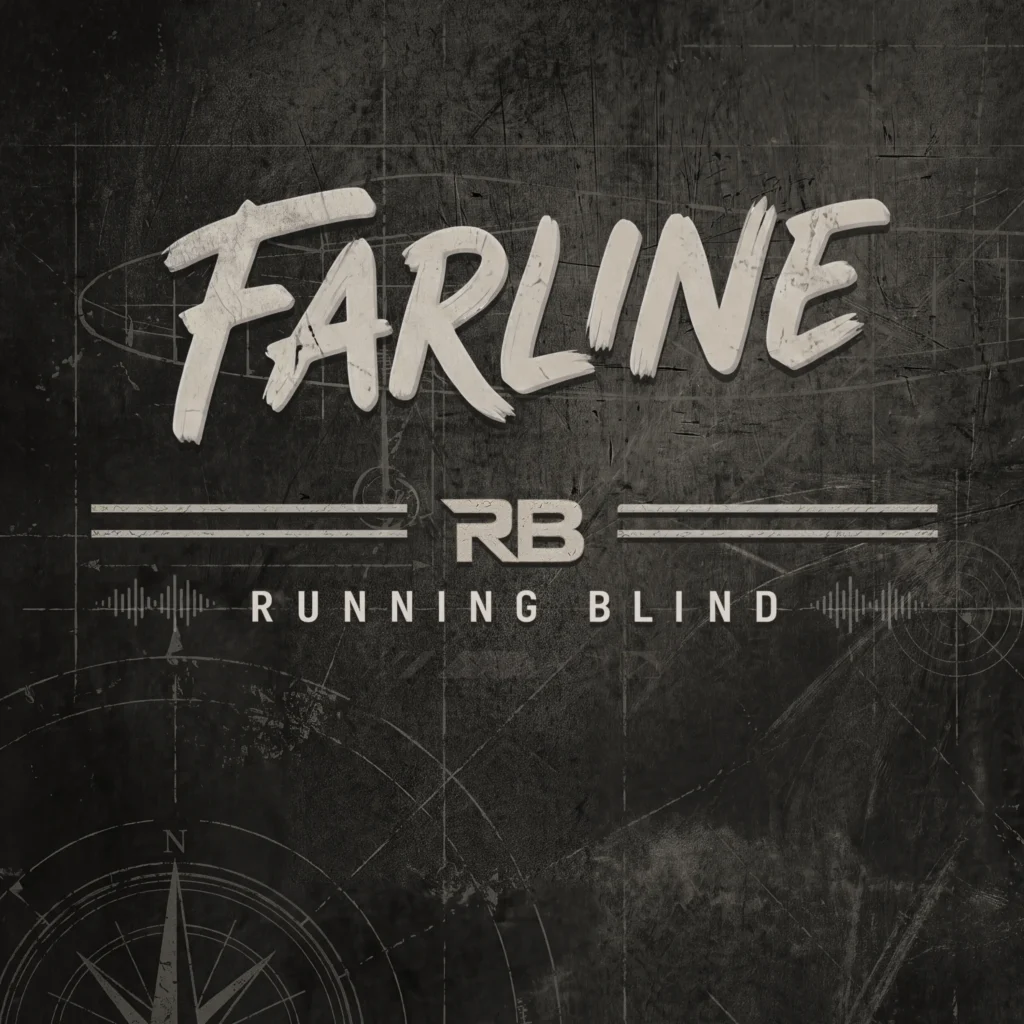
When a band unearths rehearsal cassette tapes after thirty years in the vault, the result usually leans toward misty nostalgia, but Cleveland rock outfit Farline obliterates any expectation of quiet reflection with their massive single Running Blind. Formed during the explosive boom of nineties alternative rock, the group shelved early drafts of this track before dusting off the master plans in 2025 and building a giant wall of sound around its relentless pulse. The guitars hit like a freight train on the interstate while the rhythm section drives forward without a single drop in momentum. It is a stunning triumph of persistence that sounds utterly alive in the present day. Producer Mike Wright and legendary engineer Tom Lord-Alge turn the mixing desk into an absolute weapon here by balancing raw midwestern grit with crystal clear polish. You can hear every muscle flex in the rhythm guitar parts as they crash against the soaring vocal performance. When the chorus explodes with the line running from reality and the things that you can’t see, the emotional weight punches right through the speaker cones and grabs you by the collar. The track captures the exact adrenaline rush of tearing down an open highway at midnight with your headlights turned off. There is an electrifying sense of freedom in how the band plays together as if thirty years melted away the second they picked up their instruments again in Cleveland. The drumming hits with crisp punchy clarity while lead guitar fills slice through the middle of the arrangement like lightning bolts. Farline does not mess around with slow intros or lengthy windups because they drop you straight into the fire from the very first beat. That directness gives the music a raw heart that instantly separates it from polished computer-made rock tracks. As the song reaches its peak near the two-minute mark the vocal performance pushes into total desperation and triumph all at once. The contrast between vintage gritty guitar tones and modern wide-panned audio imaging turns the recording into a full cinematic experience. Listeners who grew up on the soaring anthemics of Foo Fighters or the melodic punch of Jimmy Eat World will find themselves singing along before the second chorus even finishes. It is pure unfiltered energy delivered by musicians who know exactly who they are and what they want to say. Farline proves that great songwriting never expires even when it spends three decades sitting on a shelf waiting for its moment in the light. Running Blind stands as an urgent statement of survival and absolute passion that demands to be played at maximum volume. If this single is any indication of what this reunited band has in store for us next, the rock world needs to pay close attention because Farline is back and burning brighter than ever. Facebook Spotify Youtube

Stepping straight into the furnace with a re-imagined weapon, Swedish metal outfit NERVED deliver a crushing statement of intent on Don’t Lie. Originally released back in 2008 on their album Finally Nerved, this track always possessed a ferocious core, but here it finally gets the massive stadium-sized production and punishing low end it deserved. The guitars hit like a wall of concrete while the rhythm section pounds with unrelenting focus. It creates a thunderous entrance that immediately commands complete attention. By bringing in The Unguided vocalist Richard Sjunnesson to lend his signature growl, the band elevates the entire composition into a terrifying modern metal standard. His ferocious throat-tearing delivery counterbalances the soaring melody of the hook, creating a intense back-and-forth tension that feels alive and explosive. Listening to the collision of clean hooks and guttural snarls feels like watching two distinct storm systems crash into each other over open water. The arrangement cuts away all unnecessary fluff and gets right down to the bone. You can hear every bit of anger in the rhythm guitars as they churn beneath the verse, and when the chorus explodes with the line ‘Don’t lie’, the sheer scale of the sound stage fills every inch of headphone real estate. There is no lingering hesitation here because every riff is swung like a sledgehammer. Bands often struggle when returning to old material, but this re-recorded version demonstrates how years of touring and refining a signature sound can turn a good idea into an absolute juggernaut. It channels the legendary spirit of classic Gothenburg metal while maintaining the crisp punch of modern alternative metal production. The sheer power radiating from the speakers during the final breakdown at three minutes in will leave your neck sore for days. This track stands as a towering beacon for independent rock acts everywhere who refuse to let their best ideas sit forgotten in back catalogues. It serves up pure adrenaline with zero compromises, setting a massive standard for everything that follows on their album Kompromat. If you crave heavy riffs paired with unforgettable melodies, put this at the top of your playlist immediately and turn the volume all the way up. Facebook Spotify Youtube
This Swedish Metal Veterans Reclaim Their Past With Ferocious Precision Read More »
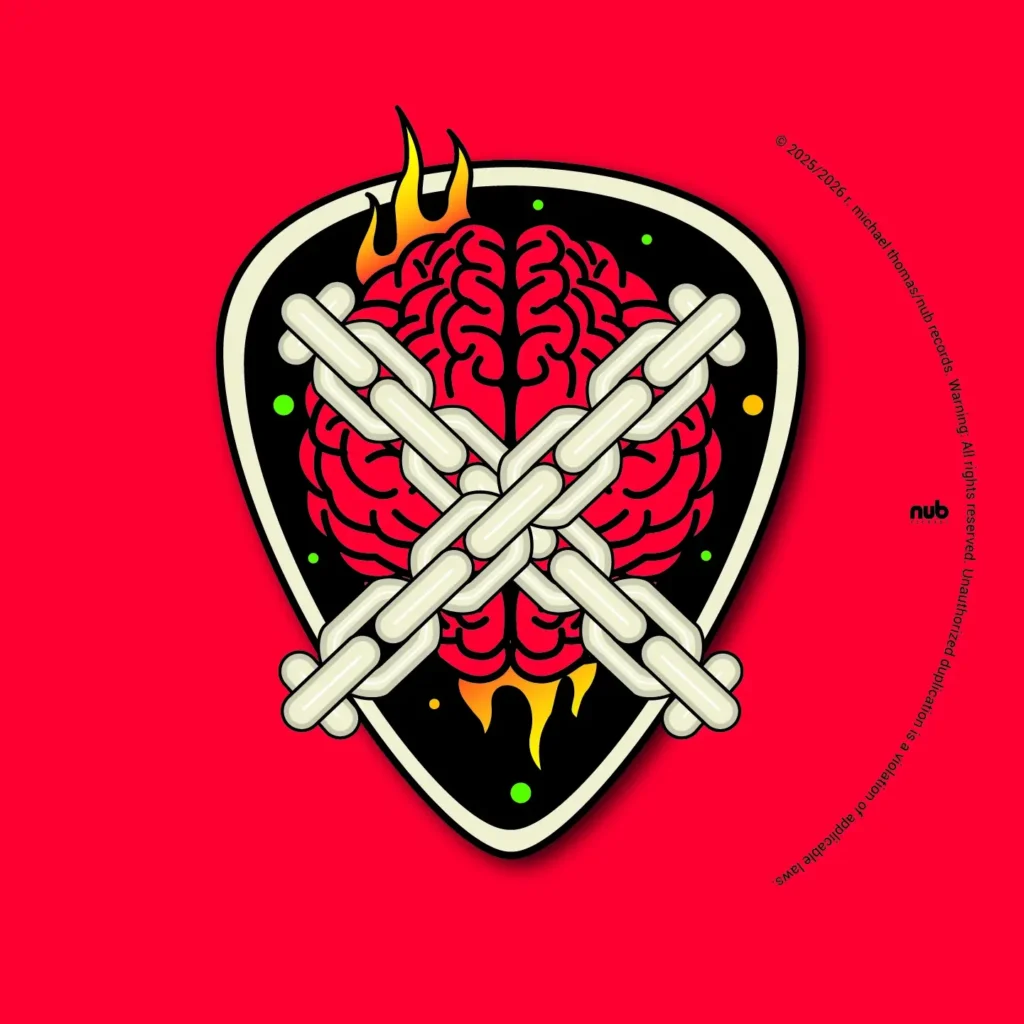
Credit: artwork: Andy Warren There is no such thing as universal burnout. One may try to sleep or take a vacation, whine it out with a friend or just stare blankly at a wall, wondering how you ever ended up here. TheMindWillNotLetGo, on the other hand, has chosen the more pragmatic method: plug in a guitar, turn it to eleven and compose an entire album inspired by being burnt out. Burnout is an album comprising nine tracks concerning disastrous relationships, tantrums and self-destructive behaviors, all combined with a hearty dash of anxiety. It masterfully melds alternative rock and a little bit of dark punk-pop into an experience that has catchy melodies interspersed between moments of pure sonic aggression, but nothing in it fakes perfection. The tone is set immediately on “lucky”, introduced by a deceptively cheerful opening then followed by an explosion of distorted guitars to reveal one of the strongest features of burnout: despite concerning a narrator who is completely depleted of energy, it rocks out to the very end with the vivacity of a stable desktop with seventeen error messages working tirelessly in the background. “wildfirehurricane” picks up speed with a similar aggressively inspired style of music, although it details the chaos of relationships more as an inherent part of it than something experienced from an outsider’s perspective; essentially, one is caught inside the burning moment rather than watching it from a safe distance. Two styles of anger are exhibited with “paynomind” and “spit”. The latter being a furious alternative rock track which employs extremely fast lyrics and a sharp, piercing solo from what appears to be its punk-ish companion. Though two different paces appear throughout the album they don’t result in a droning sound throughout the record; one has simply given way to the extreme, thus broadening the range. This diversity also appears on my album stand-out track, “beautifulpain.” This track comes to our aid with quieter, acoustic vibes and a gentle melody that is accompanied with such a steady bass line to make our hearts feel relief from such an intense, emotional ride and has the tendency to compliment the more extreme-leaning tracks even more. If all of the songs hit such a hammering volume as all the other songs present the audience may feel tired out. This album is a bit like that classic train station where every departure must be accompanied with the grand slam ending, otherwise the listener might be missing something from the departure from the station. “crashandburn” sets forth this mission as the last track with it a three or so minute track in which you are propelled forward by over 170 bpm until its inevitable collapse; in some parts you may be seeing yourself either making peace with a lover or completely destroying yourself, but you are seeing two conflicting personalities doing so that gives this song a lot of emotional intensity and highest highs; a truly heart-pounding rock track. Both “she” and “usedtobe” delve into how memory should have nothing to do with destroying your present. “she” talks about growing so far apart that you no longer seem like the same person, while “usedtobe” reminisces upon a previous, perhaps less skilled, version of yourself that makes even your new self no better than the original. Both give you those deep, melancholic yet honest moments without making them feel too clean-cut or presented with packaged, moralizing lessons. Thealbum concludes with an incomplete: “amistilldreaming” Burnout isn’t trying to show you any of the answers, all of the loops it brings up: the self-doubt, the panic attack brought upon from certain situations, the breakdown of relationships-it will put all of these to a climax and leave you alone to figure out what happens afterward. It’s what is necessary and inevitable for an increasingly panicked state. However, with all of these melancholy, disturbing matters, what makes burnout so incredible is that every second of the album is uninhibited joy to listen to-regardless of what is happening to the protagonist, each song absolutely revels in the music; although it explores how to conquer hardship, it demonstrates a definite love for pure rock music, amplified in sonic extremes. What I have noticed, oddly, is how it indirectly gives us reason to feel optimistic even with these emotional issues at hand: You cannot fix every little problem in your mind, you really cannot, but you absolutely can translate them to three spectacular minutes of rock and roll. Burnout is everything you could need. It’s melodic, but far from sterile. Heavy, but with enough hook to keep you going. Morally and emotionally complicated, but always honest about it having any definitive answers for the narrator. Most of all, it genuinely sounds like the product of somebody who deeply loves rock music. If that isn’t reason enough to turn up the volume then I don’t know what is. Follow TheMindWillNotLetGo Globe Facebook Spotify Youtube Instagram Tiktok Promoted Content About the Author
Themindwillnotletgo’s Burnout: Turning Anxiety Into an Electrifying Rock Record Read More »

There’s something immediately satisfying about a heavy rock song that refuses to sound too clean. “Forever Lost,” the latest single from Southampton outfit Blacklight Vice, understands that sometimes the little imperfections are exactly what make a recording feel alive. The track marks the band’s first collaboration with new vocalist Drew Knowles and a clear step toward heavier territory. Recorded at The Ranch Studios in Hampshire with producer Matt Janke, “Forever Lost” sounds less like a carefully sterilized studio product and more like a band being captured in the middle of something loud, messy and very real. Credit: Marianne Harris Photograpy You can hear it in the details. Fingers scrape across guitar strings. The room seems to breathe around the instruments. Amplifiers crackle and feedback naturally. None of it feels like something that needed to be scrubbed out in the editing process. Instead, these sounds give the track an almost physical quality, as if Blacklight Vice are playing directly in front of you. “Forever Lost” bursts forth with an almost primal, subterranean-dwelling rhythm and grungy guitar riff which is followed quickly by the arrival of the full, charging band in full and potent rhythm and stride. The drumming is impressive in its heft and the guitars apply distortion with a level of taste such that the song doesn’t drown under the noise. If anything, the overall arrangement of the piece has a slight looseness which serves it exceptionally well as it comes with an unpredictable nature sorely lacking in over-processed contemporary rock fare. Knowles cuts a similarly convincing performance throughout, snarling during the denser, harder parts and finding a certain groove and rhythm in melodic passages. With room for the vocals to operate, he avoids muffling the song’s impact and the result is a song that remains sufficiently angsty throughout and yet feels anything but unfocused. That matters because “Forever Lost” isn’t simply interested in sounding heavy. Beneath the distortion is a fairly human story about reaching a point wherein continuing to live under someone or something else’s negative influence is no longer an option. The heaviness becomes part of that narrative: frustration turning into resistance, darkness giving way to the possibility of finding purpose again. The song also benefits from its pacing. Instead of maintaining the same level of aggression throughout, Blacklight Vice allows the intensity to rise and fall. A more restrained passage creates tension before the band eventually lets loose again, making the louder sections hit harder. For a first release with Knowles, “Forever Lost” makes a convincing case for this new chapter of Blacklight Vice; one that shows the band capable of unleashing hell that is truly eternal. Follow Blacklight Vice Globe Facebook X-twitter Spotify Youtube Instagram Tiktok Promoted Content About the Author
“Forever Lost” Is Raw, Heavy, and Impossible to Polish Away Read More »
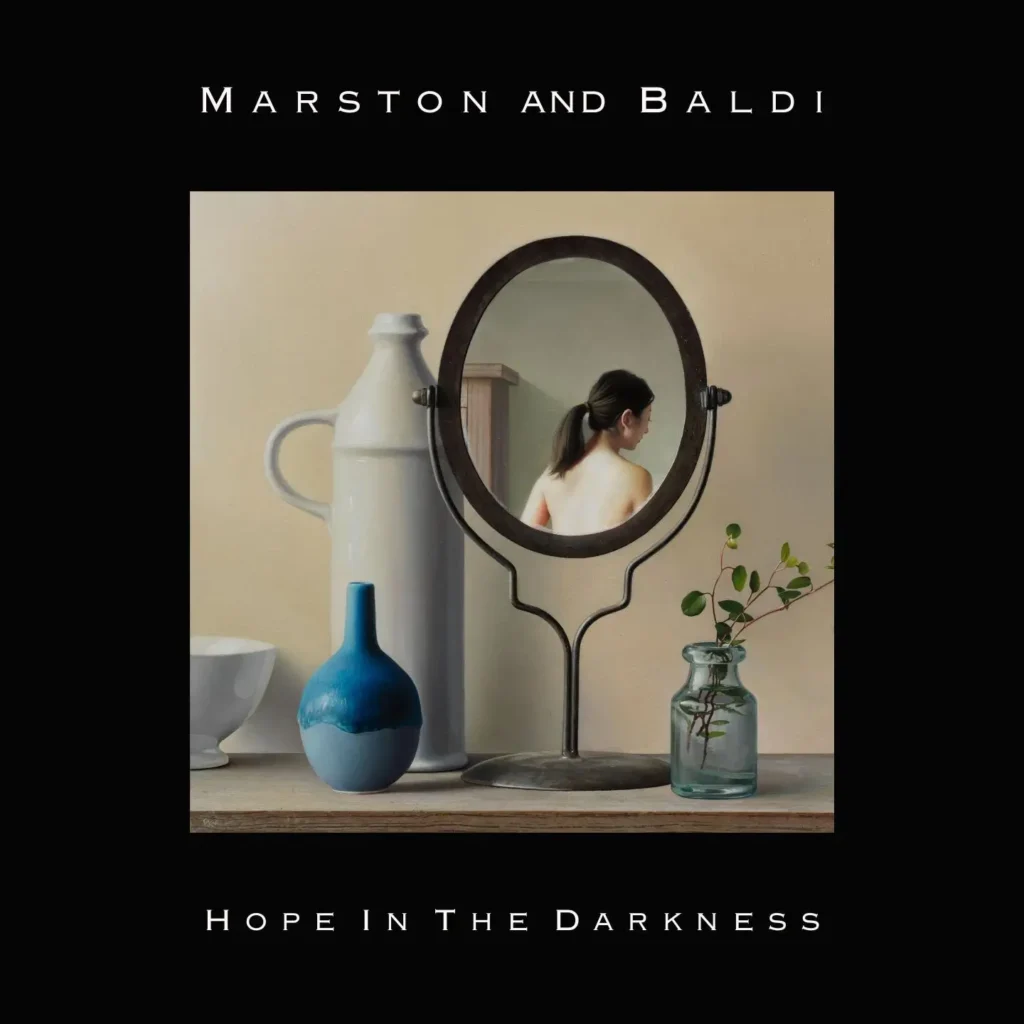
Painting featured in the artwork:“The Sound from the Opposite Shore” 対岸の音 (4S)2023by 卯野 和宏 (Uno Kazuhiro) At an age where some songs can’t figure out their intent for several minutes, Marston and Baldi offer us a track that wasted barely a breath to get there. Within the runtime of one and a half minutes, this indie pop-rock ballad says exactly what it means with little in the way of flourish; a characteristic that makes it feel right at home in the age of TikTok. But brevity does not mean the song is emotionally shorthanded. “Hope in the Darkness” starts from a melancholic place, leaning into the kind of quiet sadness that gives its eventual optimism something to push against, only to grow into something more intimate and restrained and allowing the song to establish its emotional weight without overplaying it. The contrast in its parts contains the song’s most compelling trait. Instead of ignoring the existence of the darkness, Marston and Baldi place this song on the assumption that the beauty of hope stems precisely from the fact that something must be overcome. The sadness lends the promise some much-needed credibility. Musically, the song treads between the territory of indie rock and that of indie pop, with atmospheric undercurrents accompanied by enough drive to keep the ballad from getting too morose. While there are plenty of recognizable melodic archetypes here from the melancholic opening to the huge chorus and the sense of resolution, the limited arrangement keeps these structures moving. And this is where the song’s one-and-a-half-minute runtime becomes more than just a novelty. “Hope in the Darkness” is remarkably easy to consume without feeling disposable. It gets in, establishes its mood, delivers its emotional peak and gets out. At the same time, the song does not feel like a cynically constructed track designed for short attention spans. The track’s emotional arc feels earned and well-structured, with the narrative of shifting vulnerability and burgeoning hope making it feel like it has an internal journey in spite of its restricted length. Written and performed by Giorgio Baldi, Matthew Marston and Gabriele Ratti and produced and mixed by Giorgio Baldi, “Hope in the Darkness” succeeds through its uncluttered construction. It doesn’t need epic arrangements or even an extensive runtime to express the important idea that even in dark times, there can be light. Sometimes you only need a couple of minutes to remind someone that things can get better and if that reminder happens to fit neatly into the TikTok era, all the better. Follow Marston and Baldi Spotify Promoted Content About the Author
Marston and Baldi Deliver ‘Hope in the Darkness’ in Under Two Minutes Read More »

There are only so many ways a rock band can tell you things are crap. They can scream at the listener, then lower the guitar tuning until the neighbors’ furniture begins to hum with their own existential rage, write a chorus explicitly about the nature of despair and scream it at an increased volume. Or, if you’re Blade Of Thorns, do all of the above, while simultaneously making it sound like being pulled underwater and drowned with no hope of rescue. On the latest release by London-based industrial-rock band Blade Of Thorns “Deep Waters” is precisely as unsubtle a statement of intended mood and thematics as the title promises, that a person is feeling overcome by their own thoughts rather than presenting these difficulties as something that can be overcome through an inspiring quote over a sunset backdrop, The result is heavy, dramatic and surprisingly earnest, with no pretense of making things better. The track steadily builds an atmosphere and introduces the guitars before they begin their contracted obligations; namely to become utterly enormous. The drums are a consistent pounding force and the thick baseline is meant to represent what constantly presses onward in the ears. Guitars do the same and add further abrasion to the overall work. This is not to overlook the guitar solos, It seems that the lead guitar isn’t just there to decorate the song: the melodies bring with them an additional layer of the song’s emotional texture. Though somewhat short, the solos are melodic and lamenting rather than triumphant; and it brings the listener above the oppressive weight of the rest of the track only to give them a brief respite before bringing them back under. And “Deep Waters” doesn’t have any pretense of permanent escapism anyway. What that message has to sound like here is exactly this song. There’s no performative melodrama in the darkness of “Deep Waters”: no shadow-monsters lurking in the corners. There’s just the familiar darkness and that familiar ringing sound in a person’s head; once that internal noise rises and drowns out the noise that it originally mimicked, the arrangement begins to draw in on itself again and become slightly less melodic, though still rhythmically heavy. “Deep Waters” has the advantage of not forcing us to think the music only can be violent, only can be the emotional; we have our guitar riffs that are their own cry and our guitar solo that may well be what one feels they need to say but cannot for any reason say, and our trek down into that deep water only to find the surface at the end of it. Blade Of Thorns doesn’t make the trip there a welcoming affair; they just make the long drop worthwhile. Follow Blade Of Thorns Globe Spotify Youtube Instagram Tiktok Promoted Content About the Author
Blade Of Thorns Navigates Emotional Abyss on “Deep Waters” Read More »