loader image

2026

Queens Rap Veteran Delivers Soulful Street Wisdom

Walking through Queens under a gray afternoon sky brings an immediate feeling of history and K. SPARKS channels that raw street warmth on Make It Make Sense. The track opens with a haunting female vocal sample floating above crisp drum snaps that carry the weight of late nineties hip hop culture. He steps up to the microphone with the easy poise of a veteran who learned his craft in South Jamaica long before chasing radio play or digital metrics. Every sentence carries personal history as he speaks on losing his mother Laura and surviving the quiet paranoia of modern urban life. His rhythmic delivery moves with smooth conversational precision that makes every bar hit with quiet intensity. He drops references about reading braille in the dark and wrestling with internal mental health battles while the bassline rolls effortlessly underneath. This is classic East Coast hip hop built on pure lyricism and adult self-reflection rather than exaggerated flexes or social media posturing. You hear the focus in his voice when he breaks down the painful gap between young men dying and old men talking. The production relies on a timeless warm loop that feels like discovering an unreleased gem in a dusty crate of soul records. A snare crack keeps the tempo swinging while sub-bass gives the track a heavy heartbeat that demands turned-up speakers. It carries the distinct flavor of classic New York radio from the era when stations like Hot 97 broke authentic independent voices based purely on talent. The vocal sample in the chorus acts as a emotional counterweight to his verses by lifting the track into something communal. He rhymes like someone who has written thousands of songs in total solitude without chasing fleeting internet trends. By the time the beat fades out into quiet vinyl noise you realize you listened to a genuine piece of life story from an artist who survived the industry grind on his own terms. His history collaborating with stars like Kid Cudi and placing music across hundreds of television shows never diluted his core commitment to authentic underground hip hop. Make It Make Sense stands as a triumph of independent artistry that earns every single second of your attention. Facebook Spotify Youtube

Queens Rap Veteran Delivers Soulful Street Wisdom Read More »

Lyons Lane’s ‘You’ll Talk About It!’ EP Proves Old-School Rock Doesn’t Have to Stay Old

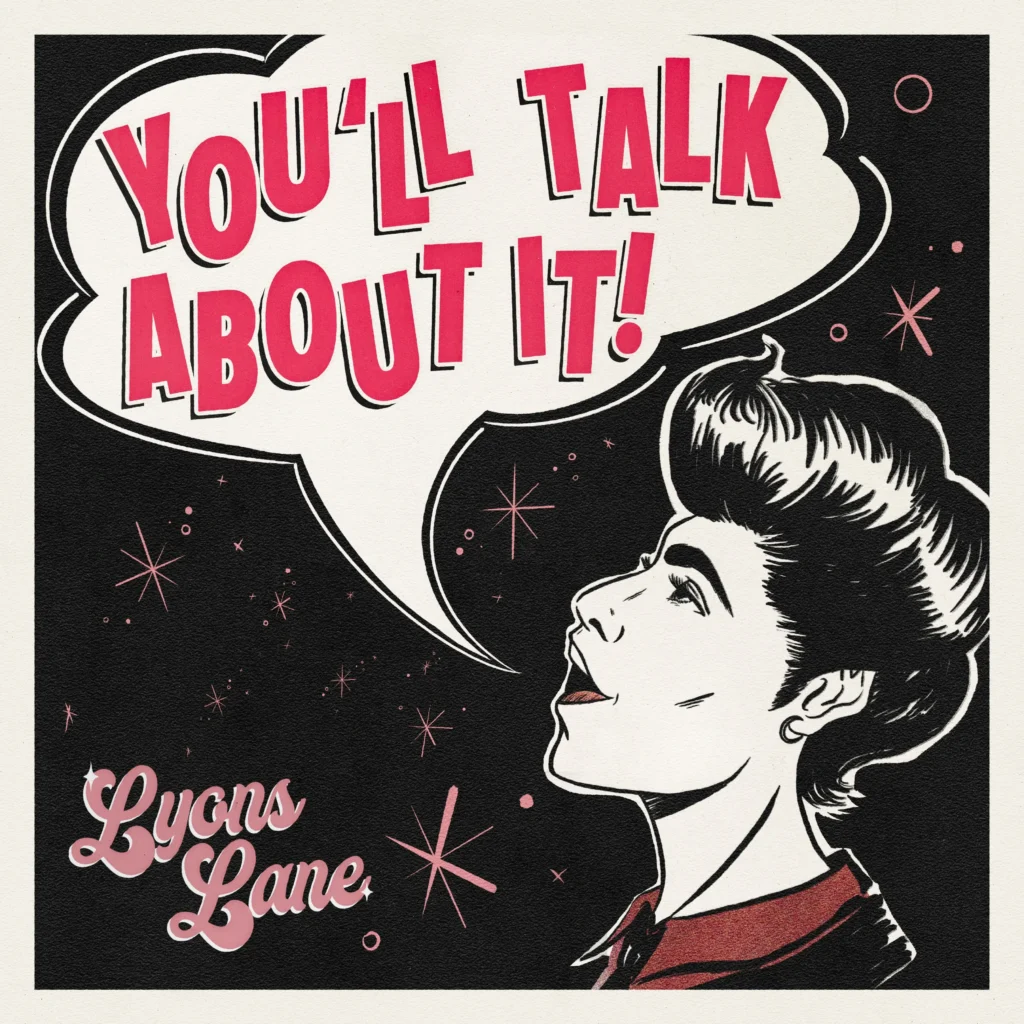
There’s a line between “it sounds old” and “we understand why it worked so well before.” Lyons Lane seems to get it. The Michigan five-piece conjures up rockabilly, doo-wop and 1950s Americana on their debut EP You’ll Talk About It! but it doesn’t sound like a band with a museum exhibit dedicated to the Fifties. There are vintage guitars, crooner vocals, harmonies and horns, but there’s also enough garage-rock grit and alternative-rock muscle to keep it all jumping. According to the band, their sound is “vintage without nostalgia, and modern without abandoning the past.” We’re talking about a more refined way of saying that Lyons Lane loves the old sounds but doesn’t think they have to sound just like they did before.  Founded by Mark Leo and Thomas “Tomcat” Thompson, the Michigan five-piece has already gained national attention, racked up nearly two million Spotify streams, and built a rapidly growing fan community. They’ve also sold out a legendary venue in their hometown, a place known for hosting the White Stripes, which feels like a pretty fitting milestone for a band so deeply connected to American rock history. Credit: Photo by Gavin Koenig You’ll Talk About It! opens with “Don’t Shoot The Messenger.” It’s a guitar-driven, fast-moving, punchy opener that gets right into the band’s musical wheelhouse: lots of space for guitars and for frontman Mark Leo to deliver attitude. It reportedly remains the band’s opening track at shows, and it’s the sound you’d want to get the crowd moving before they overthink things too much. By then, though, the EP has already taken the listener to lots of other places in Lyons Lane’s vintage universe. “Tahitian Pearls” and “Bitten” riff on the foundation the opener sets, but the band isn’t simply copying the same move. The looseness of the playing keeps them from sounding like exercises in history. The first several tracks manage to keep “vintage” feeling fresh, yet somehow the EP also keeps reminding one of how the collision of American pop music can produce something new. “A Stop at Willoughby” moves further into the band’s interest in atmosphere, but it’s also a great way of illustrating just how wide-ranging the band’s idea of “vintage” could really be. And, of course, the ability to avoid clear lines between genres is also a good way to avoid sounding like a band merely reproducing the past. “Emma’s Addiction” is the clearest indication of the band’s retro-pop sensibility, leaning more toward the musical style of the 1960s with crooner vocals, prominent horns, and a mood that might work as background music for a movie about traveling a long road and making some questionable decisions. That slightly theatrical quality is important: Lyons Lane is not a band merely copying the sounds of the past, but using them as tools to give its songs character. The horns and even the vocals can sound soulful and over-the-top on purpose. The band explores that theatrical tendency even further on the closing track, “Sugar & Spices,” which carries off many of the elements of the previous five songs: songcraft, a certain old-school attitude, and the band’s natural fondness for showtime flourishes. And across the six songs, it’s not so much that Lyons Lane is unveiling some new way of crossing all these influences, but that it makes the convergence feel organic. The biggest pitfall of old-time rock is nostalgia for its own sake. “Remember when music was better?” really isn’t a great premise for art. Lyons Lane is more interested in a better question: What can these sounds still do? Turns out: a whole lot. The band’s approach makes the influences of You’ll Talk About It! feel like ingredients in a musical recipe rather than strict rules: rockabilly pushes the band along; doo-wop provides harmonies; the swells of old-time pop provide theatricality; and the whole thing has enough muscle to keep it modern. The result? An EP that knows what it likes without sounding like an artifact from the past. Old-school rock music doesn’t have to stay old. All it takes to keep it relevant is a band that understands how to keep it relevant. You’ll Talk About It! arrives September 25 on vinyl, streaming platforms, and digital download. Give it a listen and see what Lyons Lane does with these timeless sounds.  Follow Lyons Lane Globe Facebook Spotify Soundcloud Youtube Instagram Tiktok Promoted Content About the Author

Lyons Lane’s ‘You’ll Talk About It!’ EP Proves Old-School Rock Doesn’t Have to Stay Old Read More »

Reetoxa’s Double A Side 2 Is Two Rock Songs and Countless Existential Crises

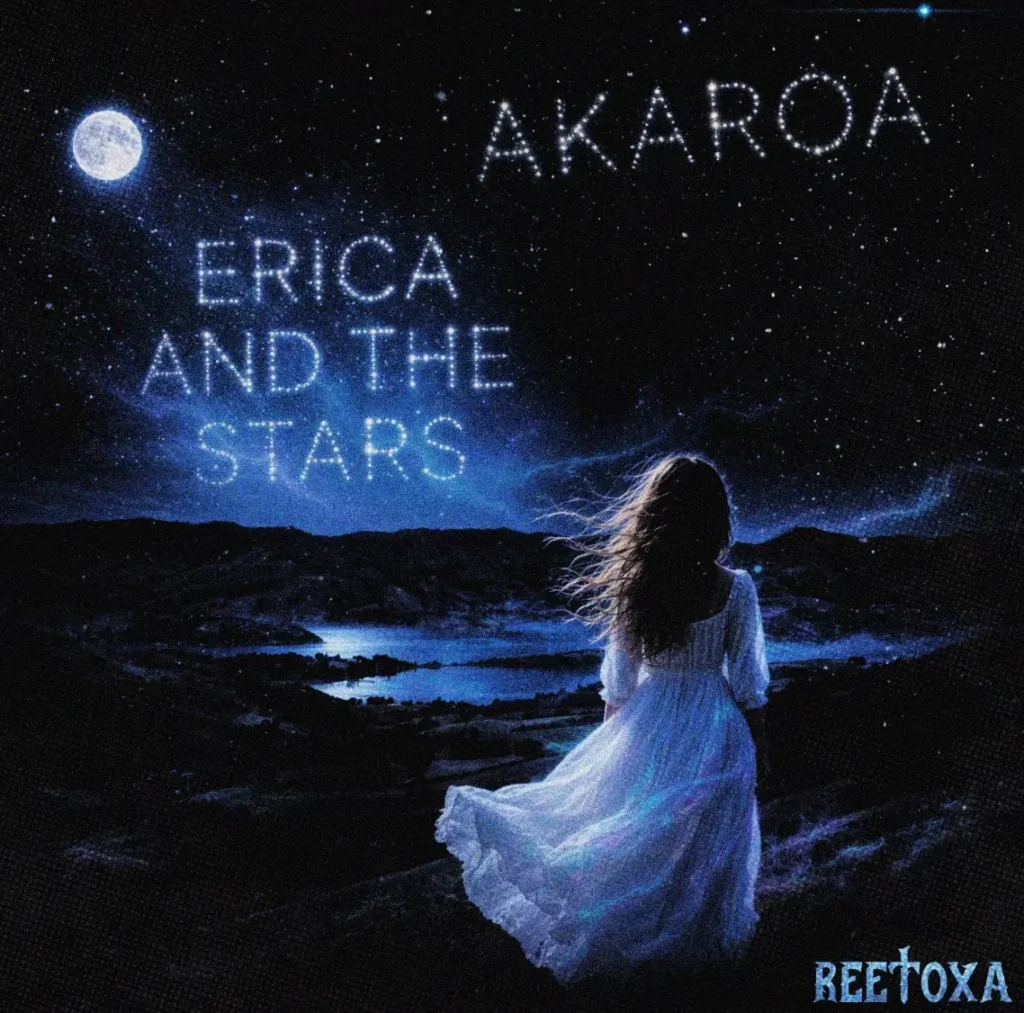
Two songs. An entire orchestra. A spiritual awakening. A mental breakdown. All that packed with enough baggage to fill a 26-track double album. Double A Side 2 (Akaroa / Erica And The Stars) by Reetoxa is an EP but is delivered with all the bombast of a full-blown rock opera and with the emotional nuance of a man staring out the window during an interstate rainstorm. The Melbourne band’s latest record features Jason McKee, who after 30 years of making music, finally met producer Simon Moro and started working on his debut officially released recording. That is a long time to hold onto songs. Most would have given up, started a podcast, or just deleted the demos. McKee persisted, and over years of trials and tribulations, found the shape of two large, honest orchestral rock songs. The first, “Akaroa”, was born out of a waking spiritual dream while going through a dark patch in life. Many years later, during a trip to Akaroa, New Zealand, he felt an unexplainable presence as he wandered through town, and the song came flooding back. Pitching a story of such grand spirituality and personal struggle might sound like the opening of a very serious documentary, but the music does more of the heavy lifting. “Akaroa” contains similar 90s rock ideals: lengthy guitar work, plenty of strings and a vocal delivery overflowing with emotional weight. The orchestrations keep the song expansive, keeping it warm but not overcooked. Nostalgia is a theme, with the sound of those preposterously long song sets being dragged into the modern day by a mountain of emotional issues. “Erica and the Stars”, the second track, is even more personal. McKee mentioned it was written during a rough mental time that he describes as a life raft. His mind hallucinated an arrangement, and he finally got the Budapest Orchestra to perform the string parts to match his imagination. While most of us crawl out of this sort of situation by grabbing our phones or shoveling undercooked snacks into our mouths, McKee decided what he needed was an entire orchestra. That’s impressive. Thankfully, the grandiosity works because while this song sounds like it might blow out of proportion, the emotional core stays close to home. His voice carries the pain while the strings define it, encompassing it into something resembling an epic film about conquering the universe. Yes, it is melodramatic but it’s not just grandstanding to make sure no one forgets how important this is. Each track has instrumental karaoke tracks so anyone can take all those vocal moments. It may seem out of left field but it feels like a natural fit because these songs don’t feel untouchable, monument-style creations. Instead, they have been written to be performed in people’s living rooms as a form of camaraderie. Throughout Double A Side 2, Reetoxa shows off a healthy mix of indie-rock grunge and a much larger orchestral scope. Guitar grounds things, strings open up the world, and the singing is alternately exposed and downright fierce. The production keeps things spacey enough to breathe but honest enough to feel real and meaningful. Subtlety isn’t the point of this release, and presumably isn’t Reetoxa’s aim. The artist gets into the realm of uncertainty, emotional endurance, and the realization that creativity can turn difficult experiences into something people might be able to relate to. Sometimes the songs are dialed into their ballads. Sometimes they seem poised to soundtrack a man standing on the edge of the universe contemplating its significance. It’s hard to ignore the passion behind it all. As far as small releases go, this one has outsized aspirations: two songs, layers and layers of symphonic arrangements, and enough personal baggage to fill a double album. Maybe it doesn’t reimagine the world of rock music but it’s a compelling argument for why anyone should keep trying. A guitar, a voice, and enough emotional investment is a lot to deal with in one sitting, but it helps to make the darkness not seem so eternal. Follow Reetoxa Globe Facebook X-twitter Spotify Youtube Instagram Tiktok Promoted Content About the Author

Reetoxa’s Double A Side 2 Is Two Rock Songs and Countless Existential Crises Read More »

Moonarch’s “King of Nothing” Asks: What Good Is a Kingdom When Everyone’s Dead?

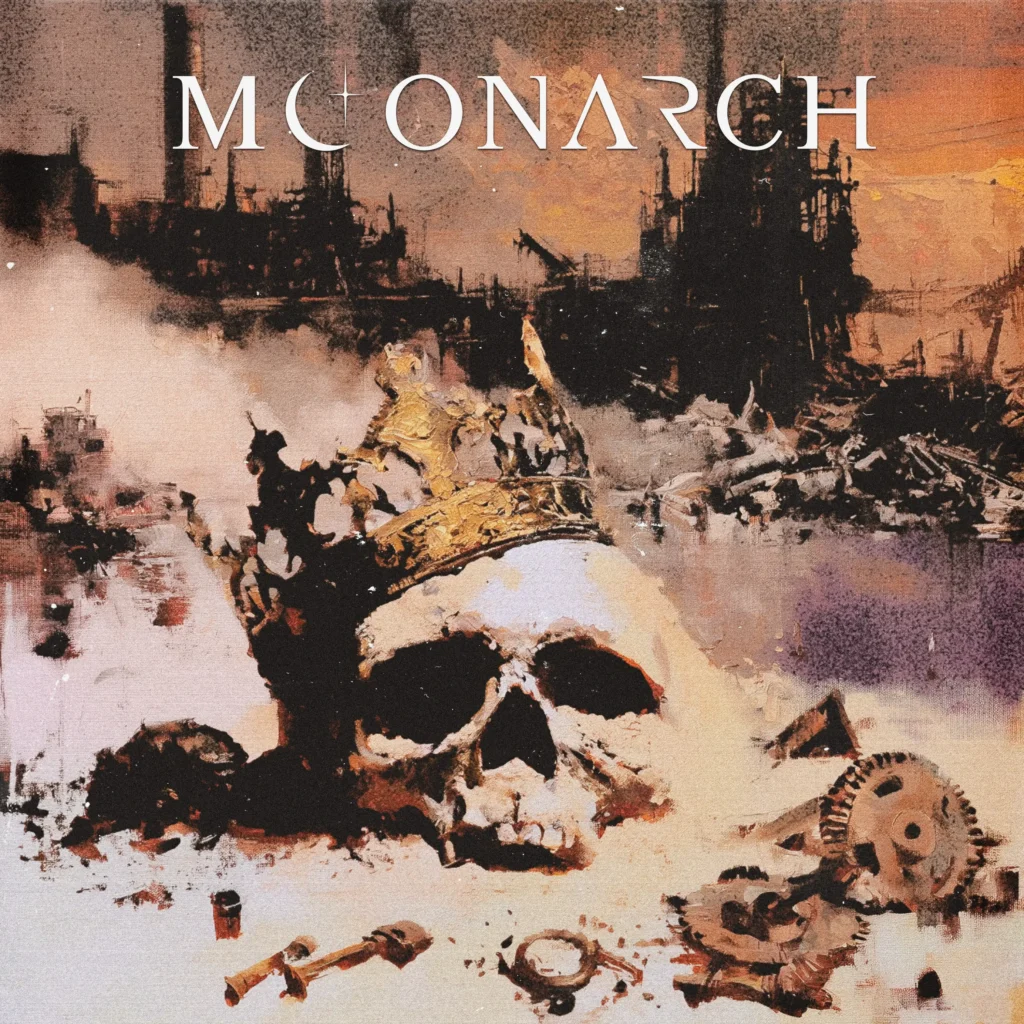
Hamburg’s melodic dark-rockers Moonarch turn greed, technology and societal collapse into a stadium-sized warning shot. “King Of Nothing” arrives with stomping guitars, soaring vocals and enough dramatic atmosphere to make the apocalypse feel like it deserves its own arena tour. The track imagines a dystopian world wrecked by the greed of its rulers and humanity’s increasingly obsessive relationship with technology. The kings remain, the magnificent buildings remain, the enormous thrones remain and, rather inconveniently, everyone they were supposed to rule has disappeared. Congratulations, your kingdom is now a very expensive empty building. It’s about the right kind of epic for a band whose sonic palette is all about space, and Moonarch, who are melodic dark rockers, “King of Nothing” is both squarely within that statement and full of it. Stomping guitars are the backbone that push the tune forward, and synths and keyboards provide an air of desolation all around the periphery of its sound. Meanwhile, melody from guitars guides the songs towards their massive conclusions, adding that modern big stadium production style. Finally, the vocals, an absolute best fit for this type of bombast, switch between sweeter, lower registered pieces and truly massive, wailing high parts Photo Credit: @karlotttaa via Instagram What makes “King Of Nothing” work, though, is that the music does not simply sit underneath the message. The band’s arrangement gives the song its own sense of escalation. The guitars and drums create a physical stomp, while the synths and choral elements push everything toward something grander and more ominous. It is easy to imagine the chorus being designed for a crowd to yell back at the band while several thousand people collectively contemplate the downfall of humanity. Despite its enormous subject matter, “King Of Nothing” feels built from a straightforward rock impulse: find a riff, make it bigger, then ask how catastrophically large the thing can become. The answer is: pretty damn large. There is also something refreshing about a dystopian rock song that understands the appeal of its own ridiculousness. Yes, we are talking about rulers sitting on magnificent thrones in the ruins of civilization. Yes, technology has apparently helped get us here. All true, but Moonarch commits to the premise completely and that commitment gives the song its charm. “King Of Nothing” ultimately works because its warning is simple enough to understand even beneath all the guitars: power means very little when there is nobody left to impress. Build the biggest kingdom imaginable, fill it with machines, surround yourself with monuments to your own greatness and you can still end up alone. Moonarch just happens to provide that lesson with enough riffs and soaring vocals to make the apocalypse sound fantastic. Follow Moonarch Spotify Youtube Instagram Tiktok Promoted Content About the Author

Moonarch’s “King of Nothing” Asks: What Good Is a Kingdom When Everyone’s Dead? Read More »

I Plead Irony Took 10 Years to Finish This Monologue Conversation. Thankfully, It Was Worth the Wait

There’s something inherently funny about a band called I Plead Irony spending ten years making an album about contradiction. You could accuse them of taking the joke too far, but then This Monologue Conversation arrives and makes a rather persuasive case for letting them have the last laugh. The third album from Farnborough trio I Plead Irony has had an absurdly long gestation. Years later, they came back to it because, apparently, they had the radical idea that maybe good songs should actually be released. Photo Credit: Dave Vokes Photography The end result is an eleven-song album of the most natural-sounding alt-rock that truly embraces and recognizes its dour nature without taking itself too seriously. Expect some punk and some blues on the fringes, while the crunching guitars and rocking rhythm section keep the eleven tracks bouncing. Ultimately, however, I Plead Irony never feels quite miserable enough to be granted a medal for the loneliest person in a room at any point. Rather, they feel like three friends who love the shit out of making music, and that translates on and through the record, too. Because This Monologue Conversation is dealing with some pretty heavy stuff. Fear, conformity, identity, self-destruction, the possible collapse of civilization, and all the fun ways people manage to make their own lives harder. Basically, the kind of stuff you’d normally avoid thinking about if you’re trying to have a nice afternoon. Thankfully, I Plead Irony don’t treat any of it like they need to spend the entire album sitting in a dark room looking dramatically miserable. There’s enough energy, humor and personality in the music to keep all that darkness from becoming exhausting. “Inside the Lines” is a good example of how the band pulls this off. The drums come in with plenty of energy, the guitars grind away underneath them, and Jordan’s low vocals give the song a darker edge. The song is about boundaries and the limits we put around ourselves, and while it started from a personal perspective, the pandemic has given those ideas a much bigger context. After everything that happened over the past few years, songs about conformity and freedom are bound to hit differently. The best part is that the song doesn’t have to spell all of this out for you. It just gets increasingly tense as Jordan’s vocals rise and the music opens up around him. The song has changed because the world listening to it has changed. And, annoyingly, it works really well. From the eeriness and uncertainty of “History,” one finds oneself looking at things on a slightly more general scope. “History” inherently has that sing-along quality thanks to the sheer fullness and fuzziness that accompanies its guitars, along with those heavier strings, pounding drums and crashing cymbals that lend themselves to a real sense of anxiety within the tune. Ultimately, the point is simple: can you even say that humans are moving anywhere at all, or do we just make very similar mistakes each and every damn time around? And that’s the fun contradiction at the heart of “History.” It’s catchy enough to get stuck in your head while making you think about whether humanity is capable of learning from its own mistakes. Honestly, it might be one of the more appropriate songs to have playing while you’re scrolling through the news and wondering what on earth everyone is doing. Despite all those big ideas, This Monologue Conversation never feels weighed down by them. A lot of that comes from the fact that I Plead Irony sound like three people who actually like playing together. There’s a natural looseness to the performances. You might expect that kind of interrupted production to result in something disjointed. Instead, This Monologue Conversation feels remarkably coherent. More importantly, it does not sound like a museum piece rescued from a hard drive simply because nobody could bear to delete it. The closing “Falling Upwards” provides the album with its most hopeful moment, turning toward love and connection without suddenly pretending that all the problems raised across the record have been solved. There is no triumphant cinematic ending where everyone learns an important lesson and the credits roll. Thank God. That would be terrible. Instead, the album ends on something more modest and believable: the possibility that connection matters even when everything else is confusing. And that brings us back to the album’s strangest accomplishment. This Monologue Conversation is fundamentally about contradiction, but its greatest argument is surprisingly straightforward. Three friends have spent roughly two decades making music together. They started an album, life got in the way, and eventually they returned because they still believed the songs deserved to exist. After waiting ten years to hear it, This Monologue Conversation makes a pretty convincing case that some records really are worth waiting for. I Plead Irony takes anxiety, contradiction and an impressive amount of self-reflection and turns them into something that is, thankfully, still a lot of fun to listen to. It took the Farnborough trio a while to get here, but they’ve ended up with a rock album that knows when to be serious, when to have a laugh, and when to simply let the guitars do the talking. Follow I Plead Irony Globe Facebook X-twitter Spotify Bandcamp Youtube Instagram Promoted Content About the Author


I Plead Irony Took 10 Years to Finish This Monologue Conversation. Thankfully, It Was Worth the Wait Read More »

Waterloo Alt-Rockers Awake & Dreaming Ignite a Riotous Street Dance on ‘Cold Shoulder’

Awake & Dreaming come stomping out of the Waterloo night with ‘Cold Shoulder’ sounding like a band ready to tear down the walls of every suffocating office block in North America. The Ontario outfit takes the tense swagger of mid-2000s post-punk revivialists and turns it into a blistering reclamation of personal freedom. What starts as a restrained nocturnal creeping quickly builds pressure under Sasha’s restrained vocal delivery. You can hear the quiet panic of being trapped in a life you never ordered and every bass pluck feels like a ticking clock. The verse leans heavy on restraint as Sasha delivers the whispered taunt “Go on, give us the cold shoulder.” which feels less like a plea and more like a dare to an unfeeling world. The groove stays tight and menacing while guitar lines snarl in the background much like early Arctic Monkeys tracks where every note feels tightly coiled. Mixing engineer Jay Dufour leaves enough air around the instruments so you can feel the sweat in the room before the sudden explosion. It pulls you in by your collar and refuses to let go until the dam breaks. When 2:20 hits the room shatters completely as the rhythm section detonates into a full scale riotous march. The transition opens up space for a crowd shout that demands total participation so you can instantly imagine sweat dripping off the ceiling at their shows across Waterloo, Ontario and beyond. That explosive shift carries the same theatrical punch as classic Muse anthems while keeping its boots firmly on the pavement. The chant “I’m gonna dance in the street while it’s burning.” rings out like a survival manifesto for a generation exhausted by modern routine. The bridge at 2:52 stacks an avalanche of sounds together where a roaring organ collides with soaring electric guitars and a choir of voices. Mastering engineer João Carvalho gives the entire wall of sound a physical crunch that hits straight in the chest without muddying the mix. The guitars cut through with the raw edge of The Strokes at their most urgent and the organ adds a dark gospel weight to the chaos. Then everything cuts away to leave Sasha finishing the central chant alone in a moment of pure unvarnished defiance.Awake & Dreaming have created something that demands to be played at top volume on a late night drive when you need to remember you are still alive. This track marks a massive leap forward for the band as they prepare to take their debut album Inevitable on the road. It leaves a mark in the best way possible and proves that Canadian alt-rock has found a fierce new heartbeat.  Facebook Spotify Youtube

Waterloo Alt-Rockers Awake & Dreaming Ignite a Riotous Street Dance on ‘Cold Shoulder’ Read More »

Gubbe Turns Bad Ideas Into Good Alternative Rock on ‘What Could Possibly Go Wrong’

There are certain phrases you probably shouldn’t say immediately before making a potentially dangerous decision. “I’ve got a great idea” is one. “Trust me” is another. But perhaps the most relevant is: “What could possibly go wrong?” That’s the question Norwegian alternative rock project Gubbe asks on its new track of the same name, primarily because subtlety clearly wasn’t going to help anyone here. Written by songwriter Bent Olav Olsen, the song centers on impressively questionable decision-making and turns it into a jaunty, guitar-driven alt-rock bop. It’s melodic without becoming sweet, heavy without drowning out the melody and far too optimistic to recognize the obvious flaws in the plan. Credit: Diego Escobedo Lozano “What Could Possibly Go Wrong” is funny, but its humor isn’t simply built around absurdly bad ideas. Beneath the punchline is something much more familiar: that particular kind of foolish self-assurance where you know something could go spectacularly wrong, briefly acknowledge it and then decide that thinking about the consequences sounds like someone else’s problem. We’ve all done this. Maybe not while wrestling a full-grown bear, but something close enough. For a song about making bold moves, the dense arrangement fits perfectly. Thick guitars and pounding drums throw plenty of ideas at the listener at once, making everything sound chaotic and completely under control simultaneously. It’s an appropriately frantic soundtrack for a decision-making process that has consequences three business days later. The best of it has to be Olsen’s vocal approach. Instead of approaching this in the only truly reasonable way the story allows: hysteria, he seems to approach it all with a barely suppressed deadpan.   The absolute absence of any ornamentation benefits this; there’s a cozy, almost reassuring feel to Gubbe, buried beneath the clanging guitars, like a deeply flawed and funnier far-away friend imparting on you an anecdote about a bad decision they made with barely any shame. Even at its most ludicrous point, the situation maintains an odd and comforting equanimity, Olsen accepts that this is something that might end catastrophically and that’s not quite reason enough to avoid having an absolute blast. It’s not all that surprising that Gubbe sounds so inherently casual, that it was recorded with some friends, rather than some rigorously-produced track it feels far more like a few buddies getting together and just having a ridiculous blast with some noises. All said, you’re not really in any position to look to Gubbe for a way out of being a complete idiot.  You just need something catchy for why, from time to time, you feel completely ok with it all and if the answer to “What could possibly go wrong?” is “probably quite a lot,” at least Gubbe has made the soundtrack to finding out. Follow Gubbe Globe Facebook Bandcamp Spotify Promoted Content About the Author

Gubbe Turns Bad Ideas Into Good Alternative Rock on ‘What Could Possibly Go Wrong’ Read More »

CIRCA 99 Blends Psychedelic Pop and Electro Funk on Debut Album LOST IN SPACE

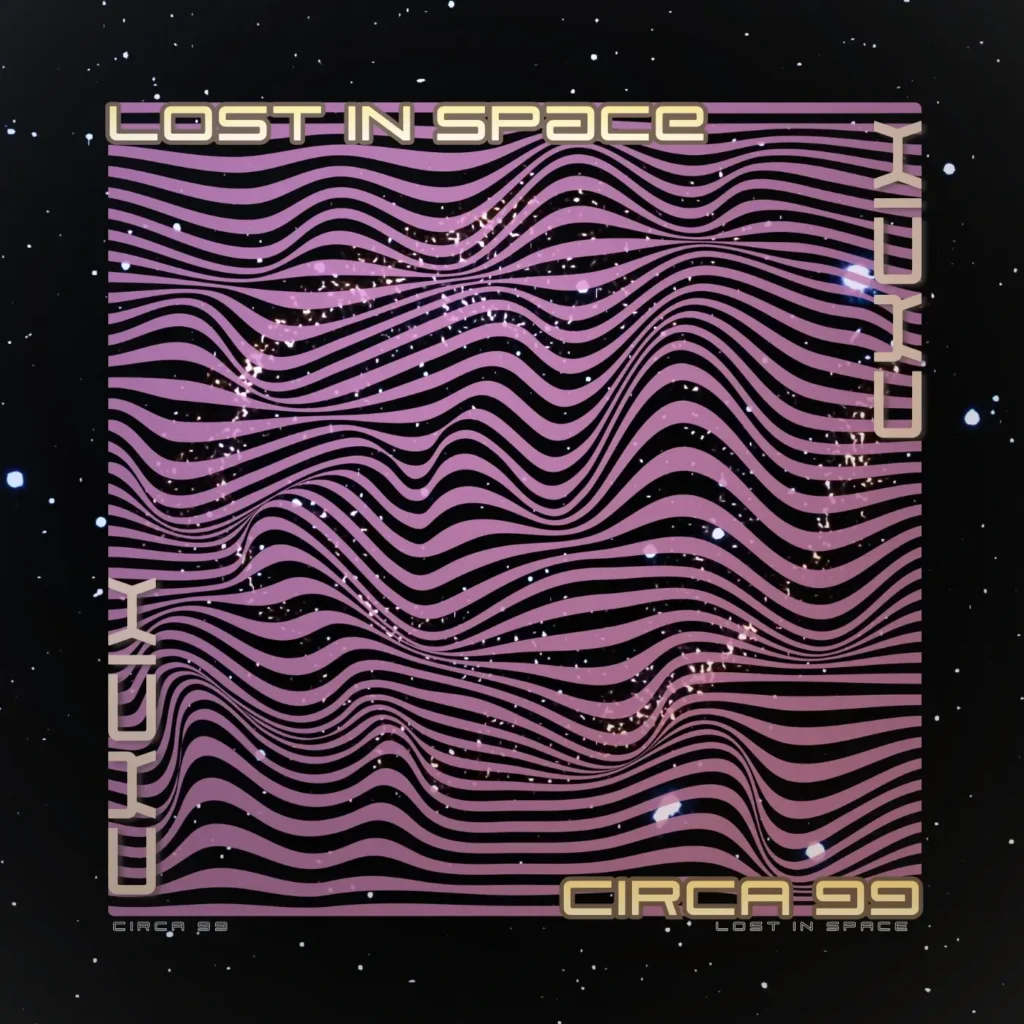
CIRCA 99’s debut album Lost In Space is the kind of record you’d imagine being made by someone in a bedroom studio with way too much free time and not nearly enough self-control over cool sounds once they’re discovered. With over 10 tracks, the album weaves elements of psychedelic pop, electro-funk, synth-heavy production and ambient textures together in a debut record that feels at once highly produced yet intensely personal. Based in Toms River, New Jersey, CIRCA 99 wrote, recorded, mixed and mastered the album on their own over the course of about a year. This incredibly hands-on process contributes greatly to the record’s appeal. Live instrumentation (bass, guitar, vocals) weaves and overlaps with electronic production, creating tracks packed with details that are never quite enough to overload and feeling more thought-out than overly produced or complicated. The studio functions as another instrument for the album, where the sounds were layered, altered, resampled and generally noodled with until they sounded just right. The influences, while obvious throughout Lost In Space (think Tame Impala’s psych, Daft Punk and Justice’s electro, Nile Rogers guitar funk and Brian Eno’s ethereal soundscapes pop up throughout the album). It could so easily have become just a musical menu (‘Tame Impala + Justice + Nile Rogers + Eno = Lost In Space?’) but somehow CIRCA 99 ties it all together and the songs are locked in tight as a result. Opener SATELLITES IN LOVE immediately sets the stage with glittering synths and a pulsating bassline. It brings the cosmic visuals its subject matter describes, reflecting how strange and difficult it can be to be close to someone without being sure of where you are, or even that you belong there. Hindsight ramps up the tempo further with funky guitars, pounding percussion and expansive vocals describing a common human phenomenon where clarity always seems to come after the chaos has passed, which, as always, is less helpful than having it present during. In one of the most cohesive and best moments of the album, Eyes Wide Shut blends lush, synth-pop production with the idea of emotional evasion: knowing the damn wheels are falling off and purposefully not seeing it and refusing to address the elephant. The track holds emotional ground despite the sprawling sounds, providing us with the kind of song you can dance to while slowly realizing you just made like three stupid decisions. The tracks FALL INTO ME and ENERGY work as the album’s centerpieces of movement and exploration of introspection. The tracks focus on the electro-funk sound even more, creating groovy basslines, filtered synths, vocal chops and lively drums. But due to live guitar playing, they maintain an organic and real sound instead of anything too mechanical. Moving to a more anxious state of mind, NO TIME includes pulsing synths and repetitive rhythms that create the feeling of the constant passage of time that many have when you feel stuck in a monotonous routine. It seems like no one remembered to build a pause button into anything. The album shifts toward more active decision making with MAKE MY MOVE; the live guitar and tight percussion lend the song movement forward to embrace whatever came before it. The album concludes with GOOD NIGHT, which is so laidback it nearly floats away, where CIRCA 99 embraces an ethereal, peaceful ending where the song is allowed to fully drift off instead of ending abruptly on a more definitive note. This last moment emphasizes how the album works well as an album, as a whole. Each song individually tells its own story but collectively takes the listener on an overall journey that takes us from uncertainty and longing to acceptance and a sense of direction. The bedroom studio sounds truly expand for the purposes of the record, so whether it’s layered synths, guitars, bass, percussion, vocals, or effects, CIRCA 99 creates a sound larger than life. There’s not necessarily anything new being explored throughout the record, but sometimes reinventing the wheel and adding a new set of sounds is all there needs to be. CIRCA 99 nails this throughout Lost In Space to make an album that has the ambition, production value and emotional range, but doesn’t lose a single shred of intimacy. All in all, it’s a pretty great starting place for CIRCA 99, because Lost In Space does everything else pretty well except answer where exactly it was trying to go in the first place. Follow CIRCA 99 Spotify Instagram Promoted Content About the Author
CIRCA 99 Blends Psychedelic Pop and Electro Funk on Debut Album LOST IN SPACE Read More »

Arii Lopez’s “Undecided” Is About the Significantly More Realistic Alternative

Being in your twenties is basically an extended software update that never finishes installing. You think you have a plan, then life introduces a new problem, a new person, a new bill, or simply the horrifying realization that everyone else also has no idea what they’re doing. Arii Lopez’s “undecided” understands that having absolutely no idea what you’re doing and slowly learning that this is, in fact, allowed. The Cuban-Jamaican singer-songwriter approaches that uncertainty through a stripped-back alternative R&B/pop sound built on soft guitar, understated production and vocals that feel much more intimate than theatrical. It’s not trying to bludgeon you with a gigantic chorus and seventeen layers of emotional synths. Instead, Lopez leaves plenty of air around the performance, which makes the song feel like an actual conversation with someone who is still working things out. And this is where the Kali Uchis comparison becomes interesting. Lopez shares some of Uchis’ ability to sit comfortably between categories that the music industry would probably prefer to keep in separate little filing cabinets. There’s R&B, soul, pop, alternative music and Caribbean influence, with English and Spanish existing naturally within the same emotional landscape. Like Uchis, Lopez doesn’t seem particularly interested in treating bilingualism or Latin-Caribbean influence as a novelty feature that gets wheeled out for one designated song. It is simply part of the musical vocabulary. The comparison also extends to vocal approach. Lopez has a softness that prioritizes mood and intimacy over vocal gymnastics. There’s a sensuality in that restraint, even when the subject matter is less “seductive late-night lounge” and more “I have made several questionable decisions and would like to discuss them.” But “undecided” is ultimately less interested in seduction than self-examination. Its subject is the messy middle of your twenties: the mistakes, identity crises, romantic confusion, resilience and uncomfortable realization that becoming yourself is not a process with a convenient completion date. That makes the song surprisingly refreshing. Contemporary pop loves a transformation narrative. You were broken, then you became powerful. You were betrayed, then you entered your revenge era. You were sad, then the beat dropped and apparently everything was fixed. “undecided” therefore feels less like a grand arrival and more like opening a door and saying, “Okay, I’m here. I’m not entirely sure what happens next.” Lopez offers something much less tidy as she’s still figuring it out. Which, considering the song is leading into Lopez’s debut EP Girl Interrupted in 2027, is probably exactly the right introduction. After all, if adulthood has taught us anything, it’s that being undecided is often the most decisive thing you can be. Follow Arii Lopez Facebook Spotify Youtube Instagram Promoted Content About the Author
Arii Lopez’s “Undecided” Is About the Significantly More Realistic Alternative Read More »

”Medicine” Finds Adonys Fallz Blending Country Storytelling With Hip-Hop Swagger

For decades, whiskey has traditionally been a crutch for country songs in solving their problems. For many reasons, it often has just as many shortcomings as helpful benefits and “Medicine” by Adonys Fallz accepts and acknowledges this premise with a different question: What do you do to make it through the night when life is getting to be more than you can handle? “Medicine” plops Fallz into a very familiar, cliché country scenario of long nights, drinks, pressure and a host of unspoken words before letting the song gallop to the tune of hip-hop swagger. While there’s certainly no ground being broken by mixing whiskey and heartbreak, Fallz makes it more about reality. This track is inherently about the factors lying behind the bottle itself. The song talks about the relentless chase for achievement alongside immense pressure, responsibility and the inevitable sacrifices that accompany it. In turn, “Medicine” does less as a cure and more as an “escape.” Life presents us with circumstances when we just need to sit down, share a drink and attempt to forget tomorrow still has plenty waiting for you. This story structure gives “Medicine” its center of relatability. Fallz has a knack for writing a conversation, not a declaration, about battling against adversity. That focus allows the music to move away from the classic idea of inspirational anthems and motivational quotes, which life isn’t all about anyway! Life gets confusing and messy and “Medicine” is about keeping on pushing despite that fact. The hook is what makes the entire idea stick so well. The concept of “Medicine,” although generic, is unique because Fallz uses it to string together ideas of escape, celebration and survival into one cohesive idea: Whether you had a brutal day or an absolute triumph, in both circumstances, it’s perfectly acceptable to reach for and celebrate life however you see fit. The storytelling is purely country; however, the lyrics combine that with some very soulful and rhythmic sounds which are capable of achieving the success artists have been reaching as of late with crossovers like Post Malone, Shaboozey and Jelly Roll. Most important of all, Fallz knows not to pretend this life isn’t difficult. The song doesn’t promise a simple fix; rather, the track embodies the fact that sometimes our “medicine” is anything we choose to embrace while we continue pushing; maybe it is music, or a drink; maybe it’s simply an extended driving experience; all that matters is that we find what it is and stay pushing. For Fallz, music happens to be that medicine and, in turn, “Medicine” serves as a worthy justification to continue creating more. Follow Adonys fallz Facebook X-twitter Spotify Soundcloud Instagram Tiktok Promoted Content About the Author
”Medicine” Finds Adonys Fallz Blending Country Storytelling With Hip-Hop Swagger Read More »