

Most concept albums about nuclear annihilation fail for the exact same reason most apocalypse films fail: they secretly think the apocalypse is cool.
Not morally cool, obviously. Nobody making these things is sitting there twirling their moustache whispering “yes… nuclear winter… excellent.” But aesthetically? Absolutely. There’s usually this underlying excitement to it all. Giant explosions, militaristic imagery, dramatic speeches about humanity destroying itself over swelling orchestral music. It turns the end of civilisation into a screensaver.
CIRCUS somehow avoid that trap almost entirely on A Kiss Before Dying, which is impressive considering this album contains songs called “90 Seconds of Panic,” “Black Sunday,” and “The Fall of Atom (Return of the Collapsing Star).” These are not subtle titles. This is a band arriving at the apocalypse dressed like glam-rock town criers screaming “THE END IS NIGH” through a wall of distortion pedals.
And somehow, it works.
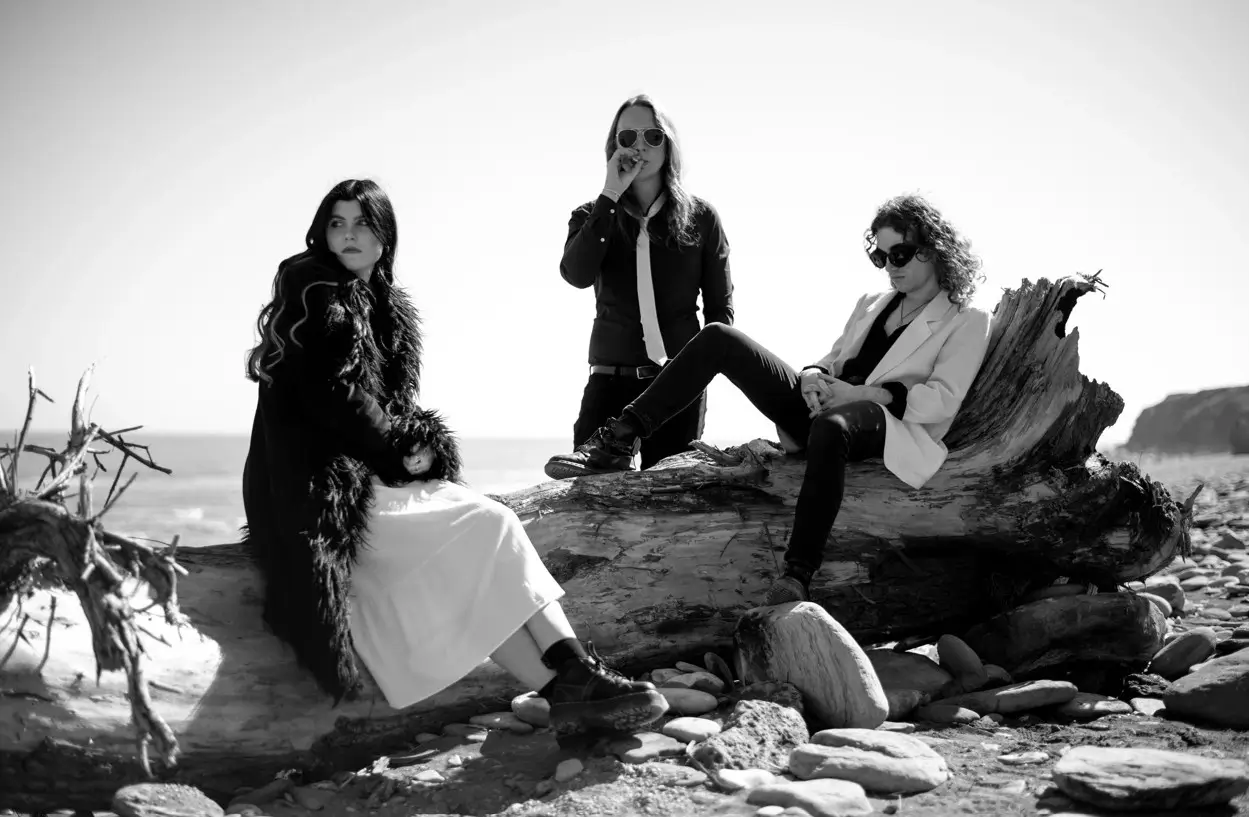
The Newcastle trio approach nuclear collapse less like spectacle and more like emotional erosion. The album charts humanity stumbling toward annihilation in slow motion: denial, panic, arrogance, collapse, aftermath. Not with detached political commentary, but with this exhausted, deeply human sense that everyone involved knows things are broken and keeps accelerating anyway.
Which, admittedly, does make the album feel alarmingly contemporary.
Musically, A Kiss Before Dying lives in this enormous intersection between post-punk anxiety, glam-rock theatricality, classic heavy rock melodrama, and psychedelic atmosphere. Imagine if Pink Floyd, early Manic Street Preachers, and a very sleep-deprived David Bowie all got trapped in the same bunker waiting for the launch codes.
The opening stretch is all tension and propulsion. “Countdown to Global Zero” functions as this eerie cinematic overture, slowly dragging you into the record’s atmosphere before “Hearts on the Wire” crashes through the wall with massive hard-rock riffs that feel pulled straight from the late ‘80s. There’s an unapologetic largeness to the guitars throughout this album. CIRCUS don’t really do restraint during the heavier moments. The riffs arrive stomping around like they pay rent there.
Then “90 Seconds of Panic” kicks the door off its hinges completely.
The song captures pure escalating dread without sounding messy, which is harder than it looks. Layers of distorted guitars pile onto each other while the rhythm section keeps everything moving with this relentless forward momentum. The drumming across the album deserves special mention because it constantly prevents the record from collapsing under its own conceptual weight. There’s so much atmosphere and theatricality happening that weaker percussion could’ve made the whole thing drift into self-indulgence. Instead, the drums keep punching holes through the smoke.
“Black Sunday” continues the descent with pounding tom-heavy rhythms and some of the album’s strongest vocal work. CIRCUS understand something many modern rock bands don’t: if you’re going to be dramatic, commit to it completely. Half-measures kill this kind of music instantly. The vocals don’t sound embarrassed by the scale of the material. They sound possessed by it.
And then the album pivots.
“The Fall of Atom (Return of the Collapsing Star)” is the point where A Kiss Before Dying stops being merely good and becomes genuinely fascinating. The track begins with crushing intensity before slowly dissolving into this eerie psychedelic comedown that feels heavily indebted to Pink Floyd without becoming imitation. It’s the sound of devastation settling into silence. The emotional centre of the album lives here, balancing collapse and reflection without losing momentum.
This is also where the album reveals its smartest trick: beneath all the political dread and philosophical themes about historical repetition and humanity’s self-destructive instincts, these songs are fundamentally about fear. Personal fear. The fear of powerlessness. The fear of watching systems fail while everyone insists things are under control.
That emotional grounding keeps the album from becoming one long lecture about geopolitics delivered through guitar solos.
By the time “Aftermath” arrives, the record feels hollowed out in the best possible way. The folk and psychedelic influences become more prominent as the album drifts through the ruins it spent the previous tracks creating. There’s a bruised intimacy here that genuinely lands emotionally.
And then the title track closes everything with sparse piano-led restraint that feels almost cruel after all the noise preceding it. No massive finale. No triumphant catharsis. Just exhaustion. Silence creeping in around the edges.
It’s an incredibly confident ending for a debut album.
That’s probably the most surprising thing about A Kiss Before Dying. Debut records this ambitious usually collapse under their own importance. Bands either drown in the concept or mistake complexity for depth. CIRCUS avoid both pitfalls by understanding that atmosphere means nothing without emotional weight underneath it.
So yes, this is an album about nuclear annihilation, political ego, historical collapse, and humanity sleepwalking toward self-destruction.
But more importantly, it’s an album about what it feels like to live with those thoughts rattling around in your head at 2AM while the world keeps pretending everything is fine.
And honestly? That might be even more unsettling.
Follow CIRCUS
About the Author

A tenured media critic known working as a ghost writer, freelance critic for various publications around the world, the former lead writer of review blogspace Atop The Treehouse and content creator for Manila Bulletin.