
loader image

May 2026

A Glacial Masterwork of Progressive Restraint

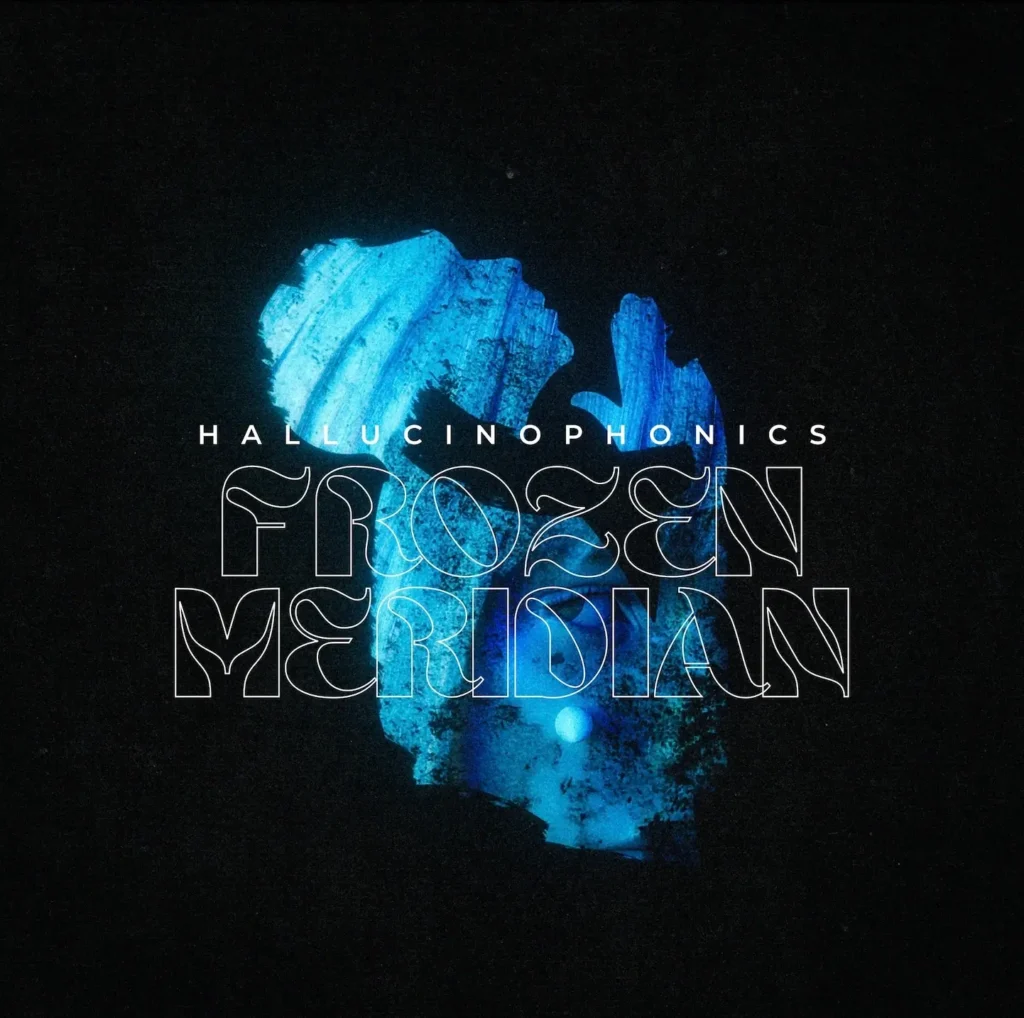
Frozen Meridian by Hallucinophonics lands with the quiet authority of a blizzard and it marks a turning point for independent music that refuses to be ignored. It is rare to find a collective that understands the weight of silence as well as the roar of a mellotron but this group manages to bridge that gap with ease. They take the core elements of progressive rock and strip them of their usual pretension so they can replace them with a cold reality that feels as vast as a glacier but as private as a whispered secret. The clean guitars are submerged in a cathedral reverb that makes every pluck feel like a stone dropped into a bottomless well and the effect is absolutely dizzying. You can hear the ghosts of Pink Floyd in the way the melodies breathe across the mix but there is a modern sharpness here that feels closer to the clinical precision of Steven Wilson. They let the atmosphere do the heavy lifting while the intimate vocals anchor the listener to the earth and keep the track from drifting too far into the stratosphere. Isolation is a hard thing to sell without sounding desperate but this track treats it like a sacred space where memory can finally be examined under the harsh light of the North. The themes of being forgotten by the very places we love hit with a blunt force that stays with you long after the track ends because it touches on something universal and terrifying. Every line is delivered with a hushed intensity that makes you feel like you are the only person in the room and that level of connection is rare for a band so early in their career. Then the drums kick in and the whole world shifts from a grayscale dream into a technicolor explosion of beauty. It is a physical rush. The visual companion on Vevo this April makes it clear that Hallucinophonics is something to watch out for. It is building a world that we are lucky to inhabit even for a few minutes. This track is the kind of thing that changes the temperature of your skin and it leaves you feeling both hollowed out and entirely full of wonder. If this is the future of the independent scene then we are in very capable hands and I cannot wait to hear what they have planned next. Instagram Spotify Youtube

A Glacial Masterwork of Progressive Restraint Read More »

Tár’s Dancing on the Event Horizon Is Four Tracks of Beautifully Managed Atmospheric Collapse

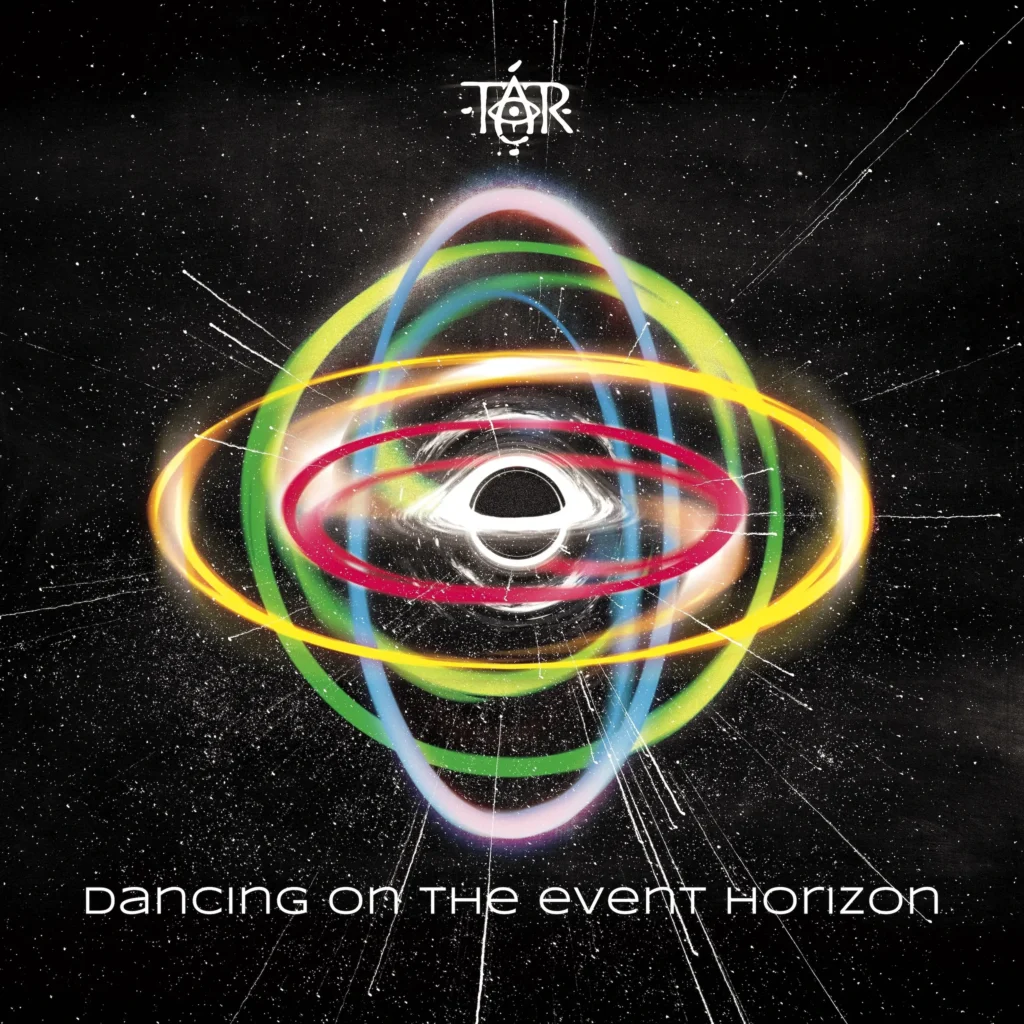
There is something deeply comforting about a band that knows exactly what emotional weather they want to trap you inside. Not tell you about. Not politely gesture toward. Trap you inside. Tár’s Dancing on the Event Horizon is four tracks of beautifully managed atmospheric collapse, a record that seems less interested in introducing itself than in quietly pulling you into a familiar but slightly altered reality. One where memory is louder, guitars are heavier, and nostalgia has somehow learned how to distort itself. The band calls their sound “nostalgic-gaze,” which sounds at first like the kind of genre label you’d invent five minutes before deadline and then immediately regret. But frustratingly, it’s accurate. Because what Tár have built here genuinely feels like a collision between early-2000s alternative rock and something much dreamier, more unstable; shoegaze shimmer layered over desert-rock muscle, emotional exhaustion wrapped in towering walls of sound. It’s not revivalism, exactly. It’s more like preservation, but with better pedals. The EP opens with “A Course for Home,” and immediately commits to the bit. Thick, gnarled guitars grind forward with a kind of restless urgency, while the drums hit with enough force to suggest that someone, somewhere, is trying to outrun a feeling and not succeeding. The vocals arrive strained and aching, not in a theatrical way, but in that much more effective mode where they sound like they’re actively fighting through the noise around them. It’s angsty, but crucially, it’s earned angst. The kind that comes from genuine emotional friction rather than vague aesthetic commitment. You can hear shades of late-’90s alternative rock almost immediately, stuff like Tool and A Perfect Circle;  that entire era when everyone collectively decided emotional turmoil should sound enormous, but Tár never feel trapped by those comparisons. They understand the architecture of that sound well enough to inhabit it comfortably. “Black Lights” shifts the atmosphere sideways. The opening is all haze and suspension, guitars hanging in the air like unfinished thoughts before the rhythm section snaps everything into focus. What makes the track so satisfying is its sense of inevitability: the quiet sections don’t feel like pauses, they feel like preparation. When the vocals rise and the distortion thickens, it doesn’t feel like escalation so much as emotional gravity finally doing its job. “Neon Blood” pushes deeper into that philosophy. It’s the EP’s most immersive track, leaning heavily into atmosphere and texture, allowing tension to build gradually rather than announcing itself. The guitars swell into massive, glowing structures while the vocals drift somewhere inside them, less a central figure than another instrument in the fog and it works beautifully. By the time “Anatomy of Letting Go” arrives, the EP has fully settled into its emotional orbit. What could have been a dramatic closing statement instead becomes something more reflective; still heavy, still emotionally dense, but somehow freer. The weight hasn’t disappeared. It’s simply changed shape, which feels fitting. Dancing on the Event Horizon is, ultimately, a record about standing at the edge of something; memory, grief, identity, maybe all three and choosing to move forward anyway. Tár don’t reinvent the sounds they’re working with, and they don’t need to. That was never the point. The achievement here lies in how sincerely they commit to this atmosphere, how fully they inhabit this emotional terrain. They understand that nostalgia is most powerful when it doesn’t simply recreate the past, but transforms it into something you can still feel in the present. Dancing on the Event Horizon does something extraordinarily, and that something is mood management. Every sound feels placed not just for musical effect, but for emotional architecture, which is a feat that feels out of this world. Follow Tár Facebook Spotify Soundcloud Bandcamp Youtube Instagram Promoted Content About the Author

Tár’s Dancing on the Event Horizon Is Four Tracks of Beautifully Managed Atmospheric Collapse Read More »

Reetoxa’s The Lisa Song Understands Scale

There are songs inspired by heartbreak, songs inspired by joy, and then there are songs inspired by something arguably more dangerous: a single brief interaction that your brain immediately decides to mythologize beyond all reason. Reetoxa’s “The Lisa Song” belongs very firmly in that third category. And honestly? Good. If popular music has taught us anything, it’s that human beings are at their most creatively productive when they’ve convinced themselves that one fleeting encounter with a stranger has somehow altered the entire trajectory of their existence. In this case, that stranger was Lisa: a girl Jason McKee, the driving force behind Melbourne-based project Reetoxa, encountered after a concert in a moment that apparently hit him with enough emotional force to inspire not just a song, but an entire artistic recommitment. That could all feel unbearably dramatic if The Lisa Song weren’t so genuinely charming. Musically, the track opens with an immediate burst of warmth; bright guitars, a steady pulse, and an upbeat energy that feels almost disarmingly sincere. It’s got that clean, retro-minded melodic confidence that makes its influences easy to spot. There are unmistakable echoes of The Beatles in the song’s melodic instincts, particularly in the way the vocal phrasing leans into tenderness without becoming overly sentimental. At the same time, there’s a distinctly Weezer-like power-pop backbone: crunchy, approachable, and just self-aware enough to keep everything grounded. The result is something timeless in a very specific way. Not nostalgic, exactly. More like music that exists slightly outside of trend cycles, content to simply be catchy. And The Lisa Song is, above all else, extremely catchy.The refrain lodges itself in your brain with almost suspicious efficiency. It’s the kind of hook that feels deceptively simple until you realize you’ve been absentmindedly humming it for the rest of the day. The Lisa Song understands scale. The story itself is tiny. A concert. A stranger. A spark. That’s it, but Reetoxa treats that tiny moment with the seriousness it deserves. Not because Lisa necessarily represents some grand romantic destiny, but because inspiration often arrives exactly like this: irrationally, unexpectedly, and with no obligation to explain itself. Most people would have let that moment fade. Reetoxa turned it into a song; one full of warmth, affection, and just enough emotional overinvestment to make it feel beautifully human. That’s what makes The Lisa Song resonate. It isn’t really about Lisa. It’s about the strange power of ordinary encounters to rearrange us. And honestly, that’s better. Follow Reetoxa Globe Facebook X-twitter Spotify Youtube Instagram Tiktok Promoted Content About the Author

Reetoxa’s The Lisa Song Understands Scale Read More »

Empires by svndaypack Unfolds With a Kind of Calm Emotional Precision

There’s a very modern kind of heartbreak that doesn’t involve betrayal, dramatic arguments, or someone running through an airport too late to stop the love of their life from boarding a plane. It’s much less cinematic than that. It’s quieter. More irritating, honestly. It’s the slow realization that a relationship isn’t ending because love disappeared, but because one person quietly stopped participating. That’s the emotional territory svndaypack explore on “Empires,” their latest single featuring Damitotheworld and, thankfully, they understand that this kind of collapse is often more devastating than outright disaster. Disaster gives you something to point at. A cause. A villain. A neat little emotional filing system. Neglect just leaves you with questions. Credit: SVNDAYPACK Built on the duo’s now-familiar blend spanning Afropop and R&B, Empires unfolds with a kind of calm emotional precision. The production is warm, spacious, and deeply unhurried, which is exactly the right choice for a song about something unraveling in slow motion. Nothing crashes. Nothing explodes. It simply… drifts. Communication erodes. Silence expands. Two people gradually become strangers while still technically standing in the same room. Cheerful stuff. At the center of it is Damitotheworld, whose vocal performance carries the song’s emotional weight without ever overplaying it. He narrates a connection that feels salvageable right up until it doesn’t, reflecting on absence, regret, and the increasingly painful possibility that the future he imagined with someone may never materialize, not because it was impossible, but because they never fought hard enough to keep it alive. And that’s where Empires becomes more interesting than standard breakup music. Its argument is that modern relationships may be suffering from a collective misunderstanding of what love actually is. Somewhere along the way, we’ve apparently accepted the idea that if something is “meant to be,” it should feel effortless. That compatibility should eliminate labor. That emotional difficulty is evidence of failure. svndaypack quietly rejects that. The title itself gives the game away: empires are not discovered. They are built. Slowly. Deliberately. Often under pressure. And they do not survive unless people actively choose to maintain them. That idea gives the song a quiet emotional gravity. It’s not pleading for love to return. It’s questioning why endurance has become such an unpopular part of intimacy. Empires feel strangely timely, not because it offers answers, but because it understands the specific pain of watching something valuable collapse; not from lack of love, but from lack of effort. And frankly, that’s harder to recover from. Follow svndaypack X-twitter Spotify Instagram Promoted Content About the Author

Empires by svndaypack Unfolds With a Kind of Calm Emotional Precision Read More »

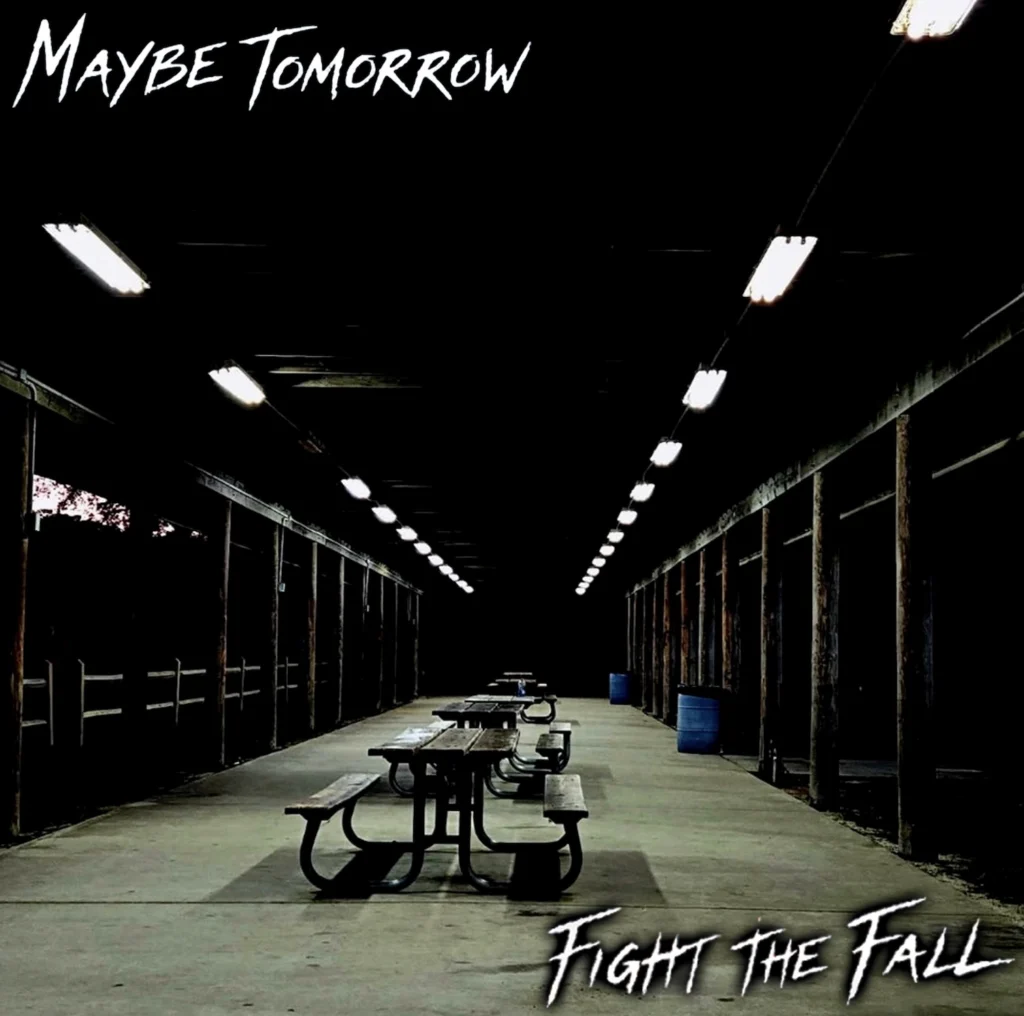
Fight the Fall Unleashes a Cinematic Rock Anthem That Hits Like a Tidal Wave

Fight The Fall brings a massive sense of scale to Maybe Tomorrow. It begins with these wide guitars that feel like they belong in a vast desert and then the drums kick in with a weight that hits you right in the center of your chest. This is the kind of rock that feels broad and heavy because it refuses to play small and it avoids all the tired tropes of the genre. The vocal performance is a high point of the track. You can hear the singer pushing his voice to the limit and there is a grit at the edges of the high notes that feels like a desperate plea for air. When the harmonies kick in during the chorus it is like a wall of sound that pushes the listener back and you can hear the influence of Nothing But Thieves in the way the melody stretches and snaps. There is a heavier backbone here though that reminds me of Big Wreck and their penchant for complex textures and big riffs. INDIEGROOVE RECORDS · Maybe Tomorrow That bridge at 2:30 is a absolute highlight because the noise drops away and leaves enough space for the tension to coil tight before the final explosion of sound. There is a lot of talk in Alternative Rock about being honest but Fight The Fall lives in the dirt of the struggle without making it feel like a cliché. This isn’t a song that promises everything will be fine but it offers a hand to hold while the world feels uncertain and that feels much more authentic than a hollow pop hook. The production is sharp and biting so every drum fill feels like a punch to the chest and every guitar lick carries a weight that stays with you long after the final chord fades. It belongs on a playlist next to Children 18:3 or even the heavier side of Post-grunge because it has that same spirit that demands to be played at maximum volume.  Maybe Tomorrow is a beacon for anyone who is tired of the shallow music that fills the airwaves and wants something with teeth. It is a bold step forward for an independent artist and confirms that you don’t need a major label to create a stadium-sized hit. This is the sound of a band hitting their stride and I can’t wait to see what they do next. Facebook Soundcloud

Fight the Fall Unleashes a Cinematic Rock Anthem That Hits Like a Tidal Wave Read More »

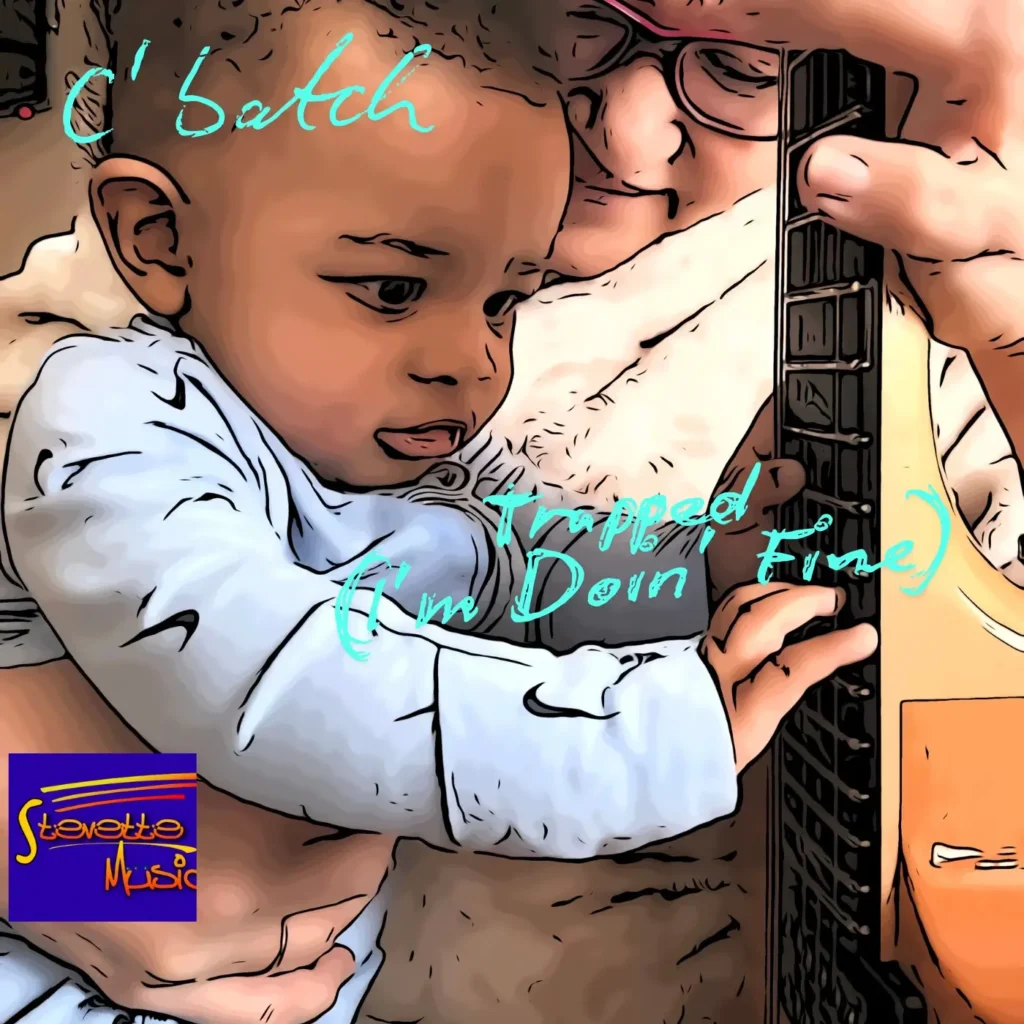
“Trapped (I’m Doing Fine)” By C’batch Feels Like Weariness Riding the Groove

Some artists treat reworks like a simple filter applied on top of the original. But Trapped (I’m Doing Fine) by C’batch isn’t here for a mere polished surface. He steps onto the stage with his art dissected and rebuilt with intention. It honestly feels like  C’batch returned to the exact moment he first wrote the original, not to detach everything from what has existed, but to add depth and clarity it was lacking. And while it feels intrinsically modern and cleaner, the repeated line, “I’m doing fine,” still hits like an adult trying to make sense of everything before reality and capitalism eventually catch up.  His vocals add more to that atmosphere; it’s as if weariness itself has learned how to ride the groove and settle comfortably in the rhythm. There’s not much complexity in his songwriting but it’s fascinating how its weight doubled because he just knew exactly when to pause and let it all out.  Behind this rework is Stephen H. Cumberbatch, aka C’batch, a White Plains, New York-based composer, author, producer, and musician. With Trapped (I’m Doing Fine), he comes as an artist confident enough to revisit his own creation with a deeper understanding of everything. And glad he did because it feels more lived in rather than performed.  Follow C’batch Globe Facebook Spotify Youtube Promoted Content About the Author

“Trapped (I’m Doing Fine)” By C’batch Feels Like Weariness Riding the Groove Read More »

Fretboard Fireworks From Belgrade: Ikad! Solve the Math Rock Equation With Joy

“Forget the calculators and the cold precision usually found in the genre because IKAD! have arrived from Serbia with a debut that turns complex polyrhythms into a high-speed playground.” Belgrade is becoming a weirdly fertile ground for music that defies categorization and IKAD! feels like a lightning strike in a bottle on their debut track Jesus Was Born. The name suggests a shout into the void and the music follows through with a frantic kind of joy that feels like someone finally solved a Rubik’s cube at a hundred miles per hour. It starts with a cleanliness that feels almost clinical but it explodes into something far more human and messy. There is a lineage of technical wizardry that runs through the complex tapping of Covet and reaches into the heavier polyrhythmic weight of Animals As Leaders but this Serbian outfit manages to find a sweetness that often gets lost in the academic woods of the genre. Most math rock acts get trapped in the arithmetic and forget the rock and yet IKAD! treats every odd time signature like a playground rather than a classroom. You can hear the influence of Chon in the breezy guitar tones but there is a distinct European grit under the fingernails here. About halfway through Jesus Was Born the guitars enter this dizzying spiral where the notes seem to be chasing their own tails and the drums provide a backbone that is both sturdy and unpredictable. It is the kind of writing that makes you want to air-drum while wondering how many fingers the guitarists have because the speed is immense and the melody remains front and center. Math rock as a movement can sometimes feel cold but this track breathes with a warmth that reminds me of Toe and their ability to make instrumental music feel like an honest conversation. It rules.This three-track EP is a hell of an introduction and Jesus Was Born is the crown jewel that suggests Belgrade has a new set of guitar heroes ready to take on the world. The production is sharp and every pluck of the string feels like it is happening right in your ear canal so you can feel the physical effort behind the technicality. I found myself hitting repeat before the final chord had finished ringing out because music this adventurous and this unapologetically fun is rare and I suspect we are watching the start of something massive.  Soundcloud Spotify

Fretboard Fireworks From Belgrade: Ikad! Solve the Math Rock Equation With Joy Read More »

Mark Moule’s Only Love Feels Patient

There’s a certain type of debut EP that arrives sounding like it was engineered in a laboratory somewhere by people who use the phrase “market positioning” without irony. Then there’s Only Love by Mark Moule, which sounds like the exact opposite of that: four songs built slowly, patiently, and with the kind of emotional honesty that usually only happens when someone has spent years playing open mics and quietly figuring out what they actually want to say. Moule, coming out of Busselton, Australia, isn’t trying to reinvent songwriting here. In fact, one of the nicest things about Only Love is that it never behaves like it thinks it’s above simple ideas. Love, loss, hope, connection, trying to make sense of things when life gets weird and messy; it’s all familiar territory, but the EP works because it understands something a lot of artists miss: sincerity only becomes corny when you don’t fully commit to it. The title track alone apparently spent more than fifteen years evolving before reaching this version, which honestly explains a lot. The song feels lived-in. Not polished to death, not endlessly optimized, just settled. Like a thought someone kept returning to until they finally figured out the exact shape it needed to take. There’s even an opening verse inspired by a dream, which sounds like the sort of thing that should immediately set off alarm bells, but somehow doesn’t. Instead, it gives the song this intimate, slightly surreal feeling, like you’ve walked into the middle of someone trying to explain a memory they’re still processing themselves. A huge part of the EP’s appeal comes from how unpretentious the whole thing is. Made in a home studio setup, Moule leans fully into acoustic textures and restrained arrangements. The recordings keep their rough edges intact, which turns out to be the correct decision because sanding everything smooth would’ve killed the personality. You can hear little imperfections throughout, and rather than distracting from the songs, they make them feel more human. And honestly, that’s the recurring theme here: humanity. Moule’s voice isn’t trying to dominate the tracks or show off technical perfection. It’s conversational, direct, and occasionally fragile in a way that feels intentional rather than performative. The energy of someone who’s spent years learning how to connect with a room full of strangers translates surprisingly well into these recordings. All in all, Mark Moule’s Only Love feels patient. Comfortable sitting with emotions instead of dramatizing them into something bigger. In a music landscape obsessed with immediacy and overproduction, Mark Moule has made a debut EP that trusts quietness, trusts songwriting, and trusts the listener enough not to oversell itself.   Follow Mark Moule Spotify Promoted Content About the Author

Mark Moule’s Only Love Feels Patient Read More »

The Humid Geometry of Growing Up

“Third Time Luckie bottles the specific brand of suburban claustrophobia that defines the terrifying cliff-edge of adulthood.” The smell of hot asphalt and the hum of a distant lawnmower always bring back those humid afternoons when the world felt too small but Third Time Luckie has managed to bottle that specific brand of suburban claustrophobia in their new track Heart Break Summer. It feels like the final day of school before everyone moves to different cities and the air is thick with the kind of expectation that only hits when you are nineteen and terrified. There is no space for hesitation here. You are either in the car or you are left on the curb. A bright guitar riff opens the floodgates and it sounds like sunlight glinting off a cracked windshield while the drums kick in with a steady pulse that keeps the sadness from sinking into the floor. You can hear the influence of 2000s pop-punk but it is filtered through a modern lens that feels more refined and intentional because the production is clean without losing its grit. It reminds me of the way The 1975 handles big emotions by wrapping them in neon melodies and Third Time Luckie has perfected that balance. There is a moment when the vocals start to crack and you can feel the weight of the realization that life is changing faster than expected because the writing is so blunt and sharp. When they sing about how this is about that moment when you realize you are not a kid anymore it hits like a physical blow and you find yourself looking back at old photos with a new sense of clarity. It hits hard. The song handles those shifting friendships with a grace that is rare for an independent artist and it feels like a shared secret between the performer and anyone who has ever felt left behind. Most tracks trying to hit this coming-of-age aesthetic fall into the trap of being too sugary but Heart Break Summer stays grounded in a reality that is both beautiful and brutal. It sits comfortably alongside the work of Olivia Rodrigo or perhaps Conan Gray but there is a distinct grit here that suggests a connection to punk rock, alternative rock roots like Blink182. The bridge is an explosion of noise and light that feels like driving away from your hometown for the last   Facebook Spotify Youtube

The Humid Geometry of Growing Up Read More »

“On Vancouver Island” Is Less About Perfection and More About Honesty

There’s a particular kind of lo-fi indie track that doesn’t so much begin as it seeps in, like a memory you’re not entirely sure belongs to you. “On Vancouver Island” by tcr! is very much that kind of song. It doesn’t arrive with bombast or self-importance. Instead, it quietly assembles itself around you. What makes this track immediately compelling is its hypnotic quality. Not in the “ethereal dream-pop wash” sense, but in a more grounded, slightly uncomfortable way. The melody circles back on itself, the rhythm lopes rather than drives, and before long you realize the song isn’t progressing forward so much as spiraling inward. This is helped along by tcr!’s vocal delivery, which feels deliberately unpolished, even rough-filtered, but crucially intentional in that roughness. Lyrically, the track doesn’t bother with metaphor as a shield. There’s a frankness here that borders on uncomfortable, as though the song itself isn’t entirely convinced it should be saying these things out loud.   Structurally, the song makes a point of refusing to sit still. The tempo shifts feel less like traditional “dynamic changes” and more like emotional pivots. The repeating mantra section reinforces this, inviting the listener into that same loop of “what if we just go back and do it again, but differently this time,” which, as anyone who has ever been in a toxic relationship will tell you, is both deeply relatable and a terrible idea. Stylistically, comparisons to early alternative acts feel appropriate, but not reductive. The lo-fi grunge aesthetic is present, certainly, but it’s filtered through a distinctly personal lens. This isn’t pastiche; it’s influence metabolized into something that feels lived-in.   tcr!, a self-contained, do-it-all artist in the most literal indie sense, seems aware of this tension. The DIY ethos isn’t just a constraint here; it’s part of the artistic identity. And while that might mean the music occasionally brushes up against its own limitations, it also ensures that what you’re hearing feels unmediated. In the end, “On Vancouver Island” is less about perfection and more about honesty. It’s messy, reflective, occasionally repetitive and emotionally raw, much like the experience it’s trying to capture and in that sense, it succeeds completely. Follow tcr! Globe Spotify Soundcloud Bandcamp Youtube Instagram Tiktok Promoted Content About the Author

“On Vancouver Island” Is Less About Perfection and More About Honesty Read More »