
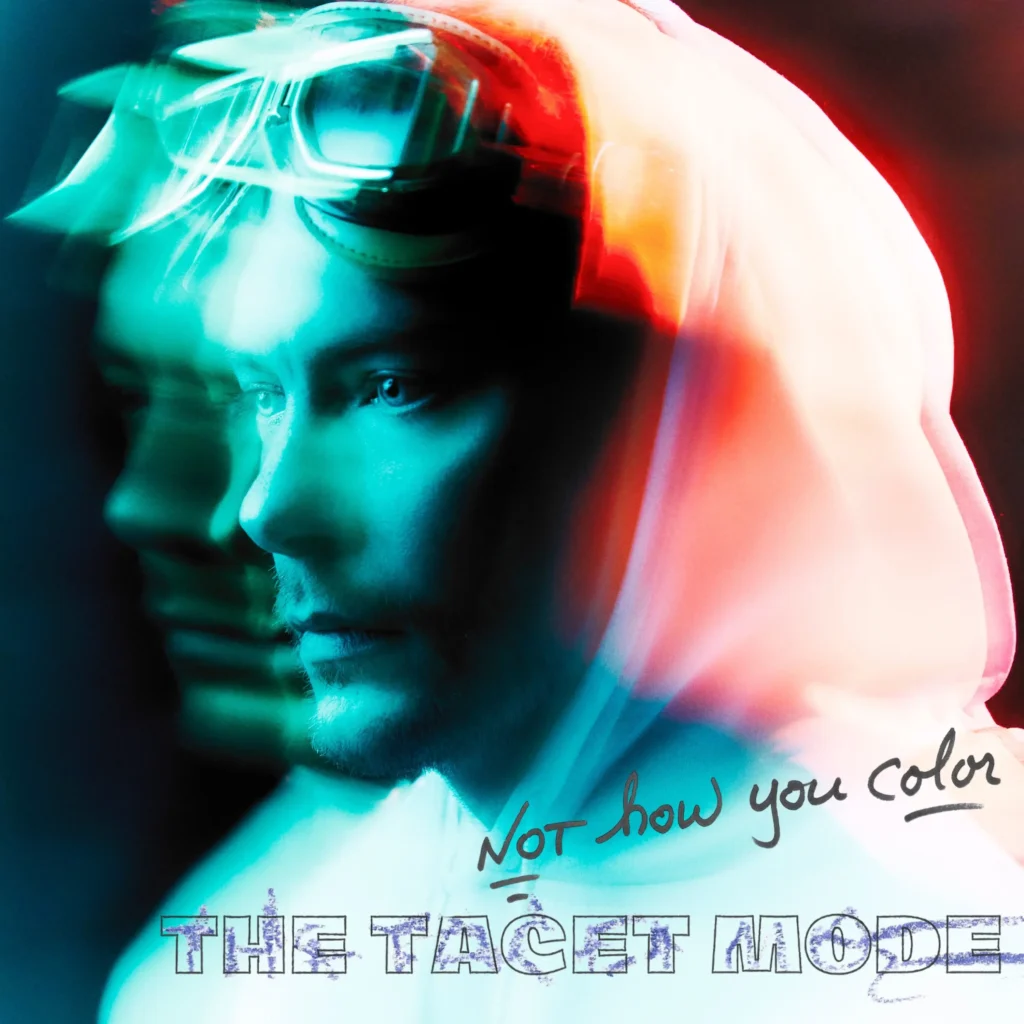
Nowadays, it’s rare to find an album that feels sonically complete from the sound, the lyrics, and the overall atmosphere. But The Tacet Mode arrives with Not How You Color, fully realized and strikingly cohesive from start to finish— and for a debut? That says a lot.
The Tacet Mode is the brainchild of Morristown-based musician and songwriter Brian Connolly. With Not How You Color, he delivers a 14-track album that navigates twin flame relationships, narcissistic trauma, and the transcendence of ego through Kundalini awakening.
Some albums open full force, but Prayer sets the mood with a mantra-like atmosphere. It repeats the line, “walk through the suffering,” like it’s one breath away from breaking apart. False Alarm quickly flips the mood upside down, shifting from expansiveness into something tighter. Layered on the surface are glossy synths and retro textures that make it feel groovy, while its indie rock sheen compresses the tension underneath.
Black Honey follows with its multidimensional structure; it’s as if it’s trying to open different realities simultaneously. At its core is authenticity, the kind that asks you to sit with your real, authentic self in a world that rewards perfection over honesty. It leaves a striking statement, “If the blemishes don’t show, the world will never know“.
Turn The Car Around immediately feels like holding on to the steering wheel at 2 AM, while the drive itself feels slower than the drifting thoughts in your head. The structure feels like everything’s in motion, the kind that feels liberating yet too restless to ever fully settle. Can’t Go On Without You is yearning in sleek basslines and glossy textures, making it intentionally neat and polished for a late-night groove. There’s No Way leans into the same direction, except this time, everything feels more exposed, and the glimmering synths can’t fully contain the weight behind the line, “there’s no way death is our downfall.”
The album ends with bare piano lines and slow, reflective vocals in Better Day, intentionally leaving you staring blankly at the wall, thinking, “did it really end like that?” It feels like it could break any time, as hope, doubts, and unanswered questions constantly overwrite each other.
One thing about this album is how clearly the years of technical training come through, without it ever sounding overly-polished or overproduced. The precision is present from structure to details, but it was never displayed for the sake of sounding good or to overshadow the emotions. It was hemmed into place until it sounds lived in instead of performed.
You can also hear his influences like Talk Talk, David Bowie, Depeche Mode, Radiohead, and Tears for Fears stretched into a sound that he can truly call his own. The 80’s sensibilities are written across the whole album but never for the sake of nostalgia alone. With contemporary indie rock textures, you’ll get no imitation or a mere homage, but a sound that feels dinstinctly present and modern.
For a debut album, it doesn’t sound like one at all. The Tacet Mode steps on the scene with a level of clarity and direction that goes far beyond from a first release, not just in the technicalities but also in his songwriting that carries weight and meaning. It’s like a work of someone who knows exactly what they’re doing—from when to pause, when to add tension, when to let the track breathe in the midst of alt-rock layers and glimmering synthwork.
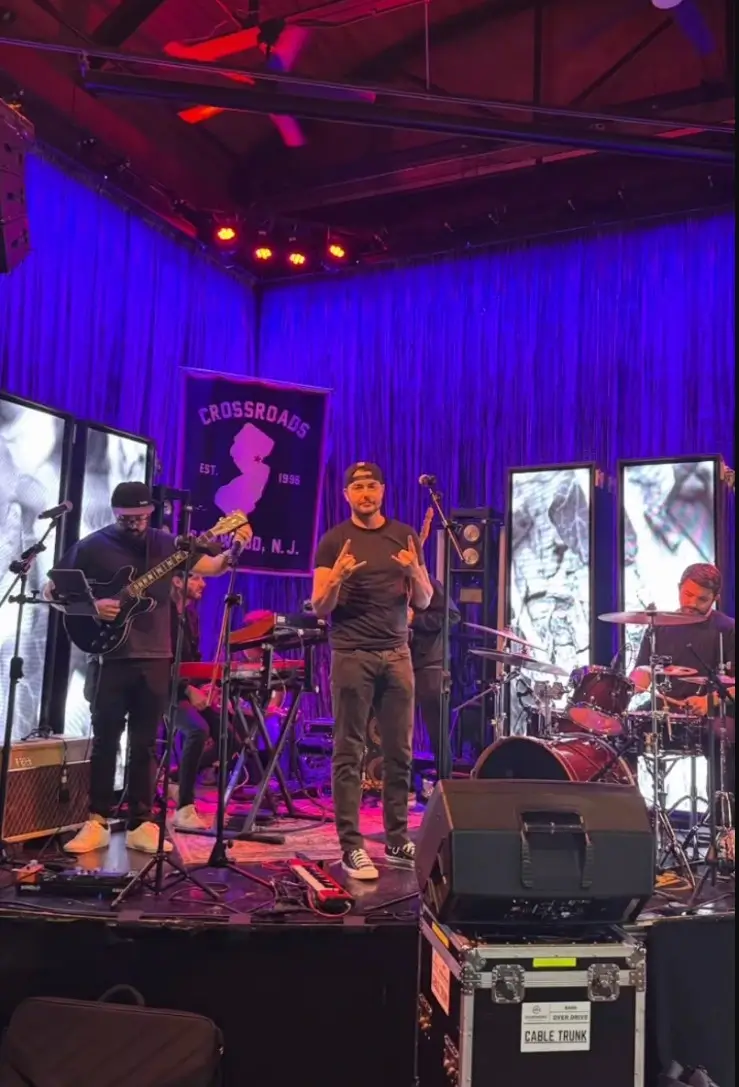
Since the release of the album last February, he has assembled an impressive seven-piece band alongside an audio/visual team to bring the music to life through immersive live performances — further elevating a debut album that already feels expansive, intentional, and strikingly well-formed.
Follow The Tacet Mode
About the Author

Writing works ranging from news, features, press releases, and scripts for technical and creative content.