loader image

New Music

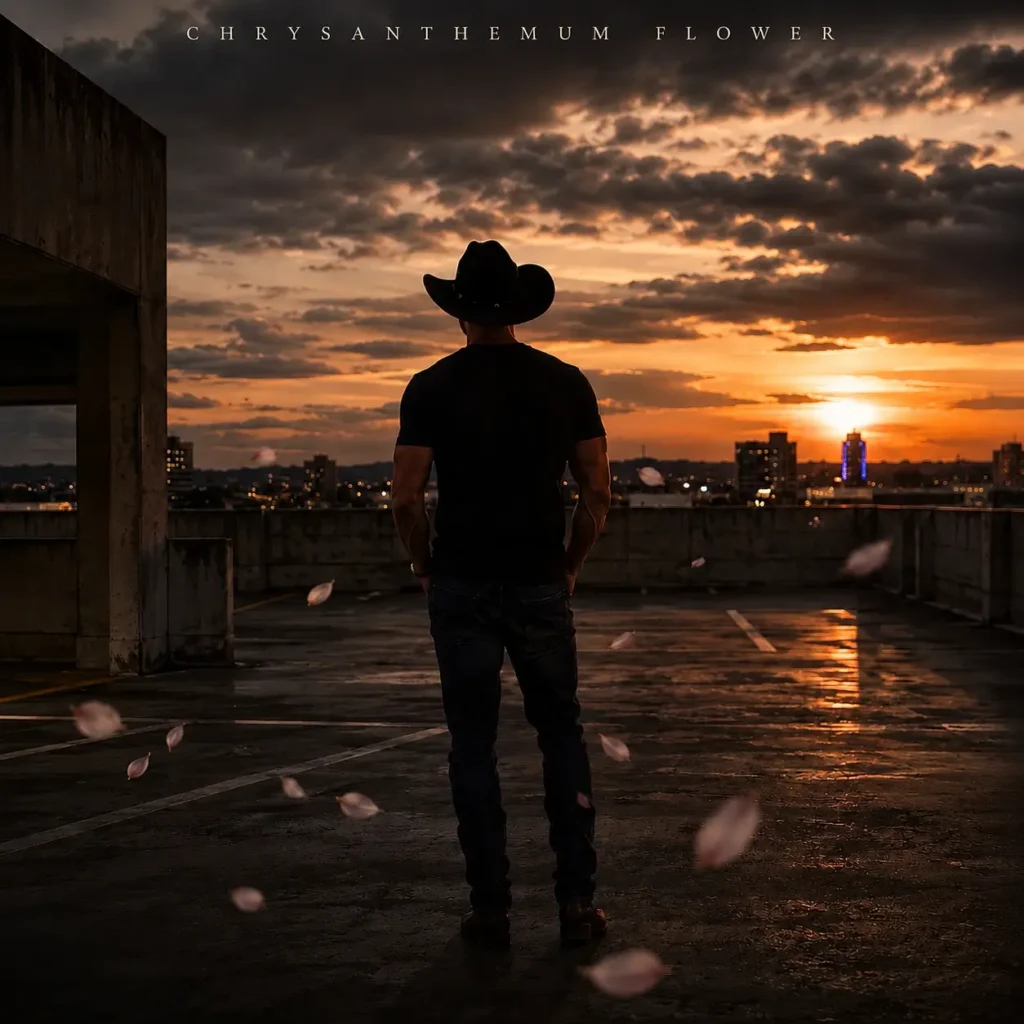
CASH L3WIS’ “Chrysanthemum Flower” Lets a New Romance Unfold Naturally

Romance songs have a habit of making everything sound much more dramatic than it probably was. A glance becomes destiny. A text becomes a life-changing event. Someone says “I like you” and suddenly there are strings playing somewhere in the background. CASH L3WIS takes a more relaxed approach on “Chrysanthemum Flower,” a cinematic hip-hop track produced by Dope Boyz. The song is about attraction, vulnerability and that weird little stretch of time when you start liking someone but neither of you quite knows what this thing is yet. Credit: © 2026 ESOT3RIK. All rights reserved. And honestly, that uncertainty is where the song gets interesting. L3WIS refuses to leap toward some colossal I-love-you-all declaration and instead lingers on the first few steps: the interest, the tension, the key moments, and the slow willingness to let things unfold. It’s a calm confidence, but it’s not a confidence that demands you never appear unsure. Instead, it’s aware that the thrill is in not knowing where you’re heading. “Chrysanthemum Flower” sits somewhere around modern trap-soul, with a deep low end, crisp percussion and layers of warm synths creating a spacious, late-night atmosphere. There are ambient vocal textures and smaller melodic details moving around the beat, but the production never feels so crowded that it gets in the way of the story. CASH L3WIS’ delivery helps keep everything grounded. He moves between conversational verses and a more melodic chorus, sounding comfortable rather than like he is trying to manufacture a Big Emotional Moment™. That matters because the song is built around vulnerability. If the performance were too polished in the wrong way, the whole thing could start feeling like a commercial for romance. Instead, there is enough looseness in the delivery to make the feelings believable. What you get is a love song that remembers one “important fact” that often gets forgotten: Love isn’t always about fireworks. Sometimes it’s two people feeling their way toward each other, learning what they mean to one another, and somewhere down the line starting to notice the details. “Chrysanthemum Flower” gives that process room to breathe and blossom like a proper emotion blooming. Follow CASH L3WIS Globe Spotify Instagram Promoted Content About the Author

CASH L3WIS’ “Chrysanthemum Flower” Lets a New Romance Unfold Naturally Read More »

Piper Connolly’s “She’s Too Much!” Knows Exactly How Much Is Too Much

Teenage pop’s idea of adolescence is one long contradiction. In five minutes flat you can be sure of yourself and totally insecure. Five minutes can have you burning with obsession over the next person, then so sure of yourself that nobody else matters. An hour ago you were going to love yourself for evermore, now you don’t know what on earth is wrong with you. Piper Connolly’s debut EP is 2000s pop-rock remembrance, shiny alt-pop melody and monstrously great feelings. Connolly is just 15 – and that’s part of what makes her debut singer-songwriter EP resonant. She’s not pretending to be an adult – she hasn’t survived three divorces, a midlife crisis and a very odd spell in Europe – but just sings about what’s right in front of her: love, friendship, awkwardness, acceptance and the wild, wild world of growing up. Credit: Christina Bryson That aspect has a similar appeal to Chloe Moriondo’s Blood Bunny, where her largely debut-era songs could translate the awkwardness and emotional extremes of adolescence into something hooky without making it seem as though that stuff didn’t matter. Connolly has a similar knack for making teenage messiness feel like a feature rather than a flaw. “beautiful life” opens the EP by focusing on the simplest emotion: joy. The song came after Connolly found herself falling for a person and her song is about how the right person can turn everything else in the world a little bit lighter. She’s described it as “bottled up in a song,” and it’s a good way to describe how easy-going and window-down-y the song is – it’s just happy. ‘bubblegum with razorblades’ clarifies even further the core tension of the EP. On the surface it’s sweet, but it also has a sharper edge, aligning with Connolly’s habit of combining energetic pop sensibilities with a mix of other feelings. This song is also fitting for an album that acknowledges that being a teenager can be a lot of fun or a lot of trouble…or, to put it another way, both. “better than this” adds to that through the space of confidence and disappointment. Its title reads like a boast, but there’s a little bit of irritation hiding in there as well: you know it should be better, but that doesn’t really help you figure out what you should do to make it so. That is why this song is part of this EP’s larger coming-of-age narrative more than just a pop song about feeling good. “joyride” is where Connolly fully indulges that loose spirit. She’s too much! Is about acceptance and the tougher emotions, but it’s also explicitly about having a good time. Sometimes you need to hop in the driver’s seat, blast the stereo and roll down the highway. Next, “body bag” drags that nonchalant vibe through the dirt and resuscitates it with even more volume. On the track Connolly channeled an exhausting friend that left you feeling inadequate, rejected and just plain garbage. It’s not a respectful chat about boundaries. But under that dramatic phrasing is a good one: you can use what’s thrown at you as motivation. You might not be what someone thinks you are, so you go ahead and show them what you really got. The song sounds assertive, but it’s not vengeful. “unapologetic” concludes the EP with the central message of no apology in self-acceptance. Connolly told us that it was about being yourself while knowing that you are not perfect. It’s not exactly a trailblazing message, but that’s not its purpose. Its power lies in its simplicity. It doesn’t put forward self-acceptance as a goal; it’s there to keep working on while you’re still working on yourself. What makes she’s too much! Interesting is how Connolly refuses to cut herself in half to accommodate those sensations. With each of the six tracks-from happiness to sweetness, disappointment to freedom, anger to acceptance-they all head back to the same point: what if we allowed our intensity instead of constantly trying to fix it? For Piper Connolly, that’s an EP. And she makes it a good one.

Piper Connolly’s “She’s Too Much!” Knows Exactly How Much Is Too Much Read More »

Mister Chorister’s “You’re Not Listening” Turns Frustration Inward

“You’re Not Listening” begins with a familiar kind of anxiety: you’re talking, someone is right there, and somehow none of it seems to be getting through. But Mister Chorister’s latest track gradually flips that frustration around. What if the person who isn’t listening is actually you? The alternative-rock track is the third chapter in the London-based artist’s ongoing story, following “Brave” and “Spark.” This time, things get considerably darker. The song digs into inner conflict, emotional suppression, and those competing voices in your head that you can usually keep quiet until, well, you can’t. The music doesn’t take long to set that feeling of tension, with loud, clanging guitars and punchy drums, assisted by guitars with a grungy edge and bass that slides in and out, the song has a hazy, agitated, slightly uncomfortable feel to it. While a slight, wavering pad underneath, and cinematic piano in the larger sections gives the feeling that the song has a heavy, almost cinematic motif to it. The interesting thing is how often the volume of the song rises and falls, as it pushes on then draws back then pushes again, as if someone is trying to build the notes up in a way that ultimately attempts to contain them. The chorus with its steady, driving bass line, gives the song a pushed feeling, while the softer moments leave a little bit of space for the feeling to build again. Mister Chorister’s voice adds to that feeling with a very strained delivery of the words, but it never becomes overly dramatic, just as if he is trying to keep a lid on a concept that is bursting to come out, while the delayed vocals in the chorus only serve to reinforce that idea, almost as if one part of several voices is trying to answer another. With the harmonies building to a crescendo, the internal noise becomes inescapable. The climax eventually gives way to acoustic guitar, a clean vocal, and the lingering pad. “It’s never too late” arrives softly before television static cuts through the track and everything shuts down. After all that noise, silence becomes the final statement. That ending is what makes “You’re Not Listening” stick. It starts as an accusation aimed outward but slowly becomes a conversation with yourself. The song asks whether, while waiting for somebody else to understand us, we have been ignoring what we actually need to hear. Following the more optimistic “Brave” and reflective “Spark,” Mister Chorister takes his story into more uncomfortable territory here. And sometimes, that is exactly where the interesting stuff starts. Follow Mister Chorister Globe Facebook X-twitter Spotify Soundcloud Bandcamp Youtube Instagram Tiktok Promoted Content About the Author

Mister Chorister’s “You’re Not Listening” Turns Frustration Inward Read More »

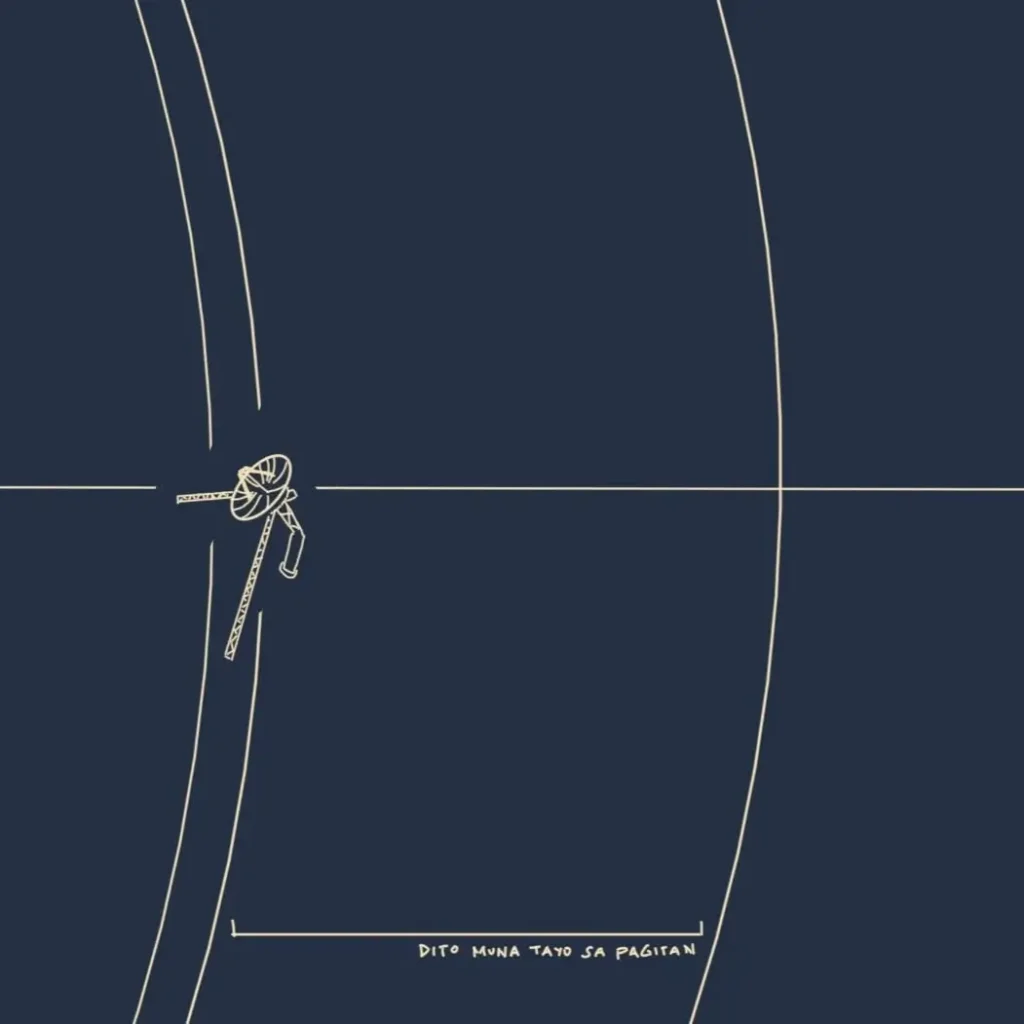
Fernvie’s “Dito Muna Tayo sa Pagitan” Makes Uncertainty Sound Like a Place Worth Staying

There are few experiences more exhausting than being told you need to have everything figured out. Modern life has somehow turned indecision into a personal failure, as if everyone else received a very important instruction manual that somehow got lost in the mail. fernvie’s “Dito Muna Tayo sa Pagitan” has a different suggestion: maybe we can just stay here for a while. The Manila rock trio’s first Filipino-language single takes the uncomfortable space between decisions and turns it into the song’s central idea. Rather than building toward some grand revelation about overcoming anxiety, the track sits with urban exhaustion, indecision, and burnout. And, importantly, it does not seem particularly interested in pretending that everything will be fine if you simply try hard enough. Credit: Jener De Lumin (mcjenerphoto) Musically, that uncertainty becomes a productive contradiction. John Berida’s bass and vocals, Dino Solaña’s drums, and Aaron Vecina’s guitar pull from post-punk revival, math rock, and alternative rock, creating something that is simultaneously restless and atmospheric. The rhythm keeps the song moving while the guitars seem determined to make that movement feel slightly less straightforward. Engineered by Kaloy Del Puerto, the track leans heavily into texture. Post-punk dance rhythms provide its forward momentum, while fuzz-drenched bass and ethereal, layered guitars bring in a shoegaze haze. It is a combination that makes sense for a song about not knowing exactly where you are going: the beat says move, while everything around it asks whether we really need to know the destination yet. “Dito Muna Tayo sa Pagitan” is not simply a song about being lost. It is about the strange possibility that the middle ground can be somewhere you deliberately choose to exist. That is important. Too often, songs about anxiety and burnout morph into these cathartic- “here’s my, it gets better moment” kind of things. Fernvie pulls the listener in the opposite direction. Sometimes there is a looming, dramatic choice point, and sometimes it’s just a regular day. The songs’ influences may be rooted in familiar indie-rock sounds, making those influences inevitably more real, closer to the street, more of the feeling of wandering on, through a city of thousands and thousands, of simply not knowing what the next five-year plan is supposed to be. And in the end, “Dito Muna Tayo sa Pagitan” is a keeper precisely because it isn’t willing to turn the concept of uncertainty into a villain. Its guitars sparkle, bass is fuzzy, drums continue to march onward, and despite the sense that I am going nowhere with a song, I realize I am perfectly fine. For fernvie, that is a surprisingly effective place to begin. Follow fernvie Facebook Spotify Youtube Instagram Tiktok Promoted Content About the Author

Fernvie’s “Dito Muna Tayo sa Pagitan” Makes Uncertainty Sound Like a Place Worth Staying Read More »

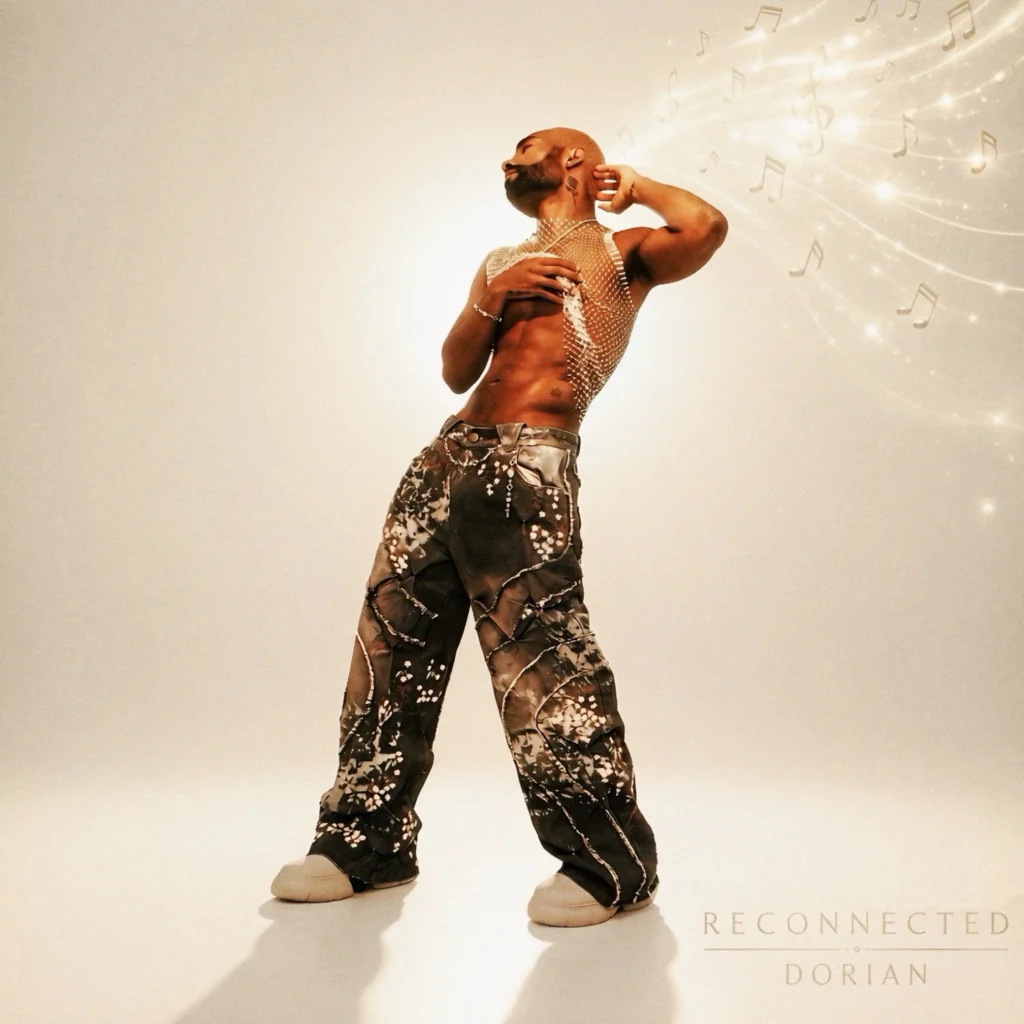
Dorian’s RECONNECTED Finds a Lively Median Between R&B Throwback and Modern Day Expression

Dorian makes nostalgic music. One second you’re listening to a song and the next, you’re reclined in the backseat of your car staring out the window, questioning why you had called someone back and then questioning why they didn’t call you back. This is what Dorian knows. His sound is rooted in soul and R&B but while there’s definitely those elements, he’s taking those in a different direction. Pop, dance, electronic textures, genre-hopping sonics, he’s not worried about “What genre is this?”. He’s curious and as long as he can take his audience along with him, he’s just fine. He kicks off the project with “INTRO,” which thrusts you immediately into that warm and fuzzy side of the genre. There’s just something about it that makes you feel safe, like jumping into an old-school R&B album and starting with a slow build, the song peeling back slowly in the order of an old-school slow jam. Romantic and smooth and soulful and nostalgic, just the way you want to slide into your seat when you haven’t quite pulled out of the driveway yet. That’s heightened when paired with a modern-day and vulnerable take on R&B. Artists like Giveon and Daniel Caesar have been slowly leaching the genre of the over-polished performance that equated to a slow, late-night whisper about someone you weren’t quite sure who they were, but you absolutely knew you needed in your life (or needed to get out of yours). Dorian exists in that space. RECONNECTED contains the melodic tendencies of the classic genre, but the honest emotion of something much more open. Wanting, longing, loving, being unsure, wanting to reconnect, Dorian’s covering it all while also bringing you along for the journey, showing you that “that vulnerability ain’t gotta sound sad.” “Reconnected” begins with sparing melodies that sound just dreamy enough to transport you back to the 90s and early 2000s, where a slow jam would start just a little too slow with just a couple of sexy notes that made you completely forget you didn’t know this person’s name until they called you and you didn’t answer, but you desperately wanted them to call back. But then, there’s a build that brings the song into more of a heavier rhythm and more of an intensity of energy. More, not less. It stops sounding like “I just miss this person in my room while I stare into the ceiling” and starts sounding like “I just miss this person and want to see their face again, real, real bad.” It wasn’t just romantic, it was sexy. Dorian can keep his voice in the same range, put it on a more energetic song and leave it at that. And as a result, we remember again that you don’t have to just sit in a dark room playing your guitar all night long when you feel romantic. You can dance through it. That balancing act continues throughout RECONNECTED. “WAKE ME” and “LOVE LETTER” add even more heat and pop more of that lightness that comes with head-over-heels passion toward someone who absolutely has to be the center of your universe. All of a sudden, they’re everywhere, every lyric hits you square in the chest and you wanna start carving your initials in a notebook in case, because there is no way you could have thought this specifically about someone you don’t know. And then the album turns. On “OOO” and “WHEN YOU’RE WITH ME” Dorian turns the BPMs up just a little bit more, adding more movement, more edge, so that the album can serve as that reminder that emotion has its fun side. Sensuality can be romantic, but it can also be loud, it can be sexy, it can be fun. Perhaps the most amazing thing about these two genres blending together is that Dorian also places himself firmly in that same high priestess of emotion’s box, which is to say that he sees himself as a bold, colorful, emotionally healing artist. It’s more obvious on the songs that aren’t restrained to a sonic box. You can find soul, R&B, pop and dance influences all throughout the album and tone often wins out over an actual genre tag. It’s as though the album is trying many different doors before one opens, which is part of what makes it so lively. It feels as though the artist is eager to push his own boundaries. If RECONNECTED doesn’t reinvent the wheel of R&B, it discusses such topics as love, desire, aching, yearning, fantasizing, longing, then echoes them out into multiple sonic shapes, many that seem to be experimenting with every method possible to find what fits and perhaps that approach is most of all appropriate considering the album’s title makes every thought more meaningful. RECONNECTED is, on the surface, a record about reconnecting with somebody else. But it’s also a record about reconnecting with that retro R&B sound, through the eyes of an artist excited to take the style in a new way. So, one moment, the approach can be tender (but not too tender), soulful (but not lost) and contemporary (but not leaving the past behind completely). Sometimes, Dorian just wants you to sit with your feelings. Follow Dorian Facebook Spotify Soundcloud Youtube Instagram Tiktok X-twitter Promoted Content About the Author


Dorian’s RECONNECTED Finds a Lively Median Between R&B Throwback and Modern Day Expression Read More »

Starboard to Sunset’s “Without You Here” Finds Grief in the Everyday

How does a good grief song go? Acoustic guitar? Check. Weepy lyrics? Yep. Sunlight, wind, trees, nature? Well, you knew it was going that way. “Without You Here,” the most recent single from Jersey Shore alternative rock band Starboard to Sunset has these things. It also has a lot of latitude to just sit with grief without trying to convince you how big, cinematic, and romantic this oh-so-unoriginal song is going to be. Lead singer, guitarist, and songwriter Tom Damiano zeroes in on the lesser-known facet of grief-the eerily unremarkable absence of a once-present person-focusing on what is lost without grand gestures or plotted-out camera angles. That is not simply losing a person, of course. It is the fear that time is going to take something else as well-that person’s life, their presence, the sound of their voice-away, away, away. “Without You Here” repeats that phrase with an almost resigned tone, offering a lot of weight behind the simple statement of isolation. It revolves around the idea of that absence, doesn’t try to finalize the emotion, and ultimately offers a more accurate story. Grief doesn’t revolve around tidy narratives or chronological flows. It rests, it drifts, it stays long past the end of the song or moment, and it would be a foolish decision to squeeze tears out of the listener. Here, Damiano allows the guitars enough space to soak in the sentiment-between the alternative edge and the indie rock pull in the background-and to leave space for you, in turn, to feel it. It does not shake out tears or try to beat the emotion into place; it just enables you to sit with the emotion, letting the guitars glow as the words settle into the background. That conscious choice is also an asset because the lyric work is most effective when it links memory with everyday images. Sunlight and wind are hardly unique in their figurative scope, but they fit the song’s overall structure: that the world is still turning while an important person is gone. Sadly, Tuesday does not hold up. Starboard to Sunset’s “Without You Here” is modest, and the emotion is huge. It does not try to make the audience cry, does not try to teach a lesson, but simply offers up that feeling of a loved one leaving. Follow Starboard to Sunset Globe Facebook Spotify Youtube Instagram Tiktok Promoted Content About the Author
Starboard to Sunset’s “Without You Here” Finds Grief in the Everyday Read More »

Queens Rap Veteran Delivers Soulful Street Wisdom

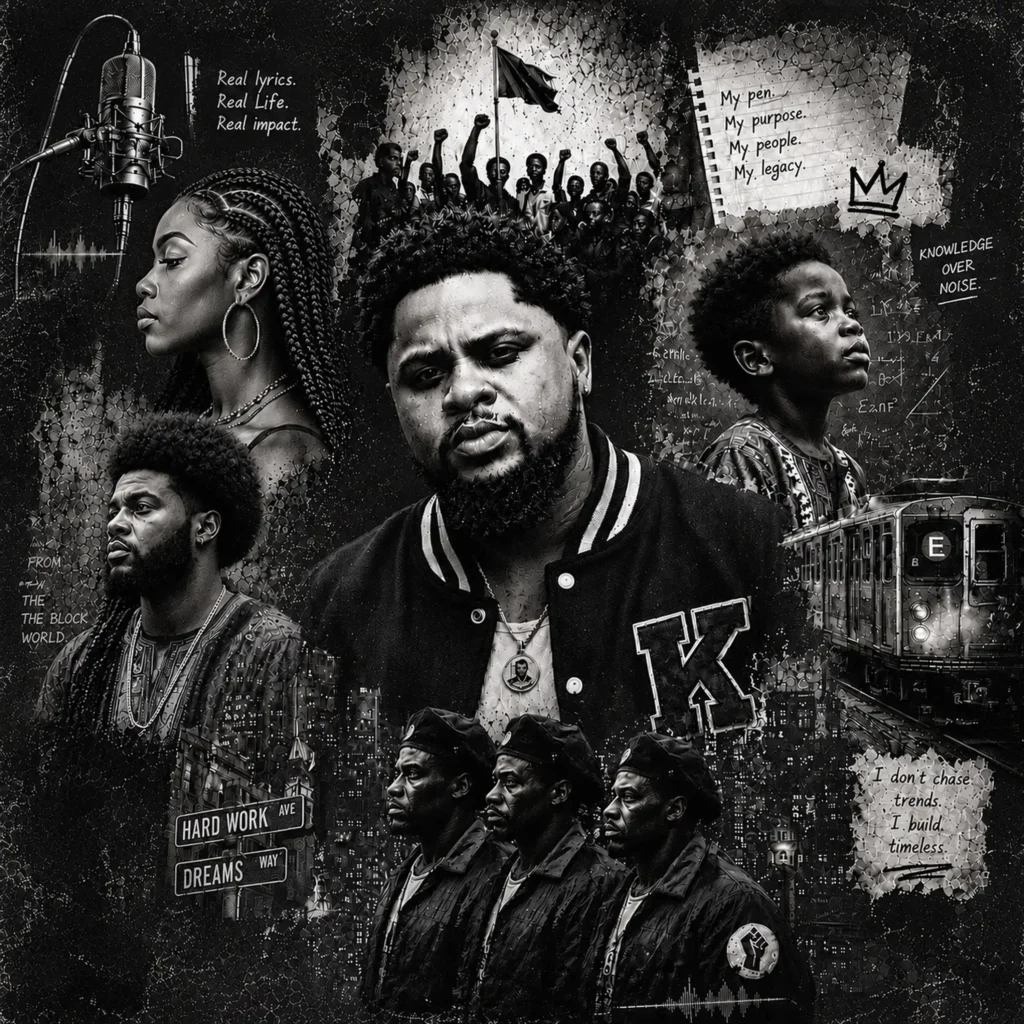
Walking through Queens under a gray afternoon sky brings an immediate feeling of history and K. SPARKS channels that raw street warmth on Make It Make Sense. The track opens with a haunting female vocal sample floating above crisp drum snaps that carry the weight of late nineties hip hop culture. He steps up to the microphone with the easy poise of a veteran who learned his craft in South Jamaica long before chasing radio play or digital metrics. Every sentence carries personal history as he speaks on losing his mother Laura and surviving the quiet paranoia of modern urban life. His rhythmic delivery moves with smooth conversational precision that makes every bar hit with quiet intensity. He drops references about reading braille in the dark and wrestling with internal mental health battles while the bassline rolls effortlessly underneath. This is classic East Coast hip hop built on pure lyricism and adult self-reflection rather than exaggerated flexes or social media posturing. You hear the focus in his voice when he breaks down the painful gap between young men dying and old men talking. The production relies on a timeless warm loop that feels like discovering an unreleased gem in a dusty crate of soul records. A snare crack keeps the tempo swinging while sub-bass gives the track a heavy heartbeat that demands turned-up speakers. It carries the distinct flavor of classic New York radio from the era when stations like Hot 97 broke authentic independent voices based purely on talent. The vocal sample in the chorus acts as a emotional counterweight to his verses by lifting the track into something communal. He rhymes like someone who has written thousands of songs in total solitude without chasing fleeting internet trends. By the time the beat fades out into quiet vinyl noise you realize you listened to a genuine piece of life story from an artist who survived the industry grind on his own terms. His history collaborating with stars like Kid Cudi and placing music across hundreds of television shows never diluted his core commitment to authentic underground hip hop. Make It Make Sense stands as a triumph of independent artistry that earns every single second of your attention. Facebook Spotify Youtube

Queens Rap Veteran Delivers Soulful Street Wisdom Read More »

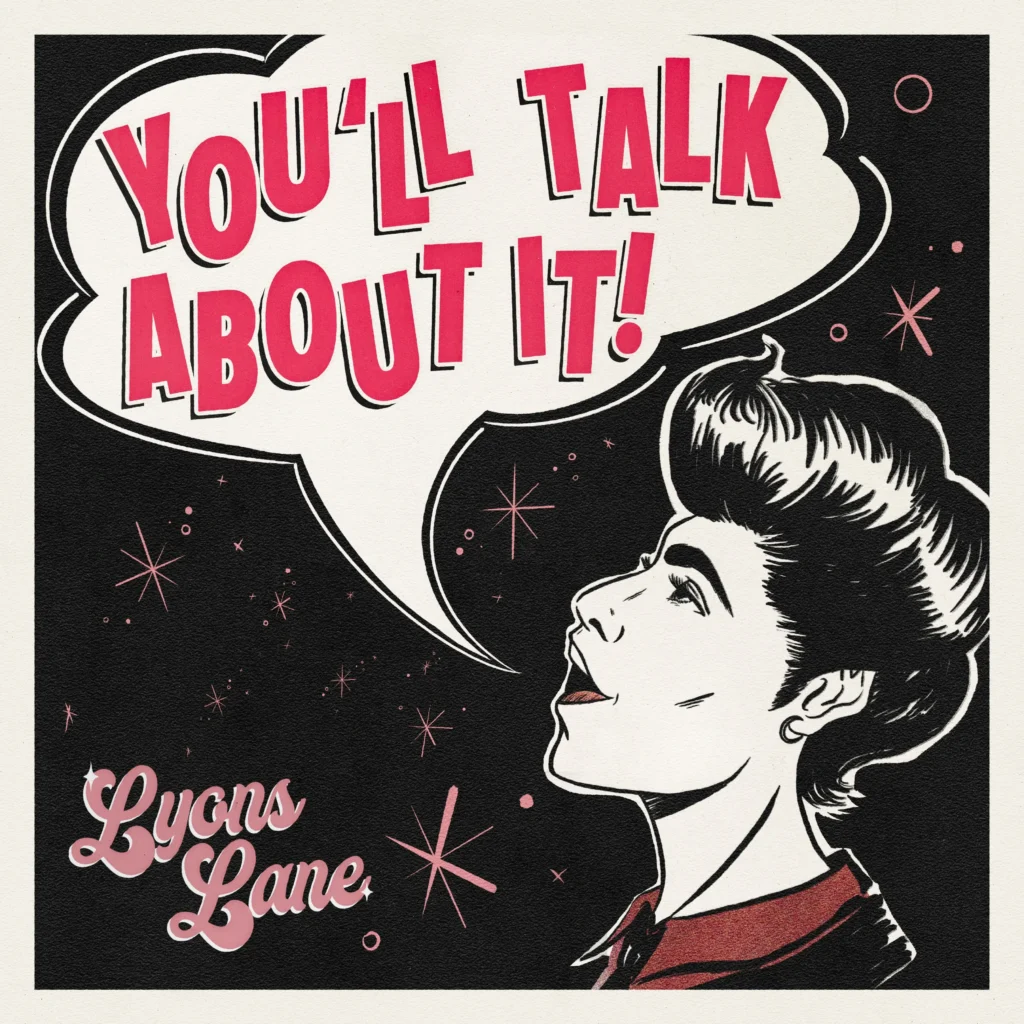
Lyons Lane’s ‘You’ll Talk About It!’ EP Proves Old-School Rock Doesn’t Have to Stay Old

There’s a line between “it sounds old” and “we understand why it worked so well before.” Lyons Lane seems to get it. The Michigan five-piece conjures up rockabilly, doo-wop and 1950s Americana on their debut EP You’ll Talk About It! but it doesn’t sound like a band with a museum exhibit dedicated to the Fifties. There are vintage guitars, crooner vocals, harmonies and horns, but there’s also enough garage-rock grit and alternative-rock muscle to keep it all jumping. According to the band, their sound is “vintage without nostalgia, and modern without abandoning the past.” We’re talking about a more refined way of saying that Lyons Lane loves the old sounds but doesn’t think they have to sound just like they did before.  Founded by Mark Leo and Thomas “Tomcat” Thompson, the Michigan five-piece has already gained national attention, racked up nearly two million Spotify streams, and built a rapidly growing fan community. They’ve also sold out a legendary venue in their hometown, a place known for hosting the White Stripes, which feels like a pretty fitting milestone for a band so deeply connected to American rock history. Credit: Photo by Gavin Koenig You’ll Talk About It! opens with “Don’t Shoot The Messenger.” It’s a guitar-driven, fast-moving, punchy opener that gets right into the band’s musical wheelhouse: lots of space for guitars and for frontman Mark Leo to deliver attitude. It reportedly remains the band’s opening track at shows, and it’s the sound you’d want to get the crowd moving before they overthink things too much. By then, though, the EP has already taken the listener to lots of other places in Lyons Lane’s vintage universe. “Tahitian Pearls” and “Bitten” riff on the foundation the opener sets, but the band isn’t simply copying the same move. The looseness of the playing keeps them from sounding like exercises in history. The first several tracks manage to keep “vintage” feeling fresh, yet somehow the EP also keeps reminding one of how the collision of American pop music can produce something new. “A Stop at Willoughby” moves further into the band’s interest in atmosphere, but it’s also a great way of illustrating just how wide-ranging the band’s idea of “vintage” could really be. And, of course, the ability to avoid clear lines between genres is also a good way to avoid sounding like a band merely reproducing the past. “Emma’s Addiction” is the clearest indication of the band’s retro-pop sensibility, leaning more toward the musical style of the 1960s with crooner vocals, prominent horns, and a mood that might work as background music for a movie about traveling a long road and making some questionable decisions. That slightly theatrical quality is important: Lyons Lane is not a band merely copying the sounds of the past, but using them as tools to give its songs character. The horns and even the vocals can sound soulful and over-the-top on purpose. The band explores that theatrical tendency even further on the closing track, “Sugar & Spices,” which carries off many of the elements of the previous five songs: songcraft, a certain old-school attitude, and the band’s natural fondness for showtime flourishes. And across the six songs, it’s not so much that Lyons Lane is unveiling some new way of crossing all these influences, but that it makes the convergence feel organic. The biggest pitfall of old-time rock is nostalgia for its own sake. “Remember when music was better?” really isn’t a great premise for art. Lyons Lane is more interested in a better question: What can these sounds still do? Turns out: a whole lot. The band’s approach makes the influences of You’ll Talk About It! feel like ingredients in a musical recipe rather than strict rules: rockabilly pushes the band along; doo-wop provides harmonies; the swells of old-time pop provide theatricality; and the whole thing has enough muscle to keep it modern. The result? An EP that knows what it likes without sounding like an artifact from the past. Old-school rock music doesn’t have to stay old. All it takes to keep it relevant is a band that understands how to keep it relevant. You’ll Talk About It! arrives September 25 on vinyl, streaming platforms, and digital download. Give it a listen and see what Lyons Lane does with these timeless sounds.  Follow Lyons Lane Globe Facebook Spotify Soundcloud Youtube Instagram Tiktok Promoted Content About the Author
Lyons Lane’s ‘You’ll Talk About It!’ EP Proves Old-School Rock Doesn’t Have to Stay Old Read More »

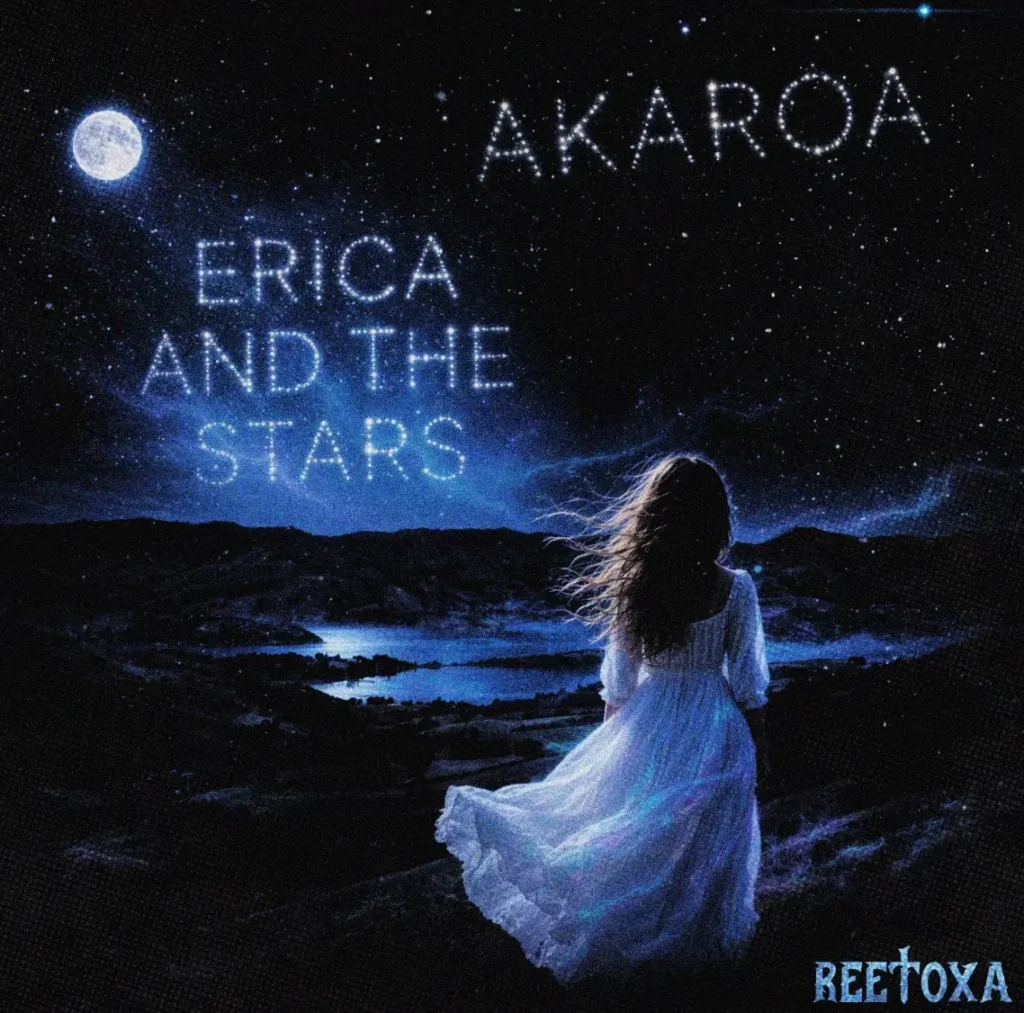
Reetoxa’s Double A Side 2 Is Two Rock Songs and Countless Existential Crises

Two songs. An entire orchestra. A spiritual awakening. A mental breakdown. All that packed with enough baggage to fill a 26-track double album. Double A Side 2 (Akaroa / Erica And The Stars) by Reetoxa is an EP but is delivered with all the bombast of a full-blown rock opera and with the emotional nuance of a man staring out the window during an interstate rainstorm. The Melbourne band’s latest record features Jason McKee, who after 30 years of making music, finally met producer Simon Moro and started working on his debut officially released recording. That is a long time to hold onto songs. Most would have given up, started a podcast, or just deleted the demos. McKee persisted, and over years of trials and tribulations, found the shape of two large, honest orchestral rock songs. The first, “Akaroa”, was born out of a waking spiritual dream while going through a dark patch in life. Many years later, during a trip to Akaroa, New Zealand, he felt an unexplainable presence as he wandered through town, and the song came flooding back. Pitching a story of such grand spirituality and personal struggle might sound like the opening of a very serious documentary, but the music does more of the heavy lifting. “Akaroa” contains similar 90s rock ideals: lengthy guitar work, plenty of strings and a vocal delivery overflowing with emotional weight. The orchestrations keep the song expansive, keeping it warm but not overcooked. Nostalgia is a theme, with the sound of those preposterously long song sets being dragged into the modern day by a mountain of emotional issues. “Erica and the Stars”, the second track, is even more personal. McKee mentioned it was written during a rough mental time that he describes as a life raft. His mind hallucinated an arrangement, and he finally got the Budapest Orchestra to perform the string parts to match his imagination. While most of us crawl out of this sort of situation by grabbing our phones or shoveling undercooked snacks into our mouths, McKee decided what he needed was an entire orchestra. That’s impressive. Thankfully, the grandiosity works because while this song sounds like it might blow out of proportion, the emotional core stays close to home. His voice carries the pain while the strings define it, encompassing it into something resembling an epic film about conquering the universe. Yes, it is melodramatic but it’s not just grandstanding to make sure no one forgets how important this is. Each track has instrumental karaoke tracks so anyone can take all those vocal moments. It may seem out of left field but it feels like a natural fit because these songs don’t feel untouchable, monument-style creations. Instead, they have been written to be performed in people’s living rooms as a form of camaraderie. Throughout Double A Side 2, Reetoxa shows off a healthy mix of indie-rock grunge and a much larger orchestral scope. Guitar grounds things, strings open up the world, and the singing is alternately exposed and downright fierce. The production keeps things spacey enough to breathe but honest enough to feel real and meaningful. Subtlety isn’t the point of this release, and presumably isn’t Reetoxa’s aim. The artist gets into the realm of uncertainty, emotional endurance, and the realization that creativity can turn difficult experiences into something people might be able to relate to. Sometimes the songs are dialed into their ballads. Sometimes they seem poised to soundtrack a man standing on the edge of the universe contemplating its significance. It’s hard to ignore the passion behind it all. As far as small releases go, this one has outsized aspirations: two songs, layers and layers of symphonic arrangements, and enough personal baggage to fill a double album. Maybe it doesn’t reimagine the world of rock music but it’s a compelling argument for why anyone should keep trying. A guitar, a voice, and enough emotional investment is a lot to deal with in one sitting, but it helps to make the darkness not seem so eternal. Follow Reetoxa Globe Facebook X-twitter Spotify Youtube Instagram Tiktok Promoted Content About the Author

Reetoxa’s Double A Side 2 Is Two Rock Songs and Countless Existential Crises Read More »

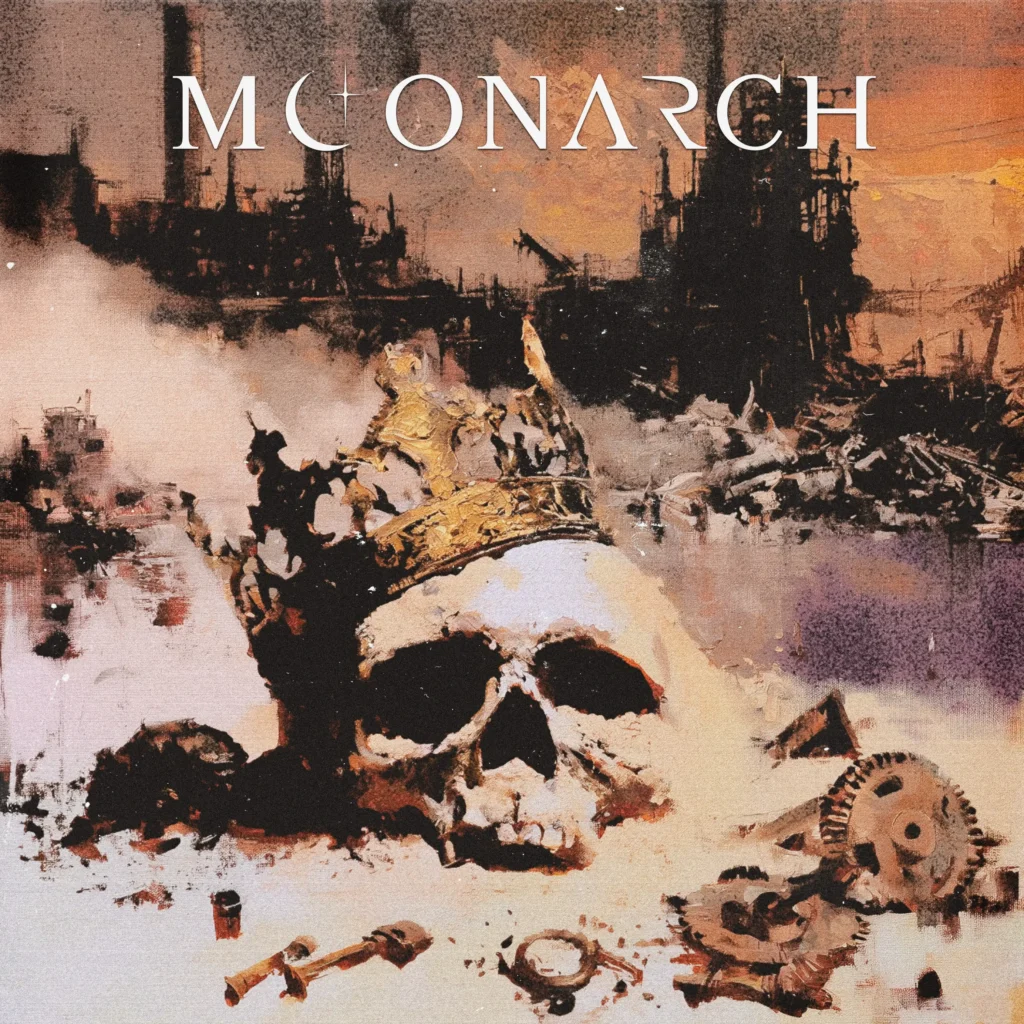
Moonarch’s “King of Nothing” Asks: What Good Is a Kingdom When Everyone’s Dead?

Hamburg’s melodic dark-rockers Moonarch turn greed, technology and societal collapse into a stadium-sized warning shot. “King Of Nothing” arrives with stomping guitars, soaring vocals and enough dramatic atmosphere to make the apocalypse feel like it deserves its own arena tour. The track imagines a dystopian world wrecked by the greed of its rulers and humanity’s increasingly obsessive relationship with technology. The kings remain, the magnificent buildings remain, the enormous thrones remain and, rather inconveniently, everyone they were supposed to rule has disappeared. Congratulations, your kingdom is now a very expensive empty building. It’s about the right kind of epic for a band whose sonic palette is all about space, and Moonarch, who are melodic dark rockers, “King of Nothing” is both squarely within that statement and full of it. Stomping guitars are the backbone that push the tune forward, and synths and keyboards provide an air of desolation all around the periphery of its sound. Meanwhile, melody from guitars guides the songs towards their massive conclusions, adding that modern big stadium production style. Finally, the vocals, an absolute best fit for this type of bombast, switch between sweeter, lower registered pieces and truly massive, wailing high parts Photo Credit: @karlotttaa via Instagram What makes “King Of Nothing” work, though, is that the music does not simply sit underneath the message. The band’s arrangement gives the song its own sense of escalation. The guitars and drums create a physical stomp, while the synths and choral elements push everything toward something grander and more ominous. It is easy to imagine the chorus being designed for a crowd to yell back at the band while several thousand people collectively contemplate the downfall of humanity. Despite its enormous subject matter, “King Of Nothing” feels built from a straightforward rock impulse: find a riff, make it bigger, then ask how catastrophically large the thing can become. The answer is: pretty damn large. There is also something refreshing about a dystopian rock song that understands the appeal of its own ridiculousness. Yes, we are talking about rulers sitting on magnificent thrones in the ruins of civilization. Yes, technology has apparently helped get us here. All true, but Moonarch commits to the premise completely and that commitment gives the song its charm. “King Of Nothing” ultimately works because its warning is simple enough to understand even beneath all the guitars: power means very little when there is nobody left to impress. Build the biggest kingdom imaginable, fill it with machines, surround yourself with monuments to your own greatness and you can still end up alone. Moonarch just happens to provide that lesson with enough riffs and soaring vocals to make the apocalypse sound fantastic. Follow Moonarch Spotify Youtube Instagram Tiktok Promoted Content About the Author
Moonarch’s “King of Nothing” Asks: What Good Is a Kingdom When Everyone’s Dead? Read More »