
loader image

New Music

I Plead Irony Took 10 Years to Finish This Monologue Conversation. Thankfully, It Was Worth the Wait

There’s something inherently funny about a band called I Plead Irony spending ten years making an album about contradiction. You could accuse them of taking the joke too far, but then This Monologue Conversation arrives and makes a rather persuasive case for letting them have the last laugh. The third album from Farnborough trio I Plead Irony has had an absurdly long gestation. Years later, they came back to it because, apparently, they had the radical idea that maybe good songs should actually be released. Photo Credit: Dave Vokes Photography The end result is an eleven-song album of the most natural-sounding alt-rock that truly embraces and recognizes its dour nature without taking itself too seriously. Expect some punk and some blues on the fringes, while the crunching guitars and rocking rhythm section keep the eleven tracks bouncing. Ultimately, however, I Plead Irony never feels quite miserable enough to be granted a medal for the loneliest person in a room at any point. Rather, they feel like three friends who love the shit out of making music, and that translates on and through the record, too. Because This Monologue Conversation is dealing with some pretty heavy stuff. Fear, conformity, identity, self-destruction, the possible collapse of civilization, and all the fun ways people manage to make their own lives harder. Basically, the kind of stuff you’d normally avoid thinking about if you’re trying to have a nice afternoon. Thankfully, I Plead Irony don’t treat any of it like they need to spend the entire album sitting in a dark room looking dramatically miserable. There’s enough energy, humor and personality in the music to keep all that darkness from becoming exhausting. “Inside the Lines” is a good example of how the band pulls this off. The drums come in with plenty of energy, the guitars grind away underneath them, and Jordan’s low vocals give the song a darker edge. The song is about boundaries and the limits we put around ourselves, and while it started from a personal perspective, the pandemic has given those ideas a much bigger context. After everything that happened over the past few years, songs about conformity and freedom are bound to hit differently. The best part is that the song doesn’t have to spell all of this out for you. It just gets increasingly tense as Jordan’s vocals rise and the music opens up around him. The song has changed because the world listening to it has changed. And, annoyingly, it works really well. From the eeriness and uncertainty of “History,” one finds oneself looking at things on a slightly more general scope. “History” inherently has that sing-along quality thanks to the sheer fullness and fuzziness that accompanies its guitars, along with those heavier strings, pounding drums and crashing cymbals that lend themselves to a real sense of anxiety within the tune. Ultimately, the point is simple: can you even say that humans are moving anywhere at all, or do we just make very similar mistakes each and every damn time around? And that’s the fun contradiction at the heart of “History.” It’s catchy enough to get stuck in your head while making you think about whether humanity is capable of learning from its own mistakes. Honestly, it might be one of the more appropriate songs to have playing while you’re scrolling through the news and wondering what on earth everyone is doing. Despite all those big ideas, This Monologue Conversation never feels weighed down by them. A lot of that comes from the fact that I Plead Irony sound like three people who actually like playing together. There’s a natural looseness to the performances. You might expect that kind of interrupted production to result in something disjointed. Instead, This Monologue Conversation feels remarkably coherent. More importantly, it does not sound like a museum piece rescued from a hard drive simply because nobody could bear to delete it. The closing “Falling Upwards” provides the album with its most hopeful moment, turning toward love and connection without suddenly pretending that all the problems raised across the record have been solved. There is no triumphant cinematic ending where everyone learns an important lesson and the credits roll. Thank God. That would be terrible. Instead, the album ends on something more modest and believable: the possibility that connection matters even when everything else is confusing. And that brings us back to the album’s strangest accomplishment. This Monologue Conversation is fundamentally about contradiction, but its greatest argument is surprisingly straightforward. Three friends have spent roughly two decades making music together. They started an album, life got in the way, and eventually they returned because they still believed the songs deserved to exist. After waiting ten years to hear it, This Monologue Conversation makes a pretty convincing case that some records really are worth waiting for. I Plead Irony takes anxiety, contradiction and an impressive amount of self-reflection and turns them into something that is, thankfully, still a lot of fun to listen to. It took the Farnborough trio a while to get here, but they’ve ended up with a rock album that knows when to be serious, when to have a laugh, and when to simply let the guitars do the talking. Follow I Plead Irony Globe Facebook X-twitter Spotify Bandcamp Youtube Instagram Promoted Content About the Author

I Plead Irony Took 10 Years to Finish This Monologue Conversation. Thankfully, It Was Worth the Wait Read More »

Waterloo Alt-Rockers Awake & Dreaming Ignite a Riotous Street Dance on ‘Cold Shoulder’

Awake & Dreaming come stomping out of the Waterloo night with ‘Cold Shoulder’ sounding like a band ready to tear down the walls of every suffocating office block in North America. The Ontario outfit takes the tense swagger of mid-2000s post-punk revivialists and turns it into a blistering reclamation of personal freedom. What starts as a restrained nocturnal creeping quickly builds pressure under Sasha’s restrained vocal delivery. You can hear the quiet panic of being trapped in a life you never ordered and every bass pluck feels like a ticking clock. The verse leans heavy on restraint as Sasha delivers the whispered taunt “Go on, give us the cold shoulder.” which feels less like a plea and more like a dare to an unfeeling world. The groove stays tight and menacing while guitar lines snarl in the background much like early Arctic Monkeys tracks where every note feels tightly coiled. Mixing engineer Jay Dufour leaves enough air around the instruments so you can feel the sweat in the room before the sudden explosion. It pulls you in by your collar and refuses to let go until the dam breaks. When 2:20 hits the room shatters completely as the rhythm section detonates into a full scale riotous march. The transition opens up space for a crowd shout that demands total participation so you can instantly imagine sweat dripping off the ceiling at their shows across Waterloo, Ontario and beyond. That explosive shift carries the same theatrical punch as classic Muse anthems while keeping its boots firmly on the pavement. The chant “I’m gonna dance in the street while it’s burning.” rings out like a survival manifesto for a generation exhausted by modern routine. The bridge at 2:52 stacks an avalanche of sounds together where a roaring organ collides with soaring electric guitars and a choir of voices. Mastering engineer João Carvalho gives the entire wall of sound a physical crunch that hits straight in the chest without muddying the mix. The guitars cut through with the raw edge of The Strokes at their most urgent and the organ adds a dark gospel weight to the chaos. Then everything cuts away to leave Sasha finishing the central chant alone in a moment of pure unvarnished defiance.Awake & Dreaming have created something that demands to be played at top volume on a late night drive when you need to remember you are still alive. This track marks a massive leap forward for the band as they prepare to take their debut album Inevitable on the road. It leaves a mark in the best way possible and proves that Canadian alt-rock has found a fierce new heartbeat.  Facebook Spotify Youtube

Waterloo Alt-Rockers Awake & Dreaming Ignite a Riotous Street Dance on ‘Cold Shoulder’ Read More »

Gubbe Turns Bad Ideas Into Good Alternative Rock on ‘What Could Possibly Go Wrong’

There are certain phrases you probably shouldn’t say immediately before making a potentially dangerous decision. “I’ve got a great idea” is one. “Trust me” is another. But perhaps the most relevant is: “What could possibly go wrong?” That’s the question Norwegian alternative rock project Gubbe asks on its new track of the same name, primarily because subtlety clearly wasn’t going to help anyone here. Written by songwriter Bent Olav Olsen, the song centers on impressively questionable decision-making and turns it into a jaunty, guitar-driven alt-rock bop. It’s melodic without becoming sweet, heavy without drowning out the melody and far too optimistic to recognize the obvious flaws in the plan. Credit: Diego Escobedo Lozano “What Could Possibly Go Wrong” is funny, but its humor isn’t simply built around absurdly bad ideas. Beneath the punchline is something much more familiar: that particular kind of foolish self-assurance where you know something could go spectacularly wrong, briefly acknowledge it and then decide that thinking about the consequences sounds like someone else’s problem. We’ve all done this. Maybe not while wrestling a full-grown bear, but something close enough. For a song about making bold moves, the dense arrangement fits perfectly. Thick guitars and pounding drums throw plenty of ideas at the listener at once, making everything sound chaotic and completely under control simultaneously. It’s an appropriately frantic soundtrack for a decision-making process that has consequences three business days later. The best of it has to be Olsen’s vocal approach. Instead of approaching this in the only truly reasonable way the story allows: hysteria, he seems to approach it all with a barely suppressed deadpan.   The absolute absence of any ornamentation benefits this; there’s a cozy, almost reassuring feel to Gubbe, buried beneath the clanging guitars, like a deeply flawed and funnier far-away friend imparting on you an anecdote about a bad decision they made with barely any shame. Even at its most ludicrous point, the situation maintains an odd and comforting equanimity, Olsen accepts that this is something that might end catastrophically and that’s not quite reason enough to avoid having an absolute blast. It’s not all that surprising that Gubbe sounds so inherently casual, that it was recorded with some friends, rather than some rigorously-produced track it feels far more like a few buddies getting together and just having a ridiculous blast with some noises. All said, you’re not really in any position to look to Gubbe for a way out of being a complete idiot.  You just need something catchy for why, from time to time, you feel completely ok with it all and if the answer to “What could possibly go wrong?” is “probably quite a lot,” at least Gubbe has made the soundtrack to finding out. Follow Gubbe Globe Facebook Bandcamp Spotify Promoted Content About the Author

Gubbe Turns Bad Ideas Into Good Alternative Rock on ‘What Could Possibly Go Wrong’ Read More »

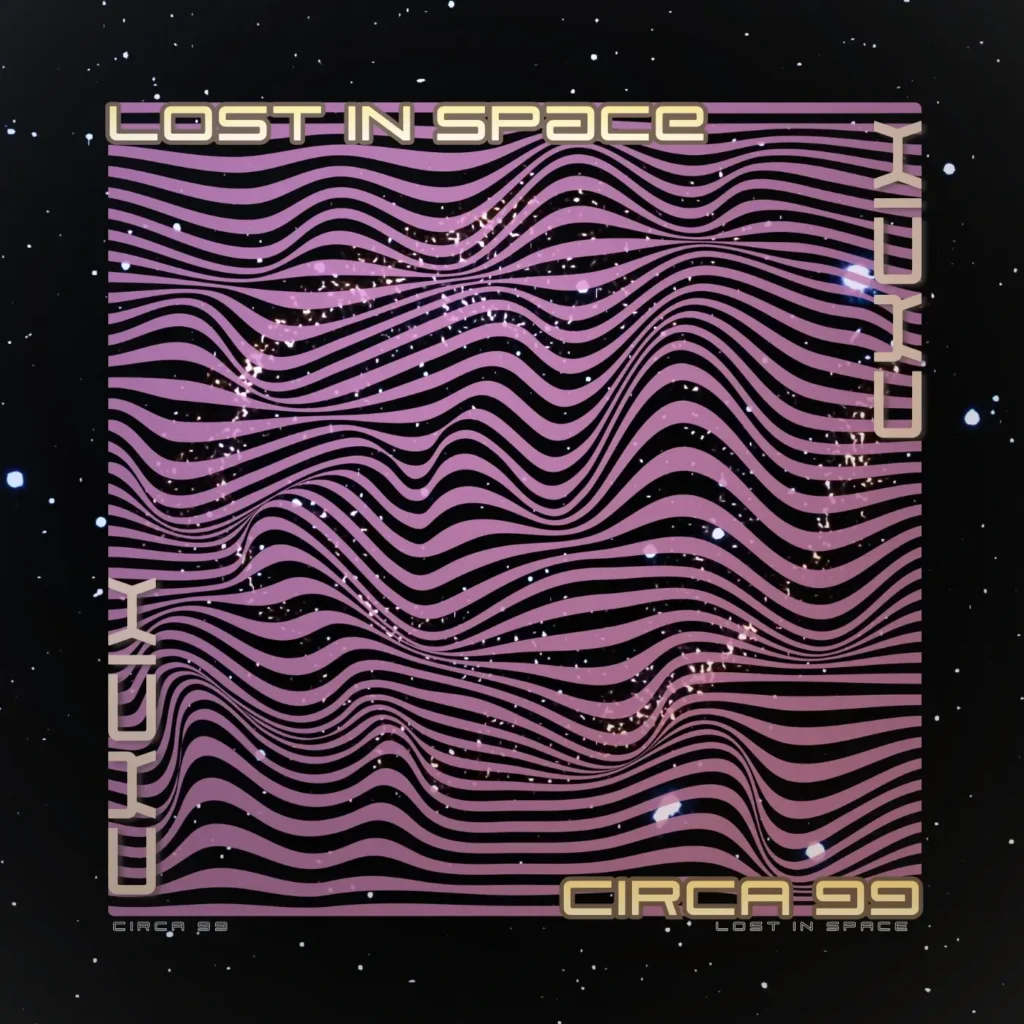
CIRCA 99 Blends Psychedelic Pop and Electro Funk on Debut Album LOST IN SPACE

CIRCA 99’s debut album Lost In Space is the kind of record you’d imagine being made by someone in a bedroom studio with way too much free time and not nearly enough self-control over cool sounds once they’re discovered. With over 10 tracks, the album weaves elements of psychedelic pop, electro-funk, synth-heavy production and ambient textures together in a debut record that feels at once highly produced yet intensely personal. Based in Toms River, New Jersey, CIRCA 99 wrote, recorded, mixed and mastered the album on their own over the course of about a year. This incredibly hands-on process contributes greatly to the record’s appeal. Live instrumentation (bass, guitar, vocals) weaves and overlaps with electronic production, creating tracks packed with details that are never quite enough to overload and feeling more thought-out than overly produced or complicated. The studio functions as another instrument for the album, where the sounds were layered, altered, resampled and generally noodled with until they sounded just right. The influences, while obvious throughout Lost In Space (think Tame Impala’s psych, Daft Punk and Justice’s electro, Nile Rogers guitar funk and Brian Eno’s ethereal soundscapes pop up throughout the album). It could so easily have become just a musical menu (‘Tame Impala + Justice + Nile Rogers + Eno = Lost In Space?’) but somehow CIRCA 99 ties it all together and the songs are locked in tight as a result. Opener SATELLITES IN LOVE immediately sets the stage with glittering synths and a pulsating bassline. It brings the cosmic visuals its subject matter describes, reflecting how strange and difficult it can be to be close to someone without being sure of where you are, or even that you belong there. Hindsight ramps up the tempo further with funky guitars, pounding percussion and expansive vocals describing a common human phenomenon where clarity always seems to come after the chaos has passed, which, as always, is less helpful than having it present during. In one of the most cohesive and best moments of the album, Eyes Wide Shut blends lush, synth-pop production with the idea of emotional evasion: knowing the damn wheels are falling off and purposefully not seeing it and refusing to address the elephant. The track holds emotional ground despite the sprawling sounds, providing us with the kind of song you can dance to while slowly realizing you just made like three stupid decisions. The tracks FALL INTO ME and ENERGY work as the album’s centerpieces of movement and exploration of introspection. The tracks focus on the electro-funk sound even more, creating groovy basslines, filtered synths, vocal chops and lively drums. But due to live guitar playing, they maintain an organic and real sound instead of anything too mechanical. Moving to a more anxious state of mind, NO TIME includes pulsing synths and repetitive rhythms that create the feeling of the constant passage of time that many have when you feel stuck in a monotonous routine. It seems like no one remembered to build a pause button into anything. The album shifts toward more active decision making with MAKE MY MOVE; the live guitar and tight percussion lend the song movement forward to embrace whatever came before it. The album concludes with GOOD NIGHT, which is so laidback it nearly floats away, where CIRCA 99 embraces an ethereal, peaceful ending where the song is allowed to fully drift off instead of ending abruptly on a more definitive note. This last moment emphasizes how the album works well as an album, as a whole. Each song individually tells its own story but collectively takes the listener on an overall journey that takes us from uncertainty and longing to acceptance and a sense of direction. The bedroom studio sounds truly expand for the purposes of the record, so whether it’s layered synths, guitars, bass, percussion, vocals, or effects, CIRCA 99 creates a sound larger than life. There’s not necessarily anything new being explored throughout the record, but sometimes reinventing the wheel and adding a new set of sounds is all there needs to be. CIRCA 99 nails this throughout Lost In Space to make an album that has the ambition, production value and emotional range, but doesn’t lose a single shred of intimacy. All in all, it’s a pretty great starting place for CIRCA 99, because Lost In Space does everything else pretty well except answer where exactly it was trying to go in the first place. Follow CIRCA 99 Spotify Instagram Promoted Content About the Author
CIRCA 99 Blends Psychedelic Pop and Electro Funk on Debut Album LOST IN SPACE Read More »

”Medicine” Finds Adonys Fallz Blending Country Storytelling With Hip-Hop Swagger

For decades, whiskey has traditionally been a crutch for country songs in solving their problems. For many reasons, it often has just as many shortcomings as helpful benefits and “Medicine” by Adonys Fallz accepts and acknowledges this premise with a different question: What do you do to make it through the night when life is getting to be more than you can handle? “Medicine” plops Fallz into a very familiar, cliché country scenario of long nights, drinks, pressure and a host of unspoken words before letting the song gallop to the tune of hip-hop swagger. While there’s certainly no ground being broken by mixing whiskey and heartbreak, Fallz makes it more about reality. This track is inherently about the factors lying behind the bottle itself. The song talks about the relentless chase for achievement alongside immense pressure, responsibility and the inevitable sacrifices that accompany it. In turn, “Medicine” does less as a cure and more as an “escape.” Life presents us with circumstances when we just need to sit down, share a drink and attempt to forget tomorrow still has plenty waiting for you. This story structure gives “Medicine” its center of relatability. Fallz has a knack for writing a conversation, not a declaration, about battling against adversity. That focus allows the music to move away from the classic idea of inspirational anthems and motivational quotes, which life isn’t all about anyway! Life gets confusing and messy and “Medicine” is about keeping on pushing despite that fact. The hook is what makes the entire idea stick so well. The concept of “Medicine,” although generic, is unique because Fallz uses it to string together ideas of escape, celebration and survival into one cohesive idea: Whether you had a brutal day or an absolute triumph, in both circumstances, it’s perfectly acceptable to reach for and celebrate life however you see fit. The storytelling is purely country; however, the lyrics combine that with some very soulful and rhythmic sounds which are capable of achieving the success artists have been reaching as of late with crossovers like Post Malone, Shaboozey and Jelly Roll. Most important of all, Fallz knows not to pretend this life isn’t difficult. The song doesn’t promise a simple fix; rather, the track embodies the fact that sometimes our “medicine” is anything we choose to embrace while we continue pushing; maybe it is music, or a drink; maybe it’s simply an extended driving experience; all that matters is that we find what it is and stay pushing. For Fallz, music happens to be that medicine and, in turn, “Medicine” serves as a worthy justification to continue creating more. Follow Adonys fallz Facebook X-twitter Spotify Soundcloud Instagram Tiktok Promoted Content About the Author

”Medicine” Finds Adonys Fallz Blending Country Storytelling With Hip-Hop Swagger Read More »

Shelita’s “Open to You” Makes a Case for Emotional Vulnerability Being Worth the Risk

Romance is a deeply embarrassing activity. You spend years developing emotional defenses, learning boundaries, becoming independent and generally convincing yourself that you are a fully functioning autonomous human being and then somebody smiles at you in the right way and suddenly you’re reconsidering the entire architecture. Shelita’s “Open To You” is about that catastrophic administrative error. It translates the point where attraction goes from being theoretical, to being embodied-warm, sexual and surprisingly carefree. Instead of revealing it as a huge emotional ordeal, Shelita portrays vulnerability as a choice. Either we choose to keep up the walls, or we acknowledge that we’ve found someone we care about enough to grant passage beneath them. Photo Credit: Dario Tejada Musically, that sentiment is articulated in the way the song foregoes the predictable tropes of a power ballad, not striving for a sense that every point of emotion on the record should be something world-historically significant. It’s a song laid on a mellow, R&B informed backdrop of shimmering keys, understated drums and bass set against electric textures. Everything feels deliberately far from being overwrought or too over-the-top. Because ultimately, “Open To You” is something inherently intimate and overproducing it would seem akin to shouting directly into someone’s ear. Shelita’s vocals are warm and controlled, shifting between conversational passages and a more expansive chorus without suddenly turning the song into a vocal endurance competition. The performance has a playful quality that prevents the sensuality from becoming overly solemn. When she sings, “I am open to you, honey I am all for you,” the appeal is precisely how straightforward it is. There is no elaborate philosophical framework required. She likes this person. She wants them closer. The committee has reached a decision. The writing also understands that attraction has a physical vocabulary. Candlelit rooms, flowers, water, bodies, movement and the ocean create a recurring sense of touch and immersion. These images could easily become unbearable if handled with too much reverence, but the laid-back arrangement keeps them grounded. The song isn’t pretending to discover the meaning of love. It’s enjoying the part where love, or at least the possibility of it, is still exciting. That makes “Open To You” more interesting than its premise might initially suggest. Its central conflict isn’t really between two lovers. It’s between desire and self-protection. Independence tells you to maintain control; attraction asks you to voluntarily give some of it away. What Shelita wants to say here is remarkably uncomplicated: sometimes opening yourself up is terrifying. Sometimes it’s stupid. Sometimes it’s exactly what you wanted. “Open To You” chooses the third option, puts a groove underneath it and refuses to apologize. Follow Shelita Globe Facebook X-twitter Spotify Soundcloud Youtube Instagram Tiktok Promoted Content About the Author

Shelita’s “Open to You” Makes a Case for Emotional Vulnerability Being Worth the Risk Read More »

Jimi Fiano, “Hey Joe (Not Your Father’s Hey Joe)”: A Humid Haze of Overdriven Tube Amps and Roadhouse Grit

The opening clang of Jimi Fiano’s “Hey Joe (Not Your Father’s Hey Joe)” doesn’t so much announce itself as it throws a rusty, amplified gauntlet at your feet, immediately drenching the space in a humid haze of overdriven tube amps and a general sense of impending musical mayhem. This isn’t the kind of track that lets you ease in gently with a cup of Earl Grey, because from the first distorted guitar stab, Fiano makes it abundantly clear we’re deep in the gritty, smoke-filled backroom of a roadhouse, where the air hangs thick with sweat and questionable intentions. The rhythmic engine here lumbers forward with a kind of muscular, unrefined swagger, its drums sounding like they were mic’d in a cavernous concrete bunker, all room tone and raw impact rather than polished sheen. That kick drum thuds with a pleasingly blunt force, while the snare crackles like a broken lightbulb, occasionally dropping a fill that feels less like a planned flourish and more like a drummer just barely wrestling the rhythm into submission, giving the whole affair a delightfully precarious energy. Meanwhile, the bass guitar sits in a low-end pocket so cavernous you could lose a small car in there, rumbling along with a dark, almost menacing consistency that provides a solid, if somewhat unruly, foundation for the six-string fireworks that erupt overhead. Fiano’s vocal delivery on this track leans hard into a gruff, road-worn sincerity, his voice a gravelly instrument that sounds like it’s seen a few too many late nights and screamed over a few too many loud stages. When he rasps “Hey Joe, where you going with that gun in your hand,” there’s a world-weary defiance in the question, less a plea and more a challenge, which suits the murderous intent of the original narrative perfectly. His performance doesn’t attempt to smooth out any edges, instead embracing the raw strain and slight imperfections, making the tale of jealous rage and a woman scorned feel intensely personal, even if it’s a story we’ve heard a thousand times before. It’s a vocal that says, “I know this story, and I’ve got my own scars to prove it.” This particular “Hey Joe” feels less like a reverent cover and more like a necessary exorcism, pushing the iconic blues standard through a meat grinder of heavy rock grit that recalls the raw power of early Black Sabbath demos, albeit with a more contemporary polish. It sits comfortably alongside artists who appreciate the heft of a well-placed riff and the immediate thrill of loud guitars, drawing parallels to the unvarnished blues-rock of acts like The Black Crowes during their more swaggering moments. You might even find echoes of the relentless, almost primal energy of the Jon Spencer Blues Explosion, especially in the way the track leans into its own chaotic charm, while maintaining a clear reverence for the blues rock tradition, avoiding any unnecessary flash. Jimi Fiano’s “Hey Joe (Not Your Father’s Hey Joe)” isn’t trying to reinvent the wheel, but it certainly gives that wheel a fresh coat of obsidian paint and some new, menacing treads. Its replay value lies in its sheer, unapologetic commitment to loud, dirty rock and roll, offering a satisfyingly primal punch that feels genuinely earned. This track suggests Fiano is a musician who understands that sometimes, the most profound statements are made with a well-placed power chord and a voice full of conviction, rather than intricate acrobatics, setting a clear course for more unapologetically heavy, blues-inflected rock down the line. Globe Spotify

Jimi Fiano, “Hey Joe (Not Your Father’s Hey Joe)”: A Humid Haze of Overdriven Tube Amps and Roadhouse Grit Read More »

Hamburg Rock Veterans ‘5th Avenue’ Deliver Pure Unfiltered Joy on ‘Simple Things’

When eight Hamburg musicians step into a studio with decades of sweat and stage smoke behind them you expect grit, but Simple Things by 5th Avenue catches you completely off guard with its pure heart and breezy melody. Ever since their legendary appearance at the inaugural Wacken Open Air back in 1990 this northern German powerhouse has carried the torch for unpretentious rock and roll. This track doesn’t try to reinvent the wheel or chase contemporary pop trends. Instead it wraps acoustic strums around driving electric riffs and lets a infectious melody take total control. The arrangement kicks off with a warm folk-rock acoustic guitar line before swelling into a widescreen chorus that demands you turn the volume dial all the way to the right. You can hear every bit of their history in the timber of the vocals as they sing about autumn leaves and simple moments with the kind of lived-in authority that only veteran players can pull off. The rhythm section lays down an effortless pocket while dual guitars trade clean fills and crunching chords that build a towering wall of sound. There is zero posturing here because these musicians have nothing left to prove to anyone. Listening to the midpoint build where the electric guitar breaks out into a soaring melodic solo feels like rolling the windows down on a coastal highway near Hamburg. The transition at 02:45 where the kick drum drives hard while acoustic strums ride underneath the electric lead creates a massive wave of energy. It bridges the classic grit of traditional hard rock with the warm intimacy of classic seventies singer-songwriter material. Every vocal harmony in the backdrop lands with crisp precision and gives the track a stadium-sized ambition. What makes the track stick in your head long after the final note fades is the sheer enthusiasm radiating from every single performance. Most bands who have been around for three decades end up sounding tired or cynical but 5th Avenue plays with the wide-eyed joy of teenagers rehearsing in a garage for the very first time. They lean into bright major key harmonies and sing lyrics that celebrate connection and quiet gratitude in an era that often feels overwhelmingly complicated and noisy. This is an absolute victory for independent music and a glowing proof of what happens when a collective stays true to their roots. Simple Things deserves a prime spot on every road trip playlist and stands as a glorious tribute to the endurance of authentic German rock. Put this record on high rotation when you need a immediate mood boost and let eight seasoned rockers remind you why live music remains the ultimate human elixir.  Spotify Youtube

Hamburg Rock Veterans ‘5th Avenue’ Deliver Pure Unfiltered Joy on ‘Simple Things’ Read More »

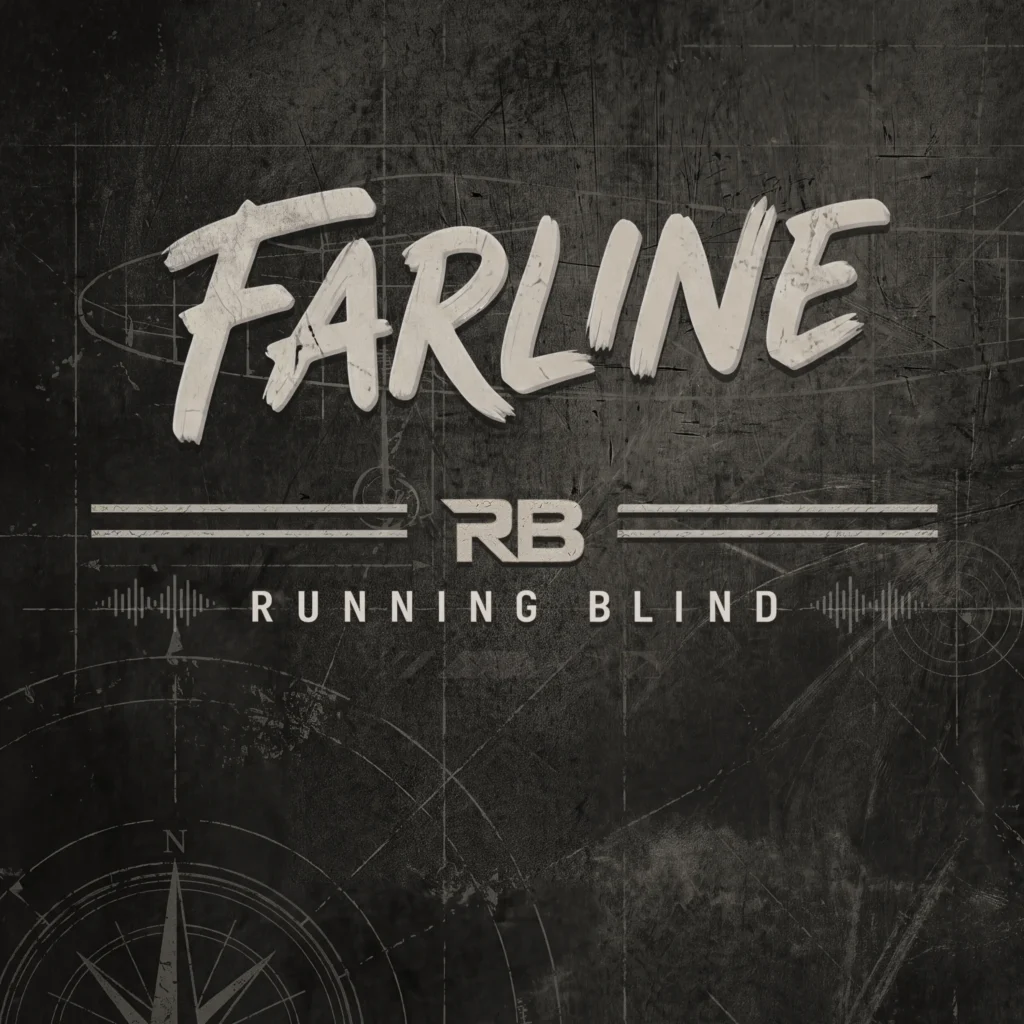
Farline Resurrects Nineties Alternative Muscle With Unbridled Urgency on Their New Single.

When a band unearths rehearsal cassette tapes after thirty years in the vault, the result usually leans toward misty nostalgia, but Cleveland rock outfit Farline obliterates any expectation of quiet reflection with their massive single Running Blind. Formed during the explosive boom of nineties alternative rock, the group shelved early drafts of this track before dusting off the master plans in 2025 and building a giant wall of sound around its relentless pulse. The guitars hit like a freight train on the interstate while the rhythm section drives forward without a single drop in momentum. It is a stunning triumph of persistence that sounds utterly alive in the present day. Producer Mike Wright and legendary engineer Tom Lord-Alge turn the mixing desk into an absolute weapon here by balancing raw midwestern grit with crystal clear polish. You can hear every muscle flex in the rhythm guitar parts as they crash against the soaring vocal performance. When the chorus explodes with the line running from reality and the things that you can’t see, the emotional weight punches right through the speaker cones and grabs you by the collar. The track captures the exact adrenaline rush of tearing down an open highway at midnight with your headlights turned off. There is an electrifying sense of freedom in how the band plays together as if thirty years melted away the second they picked up their instruments again in Cleveland. The drumming hits with crisp punchy clarity while lead guitar fills slice through the middle of the arrangement like lightning bolts. Farline does not mess around with slow intros or lengthy windups because they drop you straight into the fire from the very first beat. That directness gives the music a raw heart that instantly separates it from polished computer-made rock tracks. As the song reaches its peak near the two-minute mark the vocal performance pushes into total desperation and triumph all at once. The contrast between vintage gritty guitar tones and modern wide-panned audio imaging turns the recording into a full cinematic experience. Listeners who grew up on the soaring anthemics of Foo Fighters or the melodic punch of Jimmy Eat World will find themselves singing along before the second chorus even finishes. It is pure unfiltered energy delivered by musicians who know exactly who they are and what they want to say. Farline proves that great songwriting never expires even when it spends three decades sitting on a shelf waiting for its moment in the light. Running Blind stands as an urgent statement of survival and absolute passion that demands to be played at maximum volume. If this single is any indication of what this reunited band has in store for us next, the rock world needs to pay close attention because Farline is back and burning brighter than ever. Facebook Spotify Youtube

Farline Resurrects Nineties Alternative Muscle With Unbridled Urgency on Their New Single. Read More »