

loader image

New Music

When Music Stops Pretending: Thoughts And Notions, Aneka Abarrientos, and Dagger Dion

Thoughts And Notions – A Love So Real (20th Anniversary Edition) There’s something brazenly charming about a band saying, “Remember that old song we did decades ago? Yeah, it deserves to exist in HD.” Thoughts And Notions don’t just re-release A Love So Real; they rebuild it like mechanics resurrecting a beloved old car into a slick electric one that hums instead of wheezes. The result feels at once familiar and revitalized: all the hallmarks of their 90s-2000s pop/rock DNA, but fed through a sleeker, shinier filter. And crucially, it’s not nostalgia for nostalgia’s sake. It doesn’t pander, it doesn’t wink; it insists the core sincerity of their mission of “uplifting wounded souls” still matters, maybe even more so now. A Love So Real doesn’t beg for irony or detachment. Instead, it doubles down on earnestness, and in doing so, somehow makes sincerity sound rebellious. The audacity isn’t just in the re-release; it’s in proving that sincerity, done right, never goes out of style. Follow Thoughts And Notions Facebook Spotify Aneka Abarrientos – So Close So Close doesn’t announce itself with fireworks or crash cymbals; it creeps in like a late-night conversation you weren’t emotionally prepared for. Aneka Abarrientos’ voice is both fragile and confident; a Fiona Apple or honestly, ballad-mode-Taylor Swift-type paradox that makes sense the moment you hear it. There’s polish here, sure, but it’s the kind of polish that doesn’t erase the fingerprints, leaving just enough imperfection to feel like she’s sitting next to you, confessing something raw and unfiltered. The production avoids melodrama, instead weaponizing silence and restraint; the song breathes, which means you have no choice but to breathe with it. The power of So Close isn’t in grand crescendos or belted high notes; it’s in how it leaves space for your own heartbreak to crawl in and sit down. Aneka doesn’t just sing about the almosts. Rather, she forces you to remember every almost you’ve ever had, and the result is quietly devastating. Follow Aneka Abarrientos Spotify Dagger Dion and The Rock Vampirez – Apoy Subtlety is not even on speaking terms with this track; instead, Dagger Dion and The Rock Vampirez deliver a full-on theatrical gut punch, blending glam-rock swagger with OPM grit and coating the whole thing in unapologetic rage. It’s not just a song about breadwinner struggles; it’s a howl of frustration at a culture that demands sacrifice while offering very little back. The guitars bite, the drums stomp, and the vocals sound like someone kicking down the door to your apathetic Spotify queue. It’s deliberately messy, loud, and emotionally maximalist in a way that feels borderline dangerous, and that’s the point. Apoy isn’t background music; it’s the soundtrack to burning down a system that keeps failing people, and it revels in being gloriously unsubtle. Follow Dagger Dion and The Rock Vampirez Spotify Spotify About the Author

When Music Stops Pretending: Thoughts And Notions, Aneka Abarrientos, and Dagger Dion Read More »

“Way Too Hot” by zukrassverliebt is Your New Way to Flirt (Respectfully)

Have you ever looked at someone and thought “this person is way too hot to be real,” respectfully? If not, maybe you’re lying? But if yes, then you already know how Way Too Hot by zukrassverliebt feels like. zukrassverliebt is a pop-rock duo based from Germany founded in 2023. This time, they’re back to deliver pure summer vibes bottled into a catchy, Caribbean vibes pop track.  If there’s a soundtrack made for a rom-com movie set by the beach, it’s probably Way Too Hot. You can’t really help but nod along right from the first note because of its tropical textures from playful percussion hits to syncopated rhythms. It’s bouncy yet still carries a relaxed groove enough for you to drift in. It’s playful, flirty, something that will remind you of OMI’s Cheerleader (Felix Jaehn Remix).  Lyrically, the repetition of “she’s way too hot,” instantly sticks into your head and you’ll probably hum this part all day. It’s not the type of track that demands you to analyze and decode each line, it’s just simply is—fun, catchy, and straightforward for you to vibe with.  And Way Too Hot by zukrassverliebt is more than just a party bop. Because these lighthearted, typical scenarios are all shared and universal—like something fun and chaotic to remember from your day-to-day life.  Follow zukrassverliebt Spotify Youtube Instagram Tiktok Promoted Content About the Author

“Way Too Hot” by zukrassverliebt is Your New Way to Flirt (Respectfully) Read More »

Ball in the House’s “Take A Chance” is Unashamedly Romantic in the Best Way

Don’t you just love it when music makes you feel all giggly and carefree? Like this world is already messy as it is so why not just love, and feel, and dance your heart out? Ball in the House knows exactly how to elevate that feeling into their latest single Take A Chance. Ball in the House is an R&B/Soul/Pop a capella group from Boston, MA. They didn’t just headlined numerous shows but also opened for several biggest acts in the world like The Beach Boys and The Jonas Brothers. With Take A Chance, they deliver retro-pop nostalgia with modern a cappella production for a timeless, vintage flair with a twist. Credit: Cover Art and Design by Leslie Kekuewa The group doesn’t just open a track, they earn your attention and let you experience it. It’s bright and vivid, with vocals intertwining in a way that feels almost magical in your ears. It has that same wavelength with Ed Sheeran’s “Overpass Graffiti” and The Weeknd’s “Blinding Lights.” There’s a hint of playfulness and spirited energy in its core which makes this feel alive and moving.  Lyrically, it plays like a journal entry put into upbeat melodies—capturing all that tender gaze and affectionate thoughts that can’t be easily vocalized. Despite wearing vulnerability on its sleeve, it doesn’t feel too desperate or needy. It’s just a genuine plea to be heard and seen, all hopeful and sincere.  One thing about Ball in the House’s Take A Chance is everything feels unashamedly romantic, expressing commitment and devotion in its purest, lightest form. If you feel like taking a leap of faith in love, play it loud or let it grow quietly in your heart.  Follow Ball in the House Globe Facebook X-twitter Spotify Soundcloud Bandcamp Youtube Instagram Tiktok Promoted Content About the Author

Ball in the House’s “Take A Chance” is Unashamedly Romantic in the Best Way Read More »

“Car Crash” by Love Ghost Is a Reminder That Sometimes, Devastation Doesn’t Need to Roar

There’s a certain kind of bravery in deciding, “You know what, we’re not going to hide behind walls of distortion, flashy production tricks, or layers of sonic bombast today. Today, we’re just going to sit down at the piano, strip it all back, and make you feel something.” Love Ghost’s “Car Crash” is exactly that decision, and it’s a risky one. Because when you remove everything but piano, a little percussion, and a trembling vocal, there’s nowhere to hide. You either deliver something raw enough to justify the minimalism or you crash and burn under the weight of your own earnestness. Luckily, Love Ghost doesn’t just avoid the wreck; they steer right into it, turning the smoldering wreckage into something strangely beautiful. “Car Crash” is in many ways, an emo track dressed up as a piano ballad, which is why it works. Emo at its core isn’t about eyeliner, screaming choruses, or Hot Topic belts; it’s about emotional vulnerability, that willingness to sound almost embarrassingly sincere. Here, the band embraces that ethos fully. The piano is stark, almost confrontational in its simplicity, leaving space for every syllable to land like glass hitting concrete. The percussion is so restrained it’s practically ghostly; just enough heartbeat to remind you this isn’t total collapse, but close. And then there’s the vocals. Fragile, unsteady, trembling on the edge of breaking and is all the better for it. The delivery feels less like a polished studio take and more like someone barely holding themselves together at 2 a.m., which is precisely the energy a song like this needs. There’s no fake gravitas here, none of that “I’m deep because I bought a thesaurus and discovered the word ‘ephemeral’” nonsense. Car Crash doesn’t try to impress you; it just sucker-punches you with naked, unvarnished heartbreak. The lyrics don’t waste time on overwrought metaphors about stars colliding or roses bleeding or something like that. One second you’re cruising along, the next you’re sorting through the wreckage; silence, regret and annoyingly, just enough beauty to make the whole disaster unforgettable. It’s a universal metaphor delivered with just enough poetic flair to sting. Love Ghost finds this uncanny balance between pop accessibility and emo fragility; songs that sound just as comfortable on mainstream radio as they do sobbed into a hoodie sleeve. “Car Crash” sits in that exact pocket. It’s cinematic without being overproduced, raw without being messy and is overall such a great tune that you’ll want to revisit the pain on repeat. “Car Crash” by Love Ghost is a reminder that sometimes, devastation doesn’t need to roar; sometimes, it just needs a piano, a broken voice, and the courage to not look away. Follow Love Ghost Globe Facebook Twitter Spotify Soundcloud Youtube Instagram Tiktok Promoted Content About the Author

“Car Crash” by Love Ghost Is a Reminder That Sometimes, Devastation Doesn’t Need to Roar Read More »

Patrick Costello Proves on Baltimore City/Let the Brothers Breathe That Anger Doesn’t Have to Be Dour or Joyless

Elvis Costello has always been proof that pop music doesn’t have to be about holding hands on beaches or staring wistfully out of rain-streaked windows. Sometimes, it can also be about calling out militarism, or gleefully spitting bile at Margaret Thatcher in three and a half minutes flat. His best political work wore its anger openly, not tucked behind layers of metaphor or “maybe it’s about love actually.” Tracks like Oliver’s Army and Tramp the Dirt Down taught us that righteous fury and catchy choruses can happily share the same bed, and frankly, music was better for it. You didn’t just hum along; you marched along, whether you wanted to or not. Enter Patrick Costello. No relation, but certainly a fellow traveler when it comes to wielding a guitar like it’s both an instrument and a weapon. His latest track Baltimore City/Let the Brothers Breathe isn’t here to politely request your attention. It’s here to demand it, preferably while you’re already moving, because it has the audacity to combine furious political commentary with the kind of rock-driven dance energy that could make even the most jaded crowd start tapping their feet. It’s loud, it’s insistent, and it’s refreshingly unafraid of wearing its politics on its sleeve, even if that sleeve is sweat-soaked from hammering the drum kit. The song itself is a swaggering cocktail: a guitar riff that refuses to sit quietly in the corner, an anthemic chorus big enough to rattle the walls, a blues-rock male lead vocal dripping with grit, and R&B-inspired backing vocals that lift the whole thing into something approaching gospel. It’s the sound of protest, but also the sound of catharsis; the messy, sweat-drenched kind that insists you dance while you rage. And it has to be that way, because the subject matter isn’t abstract. Patrick Costello doesn’t aim his criticism at vague injustice floating in the ether; he calls out police violence directly, invoking names like Freddie Gray, Eric Garner, and Michael Brown. Names that should still ring uncomfortably in the public consciousness but too often fade into headlines and hashtags. This track refuses to let that happen. Every drum hit is a heartbeat that refuses to flatline, every chorus a reminder that silence is complicity. And while it’s absolutely a rock banger, you could throw it on at a party and people would move; it’s also a protest chant with swagger, a demand disguised as a groove. Patrick Costello proves on Baltimore City/Let the Brothers Breathe that anger doesn’t have to be dour or joyless. It can dance, it can shout, and most importantly, it can remind you that protest songs aren’t meant to just sound good. They’re meant to make sure you never forget why they exist.  Follow Patrick Costello Bandcamp Facebook X-twitter Spotify Youtube Instagram Promoted Content About the Author

Patrick Costello Proves on Baltimore City/Let the Brothers Breathe That Anger Doesn’t Have to Be Dour or Joyless Read More »

“Ride Or Die Kinda Girl” Is Irian Darkwood’s Way Of Seizing The Day

Just from the gritty introduction and the classic rock riff, listeners already know that they’re in for a treat. “Ride Or Die Kinda Girl” is both a rock anthem and a naturally uplifting song, with its main themes of loyalty and bouncing back. You honestly can’t go wrong with an aggressive yet meaningful song like this one. Hailing from Canada, specifically in Halifax, Irian Darkwood aims to go big or go home, creating music that extends from the process and even beyond the scene. She aims to make a mark with her songs, spreading resiliency propaganda like wildfire. With “Ride Or Die Kinda Girl”, a track recorded both in Halifax and Sweden, she is off to a great start. When listening to the song, you would just get the feeling of resonance or maybe have an immediate idea of who this song belongs to, and who it aims to demolish. It is really giving off that bullied-girl-sends-bullies-home-crying vibe. But, like what was mentioned, this song has the capacity to inspire all people in rock bottom, or at their all time lows. So pump your fists in the air and yell out every line to this song, because when you start listening, we suspect you’d never stop for a while. “Ride Or Die Kinda Girl” has incredible main character energy, and it’s highly infectious. Follow Irian Darkwood Globe Facebook Soundcloud Youtube Instagram Bandcamp Promoted Content About the Author

“Ride Or Die Kinda Girl” Is Irian Darkwood’s Way Of Seizing The Day Read More »

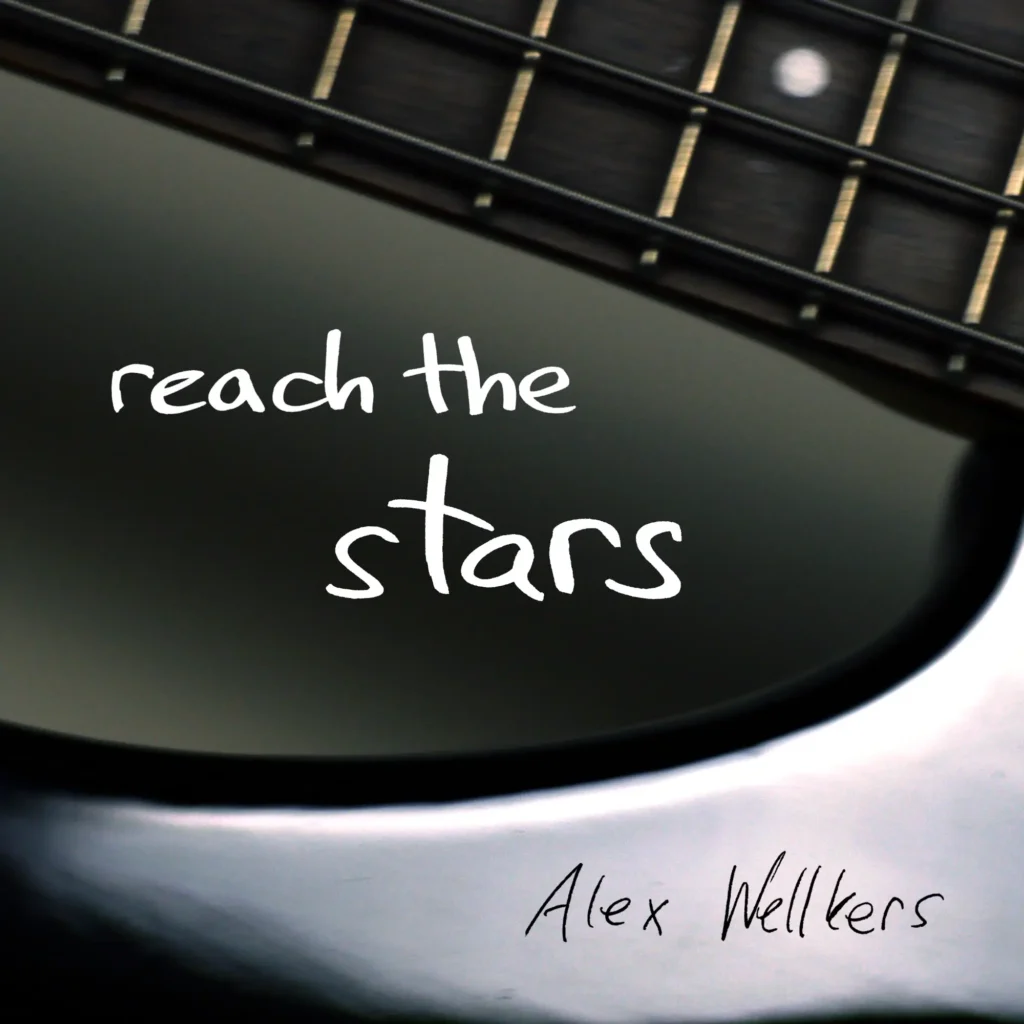
There’s A Lot Unraveling In Alex Wellkers’ “reach the stars”

Explored through extensive wordplay and metaphors, paired with intricate sounds of classical rock and grunge and everything in between, there is no doubt that “reach the stars” covers every inevitable thing to be experienced in a person’s life, from the perspective of the artist, related to the audiences’. However, this album is curated with finesse and personality, not exactly aiming to please listeners but to get the message across to such a distinct style. Alex Wellkers, the man behind it all, clearly focuses on sound, quality, output. He has previously released EPs that date back from over seven years ago, and a couple albums prior to “reach the stars”. With this one in particular, six singles have already been put out a few months back, with another one coming out on the next one. It all begins with prominence and a dead-set arrangement instrumental-wise, “we knew it all” gives off a preaching vibe, and you could clearly tell that every component is meant to be where it is in the track. To put it simply, it sort of serves as a starter and a preparation for the main courses. “bring me the keys” starts off isolated and slowly introduces the whole sound leading up to the chorus. The line “When I compromise, you start to complain” could not be more relatable, as the track is about recognizing unappreciativeness, prompting the person to leave on his own terms for his own good. The rhythm is catchy, with each verse being bite-sized and easy to follow, easy to get hooked on. It carries what is supposed to be a heartbreaking and sad decision in a powerful manner, and instead of being completely sorrowful, inflicts empowerment to listeners instead. The piano and strings add a poetic touch in “see me there”, seeing as this is described as a grunge, indie rock record. It acts like a transition through tracks, as if they are puzzle pieces meant to be done and completed in order, but the melodies within each song are unique and different. Moreover, “there is cars” offers an intricate, catchy tune, with the narration essentially about travel, places, and achieving the desired proximity: “There is cars, there is planes, there is buses / And they all take you across the United States”. The guitar parts are addicting with how they soar and compliment the way every line is delivered. With “desert island”, its introduction is fitting and sets the song’s aura, truly making it seem like the vocals are alone with the strings and the rest of the instruments making themselves known one by one. The tempo change halfway can’t be missed, and the line “It is so lonely, I wish I wasn’t / I yearn for someone to be here” is simple yet no doubt a universal experience at some point in life, more specifically a trying time. “alles nicht so schlimm”, which is German for ‘everything isn’t so bad’ and “tu es ici”, which is French for ‘you are here’, are songs both sung in those respective languages. However,  the instrumentals are still fun to listen to even for those who don’t know anything about them. After a chain of songs that primarily involve more calmer and melancholic tunes, “she will say” is more abrupt, to an extent that even the vocals have a different flair in them, as it really embodies the rock element of the record. The same can be said with “the key”, a song essentially about regulating oneself and taking things into moderation (which is what is referred to be ‘the key’), and “mystic saint”, which promotes anticipation through a rock interlude that lasts around four-fifths of the first minute, the foreplay from guitars and drums sticking to the same aura. It all becomes reflective once more with “what are you searching for”, which is seemingly about living life and going through its realities, navigating through the maze while searching for meaning and purpose. “now the pages been turn” starts off acoustic, and is very well-fit to be placed as the second to the last track. In theory, the line “Things are now so different / It is me who rules you” could probably mean anything other than a literal person, as it could be an emotion or an internal struggle that has finally been overcome. Lastly, “au revoir”, known for meaning ‘goodbye’ or ‘until we meet again’ in French, seals everything back up as it returns to relying on strings and piano, like taking everything back home. It’s very endearing, all things considered. This album is for those who strive to be better, for those looking for a sign to turn everything around. It’s clear that every track comes from a place within Alex Wellkers’ heart and mind, imparted to the listeners vulnerably and selflessly. Not to mention with each and every one tied to remarkable tunes and melodies. It’s an album worthy of your time, that’s for sure. Follow Alex Wellkers Globe Facebook Twitter Youtube Instagram About the Author

There’s A Lot Unraveling In Alex Wellkers’ “reach the stars” Read More »

The7thGatekeeper’s “Not to Be Taken” is an Inescapable, Doom-Foreboding Force

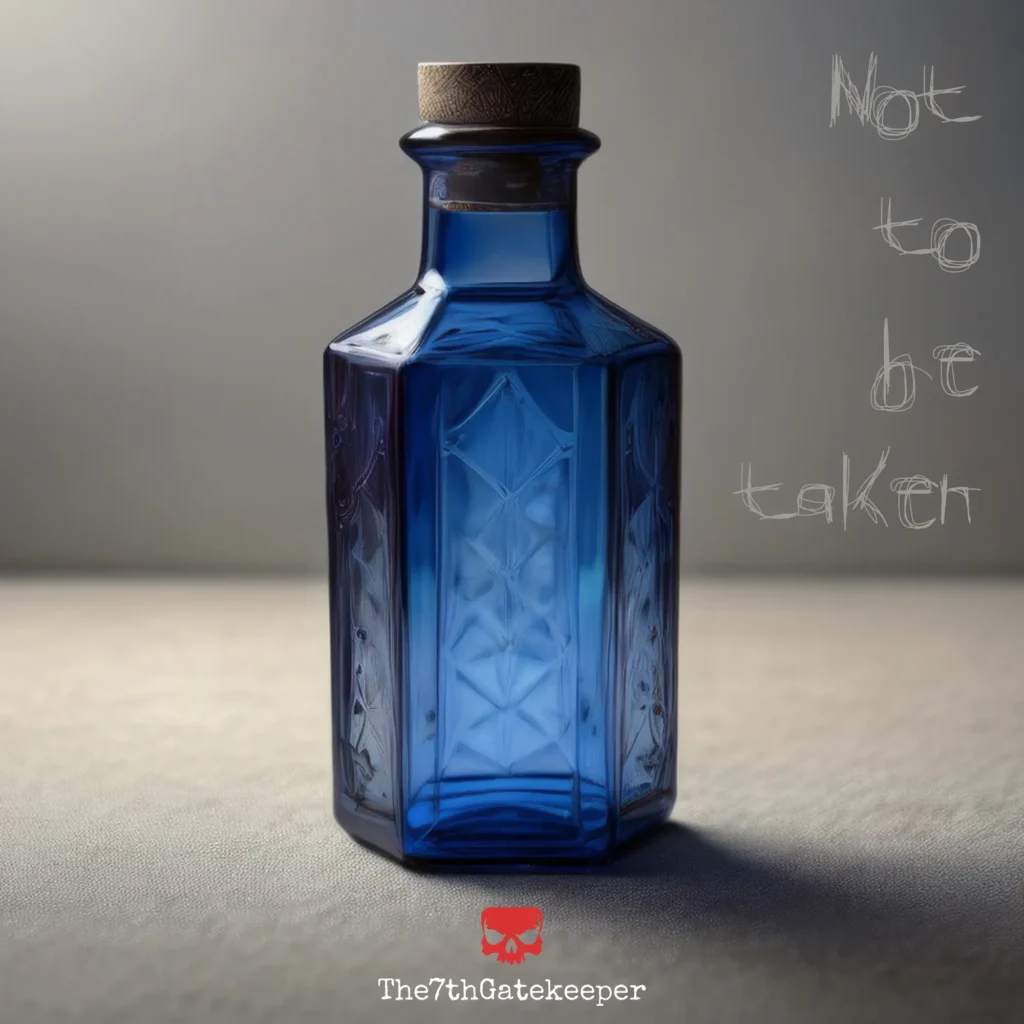
Sometimes, music doesn’t have to be bright or fun or even comfortable to stick. At times, it should sound like straight from an old, decaying basement—molds creeping across the ceiling and the walls. And yes, that’s the exact space The7thGatekeeper drags you into with his latest single, Not to Be Taken. The track welcomes you with a whisper. Not the kind that comforts you to sleep, but the one that haunts you at midnight until your chest feels suffocated. It immediately shifts into bleak, explosive guitar riffs like a doom-foreboding phenomenon breaking loose in the middle of silence.  The intense and brutal structure feels like claws digging into your skin. But this emotional catharsis doesn’t end with its arrangement because lyrically, it’s just as tormenting and unsettling. The part, “It’s always there. It’s always been there,” feels like a chant against an inescapable shadow. What makes this song more deep and layered is the UK-based artist engineered this song from start to finish. And it sounds like he was with the early Slipknot and Lamb of God in his small chaos room at home when he recorded this song. The7thGatekeeper knows all too well how to blend visceral energy and melodic intricacy into his works. With Not to Be Taken, he doesn’t just tease his second original album to be released this year, he’ll leave you anticipating for more.  Follow The7thGatekeeper Globe Facebook X-twitter Spotify Soundcloud Youtube Instagram Tiktok Promoted Content About the Author

The7thGatekeeper’s “Not to Be Taken” is an Inescapable, Doom-Foreboding Force Read More »

With Reborn, Amara Fe’s New Wave Crashes

Debut albums are tricky things. They’re not just songs stapled together; they’re statements, first impressions, the kind of work that says: this is who I am, and here’s why you should care. Sometimes artists stumble because they try to do too much too soon. Others play it safe and end up blending into the wallpaper. With Reborn, Amara Fe threads the needle: it’s ambitious without being bloated, personal without being self-indulgent, and most importantly: it sounds like her. Amara Fe isn’t coming into music empty-handed. Her story is stitched with familial ties; uncles Eugene and Rene jamming in Tulsa, Oklahoma; a grandmother with songwriting credits that brush up against Minnie Riperton. And while she isn’t leaning on nostalgia, there’s an undeniable sense that she’s carrying something forward, repurposing the past for her own voice. That’s what makes Reborn interesting: it’s not about retelling family legends. The title Reborn isn’t subtle, but it doesn’t need to be. Lyrically, the record orbits around renewal and self-definition, coming out of heartbreak, out of self-doubt, and into something sharper. Plenty of pop and R&B debuts claim this kind of arc, but Amara Fe distinguishes herself in the details. These aren’t generic empowerment anthems written by committee; they’re lived-in stories, shaped by her decision to not only write but produce the entire record herself. That’s crucial. You can hear it in the way the album breathes. Nothing feels designed for TikTok snippets or for polishing into algorithmic pop perfection. Instead, the songs have jagged edges, little moments of space where her intent comes through louder than any studio trick. Take the opener, “To Good for That.” It’s a blast of self-worth packaged in harmonies that nod toward Destiny’s Child at their sleekest. If this were a Fifth Harmony track, it’d be carved up into solos and bridges. But as a solo act, Amara Fe makes it her own; a confident strut of a song that tells you exactly what you’re getting into. Then she pivots immediately as “Hole in Chest” is darker, more claustrophobic, riding trap beats that thump like an actual pulse. The metaphor isn’t subtle but it lands because of how it’s staged. The beat mirrors the ache; the vocal layering tightens like pressure. This is where you realize she’s not just dabbling in genres; she’s bending them toward her emotional reality. Not every highlight is heavy, though. “Blinded by the Lights” bursts in with a Latin trumpet riff so bright it could score a Pixar montage. There’s something almost Disney-esque about its sugar-rush optimism, and yet it doesn’t collapse into cheese. It sticks because it feels like her having fun, refusing to play the brooding-artist stereotype. In fact, fun might be the secret weapon of Reborn. Even when she dives into weightier themes, there’s momentum, an insistence that music can be joyful and purposeful at the same time. “Brains Over Beauty” leans hard into that early 2000s R&B-pop nostalgia; think Demi Lovato’s debut, but less industry sheen and more grit. It’s a track that takes a cliché and flips it on its head, challenging shallow perceptions with big, hook-heavy choruses. This is the kind of song that could soundtrack a summer teen movie and still feel empowering. Then there’s “Living My Best Life,” which goes full trap banger. This is her swagger moment, the kind of track Bebe Rexha would milk for stadiums. What makes it work is the undercurrent of sincerity. It’s not just posturing; it’s Amara Fe carving out space for herself in an industry that rarely hands it to women without a fight. The closer, “Expectations,” is maybe the weirdest curveball. It sounds like it could’ve been a B-side to I’m In Love With a Monster from Hotel Transylvania; it’s quirky, theatrical, slightly camp. But instead of being a throwaway, it reframes the whole project. After all the declarations of resilience, confidence, and renewal, she leaves us with a wink. Reinvention doesn’t have to be deadly serious. Sometimes rebirth means giving yourself permission to be strange, playful, even a little silly. That playfulness is what makes Reborn feel alive. Too often, debuts get lost in polish, flattened by producers, airbrushed until they sound like everyone else. Here, the production allows room for breath and texture. Silence matters. Choices feel intentional. You get the sense that Amara Fe knows not just when to add, but when to hold back. That restraint, that willingness to leave imperfections visible, is what makes the album resonate. It’s also what makes Amara Fe’s mission statement ring true. She’s said she wants to “bring back fun in the craft while also speaking to people’s personal lives.” And that’s exactly what this record does. It acknowledges heartbreak and struggle without drowning in them. It balances intimacy with universality. And above all, it sounds like someone having the guts to finally step forward and own her narrative. By the time the last note fades, you’re not just humming melodies; you’re left with a sharper sense of who Amara Fe is, why she makes music, and why she’s worth following. “The old wave dies off and a new wave begins,” she says. With Reborn, that new wave doesn’t just begin. With Reborn, Amara Fe’s new wave crashes. Follow Amara Fe Spotify Youtube Instagram Promoted Content About the Author

With Reborn, Amara Fe’s New Wave Crashes Read More »

Here’s the Thing About When I Close My Eyes by Boy Grapes: It’s Contradictory, Messy, Abrasive, and Occasionally Exhausting

Ambition is a dangerous word in music. Usually, it’s a polite synonym for “bloated” or “overlong,” reserved for when a band decides that what the world really needs is their 80-minute prog rock double album where each track is a metaphor for different kinds of soup. But with When I Close My Eyes, Boy Grapes proves that ambition doesn’t have to mean self-indulgence. Sometimes it just means being unafraid to make choices that could fail. This is what I think makes the album so interesting: it’s not afraid of looking messy. Too often, we get albums that are so thoroughly sanded down, so perfectly engineered for “playlistability,” that they might as well have been assembled by IKEA. Everything’s in the right place, sure, but it feels soulless; the musical equivalent of a showroom kitchen. Boy Grapes, by contrast, doesn’t present himself as some godlike producer carefully sculpting a perfect marble statue of a record. He’s not polishing flaws out of existence; he’s showing you the cracks and saying, these are part of it too. Boy Grapes embraces jagged edges, contradictions, and sudden left turns into entirely different genres. It’s not just that he switches gears; it’s that he does it without asking permission. One moment you’re floating in acoustic dream-folk, lulled into a trance, and the next you’re being bludgeoned by industrial percussion. It feels lived in. The genre-hopping doesn’t read as Boy Grapes trying on costumes; it reads as someone opening a very cluttered wardrobe and showing all of the clothes fit him fine. The messiness isn’t sloppy, it’s intentional; a reflection of the fact that human emotion is messy, identity is messy, and trying to smooth all that out for the sake of cohesion would be dishonest. What’s compelling isn’t that Boy Grapes can move from folk to punk to metal to industrial; it’s that when he does, it feels necessary. Each detour reflects a different facet of the same internal storm. The roughness of the transitions, the refusal to make it seamless, is the point. The album opens with “Sand,” which is less a song than a trance-state. Acoustic guitar, simple, looping chords, and the sensation that someone’s inviting you into their head. It’s intimate but unsettling, like the moment in a dream when you realize you’re in a dream. It’s heavy material, but presented with such delicate restraint that it feels like Boy Grapes whispering secrets through the keyhole. Then, immediately, the keyhole explodes. “Just Move” is a punky, fast, scrappy track that sounds like Boy Grapes is exorcising every demon in under three minutes. The guitars are jagged, the drums relentless, and the vocals sound like they were recorded in one take at maximum volume because if he stopped to breathe, the whole thing would collapse. And you know what? It rules. The placement is perfect: from ethereal calm into pure chaos. The album thrives on these swings. Take “Muscular Atrophy,” which is built around a hypnotic bassline that creeps under your skin like a migraine aura. It’s slow, it’s heavy, and it doesn’t release its grip. The lyrics use physical decay as a metaphor for psychological stagnation; you’re alive, but barely moving. And just when you’re lulled into this bleak groove, along comes “Bobby.” Imagine if Nine Inch Nails were less interested in polish and more interested in kicking over bins outside your apartment at 3 a.m. Distorted percussion, metallic guitars, vocals that sound like they’re daring you to flinch. It’s the kind of track that doesn’t care if you enjoy it; it cares if you feel cornered by it. And it works. It’s frustrating in the best way, because it prepares you for the closer: “Better Time.” And oh boy, what a closer. It’s sprawling, it’s dramatic, it shifts gears multiple times like a short film in song form. Spoken-word passages give way to massive walls of sound, fragility crumbles into ferocity, and the whole thing ends not with triumph but with longing: the hope that things will improve, but the acknowledgement that they might not. It’s not closure. It’s honesty. Here’s the thing about When I Close My Eyes by Boy Grapes: it’s contradictory, messy, abrasive, and occasionally exhausting. But it’s also one of the most genuinely compelling records I’ve heard from an indie artist in years. Too many albums chase polish and coherence, sanding off the rough edges until you’re left with something listenable but lifeless. Boy Grapes does the opposite. He leans into the cracks, the tonal shifts, the refusal to fit neatly into a genre box. It’s not an album for everyone, and thank God for that. Music this personal shouldn’t be engineered to satisfy everyone. Instead, it feels like Boy Grapes making exactly the record he needed to make, whether or not it’s convenient, comfortable, or even marketable. So no, this isn’t “ambitious” in the way us critics usually mean it. It’s ambitious in the sense that it dares you to follow it into the highs, lows, and weird, liminal in-betweens of its world. And if you’re willing to meet it there, you’ll come away shaken, maybe a little confused, but absolutely glad you went along for the ride. Follow Boy Grapes Globe Twitter Spotify Soundcloud Bandcamp Youtube Instagram Tiktok Promoted Content About the Author

Here’s the Thing About When I Close My Eyes by Boy Grapes: It’s Contradictory, Messy, Abrasive, and Occasionally Exhausting Read More »