
loader image

New Music

Ripsime Is Doing Something That Many Artists Attempt and Very Few Pull Off: She’s Making Her Universe Coherent

Re-releasing old songs is usually the domain of artists who’ve either run out of new ideas or desperately need to remind people they still exist; like a high school reunion announcement, but with more reverb. Thankfully, Ripsime is neither of those. Instead, she’s decided to dig up three early tracks in the form of “Dare,” “Colors of Your Eyes,” “I’ll Understand” and send them back into the world with the confidence of someone who has both improved significantly and is perfectly aware you’re about to notice. It’s a flex. A tasteful flex, but a flex nonetheless. This whole resurrection is packaged under the freshly minted banner of RIP Records, her own imprint, because apparently juggling British-Armenian identity, production work, songwriting, visual art, and a steadily rising alt-pop career wasn’t enough for her. No, she also decided to take on infrastructure. And if that sounds overly ambitious, welcome to the Ripsime experience wherein overly ambitious is the baseline. To accompany the re-releases, she’s also created a limited-edition art print, because why wouldn’t she casually drop another medium into the mix? It’s all part of a broader artistic ecosystem where her music and visuals behave like co-conspirators whispering from the same mood board. Ripsime isn’t just presenting songs; she’s building a little universe where sound, imagery, and the occasional mystical undertone hold hands and make intense eye contact. “Dare” kicks things off like the early-career experiment you’d expect from an artist who hasn’t yet learned the difference between “pushing boundaries” and “grabbing the nearest synth and seeing what happens if you stress-test it like a microwave.” It’s the unruly middle child of the trio, buzzing with that wonderfully feral energy of someone who very much has ideas and absolutely no interest in whether the equipment can handle them. The tension hums under every beat, as if the song itself is pacing in circles waiting for you to catch up. And honestly? This is the earliest, clearest glimpse of the Ripsime-to-come; the one who fully intends to weld rock and electronic elements together, ideally without blowing a circuit. “Dare” doesn’t just hint at ambition; it gives you the blueprint and a safety disclaimer you really shouldn’t ignore.  It’s Björk meets Melanie Martinez by way of cosmic psychedelia, with hip-hop-adjacent percussion snapping beneath guitars that seem to be melting in slow motion. It’s a lot. In a good way. “Colors of Your Eyes” is the psychedelic cool-down after the chaos; a shimmering, Flaming Lips–coded daydream that feels like Do You Realize?? wandered into an astrology seminar and decided, yes, this is absolutely its new personality. It’s warm, floaty, and deeply sincere in that early-career way where the artist hasn’t yet learned to hide their earnestness behind metaphor and sarcasm. Which is infuriating, because the track is annoyingly good for something made during her so-called “baby musician” stage. You can hear her discovering her own magic in real time, each melodic choice like a lightbulb switching on over her head. It’s whimsical, self-aware, and suspiciously cohesive; exactly the kind of track future fans will pretend they “always knew was special,” even though most of us were too busy being blinded by the emotional glitter. “I’ll Understand” (especially the live acoustic version) is where she drops the dreaminess, lights a candle, and channels her inner Björk; not in the “unpredictable Icelandic chaos spirit” sense, but in the “I am going to sing this like I’m processing the last 24 hours of my life in real time, and you’re going to sit there and take it” sense. Stripped back to its essentials, the track becomes a pressure chamber: soft instrumentation, trembling vocals, and a rhythmic delivery that edges into hip-hop syncopation just enough to make you wonder when, exactly, she decided to be this clever about phrasing. It’s raw without being messy, minimal without being fragile, and quiet in the way a held breath can be louder than a shout. “I’ll Understand” is the emotional nerve ending of the trio; the one that makes you stop scrolling, sit still, and actually feel something, whether you like it or not. All of this lands differently in the light of her recent singles, “Shamanic Faith” and “Paradise.” The former is a full-blown declaration of artistic adulthood. It’s the moment in a coming-of-age movie where the protagonist finally gets a sword, except the sword is a towering alt-pop production with spiritual undertones and synths that sound like they’re announcing the beginning of a cult that’s actually pretty chill. Ripsime fuses ‘80s nostalgia with modern experimental pop in a way that shouldn’t work but absolutely does. With RIP Records now in play, Ripsime is doing something that many artists attempt and very few pull off: she’s making her universe coherent. The sound, the visuals, the story she’s telling about herself; it all operates on the same wavelength. Nothing feels outsourced or phoned in. It’s creative autonomy, treated not as a branding buzzword but as a functional lifestyle choice. So yes, this could have been an ordinary re-release campaign. But instead, it’s a statement: the past matters because it’s still part of the architecture of the future. Ripsime’s early songs aren’t relics; they’re foundations. And now that she’s finally building upward at full height, the view is getting interesting.  Follow Ripsime Globe Facebook Spotify Soundcloud Youtube Instagram Promoted Content About the Author
Ripsime Is Doing Something That Many Artists Attempt and Very Few Pull Off: She’s Making Her Universe Coherent Read More »

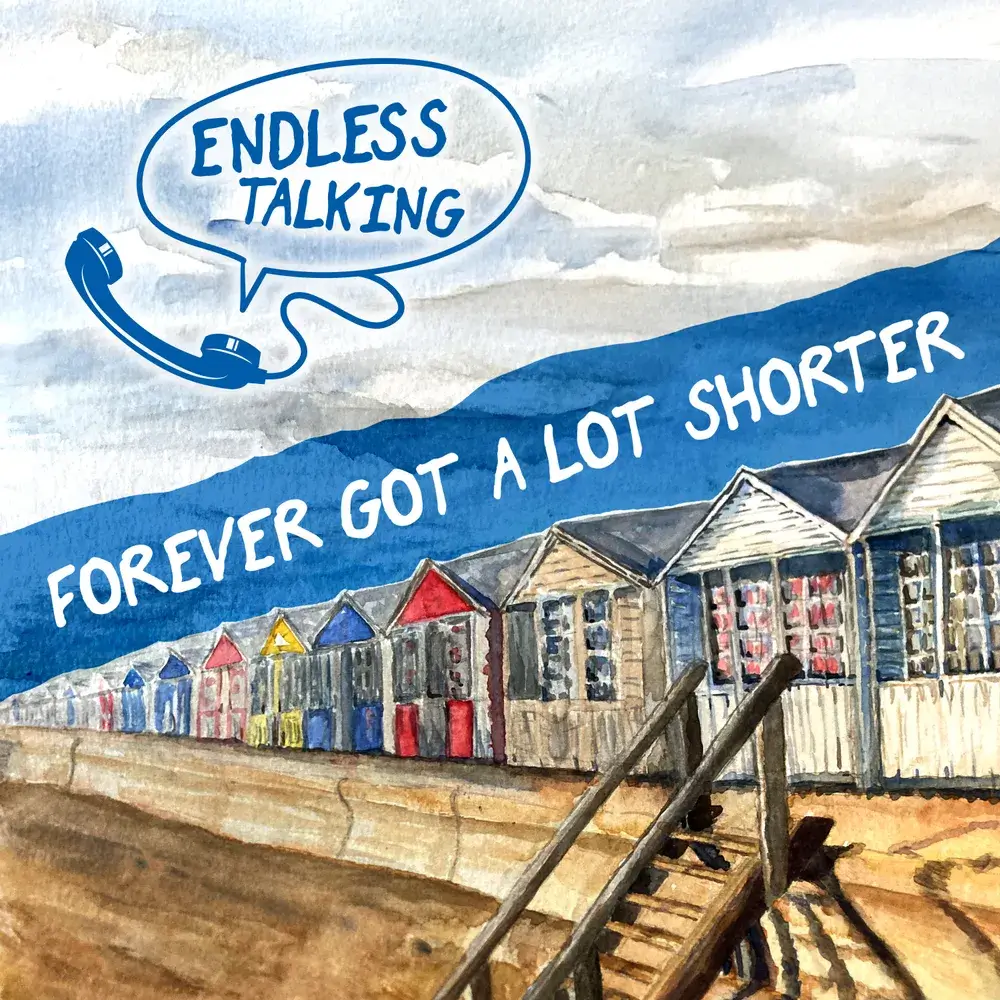
The Core of Forever Got a Lot Shorter Is Emotional Elasticity

Debut albums tend to fall into one of two camps: the carefully curated calling card or the unfiltered “here’s everything we’ve ever wanted to shout into the void.” Forever Got A Lot Shorter, the debut LP from south-coast UK outfit Endless Talking, somehow manages to be both and not in the diplomatic, “oh, they’re balancing influences” way critics like to pretend is rare. It’s genuinely both. It’s the sound of a band that clearly spent years refining their craft and simultaneously said, “Alright, shove everything in. All the feelings. All the riffs. All the mess. Let’s go.” The result is polished without being sterilised, emotionally raw without collapsing into melodrama, and full of so many hooks I’m convinced the studio carpet is just a pile of discarded barbs at this point. Across its eleven tracks, the band pulls from Weezer’s crunchy sincerity, Counting Crows’ emotional gravel, and the clever melodic knife-work of bands like The Beths and Ratboys. The core of Forever Got A Lot Shorter is emotional elasticity; the kind of album where anxiety, humour, self-doubt, and unfiltered affection are all invited to the same house party, and somehow no one throws a punch. Opener “Death and Taxes” establishes the thematic thesis immediately: grief, uncertainty, and the stubborn, petty refusal to give up even when life is handing you emotional parking fines. The lyric “I know it’s tough, we’ve all lost someone” sounds like it should be a quiet, trembling admission, but Endless Talking immediately strap it to a set of guitars that sprint out of the gate like they’re trying to outrun the metaphysical concept of sadness. It’s practically the album’s manifesto: yes, everything hurts, but absolutely no one has the time to sit still long enough to process it. Keep moving. Keep shouting. Emotion is cardio now. Instrumentally, Endless Talking thrive on the interplay between punchy guitars, melodic basslines, and percussion that knows exactly when to sit back and when to absolutely go feral. The sound is firmly in the power-pop/alt-rock pocket, but the distinctly British humour and specificity keep it recognisable as their own. The riffs sparkle, crash, and do the occasional emotional stage-dive, always in service to the songwriting. Lead single “Get Down” is where the album grins, winks, and tries to pick a fight with you in the smoking area. It’s loud, flirty, bratty, and just antagonistic enough to feel like the good kind of bad decision. The line “She says I hate you, well I hate you too… that’s bullshit, I know” is the most accurate distillation of early-20s romance I’ve ever heard; two people pretending to be enemies while their heart rates skyrocket like Pavlov’s dogs responding to toxic affection. Sonically, it’s a beer-sticky dance floor anthem, engineered for both festivals and the kind of pub where someone has definitely done a backflip off a bench while this song played. From there, “You Won’t See Me Around” shifts inward, trading bravado for the kind of self-deprecating honesty usually reserved for group chats at 1:43 a.m. Its narrator is “a cynic with a clumsy heart,” which is honestly one of the most accurate personality bios I’ve ever encountered. The jangling guitars keep it bright, preventing the song from falling into the pit of “sad boy with a diary and a capo.” Then “Carry On Abroad” enters like the soundtrack to a sitcom holiday episode; sunny, escapist, and full of jokes that feel like someone has actually been to Benidorm and taken notes. It’s an emotional getaway car, except the engine sputters and there’s a raincloud following you out of the airport car park. The album’s midpoint, “Middle Age Angst,” is one of its best achievements. It’s funny, existential, and painfully relatable for anyone who has ever found themselves inexplicably furious about council tax. It sounds like a Ratboys track filtered through the crushing reality of UK adulthood, where life comes at you fast and then continues coming, politely but firmly, with paperwork. The spoken-word bridge, a rambling monologue about waiting for something exciting to happen, is one of the album’s emotional zeniths; so raw and unguarded it feels like you’re eavesdropping. “Life in the Bus Lane” deepens the emotional fatigue, capturing the claustrophobia of a relationship stuck in endless loops. “Let me out to talk about the weather” is the most British cry for help imaginable and should be preserved in a museum. Musically, it’s expansive, with a rising tension in the drums and guitars that mirrors the feeling of being stuck on the top deck of a bus you can’t escape. The final run of tracks broadens the palette yet again. “Gets Me Out of the House” turns self-isolation into an upbeat burst of communal catharsis; one of those songs that feels like it was written specifically for shouting live while sweaty strangers bump into you. “Waste My Time” is a frantic, self-aware confessional about romantic obsession, delivered with enough humour to keep it charming instead of alarming. The line “I’m just a dickhead obsessed with you” is simultaneously pathetic, hilarious, and brutally honest. Basically, it’s peak Endless Talking. For my final highlight, closing track “Hole in My Head” is a six-minute mini-epic that distills everything the album has been wrestling with; love, jealousy, insecurity, and the desperate hope of becoming someone better despite being a mess. Part breakdown, part breakthrough, it’s the album’s most cathartic punch. As a debut, Forever Got A Lot Shorter works precisely because it isn’t trying to reinvent anything. It’s trying to be true, which is far harder. It’s hooky, candid, messy in the right ways, polished in the right ways, and full of personality; like a coming-of-age story told by people who know adulthood isn’t a finish line, just another level with worse lighting. It’s a debut worth playing loud, singing poorly, and returning to whenever life feels a little too much so, basically, always. Follow Endless Talking Instagram Facebook Youtube Bandcamp Spotify Promoted Content About the Author

The Core of Forever Got a Lot Shorter Is Emotional Elasticity Read More »

“It’s Christmas Party Time” by Mick J. Clark Is Your Christmas Single

We are a few weeks away from Christmas, and I know that you’ve been blasting Mariah Carey and a bunch of Christmas music on your playlist or however you listen to your music. Let me add another song to your Christmas playlist. Join me as I discuss Mick J. Clark’s single, ‘It’s Christmas Party Time’, and read why this track is a perfect addition to your Christmas holiday. The track started with this quarter note bass lick, accompanied by the same drum beat style alongside those Christmas bell sounds that perfectly encapsulate the Christmas spirit. The addition of that talking background sample perfectly painted that holiday celebration that we all know and love.  The vocal progression and style suit that Christmas holiday feel perfectly. It sounds happy and relaxed, which is what the Christmas holidays portray. You can hear that bluesy overdriven guitar riff in the background, which is perfect for that happy, exciting sound of a holiday track. It’s situated perfectly in the mix because it’s not overpowering the whole track, but good enough to hear and appreciate.  ‘It’s Christmas Party Time’ by Mick J. Clark is a great addition to anyone’s Christmas playlist. It has all the elements needed for that cheerful and energetic holiday.  Follow Mick J. Clark Globe Twitter Spotify Soundcloud Youtube Instagram Facebook Promoted Content About the Author

“It’s Christmas Party Time” by Mick J. Clark Is Your Christmas Single Read More »

Simply Put, Jeppediinho Makes Music With a Heart

Every once in a while, an electronic album arrives that isn’t desperately trying to become the soundtrack to someone’s gym montage or the background noise for a TikTok recipe or whatever passes for emotional catharsis in the algorithmic age. Jeppediinho’s Games of Life; a title that sounds like it should come with a glowing “Press A to Begin” prompt is one of those rare exceptions. It doesn’t posture. It doesn’t grovel. It certainly doesn’t pretend it’s about to write the next “Levels” and singlehandedly solve Sweden’s population crisis. Instead, the album leans into something electronic music quietly forgot it was allowed to have: sincerity. Jesper Holmgren, the man behind the name and its frankly delightful vowel chaos, arrives holding hands with the ghosts of 2010s EDM from the dearly missed Avicii, early Tiësto, Above & Beyond, Calvin Harris before he transformed into a franchise rather than a producer. But what’s refreshing is how openly Games of Life embraces these influences. There’s no false mythology about inventing melodic house from scratch in a basement full of synths and Monster Energy cans. Holmgren grew up in a Stockholm household blasting hard rock, only to discover the golden era of house music at age ten like other children discover religion. He fell in love, got over a childhood sensitivity to sound (sidenote: imagine being an aspiring EDM producer who finds noise physically overwhelming), learned Ableton at nineteen, and started treating melody like a language for emotions he couldn’t articulate. Even the name “Jeppediinho” feels like an autobiographical shitpost as it was inspired equally by Ronaldinho and a stint in professional FIFA esports. It tells you something crucial: the goal is fun. Not prestige. Not genre revolution. Just joy. And the album delivers on that promise, with a sincerity that sneaks up on you. The early tracks set the tone. “Feels So Good” opens with the kind of earnest, melodic optimism EDM critics pretend they’ve outgrown; sunlit synth plucks, bright energy, and the emotional equivalent of stepping outside after weeks of feeling like the sun was judging you. “Lost in My Mind” brings Above & Beyond’s commercial-phase DNA to the surface, spiraling upward instead of sinking inward, its drop hitting like an exhale you didn’t realize you were holding. “What’s Your Mentality?” goes full One Love-era Guetta: maximalist, motivational, and about as subtle as a loading screen trying to psych you up for ranked. And then, midway through the record, Jeppediinho pulls out the genre-spotting bingo card and slams it onto the table. “Illusion” flashes that high-definition, Kaleidoscope-era Tiësto glow; the era when Tiësto stopped pretending to be a trance purist and embraced being a flying rainbow. “The Wrong Time” shifts confidently into pure One Love Guetta gloss. “Find Myself” channels Avicii’s debut-era ballads; something between “You Make Me” and “Hey Brother”, but without the obligatory sugar-rush drop. Instead of exploding outward, it leans inward, more reflective than triumphant. “I’m Unbreakable” plunges back into the icy, club-focused sound of pre-Kaleidoscope Tiësto, all steely synths and grim determination. “Coming Back” borrows the bright, punchy pop-house of Ready for the Weekend-era Calvin Harris. “Real Love” goes full Kygo but sturdier, less floaty; tropical house with an actual backbone. The album’s closing arc widens the palette again. “We Are The Winners” resurrects the cinematic sparkle of Tiësto’s most kaleidoscopic tendencies. “The Power Inside” plays like the Haddaway deep cut we deserved but never got, like the alternate universe where “What Is Love” wasn’t his one shining moment but the prelude to a career in motivational eurodance epics. And “The Raven” is the moody deadmau5 slow burner: atmospheric, brooding, percussive in ways Joel Zimmerman would consider “a bit much.” It’s a shadowed, meditative piece, and it closes the record with a reminder that Jeppediinho’s real skill isn’t imitation; it’s translation. What ties Games of Life together, and what keeps it from collapsing into mere nostalgia tourism, is the insistence that melody comes first. The album cares about emotional arc more than drop design. The production is clean but not plastic, dynamic rather than brick-walled. Synths swell and recede; drums strike with intent rather than brute-force volume. It’s polished, but not polished into oblivion. If there’s one criticism, it’s that the album sometimes leans too comfortably on the scaffolding of its inspirations. If you lived through the EDM boom, you might predict where a melody is going a few beats early. But that says more about the familiarity of the language than any lack of originality. Anyone can follow a formula. Very few can make that formula feel alive again. By the time the last note of “The Raven” fades out, Games of Life doesn’t feel like an EDM album so much as a diary written in synths; an attempt to make sense of the emotional messiness of being human using the musical grammar that shaped the artist. It’s honest, earnest, nostalgic without being derivative, emotional without melodrama, bright without being blinding. Simply put, he makes music with a heart. Follow Jeppediinho Globe Facebook X-twitter Spotify Youtube Instagram Promoted Content About the Author

Simply Put, Jeppediinho Makes Music With a Heart Read More »

All I Live For’s Sophomore LP, “Into the Ether,” Is Your Gateway to Metal

If you’ve been reading a lot of my reviews, I’m geared towards simplicity over technicality, but what if you have an album that balances both simplicity, technical mastery, and skillful execution? ALL I LIVE FOR had just released their sophomore LP, ‘Into The Ether.’ Join me as I discuss this record at length and read why you should binge on this as early as now. The LP started with this metal-meets-opera track, ‘All Your Pain.’ What stood out the most about this track is that it has elements of classic rock and metal, perfect for diverse listeners. The guitar riff and the drum beat complement one another so well that it became an enjoyable experience. Every section has an interesting bit that will make you wonder how much time and effort have been put in creating not just this track but the album in general, because this is just one song in, and I feel like this is a potential single.  ‘Tethered’ started with this sixteenth note feel drum beat that complements the guitar djents so awesomely good. What I particularly like about this track is the use of the blast beats. The blast beat technique has been used as an excuse for every metal musician ever to say, ‘yes, we are metal,’ but for this particular track, the blast beat was arranged and placed meticulously to add texture to the overall feel of the track and specific sections, making it surprisingly flawless.  By the third track, we can clearly say that when it comes to skills and production value, it’s already up there. What I specifically like about ‘Retain You’ is its lyrics. The main theme of the track is about commitment and supporting one another. It’s evident in phrases like / I will retain you / I will remain here for you / I will be here always /  If you are not aware of this, most, not all, metal lyrics are all about support and love for the community, a haven for people misunderstood, and a lot more that doesn’t complement the actual sound of the songs. That’s how awesome the metal community is in general.  ‘Embers of The Fallen’ started with this operatic choir harmony sample that perfectly introduces what would be the overall expectation of the track, and without fail, the operatic choir sample complements that hard-hitting chord progression with ease and smoothness. The melodical and rhythmic note progression is like listening to masters at play.  ‘Make A Start’ is another prime example of the diverse themes that metal can touch on. The song talks about being united with one cause, with phrases like / We can feed the world forever / If we can find it all inside our hearts / and that’s what makes this genre awesome. Imagine listening to a song that is technically disturbing your insides because of that raw, loud aggressiveness, only to find out that the lyrics are all about love and care for one another.  ‘Give Me A Reason’ started with this falling-down type of sound of the guitars, which goes to show how skillful and passionate these guys are when it comes to making music. Another stand out on this track is the loud ghost notes in the middle of the double pedal and guitar djent pattern in the middle of the track. As a musician myself, a stanky face is indeed present. I had to repeat that section a few times, not gonna lie.  ‘Leave Behind’ is a track in this LP that talks about themes like grief and eventually moving on. It’s evident from phrases / Lay your hands on the ground of her remains / Of our hearts, our minds and our memories of her inside / We start the flow and find our way back home /  ‘Into The Ether’ is the 3rd to the last track of the LP and the clearly the main single. This track is by far the most diverse of all because of all the elements added to it. You can hear the progresiveness of the song, the operatic and choir sample element, the classical rock approach in certain sections, metal screaming, face-melting guitar solo, and a lot more.  ‘Anodyne’ is the track that you would want to gatekeep because of how good and mind-blowing it is. The musical lines created in this track are playful, which makes any artist smile from ear to ear because of how technically good this track is.  And ending the LP, we have ‘Never Stand Alone’, which is by far the mellowed-down track of them all. Its main theme is about support, which is evident in phrases like / You won’t stand alone / You′ll never stand alone / You’ll always have a home / for me, this track is perfectly placed as the last song of the album, giving room for listeners to cool down after all the adrenaline and energy of the previous tracks.  The ‘Into The Ether’ LP by ALL I LIVE FOR is a prime example of technical mastery, skillful execution, and honestly, a great album recommendation for listeners who want and need to understand what metal is all about.  Follow ALL I LIVE FOR Globe Facebook Twitter Spotify Soundcloud Bandcamp Youtube Instagram Tiktok Promoted Content About the Author

All I Live For’s Sophomore LP, “Into the Ether,” Is Your Gateway to Metal Read More »

The “Missing Out” EP by Otinshh Is the Maverick of Today

In the vast majority of music being released on a day-to-day basis, sometimes we tend to be drowned by how songs sound the same. There are times that you have to really dig deep, get out of Spotify just to find that alternative just to clear your musical palette, but worry no more, Otinshh’s latest EP, ‘Missin Out’, is the maverick we need. The first track, ‘Movie’ started with this 90s-influenced old school hip-hop rap keyboard progression style. I already know that I’m going to have a good time listening to this because of its authentic style.  The track feels and sounds dreamy because of its steady beat and clear, elaborate rap flow. The vocals are a mix of a bit of autotune and R&B vocals waves, creating a smooth and easy listening vibe. I think the autotune is just for aesthetic because Otinshh can sing!  The bass lick on the second track, ‘Blessings,’ is a banger. As a musician myself, I appreciate the fact that the bass is not just being used as a background but is one of the key components of this particular track. The keyboard lick and the bass lick perfectly complement one another. When you listen to it, both are at a level of play that they need each other for the main melody to work. The main vocal progression on this track is a testament to how creative and skillful Otinshh is, and I kid you not, this dude is only 18 years old. Imagine this dude in a few years with this level of skills he has.  By the third track, ‘OSOM,’ you can already tell that otinshh is meant for this generation. In a time where Trap music is on top, we have an alternative by the name of otinshh. A dude that raps and sings like he’s from a different generation. And to end this EP, we have ‘River.’ This track started with a pitched-up vocal sample that complements the guitar chord progression smoothly. The vocal progression on this is true to that ‘otinshh’ sound. Clear and elaborate vocals with a bit of that R&B goodness.  The ‘Missin Out’ EP is a testament to an age-old saying about being a maverick and creativity. I can definitely say that it’s not about how old or how young you are; it’s about how creative you can be, and how you can create good music without the need to copy what is hip today.  Follow otinshh Spotify Youtube Instagram Tiktok Promoted Content About the Author

The “Missing Out” EP by Otinshh Is the Maverick of Today Read More »

Scott’s Tees’ Newest Single, “We Move as Fast as Storms Allow,” Is Simplicity in Its Most Effective Form

With technology being at its peak, it’s fair to say that we don’t have an excuse anymore with song production. Anyone, as long as they have the will to learn, can become a great producer. The downside of that is that we tend to over-produce everything. Scott’s Tees‘ newest track, ‘We Move As Fast As Storms Allow,’ is a clear example of simplicity beating technical mastery. The track started with this simple yet effective guitar progression alongside that lead guitar lick that perfectly set up this indie/folk track that works hand in hand with its lyrics.  The main theme of the song is about struggle and the difference between dreams vs reality. It’s prominent in phrases like / I fell asleep feeling wrong uneasy / like a brush with death, a cigarette burning out / Walking alone inside a summer dream / Visions above everything / are just prime examples of longing for that hope vs what reality is.  ‘We Move As Fast As Storms Allow’ is a good representation of what we need in today’s music. As an artist, it feels good to have this over-the-top production with all the technical mumbo jumbo that can feed our ego but yet we have this track proving that we can do the same thing with just a guitar and lyrics that speak volumes.  Follow Scott’s Tees Spotify Soundcloud Promoted Content About the Author

Scott’s Tees’ Newest Single, “We Move as Fast as Storms Allow,” Is Simplicity in Its Most Effective Form Read More »

La Need Machine’s Latest Track, “Rock and Roll Show,” Is a Prime Example of Serving the Song

In a world where complicated riffs, over-the-top production values are at their highest peak, La Need Machine decided to take us back to the days of just pure rawness and grit in music. Join me as I discuss their newest track, ‘Rock and Roll Show,’ and understand why this is a great reminder to slow down and serve the song. The track began with a palm-muted guitar technique that has been a staple move, specifically in the early 2010s. It has been in a lot of jaunty, indie rock tracks, creating its own identity, but what made it stand out in this track is that without it, it feels and sounds like it’s missing something. What I’m saying is, the palm muted technique created an identity in the track  The guitar riff in the intro works hand in hand with that straight pocket drum beat. Simplicity is and will always be key. One thing that I like about ‘Rock and Roll Show’ is its chorus. It’s short, repetitive, cheesy at times, but catchy as hell, and for me, that’s a great formula for leaving a lasting impression on songs.  The chorus hook is easy to remember and sing, and that checks all the boxes. It got elevated more because of the vocal harmonies. It’s subtle, but it hits that rock and roll vibe. ‘Rock and Roll Show’ is not the most technically complicated song that you’ll hear today, but if you want to enjoy a song in its entirety, then this is the track for you. As artists, we worry too much about technical mastery, over-the-top production value that we tend to forget to serve the song.  If I may quote the great, Rick Rubin, “I’m just trying to make my favorite music. That’s how I work; I just do things based on the way they feel to me. I want to be touched by the music I’m making.” And that should be where our mindset is. If we like it, regardless of how simple it is, then we release it and not worry about a thing.  Follow La Need Machine Globe Facebook Spotify Bandcamp Youtube Instagram Tiktok Promoted Content About the Author

La Need Machine’s Latest Track, “Rock and Roll Show,” Is a Prime Example of Serving the Song Read More »

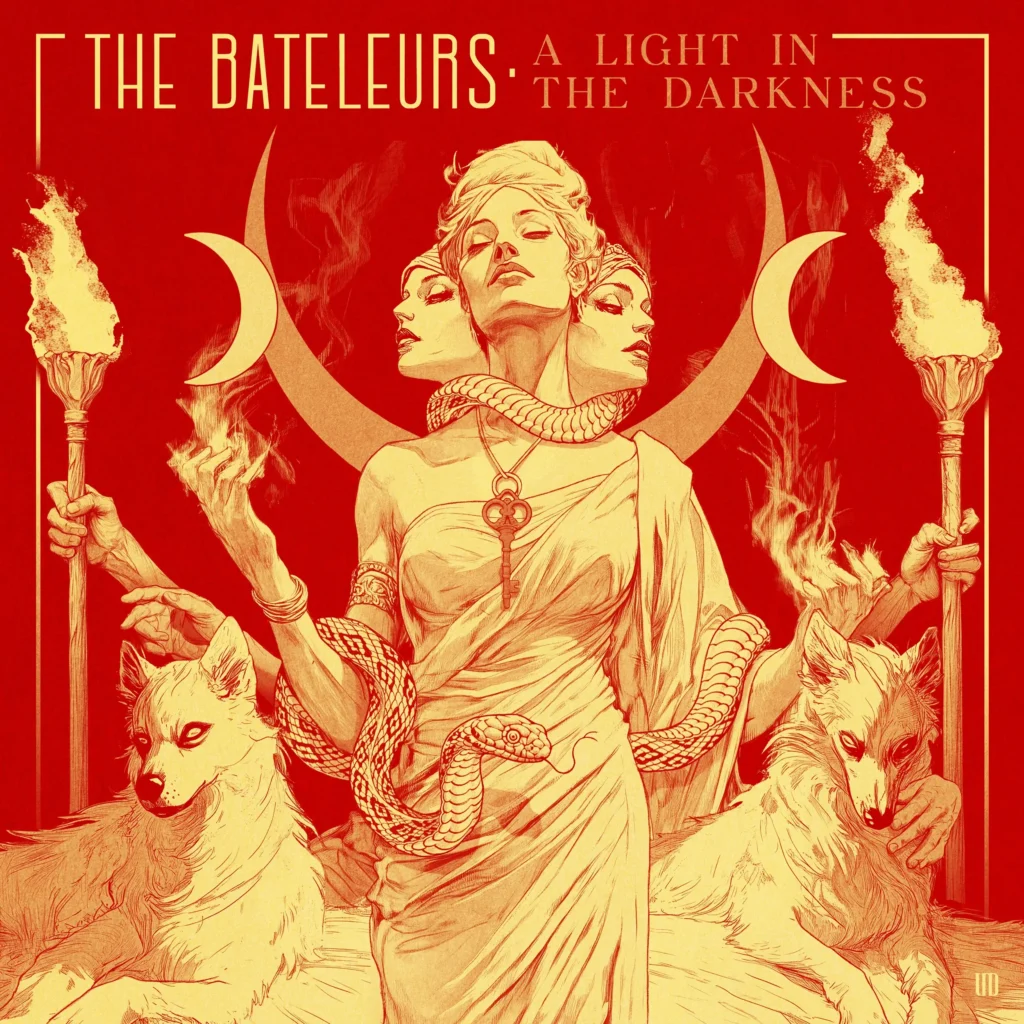
The Bateleurs Aren’t Just Standing in the Fire; They’re Learning to Sculpt With It

There’s a certain swagger that only comes from a band that’s been through hell, scraped themselves back together, and then decided the flames might as well be repurposed as stage lighting. A Light in the Darkness, the second full-length from Lisbon’s The Bateleurs, is that swagger weaponized. Not self-destructive, not nostalgic, but sharpened into something pointed and deliberate. If The Sun in the Tenth House was their introduction, this new album is the declaration delivered through a megaphone. It doesn’t just polish the edges; it sharpens them. It’s not about being perfect. It’s about being undeniable. The most obvious catalyst for this evolution is the band’s lineup shift. The departure of guitarist Marco Reis and the arrival of Ricardo Galrão could have easily sent the band into a tailspin. Instead, it feels like a controlled detonation. Galrão’s playing doesn’t refill a void; it electrifies it. His tone is raw, reckless, and always one misjudged decision away from catching fire. It’s a volatile counterpart to Sandrine Orsini’s commanding vocals, which remain the gravitational center of the band’s sound. Her voice is rich, soulful, and constantly teetering on the precipice of breaking in the most human way possible. Together, they generate a chemistry so dynamic you can practically hear the air ionizing. The album’s recording process reinforces this ethos. Tracked across three studios in early 2025, A Light in the Darkness proudly rejects the digital safety nets of modern rock production: no quantization, no Autotune, no heavy editing. It’s an approach that mirrors the album’s thematic spine; grit over gloss, soul over sterility. You hear every microscopic detail: wood resonating in drum shells, pick scrapes, amp hum, and breaths that weren’t cut out simply because they were inconvenient. The record sounds massive precisely because it isn’t “perfect.” It’s alive. If anything, it reminds me of the same ethos of one of my favourite albums of the 2010s: The War On Drugs’ A Deeper Understanding.  “A Price for My Soul” kicks the door in with muscular blues-rock swagger that lands somewhere between a swamp incantation and a fistfight. It stomps with the same theatrical boldness as something like The Black Keys’ “Howlin’ For You,” but with far more smoldering menace. From there, we plunge into the bayou-tinted shadows of “Widow Queen,” a song that simmers rather than detonates. It’s blues-rock theatre stripped of pretension, all tension and no release. And then “For All to See” bursts out like the record’s widescreen moment; fuzz-drenched and swagger-loaded, burning with the hyper-specific energy of a Mountain riff filtered through the intensity of the Regular Show joke that went too hard for children’s television. It’s big, it’s punchy, and it glows like a neon sign demanding your attention. As the album deepens, The Bateleurs stop merely performing blues-rock aesthetics and start interrogating them. “Dancing on a String” leans into jittery defiance, carrying sonic DNA reminiscent of grandson’s “Oh No!” and that’s praise. “Never Back Down” feels like the kind of track Alice Merton would record if someone handed her a truckload of distortion pedals and simply said “Cause as much trouble as possible.” What keeps these songs anchored isn’t adherence to genre norms, but the band’s unwavering commitment to emotional honesty. Then comes the album’s towering center: “The Lighthouse.” At over seven and a half minutes, it stretches The Bateleurs into new territory; atmospheric, cinematic, patient. It’s less a song than a slow-burning ritual. Galrão trades fire for glow, letting each note linger, while Orsini delivers one of her most moving performances, walking the tightrope between fragility and power. It’s the track that expands the album’s vocabulary and proves the band isn’t satisfied with merely being good at blues-rock; they want to explore where it can go. And then, after all that firepower, the band pulls the boldest move possible: they end quietly. The closing track, “Before the Morning Is Done,” abandons distortion for weary honesty. A country-blues-style closer, it lands like a long exhale after a storm. It’s not triumphant, but it doesn’t need to be. It’s survival music; gentle, grounded, and deeply human. What ultimately makes A Light in the Darkness compelling isn’t just the performances, or the analog purism, or even the songwriting; it’s the philosophy. This is a band reclaiming the dirt under their fingernails. In a world of AI-manicured vocals and algorithm-approved production, The Bateleurs embrace imperfection as truth. They understand that blues-rock is not a museum piece; it’s an evolving ritual. Their sound is swampy, soulful, dangerous and stubbornly alive. All in all, The Bateleurs aren’t just standing in the fire; they’re learning to sculpt with it.  Follow The Bateleurs Facebook Twitter Spotify Soundcloud Bandcamp Youtube Instagram Promoted Content About the Author

The Bateleurs Aren’t Just Standing in the Fire; They’re Learning to Sculpt With It Read More »

Dirt Preachers Union’s Cover Single “Flowers” Blooms With Classic Rock’s Grit and Groove

There are two types of rock your father plays at the backyard on a Sunday: one that will make you say, “I hope he never plays it again,” and the one that will make you sing along before you even know the lyrics. The newest cover single from Dirt Preachers Union “Flowers” lands on the second one, carrying classic rock’s grit and groove. Dirt Preachers Union is Paisley Americana at its most pure. Picture a worn leather jacket hanging on a barn wall while Hank Williams leans into a deep conversation with Joe Strummer in the corner. The new cover single “Flowers” is their first, and it’s written by late Beat Farmers’ Paul Kamanski, and played with their singer/guitarist Joey Harris.  The first guitar note will immediately reveal a veteran’s touch, with each riff carrying this classic rock flair. Dirt Preachers Union gives you fuzz and groove that isn’t built from trends but from instinct, the kind that is earned from living and playing over endless pursuit of perfection. Lyrically, you’ll get a pinch of fragility and endurance. But what makes it real good is its brightness without the denial of pain — yes, hearts of steel can break and you’ll still sing about it loud and lively. Think of the golden era of rock where the guitars are loose and fun while the lyrics somehow pinch and ache along its rhythm.  Kamanski’s warm and vivid lyricism is paired nicely with Dirt Preachers Union and Harris’ grounded and timeless playing. And whether Kamanski offers a toast of celebration or fires a shotgun, Flowers is sure to be honored here on Earth along with his legacy.  Follow Dirt Preachers Union Globe Facebook Youtube Instagram Promoted Content About the Author

Dirt Preachers Union’s Cover Single “Flowers” Blooms With Classic Rock’s Grit and Groove Read More »