

loader image

New Music

“Following a Voice Inside” Wants to Say Something

There’s a particular kind of song that doesn’t just want to sound good; it wants to gently sit you down, hand you a cup of tea, and have a conversation about your life choices. Not in an aggressive, “change everything immediately” way, but more like: hey, have you considered listening to yourself for once? “Following A Voice Inside” is very much that kind of song. It also marks a noticeable shift for Kim Cameron, who has largely operated in the realm of relationship-centric songwriting. Here, she pivots outward. Or maybe inward, depending on how you look at it. The point is, the focus changes. Less “you and me,” more “you and… you.” Which is a risk, in a way. Broad, inspirational messaging can very easily slip into the kind of vague positivity you’d find printed on a wall decal, but what keeps this track from drifting off into motivational poster territory is the way it’s built. This is the first time both Cameron and Grzanna share vocal duties, and that dynamic does a lot of the heavy lifting. There’s a kind of push-and-pull happening between their styles; Cameron’s more polished, melodic sensibility meeting Grzanna’s jazz-influenced phrasing and it gives the song texture that a solo performance might not have carried on its own. Musically, it’s doing something slightly unusual. You’ve got house-adjacent rhythms sitting next to more classical jazz elements, which sounds like it shouldn’t work, but mostly does. Not in a seamless, “you can’t tell where one ends and the other begins” way, but in a “these two things are coexisting and figuring it out in real time” way. It feels intentional, if occasionally a bit exploratory. The production, split between Miami Beach and Milwaukee, which is a detail that feels weirdly important, leans into that hybrid identity. There’s a sense that this is a track trying to bridge spaces, both geographically and stylistically, and that ambition shows up in how it sounds. Lyrically, the message is direct and blunt: follow your passion, listen to your inner voice, make your story count. It’s not subtle. It’s also not really trying to be. The song is structured around that central idea and sticks to it with a kind of determined sincerity. Whether that lands for you will depend on your tolerance for earnestness. If you’re allergic to anything that sounds like advice, this might be a bit much. But if you meet it where it is, there’s something genuine underneath it. Even if the song doesn’t reinvent anything structurally, it’s clearly trying to do more than just exist in the background. “Following A Voice Inside” wants to say something. And more importantly, it wants you to actually hear it. Follow Kim Cameron Globe Facebook X-twitter Spotify Youtube Instagram Promoted Content About the Author

“Following a Voice Inside” Wants to Say Something Read More »

JNabe’s “Respect Her Bag” Is What Happens When Rap Chooses Respect Over Judgment

There’s something so chic and refreshing when raps takes a step back against sexist, outdated narratives against women’s autonomy and hustle. JNabe’s Respect Her Bag definitely leans into that kind of perspective shift, where women’s work isn’t debated but acknowledged. Hailing from Kansas City, United States, JNabe is a half-Japanese, half-Vietnamese musician currently making waves with his latest release, Respect Her Bag.  Collaborating with an excellent production team, including platinum-winning engineer Mostwanted and Grammy-nominated Chris Gehringer handling the mixing and mastering, he continues to gain traction for delivering high-quality music.  The track opens with beats that fit perfectly in a crowd-filled Friday night at the club. It’ll immediately invite you to move, to loosen up a bit, and let the rhythm take over your whole body. JNabe’s vocals ride the layers with ease, giving you that smooth, laid-back presence that’s pleasant to hear even outside the genre’s usual audience. The verses also make the track stand out. There’s confidence and reassurance, like listening to a swagger that carries no trace of hate and insecurity. It’s straight to the point, never letting the message get lost in the beat.  If you feel like vibing without those stale narratives against women and their jobs, JNabe’s Respect Her Bag is definitely worth every replay.  Follow JNabe Globe Facebook Spotify Soundcloud Bandcamp Youtube Instagram Tiktok Promoted Content About the Author

JNabe’s “Respect Her Bag” Is What Happens When Rap Chooses Respect Over Judgment Read More »

Lady Liberty Is Foreground Music

Kelsie Kimberlin’s latest track, which is framed around the idea that America is under threat from authoritarian forces, is very much operating in a level of unparalleled seriousness. This is not a “you can interpret it however you want” situation. The message is clear, direct and delivered with the kind of urgency that suggests subtlety has officially left the building. Kimberlin, who’s been doing music since childhood (like, literal childhood spanning choirs, early recordings, the whole trajectory), is not approaching this as a casual release. Her background reads less like a slow indie grind and more like someone who has been methodically building toward this exact kind of moment: big themes, global stakes, and a very visible sense of purpose. Over the years, she’s worked with an almost comically stacked list of high-profile producers and engineers; people whose résumés include Adele, Coldplay, The Beatles and more, which gives the whole thing a kind of polished, international sheen.  A lot of that comes from Kimberlin’s recent work in Ukraine, which clearly informs how she approaches themes of conflict and democracy. She’s not just referencing global issues from a distance; she’s physically been in those spaces, documenting them, turning them into visual and musical material. That context adds weight, but it also raises the stakes. When you present your art explicitly as a response to real-world crises, people are going to engage with it on those terms.  Because as a song, it’s operating in a space that’s doing a lot at once. It’s trying to be emotionally compelling, politically urgent, visually striking, and broadly accessible all at the same time. That’s a difficult balance to maintain, and as a message song, it works though I can levy a critique, it can feel like sometimes the message is doing most of the heavy lifting, with the music acting more as a delivery system than a standalone experience. But that’s kind of the core tension here. Kimberlin is clearly not interested in making background music. Lady Liberty is foreground music. It wants your attention, your agreement, maybe even your action. Whether that lands for you probably depends on how much you want your music to come with that level of instruction attached. Either way, it’s not ambiguous about what it’s trying to do. It’s as blunt as it gets. Follow Kelsie Kimberlin Globe Facebook X-twitter Spotify Soundcloud Youtube Instagram Promoted Content About the Author

Lady Liberty Is Foreground Music Read More »

Only Time Will Tell Ends Up Being Less About Answering Big Questions and More About Sitting With Them

Kurt Bray has been working on this album since 2021 which means it’s been in the works for half of the decade and instead of sounding overcooked, it ends up feeling like a scrapbook of where he’s been musically: rock, grunge, indie, alternative. If that sounds like a suspiciously vague cluster of genres, don’t worry as that’s basically the point. This is a “guy with a guitar and a lot of feelings” record, filtered through a very 90s-inspired lens, where sincerity is the main currency and polish is more of a secondary concern. The title track, “Only Time Will Tell,” sits at the center of the whole thing, both literally and thematically. It’s about destiny, hope, romance. You know, all the big, slightly terrifying concepts that people tend to write songs about when they’re staring at the ceiling at 2am. The hook leans into that idea of waiting for life to reveal itself, which is either comforting or existentially horrifying depending on your mood. Bray clearly intends the former, and to his credit, he mostly pulls it off. It’s earnest without tipping too far into melodrama, which is harder than it sounds. Credit: Kurt Bray – Wroxeter Hotel, Shrewsbury If you’re the kind of person who enjoys 90s alt-rock; think big guitars, emotional vocals and lyrics that sound like they were written in a notebook during a particularly intense bus ride, you’ll find a lot to like here. Tracks like “Give Me Reason” lean into that heavier, slightly grungier edge, while “Idea of Paradise” softens things with a more reflective, almost nostalgic tone. One of the more interesting tracks is “Chernobyl World,” which was Bray’s first release back in 2024. It’s got that slightly ominous title that suggests something political or apocalyptic, but it ends up functioning more like a mood piece; less about literal nuclear disaster and more about emotional fallout.  Then you’ve got “The Next Room,” which apparently got compared to the Red Hot Chili Peppers during a Twitch critique session, which is both a compliment and an extremely specific vibe to live up to. The comparison isn’t completely off-base as there’s a looseness to it, a kind of rhythmic confidence, but Bray’s voice keeps it grounded in his own style rather than drifting into imitation. “Angel of the Night” and “Babey-Doll” (yes, spelled like that) bring in a slightly more romantic, almost theatrical energy. These are the tracks where the album leans hardest into its emotional core, for better or worse. If you’re on board with Bray’s sincerity, they’ll land. If you’re not, they might feel a bit on-the-nose. But again, this is very much a “heart on sleeve” record, so subtlety isn’t really the goal. It’s also worth mentioning that Bray’s journey to this release isn’t just studio-based. He’s been out there playing gigs across the UK, doing charity events, getting radio play on BBC Introducing, even popping up on a Twitch music review show where judges praised his vocal range. That live experience shows up in the music; it doesn’t feel overly processed or detached. You can imagine these songs being played in a small venue, slightly too loud, with someone in the crowd really, really feeling it. And that’s probably the album’s biggest strength. It’s not trying to reinvent rock music. It’s not trying to be ironic or hyper-conceptual. It’s just trying to connect. Bray clearly wants listeners to see themselves in these songs; to project their own experiences, their own “waiting for something to happen” moments onto the music. And while that approach can sometimes feel a bit broad, it also makes the album accessible in a way that more abstract records aren’t. Only Time Will Tell ends up being less about answering big questions and more about sitting with them. It’s an album for people in transition, for people who are waiting, hoping, maybe a little unsure of what comes next. Which, to be fair, is most of us. And if nothing else, Bray makes a convincing case that sometimes the most honest answer really is the simplest one: you’ll find out eventually. Follow Kurt Bray Facebook Spotify Instagram Tiktok Promoted Content About the Author

Only Time Will Tell Ends Up Being Less About Answering Big Questions and More About Sitting With Them Read More »

A High-Octane Descent Into Gritty Brilliance

“Forest and the Tree deliver a raw, electrifying anthem that pulses with the chaotic energy of a midnight rock show.” From the first jagged riff that tears through the silence, it is clear that Forest and the Tree aren’t here to play by the rules of polished radio pop. Rock Bottom hits like a shot of adrenaline and immediately establishes a relentless pace that keeps your heart racing from start to finish. The guitar work is wonderfully abrasive and full of the kind of Garage Rock spirit that feels both nostalgic and fiercely modern. It is the kind of track that demands to be played loud and preferably in a room full of people who are ready to lose their minds to the music. The collaboration with Tom Waters adds a fascinating layer of complexity to the sound. His vocal delivery is a perfect match for the track’s high-stakes energy and he brings a sense of urgency that makes every word feel like a desperate confession. When he sings “I waste my time in vain and I think more than I say,” there is a palpable sense of frustration that mirrors the driving intensity of the rhythm section. The production choices here are inspired and they lean into the distorted and raw qualities that give the song its unique personality. There is a moment around the 1:45 mark where the instruments seem to collide in a beautiful whirlwind of sound and it is easily one of the most exciting segments of any independent release this year. The way the bassline locks in with the drums creates a solid foundation that allows the guitars to truly spiral into chaotic brilliance. It is reminiscent of the early days of the Post-Punk Revival when bands were rediscovering the power of a simple but effective hook. Forest and the Tree have a knack for finding that sweet spot between accessible melody and pure, unadulterated noise. What really sets this track apart is its emotional honesty. It doesn’t shy away from the darker aspects of the human experience and it uses the lens of Alternative Rock to explore themes of isolation and resilience. The lyrics are sparse but effective and they leave plenty of room for the listener to project their own experiences onto the music. It is a powerful reminder that sometimes you have to hit the lowest point before you can truly find your way back up and this song serves as a perfect soundtrack for that internal struggle.  Rock Bottom is a triumph for Independent Music and it showcases a band that is operating at the peak of their creative powers. Forest and the Tree have managed to create something that feels alive and unpredictable and it is a breath of fresh air in an often-stale musical landscape. This is more than just a song and it is a visceral experience that lingers in your mind long after the final note has faded away. It is an essential addition to any rock fan’s collection and it promises great things for the future of this talented group.  Facebook Spotify

A High-Octane Descent Into Gritty Brilliance Read More »

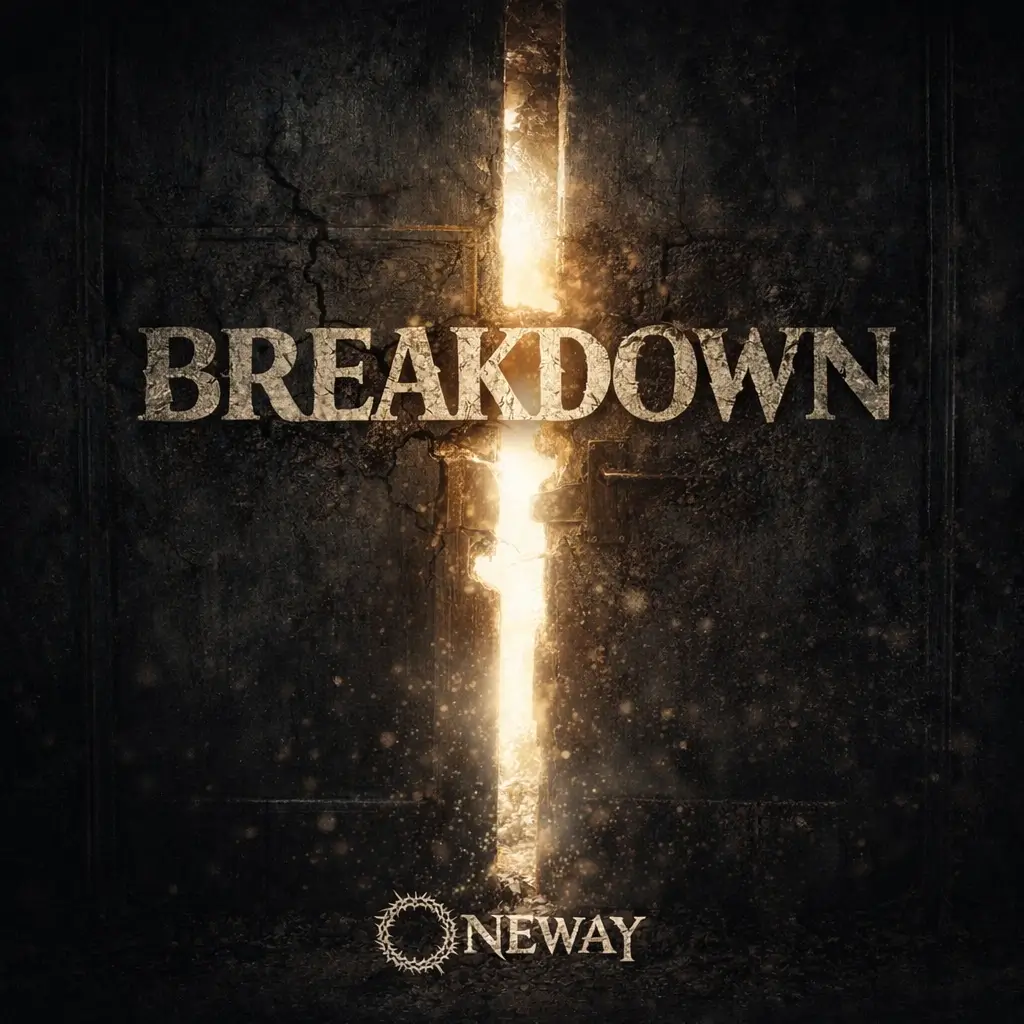
Breakdown Isn’t Aiming for Ambiguity or Artistic Distance

There’s a very particular kind of song that opens like a diary entry but is clearly meant to be heard by thousands of people at once. Breakdown by ONEWAY is exactly that: deeply personal, very direct, and also most importantly, structured to make sure you get the message.Which, in case this needed to be said, is kind of the point. ONEWAY is the project of Dustin Burkhard, a youth pastor and worship leader with about 15 years of experience doing something that is, emotionally speaking, quite demanding: being the stable, reassuring presence for other people while quietly falling apart yourself. Breakdown is built entirely around that contradiction. It’s not subtle about it. It’s not trying to be. The premise is simple: what happens when the person everyone leans on starts to crack? And the song answers that question in the most straightforward way possible; by turning the crack into the chorus. Musically, it sits somewhere between the softer, reflective style of Casting Crowns and the more aggressive, emotionally heightened sound of Skillet. Which is to say, it’s trying to balance introspection with impact. You get quieter, confessional moments, and then bigger, more explosive sections that feel designed to hit in a live setting, preferably with a crowd that already knows the words. . Breakdown is very explicitly positioned as both a personal confession and a kind of support system for the listener. It’s not just “this is how I feel,” it’s “this is how I feel, and if you feel this too, here’s a way through it.” That dual role of song as testimony, song as tool is where a lot of its power comes from. It also explains why the lyrics lean more toward clarity than metaphor. You’re not meant to decode anything here. You’re meant to recognize it. What makes it land, though, is that it doesn’t feel hypothetical. Burkhard’s background comes through in the way the song talks about pressure. Not in a dramatic, abstract sense, but in a very specific, lived-in way. The kind where “holding it together” stops being a figure of speech and starts being a daily task.  Is it subtle? Not really. Is it trying to be? Also not really.  Breakdown isn’t aiming for ambiguity or artistic distance. It’s aiming to meet people exactly where they are, at the point where things feel like they might fall apart and then insist, quite firmly, that they don’t have to. Follow ONEWAY Facebook Spotify Youtube Instagram Tiktok Promoted Content About the Author

Breakdown Isn’t Aiming for Ambiguity or Artistic Distance Read More »

Oïkoumen Crafts a Majestic Progressive Metal Epic on ‘Revenge’

“A whirlwind of operatic intensity and complex metal arrangements that marks the turning point of a trauma-fueled narrative odyssey.” Heavy music has always thrived on the collision of the beautiful and the brutal but rarely does an independent act find the sweet spot between those worlds with such cinematic flair as Oïkoumen on their latest single Revenge. The track starts with a sudden and jagged instrumental assault that feels like being dropped into the middle of a thunderstorm and it wastes no time establishing its grand stakes. It’s the final taste of their upcoming second record Resilience and you can hear the ambition pouring out of every frequency as they blend the symphonic weight of Nightwish with the technical brain-teasers of Leprous. And then there are the vocals which are absolutely soaring above the chaos with a precision that demands your full attention. The way the lead melody weaves through the odd time signatures is a feat of engineering and it provides a tether to the ground while the guitars and drums are doing everything they can to fly off into space. It’s a very specific kind of Progressive Metal that doesn’t just show off for the sake of it but uses every tempo shift to mirror the internal turbulence of its subject matter. The lyrics tell a story of children broken by adults and the start of a reconstruction of the self in the aftermath of traumatic experiences and that weight is felt in the desperate climb of the chorus. When they sing about a powerful ally and how revenge has brought them to light it feels less like a threat and more like an act of survival. Because this is the midpoint of the story it carries a unique energy that is part fury and part hope and that complexity is exactly what makes Symphonic Metal so rewarding when it’s handled with this level of care and narrative intent. I’m especially taken by the transition at the three-minute mark where the atmosphere thickens and the orchestral elements really start to bleed into the metal framework in a way that reminds me of the best Classical Music transitions. The production is crisp enough to let every violin pluck and drum fill breathe but it retains a raw and energetic edge that keeps the emotional stakes high and the listeners on their toes. It’s the kind of song that you have to listen to through a good pair of headphones to catch the subtle layering of the synth work and the way the bass lines provide a constant and vibrating foundation for the entire melodic structure.  If this is the standard Oïkoumen is setting for their new album then April cannot come soon enough. Revenge is more than just a single because it’s a statement of purpose from a band that clearly knows how to tell a coherent and moving story through some of the most difficult musical terrain imaginable. It’s rare to find an independent project that sounds this massive and this polished and I can’t wait to see how the rest of the puzzle pieces fit together when the full record finally drops and we get to hear the conclusion of this incredibly brave journey. Facebook Spotify

Oïkoumen Crafts a Majestic Progressive Metal Epic on ‘Revenge’ Read More »

Subtle Monster’s New Single Is a Dark Masterclass in Modern Metalcore

“A cinematic surge of heavy guitars and melodic weight that cements Subtle Monster as a rising force in the independent metal scene.” The air feels thick with anticipation the moment the first notes of Vestige hit and it is clear that Subtle Monster is not interested in playing by the rules of generic radio rock but instead aims for something far more expansive and heavy. There is a weight to the production that hits you right in the chest and it carries the same dark energy that made early Bring Me The Horizon feel so revolutionary during their creative peak. This is metalcore that understands how to use space and atmosphere to make the loud moments feel even more massive and the resulting balance is nothing short of breathtaking for anyone who has ever found solace in the chaotic beauty of a well-timed breakdown. The guitar work is particularly impressive because it manages to be technically proficient without sacrificing the emotional core of the song and the way the riffs intertwine with the atmospheric layers reminds me of the best work from Of Mice & Men when they were at their most ambitious. It is rare to find an independent artist with such a clear vision for their sound and Subtle Monster has managed to capture a cinematic quality that feels ready for a stadium stage or a movie trailer. The transition at the halfway mark is a highlight because it allows the track to breathe before plunging back into the heaviness and that sense of dynamic control is what separates the veterans from the newcomers in this genre. Everything about the vocal performance screams authenticity and the way the screams give way to melodic hooks feels natural rather than forced and this is where Subtle Monster really shines as a songwriter. You can hear the influence of Modern Metalcore throughout the track but it never feels like a carbon copy of what has come before because there is a genuine sense of struggle and catharsis in every line. The lyrics explore memory and loss with a maturity that is often missing from younger bands and that emotional honesty is what makes the song stick in your head long after the final note has faded away into the silence. As the song reaches its climax the sheer scale of the sound is enough to give you chills and it serves as a reminder that Independent Music is currently producing some of the most exciting and innovative heavy records in the world. Subtle Monster has delivered a track that is both a celebration of the genre and a bold step forward into its future and I suspect we will be hearing a lot more about this project in the coming months as more people discover the magic of Vestige. It is a song that demands to be played loud and it proves that you don’t need a major label budget to create something that sounds like a million bucks. Facebook Spotify

Subtle Monster’s New Single Is a Dark Masterclass in Modern Metalcore Read More »

Oslo’s Night-Shift Visionary Serves Up a Gritty Alt-Rock Masterpiece

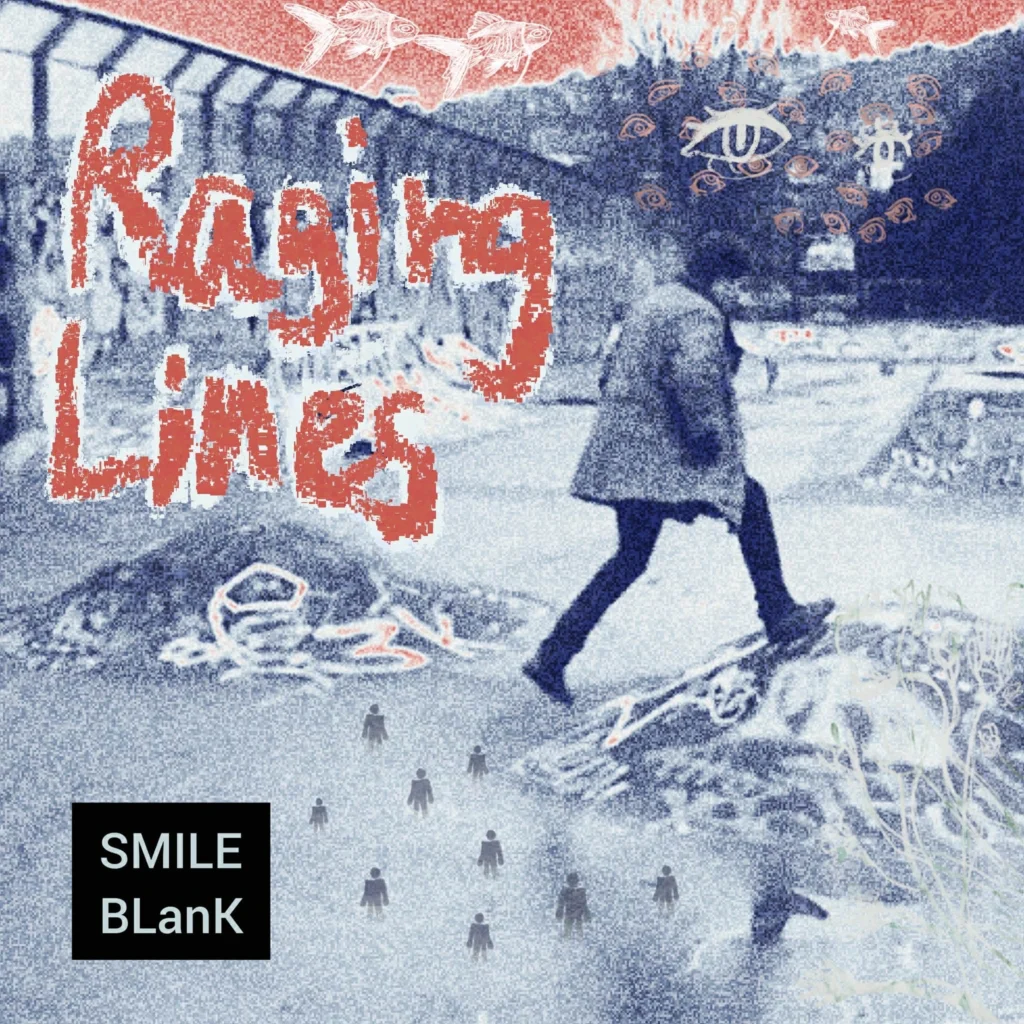
“Gritty guitar riffs meet the quiet intensity of an Oslo night in this standout title track that perfectly captures the restless energy of Norway’s underground rock scene.” There is a jagged, electric restlessness that hums through the streets of Oslo after the last tram has rattled into the depot and it is this exact midnight frequency that Raging Lines taps into on the explosive title track Smile Blank. Sondre Thomassen Thorvik is a multi-instrumentalist who seems to treat his studio like a laboratory for high-tension frequencies and the result here is a cranky alt-rock gem that feels like it was born from the specific solitude of the dark and quiet city. The track kicks off with a guitar riff that has just the right amount of grit and stomp but instead of retreading tired garage rock tropes it carries a sophisticated compositional weight that points to Thorvik’s background in musicology and contemporary sound design. The production is remarkably crisp and tactile because you can almost feel the air moving around the drums and the way the bassline locks into a predatory groove that refuses to let up for even a second. It is the kind of sound that reminds you of the best of Queens of the Stone Age or the more aggressive corners of the Arctic Monkeys catalog yet there is a distinctly Nordic edge to the atmosphere. Thorvik’s vocal performance is a revelation as he moves from a restrained and melodic verse into a soaring and desperate chorus that feels like a physical release of all that nighttime tension. When he hits that peak in the middle of the song and the guitars suddenly bloom into a wall of fuzz it is impossible not to feel a surge of pure adrenaline. What makes Smile Blank so compelling is the sheer technical proficiency hiding behind its rough-around-the-edges exterior because you can hear the influence of someone who has spent years studying the physics of sound. The layering is masterful and every subtle detail—from the way the reverb tails bleed into the next measure to the precise crack of the snare—feels intentional and meticulously placed. It is clear that his time at Newtone Studio and his work with the Ultima Contemporary Music Festival has given him a unique toolkit to build songs that are both intellectually stimulating and viscerally satisfying. The bridge of the song is a particular highlight where the instruments seem to fray at the edges before snapping back into a final and triumphant explosion of sound. This is music for the outsiders and the night owls who find their greatest inspiration when the world is asleep and it positions Raging Lines as one of the most exciting new voices in the Norwegian music scene. There is no bloat or filler to be found here just nine tracks of lean and mean songwriting that proves you don’t need a massive commercial studio to create something that sounds this huge and professional. It is an incredible achievement for a debut and it speaks to a level of artistry that usually takes decades to cultivate.  Smile Blank is more than just a title track because it serves as a bold mission statement for an artist who is clearly just getting started on a long and brilliant career. By the time the final feedback fades away you are left with the feeling of having witnessed something truly special and rare. It is the kind of record that demands to be played loud and often and it has firmly secured its place as one of the most essential rock releases of the year.  Facebook Spotify

Oslo’s Night-Shift Visionary Serves Up a Gritty Alt-Rock Masterpiece Read More »

“In Spirit” Is an Album That Feels Less Like a Straightforward Listening Experience and More Like a Guided Something

There’s a particular kind of album that doesn’t so much start as it sort of arrives. Not with a bang, not with a neat little intro easing you into things, but like you’ve walked into a room where something has already been happening for a while and everyone else seems to understand it except you. In Spirit, the third album from British indie-pop artist Lana Crow, is very much that kind of record. It doesn’t ask for your attention so much as assume it already has it, and then proceeds to guide you. Sometimes gently, sometimes with the emotional equivalent of grabbing your shoulders, through a concept that’s both ambitious and slightly suspicious in how sincerely it presents itself: the idea that maybe, just maybe, the meaning of life is to calm down a bit and reconnect with… well, your spirit. Which, to be clear, sounds like the kind of thing you’d read on a decorative pillow. But Crow commits to it with enough conviction that you start to take it seriously despite yourself. This is a noticeable shift from her earlier work. The first two albums operated very much like what she herself described as a “musical diary,” which is usually code for “emotionally raw but structurally loose.” And to her credit, those records built a following precisely because they felt unfiltered, like you were listening in on someone figuring things out in real time. The opening stretch, particularly the opener “I Do” leans into stripped-back introspection, the kind that feels deliberately minimal so you focus on the voice. There’s a sense of quiet tension here, like the album is setting up a question it’s not ready to answer yet. Then, without much warning, you get something like “Orwellian Times,” which does the musical equivalent of flipping the table over. This track is where the album’s conceptual ambitions become impossible to ignore. It starts low and ominous, with this creeping sense that something is about to go wrong or already has. And then it escalates. Not gradually, not politely, but all at once. The instrumentation thickens, the rhythm pushes forward, and suddenly you’re in the middle of something that feels less like a song and more like a warning dressed up as one. Lyrically, it’s not subtle. It’s about digital overload, distraction, the general feeling that modern life has become a bit too loud and a bit too constant. But what makes it work isn’t the message itself; it’s how insistently the song delivers it. Every beat feels placed with intent, every shift in dynamics feels like it’s trying to underline something important. It’s the kind of track that clearly wants you to feel like you’re being told something urgent, even if you’re not entirely sure what you’re supposed to do about it afterward. From there, the album pivots again, because of course it does. “What Brings You Back” pulls everything inward, trading intensity for stillness. It’s quieter, more reflective, and noticeably more patient. The production gives the song room to breathe, which is a polite way of saying it doesn’t try to overwhelm you this time. Instead, it sort of… sits with you. The core idea here of connection, reflection, the vague but persistent suggestion that there’s something bigger going on beneath the surface of everyday life is handled with a light touch. It doesn’t demand belief, which is probably why it works. The song feels less like it’s making a statement and more like it’s asking a question, and then not rushing you to answer it. And this is where In Spirit starts to make sense as a whole. The constant shifts in style of acoustic to electronic, intimate to expansive aren’t just there for variety. They’re doing thematic work. The “lows” and “highs” the album gestures toward aren’t just emotional states; they’re built into the sound itself. You’re not just told about the journey; you’re moved through it, sometimes whether you like it or not. By the time you reach the title track, the album has fully committed to its thesis. “In Spirit” is, somewhat unexpectedly, a dance track. Not in a subtle, indie-adjacent way, but in a bright, rhythmic, almost retro-disco kind of way that feels designed for movement first and contemplation second. And yet, it doesn’t feel out of place. There’s a push and pull running through the song; quieter verses giving way to a more explosive, kinetic chorus that mirrors the album’s broader idea of release. Letting go, not as a loss of control, but as something intentional. Something freeing. The hook, built around a wordless vocal refrain, leans into that idea completely. It bypasses meaning in favor of feeling, which is either very clever or accidentally profound. Probably both. Production-wise, the album walks a careful line between polish and restraint. It’s clean without feeling sterile, layered without becoming cluttered. Each track has space to exist on its own terms, which is important when your album is trying to do this many different things at once. And that’s really the central tension of In Spirit: it’s trying to be a lot. Conceptual but accessible. Introspective but expansive. Grounded but, you know, also about the spirit. And somehow, more often than not, it pulls it off. By the end, you’re left with an album that feels less like a straightforward listening experience and more like a guided something. Not quite a journey, not quite a statement, but a series of emotional and sonic shifts that, taken together, suggest a kind of quiet conclusion: that clarity isn’t something you arrive at all at once. It’s something you move toward, track by track, moment by moment.  Follow Lana Crow Globe Facebook X-twitter Spotify Soundcloud Bandcamp Youtube Instagram Promoted Content About the Author

“In Spirit” Is an Album That Feels Less Like a Straightforward Listening Experience and More Like a Guided Something Read More »