
loader image

New Music

Listen to the Shrubs and Let Them In With Their New Song “Let Us In”

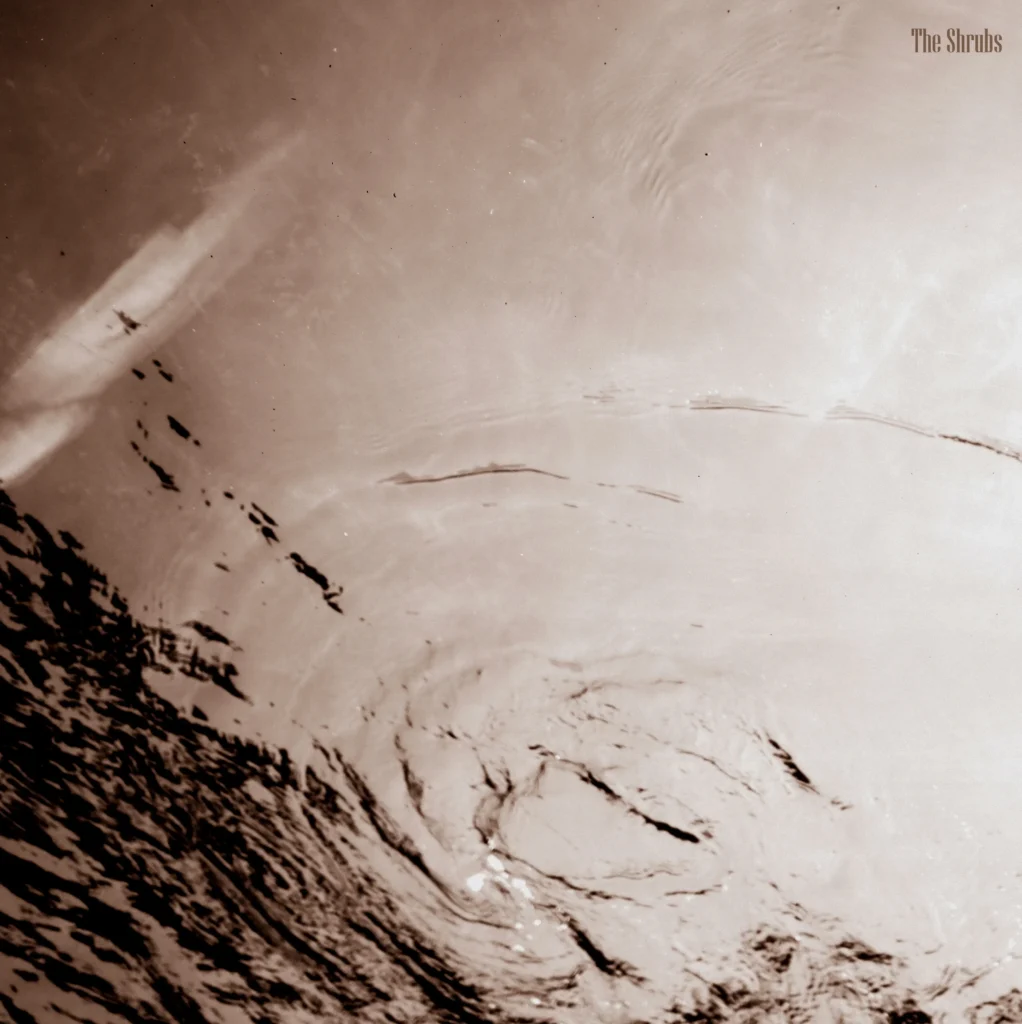
The Shrubs open “Let Us In” like they’re testing whether you’re paying attention. The intro sounds less like a deliberate aesthetic choice and more like someone accidentally pressed play on a demo in another room; muffled, distant, vaguely suspicious. It’s the kind of beginning that makes you check your headphones, your volume, and briefly, your life decisions. Then, just as you’re about to commit to the bit of confusion, the track arrives, not with elegance, but with a sudden burst of shimmering guitars, clattering drums, and a bassline that seems mildly annoyed to be here. And from there, “Let Us In” becomes a song about refusing to sit still. It drifts between dream-pop softness and shoegaze density, occasionally wandering into strange little sonic side rooms; arabesque flourishes, tape-warped textures, fragments that feel like they were rescued from a different song entirely. It’s less a linear composition and more a guided tour of moods, which sounds pretentious until you realize it’s actually quite fun. The duo of Miguel and Sophie clearly enjoy the act of building and dismantling atmosphere, and the analog tape approach gives everything a slightly unstable, lived-in quality. The sound doesn’t just reference nostalgia; it behaves like it’s been sitting in a box for 40 years, waiting to be rediscovered and slightly misinterpreted. What’s interesting is how that aesthetic ties into the song’s themes. “Let Us In” is, broadly speaking, about mental instability and the way people get categorized, dismissed, or quietly pushed out of view; light, breezy subject matter, obviously. But instead of hammering that idea into you with lyrical bluntness, the track sort of sidesteps it. The vocals arrive soaked in reverb, drifting rather than declaring, which makes the message feel less like a lecture and more like something you overhear and slowly piece together. There’s a push and pull between the inviting warmth of the music and the unease sitting underneath it, like the song is trying to comfort you while also pointing out that comfort is not evenly distributed. Sonically, you can hear echoes of late-’80s UK indie and more modern psych-rock, but the band avoids turning that into a checklist of influences. The tape hiss, the slight degradation, the way elements blur into each other, it all becomes part of the storytelling. Even the moments that feel undercooked or oddly placed contribute to that sense of instability, which, whether intentional or not, reinforces the central idea better than a perfectly polished arrangement might have. That said, the track doesn’t always fully bridge the gap between concept and execution. Lines like “we’re all a little crazy” flirt with cliché, landing closer to bumper-sticker empathy than something deeply revelatory. And when the song leans into its more abstract, wordless sections, it occasionally feels like it’s avoiding saying something more concrete. But even those shortcomings are wrapped up in a broader sense of curiosity, the feeling that The Shrubs are more interested in exploring ideas than neatly resolving them. Listen to The Shrubs and let them in. Follow The Shrubs Globe Facebook X-twitter Spotify Youtube Instagram Tiktok Promoted Content About the Author

Listen to the Shrubs and Let Them In With Their New Song “Let Us In” Read More »
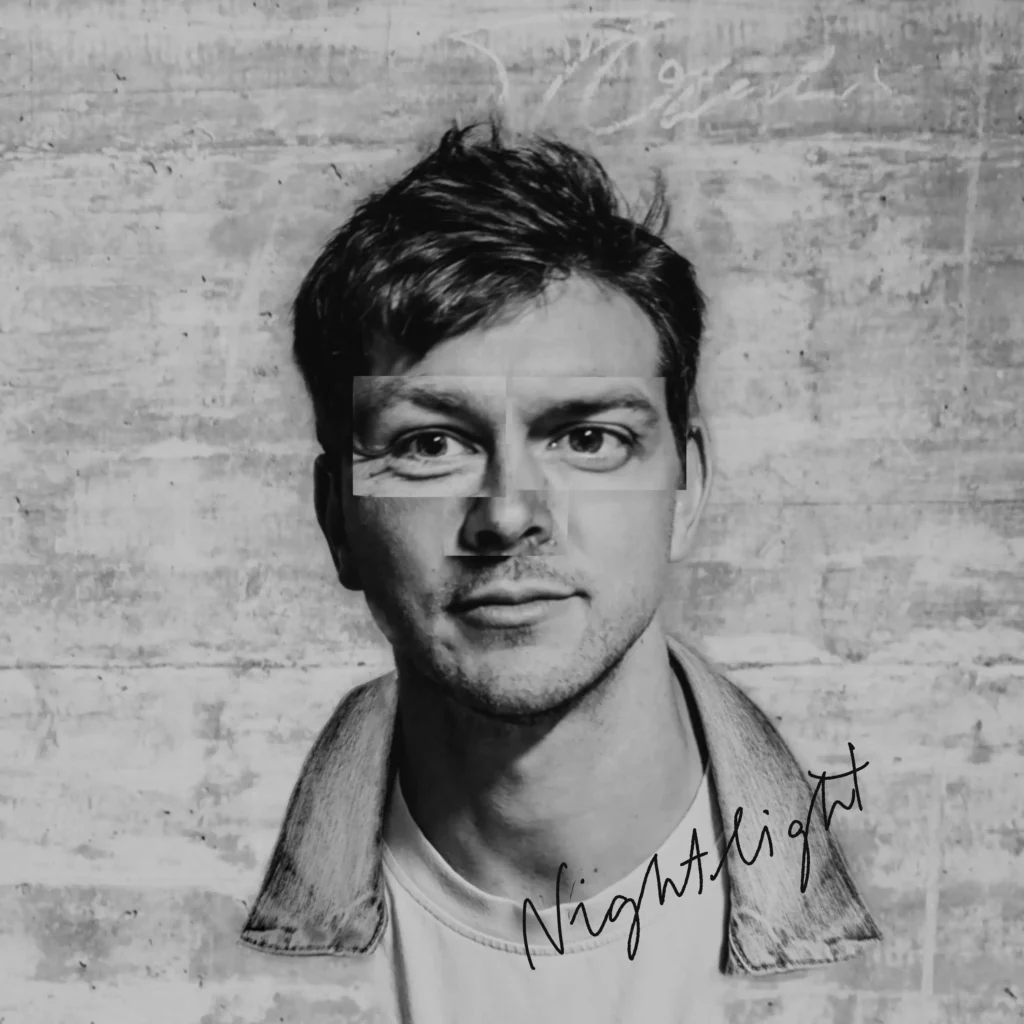
Swiss Quartet Rivermind Ignites the Night With a Stadium-Sized Wave of Distortion

The air in the room shifts the moment Rivermind kicks into Nightlight because they ignore the slow burn and they want to hit you with a wave of distortion that feels like a physical embrace. This Swiss quartet has spent years in basements and it shows in the way they lock together with a tightness that only comes from a shared history of loud amps and late nights. It feels like the start of a movie where the hero finds their spark at last and the screen explodes into color while the guitars churn with a hunger that demands your full attention. The guitars on this track swirl around the room like smoke and they have this thick texture that reminds me of early Alternative Rock but with a polished edge that keeps things sharp. You can hear the ghosts of Switzerland in the airy parts of the melody and then the bassline drops in to ground everything with a weight that feels both heavy and light at the same time. It is a difficult balance to pull off but these guys make it look easy and natural. I love the way the drums drive the chorus forward and it has that stadium-ready energy you might find in a classic Foo Fighters record but the melody is pure pop perfection. The vocals stay clear and bright above the fray and they have this earnest quality that makes you want to sing along even if you do not know the words yet. It is the kind of song that makes you want to drive too fast with the windows down and scream into the wind because it feels alive and electric. There is a moment around the halfway mark where the distortion pulls back and we get a glimpse of the softer side of the band and it reminds me of the more experimental side of Muse or the sharp songwriting of Nothing But Thieves. But even in the quiet parts there is a sense of urgency and it feels like the band is holding its breath before diving back into the deep end and the transition back to the heavy stuff is a total rush that hits you right in the chest.You won’t listen to this track once and forget it because it sticks to your ribs and leaves you humming the hook for hours after the music stops. Rivermind has managed to build something that feels massive and intimate all at once and that is a rare feat for any band let alone an independent one. It is a bright spot in the current rock scene and I can’t wait to see what they do next because this is clearly the start of something big for them.  Spotify Youtube

Swiss Quartet Rivermind Ignites the Night With a Stadium-Sized Wave of Distortion Read More »

Psyche Works Because It Doesn’t Pretend to Have Everything Figured Out

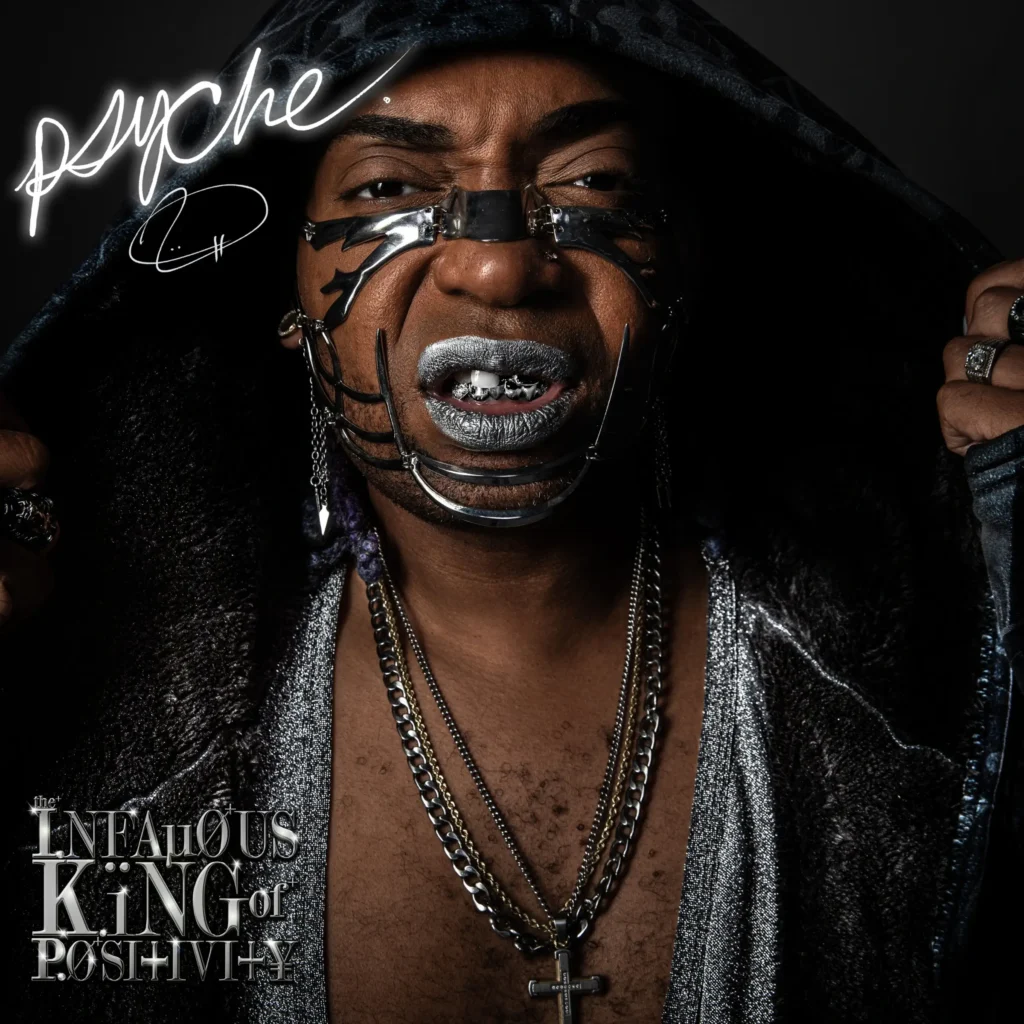
There’s a certain kind of artist who talks about “authenticity” as a branding exercise, and then there’s I.K.P. (The Infamous King of Positivity), where authenticity feels less like a choice and more like the only available option. Psyche, their latest EP, sits very firmly in the latter category. It’s not trying to convince you it’s real; it just kind of is, in a way that occasionally feels a bit uncomfortable, but deliberately so. I.K.P. comes into this project with a backstory that would be overwhelming if it weren’t so clearly integrated into the music itself. A non-binary artist of Garifuna descent, a U.S. Marine Corps veteran, someone who’s navigated homelessness and substance recovery; these aren’t details being deployed for dramatic effect. They’re the framework the EP is built on. Psyche doesn’t separate art from the life; it treats them as the same thing. Structurally, it’s a tight, four-track project, but it doesn’t feel slight. Each song functions like a different stage in a broader internal process; confrontation, reflection, self-definition, and something approaching resolution. Or at least, a working version of it. This isn’t a neat arc with a clean ending. Rather, it’s more like a snapshot of ongoing progress. “Love Element” is the centerpiece, and it earns that position pretty quickly. What’s interesting about it is that it wasn’t even originally intended to land like this. The track started life as a demo recorded during a period of burnout; too much happening at once, not enough space to process any of it. And you can kind of feel that in the DNA of the song, even in its finished form. But what makes it work is the distance. I.K.P. revisited it years later, after therapy, after some degree of personal recalibration, and what you’re hearing now is less the raw moment and more the understanding of that moment. That shift matters. “Love Element” isn’t just venting; it’s analysis. It’s about betrayal, but not in a purely reactive sense. It’s about recognizing patterns, taking inventory of the people around you, and deciding what you’re actually willing to carry forward. There’s a line the track walks between vulnerability and defensiveness, and it never fully resolves that tension. Instead, it frames it as something you learn to manage. Sonically, the EP follows a similar logic. There’s a blend of grit and introspection that avoids tipping too far into either extreme. The production, handled by I.K.P. themselves, leans into that balance, allowing space for both sharper, more confrontational moments and quieter, more reflective ones. It doesn’t feel overworked, which is probably intentional. The focus is on clarity of message rather than technical polish. Tracks like “Lead With Love,” extend the EP’s core philosophy without diluting it. If “Love Element” is about boundaries and awareness, “Lead With Love” is about what comes after that; how to move forward without losing yourself in the process. It’s less defensive, more outward-facing, but still grounded in the same lived reality. What ties everything together is the idea of Psyche as a concept. Named after the asteroid associated with the soul and self-discovery, the EP frames itself as a kind of internal mapping process. Each track marks a different point along that path, and while that might sound a bit abstract, the execution keeps it grounded. These aren’t vague metaphors; they’re tied directly to specific experiences and decisions. Psyche isn’t trying to be universally palatable. It’s direct, occasionally confrontational, and more interested in honesty than accessibility. That might limit its reach, but it also gives it weight. This isn’t music designed to be passively consumed; it asks for engagement. Psyche works because it doesn’t pretend to have everything figured out. It presents growth as something ongoing, messy, and non-linear. In a genre that often leans toward certainty, that uncertainty ends up being the most convincing thing about it. Follow I.K.P. Globe Facebook X-twitter Spotify Soundcloud Youtube Instagram Tiktok Promoted Content About the Author

Psyche Works Because It Doesn’t Pretend to Have Everything Figured Out Read More »

Live From the Attic EP Is Effectively Saying “Alright, No Tricks Now. This Is What We Actually Sound Like.”

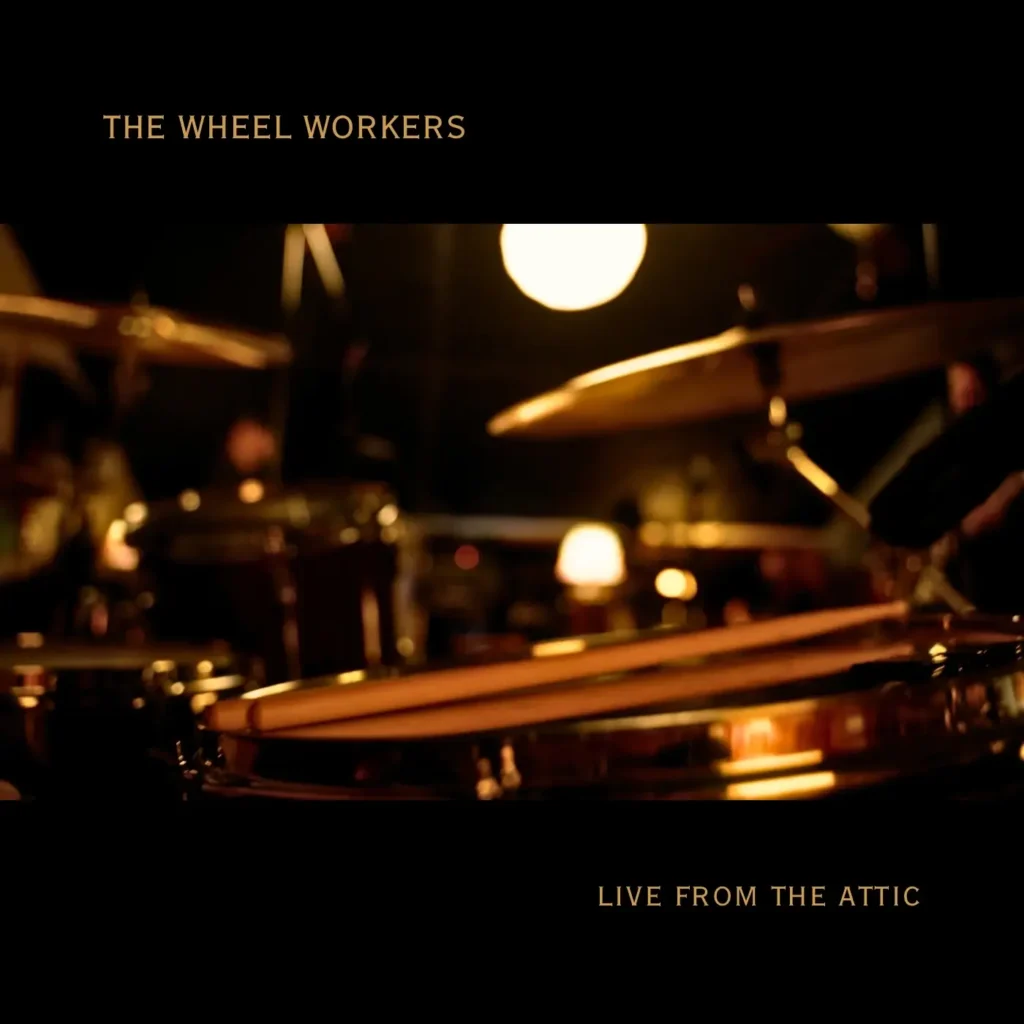
There’s a very specific kind of gamble in releasing a live EP when you’ve been a band for over twenty years, and it’s this: you are effectively saying, “Alright, no tricks now. This is what we actually sound like.” No studio safety net, no post-production wizardry smoothing over the edges; just a room, some microphones, and the quiet understanding that if something doesn’t work, everyone’s going to hear it. Houston’s The Wheel Workers lean all the way into that with Live from the Attic, which is exactly what it claims to be: a set of live recordings captured in their rehearsal space; the literal attic where a lot of these songs were written, complete with corresponding performance videos. It dropped April 10th and acts as a bridge to their upcoming album One More Thing To Say (out October 2026), but it doesn’t feel like filler. If anything, it feels like a stress test and to their credit, they pass that. Credit: by Daniel Jackson You can hear that immediately, but what’s more surprising is how clear everything is. Whoever engineered this session deserves a quiet round of applause, because getting this level of detail out of a live room recording is not trivial. Every instrument has space, every texture comes through, and crucially, it never tips into that over-separated “fake live” sound. It still feels like air is moving between the players. “Fine Time” opens things with a kind of restrained intensity that sets the tone for the whole EP. It’s an anti-war track that doesn’t need to shout to land its point, and there’s something slightly unnerving about how current it feels despite being written over a decade ago. The live setting actually improves it; there’s a sense that the band has lived with this song long enough for the performance to settle into something more nuanced than its original form. From there, “Smokescreen” leans into atmosphere, building a groove that feels less rigid and more fluid. Guitars and synths weave around each other in a way that suggests the band is actively listening and adjusting in real time, rather than executing a fixed plan. It’s hypnotic without being static, which is harder to pull off than it sounds. “Rainbows” shifts the emotional register slightly, offering something more immediate and melodic. It’s probably the most accessible moment on the EP, but it doesn’t feel out of place, more like a necessary change in lighting before things dip back into heavier territory. “Desire” is where the live format really proves its value. The song itself is built around tension between obligation and instinct, routine and disruption and hearing it performed in a room where the instruments naturally carry more weight makes that push-and-pull feel more balanced. It expands gradually, earning its bigger moments rather than forcing them. Then there’s “Day After Day,” which is arguably the most musically interesting track here. The rhythm section does a lot of heavy lifting, with bass lines that veer into almost Primus-like territory, while the synth work nudges things toward something vaguely prog-adjacent. It’s a combination that could easily collapse under its own ambition, but the band keeps it grounded, letting the complexity emerge without turning it into a showcase. What ties the whole EP together is a sense of presence. You can hear the room, the small imperfections, the way performances shift slightly from moment to moment. None of it is framed as something to fix; it’s the reason the recording exists in the first place. And that’s what makes Live from the Attic more than just a stopgap before the next album. It’s not trying to summarize The Wheel Workers’ 20+ year history, or prove that live recordings are inherently superior. It’s doing something simpler and more convincing: showing what happens when a band this experienced just plays the songs as they are, in the place they were made, without overthinking it and it turns out that’s enough. Follow The Wheel Workers Globe Facebook X-twitter Spotify Soundcloud Bandcamp Youtube Instagram Tiktok Promoted Content About the Author

Live From the Attic EP Is Effectively Saying “Alright, No Tricks Now. This Is What We Actually Sound Like.” Read More »

LiMaVii’s “New World 33” Feels Like Entering A New Frequency

Once in a while, you’ll come across a track like LiMaVii’s New World 33. The one that feels dreamy, not distant, not fleeting, but in a way that goes beyond what you hear. LiMaVii is a singer, songwriter, and spiritual healer from the coastal city of Gdynia, Poland. Now, she’s back with New World 33 in collaboration with Giuseppe Bockarie Consoli and LAIOUNG, an immersive and meditative experience inspired by Michael Jackson’s “Earth Song”. Right from the start, the track immediately lives up to its name. It’s as if you’ve entered a new world carried by its ambient, echoing layers. LiMaVii‘s profound connection to Africa’s ancient rhythms is evident in the way the track flows; it’s grounded and almost meditative at some point. Along with its expansiveness are the vocals that tie the track together, giving it weight and direction all throughout.  But what makes this stand out more is its message. There’s unity, responsibility, and love over fear, but not in a way that’s overly explained or forced. No structure or preachy delivery, only lyrics pieced like fragments of memory you can’t quite name but somehow understand.  Overall, New World 33 is for those who like their music felt—like something you live in for a moment. Follow LiMaVii Globe Facebook Spotify Soundcloud Youtube Instagram Tiktok Youtube Promoted Content About the Author

LiMaVii’s “New World 33” Feels Like Entering A New Frequency Read More »

Liminal by Every Waking Moment Isn’t Chaos; It’s Controlled Instability

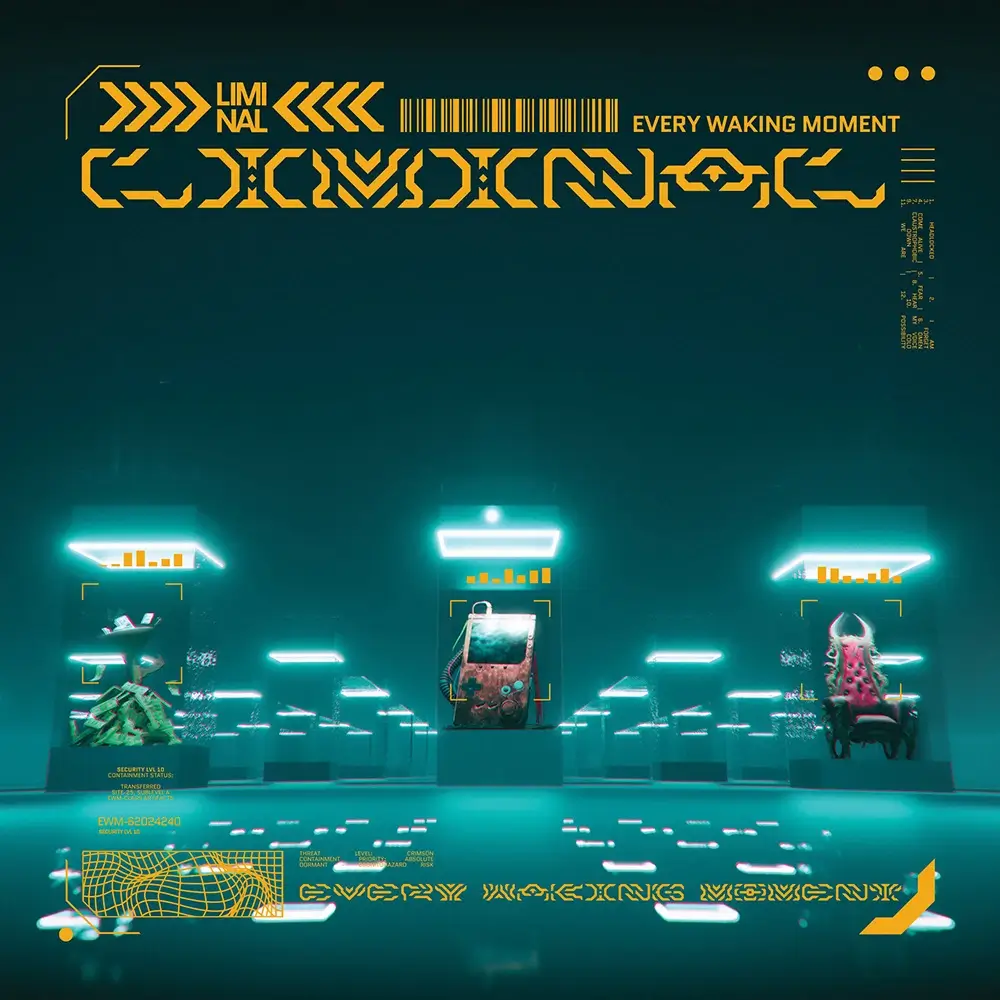
The word Liminal is the kind of word that immediately suggests atmosphere, thresholds, in-betweens, emotional states that don’t quite resolve. It also quietly sets expectations: if you’re going to call something Liminal, it probably shouldn’t sound like it was assembled entirely in a straight line. Fortunately, Every Waking Moment seems aware of this and their debut record which they have entitled Limilal leans heavily into that sense of tension between melody and aggression, polish and rawness, control and release. Formed in 2022 by longtime collaborators Andrew Southworth and Eric Richards, the Massachusetts-based duo arrives with a sound that feels both familiar and deliberately curated. You can hear the lineage immediately: the moody atmospherics of Deftones, the emotional push-and-pull of Linkin Park, the modern sheen of Bad Omens. But rather than feeling like a checklist of influences, Liminal plays more like a band trying to map out where exactly they fit within that space and occasionally, where they don’t. The album opens with “Headlocked,” which does exactly what an opener like this is supposed to do: establish tone, introduce tension, and give you just enough melody to keep you from bracing for impact the entire time. It’s followed by “I Am” and “Forget,” both of which lean into shorter runtimes without feeling underdeveloped. If anything, they highlight one of the album’s more interesting tendencies; songs rarely overstay their welcome. This isn’t a record interested in sprawling indulgence; it’s tighter, more controlled, occasionally to a fault. That sense of control becomes more apparent as Liminal moves into its middle stretch. Tracks like “Come Alive” and “Fear” build on the album’s central dynamic: heavy instrumentation paired with emotionally direct vocals. Andrew Southworth’s delivery sits right in that space between vulnerability and restraint, which works well for material that’s clearly rooted in introspection but doesn’t want to sound overly theatrical about it. There’s a kind of quiet push happening here, like the songs are trying to break open but keep pulling themselves back at the last second. “Omen” and “Claustrophobic” lean further into atmosphere, with the latter standing out for obvious reasons. It’s shorter, sharper, and arguably one of the album’s most effective tracks simply because it commits fully to its central idea. If Liminal is about inhabiting in-between spaces, “Claustrophobic” feels like the moment where that space starts to close in. Then there’s “Hear My Voice,” which stretches things out just enough to feel like a centerpiece. It’s one of the more expansive tracks on the record, both in runtime and emotional scope, and it benefits from that extra space. The build feels more deliberate, the payoff more earned. It’s also one of the clearer examples of how the band balances accessibility with weight; never tipping too far into either. By the time you reach the closing run, the album has settled into its identity. These tracks don’t radically shift the formula, but they don’t need to. Instead, they reinforce it. “Cold” and “We Are” in particular feel like thematic extensions of everything that came before, while “Possibility” closes the record on a note that’s appropriately unresolved. Not ambiguous in a frustrating way, but in a way that feels consistent with the album’s central idea: this isn’t about arriving somewhere, it’s about existing in the process of getting there. But then again, that might also be the point. Liminal by Every Waking Moment isn’t chaos; it’s controlled instability. It’s the sound of a band figuring things out in real time, but doing so with enough technical and stylistic clarity to make the process feel intentional. And for a debut album, that’s a difficult balance to strike. What ultimately makes Liminal compelling isn’t that it reinvents alternative metal or pushes the genre into entirely new territory. It’s that it understands the emotional language of the genre and uses it effectively. Every Waking Moment isn’t trying to shock you; they’re trying to connect with you somewhere in that in-between space where things are unresolved, slightly uncomfortable, but still worth sitting with. And in that sense, the album does exactly what its title suggests. It lingers. Follow Every Waking Moment Globe Facebook Spotify Youtube Instagram Promoted Content About the Author

Liminal by Every Waking Moment Isn’t Chaos; It’s Controlled Instability Read More »

“Mother of Dawn” by Inception of Eternity Is More Like Kicking the Door Open and Immediately Summoning a Storm

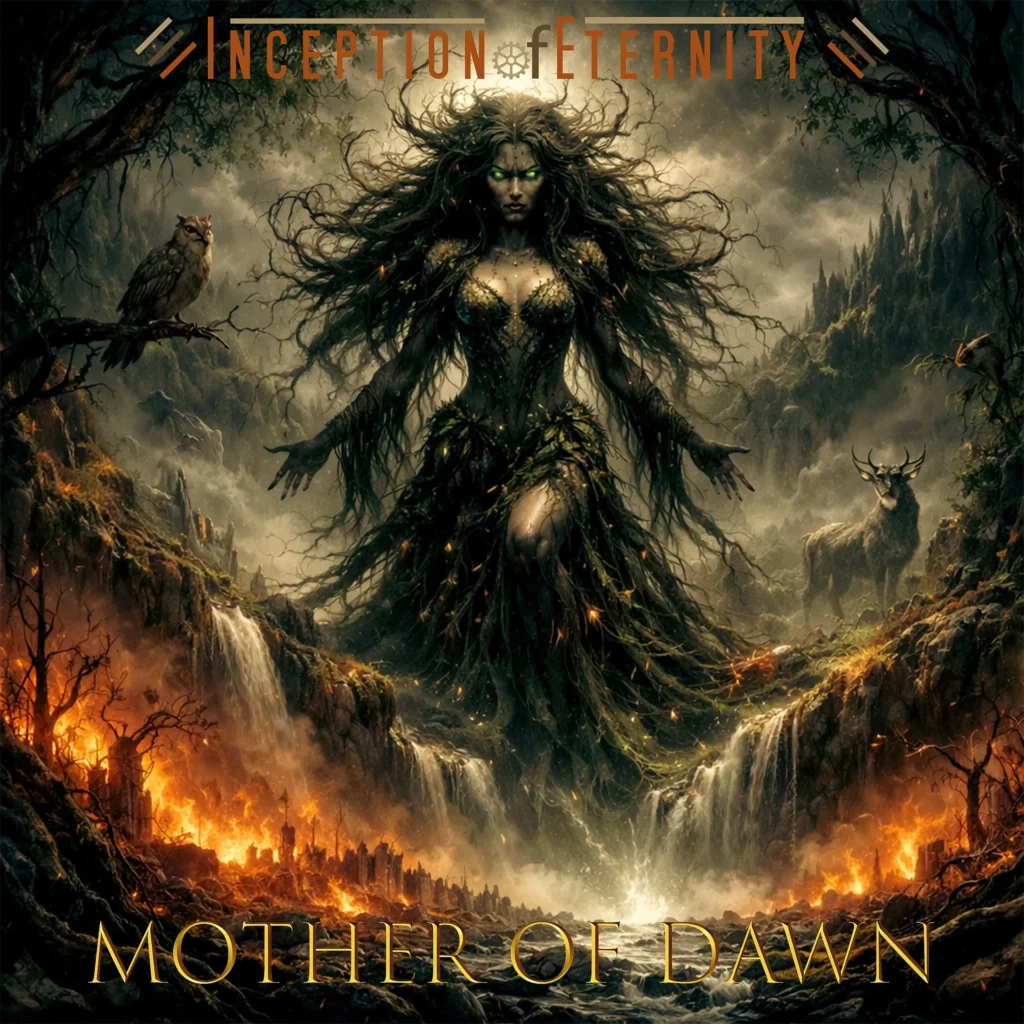
“Mother of Dawn” by Inception Of Eternity is the kind of track that doesn’t so much start as it arrives, like it’s been looming just offstage for several thousand years waiting for the right moment to make things everyone’s problem. Within seconds, you’re hit with this wall of orchestration that feels less like a band playing and more like someone accidentally woke up an ancient cathedral and handed it a distortion pedal. And then the vocals come in; commanding, eerie, and just a little bit threatening in a way that suggests nature itself is filing a formal complaint. It’s not subtle, but it’s also not trying to be. This is a song that fully commits to the bit: dark, dramatic, and completely uninterested in whether you think it’s “a bit much.” It is a bit much. That’s the point. What’s interesting here is that if you’ve followed Inception of Eternity at all, you might be expecting a genre roulette situation with a bit of metalcore here and there only for maybe a left turn into something unexpected. Instead, “Mother of Dawn” plants its flag very firmly in symphonic metal territory and just stays there. No detours, no apologies. It’s almost suspiciously focused, like the band collectively decided to commit to symphonic metal as much as possible. And it works. The cinematic elements don’t feel like decoration; they’re doing real structural work, building this sense of scale that makes the whole track feel bigger than it probably has any right to be.   At the same time, there’s a clear sense that this isn’t the full picture. If anything, it feels like a very deliberate flex; proof that the band can lock into a single style and absolutely dominate it when they feel like it. Which, considering their usual tendency to blend gothic metal, metalcore, techno and classic rock into one cohesive if not slightly chaotic identity is kind of impressive. After a four-year gap and a lineup change, including a new frontwoman, “Mother of Dawn” by Inception Of Eternity doesn’t read like a cautious reintroduction. It’s more like kicking the door open and immediately summoning a storm. If this is a preview of the 2026 album, then at the very least, it’s making one thing clear: subtlety is not currently on the agenda and honestly, that might be for the best. Follow Inception Of Eternity Facebook Spotify Bandcamp Youtube Instagram Promoted Content About the Author

“Mother of Dawn” by Inception of Eternity Is More Like Kicking the Door Open and Immediately Summoning a Storm Read More »

“Anodyne” Doesn’t Arrive Polished and Market-Tested

“Anodyne” opens with the kind of quiet, tentative confidence that suggests either deep artistic intent or someone sitting alone in a room thinking, “Alright, I guess I’m doing all of this myself now.” In this case, it’s both. Satsuma, the solo project of Edinburgh multi-instrumentalist Cam Halkerston isn’t just DIY in the vague, aesthetic sense. This is actual DIY: every instrument played, every vocal recorded, every production decision made by one person who has decided, quite firmly, not to wait around for permission. And you can tell. Not in a bad way, but in the way that makes the whole thing feel less like a product and more like a document. “Anodyne” doesn’t arrive polished and market-tested; it arrives slightly frayed at the edges, like it’s been carried around for a while before being shown to anyone.   The opener, “Ash And Dust,” takes its time in a way that feels almost confrontational. There’s a long, lingering intro built on warm, arpeggiated guitar that doesn’t so much build tension as it quietly insists you sit with it. When the vocals finally come in, they’re low, slightly slurred, and very deliberately unpolished. It’s the musical equivalent of someone speaking honestly without rehearsing the sentence first. The influence palette of ’90s alt rock, a bit of Radiohead-esque fragility, maybe some Smashing Pumpkins moodiness is there, but it’s not being paraded around. It just sort of exists in the background, like a shared language. “Love My Lies” follows and continues this thread of minimalism, but with a heavier emotional center. There’s a weight to the vocal delivery that feels less performative and more like it just is. The track doesn’t try to resolve that tension; it just lets it sit there, which ends up being more effective than any big, cathartic payoff would have been. The title track, “Anodyne,” is where things get more sonically assertive. The guitars thicken, the drums feel more present, and the whole thing takes on this slightly hypnotic, looping quality. It’s not explosive, exactly; it’s more like a slow, internal spiral. The kind where you’re not entirely sure when it started, but you’re definitely in it now. Then there’s “Touch Of Your Breath,” which is brief enough that it almost feels like an interlude, but not in a throwaway sense. It strips things back even further, leaning into gentle guitar and soft atmospheric elements that create this oddly intimate, late-night feeling. It’s the quietest moment on the EP, which also makes it one of the most revealing. “Swallowed” pulls things back into a heavier emotional space, acting as a sort of bridge between the introspection of the earlier tracks and the closing statement, “Scorched Earth.” And that closer is, appropriately, the rawest and most outwardly aggressive moment here. The guitars take on a grunge-like edge, the performance feels less contained, and there’s a sense of release; not resolution, exactly, but at least a willingness to stop holding everything quite so tightly. What ties all of this together is a refusal to over-correct. The vocals aren’t perfectly tuned, the mixes aren’t overly smoothed, and the performances don’t feel sanded down for easy consumption. That’s a deliberate choice, and it gives “Anodyne” a kind of emotional credibility that would probably vanish if it were any cleaner. It’s not flawless. There are moments where the roughness borders on underdeveloped, and the commitment to minimalism occasionally risks blending tracks together. But those feel like trade-offs rather than mistakes. The EP isn’t trying to be definitive; it’s trying to be honest and it comes through. Follow Satsuma Spotify Soundcloud Bandcamp Instagram Promoted Content About the Author

“Anodyne” Doesn’t Arrive Polished and Market-Tested Read More »

A Haunting Reclamation of the Alternative Rock Throne

“Joe Grah returns with a track that feels like a physical release of tension coiling since the first second.” The air in the room shifts the moment the opening notes of Joe Grah and his new single Far begin to swell because there is a weight to the silence that precedes it which feels like a storm holding its breath. It is a striking departure from the high-octane grit of JIBE but it carries that same magnetic gravity that turned him into a staple of the Billboard alternative charts years ago. This is not some relic of a past era but a living breathing evolution of a man who has clearly spent time staring into the abyss and deciding to sing back at it. The production on this record is a triumph of atmosphere and restraint because it lets the instruments breathe in a way that feels nearly tactile. You can hear the wooden resonance of the acoustic guitar and the way it anchors the spiraling layers of electric distortion that eventually wash over the bridge like a tide. It reminds me of the cinematic scope of Radiohead in their most vulnerable moments but Grah keeps the heart of the track rooted in a very American brand of Grunge and Alternative Rock. Each layer feels intentional and nothing is wasted so the build-up toward the final chorus feels like a physical release of tension that has been coiling since the first second. It is the kind of songwriting that feels wide enough to fill an arena but intimate enough to whisper directly into your ear while the world outside goes to hell. Grah possesses a voice that sounds like it was forged in a furnace and Far demonstrates that his range is more potent than ever. When he cries out about how “everything is everything and I am far away from it all” there is a crackle of genuine human desperation that most modern rock stars are too polished to even attempt anymore. He is reaching for something unreachable and you can feel the strain in the best way possible because it makes the performance feel like a high-wire act without a net. The phrasing is jagged and unpredictable but it lands with the force of a wrecking ball and keeps the listener pinned to the floor until the very last fade out. We often talk about the return of Rock Music as if it were a ghost haunting the charts but Joe Grah shows us that it remained present and it needed someone with enough scars to tell the truth. This track is a rare gift that feels timeless from the first spin and it secures his place as one of the most vital voices still swinging in the independent circuit.  Facebook Spotify

A Haunting Reclamation of the Alternative Rock Throne Read More »

Standing in a Robe Is the Musical Equivalent of Someone Grabbing You by the Shoulders and Going, “Hey. Pay Attention to This.”

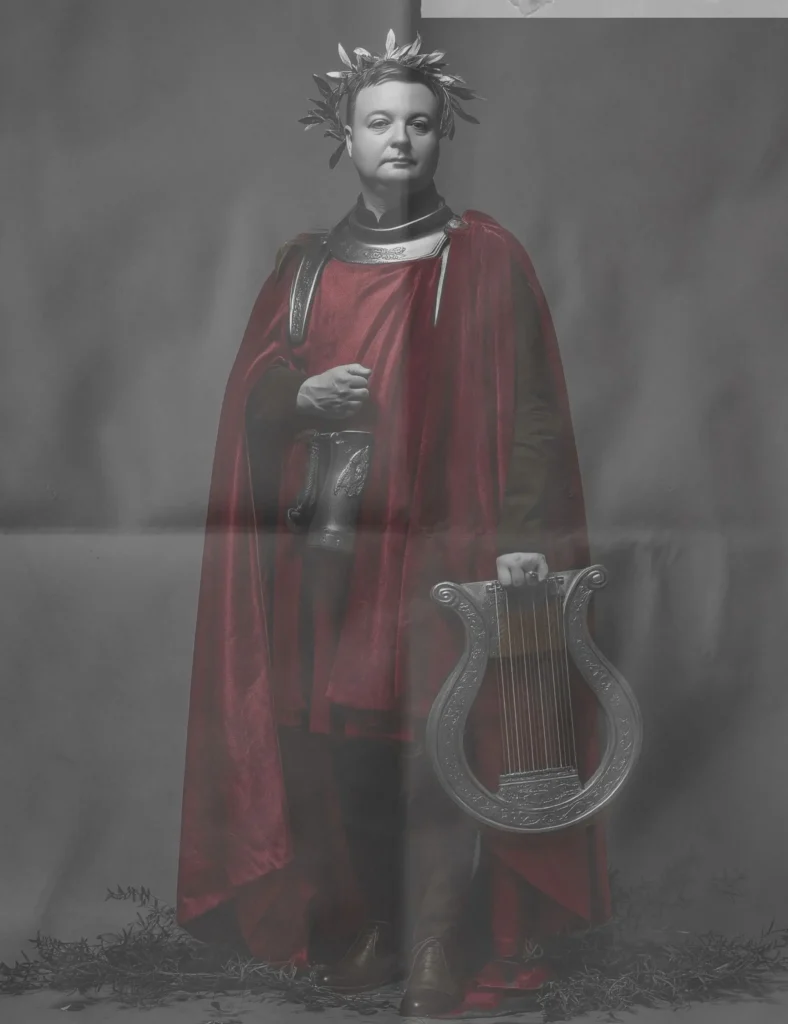
There are songs that ease you in gently, maybe give you a hook, a vibe, something you can latch onto before realizing what they’re about. And then there are songs like “Standing In A Robe” by Garrett Anthony Rice, which kicks the door open, points at history’s worst people, gestures broadly at your personal life, and goes, “Hey. These are the same one problem.” No warm-up. No easing in. Just vibes and moral indictment. Garrett Anthony Rice’s latest single is doing two things at once, and doing them very loudly: it’s about a failing relationship, and it’s about humanity’s bizarre tendency to romanticize powerful men who absolutely should not be romanticized. We’re talking Nero, Julius Caesar, Napoleon Bonaparte; the kind of historical figures who get remembered for the outfits and the legacy, and not, you know, the atrocities. Rice’s central thesis is basically: this instinct? It shows up everywhere. Not just in textbooks, but in relationships, in how we excuse behavior, in how we let presentation override reality. It’s a big idea, and to the song’s credit, it doesn’t try to hide it behind layers of metaphor. If anything, it’s practically underlined. Musically, the track matches that energy. It’s heavy, dramatic, and very clearly trying to sound like it has something important to say. Which it does; it just also wants to make sure you don’t miss it. The production leans into that weight, with a gospel choir adding scale and urgency. That choir, interestingly, was directed remotely by Chris Potter, which feels like the kind of detail you only notice because everything else is already operating at maximum intensity. And honestly, that’s kind of the whole experience. Nothing here is accidental or casual. Every choice, from the subject matter to the arrangement, feels like it’s been calibrated to land as a capital letter S Statement. This fits neatly into what Rice has been building toward. After earlier releases under a different name and a growing catalog of concept-heavy singles, he’s now gearing up for EQUINOX, a double album that, yes, has eighteen tracks, because of course it does. Subtlety is not really the brand here. But here’s the thing: for all its intensity, Standing In A Robe does work on a basic level. The idea is clear, the execution is committed, and there’s something compelling about a song that just goes all-in on its concept instead of hedging. It’s not easy listening and it’s not trying to be.It’s the musical equivalent of someone grabbing you by the shoulders and going, “Hey. Pay attention to this.” Whether you appreciate that or find it a bit much is going to depend entirely on your tolerance for being yelled at; politely, and with a choir. Follow Garrett Anthony Rice Facebook Spotify Soundcloud Youtube Instagram Tiktok Promoted Content About the Author

Standing in a Robe Is the Musical Equivalent of Someone Grabbing You by the Shoulders and Going, “Hey. Pay Attention to This.” Read More »