loader image

November 2026

Venus Niebres Taylor Turns Romantic Rivalry Into a Spanglish Pop Statement on “Solo Una Fan”

Venus Niebres Taylor reignites her solo career with “Solo Una Fan“, a fun Spanglish pop-dance track that fuses latin-inspired music, the attitude of determination and a candid message about embracing your self-esteem. Venus transforms the taboo of a man being followed around by his ex’s new girl into a self-love anthem on the meaning of being who you are. Taylor wrote, produced and recorded the track solely herself in her V Records recording studio at her Texas home in Austin, embodying the artistic independence that has defined her career thus far. Originating from her Latin dance inspired prior release Venus Niebres en Español, “Solo Una Fan” is crafted with a modern, lively pop sound quality to enhance the album’s direct lyricism. The song is driven by an extremely catchy chorus of “at the end of the day…you’ll always be una fan”. Lyrically, Taylor stands her ground with a number of lyrics alluding to the malicious traits of an individual trying to imitate a girl (referencing hairstyle, personality and relationship). A few lines do this well, including: “You can copy my clothes, mi pelo, mi pose / Pero you can’t copy mi alma.” There is a message about staying true to yourself at its core beneath the teasing barbs. Between the two tongues is one of the track’s key strengths: her bilingual flow sees her not phonically differentiating her English and Spanish-invented identifiers, but inhabiting both as if they’re just different modes of expression, resulting in a conversational flow that sounds entirely organic. This adds a dash of the angelic to a music aesthetic that also… keeps a Lebanese, a Mexican and a Lebanese-Mexican inside it. Some of the crossover slant of Selena Quintanilla and Thalia, but all her own knowledge of being an international artist. Her background as a Filipina-American and her experience in a multicultural environment rooted in the English, Tagalog and Spanish tongue all contribute to her musical versatility. A multilingual, independent recording artist and founder of V Records, Taylor is gaining a reputation as an independent artist finding its signature sound through cultural crossover. Ultimately, “Solo Una Fan” is a solid, fun addition to the Taylor catalog. The beat, the bilinguality and the total open attitude towards taking the lyrical risk are all part of a fun pop statement. More than a run-of-the-mill divisive love song, it’s a tribute to originality, dignity and knowing when to throw in the towel. Follow Venus Niebres Taylor Facebook Spotify Youtube Promoted Content About the Author

Venus Niebres Taylor Turns Romantic Rivalry Into a Spanglish Pop Statement on “Solo Una Fan” Read More »

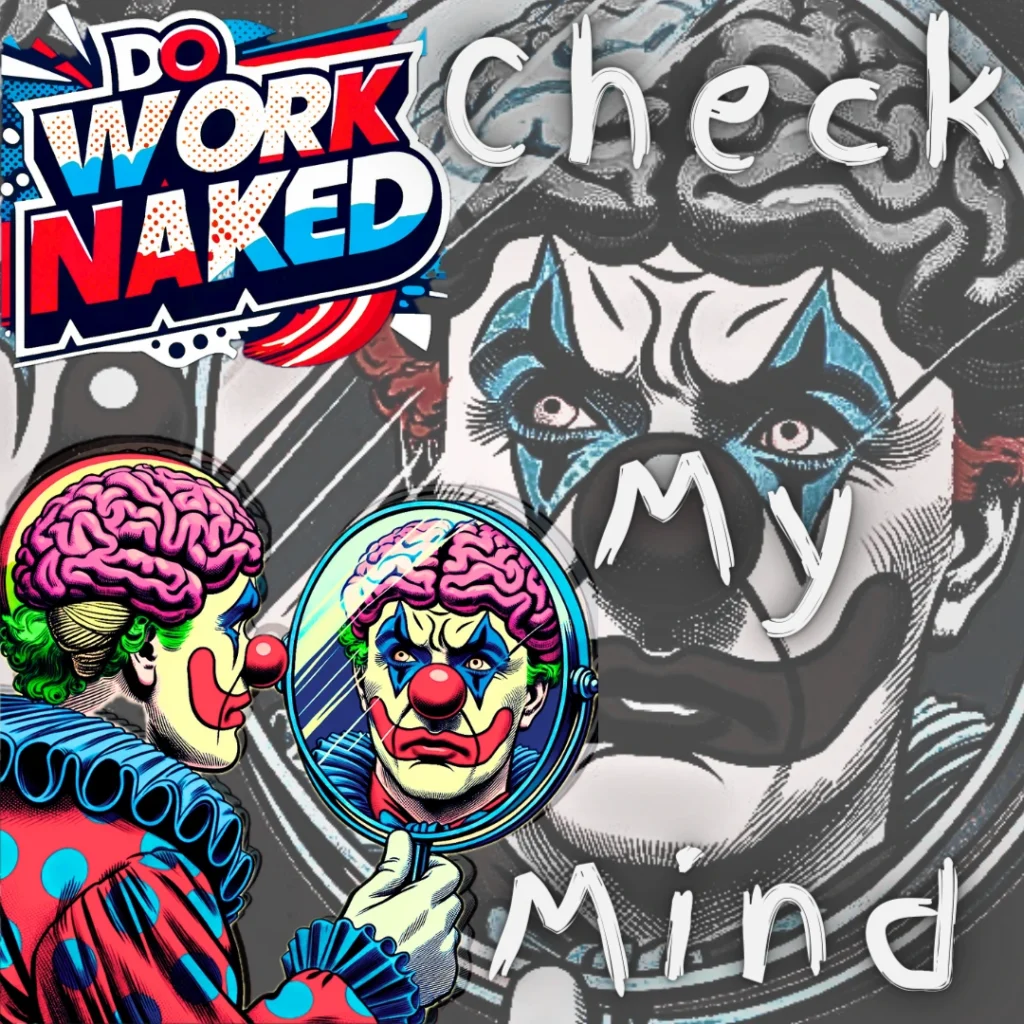
Do Work Naked Slam the Door on Bad-Faith Debate With the Scorched Riffs of Check My Mind

No more opinions, no more corrections, no more distractions and no more lessons,” the vocal bark snaps over a razor-wire guitar chord, cutting off an invisible adversary before they can even draw breath. There is zero patience for diplomatic compromises on “Check My Mind”. The song dives straight into personal fatigue, discarding pleasantries in favor of an immovable boundary. The friction here does not come from hesitation or sorrow. It comes from the furious relief of slamming an iron door shut on someone whose bad-faith advice has to close, worn out its welcome. Behind that abrasive vocal delivery, the trio maintains an engine that thrives on lean grit rather than overproduced digital sheen. Marty carves out thick power chords with an overdriven guitar tone that leaves just enough acoustic headroom for Les to pin down the bottom end with a rumbling, distorted bass attack. Nick treats his drum kit like an eviction notice, snapping the snare dead on the backbeat and leaning into cymbal washes that push the rhythm forward without washing out the mix. All three share vocal duties across the record, giving the gang shouts a ragged, throat-strained urgency that sounds like a group shouting across a crowded basement basement gig rather than punch-in takes tracked to a click. The central chorus operates like an iron wall: “There’s nothing you can say to ever change me / Check my mind, it’s already made up.” What makes the phrase hit with genuine weight is the refusal to romanticize stubbornness as cool detachment. The voice cracks slightly on the upper register of the cadence, betraying the exhaustion behind the armor. You can hear the physical breath control slipping as the bridge approaches, turning the repetition of “discussion’s over, it is going nowhere” into a desperate, furious chant. It is not an intellectual defense, it is emotional self-preservation set to maximum amplifier volume. Operating independently without the smoothing gloss of major label safety nets, Do Work Naked draw clear lineage from raw hardcore punk and late-nineties skate punk, recalling the stripped-down fury of early Fugazi alongside the angular, no-nonsense hooks of the garage rock revival. While much of contemporary rock softens its edges to fit cleanly onto algorithmic mood playlists, this trio leans into direct, unadorned impact. The sound relies on sweat, battered instruments, and a refusal to pander, presenting an uncompromising calling card for underground rock rooms. By the time the final feedback loop dissolves into silence, “Check My Mind” has made its case without wasting a second of tape. It is an unvarnished slice of pure punk resistance, trading calculated subtlety for direct kinetic force. Do Work Naked prove that when a band locks into their rhythm with complete conviction, three chords and an honest temper are still more than enough to blow the dust out of modern indie rock. Instagram Spotify Youtube

Do Work Naked Slam the Door on Bad-Faith Debate With the Scorched Riffs of Check My Mind Read More »

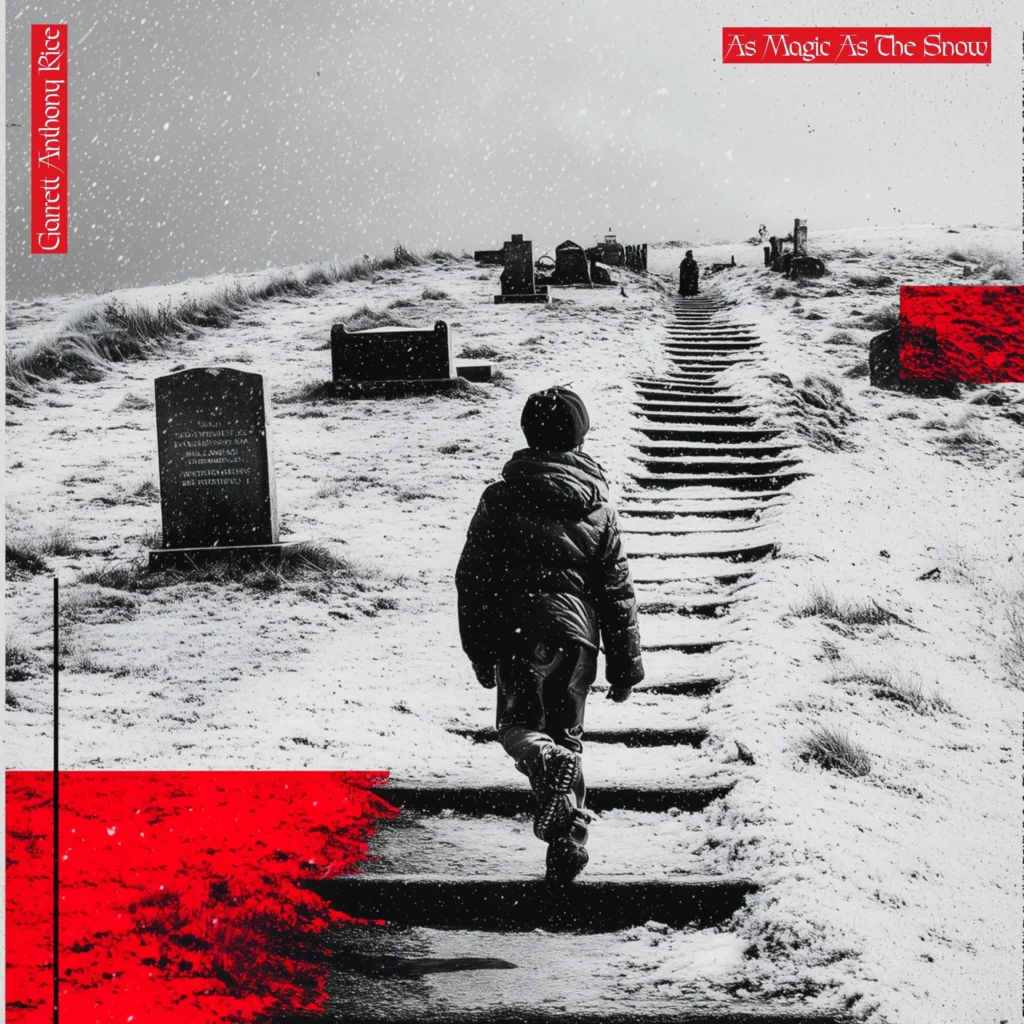
“As Magic as the Snow” by Garrett Anthony Rice Is a New Alternative Christmas Classic

Christmas music has a bit of a reputation problem. Every December, we’re subjected to the same revolving door of sleigh bells, romantic misunderstandings and songs about how apparently the only thing anyone wants for Christmas is someone else’s presence. We all have to go round and round the same few choices year after year: sleigh bells, cheesy romances and songs that apparently state explicitly that nothing else matters at this time of year apart from having someone else there with you. Every so often, though, something comes along that reminds you that the season isn’t just about mince pies and poorly judged family gifts. In the case of Garrett Anthony Rice‘s “As Magic As The Snow“, it’s about the things we lose. Recorded at Darklands Studio, Dublin with producer Dan Doherty, featuring live brass and orchestra, this was a major step for Rice. It is an overreach, no doubt, but one that is played for purpose, rather than just for the sake of elevating everything into an expensive, grandeur spectacle. And this richness in production is, in fact, burdened with sentimentality, in the story of the song itself: a six-year-old boy revisiting his favourite sledding hill at Christmas, where he now plays with the ghost of his best friend who died suddenly a year previously. Credit: Garrett Anthony Rice And yes, that’s a complete state of heartbreak. Christmas, it seems, has come to the realisation that emotional complexity is an inherent part of the holiday experience. But the song’s most powerful line is “Hold yours close, you never know when your garden may froze.” It’s a strange image, but one that holds a painful truth of how delicate childhood, friendship and the unfortunate fact that life doesn’t always hold up a big STOP sign. What makes As Magic As The Snow special is how it avoids the cliche of grief disappearing once the decorations come down. It discovers a strange, delicate beauty in the art of remembering someone even when it hurts to do so. If Christmas music is supposed to stir an emotion in us, then Rice has definitely got that down pat. “As Magic As The Snow” is a weepy nod to the fact that sometimes the greatest magic of Christmas is remembering who’s not with us. Follow Garrett Anthony Rice Facebook Spotify Soundcloud Youtube Instagram Tiktok Promoted Content About the Author

“As Magic as the Snow” by Garrett Anthony Rice Is a New Alternative Christmas Classic Read More »

Emmy Gonzales’ From Musings to Melodies, Vol. III Turns Life’s Little Moments Into Keepsakes

Emmy Gonzales’ From Musings To Melodies, Vol. III feels like being handed someone’s diary, except the entries come with acoustic guitar accompaniment. Inspired by her lifelong love of poetry, the 12-track album turns personal reflections into songs about motherhood, friendship, romance, loss and gratitude. It’s warm, sincere and occasionally so earnest that you might want to check whether you’ve accidentally wandered into someone’s anniversary slideshow. Gonzales isn’t out to change the format of acoustic music. There are no wild studio experiments or spacecraft retrieval guitars. She’s simply using recognizable melodies, soft arrangements and straightforward lyricism.     The first song, “You’re My World,” is a love letter to her kids. Gonzales talks about being a mom and asks herself, “What do I want my kids to remember about me when I’m gone?” even though she’s gone. It’s a lovely thought and the song’s sincere intention of hoping for something more than just the here and now has the effect of tugging at the ol’ heartstrings. I’ll admit to crying a little. “Love Unconditionally,” one of her standouts and personal favorites, goes to dad. “You’re the reason I knew how to love unconditionally, how to show my strength, how to show my love and I’m your reflection,” she sings. A mother and father do that to you; they stick to you whether you realize it or not. And then there’s “Two Bittersweet Reunions,” the album’s emotional freight train. Gonzales sings of reuniting with her son after many months and losing her mother on that very same day. That’s such a huge patch of the human experience to cram into a single song and it never would have worked if the spare, dull guitar and string arrangements have tried to turn it into a tearjerker. Instead, the feelings are left to mingle together and it kills quietly. “Serendipity” is a pleasant surprise. The track is about a random encounter between two people, who initially struck up a friendship, before realizing there’s something else there. A fuller chorus gives the song a boost, allowing it to shine amidst the rest of the band’s mostly familiar acoustic sound. Gonzales enjoys the fun of “Damn, That Was A Kiss!” The title tells us all we need to know about it, one amazing kiss makes us forget all our doubts. It’s flirty, fluffy and completely unconcerned with having to be deep. Not every romance has to turn into the emotional wreckage of a period drama. Romance, the more gentle spirit, is alive and well, on “My Forever In A Song” and “It’s In His Eyes.” Both use the songs as vehicles to cling to the possibility of forever love. The second song offers a suggestion that, sometimes, eyes can speak louder than words. Both opt for subtle backing tracks that don’t need to pluck their furthest strum, proving, apparently, that sometimes all it takes is eye contact. Imagine that! Family and friendship are the main subjects of both “Happy Birthday, Aynslie” and “This Song’s For You, My Friends.” The first reflects on the time and energy that goes into marking a young one’s birthday and the latter pays homage to friends who continue to stick around as the years go by. Both seem like customized gifts to specific recipients, which makes them endearing even if you don’t happen to be one of the recipients. Memory holds the story together for “Missing You” and “A Memory Entwined.” The first has to do with your loved one, wherever they may be, brought to life through everyday sights and sounds: a voice, a laugh, a goodnight, a rainbow and the night sky. The second revisits a promise-fulfilling day before returning to heartbreak. Both are in agreement: you don’t miss someone because of the big moments. Sometimes it’s the little things. The final track on the album is “Love And Fairytales,” which concludes the record on a more hopeful note. Though Gonzales has been wounded before, she continues to hold on to the idea that love is warm, slow, sweet and here to stay. The guitars give the track a little forward motion and the positive attitude is satisfying. From Musings To Melodies, Vol. III requires a little more variance in its tempos and arrangements. The songs all sound similar enough that a length of one hour begins to drag in places. Despite that, Gonzales’s open, sentimental, even slightly campy attitude is what makes this album ultimately charming. Those songs are reminders to her children, her parents, her friends, the dozens of people who have helped her through life. Not everyone will identify with each dedication, but the sentiment is there. Gonzales makes an uncomplicated argument for music as a reminder of the people we hold dear, the people who are gone and why it’s okay to not make a fuss about it. Follow Emmy Gonzales Facebook Spotify Youtube Instagram Tiktok X-twitter Promoted Content About the Author

Emmy Gonzales’ From Musings to Melodies, Vol. III Turns Life’s Little Moments Into Keepsakes Read More »

Gianfranco Pescetti’s This Side of the Door Emphasizes the Human Voice in Electronic Sound

It’s pretty revealing when an artist chooses to reinstate vocals after an album devoid of them. I suppose instrumental music can say a lot, by default. It can move you to feelings you had no idea you had access to; it can persuade you that long stretches of staring out the window are an entirely justifiable way to kill 20 minutes. But songwriting is a different kind of vulnerability: there’s a person, a story, words, behind that sound. this side of the door: The Italian-born, songwriter and producer Gianfranco Pescetti, 2024’s instrumental electronic album Daystar Nocturnal, is back to songwriting and singing for his third album, due November 6, 2026. It’s 14 songs about memory, relationship, love, loss and transition, blending lush electronic atmospherics with live instrumentation and old school singer-songwriter warmth.  Featured and in-article photos: Gregg Seiler It’s not a radical rebranding, either. Pescetti isn’t junking his synths and turning up with an acoustic guitar to proclaim that he’s found some emotions. Rather, he takes the technology and ambient palette of Daystar Nocturnal and infuses it with a more intimate quality using singing and songwriting, a convincing progression which proves to be one of the record’s most enjoyable aspects. The first song, “Nightbloom” sets the tone, with a dose of gloom reminiscent of The Cure and M83. It employs minimalistic, heartbeat-like kick drums to give it a sense of life without turning it into a club track. “Flicker” keeps the dark new-wave vibe going, while “Colors with No Name” adds a heavy dose of retro on the synth-bass, which would sound right at home on a Stranger Things episode. These recognizable noises aren’t just nostalgia bait. Pescetti balances them against modern electronic production, making for an album that’s retro without being backward-looking. The arrangements often hold back, but enough quirks jump out to prevent this record from sounding like a bunch of interchangeable synth workouts. The emotional focal point is “Heidi”, a tribute to the late cellist, architect and visual artist Heidi Vincent, who inspired Pescetti to see himself as a songwriter. He doesn’t write the song as a lament, but as a “thank you” for somebody who saw his greatness before he saw it himself. It’s a hugely ambitious concept, and one that we don’t always think about when we listen to the final results, be it the album, the show, the painting. Pescetti leverages that impact as the core of his song, and he’s even playing a 1977 Fender Precision Bass that Vincent passed on to him as a gift, transforming the bass into a memorial of their friendship. It’s a subtle but meaningful touch. A Different Joy drifts into even more ambient realms, with its sparse textures making good use of negative space. Like everything but the girl, much of the emotion is carried by the simple, subtle production. “Sugar Cut” is nearly operatic in the grandeur of its booming kick drums, strings and tight multi-vocal harmonies, despite being a fairly subtle piece of music. It’s a paradoxical thing, a piece of music that feels like it’s trying not to show off, while building a rich and fantastical musical set. Meanwhile, the grim “Her Name Was Petal Storm” mixes guitar solos with trap beats and feels like a dark, contemporary new wave throwback. And it’s one of the most compelling track pairings on the album, showing Pescetti’s aptitude for mixing different modes without the music feeling like an experiment. “Vanishing Point” shifts gears again, singing with a certain gothic romance and drone-y quality as it rolls along toward the end, reminiscent of The Smiths. The final song, “Who Imagines Who,” shifts away from synths again and turns into more of a CHVRCHES song, but it makes a great way to wrap up a record that was saturated in nostalgia-inducing electronic sounds. The album’s primary weakness, oddly enough, is that the most pervasive aspect of it is Pescetti’s fascination with atmosphere that can cause some of the tracks to get lost in the overall sensory experience. Those expecting immediate interest or significant transitions in energy might find a few sections of the album a little underpowered. On the flip side, however, this sense of cohesion creates an identity for this side of the door that feels made to be appreciated rather than exploited. The electronic production works in tandem with the songwriting, rather than against it, providing a home for these songs. The live instrumentation provides some comforting warmth, the vocals add some up-front immediacy to the music. Pescetti’s hit a middle ground between the richly textured Daystar Nocturnal and the more emotional approach of a songwriter album. “this side of the door” is ultimately a soulful and considerate return to the vocal focus. It may sometimes sacrifice rhythm for atmosphere, but this is by far the strongest example of Pescetti translating personal experiences into an inviting, rather than inaccessible, musical experience. Pescetti has not turned his back on the electronic worlds he has labored to create for so many years. He’s just heard the human voice, and frankly, that alone has been enough to usher him to the door. Follow Gianfranco Pescetti Globe Spotify Soundcloud Bandcamp Facebook Youtube Instagram Promoted Content About the Author


Gianfranco Pescetti’s This Side of the Door Emphasizes the Human Voice in Electronic Sound Read More »

“Come to Your Senses” by Songs of Solomon feat. CheraLee: Love Is Complicated. Pride Makes It Worse

Declaring a relationship over is easy. Actually getting over it? Well, that’s where things get inconvenient. “Come To Your Senses,” the new single from UK singer-songwriter Songs of Solomon, featuring South African vocalist CheraLee, is built around that particularly irritating gap between what people say and what they actually feel. The song is an uptempo pop-rock duet about two individuals who have convinced themselves they’re over each other, while not very well convincing themselves. Driven by pounding beats and acoustic tones, contrasting vocals let both parties have a chance to make their case. The result is not quite a break-up track, but not quite a reconciliation. It’s more like the emotional equivalent of writing a text, deleting it and writing it again. The song gives us some lift and energy, but it’s really the catch that keeps the momentum going: “Come to your senses, I’ll come to mine.” It’s a nice little reciprocating bit of wordplay because it’s not a one-sided villainy; the singer isn’t just asking the person to confess he’s at fault. The singer’s throwing himself into the mix: he’s got some work to do himself.   That mutual accountability gives the duet its appeal. Solomon and CheraLee represent two perspectives caught in the same emotional mess, with their contrasting voices making the back-and-forth feel like an actual conversation rather than two singers taking turns occupying the same song. CheraLee brings a distinct presence to the performance, adding personality and vulnerability to the other half of the story. The Southampton-based Solomon, whose music draws from dark country, Americana, folk and roots rock, says the collaboration came about through producer Hurter, who introduced the singers. They recorded their parts separately, coordinating through messages, recordings and feedback. Despite the geographical distance, the performances aim for the feeling of two people responding directly to each other. Lyrically, “Come To Your Senses” is interested in the little acts of denial that follow a breakup: avoiding familiar places, keeping busy and pretending an ordinary memory hasn’t just ruined your afternoon. These details make its emotional premise relatable without turning the song into a lecture about relationships. The ending also leaves room for interpretation. Solomon leans towards hope, but acknowledges that finding your way back to someone doesn’t automatically mean everything will work out. That’s probably the song’s most honest idea. “Come To Your Senses” may not reinvent the pop-rock duet, but it gives a familiar relationship dilemma an infectious melody and two compelling voices. Sometimes love needs a second chance. Sometimes it needs two people to finally stop being stubborn. Preferably both. Follow Songs of Solomon Globe Facebook Instagram Spotify Soundcloud Youtube Promoted Content About the Author

“Come to Your Senses” by Songs of Solomon feat. CheraLee: Love Is Complicated. Pride Makes It Worse Read More »

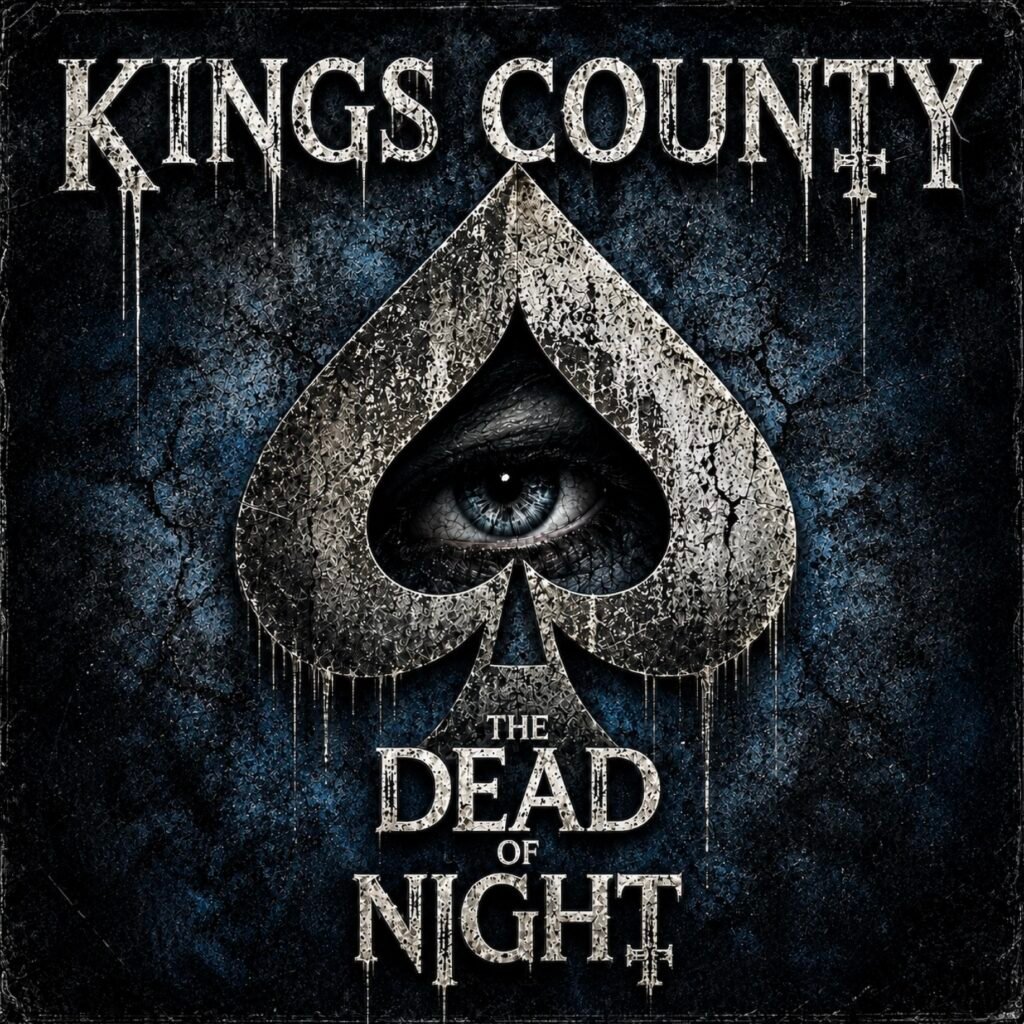
“The Dead of Night” by Kings County Is a Hard Rock Song With Demons to Spare

There’s something glorious about a hard-rock song that could easily crush a wall but then refuses to stop talking about your personal struggles. Here comes Kings County‘s “The Dead of Night,” delivering precisely that: hard guitars, big alternative-rock riffs and vocals that insist on making sure everyone in the room shares the burden of every word. That band, out of Orlando, Florida, fuses 90s style guitar driven swagger with the relentless heaviness of modern hard rock. On “The Dead of Night” those sounds come together somewhere just north of a guitar fueled swagger of the 90s and the slick sheen of modern rock. It’s familiar territory, but not a bad place to go. The guitars drag it out while the melodic vocals prevent the whole thing from becoming just a big wall of sound. Then there are the lyrics: Underneath all that tumult, “The Dead of Night” is a song about the hidden lives we lead when no one’s looking. It’s a song about the gap between who we seem to be and who we are when we’re overcome by our darker side-by fear and anger and all those other less appealing elements of our biology that we try to hide from the world. The song makes for a suitably bombastic subject; one it’s constructed to be played in the cavernous space of a dark arena and heard by a very excited crowd. Dexter’s vocal style is full-attitude all the way, with Rob Zombie as an inspiration for his boisterous vocal stylings. It’s not terribly sophisticated, but then again that’s not what any of us were expecting from songs of this style. And yet the track’s best feature is the notion that darkness isn’t inherently something to be overcome. On the contrary, sometimes the way through it is through it. It’s a familiar sentiment, but Kings County offers enough heft and volume to make it feel authentic and not just put on a meme. “Dead of Night” doesn’t conjure the wheel out on hard rock – it doesn’t have to. It’s a blusterous, hook-heavy tune which has an idea of what it wants to be: loud, melodic, a little dark and above all: theatrical. Some monsters need to be faced with the volume turned up. Follow Kings County Globe Facebook X-twitter Spotify Youtube Instagram Tiktok Promoted Content About the Author

“The Dead of Night” by Kings County Is a Hard Rock Song With Demons to Spare Read More »

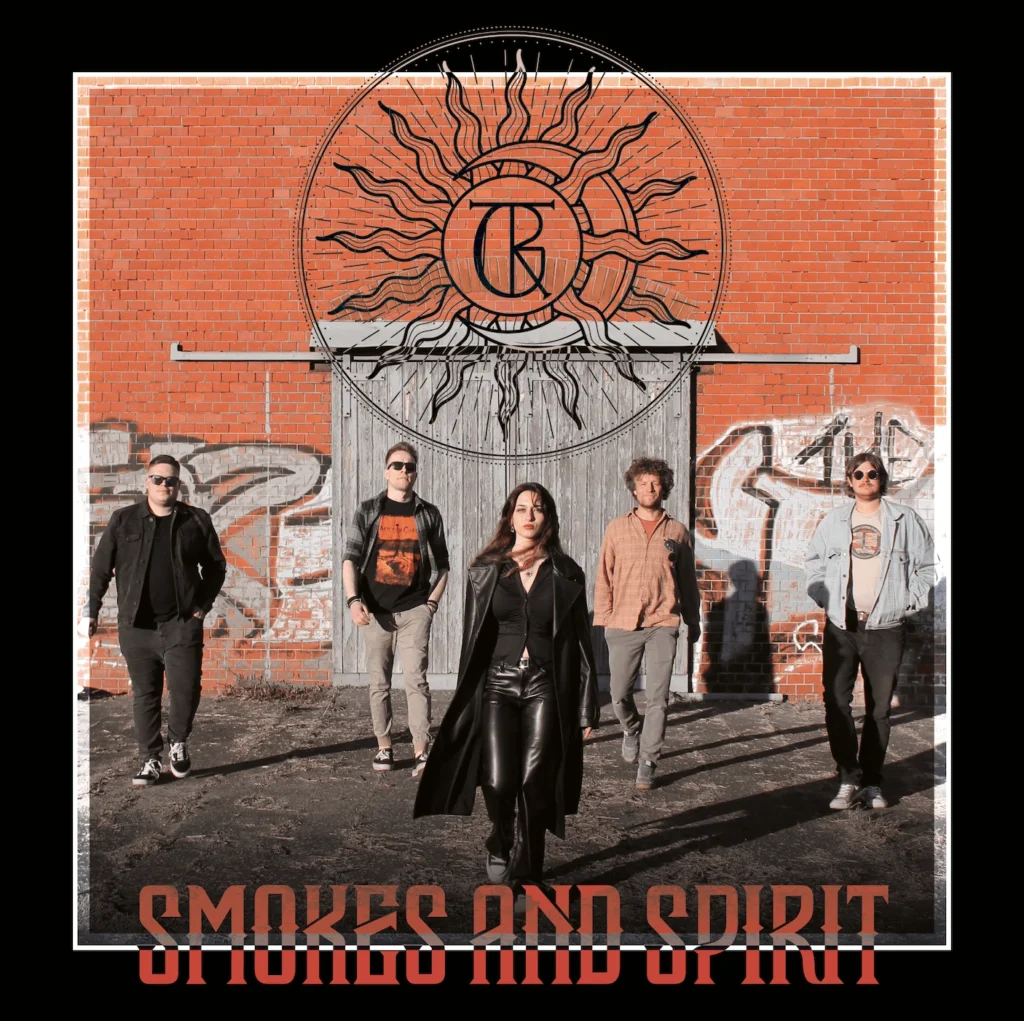
The Grateful Rush Channels Raw Urgency Across “Freeway Ride”

Most contemporary guitar bands trying to channel classic highway rock end up sounding like car commercial sync bait, flattening genuine danger into retro pastiche. Geratal quintet The Grateful Rush avoid that trap by grounding their sound in grease, sawdust, and stubborn provincial independence. Formed in 2022 and operating out of the ‘Alte Zimmerei’, a former carpentry workshop nestled in rural Thuringia, the German outfit skipped the commercial studios entirely. Instead of buffing their edges to satisfy playlist algorithms, they treated their space like a pressure cooker, letting years of rehearsal jams harden into something flinty and direct. The turning point arrived in 2025 with the recruitment of vocalist Adeline, who injects the band with a defiant, swaggering sneer. On Freeway Ride, her presence transforms what could have been a straightforward biker riff into a nervy chase. When she belts “The weather is fine, feeling alive on a freeway ride”, her delivery skips polished pop vibrato in favor of raw chest voice and grit. Later, as she barks “50-50 blood and gasoline, and then we got high”, the vowels snarl at the back of her throat, projecting the casual recklessness of someone daring the road ahead to run out of asphalt. Beneath that vocal friction sits a rhythm unit that leans into natural swing rather than click-track rigidity. Drummer Linus Lanua, who handled tracking, mixing, and mastering entirely inside the Zimmerei, anchors the groove alongside bassist Patrick Heinemann with punchy, uncompressed authority. Meanwhile, rhythm guitarist Philipp Lippert locks down the central riff while lead guitarist Jonas Reimann peels off blues-scorched fills that stretch into a screaming, wah-soaked centerpiece. Because Lanua refused outside interference, the low end breathes with real amplifier hum instead of digitized gloss. In an era where revivalist acts like Greta Van Fleet drown in derivative costume drama, The Grateful Rush align closer to the rough-and-tumble street rock of early The Dead Weather or the driving highway pulse of Spiderbait. There are faint traces of Deep Purple in the galloping tempo, but the bite remains thoroughly rooted in modern alternative dirt. It avoids historical cosplay by keeping the arrangements lean and stripped of bloated self-indulgence. Freeway Ride works because it never stops to apologize for its own velocity. Rather than overcomplicating its four-on-the-floor momentum, the band locks into second gear, kicks open the throttle, and lets Adeline howl over the burning asphalt. It is honest, loud German garage rock built by five people who clearly trust their hands on their instruments, proving that a cold workshop floor and a cranked tube amp will always beat clean digital perfection. Instagram Youtube

The Grateful Rush Channels Raw Urgency Across “Freeway Ride” Read More »

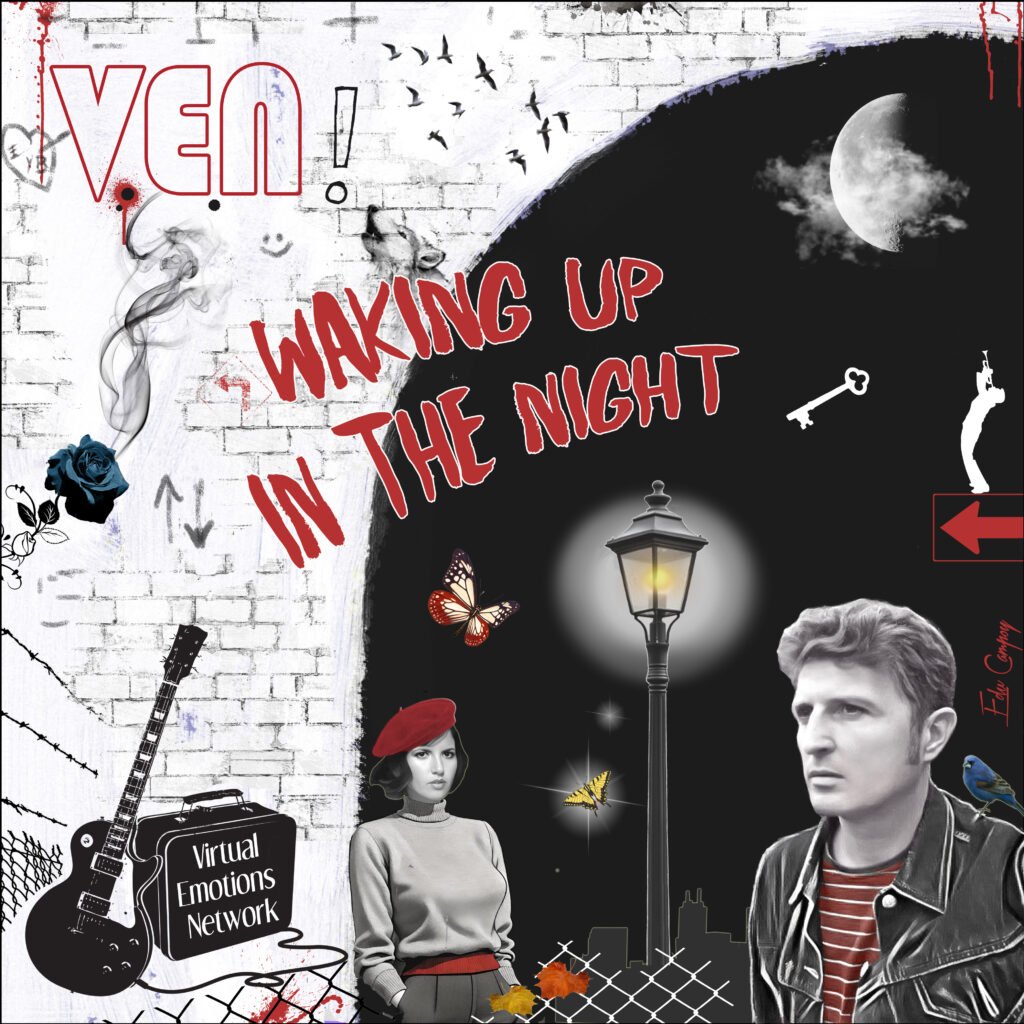
V.E.N! Finds Meaning in the Noise on “Waking Up in the Night”

We all know the feeling of crawling into bed early, closing our eyes and then suddenly remembering all the mistakes we’ve made since 2014. And we’re still awake! Again! This feeling of mental chaos is very particular and Spanish musician Edu Campoy appears to have created the perfect soundtrack for it. Under his solo project V.E.N! (Virtual Emotions Network), Campoy produces power pop and alt rock to rival your own midnight doubts and growing fears of the existential kind. His latest six song EP Waking Up In The Night tackles self-awareness and awakening, the human connection and evolution, and contemplating the beyond. Waking Up In The Night builds on anthemic guitar riffs, has some spacey guitar parts, and lasts for a reasonable 20 minutes. Honestly, I think that’s enough time to contemplate the human condition. We don’t need 90 minutes.  V.E.N! Combines elements of 1960s pop, Britpop, post-punk and alt rock and manages to produce a sound that’s poppy, yet joyfully bizarre. Fuzzy guitars, textured arrangements, and excursions from serenely still to super loud fill this EP with its soul, and there are a few traces of Americana in there, too, harmonizing nicely with the psychologically rich tracks and vivid stories. It’s the song that, more than any other, best exemplifies the way in which Campoy approaches songwriting, and one that most clearly reveals what is hidden beneath the relatively straightforward melodies. Opening with a straightforwardly introductory melody, but with a depth and complexity that reveals its development as you listen, there is something quite different here from your standard guitar-pop compositions. The balance of the writing is almost nervous, placid and placating, yet also frenetic and destructive, and the specifics of the track relate to it being written about a desire to make contact, a song that leaves room for interpretation. Then with “Break The Compass” the focus comes off of connection and onto wandering and finding one’s way alone. The breaking off of the compass conjures the image of leaving the comfort of a guided map, but the pounding alt-rock guitars keep the momentum of the concept advancing. Fittingly a song after “Connection,” it describes the hard road of self-connection. Next we have, The Scared Animal, that dips into darker, more anxious territory about feeling vulnerable and reacting instinctively when under threat. Crossing The Last Valley carries on that feeling, but feels more kinetic, musically. The image that springs to mind is trying to push your way through a difficult period, maintaining the strength to push forward. The two songs add emotion to the record without feeling oppressive. The final two tracks, “Evolution” and “The Home Of The New Man,” reflect this notion of change and renewal. The former deals with the idea of people evolving and getting better, whilst the latter brings the whole record to an end with the simple idea of taking what has gone before and using it to make something new. This makes a good way to finish an EP that has spanned so much grey territory. Campoy proves that true songwriting can exist perfectly well in a world of raucous, energetic music. The guitars are heavy, the melodies are strong and the ambient touches give every tune space to stretch and breathe. Most importantly, the six songs are all cohesive through the wondering they do about inter-personal bonds, impermanence and the desire to bring order to disorder.  Waking Up In The Night is a warm-up to V.E.N! With simple tunes and contemplative concepts. It doesn’t claim to solve any mysteries. What it does is provide a half-hour of energetic music for anyone who has been wide awake at the strike of 12:00am wondering about everything. You’re not alone. I wish I could say the same about sleep. Follow V.E.N! Globe Facebook X-twitter Spotify Soundcloud Bandcamp Youtube Instagram Tiktok Promoted Content About the Author

V.E.N! Finds Meaning in the Noise on “Waking Up in the Night” Read More »

Riri Rose Transforms Obsessively Caffeinating Affection Into Indie Rock Despair in “I Don’t Want That Colour”

Love is meant to add colour to the world. Well, that’s the idea anyways at least. Everything gets brighter, ordinary moments become special and suddenly one person occupies a frankly unreasonable amount of your thoughts. Cute, until they’re occupying so much space that there’s barely any room left for you. What happens when someone else’s presence becomes the colour that paints your entire world? That’s the uncomfortable reality explored by Riri Rose in “I Don’t Want That Colour,” her second single and a preview of her upcoming album. This is an indie-rock song that develops from a seemingly sweet love declaration, but becomes far less than sweet when it begins feasting on your ego. Don’t hear Rose touting a fairy-tale version of love here. Rather, she’s catching us at that breaking point where love becomes obsession and then, soon enough, something destructive. An emotional train-wreck many can relate to, whether it would prefer not to. The colour does most of the work. Usually it is the beautiful colour of hope, passion, and optimism, but not this time. Instead it seems more like an unwelcome companion, an underfoot extra waiting to submerge all the rest. It’s actually a rather clever way to think about love, at least for these few lines. Love doesn’t always have to be something you don’t have, it can be that very thing which pushes other things away and leaves you with a smaller world to live in. This perspective imbues ‘I Don’t Want That Colour’ with more significance than just its main analogy. Rose is influenced not just by her personal life, but by fictional environments such as movies, comics, TV and table-top role playing games. She’s a songwriter who uses songs to help her get her head around what are at times conflicting feelings. Rose is still searching for her sound, but I Don’t Want That Colour hints at the emotional terrain she’s making space for. Love has the power to add colour to the world. But what if that colour’s no longer wanted? What if there’s nowhere left for you? Rose doesn’t have a neat solution; she leaves us perched in that in-between. And sometimes that’s where the best songs take off from. Follow Riri Rose Instagram Spotify Promoted Content About the Author
Riri Rose Transforms Obsessively Caffeinating Affection Into Indie Rock Despair in “I Don’t Want That Colour” Read More »