
Protected: The Marsh Family’s “Christmas Spirit” Finds a Little Joy in a Rather Miserable Year
There is no excerpt because this is a protected post.


There is no excerpt because this is a protected post.
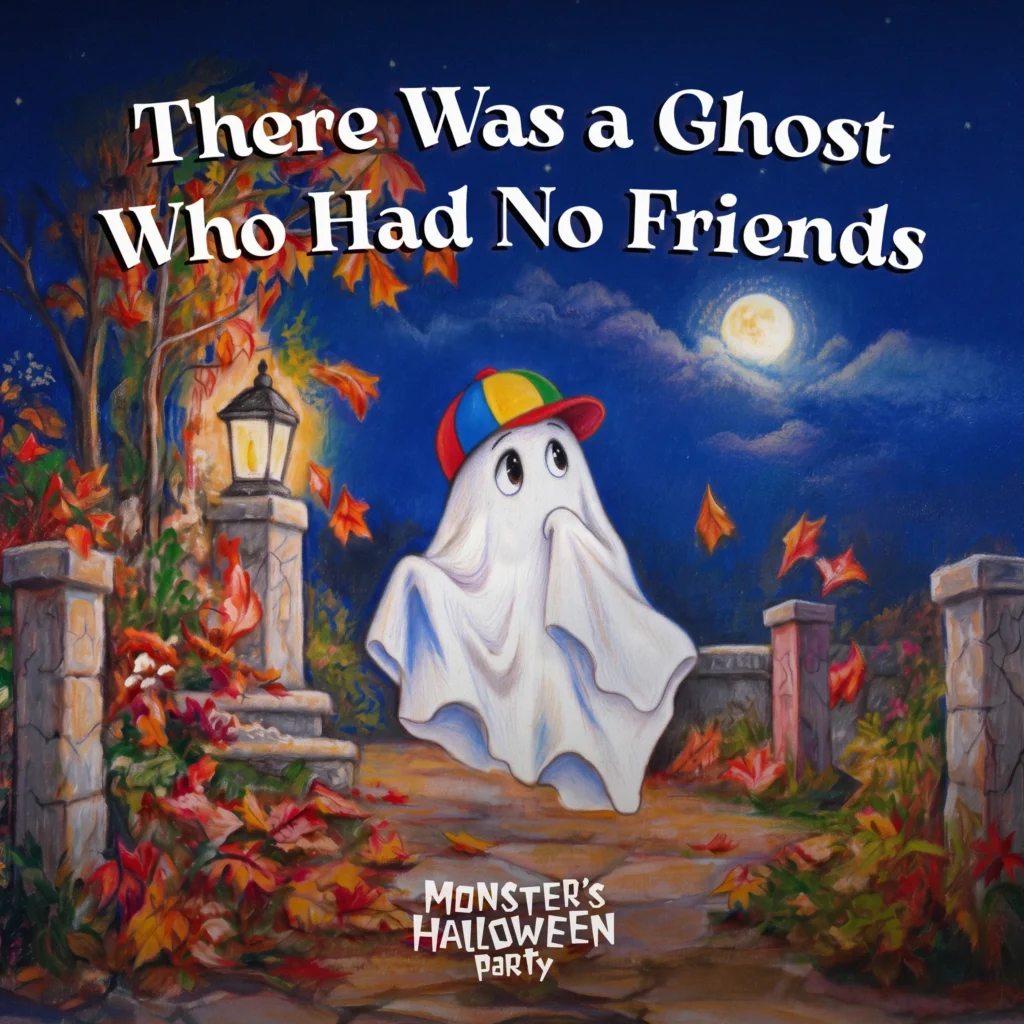
Most ghost songs are just about haunting people, with rattling chains and lurking down dark hallways. You know, the typical ghost stuff. But what if you’re a ghost, and your biggest problem isn’t on- or off-world debt, but simply lack of a social life? That’s the charmingly ridiculous premise behind “There Was a Ghost Who Had No Friends,” an original single from Monster’s Halloween Party. Apparently, even ghosts have to deal with the awkward business of making new friends. Credit: Photo: Manasi Fragoso Released via Inner Splendor Media, the song is an unconventional selection for a Halloween tune. Vidura Barrios and Kento Tachibana wrote and arranged the song to incorporate elements of jazz, big band swing, orchestral pop and cinematic music: a cuter, miniature Broadway production starring a solitary ghost. And it works. The bold, brassy arrangement is lively, theatrical and deliciously “old school” with its swinging groove and sweeping orchestral textures, and a proliferation of musical twists and turns. It ranges from a spooky sense of intrigue to playful teasing to true affection without piling on every single Halloween sound. Credit also goes to Tachibana for the song’s arrangement. With live singing and acoustic instruments, the track feels very natural and original, just as ensemble singing of Barrios, Ollie Parr, Nathan Mulcahy Morgan and Tachibana contribute to the musical-theater atmosphere. Flute, cello, drums and oboe make the song sound fuller. An ambitious combination, yet nobody appears to have had a brawl with the orchestra. That’s where the story of the song lies. A sad ghostly figure looks on as children frolic from a distance. He desperately wants to play with them. He encounters a boy named Danny who understands the feeling of isolation. In an attempt to garner Danny’s interest, the ghost returns some of the boy’s toys. However, he ends up frightening the boy away in the process. If you remember that semi-viral art-meme song of a “ghost choir”, well, imagine that but it’s an actual storyline told like it’s a Rupert Holmes song or something from Edison Lighthouse. “There Was a Ghost Who Had No Friends” is charming, musically ambitious and earnest without becoming overly sentimental. And it reminds us of a crucial truth: the most frightening monster isn’t a creature under your bed; it’s social anxiety. Follow Monster’s Halloween Party Spotify Bandcamp Promoted Content About the Author
Most modern garage rock treats dirt like an aesthetic disguise, piling on tape hiss to mask an absence of actual songs. Madison punk veteran Bobby Hussy understands the inverse truth, proving that a lean, infectious hook hits twice as hard when dragged through damp basement gravel. Fresh off unleashing a record with his noisy garage-punk outfit Wristwatch, Hussy uses Whippets to indulge a different impulse entirely. Rather than relying on blunt-force overdrive, this project leans toward wiry, melody-forward alt-rock that borrows the jittery strut of vintage college radio. Hussy’s vocal delivery on “These Woods” splits the difference between detached smirk and genuine panic, cutting sharply through the rhythm section with dry sneer. “Stick the needle in your nose, writing fiction for the prose,” he deadpans during the opening measures, immediately grounding the song in cynical observation before exploding into a frantic falsetto refrain. Later in the cut, he twists that early confession into a stubborn reckoning, barking, “It is not easy and I cannot relate, I am just trying to clean myself up this way.” The syllables snap off with razor-wire diction, avoiding melodramatic theater in favor of blunt, conversational punch. The spine of the track belongs entirely to a swaggering bassline that drives the entire arrangement across three minutes of relentless forward motion. Recorded with round low-end clarity and just enough scrape to feel dangerous, the four-string motif locks firmly into four-on-the-floor kick patterns and tight hi-hat work. Guitars enter in barbed, staccato strokes rather than thick walls of sludge, leaving ample negative space for the drums to breathe. When distortion to close, boils over in the choruses, the transition feels earned because the rhythm section never slackens its disciplined tempo. Whippets clearly share blood with turn-of-the-century art-punk eccentrics, conjuring the restless, dance-floor-ready agitations of The Dismemberment Plan alongside the sweaty charisma of Les Savy Fav. Where thousands of contemporaries attempt to replicate the classic post-punk revival by purchasing the right chorus pedals, Hussy and his crew rely on rhythm-first mechanics and eccentric vocal geometry. The track dodges nostalgic reenactment by keeping the stakes intimate, framing existential slip-ups as personal comedy rather than global disaster. “These Woods” succeeds on the strength of its economy, clocking in under four minutes without wasting a single measure on ambient filler. By fusing sticky nineties power-pop sensibilities with taut, post-punk rhythmic discipline, Whippets make neurosis feel strangely inviting. It is a razor-sharp opening salvo that proves you can build genuine hooks out of nervous breakdowns. Facebook Spotify Youtube
There’s something quite optimistic about naming a song “LIMITLESS.” It’s a bold promise. You’re essentially telling listeners that the sky isn’t the limit, the universe isn’t the limit, and presumably neither is your Spotify streaming budget. Thankfully, Dutch alternative rock band The Meir aren’t relying entirely on an ambitious title to make their latest single work. Following the international attention surrounding their debut, the band returns with a track that finds them exploring the more expansive side of alternative rock. “LIMITLESS” is built around gradual build-ups, melodic hooks, emotionally charged vocals, and enough instrumental muscle to give everything some actual weight. It’s the sort of song that clearly wants to make you feel something, preferably while staring dramatically out of a car window. Some familiar musical landmarks may be evident. The approach to atmospheres and emotive songwriting could be familiar to Anathema fans who are in luck if they like their material more melodic while there are moments of a more commercially-minded, alternative-rock attack which could recall stuff from Nothing But Thieves. What I like about “LIMITLESS” in this context is the emphasis on the dynamics. The track doesn’t seem to be in a rush to bombard the listeners the moment it kicks off. Instead, it lets the song breathe, providing a contrast between the calmer verses and the larger instrumental break. It’s a simple approach, in fairness, but one that pays off when the songwriting has an understanding of when to control and when to go full power. The vocals are central to that approach. There’s an emotional quality to the delivery that helps give the track its personality, preventing the instrumental arrangements from becoming an elaborate exercise in making guitars sound impressive. And let’s be honest, alternative rock has produced enough bands that mistake adding another layer of distortion for developing a musical identity. The Meir are working within a relatively familiar genre, but there’s nothing inherently wrong with that. Not every band needs to reinvent rock music or introduce an entirely new vocabulary of guitar effects to justify releasing a single. Sometimes writing an engaging song and knowing how to build it properly is perfectly sufficient. As the latest preview of their forthcoming material, “LIMITLESS” suggests a band comfortable with balancing progressive-rock ambition and accessible alternative songwriting. There’s still room for The Meir to establish a more immediately recognizable identity, but the foundations are promising. Ultimately, “LIMITLESS” is an enjoyable introduction to a band with a taste for big melodies and bigger arrangements. Whether The Meir eventually reach the heights suggested by their song title remains to be seen. For now, they’re making a pretty convincing attempt at getting there and it shows their potential being well… limitless. Follow The Meir Globe Facebook X-twitter Spotify Soundcloud Bandcamp Youtube Instagram Tiktok Promoted Content About the Author
“Limitless” by The Meir is Dutch Alternative Rock With Ambitions Bigger Than Its Title Read More »
There is a particular breed of person who hears “I’m not interested” and somehow translates it into “try again next Tuesday.” You know the type. They’re commenting on every Instagram picture, sending texts nobody asked for and behaving like they’re three dates deep into a relationship that exists exclusively in their imagination. It’s exhausting. It’s also apparently a pretty good subject for a pop song. Enter Deja Renee, whose latest single, “Obsession,” takes this wonderfully irritating experience and turns it into a polished pop-R&B number. Rather than writing another song about desperately wanting somebody who doesn’t want you back, Renee flips the situation around. She’s the one being pursued and she’s getting increasingly bored with the whole arrangement. The San Diego singer-songwriter is now exploring a sonic territory that sounds more forward-thinking and radio-friendly than ever. “Obsession” features booming bass, trap-derived hi-hats, catchy hooks and smoggy production. It’s got pretty much everything you could want to just hang in your headphones, without being so much that you would be required to familiarize yourself with the finer details of 21st century R&B. There are a few musical references that could be interpreted here: the punchy, bass-driven production coupled with some of the cheeky vocal styling feels very much like a more minded version of Ariana Grande’s pop-R&B and a hint of Doja Cat appears in the vocal style and by that metric, fans of Adela can also find resonance in that appeal. Not revolutionary, per se, but the combination nonetheless suggests the generic playground that Renee is venturing through: a world of pop music with a little more texture than whatever plug-in was loaded into the DAW. The song’s concept is refreshingly straightforward. According to Renee, “Obsession” concerns a guy who constantly comments on her pictures, sends messages and behaves as though they’re romantically involved despite her making it clear that they’re just friends. It’s not exactly Shakespeare, but then again, Shakespeare probably didn’t have to deal with somebody replying to every Instagram story with heart-eye emojis. What’s particularly enjoyable is how Renee approaches the subject. There’s frustration, certainly, but also a playful confidence that prevents the track from becoming another miserable breakup confession. She’s not heartbroken. She’s annoyed. There’s a difference and pop music could probably use more songs that understand it. Her vocal background helps sell the material. With classical voice and jazz training, an Associate of Arts in Music Performance from MiraCosta College and influences including Ariana Grande, Doja Cat and Tori Kelly, Renee brings technical control and expressive personality to her contemporary sound. “Obsession” continues that progression with a catchy, confident single that demonstrates a more polished side of her artistry. Sometimes a good hook, a heavy bassline and a very clear message are enough. To make an Obsession (2026) joke, this is a great pop-R&B song to tell “nice guys” no… no… no, no, no, nO, NO, NO DON’T DO THAAAAAT. Follow Deja Renee X-twitter Spotify Youtube Instagram Tiktok Promoted Content About the Author
Deja Renee’s “Obsession” Is a Pop-R&B Reminder That No Means No Read More »

There are several bands and artists operating under some variation of the name XX. There’s The xx, the indie-electronic trio responsible for making minimalism sound devastatingly romantic. There’s Jamie xx, who makes dance music for people who look like they’re having an existential crisis on the way to the club. And then there’s XX, the Chicago hard rock outfit that apparently decided subtlety was somebody else’s problem. This is rock XX. No indie-pop melancholy, no tasteful electronic dance interludes. Just guitars, industrial grime and a vocalist who sounds like he has several unresolved arguments with the universe. Released through Pavement Entertainment, Kill This… is the band’s six-track debut EP, bringing together former Diamond Rexx vocalist Nasti XX and guitarist, songwriter and producer Dee J Nelson. It’s a meeting of old-school glam-metal DNA and modern industrial-rock production, with both musicians seemingly interested in finding out how much distortion a song can reasonably withstand before the building inspector gets involved. The Diamond Rexx connection is worth mentioning. The Chicago glam-metal outfit once landed a deal with Island Records and Nasti’s history with the band gives this project a recognizable hard-rock foundation. But Kill This… isn’t particularly interested in recreating the past. But Nelson, known for work on music projects such as Dope as well as The Joy Thieves, instead propels the material in a direction far darker, heavier and more mechanical. This is the moment where the EP finds its personality. Nelson’s playing feels both piercing and mechanical, the riffs coming across less as if he’s distorting his guitar through an amplifier and more as if he’s manufacturing them in some illicit underground factory. Even with all that calculated abrasiveness, the songs maintain enough solidity to prevent it from turning into six practice exercises in making your guitar sound pissed. Nasti’s vocals are another interesting component. His delivery has the theatrical grit you’d expect from someone with glam-metal experience, but there’s a more aggressive edge here. According to Nasti, Nelson pushed him into vocal territory he wouldn’t necessarily have explored himself. That creative tension becomes part of the EP’s identity: familiar ingredients being forced into unfamiliar combinations. The opening title track, “Kill This…,” establishes the mood immediately. It’s an appropriately confrontational introduction, built around muscular guitars and Nasti’s rough-edged vocals. “Get A Life” follows, keeping the momentum moving with the kind of sneering attitude that makes hard rock work when it isn’t taking itself too seriously. Then comes “Hungry Like the Wolf,” arguably the EP’s biggest conversation starter. Covering Duran Duran is already an interesting choice, but XX doesn’t simply slap heavier guitars onto the original and call it a day. The band transforms its new-wave groove into something considerably more sinister. “S.O.S.” and “Throw Me Away” are among the longer tracks, giving Nelson more room to explore the EP’s industrial textures and heavier guitar arrangements. “Stand Up” rounds out the six-track release, helping maintain the project’s forward momentum. At just six songs, Kill This… doesn’t overstay its welcome. Its major appeal is that it sticks to its guns musically: a glam-metal attitude squished into various expressions of industrial rock, alternative metal and punk fury. Though at times the production comes close to being too much and some of the riffs seem too derivative, the duo of Nasti and Nelson find a way to make it all recognizable enough to not be lumped in with another wave of uninspired contemporary hard-rock. Ultimately, Kill This… seems more like a heyday nostalgia trip of Diamond Rexx than it does a we’re-going-elsewhere-in-the-past version of where they’re headed, as it definitely points the way of things to come toward a much more grotesque place. It’s loud, abrasive, occasionally ridiculous and clearly having a good time with all three qualities. Follow XX Instagram Spotify Promoted Content About the Author
Glam Metal Gets a Mechanical Makeover on XX’s Kill This… EP Read More »
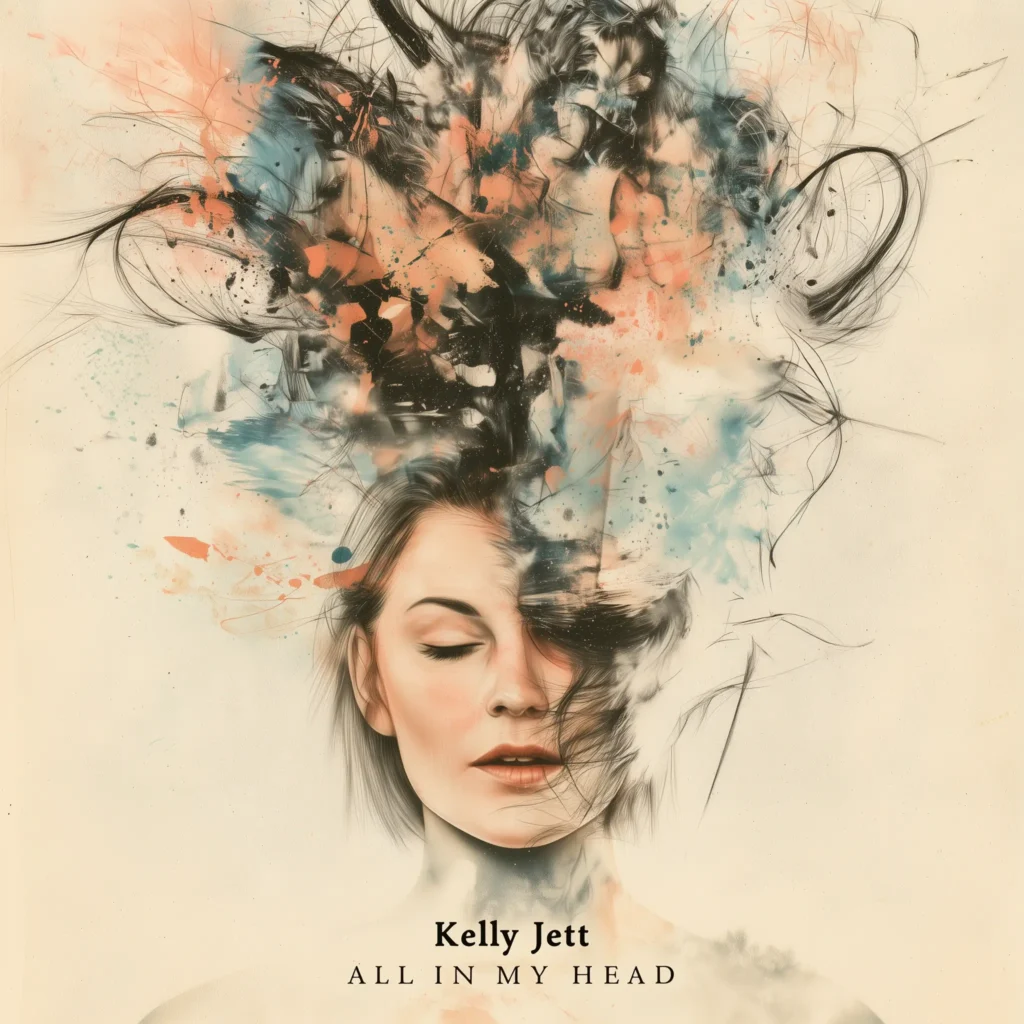
There is no excerpt because this is a protected post.
Protected: Kelly Jett Gets Lost in Her Own Head on “All in My Head” Read More »
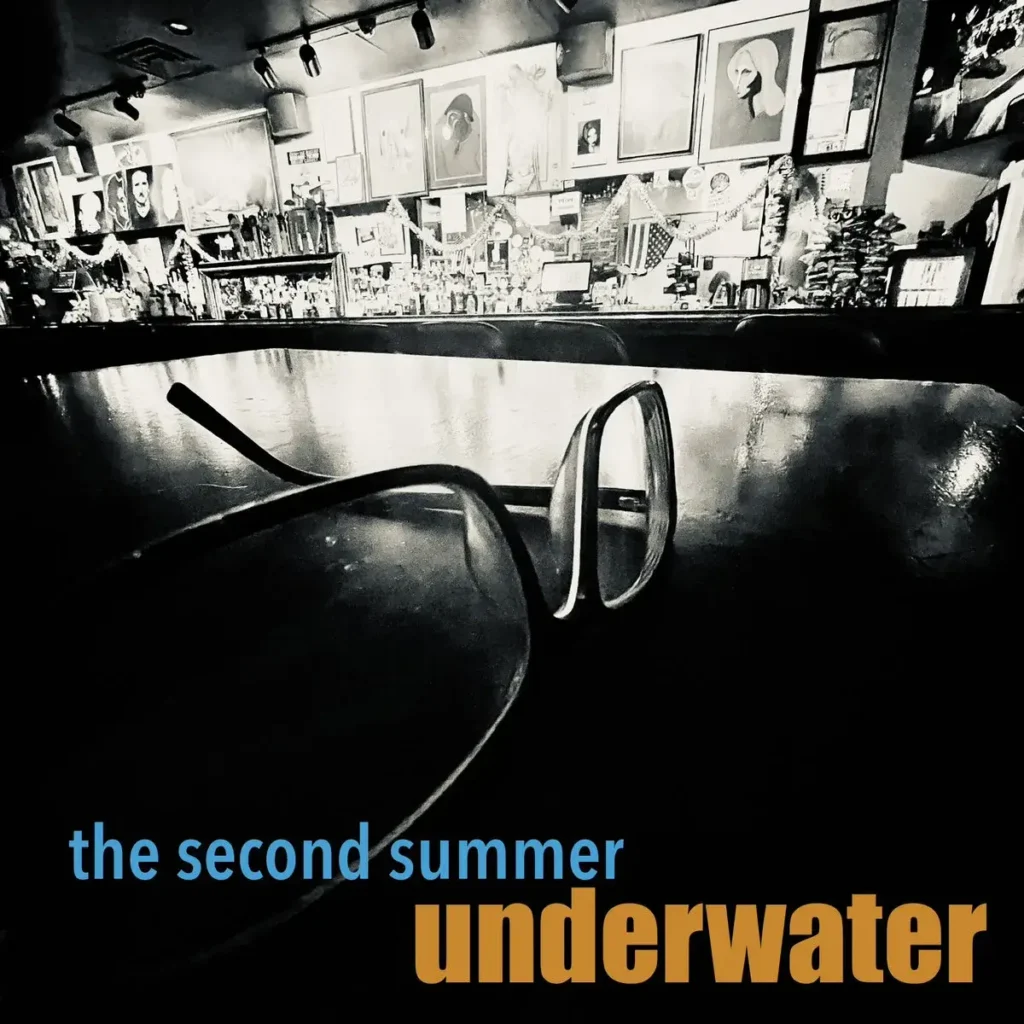
It’s not everyday you get an unbridled energy of rock and the kind of lyrical depth that makes you stop and listen. And somehow, The Second Summer manages to make the two feel inseparable in their latest single, Underwater. Perhaps it’s because the Chicago-based band has such a firm grasp on ’90s college rock and sharpened it with a modern power pop edge. With their live presence making increasingly bigger waves, they have taken that momentum further with this latest release. The track starts with the kind of live-in atmosphere you’d expect from a slice-of-life film. It’s easygoing and light, like a night spent at a neighborhood bar, with conversations running long and the hours slipping by unnoticed. But then the lyrics come and it reveals all the heavy, restless thoughts that get beneath your defenses. It’s particularly compelling how they reward listeners with a richer, more vulnerable side of the song for taking the time to lean in. They don’t lay everything bare from the start, they let the lyrics slowly piece together a portrait of someone struggling to silence their thoughts and make sense of their own unraveling. For all its noise and bite, Underwater makes a pretty good case for rock music that isn’t afraid to wear its vulnerabilities on its sleeve. Follow The Second Summer Spotify Bandcamp Instagram Facebook Icon-music-note Promoted Content About the Author
The Second Summer Has a Few Things to Drown Out in “Underwater” Read More »
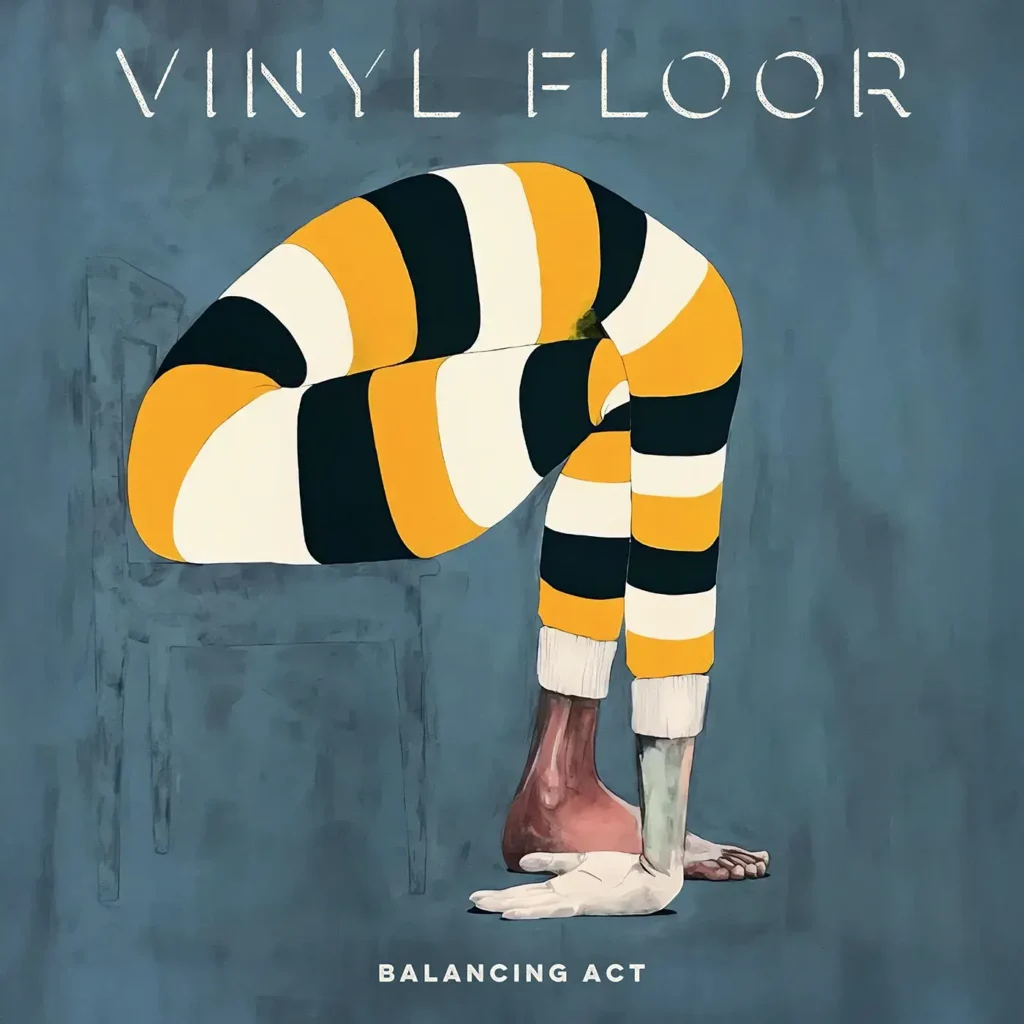
There’s something pleasing about an album that doesn’t feel like it requires four-five minutes of padding before its existence begins to make sense. At a time when some rock acts confuse excess production with risk taking, the Copenhagen brothers Thomas Charlie and Daniel Pedersen (better known as Vinyl Floor) offer a more modest take on their sixth album, Balancing Act. It’s a record guided by melody, mood and careful composition; with a smattering of experimentation that keeps things interesting. And, when necessary, restraint. What began as an 18-year love affair with the sound of those who defined the British pop, alt, prog movement of the 60s and 70s, has blossomed into the duo’s own take on those sounds. Love for the Beatles and their body of musical work is evident, but the band is well aware that love for a band doesn’t necessarily mean you audition to replace them in concert. The opener, “All This And More,” sets a patient tone for the album. Layers of multi-tracked guitars, keys, harmonies, build a thick, almost smoldering, mood. It isn’t instantly grabbing; it earns your listening time. “I’m On The Upside,” takes a different line with prominent guitars, sunny vocals and a persuasive power-pop beat. The influence of the Merseybeat sound is more than apparent but being up-front about that isn’t any kind of insult; a great melody is just that, a great melody. “The Helping Hand” slows the proceedings with a relaxed, mellow vocal over somewhat darker keyboard sounds. However, the emotional heart of the album is saved until the very end, with “Mr. Rubinstein”. Music centred on piano, acoustic guitar and sumptuous string arrangements, “Mr. Rubinstein” is a cinematic study of self-doubt, criticising and all sorts of other wayward artistic insecurities. And there’s even a sense of humour running through the lyrics which ensures the track remains engaging without veering too close to melodramatic. Vinyl Floor takes a lot more risks on “Tell The World It Happened.” With no drums for most of the song and lots of glistening guitars and a steady, driving pulse, the song builds an almost hypnotic tension that at times is reminiscent of Radiohead’s late ’90s experimentation. Instead of rushing to a familiar chorus or heavy payoff, they allow the music to do the heavy lifting. This stands out as one of the most exciting moments on the album, showing the brothers can step outside their comfort zone without retreating from their interesting side. Over there, “Land Of The Desert” ventures into more delicate folk-pop borders, while “Back Of My Hand” builds its melody with additional oriental touches that add an aura of cinematic scope. Those detours are essential. Without those, the album could have ended up being a generous assemblage of relaxing guitar-based songs; and nice is fine, but it gets a bit tiring after 13. Even more electric, fast-paced acoustic power-pop is available on “Puppet Laureate,” but “The Swan Of Eileen Lake” is the slightly more refined choice. Stripped-down voices, wind textures and strings provide an attractive hybrid of folk-jazz and smooth pop. “Adelaide” is a gentle, piano-based character composition that keeps the record’s contemplative mood, if nowhere near as effectively as some of its more punchy neighbours. The punchy, percussion-led “Less Dystopian Book”, however, offers up a more stark contrast with its savagely pointed comments on weariness in the arts and the industry. A good reminder that introspection can be had without soft lights and cardigans. The long “Jacaranda Blossoms” starts out softly with mostly piano lines, then slowly blooms into broad-stroke pop-rock. Its various textures let the Pedersen brothers let loose while balancing the melodies that form the album’s core. The title cut ends the proceedings on a similar mellotron-tinged note, a slow-moving landscape that swirls in stereo panning effects, affirming the core concept of the album: life is inherently a contradiction and at times that’s okay. A few pieces could do with a little more power and some sections don’t always quite make the impact they seem to aim for. But the brothers get the basics of good songwriting, which ultimately is what carries the album. Six records in, Vinyl Floor are at peace with who they are-and thankfully, they aren’t afraid of that or trapped by it. Balancing Act isn’t trying to invent a new form of melodic rock music and really, there’s no need for them to. Instead, they just enjoy how much can be done within a proven vocabulary. If you like British pop, atmospheric alternative rock and really well-crafted melodies, then you’ve come to the right place. A warm, reflective, subtly ambitious album that reveals ever more on each play. To Vinyl Floor, balance is not the absence of contradiction. It’s the way of making something beautiful from it. Follow Vinyl Floor Facebook X-twitter Spotify Soundcloud Bandcamp Youtube Instagram Promoted Content About the Author
Vinyl Floor Find Beauty in Musical Contradictions on “Balancing Act” Read More »
“Anchored by crushed synthesizers and cathartic screams, Junoplast Cave turns self-repudiation into an explosive exercise in Amazonian post-grunge industrial rock.” Now I feel the pressure, but the fear killed me,” Matheus Brevis intones over a skeletal, throbbing synth pulse during the opening moments of That Me. There is an icy, claustrophobic detachment to his delivery that reads less like melodramatic theater and more like an autopsy of former identities. By the time he mutters “I don’t wanna be that me,” the emotional balance tips from numb regret into open revolt. Rather than softening the blow with polite reverb or radio-friendly vocal sheen, the band pushes the close-mic recording right against the listener’s ear, making every low swallow and tense breath register with uncomfortable clarity. When the rhythm explodes at the one-minute mark, the arrangement detonates with the abrasive mechanical crunch of mid-period Nine Inch Nails. Drummer Daniel Pinheiro avoids predictable quantized fills, instead slamming through snappy snare transients and wide open cymbals that leave raw air in the room. Alongside him, Arthur Cunha lays down a thick bed of fuzz-drenched bass, while guitarist Ruann Magno piles on squalling harmonics and detuned analog oscillators. The low end remains dry and authoritative rather than muddy, giving the band enough headroom to make the sudden jump between minimal synth mutterings and screaming walls of noise hit like an iron door swinging shut. The friction sharpens as Brevis pulls back for the second verse, dropping into plainspoken clarity: “That me was not myself / That me was just someone / That me just wanted to be approved.” It is a stark confession about the exhausting performance of social assimilation, stripped of high-concept metaphor. Brevis climbs out of this quiet shame by pushing his voice straight into a ragged, full-throated roar on the subsequent hook. The vocal line does not lean on pitch correction to smooth out the cracks. You hear the physical strain in the cords as he belts against the rising synth feedback, treating the vocal mic like a punchbag. Formed in Belém, Pará in 2019, Junoplast Cave has spent the years following their debut EP, How to Stop Bad Thoughts, shaping an idiosyncratic regional identity out of heavy rock influences. Operating far from the dominant urban music circuits of São Paulo and Rio de Janeiro, the northern Brazilian quartet recently gained attention by capturing live performances on a floating barge in the Amazon basin. Yet rather than indulging in acoustic folk tropes, their kinship with Queens of the Stone Age and Royal Blood proves that heavy riffing can belong just as genuinely to the Amazonian riverways as it does to desert highways or damp rehearsal basements. Clocking in at over five minutes, That Me earns its extended run time through patient dynamic pacing and an unsparing final crescendo that collapses into brooding synth textures. It refuses to settle for the tidy, two-minute algorithmic brevity that dominates contemporary alt-rock playlists. By tethering psychological panic to uncompromised volume and tactile analog muscle, Junoplast Cave proves their sound has teeth, weight, and a perspective that cuts far beyond regional borders. Facebook Spotify Youtube