loader image

New Music

What Makes “The Dawn” By Lloyd’s Money Stand Out Is It’s Not Trying To

Forget the demo-like, DIY edge because Lloyd’s Money has officially stepped out of the basement to make a statement after wrestling with their sound. And what you’ll get isn’t just pop, or surf, or rock, but all three in their six-part EP, The Dawn. Hailing from the shores of Halifax, Lloyd’s Money delivers their professional debut with the help of local producers who have made albums they love. The band have finally found the middle ground in pop punk and laid back surf rock that’s carefree, youthful, and vibrant all at once.  Your Steps II is a rework of the band’s first single. Right from the first riff, it’s already screaming failed romance disguised in pop punkish layers. After the intro, the track cuts through with their live wire energy, unveiling the dangly, crunchy guitars and its carefree rhythm. Despite its liveliness, there’s a restless edge from the vocals which keeps the momentum forward and lived in.  Radio comes in with its fast and loud energy, trying to drown out the skittering pressure of staying young and cool and carefree as a musician hitting 25. It’s like the band is collectively saying, “the eyes that used to look at me are now looking at someone else so I’ll just play something out loud to hide this burnout”. It’s short, upbeat, like the exact song you’d play blast at your old bluetooth speaker for a cathartic release.  I didn’t know a bunch of dudes in the scene could come up with something so respectfully romantic but here’s their lead single that sticks and slaps. Seahorse girl will make you want to get lost in the pit while pressed close with a stranger you’ve been seeing for weeks. It’s pure surf rock. No ego, no pride, just a straight up love for women who makes live shows alive and thriving.  If you could summarize situationships in one track, it’s going to be Flowers. It’s messy, bittersweet, and tangled all at once. Not even the jangly guitars and punchy percussion hits could cover up the frustration of standing in the middle of something and nothing at all.  Jo’s Interlude and The Dawn is a shift from their usual sound. Despite it being a classic break up ballad, their songwriting and evocative arrangement sets the track apart. The way it’s not even evident that this is a new sound to the band shows their versatility, ending the EP on a strong note. What makes Lloyd’s Money stand out is they’re not trying to be. Instead, you’ll get personality and intentional lyricism that makes something mere and trivial so interesting. It’s the type of curation that hits not because it’s hyped, loud, or complex, but because it’s genuinely great. It’s like the work of a band who have incorporated everything they’ve ever learned and loved into a collection that feels familiar yet new. And honestly? It works. No overthinking, no hesitations, just pure instinct as a hook.  Follow Lloyd’s Money Instagram Spotify Promoted Content About the Author

What Makes “The Dawn” By Lloyd’s Money Stand Out Is It’s Not Trying To Read More »

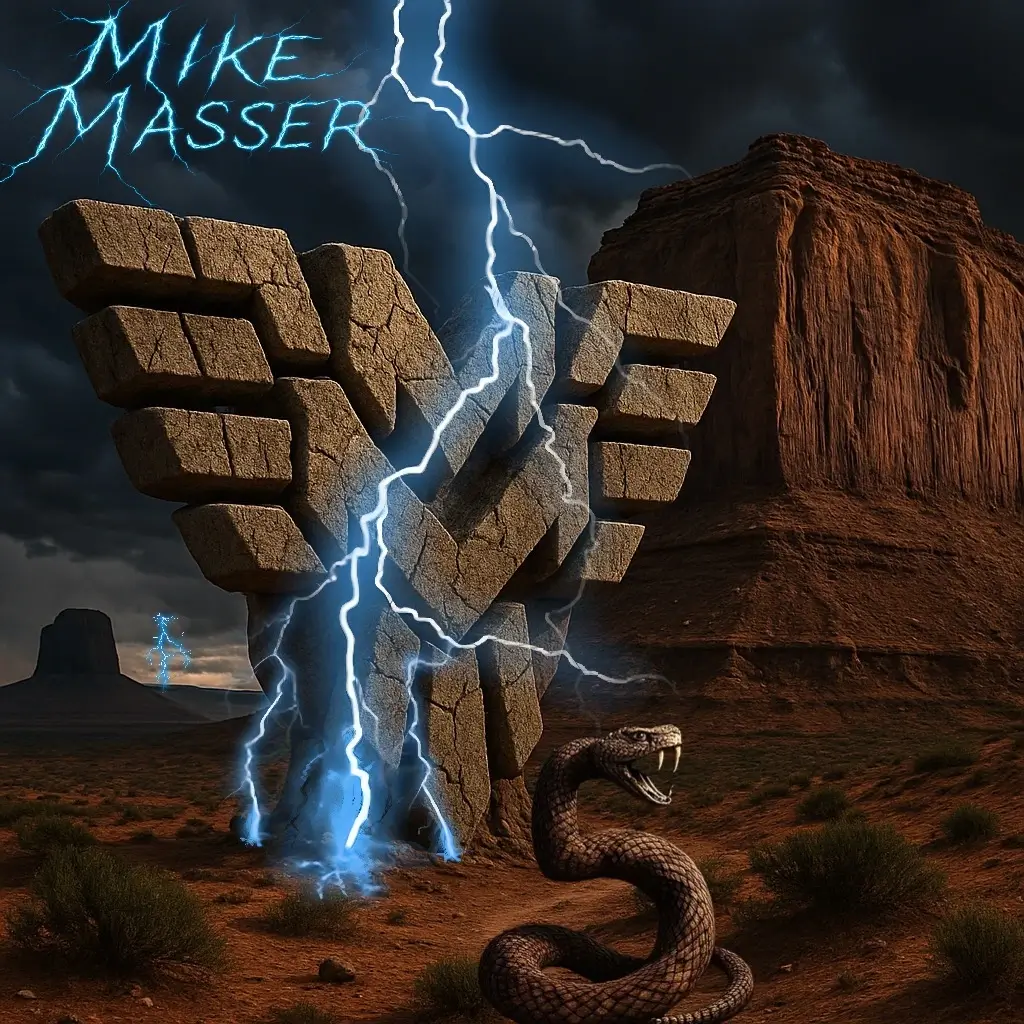
Mike Masser’s 5 Is Volatile, Cathartic, and Often Uncomfortable; That’s Why It Matters

After four years away, Mike Masser is back, and apparently the man didn’t spend that time crocheting or birdwatching. No, he made 5, an album that opens the door by kicking it clean off the hinges. This isn’t a polite return to the scene. It’s the kind of record that stomps into your living room, drinks all your whiskey, and dares you to say something about it. Now, calling your album 5 is bold. It’s your fifth album, obviously, but it’s also a statement. Like saying: “Yes, I know numbers exist, and I will be using one.” Most bands, when they hit number five, either do something self-indulgent and bloated or they panic and release a Greatest Hits. Masser does neither. Instead, he takes the number and smashes it into the ground until it sparks. 5 isn’t reflective; it’s aggressive, like a weapon forged from grief, rage, and riffs heavy enough to crack pavement. And this is where Masser has always been a bit sneaky. People think of him as “the loud guy,” the dude who plugs his guitar straight into a volcano and calls it tone. Which, fair. But underneath all that noise is a surprising amount of vulnerability. That duality is what defines 5. You get the riffs that could bulldoze a small village, but you also get songs that feel like they were written at 3 a.m. when the weight of the world is pressing down. This is music that isn’t just loud; it’s lived in. The album kicks off with “Wolves in the Whiskey.” And yes, that is exactly as over-the-top as it sounds. Imagine Van Halen but someone fed them an entire crate of absinthe and told them to soundtrack The Crow. It’s theatrical, it’s gothic, it’s ridiculous, and it absolutely rules. It’s the kind of opener that doesn’t ease you in, it just throws you onto a motorcycle at midnight and hopes you know how to drive. Then comes “Silence Speaks.” Spoiler: it doesn’t. It screams. It growls. It chews through riffs like a woodchipper. This is Masser in “teeth bared” mode, closer in spirit to modern hard rock acts like Grandson, except with less subtlety and more desire to punch the drywall. It’s one of those tracks that makes you want to stand in the rain and shout at a passing train for no reason. “Twilight Zone” is where things get cinematic. It starts with bursts of radio chatter, which is a bold move because that usually makes me think of airports, but Masser sells it. The song unfolds like a fever-dream road trip, equal parts grit and gasoline. It’s relentless, propulsive, and almost feels illegal to play at normal volume. This is the one you throw on while flooring it down an empty highway at night, and yes, it will make you feel cooler than you actually are. But Masser knows that an album of pure wall-to-wall heaviness can start to feel like being repeatedly hit with a frying pan. So he gives us “Don’t Follow.” Stripped-down, drenched in reverb, and haunting as hell, it’s the quietest song on the record, and somehow also one of the most devastating. It’s the musical equivalent of someone who’s been yelling suddenly whispering, and you lean in closer because it matters more. Finally, “Morning After You.” And here’s where the gloves come off, not in anger but in grief. This song is a tribute to Masser’s late best friend, and it’s as delicate as Simon & Garfunkel wandering into a haunted house. The tenderness is almost uncomfortable, because it feels too real; like we shouldn’t be listening, but we are, and it hurts. The closing piano doesn’t resolve; it just lingers, like absence does. The album doesn’t end with fireworks. It ends with a ghost. So what do we have here? 5 isn’t just another collection of loud noises for people who think Marshall stacks are personality traits. It’s a survival record. It’s about silence, loss, and what happens when you turn grief into electricity. Yes, the guitars scream. Yes, the drums pound. But what sticks with you are the gaps, the reverb hanging in the air, the quiet acoustic moments, the piano fading into nothing. And here’s the thing: it works because it’s unarmored. Masser doesn’t try to hide behind distortion. His riffs bleed. His voice cracks. The whole record feels jagged and human, which makes it heavier than any studio polish ever could. So no, 5 is not a “safe” album. It’s not the kind of thing you throw on in the background while folding laundry unless you want to fold your laundry angrily. It’s volatile, cathartic, and often uncomfortable; that’s why it matters. Masser hasn’t made something you’ll half-listen to while scrolling your phone. He’s made something that demands attention; something that punches, but also trembles. In short: 5 is what happens when an artist doesn’t come back to reclaim the past but to burn it down.     Follow Mike Masser Globe Facebook Twitter Spotify Soundcloud Youtube Instagram Promoted Content About the Author

Mike Masser’s 5 Is Volatile, Cathartic, and Often Uncomfortable; That’s Why It Matters Read More »

Skip Overcrowded Clubs for a Dance Hall Nostalgia with The New Citizen Kane’s “CAUSING A COMMOTION”

If you’ve ever missed the times when music used to be fun, carefree, and simply present, The New Citizen Kane brings that spirit back with a nostalgic, dance hall-ready EP CAUSING A COMMOTION. Kane Luke, known as The New Citizen Kane, is a singer-songwriter, producer, and visual artist from England. His works not only reflect pure talent but also years of experience from honing his craft—a cinematic and immersive storytelling coming alive in this EP. It’s hard not to vibe with Subconscious. And it’s not something you’ll hear in overcrowded clubs with boring, repetitive playlists, it’s the one playing at a random dance hall in your town with a wider floor for you to move.  Lyrically, it feels like concealed thoughts coming out from overflowing feelings—something forbidden yet you feel like giving in. And the best part? This track has three versions. If the Reason Radio Mix is groovy, the Primordial Radio Mix is intense with a lot more drama into it, while the Eastern Sunrise Mix rides on sunkissed beats on the desert—play whichever the situation calls for.  Bubble Gum Hot feels like exactly its name with a phenomenal intro. Kane really knows how to make a track that feels catchy and alive. It’s fun, playful, yet there’s a bittersweet current forming beneath its lively synths and rhythmic beats. The chorus is highly infectious but enough to pinch your heart a little bit.  Flirtatious and seductive tracks don’t always need sensual beats and sultry melodies to hit, Causing A Commotion does it with energetic flair and irresistible rhythm. And despite it being suggestive, there’s depth into it. It’s like dancing in a 90s nightclub with your hormones high as the alcohol starts to mess with your head—bold, provocative, and definitely not a slow burn.  You’ll have no choice but to dance with Ratbag Joy from its bouncy, bright beats. But there’s more to its radiant arrangement once you lean closer. The layers cover up the fleeting, hollow escapes just to feel something, yet at the end of the day, leaves you empty. With CAUSING A COMMOTION, The New Citizen Kane really established a mood that never lacks depth. The layers and textures never rinses out his sharp and compelling songwriting, balancing tension and release that often gets overlooked. It’s like a reimagined palette of the 90s’ hypnotic rhythms, ethereal tones fit for that late-summer dance hall nostalgia. Follow The New Citizen Kane Globe Facebook X-twitter Spotify Soundcloud Youtube Instagram Tiktok Promoted Content About the Author

Skip Overcrowded Clubs for a Dance Hall Nostalgia with The New Citizen Kane’s “CAUSING A COMMOTION” Read More »

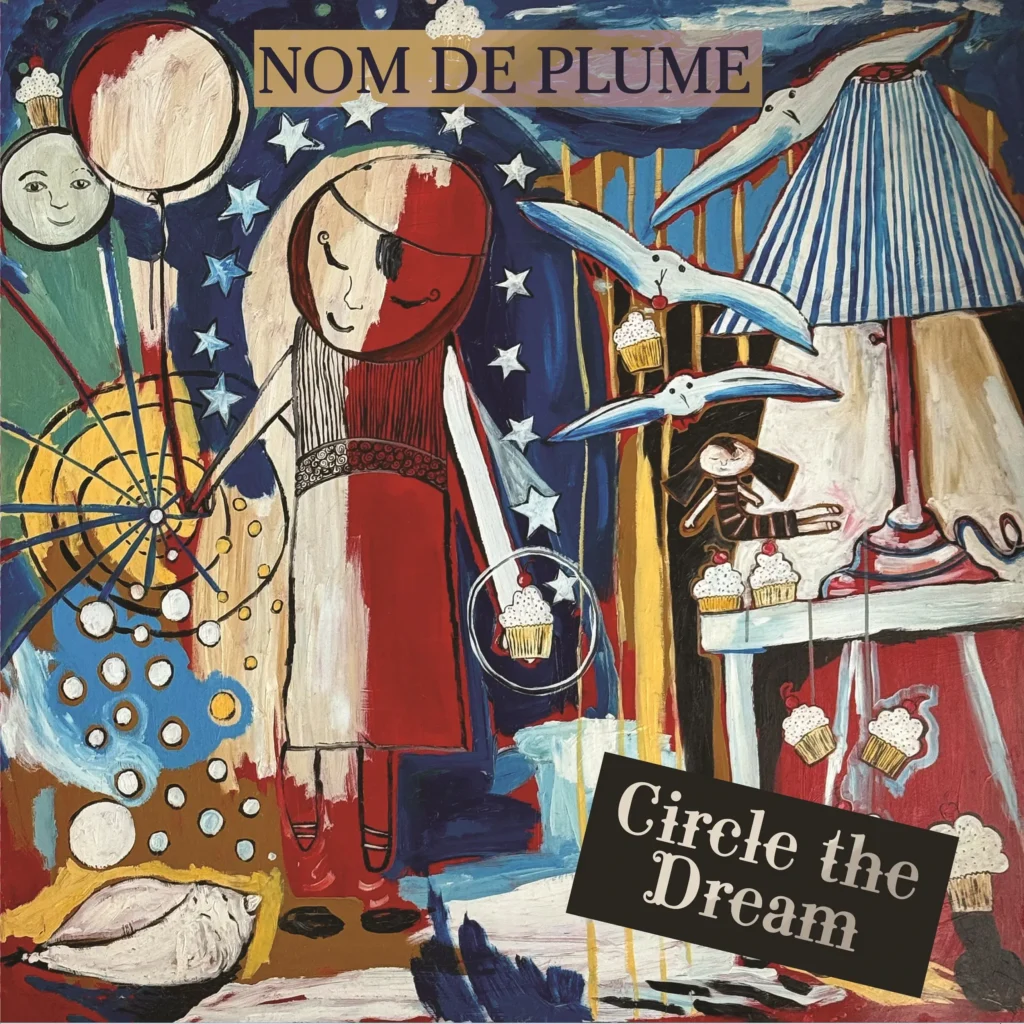
Circle the Dream Shows Nom de Plume Truly Comfortable With Restlessness Itself

There’s something inherently funny about an album trying to be both sprawling and intimate. Like, imagine someone handing you a shoebox filled with postcards and saying, “This is the Odyssey.” That’s Circle the Dream. It wants to be a folk record, a prog record, and a diary all at once, and instead of collapsing under that ambition, it just… pulls it off. Somehow. The first track, “While My Eyes Gently Weep,” sets the tone by immediately refusing to be the kind of opener you’d expect. No grand overture, no quick, catchy single to pull in Spotify algorithm goblins. Instead, it’s this Flaming Lips-adjacent, psych-folk dirge that sounds like the walls are breathing with you. The bass thuds along like a tired heart, the vocals sound like they’re trying to crawl out of their own throat, and then there’s this piano guest appearance that feels like someone drifting in from another room to mutter a prophecy. It’s not just bold; it’s the band telling you, “If you wanted background music for studying, you’ve made a terrible mistake.” Then comes “Circle the Dream,” the title track. It’s prettier, yes, with violin sighs and acoustic strums that sound like they’re trying to remember springtime, but it’s not less conflicted. The lyrics basically boil down to: “What if your dream is both worth everything and also not real?” which is an annoying thing to think about while, say, doing laundry, but that’s the trick here. This band writes music you can’t just passively absorb—it actively throws your anxieties back at you, dressed up in gorgeous instrumentation. “The Shadow” is the closest this album gets to being “cinematic,” which here means it sounds like the kind of song that would play in a prestige drama right after the protagonist realizes their ideals are incompatible with capitalism. It’s moody, piano-heavy, slightly Coldplay-ish—but not Coldplay the stadium band, Coldplay the “we’re going through something, please buy the deluxe edition” era. There’s a reason it’s the single. It sounds expensive in a way that’s not actually expensive, which is probably the best compliment you can give indie rock. The middle of the album is where things start getting pastoral, and if that sounds like a euphemism for “boring,” it’s not. “Once a Time of May” feels like a broken campfire song: all warm harmonies, but with an undercurrent of melancholy that makes you think, “Oh, someone died.” Immediately after, “We’re All Like That” arrives like its hyperactive sibling, shaking you and insisting life is worth living if you clap along hard enough. It’s absurdly upbeat to a point it sounds suspicious but it works. The juxtaposition makes both songs land harder, like emotional whiplash but intentional. “Do Like I Told You” strips it all back, and here’s where the band shows off restraint. No swelling strings, no wall of sound, just a quiet acoustic lament that could pass for The Paper Kites if The Paper Kites had a meaner older cousin. It feels like an interlude, but it lingers, sneaking up on you long after it’s done. And then there’s “Daylight.” Under two minutes, jangly guitars, birds chirping. It feels like a joke at first; like they ran out of ideas and just decided to record outside. But no, it’s deliberate. The whole album builds this world of tension, doubt, and yearning, and instead of giving you resolution, it leaves you staring at the sky, slightly annoyed but oddly at peace. It’s not closure; it’s a shrug. And sometimes a shrug is the bravest ending possible. Taken together, Circle the Dream is less an album and more an argument: that it’s okay for music to wander, to contradict itself, to be messy and unresolved. The instrumentation featuring violins and pedal steel never feels like garnish. It’s used with intent, shading each track with emotional specificity instead of flexing technical skill. It’s the opposite of perfectionist pop polish; it’s music that creaks when you lean on it, which makes it feel alive. Lyrically, the themes hover around longing and resilience, but not in the Instagram-inspirational sense. This isn’t “keep going, champ!” resilience. It’s the gritted teeth kind, the survival instinct that kicks in when you’re not sure what else to do. Even the more joyful tracks carry the sense that joy is fleeting, precarious, worth treasuring because it could vanish. And maybe that’s why this record works as well as it does. It’s not trying to sell you a mood. It’s trying to sit with you in your mess, to offer company rather than answers. That’s rarer than it should be. Nom De Plume has always been a band in motion, but Circle The Dream shows Nom De Plume truly comfortable with restlessness itself. For longtime listeners, it’s an evolution: the sound is bigger, weirder, braver. For new listeners, it’s a surprisingly welcoming entry point, provided you’re willing to let an album tell you, repeatedly, that dreams are complicated and probably unattainable.  Follow Nom De Plume Globe Facebook Spotify Youtube Instagram Icon-tiktok Twitter Promoted Content About the Author

Circle the Dream Shows Nom de Plume Truly Comfortable With Restlessness Itself Read More »

Nate G Cultivates on Me Myself I, a Self-Produced Dive Into Solitude, Self-Awareness, and the Unbearable Tightness of Being Alone With Your Own Thoughts for More Than Five Minutes

Imagine locking yourself in a dimly lit room. Not for dramatic effect, but because it’s 3AM and turning on the light feels like too much responsibility. That’s the emotional ecosystem Nate G cultivates on me myself i, a self-produced dive into solitude, self-awareness, and the unbearable tightness of being alone with your own thoughts for more than five minutes. While the world outside demands more content, more performance, more brand synergy… Nate G has quietly opted out. What he’s made instead is the sonic equivalent of staring at the ceiling and realizing you might actually need to feel your feelings. The title me myself i is both redundant and entirely appropriate. It’s not just about being alone; it’s about being too alone. The kind of alone where your inner monologue starts editorializing your day like a sad podcast no one subscribed to. Nate G captures that inner dissonance perfectly: the moments where isolation becomes reflection, and reflection turns into emotional freefall. What makes me myself i work is that it doesn’t feel like a pastiche. Nate G isn’t borrowing aesthetics; he’s metabolizing them. Lo-fi hip hop, alt-R&B, sadboy SoundCloud minimalism, it’s all digested into something strangely intimate, like overhearing someone’s therapy session through a wall made of analog synths. “Bringing Up My Past” is the album’s emotional nucleus: its thesis statement, its confessional booth, and probably the song most likely to catch you spiraling. It doesn’t so much start as hover, like a half-remembered conversation that never quite stops echoing. The beat is minimal, almost brittle; built around a lo-fi loop that sounds deliberately unfinished, like a memory you’re afraid to look at directly. There’s no hook, no dramatic buildup; just a slow unraveling. Nate G spirals through verses like someone trying to describe a nightmare mid-panic attack. The lyrics land somewhere between emotional processing and passive rumination. You keep expecting something to catch you, but the track refuses to offer comfort. And that refusal? Weirdly honest. There’s a kind of breathless vulnerability baked into every line, like Nate’s trying to outrun his own anxiety and not quite making it. The lo-fi aesthetic isn’t a trend here; it’s a narrative tool. Bringing Up My Past doesn’t want to be polished or profound. It wants to be real. And sometimes real means ugly-crying over a dusty hard drive beat from 2012. Then there’s “Shine Bright”, the album’s most gentle offering, delivered in a whisper instead of a shout. If Bringing Up My Past is the emotional storm, Shine Bright is the quiet moment after, when your thoughts finally exhale. The production is spacious, with ambient textures and soft piano trickles that make the whole thing feel like emotional architecture, with delicate, open, unfinished in the best way. Nate’s vocals are hushed, like he’s speaking directly to the version of you that doesn’t believe in yourself. He’s not trying to convince you with grand gestures; he’s reminding you softly, repeatedly. Shine Bright doesn’t end in triumph. It ends in continuation. Not the victory of overcoming your demons, but the quiet act of living with them. In an era obsessed with glow-ups, emotional closure, and algorithmic self-care, that kind of ongoing-ness feels quietly radical. What’s remarkable is that it never tips into corniness. There’s no self-help cliché, no forced optimism. Just a gentle insistence that maybe, possibly, it’s okay to keep going. Taken together, these two songs define me myself i’s emotional spectrum: one rooted in chaos, the other in cautious compassion.  And that’s the thing: this isn’t music that begs for virality. It’s music that stays. The kind you put on at night not to escape, but to feel seen. Every track feels like it was recorded at 3AM on the last 2% of a dying laptop battery. That’s not a dig. Rather, it’s a feature. The lo-fi production isn’t some stylistic wink; it’s a cry for help that just happens to slap. hail · FILHOS DE JORGE – ZIRIGUIDUM REMIX DJ BALDOMERO (CLIPE OFICIAL) Yiri Yiri Boum There are no guests, no algorithm-baiting beats, no PR-ready soundbites. It’s just one guy in a room, trying to process what it means to be that guy in that room. And that’s what makes me myself i such a quietly devastating listen. It’s not trying to be important. It just is. This isn’t a statement album. It’s a survival album. The kind of record that won’t top charts but might top your personal playlists when everything feels like too much. Nate G isn’t selling catharsis. He’s documenting the attempt… and that might be the most honest thing a musician can do right now. Follow Nate G Globe Instagram Tiktok Soundcloud Promoted Content About the Author

Nate G Cultivates on Me Myself I, a Self-Produced Dive Into Solitude, Self-Awareness, and the Unbearable Tightness of Being Alone With Your Own Thoughts for More Than Five Minutes Read More »

Leazes’ “Melissa In Action” Is A Late Summer Drive With No Destination In Mind

It only needs jangly guitars, pounding drum hits, and stimulating vocals to spark an ignition of late teenage summer. And when it hits you, it’s impossible to ignore. Leazes overflows with that unfiltered energy in their latest single, “Melissa In Action”. Hailing from the UK, Leazes have been making waves in the alternative/indie scene since 2024. And it seems like they’ll continue to do it with Melissa In Action, delivering an anthemic, high-energy track that you can’t help but jam along.  Right from the first note, you’ll immediately know there’s never going to be a dull moment in this track. The drums are tight like it’s never going to slow down. The strings have that chiming, bright effect that feels carefree. While the vocals have that reckless, cheeky tone, blazing strongly all throughout. And the result? The feeling of a spontaneous summer drive—riding a vintage car, windows down, and no destination in mind.  Underneath its infectious, high-energy hooks is a fleeting, reckless pursuit of romance. The kind that makes you feel all giddy, kicking your feet at 3AM, while you know yourself it feels too good to last.  Imagine All Time Low and early Arctic Monkeys hanging out, exchanging stories of youthful rebellion and romance, then capturing it raw overnight at the studio? Leazes taps into that vibe, creating a timeless yet fresh sound that sticks into you like glue. Overall, Melissa In Action is coming-of-age, love affair, and recklessness bottled into one nostalgic, lived-in late summer anthem.  Follow Leazes Facebook Spotify Soundcloud Youtube Instagram Tiktok Promoted Content About the Author

Leazes’ “Melissa In Action” Is A Late Summer Drive With No Destination In Mind Read More »

If Music Were Recorded For Authenticity Over Perfection, It Would Be A WOLF LIKE ME’s “Driving With Lilly”

If a song was recorded more for the feeling and authenticity than for perfection, it would’ve been A WOLF LIKE ME’s Driving With Lilly. You’ll get no spectacle, no unnecessary layers, only an embrace to imperfection that’s endlessly replayable. Aaron Reiter’s brainchild, A WOLF LIKE ME is back with the summer’s indie rock anthem Driving With Lilly. After his debut single 4:49, he delivers another grounded, introspective   single to keep you company when the day feels a little bit rougher than usual. The drum hits and fuzzy riffs from the start immediately tells you you’re in for something great, the kind that makes you think, “this will hit different.” Driving With Lilly isn’t meant to fade in the background. Just when you thought it’s going to be a casual listen, you’ll find yourself wanting to get in the car with windows open just to carry through the mess and complexities of living.  What you’ll get isn’t some overreaching, pretentious attempt to impress and perform. Only words carrying this familiar chaos, mess, and heaviness of the everyday—almost poetically laid out from start to finish. The recurring lyric, “driving with Lilly” feels like waves of tension slowly loosening up, anchoring its center theme. And whether Lilly is a person, a routine, or a place, it’s clear that this song itself is an act of keeping sanity.  One thing about A WOLF LIKE ME is he embraces fuzz, noise, and imperfection. He doesn’t just narrate failure, defeats, and the endless chase for relief—he admits these vulnerabilities with a sense of comfort instead of simply whining over it. And the result? An indie rock track in the most human form that’s worth spinning for today’s unpredictable world.  Follow A WOLF LIKE ME Instagram Facebook Spotify Promoted Content About the Author

If Music Were Recorded For Authenticity Over Perfection, It Would Be A WOLF LIKE ME’s “Driving With Lilly” Read More »

LARJIMAR’s Metro Subterráneo Understands That Melancholy Doesn’t Have to Be Suffocating

LARJIMAR’s Metro Subterráneo is the sort of album that sounds like it should have been just another half-baked SoundCloud experiment. It’s the kind of thing you click on, hear a half-finished beat and some vague crooning, and never return to again. Instead, it lands as a surprisingly coherent, strangely hypnotic project. It takes Afrobeat grooves, drapes them over chill-trap skeletons, sprinkles in late-night melancholy, and never once buckles under the weight of its own ambition. The record doesn’t try to be Take Care or Trapsoul, but it’s definitely orbiting their planets. If anything, it feels like their scrappy cousin; the one who shows up with a simple cover, a half-empty bottle of rum, and more confidence than anyone expected, only to prove they might actually deserve a seat at the table. The debt to the “sad-but-cool” school of R&B-rap is obvious. Drake opened the door, Bryson Tiller smoothed the formula, and PARTYNEXTDOOR occasionally wandered in when awake enough to write a hook. But where those artists often stumble, Metro Subterráneo thrives on looseness. It lets the beats breathe. The vocals don’t force gravitas, and the songwriting often feels as though it was half-improvised in the moment. But instead of sinking the project, that lack of polish is what gives it its charm. The opener, Looking Back, makes the blueprint clear. Built on woozy chords and hushed delivery, it’s basically Bryson Tiller 101: late-night introspection, minor keys, and a hook that could double as an Instagram caption. Yet LARJIMAR resists the temptation to oversell. Tiller has a habit of reaching for climactic vocal runs that strain against the production, while LARJIMAR rides the track with a sort of studied nonchalance. The effect is smoother, almost effortless, as if the song doesn’t need to prove its emotional weight, it just settles into it. That mood expands on In My Feels (I Get), a track that could almost pass as a lost cousin of Drake’s Marvins Room. Where Drake makes heartbreak cinematic, stretching vulnerability into melodrama, LARJIMAR lets it drift. The song feels humid, slightly blurred at the edges, like a subway car fogged up after a rainstorm. It’s messy, but in the way late-night honesty usually is, and it works because it doesn’t strain for your sympathy. It lets the listener sit in the haze. Then comes Take My Time, the album’s most obvious flirtation with PARTYNEXTDOOR’s brand of lethargic cool. The vocals barely rise above a murmur, the lyrics wander without urgency, and the beat hovers just above collapse. It’s the kind of track that would feel disposable in lesser hands, but here the looseness feels purposeful. What keeps it alive is the subtle Afrobeat percussion laced beneath the trap drums, giving the whole thing a pulse PARTYNEXTDOOR often struggles to sustain. It’s the difference between vibing alone in a Toronto condo and vibing with friends on a Brooklyn rooftop where the heat radiates off the bricks. Another highlight comes in Ferrocarril Samaná. This is where LARJIMAR’s Caribbean influences announce themselves fully. The track resists the moodiness of the opener in favor of celebratory, almost playful rhythms. It’s not just a genre detour; it’s a statement of identity. Too much of contemporary moody R&B risks blending into Toronto’s gray, monochrome aesthetic. Here, LARJIMAR asserts color, rhythm, and warmth; the parts of his musical DNA that keep Metro Subterráneo from being derivative. If that track is the pivot, Booze Hit is the release. It’s the record’s purest party song, the kind PARTYNEXTDOOR has attempted repeatedly and rarely delivered. LARJIMAR succeeds precisely because he doesn’t overcomplicate it. The beat is reckless, the vocal energy infectious, and the whole thing feels like a sweaty room at 3 a.m. when no one’s thinking about the morning after. It’s a reminder that for all its introspection, Metro Subterráneo isn’t afraid to just have fun. But the momentum is balanced by Ojos Mírame, a sharp swing back into intimacy. Structurally, it mirrors the Drake/Tiller cycle: deliver the banger, then pull the listener back into confessional space. Unlike Drake, though, LARJIMAR doesn’t inflate the intimacy into high drama. The track’s strength lies in restraint; a hushed delivery, minimal production, and enough space for silence to matter. Finally, the record closes with Electrified Rail, an unexpected drill experiment. On paper, this shouldn’t work. Drake has been trying for years to graft his persona onto UK drill rhythms, usually with the awkwardness of an actor trying to master an accent on set. LARJIMAR simply drops the beat in without ceremony, and somehow it clicks. The aggression feels earned, a final jolt after the record’s emotional oscillations. It’s chaotic, but it ties into the album’s central metaphor of an underground ride: unpredictable, jolting, yet carrying you forward. As a whole, Metro Subterráneo resists the temptation to over-polish. The casual, freestyled vibe sometimes veers into “maybe write a second draft” territory, but it never breaks the flow. What keeps it intact is a sense of self-awareness. LARJIMAR knows his lane: not trying to outsing Tiller, out-vibe PARTYNEXTDOOR, or out-grandstand Drake, but instead carving out a space where all those influences blend with his own cultural grounding. The result is a project that feels both derivative and distinct, stitched together by taste and personality. In the end, LARJIMAR’s Metro Subterráneo captures something that too many artists in this lane miss. It understands that melancholy doesn’t have to be suffocating, that party tracks don’t need to be overproduced, and that influences don’t need to be disguised to feel authentic. It’s Afrobeat underpinnings, chill-trap atmosphere, Bryson Tiller coolness, PARTYNEXTDOOR looseness, and Drake’s melodrama stripped down to its bare essentials, but it’s also unmistakably LARJIMAR. That combination, unlikely as it sounds, makes the record not only listenable but surprisingly compelling.  Follow LARJIMAR X-twitter Spotify Soundcloud Youtube Instagram Tiktok Promoted Content About the Author


LARJIMAR’s Metro Subterráneo Understands That Melancholy Doesn’t Have to Be Suffocating Read More »

Michellar’s “September” is a Soft Farewell to Changing Seasons

Days growing shorter, flowers withering away, and the warmth of summer fading slowly. This is how Michellar sings a farewell from one season to another with a stand-out track “September”. Recorded in San Francisco with final touches in Staffordshire, Michellar collaborated with Helen Walford to deliver an emotionally rich track for the inevitable unfolding of time. September starts with ambient piano motifs and gentle guitar picking. It drizzles lightly like rain, gently touching everything it lands into. The vocals enter with soft and delicate hold, as the words are delivered in a warm and intimate note. It’s not the type of song that reaches a climax but rather sitting still, like a quiet recollection of the past and changing seasons.  While everyone sings about intense emotions and mental overload, Michellar offers a serene alternative – a reflection that creates space to pause and reminisce. Instead of making your heart race, the track wants you to simply feel the nostalgia from moments that passed.  Michellar’s September is a soft farewell. Bidding goodbye to the sun-soaked memories while welcoming the start of a cool breeze. It recognizes the closing of a chapter all while welcoming the start of another – that even in endings, there will always be a space for hope and growth. If you want your music nostalgic and sentimental, add this to your too-soft-for-this playlist.  Follow Michellar Globe Soundcloud Bandcamp Instagram Facebook Spotify Promoted Content About the Author

Michellar’s “September” is a Soft Farewell to Changing Seasons Read More »

Codemachia’s “Gladius Æternus” Is Not Just A Concept, It’s A Vision

Do you ever wonder what happens when a musician perfectly executes an idea into an art? Like it just leaves you in awe, wondering how it’s possible to turn a mere idea into something so vast, grand, and epic? Codemachia’s Gladius Æternus is the exact manifestation of that. Gladius Æternus is more than an album, it’s an experience—and a really good one. And the catch? All 14 tracks are not just a concept, it feels closer to a vision. It’s the type of curation that gives you exceptional storytelling, like opening up a portal of another universe, then seeing the future of the one you’re living in.  Awakening in the Ashes is not just an opening track, it’s an ignition. Not with heavy, booming sounds, but with the dramatic strokes on the strings. At first, the bow glides like it’s slowly triggering the spark with its fluidity. It then leads to more haunting, powerful strokes, accompanied by beats that charge forward.  Astou’s First Fall ties you in with unsettling layers of instruments. While the vocals carry that light, airy sound into it, there’s a brooding heaviness forming underneath, enough to pull you in and catch you off guard. After whatever this track established, Dance of Broken Circuits quickly swept it away. It barges in through electronic, kinetic beats that invite movement.  Poisoned Victory comes in with an orchestral tapestry that is monumental. It goes beyond your ears, lingering all over while sending shivers down your spine. It leaves you a question: are victories truly a victory? Or is it just a glorified term to let you forget that victories come at a price that’s too heavy to bear, and there’s no such thing as winning at all.  Shadow Weaver sounds exactly like its name with a relentless speed. And by speed, it means it. It’s not dizzying but enough to make you feel like you’ve just run for kilometers without stopping. The adrenaline you’ll get from this track is immense, but surprisingly, it’s not overwhelming at all.  The Convergence hooks you in with its evocative intro. And it legit feels like the one that plays as the movie builds towards the climax. It lives up to its name, with layers built on colliding currents from tensioned waves of emotions. The lead single, We are the glitch feels like what would happen if the world turned into a digital dystopia—and no, it’s not the type that simply sings about it, it’s the resistance, the rebellion against it. The vocals started off ethereal, and believe me when I say it sounds like heaven’s gate opening up. The violin slashes and rushes with it, cutting through the noise, making a path for the voice that emerges from above. After that celestial intro, the track builds into a cinematic explosion, intense and urgent like it’s straight from the climax of a movie. One thing about this album is its richness. The way it’s not something you’ll hear everyday makes it more special. Every track carries not just a majestic arrangement but an epic story. Its rebellious energy amplifies its cinematic core, like fighting out a system that hasn’t really existed yet.  It’s very telling why Gladius Æternus is the official soundtrack of a novel that bears the same name. The massive orchestral and electronic drop doesn’t just mirror the novel, it extends its scope while being one with every page.  It’s fair to say that Codemachia has a way of breathing life into an idea. And the growing discography is an indication that everyone should really watch out for more of this exceptional release.  Follow Codemachia Globe Spotify Youtube Instagram Tiktok Promoted Content About the Author

Codemachia’s “Gladius Æternus” Is Not Just A Concept, It’s A Vision Read More »