
loader image

New Music

Nick Pappalardo’s “When I’m With You” Is the Feeling

There is something deeply funny and unexpectedly charming about releasing a song called “When I’m With You” in 2026 and managing to make it feel neither ironic nor exhausted. Because let’s be honest: this is one of the oldest titles in the history of songwriting. Entire civilizations have probably written some variation of when I am in proximity to the person I like, my emotional condition improves dramatically. It is not exactly unexplored territory. And yet Nick Pappalardo somehow walks straight into that minefield and emerges with something that feels refreshingly sincere not because he reinvents the love song. Quite the opposite. He leans directly into it. Written from memories of his early gigging days in Brooklyn and New York City, “When I’m With You” is built around the kind of romantic nostalgia that only really works if the artist sounds completely committed to it. Fortunately, Pappalardo does. This is not detached storytelling or vague emotional suggestion. This is a song very obviously written by someone who had a specific person in mind and decided the best way to process that was to spend two years obsessively sculpting guitar tones around it. Honestly? Fair enough. Credit: Leanne DeMartino That obsessive attention is what gives the track its shape. You can hear it in the layered arrangements, the gradual expansion of the instrumentation, and particularly in the guitars, which arrive coated in chorus and distortion like they’ve been lovingly preserved in amber from the golden age of progressive and arena rock. The influence of players like Eric Johnson, Steve Howe, and Eddie Van Halen is unmistakable; not in the sense that Pappalardo is imitating them, but in the way the guitar feels central to the emotional argument of the song. It doesn’t decorate the feeling. Nick Pappalardo’s “When I’m With You” is the feeling. There’s also something quietly ambitious happening beneath the nostalgia. Midway through production, Pappalardo reportedly changed the song’s key entirely to better match the vocal mood, which is exactly the kind of meticulous, mildly obsessive creative decision that tends to separate heartfelt rock songs from merely competent ones. It works. The track moves with confidence, balancing technical precision with emotional looseness in a way that keeps it from feeling overengineered. For all its polished production and carefully stacked arrangements, “When I’m With You” never loses its warmth. It feels human. It feels lived in. It feels like someone trying to preserve a feeling before it disappears. Sometimes rock music tries so hard to be modern that it forgets why people fell in love with it in the first place. Nick Pappalardo’s “When I’m With You” remembers and in doing so, Nick Pappalardo delivers something surprisingly rare: a love song that feels both timeless and genuinely alive. Follow Nick Pappalardo Globe Facebook Spotify Soundcloud Bandcamp Youtube Instagram Promoted Content About the Author

Nick Pappalardo’s “When I’m With You” Is the Feeling Read More »
“Down the West Coast” Is the Kind of Song That Makes You Want to Roll the Windows Down

It takes a very specific kind of confidence required to release a song that sounds this unapologetically in love with the late 1960s, not because nostalgia is inherently a problem, but because once you start reaching for sun-warmed acoustic guitars, stacked harmonies, and enough analog texture to make listeners instinctively wonder whether they’ve accidentally found an unreleased B-side from 1968, you run the risk of slipping into pure aesthetic cosplay. A museum exhibit. A lovingly recreated postcard from a time you weren’t actually part of. Fortunately, Moon Construction Kit’s “Down the West Coast” avoids that trap almost entirely. Right from the start, the track actually feels warm and relaxing. The soft acoustic guitars play over a smooth rhythm and every strum feels familiar and comforting. The production sounds natural and full that gives the song a real and honest feel. You can almost hear the room around it. Jazz-tinged woodwinds in indie-pop can often feel like the musical equivalent of someone insisting they’re “just adding a little sophistication” before knocking over an entire bottle of pretension. But here, they work it beautifully. They drift through the song like half-remembered thoughts that add a cinematic sweep and makes “Down the West Coast” feel more like a faded travel diary set to music. Nothing here feels overworked. The vocal harmonies are lush but not overwhelming. It is layered with the kind of soft precision that makes the whole song feel gently suspended in air. And underneath all of it is a melodic hook so deceptively infectious that you may not notice it embedding itself into your brain until several hours later, when you catch yourself humming it while doing something deeply unromantic, like checking your email. That’s the cleverness of “Down the West Coast.” It really feels dreamy and nostalgic, but not in a way that turns inward or collapses into sentimentality. There’s movement here. A quiet forward momentum. It captures longing without becoming weighed down by it. More than anything, I’d say the song feels lovingly made and not assembled or optimized. Every texture, harmony, and little flourish feels chosen because Olivier genuinely believes in the sonic world he’s building. “Down the West Coast” is the kind of song that makes you want to roll the windows down, let the sunlight in, and briefly pretend your life has much better cinematography than it actually does. Follow Moon Construction Kit Globe Spotify Soundcloud Instagram Promoted Content About the Author

“Down the West Coast” Is the Kind of Song That Makes You Want to Roll the Windows Down Read More »

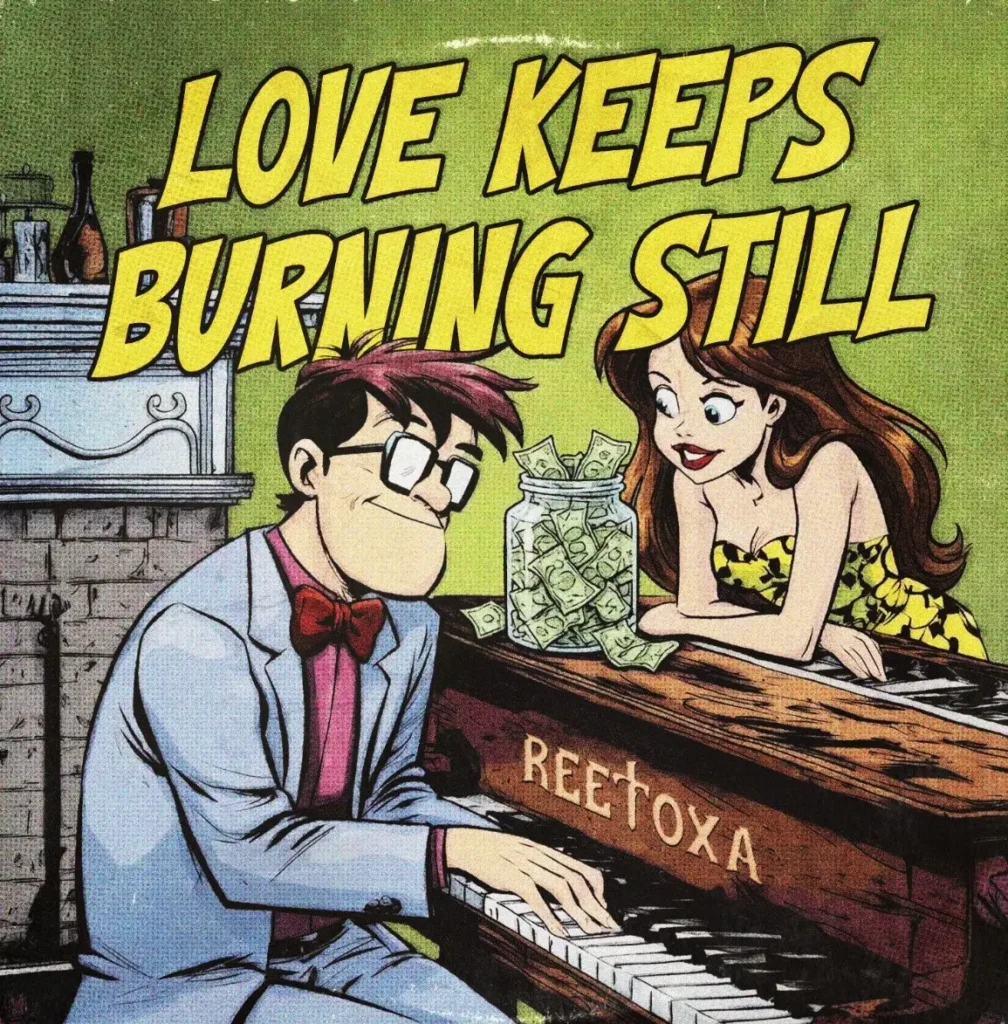
What Makes Reetoxa’s “Love Keeps Burning Still” Ultimately Compelling Is That It Is Mature

There are break-up songs; but there are also songs from the other side of the wreckage. There’s a difference, and that difference is significant. A lot of hurt songs are in the middle of a tantrum. They’re immediate and urgent and dramatic and have somebody wailing in the rain, staring out a window, or being absolutely committed to ensuring you are aware that they are going through hell. Love Keeps Burning Still takes the road less travelled. Born in lockdown (and scheduled for release on Jason McKee‘s forthcoming double album) this is more a hushed remembrance than a cathartic scream. The personal back story is a poignant one of McKee’s 10-year relationship with Lee, who he met at Munich’s Oktoberfest and was married for five years. What makes the song engaging isn’t so much the story of the break up as it is the bitter irony. The obsession with music which had eventually led to the collapse of their relationship also provided the medium through which the experience was processed into art. Which is obviously a very songwriter problem. Sonically, ‘Love Keeps Burning Still’ remains remarkably sparse and measured. Piano takes pride of place, joined by sumptuous orchestration and a voice that never feels the need to push or force the emotion. Reetoxa understands something many ballads don’t know; vulnerability is much more powerful when it isn’t trying too hard to tell you what it feels. The orchestral elements are impressive for all the obvious reasons, too. The arrangements were remotely done with an orchestra in Europe over lockdown and form a cohesive whole without ever becoming overbearing as a result. Strings that contribute, creating an emotional ebb and flow that powers the song to its close. The result is cinematic-this is easily the kind of song that you could picture playing out over a poignant scene in some romance film that requires two people to stand looking off into the middle distance, regretting their communication failure. And while that is undeniably true, what makes ‘Love Keeps Burning Still’ ultimately compelling is that it is mature. This is not a song for closure. This is a song that accepts that the embers of a relationship may go cold, but the emotion they produced will never fully extinguish itself. And perhaps that’s all an artist needs to be is honest enough to admit that. Follow Reetoxa Globe Facebook X-twitter Spotify Youtube Instagram Tiktok Promoted Content About the Author

What Makes Reetoxa’s “Love Keeps Burning Still” Ultimately Compelling Is That It Is Mature Read More »

X-Anonymous Reclaims Identity Through the Grinding Industrial Fire of “Claim It All”

Masks offer a profound sense of freedom and X-Anonymous understands that better than almost anyone in the current underground circuit. Their latest offering Claim It All rips through the silence with a hunger that feels remarkably earned and fiercely independent. This track is not really about vanity because the Metalcore collective has chosen to let the sheer weight of their art and music do the talking. I’d say, by stripping away the faces they invite us to lose ourselves in the friction of the record and that choice feels like a rebellion against a culture obsessed with personality over substance. The way this track was written feels like a frantic clawing toward the light after a long period of darkness. You can really hear the desperation in the lines where they scream “Twist me into what I’m not / Shape me into everything you rot” and it freakin hits like a physical blow to the chest. It seems like it mirrors that specific psychological battle between who we are told to be and who we decide to become. Just from the very start of the track the instrumentation hits with a grinding industrial crunch that feels like a factory coming to life rather than a traditional band rehearsal. And the opening riff has this kinda jagged quality that slices through the air and it works in tandem with the mechanical atmosphere to build a sense of impending release. When that sudden drop at 1:20 hits the floor practically falls out from under you and the production choices here are daring because they favor raw intensity over sanitized radio appeal. I love the way the vocals fray at the edges of the chorus where the singer pushes their voice until it sounds like it might indeed snap under the pressure of the message. The drumming follows a frantic pace that mimics a racing heart and the bass adds a layer of filth that keeps the whole experience grounded in the grit of Industrial metal. This kind of intentional friction is what sets X-Anonymous apart from their peers who often hide behind over-produced layers but here everything feels naked and powerful. Listening to the climax and bridge of this song feels like breaking through a barrier that has been holding you back for years. And the energy of the final minute is an absolute celebration of reclaimed power. You can feel the adrenaline spiking as the guitars reach a fever pitch. It is the sound of a person standing their ground and refusing to be silenced by the expectations of the world. Claim It All is more than a heavy song because it functions as a rallying cry for anyone who has ever felt invisible or controlled. X-Anonymous has produced a work of startling clarity and force that will surely find its way onto every heavy music rotation this year. It honestly leaves me feeling energized and ready to face whatever comes next from this amazing artists. Follow X-ANONYMOUS Globe Spotify Youtube Promoted Content

X-Anonymous Reclaims Identity Through the Grinding Industrial Fire of “Claim It All” Read More »

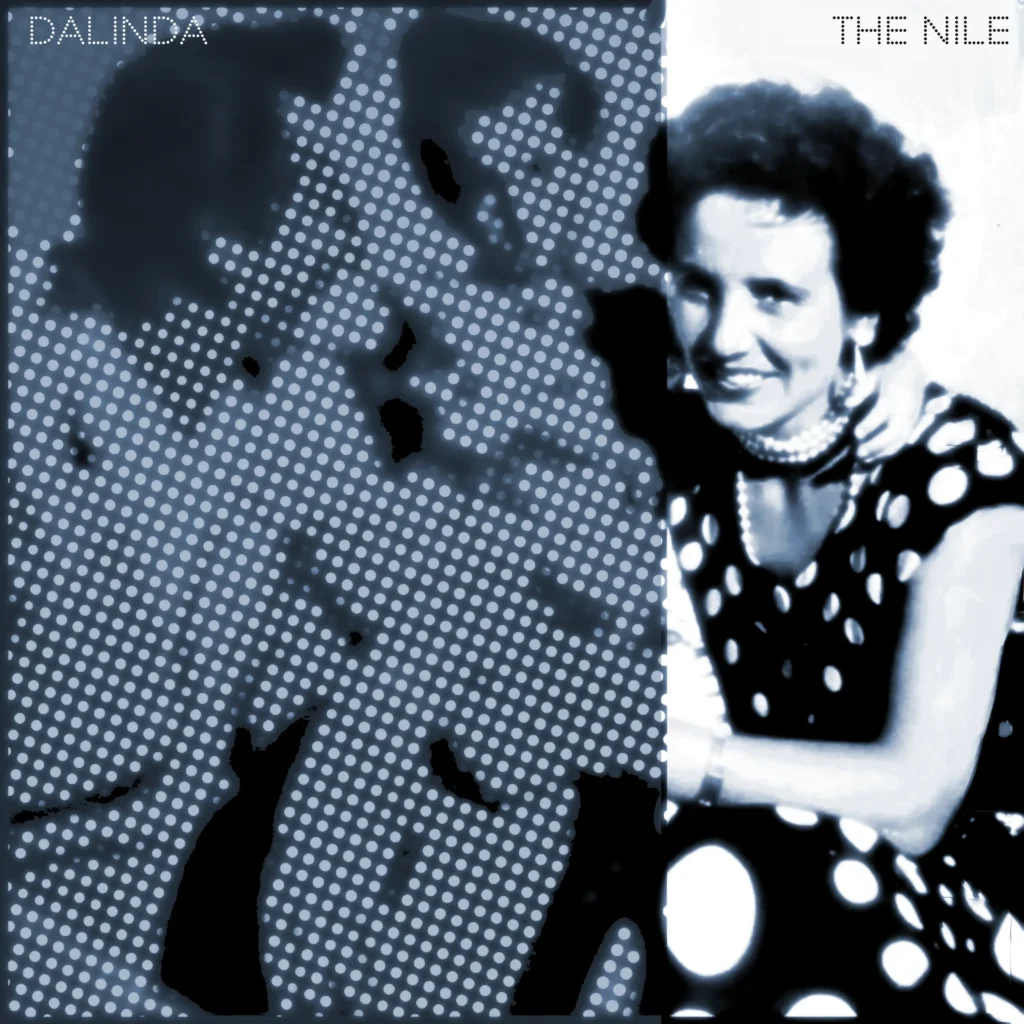
Dalinda’s “The Nile” Is Love, Loss, and Everything In Between

There are songs you can imagine the moment someone explains them. Then there are songs like Dalinda’s The Nile that just demand you experience them. I mean, calling it melancholic indie-pop with dreamy vocals and cinematic textures is technically accurate, but that alone doesn’t come close to what you’re about to hear. The track begins with a hum, the one that feels like something between a breath and a memory. It’s quiet and soft yet enough to leave you staring at the ceiling, feeling every word that follows until you find yourself asking; was it supposed to hurt like this? Its live instrumentation and zero-sample approach make it feel more organic instead of manufactured.  And once you reach the lines “Cause if you go, I’ll never ever know. The Nile will stop its flow,” it starts feeling less like a song but something that feels a little too real and a little too close. What makes this track hit is that it doesn’t fall into the dramatic, overdone heartbreak songs you could hear while doomscrolling on 15-second reels. Her multicultural background manifests in her sound, while her songwriting remains lived and experienced because it leans into honesty instead of theatrics. Overall, if you want something that feels like a slow bus ride home when the window is slightly fogged and everything outside feels like it’s happening to someone else, Dalinda’s The Nile is definitely for you.  Follow Dalinda Globe Spotify Youtube Promoted Content About the Author

Dalinda’s “The Nile” Is Love, Loss, and Everything In Between Read More »

“Etched in Love” Doesn’t Just Talk About Heartbreak, It Shows You What It Feels Like

Something changes the moment Etched in Love plays because how can a song convince you that you’ve lived a moment you’ve never actually experienced? It just draws you in, and suddenly everything hurts a little bit more. Maryann Connolly is a 25-year-old actress, model, and singer who loves modeling and performing at New York and Paris Fashion Weeks. With Etched in Love, she explores a more intimate, vulnerable side of her artistry towards her growing pop career.  The track opens with only a guitar and a vocal, it’s as if it’s mentally preparing you for everything that will follow. Maryann’s words hit immediately, and you’ll find yourself walking down an empty aisle, moving through a ceremony stripped of its witnesses with no guests, no voices.  It builds up slowly. And once you reach the line “our bodies are etched in love,” it exposes something deeper: cherishing a love that once existed and reliving how it fell apart.  One thing about Maryann is that she knows how to build an atmosphere without being excessive. She just knows where to place each pause, sound, and feeling, along with her earnest songwriting that makes everything feel closer and more personal.  Once the song is over, you’ll realize it was never just an average, cliché song about heartbreak. Nothing dramatic really, but enough to leave you sitting in the silence while thinking about what you just heard.  Follow maryann connolly Facebook Spotify Soundcloud Youtube Instagram Tiktok Promoted Content About the Author

“Etched in Love” Doesn’t Just Talk About Heartbreak, It Shows You What It Feels Like Read More »

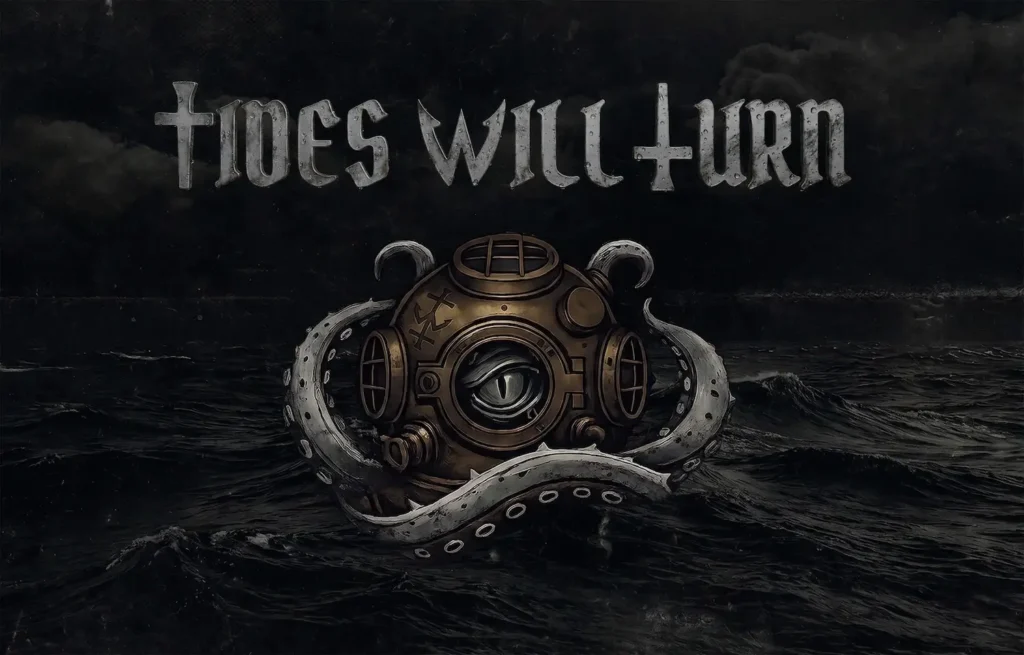
Tides Will Turn Is Great Because It Embraces Something Many Contemporary Records Have Either Rejected or Simply Failed to Recognize; Authenticity Isn’t a Marketing Strategy

Every “Is Rock Dead?” article since 2004 has been wrong about people still making plenty of rock music, and Tides Will Turn‘s debut album is a wonderful example of this fact. But what is truly surprisingly rare, even now, is an album from an actual band that seems genuinely invested in the prospect of making an album instead of simply stringing together several potential playlist fillers. Tides Will Turn by the identically named British Columbia band does just that immediately from the start. “Lifetime Ago Go,” the opening number, wastes absolutely no time. It hits with the sort of guitars that remind you that sometimes the simple ability of a guitar to sound like a guitar is all it needs, which is an idea so out of date for now that it seems revolutionary in this record’s context. But then much of this record just seems so completely unconcerned with whatever passing trends the streaming service era holds. This album relies on a different background for this very reason, leaning on the lineage of artists such as The Clash, Creedence Clearwater Revival, Johnny Cash, and The Cramps without directly imitating them, or using their records as inspiration to craft what feels like the musical blueprint for any storytelling record, a record more concerned with atmosphere and character than sonic stunts. According to the band, Tides Will Turn is meant to be an cohesive listening experience, a feat that feels increasingly rare. Listen to early highlights such as “American Sole” or “Life and Death.” The first is full of crunchy guitars and driven drums before opening up with intricate leads while the second embraces a kind of smoky, worn-in, almost forgotten rock-and-roll attitude that feels as if it’s aged in some dusty, oak-aged cask. In both cases, what the album shows you, quite brilliantly, is that this is a record written with confidence, not swagger. Swagger needs to be admired, whereas confidence just assumes it has your respect. Instead, this record quickly shifts from a collection of individual songs to an entire immersion into the band’s world. “Port Home” introduces a more optimistic, up-tempo feeling, while “Never Gonna Win” lays down a slinky groove that calls back to a time when indie rock didn’t constantly feel like it was trying to deliver an intelligent witty jab every five seconds. This is a surprisingly liberating listen, especially given that, today, it seems as though, through the eyes of critics at least, authenticity and simplicity in music are increasingly being mocked in favor of clever, detached irony and references. In the last few years, our digital culture has successfully turned everything into a game of communication through the intermediary of detachment; every song has to be a joke, a reference to a joke, or the reaction to a joke. Now, you have this album out here singing about who you are, the consequences of your actions, survival, what happens when you become an adult and don’t get to ask for a guest room, among other things. This is when this record truly becomes interesting; Because behind the Americana, the punk attitude, and the influences, there’s a theme running throughout: the continuation of artistic creation in a world where life has become increasingly complex. These aren’t tracks for ambitious rock stars hoping to make it big-they’re tunes that seem to have been written by people who have already seen and experienced enough of life to realize that human existence is far more peculiar than celebrity can ever be. This sentiment provides emotional heft to “Hearts on Fire,” “Home Wrecker,” and “Screaming Hill.” “Hearts on Fire” starts small, slowly building up from stripped-down guitar until it’s one of the most energetic tracks, “Home Wrecker” is appropriately messy, and “Screaming Hill” offers some of the album’s most impressive atmosphere. This last track combines distorted guitars with a steady beat to really give Matt Chevy’s voice a chance to shine. Every bit of it sounds truly alive. It all even works with the final track, a cover of “Dancing in the Dark.” Every cover is tricky because the audience knows the original, but Tides Will Turn makes it their own and turns a song into a reflection of its themes. Tides Will Turn is great because it embraces something many contemporary records have either rejected or simply failed to recognize; authenticity isn’t a marketing strategy. Rather, it’s a symptom of having something sincere to share.Tides Will Turn doesn’t strive to reinvent the concept of rock; it doesn’t even strive to save it. All it believes in is solid songcraft, the authenticity of performers and their experiences. After spending an hour listening to these tracks, it is rather difficult to disagree. Follow Tides Will Turn Globe Facebook Spotify Soundcloud Bandcamp Youtube Instagram Promoted Content About the Author

Tides Will Turn Is Great Because It Embraces Something Many Contemporary Records Have Either Rejected or Simply Failed to Recognize; Authenticity Isn’t a Marketing Strategy Read More »

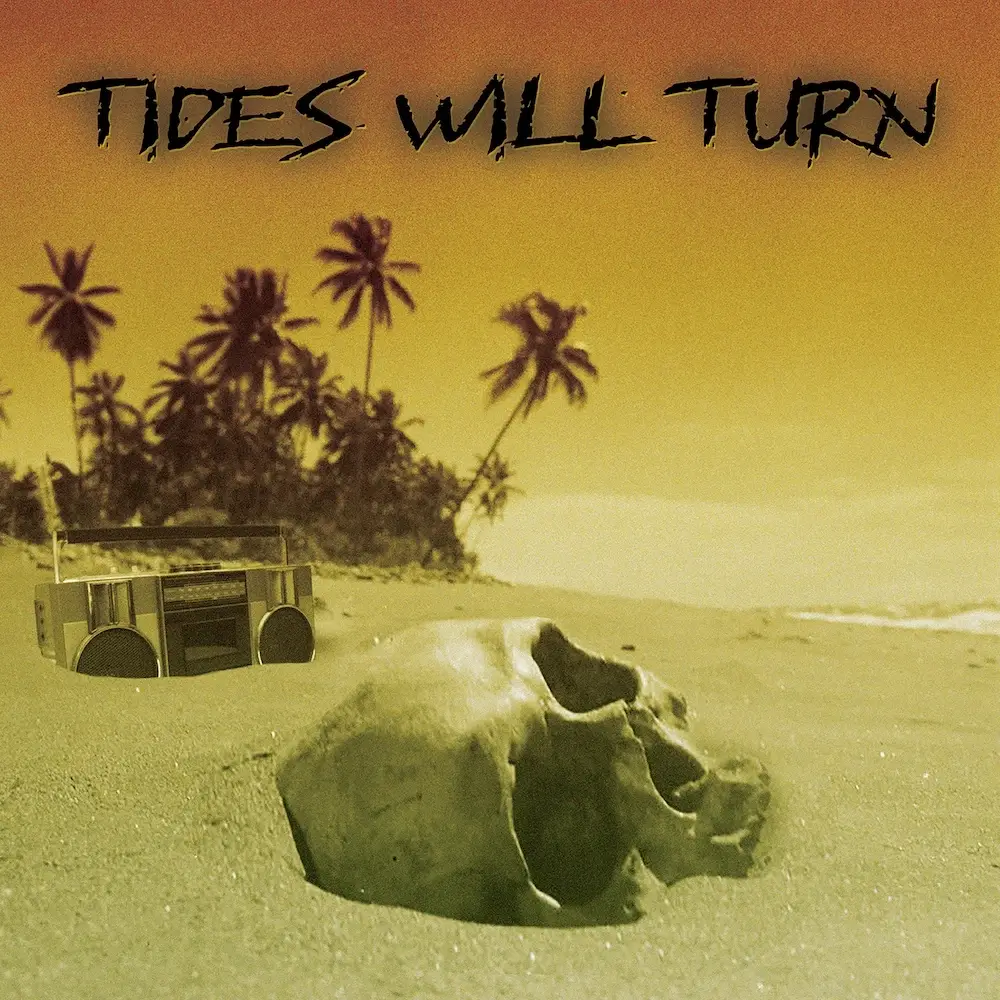
Vancouver’s Tides Will Turn Resurrect the Snarl of Heritage Punk and Dark Americana

There is a smell of wet pavement and cheap beer that hangs over the best rock records and Tides Will Turn have bottled that exact humidity on their explosive track Home Wrecker. It feels like a midnight drive through the rain-slicked streets of Vancouver where the neon lights blur into a jagged streak of red and gold. The band manages to bridge the gap between the snarl of The Clash and the hollow-eyed storytelling of a lonely highway and they do so with a confidence that is almost intimidating. This recording demands to be played loud enough to make the neighbors call the cops because the energy is far too volatile to be contained. Frontman Matt Chevy leads the charge with a voice that sounds like it has been cured in tobacco and tempered by the kind of life lessons you only learn after midnight. The track was recorded at the legendary The Warehouse Studio and you can practically hear the room breathing as the band locked into a groove that prioritizes raw chemistry over digital perfection. It is a refreshing blast of honesty in an era of over-polished pop because the instruments hit with a physical weight that grabs you by the collar from the very first chord. They play with a reckless abandon that feels dangerous and rare in the current world of safe and sanitized radio rock. A driving bassline anchors the chaos while the guitars slash through the mix with a serrated edge that pays homage to the swampy grit of The Cramps. There is a specific moment around the halfway mark where the energy shifts and the band embraces a dark Americana swing that would make Johnny Cash nod in approval. It is a bold stroke of pacing and it shows a group that understands how to build tension without relying on tired radio tropes or predictable drops. The percussion snaps like a gunshot in a canyon and it keeps the momentum pushing forward with a frantic intensity that never quite boils over into messiness.Every note feels earned and the band plays with a desperate hunger that suggests they have everything to lose and nothing to hide. The song lives in the messy aftermath of bad decisions and hard-won truths. There is a sense of purpose here that is missing from most modern Punk Rock and it turns a three-minute recording into a sprawling narrative of survival. Tides Will Turn have achieved something rare by making a debut that feels like a classic from a veteran outfit. Home Wrecker marks a bold introduction to their world and it leaves me hungry for a full album that values cohesion and grit above all else. This is music for the people who still believe in the power of a loud guitar and an honest story told with enough volume to rattle the windows. It marks the arrival of a band that knows exactly who they are and they are not interested in following anyone else’s rules. Facebook Spotify

Vancouver’s Tides Will Turn Resurrect the Snarl of Heritage Punk and Dark Americana Read More »

A Jagged Masterpiece of Survival in the Modern Rock Trenches

The air in the room shifts when ONEWAY kicks into the opening bars of Addicted and it feels like the walls are sweating under the weight of a secret that can no longer be kept. There is an immediate sense of gravity here because this is a song about the center of the storm where the wind is howling and the ground is giving way. ONEWAY refuses to provide a comfortable distance for the listener and that choice makes the track feel more like a living thing than a studio recording. A heavy wall of modern rock guitar work anchors the composition and provides a jagged foundation for a vocal performance that sounds like it was tracked in a single take of pure desperation. The shift into the melodic chorus is where the magic happens because it opens up like a lung gasping for air after being underwater for too long and that contrast between the suffocating verses and the expansive hook is breathtaking. It brings to mind the raw power found in the early days of Breaking Benjamin or the unapologetic vulnerability of Halestorm where the melody serves as a vehicle for a very specific type of survival. The narrative inside Addicted bypasses all the usual clichés of recovery to focus on the terrifying minute-to-minute reality of a brain at war with itself. You can hear the shame in the lower register of the verses and you can feel the anger bubbling under the surface as the percussion drives the heart rate up until there is nowhere left to hide. It takes a massive amount of courage for an independent artist to lead with such naked openness because it strips away the polish of mainstream pop to reveal something much more durable. ONEWAY has built a massive lighthouse of a song and it stands tall for every person currently moving through the dark because it refuses to lie about how hard it is to stay afloat. By the time the final notes ring out and the silence returns it is clear that Addicted is destined to become an anthem for the ones who are still in the trenches. This is the kind of rock music that matters because it connects the mental health struggle with a sound that is powerful enough to carry that burden. ONEWAY is an artist who knows that the only way out is through and they have provided the perfect companion for anyone walking that difficult path toward the light. Facebook Spotify Youtube

A Jagged Masterpiece of Survival in the Modern Rock Trenches Read More »

Love Crash Isn’t Really About Triumph; It’s About Surviving Long Enough to Become Honest Again

Let’s be real: there’s something inherently funny about comeback narratives in indie music because they almost always get framed like the artist spent years meditating alone on a mountain before descending with ancient wisdom carved into stone tablets. In reality, most of the time it’s just someone going through a catastrophic emotional spiral while staring at a guitar at 3AM thinking, “Well, this might as well become an album.” And honestly, Love Crash works precisely because BLOCK doesn’t try to mythologize any of it. After thirteen years without a new full-length record, the New York anti-folk veteran returns sounding less like someone staging a grand artistic rebirth and more like someone who survived himself by accident. Which, coincidentally, is what gives the album its emotional weight. Credit: Photo by Dave Doobinin The press narrative surrounding BLOCK’s comeback has understandably gone into overdrive. SPIN compared his return to “classic Beck,” Rolling Stone called him “a musical wonder who challenges the conventional,” and after signing with Meridian/ECR, his catalog resurgence somehow snowballed into millions of streams, Apple Music playlist placements, and a full U.S. tour. For an artist whose roots trace back to the late-’90s anti-folk movement alongside people like Regina Spektor, Ani DiFranco, and The Moldy Peaches, there’s something satisfying about watching the internet rediscover the exact kind of emotionally strange songwriting it once accidentally buried beneath algorithmic sludge. But Love Crash succeeds because it avoids sounding like a victory lap. The album opens with “I Thought I Won The War,” which is an absurdly good title for a song about realizing emotional survival does not automatically qualify as emotional recovery. That tone defines the entire record. BLOCK spends these ten tracks circling heartbreak, regret, memory, exhaustion, and self-destruction, but never in a way that feels theatrically miserable. The songs are bruised, not performative. A lot of modern indie songwriting treats vulnerability like content creation. Everything is flattened into these perfectly marketable confessions designed to sound messy while remaining extremely consumable. Love Crash feels refreshingly uninterested in sanding down its rough edges. BLOCK writes like someone trying to understand his emotions while they’re actively happening, not years later after converting them into neat inspirational quotes and because of that, the album feels startlingly human. “California Calls” drifts through longing and escapism without romanticizing either one, while “Over and Over” captures emotional repetition with this exhausted self-awareness that quietly devastates you halfway through the song. It’s about cycles; relationships, habits, grief, memory, the strange ways people knowingly walk back into emotional disasters because familiarity can sometimes feel safer than healing. Notably, the album never drowns in its own sadness and that’s the clever part. Even at its heaviest, Love Crash carries this subtle undercurrent of humor and gratitude. BLOCK sounds genuinely relieved to still be here. There’s pain throughout the record; entire tectonic plates of it, but there’s also warmth buried underneath the wreckage. Songs like “Firefly” and “Carly Says” introduce flashes of lightness that stop the album from collapsing into monochrome despair. Production-wise, Chris Kuffner handles the material with remarkable restraint. These songs are allowed to breathe. Nothing feels overcrowded or artificially inflated for emotional effect. The arrangements remain warm, intimate, and organic, giving BLOCK’s songwriting room to unravel naturally. Blake Morgan’s mixing and mastering preserve that closeness beautifully. The album sounds polished without sterilizing its humanity. “No One Ever Taught Me How” might be the emotional centerpiece of the record simply because of how painfully direct it is. There’s no metaphorical acrobatics hiding the sentiment. It’s just emotional illiteracy laid bare in the most devastatingly simple terms possible. The song understands something uncomfortable about adulthood: people are often expected to navigate grief, heartbreak, identity, and loneliness without ever being taught how to process any of it. Then comes “Still Life,” which closes the album not with resolution, but suspension. See, Love Crash isn’t really about triumph; it’s about surviving long enough to become honest again. That’s what makes the record land emotionally after thirteen years away. Not the comeback headlines. Not the streaming numbers. Not the mythology surrounding BLOCK’s return to the national conversation. It’s the fact that these songs genuinely sound like they were written by someone clawing his way out of darkness one rung at a time. You can hear the exhaustion in them, but more importantly, you can hear the relief. Follow BLOCK Globe Facebook Spotify Instagram Youtube Promoted Content About the Author

Love Crash Isn’t Really About Triumph; It’s About Surviving Long Enough to Become Honest Again Read More »