
loader image

New Music

if you’ve got at least one unresolved emotional wound from your twenties, give Eyes Like Torches at the Gate by Ratyński a spin

Eyes Like Torches at the Gate by Ratyński is a two-track classical guitar EP that gently crawls out of the abyss of modern noise and politely asks if you’d like to cry about the nature of change for approximately seven minutes. And somehow, by the end of it, you will have done exactly that, without a single lyric uttered. This is not music designed to chase streaming numbers or get slapped over travel vlogs; it’s music for people who’ve stared out of train windows too long and started narrating their life like it’s a BBC drama. The first track kicks off with what is technically a tango, but in that “we’re going on a journey, emotionally and also metrically” kind of way. It starts with a bounce in its step. There’s momentum, movement, the illusion of stability. And then it begins to glitch in a way, any by that I mean in the most elegant way possible. Bars twist; accents slide out of frame like a rug pulled gently from under your expectations. But amid all this rhythmic mischief, there’s still a melody holding your hand; one that repeats, reshapes, and persists like the memory of a home you left behind. You don’t hum it because it’s catchy; you hum it because your soul went “oh, that one” the moment it showed up. Then comes the second track, which says, “Okay, now that we’ve moved through space, let’s move through time.” Built on a theme-and-variations structure, it opens with something that sounds like a lost Celtic hymn sung by wind. And then it mutates gracefully, sometimes bizarrely through jazz, early music, and what might generously be described as post-rock if post-rock were polite enough to remove its shoes. Each variation feels like visiting a different version of yourself in a parallel timeline. And no matter how strange things get, the emotional gravity of the original theme remains, pulling everything back to center like some kind of musical North Star. But what really elevates Eyes Like Torches at the Gate is its refusal to be clever for the sake of it. This isn’t a show of technical virtuosity (though it absolutely is that); it’s not trying to win “most artistic” in some conservative panel of Serious Music People. It’s music with purpose; about the soft violence of departure, the weird hope that arrives with becoming unmoored, and the quiet suspicion that the destination we’re chasing is not a place, but maybe a version of ourselves we forgot how to be. It’s about leaving home, or losing it; about endings that feel like starting over; about torches in the dark that turn out to be other people holding mirrors. So if you’ve got a couple minutes, a decent pair of headphones, and at least one unresolved emotional wound from your twenties, give Eyes Like Torches at the Gate by Ratyński a spin. It won’t fix you. But it might remind you that some kinds of sadness are actually just memories disguised as progress. And that sometimes, the best travel stories are told without a single word. Follow Ratyński Facebook Spotify Youtube Instagram Promoted Content About the Author

if you’ve got at least one unresolved emotional wound from your twenties, give Eyes Like Torches at the Gate by Ratyński a spin Read More »

Fu Lai by Yudes won’t just move you; it might actually change how you hear everything else

Let’s get one thing straight: Fu Lai by Yudes is not here to make you feel cool; it’s here to make you feel everything. This isn’t some curated global fusion playlist with easy hooks and celebrity cosigns. No phonetic training wheels, no Dua Lipa cameo to guide you in gently. This album opens in Mandarin-English trap and ends somewhere between an identity spiral and a voice memo accidentally left in your soul. And it’s beautiful. A lot of bilingual albums aim for polish. They take the safest route, using language as a tool for accessibility, smoothing out the edges to ensure that everyone can understand and appreciate the experience. Fu Lai doesn’t do that. Instead, it aims for truth. It’s not about making you comfortable; it’s about making you feel something real and visceral, even if that feeling is disorienting. This is what happens when two languages aren’t just ornamental or gimmicks or tokens to check off in an attempt to sound “global.” Instead, Fu Lai treats Mandarin and English as dimensions, as fully realized elements of identity that shape the sound, the delivery, and the experience. Each language doesn’t just coexist in the same song. Rather, it collides. It challenges the listener to reconcile the two worlds and the conflicting feelings they evoke. Where other artists may blend cultures for the sake of appeal or novelty, Fu Lai doesn’t aim to blend. It embodies both. It lives in that messy, magnetic in-between, where belonging isn’t a fixed point, but a constant push and pull. The result is an album that’s at once familiar and foreign, where the tension between the two languages isn’t just a theme; it’s the heartbeat of the entire project. It’s not about translation, where one language neatly converts into another. What Fu Lai offers is a transformation. It shifts the very fabric of communication, moving beyond the simple act of switching languages to something much deeper: an exploration of how language shapes identity, how it twists and fractures in the process of navigating two worlds. It’s the sound of someone caught between them, trying to make sense of who they are in a place where they don’t fully belong to either side. And in doing so, it transforms not just the listener’s understanding of bilingualism, but their experience of how music can live in those untranslatable spaces. “Top Down Low” for example is a smoky, moody ride through dual-language bars that flow like they were always meant to share space. The beat hums like headlights on wet asphalt. You think you’re just vibing until you realize you’ve stopped breathing. “Local Accent” flips the script into a bilingual self-portrait of identity and dissonance. It’s clever, meta, and catchy as hell. If you’ve ever mixed languages mid-sentence or watched your tongue trip over your roots, this song feels like it was written inside your brain. And the hook? Permanent residency in your memory. Then the album pivots. Around track six, the flex fades. In its place comes something quieter, deeper with tracks like “Dopesick” and “Black & White” feel like therapy sessions set to trap beats. Mandarin choruses loop like memory fragments, while English verses confess things you maybe weren’t ready to admit. It’s disorienting, but in the way truth often is. “Black & White,” especially, distills the entire album into something achingly clear. Sparse production, sharp lyrics, and delivery that cuts right through. It’s not just duality; it’s duality with intention, like someone finally figured out how to turn cultural whiplash into poetry. Then “Sweet n Low” arrives and gently ruins you. It’s delicate, flirtatious, devastating, like two voices flirting across languages, saying more in tone than text. It’s pop, but it’s also something more: intimacy that transcends vocabulary. The kind of song you listen to on repeat not because it’s catchy (it is), but because it says something you didn’t know how to. So no, I still don’t speak fluent Mandarin. But Fu Lai makes me want to. Not because it makes language feel cool, but because it makes it feel essential. Because if this is where the bilingual trap is going, I want in. Fu Lai is a triumph. It’s fearless in its vulnerability, brilliant in its bilingualism, and alive in ways most albums only pretend to be. It doesn’t care if you get every word. The emotion is doing just fine on its own. And if you let it, even just a little, Fu Lai by Yudes won’t just move you; it might actually change how you hear everything else. And honestly? That’s more than I can say for most albums that do speak my language. Follow Yudes Instagram Spotify Promoted Content About the Author

Fu Lai by Yudes won’t just move you; it might actually change how you hear everything else Read More »

Saline absolutely refuses to be ignored. It won’t let you

Some albums ease you in, like a warm bath. Saline is not one of those albums. Saline is the equivalent of being dragged into the ocean by some primordial horror, held under until your lungs burn, and then being thrown back onto the shore, gasping, confused, and somehow wanting to do it again. This debut album from Dead Hazards is a monolithic, deeply unsettling experience, fusing thunderous post-metal, heavy grunge, and eerie folk textures into something that doesn’t feel like it was recorded, but rather unearthed. This album sounds haunted. Not in a fun, spooky skeletons way, but in a ‘there is something watching you from the dark corner of your room and you should not turn around’ way. From the opening track, Rerouting, Dead Hazards makes it painfully clear that they are not interested in playing by the rules. The song lurches forward with distorted screeches and what might be a Zippo lighter being flicked into every riff to light them ablaze, before collapsing into a riff so thick and sludgy it sounds like it was recorded inside an abandoned industrial site. It’s grimy. It’s raw. And it’s weirdly beautiful. Tracks like “Took A Loan” and “Who’s Invited” don’t just get heavy. They loom. They build toward weight, layering eerie, atmospheric unease before finally punching you in the face with distortion. And it’s deliberate. This isn’t just a band throwing fuzz pedals at the wall and calling it post-metal. No, this is intentional suffering. Then there’s the Swans influence I personally noticed. Crippling Faith drones on like a slow-burning existential crisis, layering sound upon sound until you forget how the song even started. But unlike Swans, who occasionally seem to hate their audience (and if you’re a fan of the band, you’d understand that this is not an insult at all), Dead Hazards throws in just enough variation to keep you on your toes. Listening to this album feels like stepping into a dimly lit room and realizing too late that the floor is missing. There’s also the production, which is downright meticulously raw. Every element; from the cavernous, reverb-soaked drums to the layers of decaying guitar, they all feel carefully crafted to balance grit with grandeur. This is not a clean album, but that’s the point. It’s an album that demands to be heard loud, preferably on speakers that can’t quite handle the low end. And let’s talk about the grunge. Oh, there’s grunge. But not the kind that plays nice. This is the filthy, dripping-with-distortion, “found buried in a basement after 30 years” kind of grunge. Think early Soundgarden, Bleach-era Nirvana, or the downright ugly tones of Tad and Melvins. Rerouting, Hauling Back and the closer, Excess have guitars so thick and grimy they feel less like instruments and more like malfunctioning industrial machinery. The vocals? They swing between pained, sludgy drawls and guttural howls that would make acts like Isis and Cult of Luna proud. And yet, somehow, Saline doesn’t feel like a collage of influences. Too many bands attempting this “post-metal meets grunge” aesthetic just ends up sounding like a Spotify algorithm threw some albums into a blender. But Dead Hazards? They own this sound. The folk and jazz elements aren’t just there for flavor, they breathe within the oppressive weight, making the album feel like some kind of ancient, long-lost relic from a timeline where the ’90s underground scene just kept getting darker instead of selling out. So, if you wish someone took grunge’s raw, ugly power and smashed it into post-metal’s crushing weight, then Saline is the album you need in your life. It’s abrasive. It’s hypnotic. It’s ugly in all the best ways. Saline absolutely refuses to be ignored. It won’t let you. Follow Dead Hazards Globe Twitter Youtube Spotify Soundcloud Bandcamp Instagram About the Author

Saline absolutely refuses to be ignored. It won’t let you Read More »

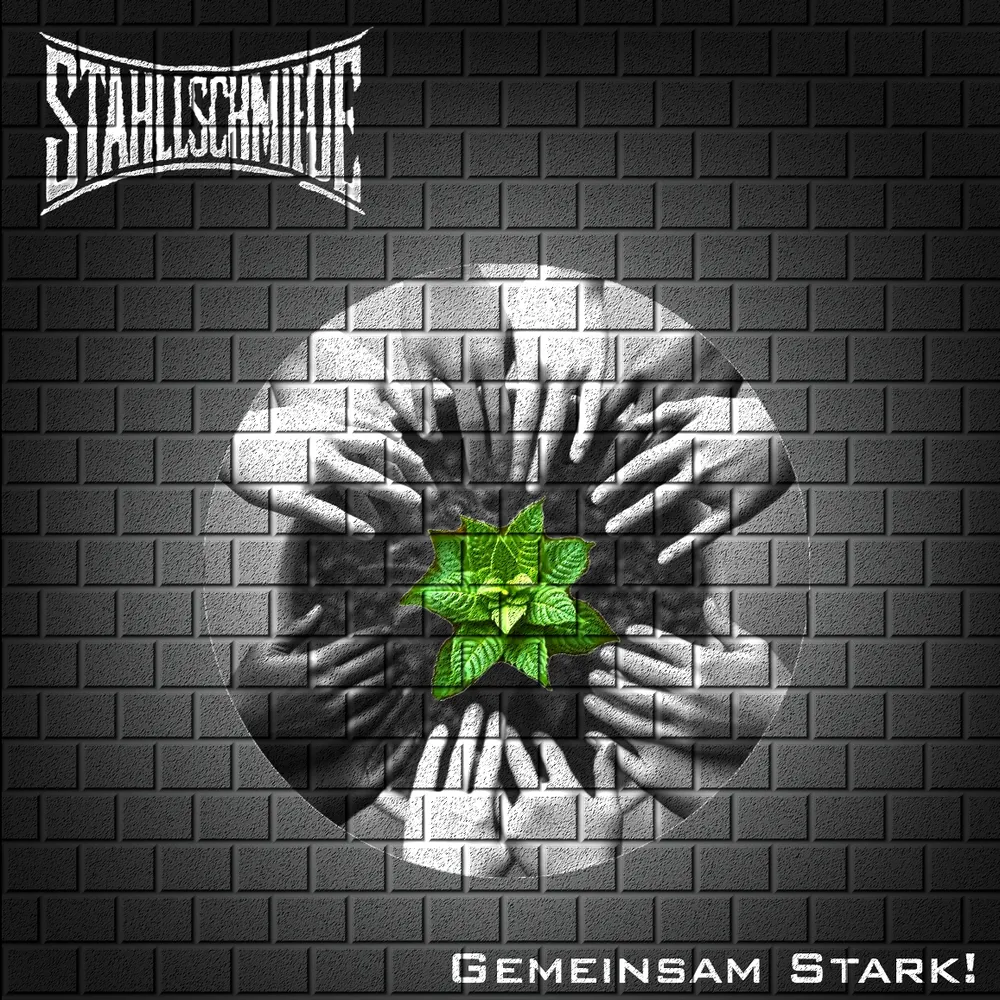
Gemeinsam Stark by Stahlschmiede is not a mere vibe; it’s a declaration

Let’s be clear from the start: Gemeinsam Stark by Stahlschmiede is not here to make friends. It is here to smash your expectations into a fine powder, weaponize them, and throw them directly back at your face with the force of a blast beat summoned from the gut of a dying star. Formed in the aftermath of Germany’s recent political whiplash, Stahlschmiede emerged not with a whimper or a carefully curated debut Instagram campaign, but with Wach Auf!, a track that sounded less like a song and more like a siren blaring from the ruins of subtlety. Now, with Gemeinsam Stark, they’ve traded in the foghorn for a battering ram and decided subtlety can go cry into its craft beer. There’s something deeply satisfying about how little Stahlschmiede cares for modern metal’s desperate need to be palatable. The band could not care less about algorithms or branded TikTok challenges; they have better things to do. Like write a track that sounds like it was forged in the industrial wreckage of a steel mill where the machines became sentient and formed a metal band out of spite. Musically, Gemeinsam Stark is filthy. The guitars don’t riff so much as snarl. The vocals? Imagine if righteous fury and concrete had a baby. Not to mention, we’re talking about a rhythm section that sounds like it’s being played by a Lovecraftian drumline cursed to march forever beneath the earth. It is the sound of metal as metal should be: pissed off, impossibly heavy, and emotionally more coherent than most people you meet at dinner parties. And here’s my favourite part: Gemeinsam Stark by Stahlschmiede is smart. Not “we have a concept album about Greek mythology” smart, where the band thinks referencing Prometheus automatically makes them deep, but actual-world-aware, politically-charged, boots-on-the-ground smart. This is not performative edge or aesthetic nihilism wrapped in a seven-string guitar riff. These guys aren’t shouting into the void for effect or merch sales; they’re doing it because they’ve looked around, taken stock of the social and political rot setting in, and come to the entirely reasonable conclusion that screaming into a mic at full volume might be the last honest form of communication left. Every breakdown, every guttural bark, every serrated riff is laced with a kind of urgency that says, “We’re not just angry. We are paying attention.” There’s a clarity of intent behind all the chaos. Stahlschmiede isn’t throwing darts in the dark hoping to land on relevance; they’ve already lit the board on fire and are using it to signal other people who’ve also had enough. Their lyrics aren’t vague allusions or over-intellectualized metaphors about society; they’re direct, visceral, and firmly rooted in real-world frustration. The band operates with a kind of self-assured focus that’s almost unnerving. It’s the sound of people who don’t need to posture, because their message is too urgent to decorate. They’re not interested in playing the game of visibility algorithms or genre clout; they’re here to melt the board, flip the table, and maybe scream some uncomfortable truths while the amps explode behind them. It’s confrontational, it’s uncompromising, and it’s exactly what this genre needed to remember it’s still capable of doing. Production-wise, it’s absurdly tight. It’s all muscle, no fat; precise without being sterile. The guitars sound like they’ve been soaked in rage and then dragged through gravel. The drums are tuned for maximum obliteration. And the bass? You don’t hear it. Rather, you feel it judging you from the shadows. This isn’t just heaviness for the sake of it; this is carefully calibrated sonic violence. And it rules. Gemeinsam Stark is also, weirdly, kind of uplifting. But if your idea of a motivational speech involves a wall of sound telling you to get up, scream, and maybe overthrow something. There’s a sincerity behind the fury, a kind of galvanized spirit that feels less like nihilism and more like battle-prep. It’s less “we’re doomed” and more “we’re doomed, so grab your boots.” Final take: Gemeinsam Stark by Stahlschmiede is not a mere vibe; it’s a declaration. It’s Suicide Silence’s best with a brain; Whitechapel with a manifesto; deathcore for people who’ve read a newspaper and immediately wanted to punch through it. It’s metal with the volume and the violence cranked, but crucially, it’s also metal with meaning. Stahlschmiede aren’t just making noise, they’re making a point. And they’re making it very, very loud. Follow Stahlschmiede Globe Spotify Apple Youtube Promoted Content About the Author

Gemeinsam Stark by Stahlschmiede is not a mere vibe; it’s a declaration Read More »

Cat’s Game by Eric Schroeder is the sound of an artist tossing his inner monologue into the nearest amp and letting it scream

Eric Schroeder has apparently decided that subtlety is for cowards. Cat’s Game is what happens when a musician who’s spent years carefully crafting harmonic introspection finally looks around, shrugs, and mutters “screw it” before plugging in everything he owns and turning it all the way up. The result? A lean; loud; emotionally wrecked album that doesn’t ask for your attention so much as it physically tackles you and screams into your face about lost love and quarter-life malaise. And you’ll thank it. Gone are the layered arrangements and gentle existential crises of the previous but still great project, Turned On the Stereo; in their place is an album that sounds like it’s been recorded in a garage on the verge of collapse, produced by Rob Schnapf, mind you, who’s apparently made a second career out of immortalizing the musical nervous breakdowns of emotionally competent men. With Cat’s Game, Schroeder finally sounds like he’s fully inhabited the music he used to edge around. This isn’t an experiment; it’s a controlled detonation. Everything on this record is designed to make you feel like you’ve walked into a bar mid-fight, only to discover the guy swinging the guitar is actually working through some very specific personal problems. The guitar tone? Biting; unapologetic; borderline unhinged. The drums? Aggressive in that “do not make eye contact” kind of way. There is no polite small talk here; only a relentless barrage of distorted confessionals. The real trick here is that despite the lyrical vulnerability and emotional flailing, the album never wallows. It thrashes; it grooves; it actively resists the urge to be pitied. This isn’t sad boy music for people who want to lie in bed all day; this is sad boy music for people who want to throw a chair through a window and then apologize sincerely. Track highlights include “Emily” kicks things off like a love letter penned during a caffeine crash at 2 AM, with equal parts poetic and unhinged. Then there’s “Don’t Wanna Let You Go”, which plays like Schroeder’s thesis on romantic self-destruction; when he asks, “Am I just a child when it comes to playing your silly games?”, it’s less a question and more a mic drop from someone who knows the answer and already wrote an entire record about it. And finally, “Leave Me Sleeping” arrives like a soft collapse. It’s a hushed anthem for anyone who’s ever tried to hide under the duvet from their own emotional tax returns; Schroeder repeats the title like a man hoping that unconsciousness might be the cure for existential malaise. It’s vulnerable, sharp, and so honest it almost feels rude, just the way it should. Lurking beneath all the reverb and lyrical bleeding is a sense of clarity Schroeder hasn’t always allowed himself. You can tell this record came after a season of frustration; it’s the kind of album you make when you’ve spent three months trying to write the perfect song and finally just yell into the piano until something breaks. It’s deliberate in its chaos; calculated in its catharsis. If Pascal was right and all of humanity’s problems stem from our inability to sit quietly in a room alone, Cat’s Game is Schroeder’s very loud counterargument. Maybe the problem isn’t that we can’t sit still; maybe it’s that we haven’t cranked the amp loud enough. This is Eric Schroeder at his most sonically volatile and emotionally clear. Cat’s Game by Eric Schroeder is the sound of an artist tossing his inner monologue into the nearest amp and letting it scream. It is sincere; it is chaotic; it is surprisingly life-affirming. Also: it absolutely rips. In case you needed the reminder. Follow Eric Schroeder Instagram Spotify Deezer Youtube Promoted Content About the Author

Cat’s Game by Eric Schroeder is the sound of an artist tossing his inner monologue into the nearest amp and letting it scream Read More »

“Life’s a Mess (But We Love It)” by Lawrence Timoni is the sound of a therapy breakthrough happening at 2AM on a sticky dancefloor

Imagine if Foals’ Antidotes era got hopelessly lost in a jungle made of synths and disco sweat, and instead of trying to find a way out, just decided to build a temple and start a cult of emotional self-acceptance. That’s basically what “Life’s a Mess (But We Love It)” by Lawrence Timoni sounds like. This is not your average indie rock track. It’s a multi-textured anxiety spiral with rhythm. It opens like a hallucination. There’s a jungle-style percussion loop coming in like they’ve been echoing for centuries, and the guitar line slithers. There’s a ZABA-era Glass Animals vibe in the air: humid, slightly threatening, and coated in neon pollen. And yet, somehow, we also get the earnest, twitchy precision of early Foals. All math-rock jitters with a dancefloor death wish. And then there’s the vocals, which drift in like a notification from the void. Timoni doesn’t sing as much as he murmurs across dimensions, like your own internal monologue if it were set to a very good playlist and also slightly haunted. It’s introspective in that way only indie artists can be: vague enough to feel universal, but specific enough to make you worry they’ve been reading your browser history. Lyrically, it’s about chaos, obviously. But not, like, scary chaos. More like the chaos of realizing you left your job, your ex, and your sense of linear time behind and now you’re vibing in a cloud of glitter and emotional growth. It’s “everything’s on fire, but we lit the match ourselves, and at least it’s warm.” The mess isn’t the tragedy; it’s the point. It’s why we dance. Production-wise, this thing is a shimmering sonic IKEA maze. Every time you think you’ve settled into a groove, it throws a weird echo or synth swirl at you just to make sure you’re paying attention. And it works, because Timoni isn’t just writing songs; he’s constructing emotional architecture with LED mood lighting. The result is a track that feels like it should be playing during a slow-motion, glitter-soaked breakdown in an indie coming-of-age film where nobody wins, but everyone learns how to feel things properly. It’s cathartic. It’s messy. It’s deeply uncool in all the best ways. “Life’s a Mess (But We Love It)” by Lawrence Timoni is the sound of a therapy breakthrough happening at 2AM on a sticky dancefloor. It’s for anyone who’s ever stared into the abyss and said, “Screw it; let’s make this a vibe.” Follow Lawrence Timoni Facebook Globe Youtube Spotify Instagram Tiktok About the Author

“Life’s a Mess (But We Love It)” by Lawrence Timoni is the sound of a therapy breakthrough happening at 2AM on a sticky dancefloor Read More »

“Falling Apart” by Undergone Is Vivid Yet Distorted

Dreams are often hard to recall – it takes time to actually tell the tales in your mind, or rather, it’s impossible to even begin. This song, fully encompassing the nature of alternative rock, sets the scene in an ample amount of time, leaving listeners with anticipation. “Falling Apart”, at first glance, nay, listen, seems to be a broken narrative waiting to be solved and understood. The descriptions make you envision images or a feel as though the hairs on your arms are standing like a cat’s tail. It also consists of devastating yet relatable lines such as “Keep my thoughts in my own shrine / Body and soul don’t feel right”.  Undergone has done significantly well in terms of arrangement, and on inflicting certain feelings to anyone listening. The ambience of the guitars, the chilling vocals, and the entire sound in general has the tendency of unsettling you, or perhaps intrigued, or anything else in between. It’s a strong song from a group of people that know what they’re doing, as they are also able to pinpoint their song’s best moments through the solo and the harmonies. If their sound is up your alley, then it’d be wise to give them a shot. Follow Undergone Facebook Bandcamp Youtube Instagram About the Author

“Falling Apart” by Undergone Is Vivid Yet Distorted Read More »

Manneto Spreads Light Grooves In “SLIDE”

“I don’t wanna play it so safe / I know we can level up this pace” Okay, we see you, Manneto! With intense, yet fun and suggestive lyrics, this song will have you laid back and fully at ease by how subtle and comforting everything is. Right off the bat, this heavily resembles most chill tunes out there, as “SLIDE” is mainly composed of relaxed and mellow synth, isolated in the mix along with the vocals. It reaches new heights, really bouncing off of the accompaniment of the instrumental.  It’s all playful and carefree, and you could immediately tell from the catchiness of the chorus, and the smoothness of every delivery and its twists and turns. This song might as well slide (no pun intended) into your playlist from the moment you listen to it – because let’s be real, you wouldn’t want to lose sight of this, ever. Who wouldn’t love an intricate and charismatic track like “SLIDE”? It gives you room to vibe and resonate with the lines, as well as read into it, forming an indirect connection with the artist. Everyone needs a break from the seriousness of life, and this song from Manneto can for sure help you out. Follow MANNETO Facebook Spotify Youtube Instagram About the Author

Manneto Spreads Light Grooves In “SLIDE” Read More »

Edie Yvonne Strives Forward In New Single

With an upbeat start and the vibrant yet mellow ambience set by the surrounding instruments, this song is sure to win over an audience in the first few seconds alone. If you’re a follower of the indie scene, you would most likely consider this a gem. Edie Yvonne is a singer/songwriter based in Los Angeles, clearly already paving the way for her career at sixteen, released her first single of the year “Changed My Mind”, a track that reminisces and looks ahead. Interestingly enough, it seems as though all components, from the layered guitar parts to the vocals, fit each other perfectly, making her truly own the genre. “I know you think you can keep me / But time has passed, and you don’t see / I changed my mind” is a firm line of a person who is ready to let go of the past, recurring throughout the song. There’s something about the melodies and the deliveries that are appealing, especially those entering the ‘coming-of-age’ phase. All in all, “Changed My Mind” carries a particular vibe that will make you want more, or wish the song itself was longer. However, seeing as we have a lot of 2025 to go through still, listeners should stay tuned to what Edie Yvonne has in store! Follow Edie Yvonne Globe Spotify Youtube Instagram About the Author

Edie Yvonne Strives Forward In New Single Read More »

“Bitcoins & Tesla Shares” swerves into sincerity

On the first glance, “Bitcoins & Tesla Shares” by The Cumberland River Project is a song that absolutely sounds like it should be a joke… and yet, somehow, isn’t. You read the title and expect parody, maybe a yeehaw remix of a Reddit thread. What you get instead is something far more unexpected: a genuinely sincere reflection on how the pursuit of flashy, overhyped success often misses the point entirely. “Bitcoins & Tesla Shares” swerves into sincerity. The blockchain jargon is just set dressing. What’s underneath is classic country: love, loss, growth, and the radical act of being present. No irony, no trend-chasing. Just a steel-string guitar reminding you that fulfillment isn’t found in your portfolio: it’s in the people you actually show up for and quietly dismantles it with a steel-string guitar and the gentle reminder that you cannot, in fact, HODL your way into happiness. Musically, it’s exactly what you think of when someone says “modern country,” and I mean that in the best way. It’s warm. It’s polished. There are acoustic strums, steel guitars, and a tempo that suggests someone looking out the window for a very long time. The vocal performance lands perfectly in the emotional Goldilocks zone: sincere without being saccharine, grounded without feeling bored. But the production does something rare: it gets out of the way. There’s no over-arranged overcompensation here, no banjos doing dubstep. It just lets the song be. In a world that desperately wants every song to be a TikTok trend or a meme in waiting, “Bitcoins & Tesla Shares” chooses to be… human. And honestly? That might be the most subversive thing about it. And that’s the weird magic here. This track should be ridiculous, but it dodges the meme trap by simply meaning it. The lyrics come from a place of emotional honesty, the kind that suggests the songwriter has maybe lost money in crypto and in love, and only one of those was worth singing about. It’s not trying to save the world. The Cumberland River Project just wants you to maybe call a loved one and log off. And honestly? That might be the most radical thing a country song can do right now. Follow The Cumberland River Project Globe Facebook Youtube Spotify Instagram About the Author

“Bitcoins & Tesla Shares” swerves into sincerity Read More »