

loader image

New Music

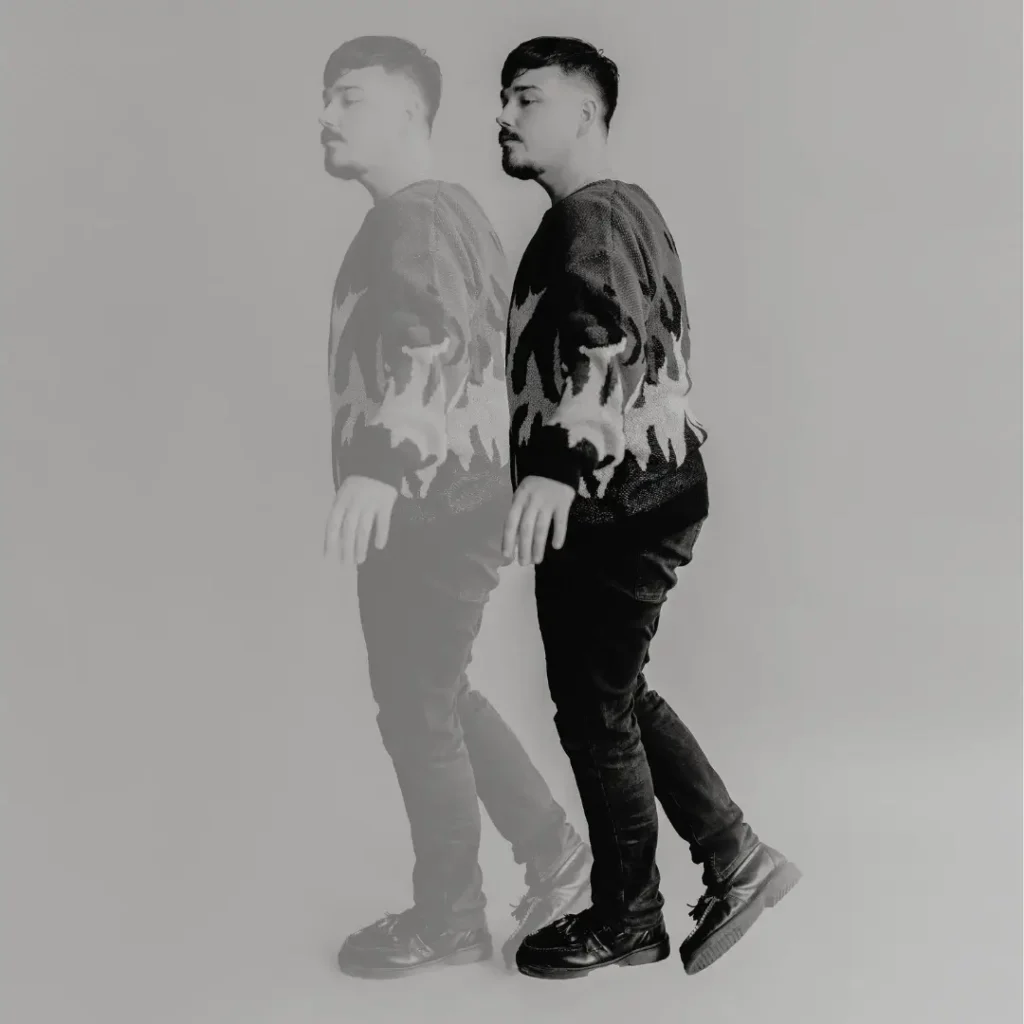
Sunrise Sunset by Ben Sinclair isn’t pitching this album as the second coming of indie

There’s something oddly heroic about making a full album yourself. Not in the “isolated genius reinventing music in their bedroom” mythos; more like the quiet, stubborn determination of someone who’s decided that yes, actually, they will play all the instruments, write every track, produce the entire thing, and do it without relying on the usual plug-ins that turn people into uncanny valley choirs of overcompressed perfection. That’s Ben Sinclair. And his new album, Sunrise Sunset, is the sonic equivalent of that emotionally unstable friend who shows up at your door with snacks and a full day’s worth of feelings—and by the end of it, somehow, you feel seen. The premise is deceptively simple: one day, in album form. It starts in the morning, builds through the chaos of the afternoon, and winds down into the kind of night where everything feels like it means more than it probably does. If that sounds dangerously close to someone’s scrapped senior thesis, Ben Sinclair actually pulls it off so worry not. Unlike most “concept albums” that duct-tape plot points to interludes and call it a journey, Sunrise Sunset has actual vibe discipline. The mood shifts without a signal flare. One moment you’re fine, the next you’re rewatching the mental slideshow of all your worst decisions set to a minor chord progression. Again. “Sunrise,” the opener, is warm and suspiciously calm; like something out of an A Great Big World deep cut where the optimism isn’t ironic yet. It’s too inviting. It feels like a trap. But that’s part of its charm: the brief illusion of peace before everything, inevitably, becomes a lot. Then “Turning It Around” strolls in; not exactly a power anthem, not a breakdown, just a musical negotiation. It’s that weirdly peppy, mid-crisis realization that maybe things aren’t totally doomed yet. Think the kind of emotional math early Twenty One Pilots were scribbling out during the Regional at Best era; delicate, messy, and more effective than it has any right to be. Next comes “Lauren,” the album’s lone collab moment, where a guest guitarist drops in like someone who showed up late but somehow still brought the right mood. The track is restrained, measured, and quietly aching, like a Grouplove song with all the glitter scraped off, leaving just the heartbeat underneath. It’s wistful without being dramatic, emotionally precise without oversharing. There’s a sweetness here, but it’s got edge. Like a smile right after a sigh. By the time “Fading Out of View” shows up, everything’s a little blurry; in a way that feels intentional. You’re no longer wrestling with the chaos; you’re drifting through the aftershock, like the part of an Edward Sharpe and The Magnetic Zeros song where the commune has gone quiet and someone’s finally alone with their thoughts. But unlike Edward Sharpe’s wide-eyed anthems about love and freedom, this song trades exuberance for grand, choral catharsis. The lyrics don’t reach for clarity; they feel like confessions mumbled into a cracked phone mic. The arrangement scales back like it’s tiptoeing out of the room as they climb higher, like it’s going to let go by the end. And finally, there’s “Sunset.” The closer. The exhale. Not to spoil the surprise, but at a certain point, it arrives with a burst of Cage The Elephant-style bombast; drums pounding, guitars roaring, a sonic release that feels like shaking off the weight of the whole day. If “Sunrise” was optimism, “Sunset” is the full-throttle reckoning, the emotional climax where everything you’ve held in suddenly comes crashing out. But even in its intensity, it’s honest, not overblown for show. It doesn’t try to neatly resolve the album’s tension; instead, it embraces the chaos and lets the noise be the catharsis, a fiery goodbye that’s both messy and strangely uplifting. More than anything, Sunrise Sunset is a testament to sheer creative stubbornness; the kind that doesn’t just write the songs, but learns every instrument to play them, teaches itself the ins and outs of production from scratch, and refuses to hide behind digital shortcuts. Ben Sinclair didn’t just make an album. Actually, he built it, piece by piece, from the ground up. Every guitar strum, every drum hit, every keyboard layer? That’s him. So is the mixing. So is the production. There’s no invisible team behind the curtain smoothing out the edges. And that’s exactly why the edges matter. This isn’t a novelty gimmick; it’s the core of the album’s DNA. The one-man-band approach isn’t just impressive, it’s essential to how the record feels: personal, human, unfiltered. You can hear the hours. You can feel the learning curve baked into the tracks. It’s not about being flashy or virtuosic, it’s about caring enough to do it all yourself, not because it’s easy, but because the result means more that way. And it does. Sunrise Sunset by Ben Sinclair isn’t pitching this album as the second coming of indie. He’s not asking for your awe. He’s just hoping it lands. And it does. Not with grandeur or bombast, but in the kind of way that makes you pause halfway through doing the dishes and say, “Wait… damn.” Sunrise Sunset isn’t profound because it demands to be; it’s profound because it doesn’t. It’s real. And really good to boot. Follow Ben Sinclair Spotify Promoted Content About the Author

Sunrise Sunset by Ben Sinclair isn’t pitching this album as the second coming of indie Read More »

DYSBANDED is back with no skip, no filter The Wilcox Demos

If you’ve ever missed the time where people were raised on grit, fuzz, distortion, and rhythm, DYSBANDED is back with The Wilcox Demos, a love letter to days where music goes beyond charts and branding. DYSBANDED is built of Boston music veterans (which honestly explains the quality and artistry pouring in each track), starting with Jonathan Anastas (DYS, Slapshot), bassist Jaime Sciarappa (SSD, Slapshot), drummer Al Pahanish (Powerman 5000, DYS), and guitarist Johnny “Rock” Heatley (Halfcocked). Some special guest solos came from Adam Porris (the Calamatix, DYS, Far From Finished), adding vocalist, bassist and keyboard player Mark “Muddy” Dutton (LA Guns, Dwight Yokum, Chris Robinson’s Brotherhood). The band also featured Kyndal Inskeep from the Voice in Season 17 and Dave Smalley of DYS, Dag Nasty, Down By Law, and All. The lead single Black Daze, is determined to not just grab your attention but to make you stay longer right from the very first note. It will automatically get your head nodding, like a song that randomly plays on a sweaty afternoon in the backyard while your dad’s fixing whatever he broke himself. The chorus is anthemic, singing “black days, black eyes, they taught me how to stay alive”. It’s sad yet light, not to drag you down with loneliness, an invite to just sit with it. Best played with a cracked, grounded speaker where the grit and angst stands out the most.  Whatever Black Daze established was sustained by Another Broken Night featuring Kyndal Inskeep. It welcomes you with crunchy and buzzing guitars that’s cinematic, painting every scenario in your head with each verse. The track lays out the complexities of romantic relationships when it’s not romanticized—it’s presented in the messiest and chaotic form.  Bitter rings with attitude and energy from their hardcore roots. The track echoes with riffs full of swag and smoky tones that’s perfect for laid-back nights and drives. The instrumental part nearing the end of the song smashes so hard and it’s such a great song to introduce to your not-so-tolerant-to-rock friend. Turn It Up, on the other hand, sounds liberating, a type of old-school rock track that is raw and nostalgic. Rebel Son lives up to its name, ending the EP strong in the most rebellious way. It’s thumping and exploding in the best way.  The Wilcox Demos screams quality and artistic virtuosity, along with their excellent dynamics. It was more than just a product of sweaty jam sessions on Wilcox Avenue. It was the collective experience of each member, carrying up their sleeves with vintage Gibson guitars like a tribute to their history. DYSBANDED is not just here to show the pro they are, they’re proving that rock is continuously evolving and it will find us in so many ways, just like how these bunch of hardcore and punk guys does this whole retro rock and roll thing.  The Wilcox Demos by DYSBANDED is a no-skip, no filter that goes beyond the expected and definitely a gem that deserves a lot of spin! Follow DYSBANDED Globe Instagram Spotify Promoted Content About the Author

DYSBANDED is back with no skip, no filter The Wilcox Demos Read More »

Eriika’s Blood On The Streets goes beyond a mere track, it’s a hug from an old friend

Women will always find ways to engrave their names on fields permeated by narrow gender expectations. Just like how Eriika strives in breaking barriers, releasing her self-produced debut single Blood On The Streets. Blood On The Streets comes trickling in like light rain water before the daylight, soft and unfolding slowly. It’s a conversation between two people, one speaking in the chorus, answered by a person in the verses. Think of Grimes’ atmospheric production and Lady Gaga’s rich and raw songwriting meeting in the middle. The way it’s layered grips into your ears, not to drown but to offer a steady heartbeat. It goes beyond a mere track, more like a solace brought by an old friend, empowering and comforting you at the same time.  The reason behind Blood On The Streets? A group of friends frolicking around in a park on a hazy summer night, then came a friend who comforted her from a nosebleed after doing cartwheels. With this, it is very much evident the kind of artist Eriika is – a storyteller with virtuosity that shines from making a simple and mundane scenario into something poetic, profound, and empathic.  It’s safe to say that Eriika is here to establish more than just a rich discography, she’s here to create more that resonates. Ready your ears to all that will come next from this excellent female artist! Follow Eriika Facebook Spotify Youtube Instagram Tiktok About the Author

Eriika’s Blood On The Streets goes beyond a mere track, it’s a hug from an old friend Read More »

If your heart is trapped in endless cycle of push and pull, Dev London’s Spell On Me is for you

If your heart has been pushed and pulled away again and again, trying to see how far you’ll go before it shatters completely, Spell On Me by Dev London hums this with emphasis, wrapped in smooth and warm modern R&B atmosphere. Recorded at Prodigy Muzix Studio in Sacramento, CA, Dev London proves once again that he’s not just a mere addition to the scene, he’s a promising artist rising with a strong passion for music and storytelling.  The track welcomes you with ambient and minimal beats, moving in between stillness and suppressed emotions that have been aching for so long. Then Dev’s voice glides over, gracing every word with his voice that swells with weight and pain. The chorus starts spilling with a dynamic shift from its pop textures, which I thought would not work but it did, it’s addicting and lingering in the best way. Spell On Me stays true to its name, it feels like an awakening, a realization washing you with clarity, yet still tangled and trapped into an endless cycle of push and pull, and honestly? Valid. Dev’s vocals elevated the concept more, surpassing more than just soulful delivery, it’s seeping and bleeding with uncertainty and complexities of a relationship.  If you ever liked artists like Khalid or Daniel Caesar, make sure to check out Spell On Me by Dev London along with his other works.  Follow Dev London Spotify About the Author

If your heart is trapped in endless cycle of push and pull, Dev London’s Spell On Me is for you Read More »

Mystery of the Self by Brother Barnaby is that rare debut that doesn’t just gesture toward potential; it quietly fulfills it

Imagine a debut album that doesn’t feel the need to scream for attention, contort itself into viral snippets, or disguise sincerity behind a thousand layers of ironic detachment. Mystery of the Self by Brother Barnaby is precisely that: an album that dares to be earnest, melodic, and a little bit nerdy; in the best way. It’s a welcome anomaly in a musical landscape increasingly allergic to nuance, and it wears its influences not like a costume, but like a lovingly worn hoodie: Paul Simon’s wit, David Byrne’s analytical weirdness, Sufjan Stevens’ emotional accuracy, and even a touch of Declan McKenna’s pop precision all quietly orbit this collection of ten surprisingly impactful tracks. From the jump, opener “Samantha” tells you exactly what kind of album you’re getting into; one wherein pop sensibility isn’t a dirty word, and where a soaring hook doesn’t have to cancel out intelligence. It’s got Paul Simon’s rhythmic agility and a gleeful sense of melody that feels almost suspiciously optimistic… until you listen closely and realize the lyrical content is doing something more complicated. It’s catchy, yes, but it’s doing it with its eyebrows raised and its heart fully engaged. Because Brother Barnaby is apparently incapable of resting on a single vibe, he hits you with “Bless My Heart,” a jazzy, café-ready ballad that trades brightness for intimacy. The song doesn’t ask for your attention so much as quietly pull it toward itself, like a good book left open on a quiet morning. It’s a perfect companion to making your third cup of tea while questioning your life choices, and it proves Barnaby’s not just capable of writing great songs; he’s capable of shifting emotional gears without losing narrative momentum. “Great Beyond” is where things get especially interesting. On first listen, it’s an indie-pop banger in the lineage of Declan McKenna’s “Brazil”; it’s clean, catchy, and confident. But then the lyrics sneak in with something heavier, like an existential reckoning dressed up in a glitter jacket. There’s a theatricality here that calls to mind the more contemplative sides of art-pop and chamber pop, moments where style and substance stop pretending they’re separate. Throughout Mystery of the Self, the production leans into warmth; nothing is overly slick, and yet nothing sounds accidental. The album seems purposefully constructed to sound “played,” not pieced together in Ableton presets or fed through a vibe algorithm. There’s an analog sense of care, a lived-in texture to the instruments that makes you believe these songs weren’t just written. More like they were inhabited. Lyrically, this album is smart in the way the best dinner conversations are: curious, questioning, never trying too hard to prove anything. It’s interested in the act of introspection; in the kinds of questions you might ask yourself when staring at your reflection in a darkened train window. What does it mean to change? To know yourself? To remember things correctly, or to realize you never did? Barnaby doesn’t offer tidy answers, but he’s not being cryptic for the sake of cool either. He’s just gently urging you to think, and perhaps to feel a little more than you intended. It’s tempting to call Mystery of the Self “folky” or “art-pop,” but both labels feel like clumsy approximations; that’s like trying to sum up a novel with a tweet. Yes, there are acoustic guitars and moments of intricate, cerebral composition. Yes, there are flourishes of orchestration, sharp melodic turns, and the occasional playful detour into indie-pop territory. But to box this record into a single genre feels like missing the point entirely. Mystery of the Self doesn’t sit still long enough to be categorized. Rather, it prefers to hover in that sweet spot between comfort and curiosity. It’s the musical equivalent of that one friend who always recommends novels you’ve never heard of but instantly love, who quotes philosophy casually over lunch, and who somehow manages to say something life-alteringly profound just as the check arrives. If you’re exhausted by indie records that treat vulnerability like a costume or wear quirk like a brand strategy, this album is a breath of fresh air. There’s no pretension here, no performative angst, no tortured irony for irony’s sake. Instead, Mystery of the Self builds itself around genuine introspection. The melodies are thoughtful, often deceptively simple; the lyrics wander gently into existential terrain without getting lost in abstraction. It doesn’t bludgeon you with emotion, but it also doesn’t flinch when things get tender. It’s music for people who’ve read a bit, lived a bit, and are still figuring it out, preferably over coffee or a long walk home. What makes this debut especially refreshing is how deliberately handcrafted it feels. Nothing here sounds like it came out of a sample pack or a plug-in preset. Every arrangement, every instrumental layer feels intentional, like a favorite sweater passed down rather than bought new. It’s not trying to reinvent the wheel, but it absolutely invites you to consider how lovely a wheel can be when it’s well-balanced, worn in, and unmistakably personal. Recommended if you like Paul Simon’s lyrical empathy, David Byrne’s observational oddness, Sufjan Stevens’ emotional precision, Declan McKenna’s ambitious popcraft, or Jens Lekman’s self-aware storytelling, Mystery of the Self is that rare debut that doesn’t just gesture toward potential; it quietly fulfills it. It’s emotionally literate without being self-important, ambitious without being showy, and charming without ever begging for your attention. It simply exists, full of humor, heart, and just the right amount of sadness and that, in today’s noisy music world, is a kind of magic. Follow Brother Barnaby Spotify Youtube Instagram About the Author

Mystery of the Self by Brother Barnaby is that rare debut that doesn’t just gesture toward potential; it quietly fulfills it Read More »

Ehson Hashemian’s Believe is emotionally devastating in a way that’s somehow also motivating

You know how some albums feel like a desperate attempt to sound “authentic,” but come off more like a curated mental breakdown in 4K audio? Yeah, Believe is the opposite of that. Instead of trying to sell you pain like it’s a hot NFT drop, singer-songwriter, multi-instrumentalist, and emotional endurance athlete from Southern California Ehson Hashemian quietly drops his fourth solo album like it’s no big deal, and then proceeds to emotionally roundhouse kick you in the chest. Believe is not here to change your life with a chart-topping banger. It doesn’t arrive with fanfare or a viral TikTok dance challenge. Instead, it shows up quietly, like an old friend who knows you’ve been spiraling but doesn’t bring it up right away. It’s the kind of album that sits beside you at 2 AM, uninvited but deeply welcome, while you try to convince yourself that maybe, just maybe, things won’t be this heavy forever. There’s no big cinematic payoff, no overly polished production trying to distract you from the lyrics. It’s not chasing your attention. Rather, it’s earning it. The whole record feels like a series of internal monologues that have finally decided to go public. But not in a dramatic, oversharing way. More like: “Hey, I’ve been quietly falling apart in the corner for a while now. Thought I’d put it to music in case anyone else relates.” These songs sound like the things you only admit to yourself when you think no one’s listening, except Hashemian is, and he’s brave (or reckless) enough to turn those vulnerable fragments into melody. And somehow, that makes the weight a little lighter. Because when you hear someone else articulate what you’ve only half-admitted in your own head? That’s not just good songwriting. That’s emotional alchemy. Let’s start with “Feel.” It doesn’t “open” the album so much as emerge from the emotional mist like a particularly tender boss fight. It’s quiet, patient, and deeply sincere in a way that would be unbearable if it weren’t so goddamn earned. Hashemian isn’t trying to dazzle you with production. He’s trying to remember what it’s like to trust himself again. And, against all odds, you feel it. Then comes “Comes And Goes,” a song that could’ve easily slipped into the indie-pop Spotify abyss, but instead sticks the landing by remembering that dance music can actually be about something. Like, plot twist: it’s okay to have rhythm and emotional consequences. What a concept. But the real flex? “It Is What It Is.” It’s a polyrhythmic mind maze that sounds like someone trying to mathematically explain their feelings using only vintage synths and existential dread. Somehow, it works. It’s the kind of song you hear and immediately assume the artist is either a genius or completely unwell. The title track “Believe” is basically the thesis of the whole album. And no, it’s not some forced inspirational poster. It’s subdued, elegant, and almost painfully honest. You don’t listen to this and think, “Wow, he believes in himself!” You think, “Oh no, I also need to believe in myself and I’ve been procrastinating that for, like, years.” Other tracks like “Through The Dark” and “When It’s Time” feel like tiny therapy sessions disguised as songs. You’ll be sitting there vibing, and suddenly realize you’ve been emotionally audited. Hashemian has this way of writing that doesn’t scream for your attention, it just kind of lingers in your brain until it’s emotionally inconvenient. It’s great. Musically, everything is tighter than your grip on unprocessed trauma. Hashemian’s multi-instrumentalist talents are everywhere, but not in a “look at me, I can play 900 instruments” way. It’s subtle. Tasteful. Intentional. Like someone actually thought about how each sound contributes to the feeling, instead of just adding reverb and hoping for the best. And yeah, it’s produced beautifully. But not overproduced. You can tell every element is there for a reason. Even the moments of silence feel like they’re staring at you. Judging. Encouraging. Both? But here’s the real twist: this album isn’t just “good for an indie record.” It’s just…good. Full stop. Because Believe doesn’t try to be everything. It picks one lane, whether it be resilience, recovery, refusing to give up when you feel like giving up would be easier; and it just owns it. It’s not loud about it. It’s not self-congratulatory. It just is. And that, weirdly, feels radical. In an era of artists screaming “LOOK AT ME I’M SAD” over algorithmically optimized beats, Believe is a rare, refreshing thing: an album that quietly asks if you’re okay, and then sticks around to hear the answer. Ehson Hashemian’s Believe is emotionally devastating in a way that’s somehow also motivating, like getting punched in the heart by someone who just wants you to grow. It doesn’t wallow in despair or sell you empty optimism; instead, it sits uncomfortably close, hands you a mirror, and gently suggests you take a long, hard look. The songs don’t scream for your attention. Rather, they whisper, linger, and then absolutely wreck you with one chord change and a lyric that hits too close to home. Would recommend listening while journaling, doomscrolling, or trying to convince yourself you’re fine in the grocery store parking lot. It’s the kind of record that reminds you healing is nonlinear, that doubt is inevitable, and that sometimes believing in yourself feels less like a pep talk and more like emotional guerrilla warfare. And yet, by the end, you do kind of believe. Or at least want to try. And that’s the whole point. Follow Ehson Hashemian Instagram Spotify Promoted Content About the Author

Ehson Hashemian’s Believe is emotionally devastating in a way that’s somehow also motivating Read More »

Munk Duane’s Falsify is more than just a slap on the face, it’s a sonic assault on deceit and manipulation

Have you ever encountered a song that made you think of a person – not out of love and all the gentle things on the earth, but purely out of spite and hate? This is how Munk Duane’s latest single Falsify catches you off guard, delivering a bold, audacious statement against political and social manipulation. Boston-based artist Munk Duane is back with a fusion of retro soul, ‘80s synth-pop, and modern indie-pop, solidifying his name in the scene after Grammy consideration in 2024 and 2025. It is produced, performed, written by Duane himself, and mastered by Grammy-winning engineer Brian Lucey. The track cuts sharp right from the start, riding over taut, strap-like beats that pulse every second. Not wasting any time, Duane’s daring vocals come crashing in, dropping every word like a thin wire snapping from static-like lies and manipulation. It’s charging with tension, dragging in the most unfiltered, biting energy.  The chorus sounds like a real breaking point, it’s a bold refusal to be silenced which captures the core message of the song. The lyrics are packed in wordplay and imagery, with every line weaved satisfyingly – like spitting out insults and shade in the most stylish and creative way. It’s like when Rage Against the Machine or Nine Inch Nails decided a mere slap on the face is not enough, it should be a sonic assault on greed and deception. Falsify by Munk Duane is a powerful awakening to those masquerading behind status and power, play it loud for that unapologetic and unfiltered rage. Follow Munk Duane Globe Facebook Twitter Youtube Spotify Soundcloud Bandcamp Instagram About the Author

Munk Duane’s Falsify is more than just a slap on the face, it’s a sonic assault on deceit and manipulation Read More »

Let It Go by TWOFEW is a delicately crafted track for that genuine and vulnerable nights

There’s something so special about music that was delicately crafted to capture the core of human experience, it’s listening to an art that most people are afraid of — being genuine and vulnerable. TWOFEW delivers this profound feeling with their latest single Let It Go. Recorded in Phoenix, Arizona, TWOFEW is relentlessly carving out their name in the scene with sincere and candid anthems. Right from the start, the guitar lines set the tone of the track immediately, not the type that forces itself into you but the kind that gently invites you to take your time, to slowly immerse yourself to the things it’s about to say. The vocals will make you stay with its airy and expressive tone, especially on the chorus part where emotions are at peak. You can never catch TWOFEW from lacking all throughout the song as it settles in your ears seamlessly, reminding me of artists like Coldplay and Keane.   The textures of pop and soft rock elevates the concept of it more. And I love how the way it’s written can be interpreted in different meanings while keeping the emotions clear and intact. It can be a song for a friend, a lover, or a hymn to oneself. It’s balanced, sitting between weariness from chaos, and echoes from silent strength and resilience to stay despite the weight and complexities. That wanting peace can also come from letting go of the tension, pain, and overthinking, so we can cling harder to other things that truly matter.  For that hopeful and vulnerable nights, Let It Go by TWOFEW is a perfect company to drift in and reflect. Follow TWOFEW Globe Facebook Soundcloud Spotify About the Author

Let It Go by TWOFEW is a delicately crafted track for that genuine and vulnerable nights Read More »

Invisible by B Dayton isn’t just a strong first single; it’s a statement of intent

Invisible, the debut single from B Dayton’s upcoming EP At The End of the Day, is one of those rare tracks that doesn’t bother pretending everything’s fine. It’s not “vibes”; it’s emotional archaeology wrapped in synths. This is late-night-pop for when you’re not just crying in the club; you’re carefully disassembling the architecture of your unresolved grief on the dance floor. The song was written after Dayton lost their father to addiction, which is already a sentence most pop songs would flinch at. But Invisible doesn’t flinch. It walks right into that wreckage and sets up a mirror. The lyrics aren’t loud or melodramatic; they’re surgical. They hint at all the pain we miss in people we love, not because we don’t care, but because we weren’t taught how to see it. It’s not a song about death, exactly. It’s a song about that slow, brutal realization that someone you loved was slipping away while you were looking elsewhere. Sonically, it’s gorgeous. Think MUNA, Troye Sivan, and Tove Lo if they all got together and decided to write a synth-pop anthem about emotional invisibility at 3AM. There’s a kind of bright melancholy baked into the production with shimmering synths, a beat that feels like it’s trying to outrun something, and a chorus that lifts just enough to give you hope, before gently dropping you back into the ache. Dayton’s vocals are clean and devastating, like someone who’s been crying all day and now just sounds calm. Invisible by B Dayton isn’t just a strong first single; it’s a statement of intent. It feels like someone trying to make sense of something that didn’t make sense at the time. It’s pop that’s doing actual emotional labor and that kind of honesty feels quietly radical. Follow B Dayton Globe Facebook Twitter Spotify Soundcloud Youtube Instagram About the Author

Invisible by B Dayton isn’t just a strong first single; it’s a statement of intent Read More »

Mick J. Clark’s “Anuther Sunny Hulliday” silly, sunny, seat-dancingly slaps

There are songs that try to be summer anthems by sheer force of will with million-dollar productions and focus-grouped lyrics about sunshine and freedom and drinking canned cocktails on a yacht. And then there’s “Anuther Sunny Hulliday” by Mick J. Clark. It’s a song that somehow spells “Another Sunny Holiday” wrong on purpose and still ends up being more fun than half the tracks on whatever playlist Spotify is shoving at you right now. Let’s get this out of the way: yes, it’s spelled wrong. Yes, there’s a dancing parrot. Yes, the dance is designed for children to do while sitting down. And you know what? That’s the genius of it. This isn’t a song trying to out-cool anyone. It’s a song that shows up to the party in a Hawaiian shirt with a kazoo and steals the show from your Bluetooth speaker with nothing but sheer enthusiasm and the emotional clarity of a five-year-old yelling “WE’RE GOING ON HOLIDAY!” Musically, it’s as bright and bouncy as your childhood memories think holidays felt, before adult life taught you the phrase “overbooked flight.” It’s all sunshine, boats, ice cream, and delightfully unfiltered glee. There’s no cynicism here, no winking irony. Just pure, concentrated joy served up with the sincerity of someone who thinks maybe a dancing parrot might make the world a slightly better place. Is this track cool? Not in the way we typically define it. There are no moody synths, no ironic detachment, no whispered vocals about heartbreak over a trap beat. And that’s exactly why it stands out. “Anuther Sunny Hulliday” doesn’t care about your carefully curated indie sad-boy playlist. It’s not trying to land on a TikTok trend or sneak its way onto a lo-fi summer compilation with a pastel cover and a pine-scented algorithm. It’s trying to do something much harder in today’s music landscape: it’s trying to be earnestly, unapologetically happy. And let’s be honest, happiness is kind of punk rock now. In a cultural moment where every other track is about emotional devastation or aesthetic ennui, making a song about holidays, fun, dancing parrots, and joy without a single trace of cynicism is borderline subversive. The fact that “Anuther Sunny Hulliday” pulls that off without sounding like a multivitamin jingle or the background music to a children’s toothpaste commercial is, frankly, impressive. It’s bright. It’s catchy. It’s weird in all the right ways. So if you’re tired of songs that mistake melancholy for depth, or swagger for substance, maybe give Mick J. Clark a listen. Worst-case scenario? You roll your eyes and move on. But best-case? You crack a smile, feel a little lighter, and maybe find yourself doing a chair dance alongside a cartoon parrot. And honestly? In this economy, that might be exactly the kind of strange, wholesome joy we all need. In short: it slaps. Mick J. Clark’s “Anuther Sunny Hulliday” silly, sunny, seat-dancingly slaps. Follow Mick J. Clark Globe Twitter Youtube Facebook Spotify Soundcloud Instagram About the Author

Mick J. Clark’s “Anuther Sunny Hulliday” silly, sunny, seat-dancingly slaps Read More »