

loader image

August 2026

G Sharp BIG 40’s “Salt” Turns a Fentanyl Warning Into Raw Hip Hop Rock

There are songs that want to make you feel good, songs that want to make you dance, and songs that apparently looked at the fentanyl crisis and went, “Right, we’re going to need guitars for this.” That is “Salt,” the single from Washington, D.C. artist G Sharp BIG 40. Inspired by a news story about a young person who died after taking contaminated Percocet, the track tackles the fentanyl epidemic with all the subtlety of someone kicking down the door. And honestly, subtlety would probably be the wrong approach here. The title itself comes from the horrifying reality behind the song: fentanyl being mixed into other substances in tiny amounts, almost casually, “like salt.” It is a simple metaphor, but that simplicity makes it hit harder. There is nothing abstract about what G Sharp BIG 40 is talking about. This is about addiction, contaminated drugs, and the fact that the crisis is close enough to affect almost everyone somehow. Musically, “Salt” is just as rough around the edges as its subject matter. G Sharp BIG 40 combines hip-hop with guitar-driven rock, creating something that feels less like a carefully polished studio production and more like somebody decided the basement was perfectly good enough to make a record in and well, it was. G Sharp BIG 40 is essentially a one-man band, handling the performance and production himself from the basement of his home, where he is also raising his children. His production philosophy is wonderfully unscientific: he basically twists knobs until something sounds cool. That approach gives “Salt” its personality. There is an appealing lack of studio perfection here. The track does not sound like it was engineered to remove every rough edge and package the subject into something commercially comfortable. Instead, the DIY quality becomes part of the message. The music feels immediate, imperfect and angry in a way that suits what it is actually trying to say. That does not mean “Salt” is simply misery set to a beat. There is energy underneath the subject matter, particularly in the collision between the hip-hop elements and guitar-heavy attack. G Sharp BIG 40 understands that music can be a place to process something awful without turning the experience into a lecture and I find that to be the song’s biggest strength. “Salt” is not pretending it can solve the fentanyl crisis in four minutes. It is doing something smaller: taking a terrible reality, turning it into sound, and hoping somebody hears it. Sometimes that is enough to start a conversation. Follow G Sharp BIG 40 Facebook Spotify Instagram Promoted Content About the Author

G Sharp BIG 40’s “Salt” Turns a Fentanyl Warning Into Raw Hip Hop Rock Read More »
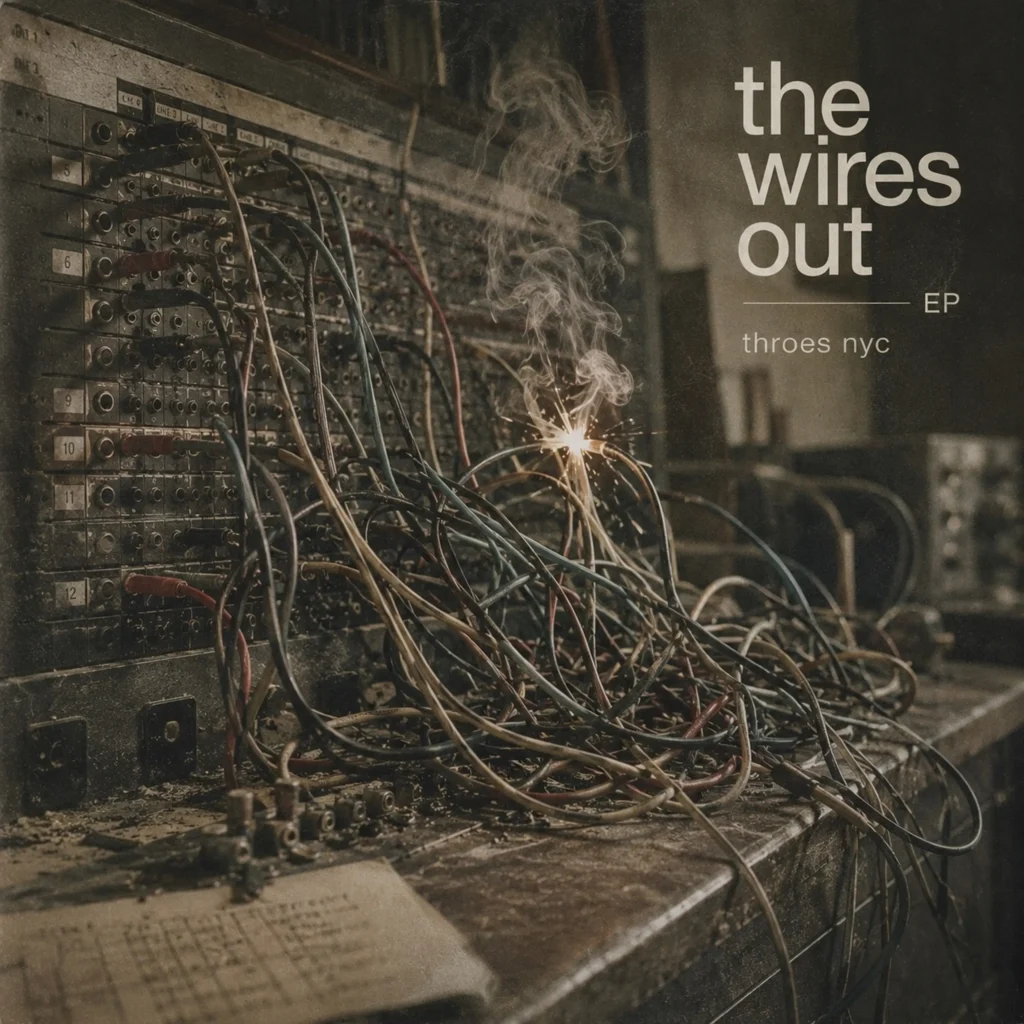
THROES NYC’s “The Wires Out” Is Made for Nights When You Feel a Little Reckless

You just got to love it when EPs are named exactly like how it sounds. THROES NYC’s The Wires Out is pretty much that—everything is exposed, buzzing, sparking, and maybe one bad decision away from catching fire. THROES NYC is the brainchild of Queens, NY natives Michael Bozzo and Courtney Leo, who have been making music together since they were kids. Their teenage years were spent soaking up the chaos of NYC’s ’90s and ’00s music scene, and that influence still runs through their work. And it’s much more evident now with their 2-track EP, The Wires Out. Always, Baby sounds exactly like the song you should probably stop listening to at night before you even do something for the plot. As if it’s in that weird little space between wanting someone and having no idea where that wanting would take you. THROES NYC somehow bottles neon lights, cigarette smoke, and a downtown bar into one hazy trip-hop song where its electronic, melodic pop instinct keeps it strangely inviting.  If we’re being honest, Always Baby isn’t the safest song to put on when you’re trying to make sensible choices, but it’s probably one of the best for making questionable ones sound so real and cinematic.  And while Always Baby is the desire, Something Chemical gets you to the point where things get complicated. It opens with a grave, a promise, a woman being told she’ll be the next one. It’s unsettling, romantic, and completely unhinged in all ways.  You can hear its NYC influence from its washed-out synths and warped rhythms, good at pulling you in that you almost forget how questionable the whole thing is. They just make every repetition of “I want it all” sound so damn convincing.  It definitely makes sense that a duo raised on the raw energy of ‘90s and ‘00s New York would eventually create a project as intimate and explosive as this. But what truly makes it stand out is they don’t just chase that nostalgic NYC sound; they pull it apart, dissect it, add some shimmer, atmosphere, and a whole lot of feeling, as if they took everything they loved about that era and ran it through their own lenses.  As The Wires Out wraps up, you’ll realize that it never completely settles, and the mess is kind of the point. It’s the kind of record you play when you’re not trying to make sense of your feelings, but simply letting yourself have a night that’s a little dark, a little romantic, and a little self-destructive. Follow THROES NYC Globe Spotify Bandcamp Youtube Instagram Promoted Content About the Author

THROES NYC’s “The Wires Out” Is Made for Nights When You Feel a Little Reckless Read More »

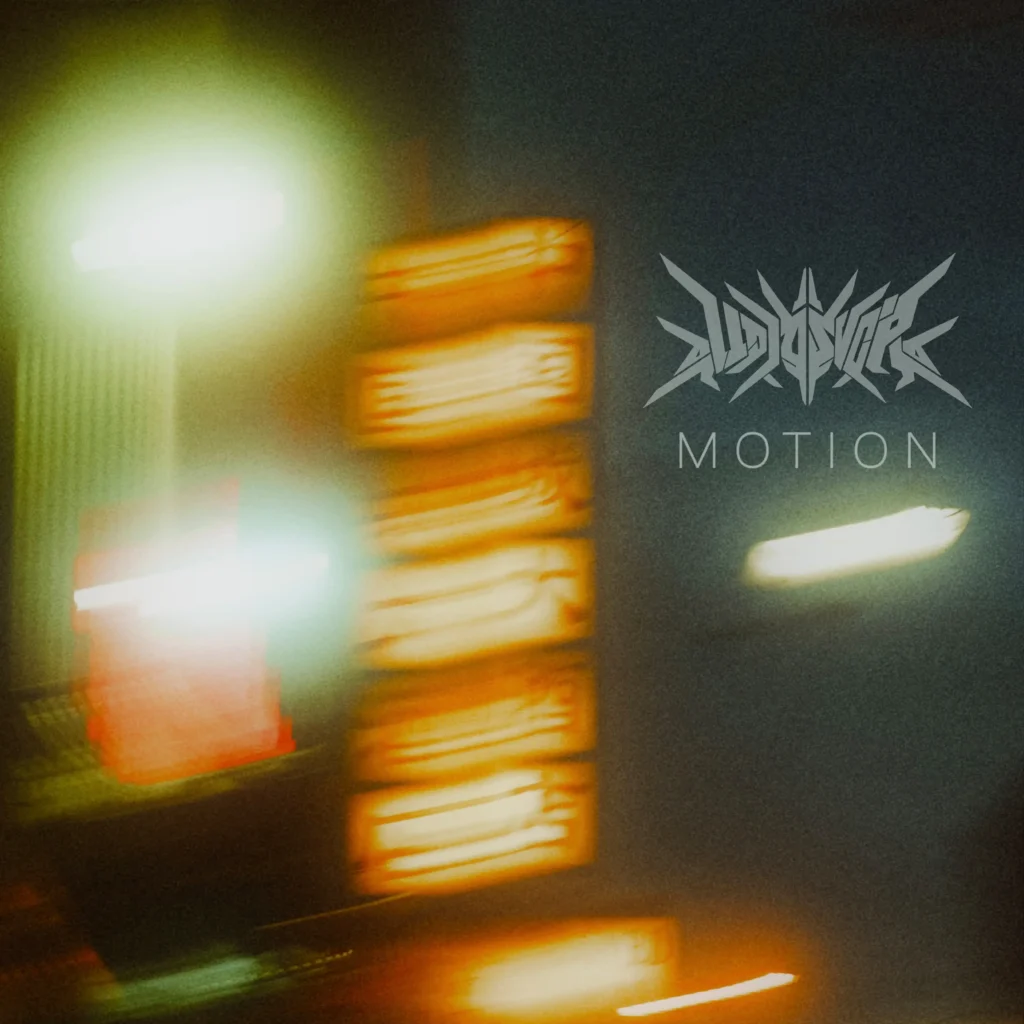
Audiosvora’s “Motion” Turns Restlessness Into a Breakdown

Picture this: a metalcore song built around the idea that you have to keep moving or everything falling apart. It sounds like the sort of motivational poster that would be hanging in a gym run by a man who owns seven protein shakers. Except Audiosvora’s “Motion” takes that idea and makes it considerably more aggressive: stop moving and the whole system starts breaking down. The Budapest-based nu-metalcore band’s latest single is the first taste of their upcoming EP of the same name and it wastes very little time establishing the central argument. “We don’t move to reach a goal, we move to stay the same,” vocalist Viktor Smirnov sings, before the song proceeds to do everything possible to avoid staying musically in one place. “Motion” jumps between metalcore, nu-metal, phonk, electronic music and industrial textures with the confidence of a band that has apparently decided genre boundaries are more of a suggestion than an actual rule. One moment you get swaggering, rap-influenced delivery; the next, the guitars come crashing down alongside extreme vocals and breakdowns. It is basically Limp Bizkit wandering into a rave and discovering that the rave has also brought a breakdown. The clever part is that the song’s restless structure actually reinforces its concept. The arrangement keeps shifting rather than simply repeating the same heavy section until everyone involved becomes exhausted. There are quieter passages where the instrumentation pulls back, creating just enough empty space for the inevitable return of the noise to hit harder.    The production also deserves credit for making this ridiculous collection of influences feel coherent. Synths and electronic textures aren’t merely decorative wallpaper behind the guitars. They are part of the machinery. Phonk rhythms, rave elements, rap delivery and industrial sounds all push against the metalcore foundation, while the guitars provide the necessary blunt-force trauma. Audiosvora doesn’t use guitar solos often, making its appearance here feel almost suspiciously traditional. In a song otherwise determined to smash together nu-metalcore, phonk and electronic music, suddenly somebody remembers that guitars can actually solo. It is a small detail, but it gives “Motion” another unexpected turn. The accompanying video keeps things deliberately simple, focusing on the band performing rather than constructing some enormous cinematic narrative. Its fisheye lenses, close-up shots and constant movement borrow from the chaotic visual language of 2000s metal and nu-metal videos, which is an extremely appropriate choice. “Motion” is ultimately a pretty convincing introduction to Audiosvora’s current identity: heavy, weird, electronic, occasionally playful and absolutely unwilling to sit still. Which, considering the song’s entire thesis, is probably the point. Follow Audiosvora Facebook Spotify Soundcloud Bandcamp Youtube Instagram Tiktok Promoted Content About the Author

Audiosvora’s “Motion” Turns Restlessness Into a Breakdown Read More »

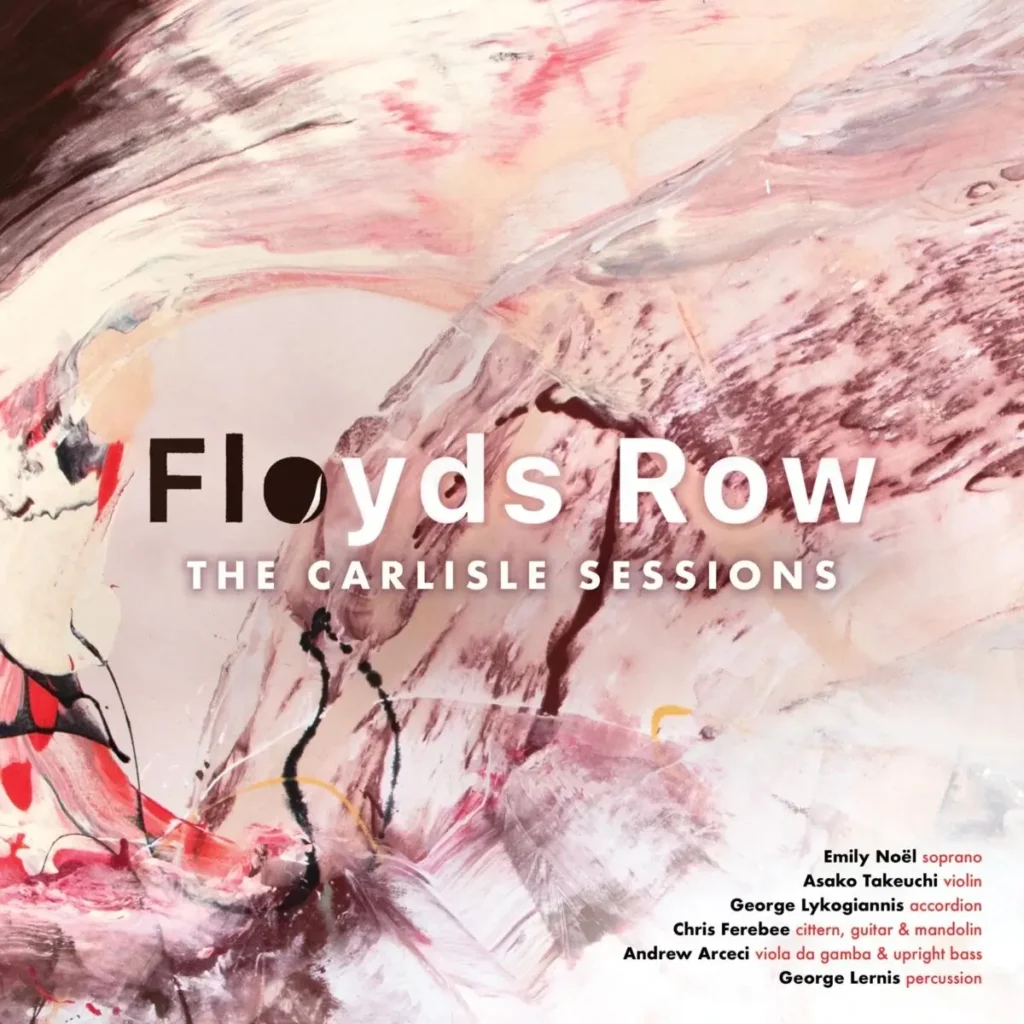
Floyds Row’s The Carlisle Sessions Finds New Life in Old Folk Songs

Floyds Row’s The Carlisle Sessions is a five-track EP that digs through old folk material and gives it a fresh coat of paint without pretending the past needs to be perfectly recreated. The group, formed out of collaborations at the University of Oxford, approaches traditional music less like a museum exhibit and more like a box of very old toys they are allowed to actually play with. And, thankfully, they are very good at playing with them. The EP opens with “George Washington’s Favorite Cotillion,” an upbeat instrumental that immediately establishes Floyds Row’s particular combination of folk and classical musicianship. Accordion, percussion, guitars and mandolin bounce around each other with the energy of a small gathering that has somehow turned into a dance party. It is short, lively and wonderfully odd. “Henry Martin” slows things down and introduces soprano Emily Noël, whose voice is frankly ridiculous in the best possible way. There is something almost ghostly about her delivery, particularly alongside Asako Takeuchi’s violin. The song tells its old maritime tale without sounding like it is desperately trying to convince you that you are standing on a wooden ship in 1720. It simply lets the story and performance do the work. “Jackaroe” follows with a darker, more dramatic atmosphere. Noël again provides the emotional center, while the ensemble gives the traditional song enough weight to feel theatrical without becoming overly polished. George Lykogiannis’ accordion is especially effective throughout the EP, adding a warm, slightly mysterious texture that makes everything feel like it has wandered in from another century. Then comes “Maiden Lane / Kettle Drum,” which might be the strongest showcase of the musicians themselves. Takeuchi’s violin leads the way before the arrangement expands around it, with Chris Ferebee’s cittern, guitar and mandolin and Andrew Arceci’s viola da gamba and upright bass filling out the sound. George Lernis eventually takes over with a percussion passage that is genuinely thrilling.   The closer, “The Song of Robin Hood & His Huntes-Men,” brings everything together with a suitably adventurous finish. The arrangement feels almost like the soundtrack to a storybook coming alive, with guitar, bass, violin, accordion, percussion and Noël’s vocals all contributing to the atmosphere. What makes The Carlisle Sessions work is that Floyds Row understands the difference between preserving history and being trapped by it. These songs are old, but the performances do not feel frozen in place. This probably will not be everyone’s cup of tea. It is not exactly music designed for a playlist titled “songs to scream in the car.” But that is also why it is worth hearing. Floyds Row takes music that could easily feel distant because of how ancient they are and gives it modern or rather a timeless sense of warmth, movement and personality. The Carlisle Sessions is less a trip backward than a reminder that the past can still dance. Follow Floyds Row Globe Spotify Youtube Facebook Promoted Content About the Author

Floyds Row’s The Carlisle Sessions Finds New Life in Old Folk Songs Read More »

Dear Doky Weaponizes High-Octane Anxiety on the Fiery ‘Black Hole’

A jagged wall of distorted guitar feedback cuts straight through the quiet before a furious drum beat kicks the door off its hinges. On Black Hole independent artist Dear Doky charges out of the gate with an immediate sense of emergency that grabs your chest and refuses to let go. The track instantly establishes a frantic velocity as heavy bass notes rumble beneath a razor sharp riff. It feels like sprinting downhill on slick gravel where every step threatens to spill into absolute chaos. That relentless pace drives the verses forward while raw vocals stretch to their absolute limit against a wall of overdrive. Dear Doky leans hard into the classic spirit of late nineties alternative rock while keeping the punch clean and modern. The rhythm section rattles with the nervous excitement of early Jimmy Eat World records and the guitars hit with a heavy metallic crunch that gives the melody real muscle. When the chorus hits at 0:48 the tension explodes into a massive melodic hook that demands to be shouted back at full volume. It is a terrifying and thrilling moment where the gravity of the situation takes over completely. Listen to the way the vocals fray at the edges during the breakdown near 1:55 where a sudden drop in production space leaves only a pounding kick drum and a solitary guitar string buzzing in the quiet. Dear Doky channels the fiery energy of mid-2000s icons like Paramore alongside the aggressive rhythmic drive of Sum 41 to build a sound that feels both nostalgic and aggressively fresh. The lyrics tap into that spiral of losing control and watching the floor fall away beneath your feet. By the time the final chorus roars back in for one last explosive stretch you are completely locked inside the storm. Dear Doky has turned pure panic into an infectious rallying cry that proves independent rock music still has plenty of teeth left. Play it loud in the car with the windows rolled all the way down and let the noise take over.  Instagram Spotify Youtube

Dear Doky Weaponizes High-Octane Anxiety on the Fiery ‘Black Hole’ Read More »

New Mexico Outlaws Purse Thief Blow the Lid off Garage Rock on ‘Modern Lover’

Out in the sun-baked sprawl of the New Mexico desert rock and roll still carries the scent of unwashed denim and spilled beer. On their debut single “Modern Lover” Purse Thief burn through two generations of guitar mythology with the frantic energy of a band speeding down Interstate 40 in a stolen Buick. Frontman Rafael Vigilantics barks name-checks like cursed talismans evoking everyone from Jonathan Richman to Joni Mitchell while chords crunch and scrape against a wall of thumping drums. The whole track hits with the nervous charge of early The Modern Lovers colliding head-first into the sweaty revivalism of The Stooges. Vigilantics isn’t interested in gentle nostalgia. Instead he spits out lines about David Bowie lying fat inside the ground and Brian Eno declaring lyrics garbage turning pop history into a high-stakes fistfight where lust consistently outperforms love. At 1:07 when the rhythm drops into a driving pulse and the lead guitar rips open a jagged blues-drenched riff the track explodes into pure unvarnished adrenaline. Rock music rarely feels this alive or dangerous anymore. That raw guitar breakdown around the three-minute mark does not ask for permission. It claws through the mix while Vigilantics barks about driving a thousand miles an hour until the tires melt off the rims. You can feel the grit of the studio floor in the rhythm section built on a heavy-footed bassline and snappy snare work that keeps Garage rock feeling lean and mean. By the time the final feedback loop dissolves into wild studio chatter Purse Thief show that the desert still spawns true outlaws. Put this record on and turn the knob until your speakers rattle and let the chaos take over.  Instagram Spotify Youtube

New Mexico Outlaws Purse Thief Blow the Lid off Garage Rock on ‘Modern Lover’ Read More »

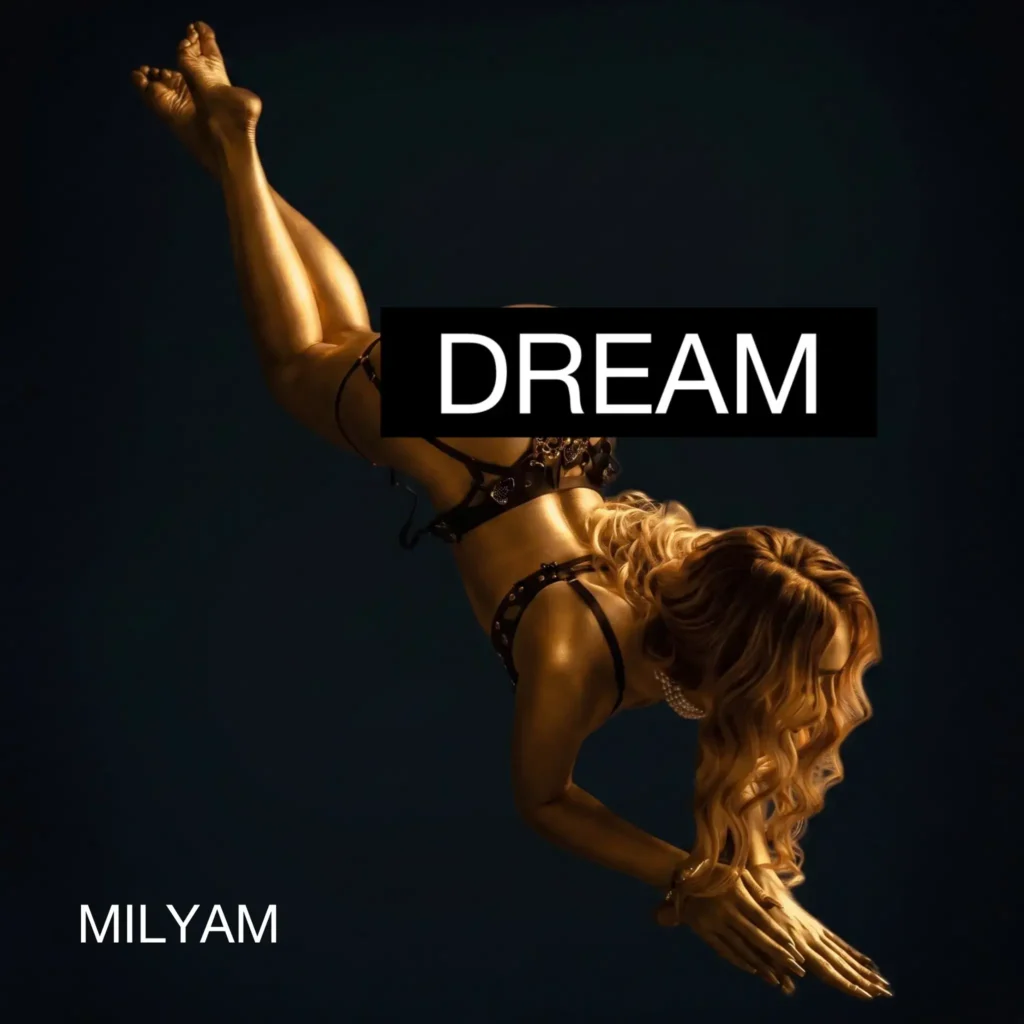
Milyam’s “Dream” Is the Perfect Late Night Track

Some songs are atmospheric. Other songs just throw a mountain of reverb on it and hope no one notices it. MILYAM is squarely in the former camp with her newest song, “Dream.” The LA-based artist recently earned recognition beyond “Dream,” with her single “Intimacy” selected as a Semi-Finalist in the R&B/Soul category at the Unsigned Only 2026 Music Competition. With “Dream,” MILYAM takes things into a much more intimate space. The track seems to exist somewhere between dark R&B and art-rap, wrapped in the kind of post-midnight atmosphere that’s better suited to empty streets, dimmed bedrooms and those few minutes where your thoughts can wander somewhere they absolutely shouldn’t. “Dream” captures that specific headspace between awake and drifting off, and honestly it works. The song doesn’t rush to clarify anything and instead puts its most valuable asset on full display: the mood. Her voice is hushed and held, giving “Dream” a sense of privacy that feels less like a performance and more like eavesdropping on your own thoughts. And for that production needs its due credit. There’s a glossy cinematic polish lurking under the surface here but it never once leans too far into that. The darker tones still manage to shine through, making for an underground and slightly uncanny effect. It’s production that seems to glow rather than blare. But it’s really the voice that makes this song, in particular: her pauses, rhythms, and even her restraint become an instrument itself. Filling up the space between each beat and not drowning any of it out. MILYAM isn’t so much dancing on this production as she is floating on top of it. And that works perfectly because “Dream” is built on that confusing place where fantasy and reality intersect. The song doesn’t try to explain away anything about the in-between space: rather, it dances around subconscious impressions and fragmented thoughts, leaving it open for you to do the heavy lifting and draw whatever conclusions you choose. And arguably, that’s exactly where the song truly succeeds. The concept could have turned out overly dramatic or embarrassingly obvious. Instead, MILYAM trusts in the atmosphere and allows it to do its job. There’s no flashing neon sign above pointing out THAT THIS IS A DEEP SONG; it allows you to feel it.   It’s easy to digest but not to the point of being desperately pleaser-centered. And above all, “Dream” understood exactly where its strengths lay and trusted them. It didn’t require some bombastic chorus or ridiculously complex beat switch for any impact. Instead, “Dream” offered a small, shimmering world all its own and invited you to get lost within it before you could start to catch on. For a song that exists right in that beautiful and sometimes terrifying transition between sleep and awake, there was perhaps no more perfect place to occupy. Follow Milyam X-twitter Spotify Youtube Instagram Promoted Content About the Author

Milyam’s “Dream” Is the Perfect Late Night Track Read More »

Realest$Gold’s R.A.P Shows One Artist Finding Her Voice on Four Tracks

R.A.P.by Realest$Gold offers a glimpse of an artist finding her voice across four tracks Art is never one to dictate the rules and it doesn’t tell us that to grow we need to start changing our sound entirely, run to a different studio or declare we have reached a ‘new era’. For Realest$Gold’s four-track EP, R.A.P, artistic progress comes in the form of doing what she knows and only then noticing her artistic growth on familiar terrain. The EP was recorded in Ypsilanti in the exact same room where she has been making music since the age of 15. However, despite no change in environment, there’s undeniably a shift in the artist that’s clear from the get go. Instead of radically altering her approach, Realest$Gold seems to lean into her strengths: introspection, confidence, spirituality and thoughtful contemplation which ultimately results in a miniature project that serves as a snapshot of her current self.  View this post on Instagram A post shared by @realestgold At the start of the project, the most positive track, ‘RISE’ delivers a simple yet clear message of moving forward and getting better. It has the feel of Realest$Gold not just talkin’ about being ready to improve and move on, but actually doing so. With “ARCANA”, as the title implies, this track takes a turn for the mystic and explores more profound, spiritual themes. Realest$Gold even describes the universe as her God and has the audacity to call said universe a ‘gangster.’ It may not be the common lingo for a rap lyric, but this fusion of spiritual and street-bred rhetoric has that real Realest$Gold personality, without sounding contrived.    In ‘PRIORITIES,’ Realest$Gold gets more personal, dissecting what actually matters in life and in her career, as the overall themes of growing up, maturing in a more philosophical sense and learning what needs to get done shine through, rather than what needs to get bigger or louder.  Closing with a perfectly fitting title of ‘Mirrors,’ the EP ends with an introspective flourish. “RISE,” the mystique of “ARCANA,” and the introspection of “PRIORITIES” combine to give an intimate and concluding feel to the project and ensures a consistent vibe and message throughout the R.A.P. EP. A larger purpose behind R.A.P. Is to produce music that will resonate with women that feel largely ignored by mainstream hip hop and offer them their own soundtracks. With R.A.P., it’s not just what she has to share but to let the women who listen to it know that it does not solely belong to Realest$Gold, but also them. Naturally, such a massive task cannot be achieved with an EP, so R.A.P.’s role is more of an introductory point than a conclusive statement. All in all, R.A.P. is successful due to its sincerity; its confident but not arrogant lyrics, it’s thought-provoking without getting too serious for its own sake and it is brief but high-quality enough to make the listeners want more. Most importantly, it reflects that Realest$Gold is a growing artist, that does not need to radically transform to show this, but to pay close enough attention to notice the shifts and growth within the art and artist themselves. Follow Reale$tGold Globe Spotify Soundcloud Youtube Instagram Tiktok Promoted Content About the Author

Realest$Gold’s R.A.P Shows One Artist Finding Her Voice on Four Tracks Read More »

Jeff Vidov’s “Signs of Life” Takes a Dream and Turns It Into an Epic Widescreen Rock Song

“Signs of Life” could hardly have a more literal starting point: Jeff Vidov had it in a dream. The Toronto-based musician woke from a vivid composition dreamt from start to finish and immediately sketched it onto a piano with a tape machine before losing it. That spontaneous act has remained the blueprint for “Signs of Life,” a vibrant rock-pop single of dizzying scale and confidence in optimism. Built around rock solid rhythm, effervescent bassline, driving piano figure and a scorching guitar break, “Signs of Life” boasts a film score scope. The inherent qualities of orchestration remain apparent in Vidov’s multilayered arrangement, managing to never undermine the live feel of a rock tune. “Signs of Life” bridges the gap between orchestral arranging and anthemic rock, bringing out the best qualities from both as instead of warring with one another it plays to each other’s strengths and here is “Signs of Life” greatest asset. It may be rock with a bit of lush orchestration woven into its arrangement or a film soundtrack arranged as a poppy tune, but with Vidov, you get what you would get which is to say an incredibly skillful composer playing his first real rock track with a precision and scope not typically associated with the genre. That said, the biggest strength may be its sincerity. “Signs of Life” has the bravery to present optimism not diluted by a healthy dash of irony or over-reliance on complexity. It could very well serve well as the quintessential, unadulterated summer smash. The song is about unbridled creativity and the pursuit of dreams. The one downside to this approach is that as the more adventurous elements of the arrangement sometimes risk obscuring its simpler message, less music would sometimes have made more an impact, particularly a few of its less bombastic moments. Nevertheless, “Signs of Life” is ultimately an overwhelming success, a tribute to musical possibility from its dream-induced inception through its epic scale and refusal to adhere to convention and an indication that you can’t predict creativity in every way. Follow JEFF VIDOV Facebook X-twitter Spotify Bandcamp Youtube Instagram Tiktok Promoted Content About the Author

Jeff Vidov’s “Signs of Life” Takes a Dream and Turns It Into an Epic Widescreen Rock Song Read More »

Direct Force’s “Full Throttle” Is Heavy Metal’s New No Holds Barred Anthem

When ‘Full Throttle‘ releases on August 21st, 2026, there is absolutely zero question what Direct Force wants you to do; turn it up to eleven. Direct Force’s latest single embraces the title to its maximum capacity, which means that this song is an unwavering salvo of pure metal goodness grounded in heavy riffing guitar work, a pounding percussive backbone and a chorus that is custom-built for mosh pits around the world. In its heart, ‘Full Throttle’ is really asking you to take on life’s obstacles head-on, full force, full determination, however you want to go about it. The sentiment might be rather simple in theory but Direct Force offers it up with so much sonic heft and attitude that it does not sound like a self help cliche so much as it sound like unbreakable doctrine. The immediate impact is undeniably one of the song’s greatest assets. The arrangement is undeniably catchy without sacrificing weight or impact. Infectious guitar riffs propel the song and the chorus possesses a chant-ready quality that will likely become its most distinguishing feature with continued listening. One of the features where the execution really sets this recording apart would also have to be the production. From the doubled guitar recording work here and with the drums delivering the massive impact you have here, along with extremely punchy bass to reinforce the weight; you have the recipe for a real wall of sound the only thing to stop it being completely muddy being a fantastically produced set of vocals that hit perfectly. Direct Force is actually the work of a 35-year-old disabled Navy veteran from Little Rock who’s decided to channel years of experience playing in bands into a one-man creative endeavor. As a multi-instrumentalist, he takes care of all of the performances as well as the recording, mixing, and mastering processes all within his private studio. One gets the impression that there hasn’t been any concerted effort to dull the inherent edges of heavier music for public consumption; instead, Direct Force appears to embrace the genre’s quintessential pleasures. He is committed to delivering chunky riffs, incredibly addictive grooves, memorable hooks and an unashamedly confrontational attitude. ‘Full Throttle’ is ultimately a success for the fact that it understands that a heavier musical piece doesn’t need to go into elaborate detail with its message. All one requires is a powerful strike, a catchy and memorable refrain and the conviction not to back down. That’s exactly what Direct Force does. Follow Direct Force Youtube Instagram Spotify Facebook Promoted Content About the Author

Direct Force’s “Full Throttle” Is Heavy Metal’s New No Holds Barred Anthem Read More »