
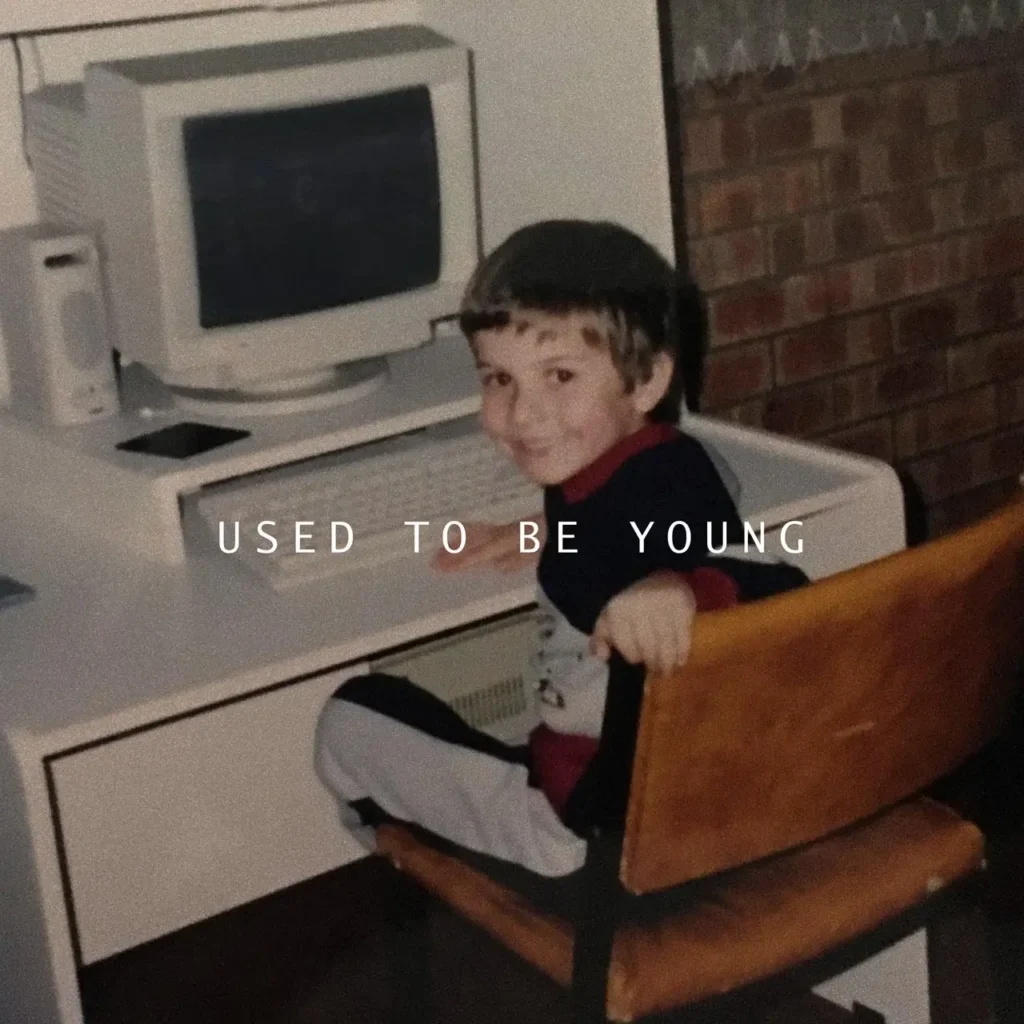
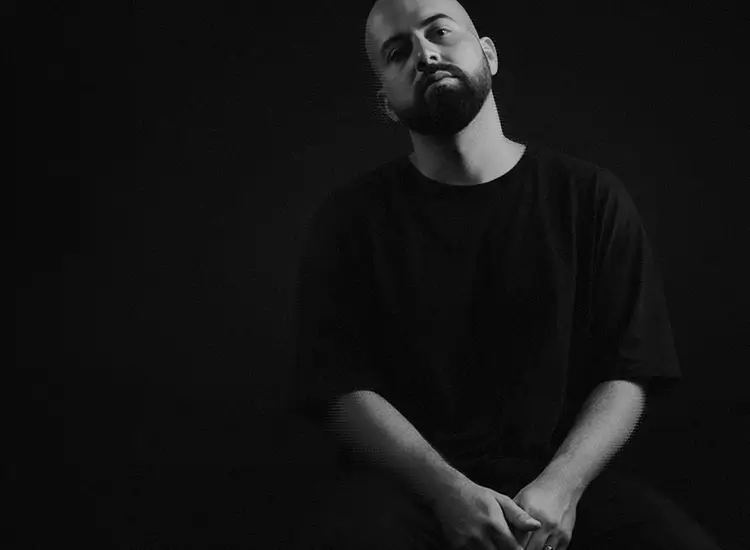
There are two ways to cover a pop song. The first is the karaoke method: sing it more or less the same way, hit the big notes, maybe add one dramatic key change if you’re feeling ambitious. The second is the slightly more interesting approach, where you take the song apart, look at what it’s actually about, and then rebuild it so it sounds like something you might have written yourself. Philip La Rosa’s version of “Used To Be Young” is firmly in the second category.
Originally recorded by Miley Cyrus, the song already arrives with a built-in sense of nostalgia. It’s a reflective pop ballad about youth, mistakes and the strange realization that the person you used to be is technically a different person who made a lot of questionable decisions back then. La Rosa’s version leans into that reflective energy even further, positioning the track as a natural continuation of the themes he explored in his previous single, “Introspection.” Rather than treating the song like a standalone cover, he approaches it like the next chapter in an ongoing conversation about growth and self-reflection.
Recorded in Perth, Western Australia, the production pulls back from the polished pop gloss of the original and moves toward something softer and moodier. The arrangement drifts into an 80s-leaning new-wave space; think shimmering synths, hazy guitars and a rhythm section that feels like it wandered out of a very emotional late-night radio broadcast. It lands somewhere between the rock-edged pop of Cyrus’ Plastic Hearts era and the warmer, reflective atmosphere of Endless Summer Vacation. The result is a sound that feels nostalgic without turning into a full retro cosplay.
What really sells the cover, though, is the performance. Instead of trying to replicate Cyrus’ delivery, La Rosa opts for something quieter and more conversational. The lyrics land less like a stadium-sized pop confession and more like someone reading an old journal entry out loud and realizing halfway through that it still hits a little harder than expected. That shift in tone changes the emotional center of the song.
In that sense, “Used To Be Young” fits neatly into Philip La Rosa’s growing catalog. It’s reflective without becoming melodramatic, nostalgic without getting stuck in the past. By filtering a familiar song through his own perspective, La Rosa turns the track into something quietly universal because sometimes looking back isn’t about regret; sometimes it’s just about noticing how far you’ve traveled.
Follow Philip La Rosa
About the Author

A tenured media critic known working as a ghost writer, freelance critic for various publications around the world, the former lead writer of review blogspace Atop The Treehouse and content creator for Manila Bulletin.