
Rock music has always come with a very specific aesthetic package. You know the one: leather jackets, hair that suggests a long-running disagreement with scissors, guitars that sound like someone plugged a chainsaw into a thunderstorm. The cultural message is clear. This is Serious Guy Music. Feelings are allowed, but only if they’re screamed through an amplifier loud enough to frighten nearby wildlife.
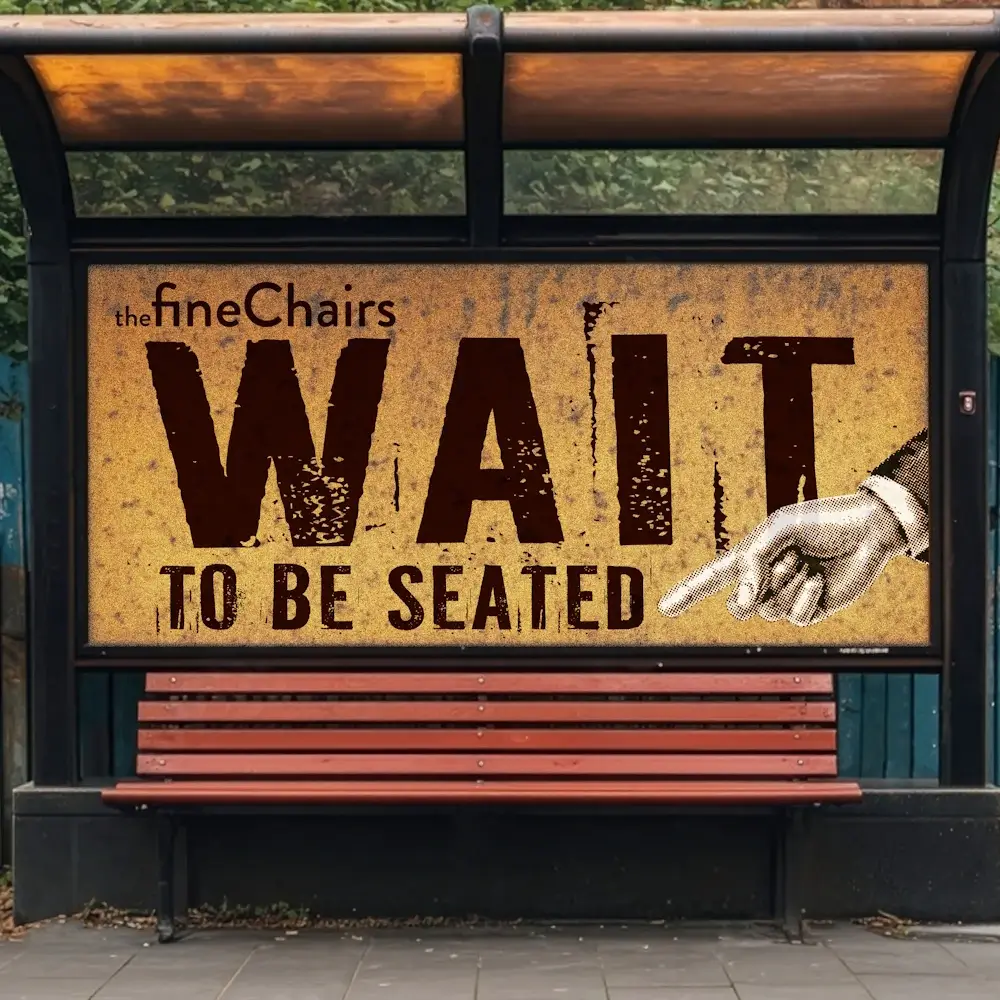
Wait To Be Seated by The Fine Chairs feels a little like discovering that the intimidating biker at the bar also writes extremely heartfelt poetry about the moon. Not in a mocking way; more in the sense that you suddenly realize the leather jacket was never meant to hide the feelings. It was meant to survive them.
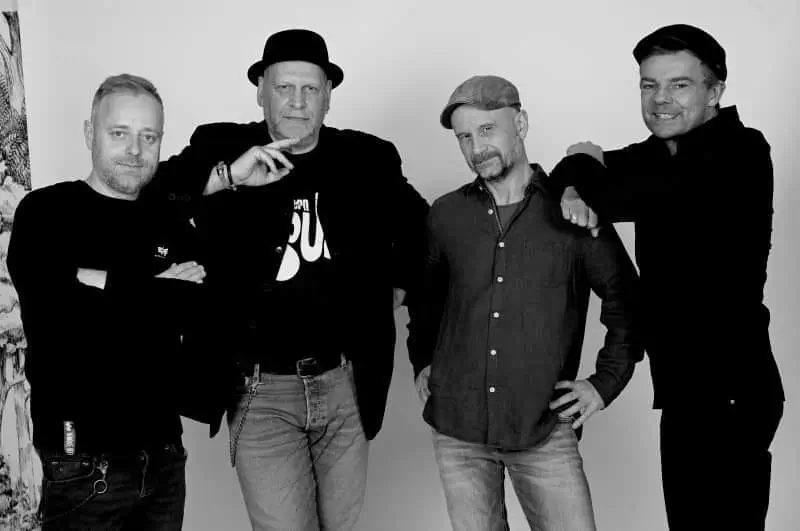
Garage rock, historically speaking, has a reputation. It’s supposed to be rough, loud, a little greasy around the edges. It’s the musical equivalent of gasoline fumes and cheap beer. It’s a genre that communicates primarily through momentum: distorted guitars, pounding drums, and the vague sense that someone in the band has just kicked over a chair for emphasis. What it’s not usually known for is emotional vulnerability. That tends to get filed under “other genres.”
And yet Wait To Be Seated basically runs on the collision between those two things.
On one side, the album delivers exactly the kind of garage-rock energy you’d expect. The guitars snarl, the rhythm section stomps forward like it’s late for a bar fight, and the whole production has that warm, slightly scuffed texture that makes everything feel immediate. It’s loud in the satisfying way; not just noise, but noise with momentum.
On the other side, the lyrics are weirdly, almost disarmingly honest. Not in a melodramatic way, but in the way someone might admit something personal while staring very hard at the floor. The band isn’t abandoning the swagger of rock music, but they’re definitely letting some sunlight into the emotional basement.
And the interesting thing is that the album manages to keep that balance across twelve tracks without collapsing into repetition, which is honestly harder than it sounds. A lot of albums in this lane start strong and then, around track five or six, you begin to notice that the songs are quietly turning into slightly different versions of the same idea. Here, though, the band keeps shifting the angle. One moment it’s full-throttle garage rock; the next it’s drifting into something more reflective, then back again like someone alternating between yelling into the void and calmly contemplating the void’s interior decorating choices.
The opening track, “Half The Truth,” kicks the door down immediately. Overdriven guitars, a thick retro crunch, and a rhythm section that feels less like accompaniment and more like structural reinforcement. It’s the sort of song that makes you instinctively grab an imaginary guitar and perform a dramatic solo in front of the mirror, which is frankly one of the highest compliments a rock song can receive.
“Strength And Hope” takes a slightly different approach. The guitars sound intentionally loose, almost drifting, which creates this oddly warm sense of optimism. It’s the musical equivalent of that moment when you know you probably should be doing something productive, but instead you’re halfway through dancing around the room for no reason. The track leans into that mood: light, slightly hazy, and surprisingly infectious.
Then there’s “It’s Not What We’d Call Heaven,” which functions as the emotional centerpiece of the album. The song throws gritty rock textures and romantic vulnerability into the same space and just lets them collide. Somewhere in the middle there’s a soaring guitar solo that feels like the bridge between the messy and the idealized, holding them together for a few glorious minutes.
“Something Wrong” pulls the tension back a bit and introduces a lighter tone. There’s an indie-rock looseness here, with a faint Eastern flavor woven into the arrangement. It feels like late evening, when work technically still exists but nobody is particularly committed to acknowledging that fact.
“Time Is Right” scales things up again. Big guitars, big momentum, big feelings about the future. It’s a song that believes very strongly in forward motion; dreams moving quickly enough that slowing down would feel like defeat.
“In Beauty And In Grace” takes the shape of a rock ballad, but it refuses to stay entirely gentle. The melody floats along pleasantly before the guitars remind you that softness, in this band’s world, usually arrives with a small dose of bite.
Later tracks like “Rain In My Face” and “Through Empty Space” stretch the atmosphere even further. The former slows everything down into something reflective and slightly roguish, while the latter drifts into a kind of cosmic scale; voices dissolving into the mix, guitars flickering like distant signals from Earth.
By the time the closing track, “Feet Upon My Shoes,” arrives, the band seems determined to end the album the way it began: loud, raw, and absolutely convinced that the guitar is still one of humanity’s most effective emotional translation devices.
What Wait To Be Seated ultimately proves is something garage rock has probably known all along but rarely states out loud: toughness and tenderness are not opposites. The leather jackets, the distortion, the swagger; it’s all just decoration around a very human core. Underneath the noise, the heart is beating very loudly. And in this case, The Fine Chairs are kind enough to let you hear it.
Follow The Fine Chairs
About the Author

A tenured media critic known working as a ghost writer, freelance critic for various publications around the world, the former lead writer of review blogspace Atop The Treehouse and content creator for Manila Bulletin.