
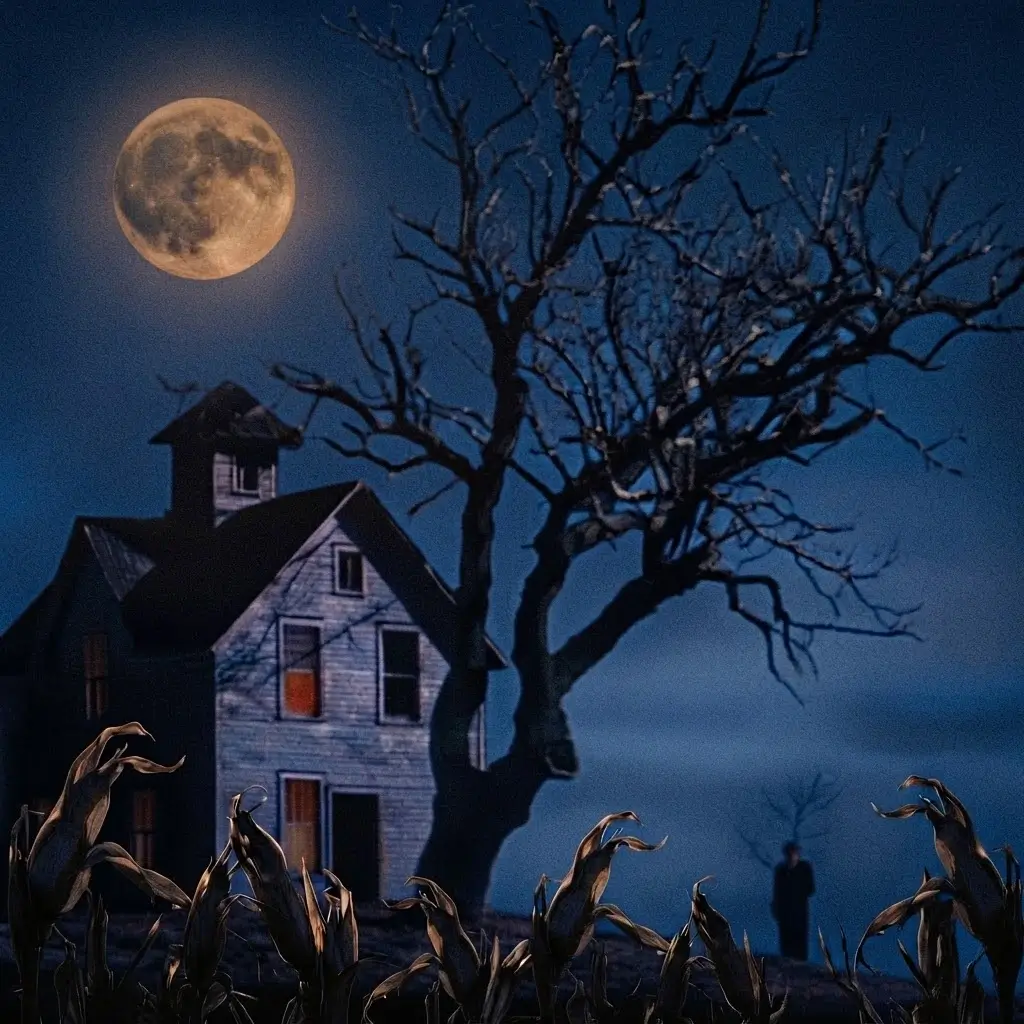
There are albums that aim to sound autumnal, and then there’s an album that sounds like it was recorded somewhere behind an abandoned farmhouse while the trees were secretly plotting your demise. Hoxsey’s Harvest Moon Sessions is very much in the latter camp.
Over 13 songs the album is a mixture of gothic folk, alt. rock, acoustic singer-songwriter and experimental music. A Tascam 4-track was used and you can hear that constraint all over. Guitars ring out to fill their space, textures sometimes seem to be held together with tape, and it all has a slightly horrified feel to it, like discovering an ancient recording in a box that you probably shouldn’t listen to after midnight.
This is not an album that has to hit you right between the eyes in the first 30 seconds. Harvest Moon Sessions is quite content to just sit back and let you wonder. And truth be told, there’s something very endearing about that.
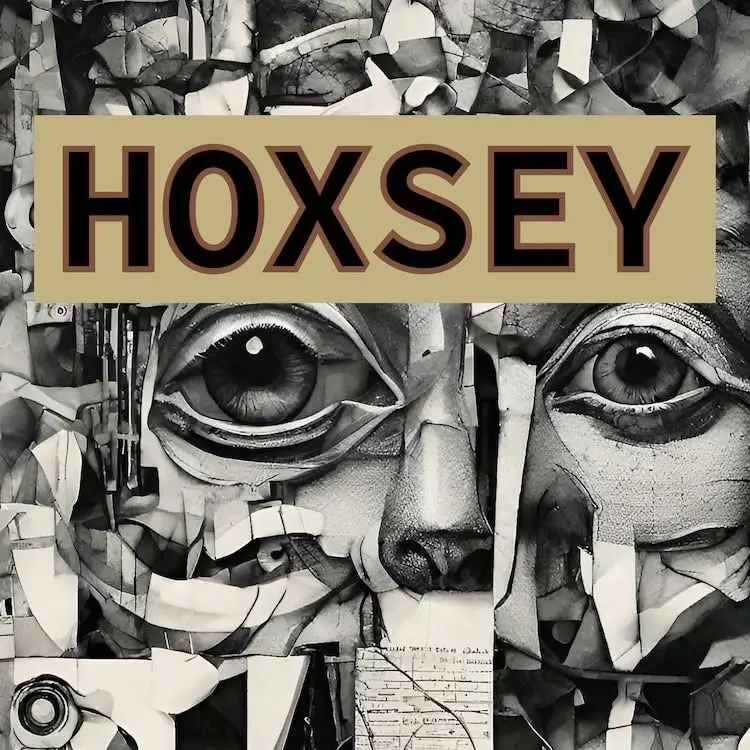
Hoxsey’s songwriting is given room to breathe on this pared-down recording without the record feeling like just another cozy “dark folk” album. There’s no huge cinematic swell every couple of minutes to tell you now you know, now you don’t. Instead, it’s built up through little details: through the way the instruments arrange themselves, the rough sound of the recording, and the contrast between stark acoustic stuff and the heavier bits.
The Tascam has every chance of being just a gimmick. “Recorded on vintage equipment” is one of those phrases that becomes so overused you can almost see the people in the marketing department nodding along. But in this case, the restrictions work.
At times, the album sounds a bit rough around the edges, which works well for Hoxsey’s concern with strange figures and mythologies, death, and change. It belongs more in forests, bedrooms, vacant city streets and dimly lit clubs than the hyper-clean digital space where music mostly lives.
“Humans” is a good example of how little the album actually needs. Its relatively simple instrumentation leaves the song to carry itself, while the uneasy atmosphere does the heavy lifting. “Over the Mornings New Moon” works similarly, pairing acoustic singer-songwriter elements with the album’s darker mood.
Neither track feels desperate to announce itself as Important Art. They’re just quietly strange songs that become more interesting the longer you sit with them.
Then there’s “Rowboat Purgatory,” the album’s closer, the sort of song you might write after staring at a lake for three hours and deciding that, yes, the lake is probably hiding something.
It’s dark, moody and a little surreal, but it also gives the album a satisfying ending without making everything suddenly make sense. After 12 tracks of increasingly unusual territory, the record finishes somewhere darker instead of tying everything into a neat little bow.
Harvest Moon Sessions isn’t really a Halloween album. There are spooky motifs, sure, but it’s less “look at all the pumpkins in the shops” and more “some of us die and the days are getting shorter.” Cheerful stuff!
Still, the album isn’t relentlessly miserable. There are lighter moments and shifts in pace that keep the gothic atmosphere from becoming exhausting. The heavier sections make the quieter ones hit harder, while the acoustic material gives the louder moments more weight.
The sequencing helps, too. Some tracks can feel puzzling or slightly unfinished if you’re waiting for a conventional verse-chorus structure. Taken together, though, the album starts to feel less like 13 separate songs and more like one long walk through a forest where something has clearly gone wrong.
That does mean Harvest Moon Sessions asks for some patience.
Its biggest weakness and its biggest strength are basically the same thing: it isn’t immediately accessible. If you want shiny hooks, obvious choruses or production engineered to grab you by the collar within five seconds, you might spend a while wondering when the album is actually going to start, only to realize that the wandering is the point.
Hoxsey prioritizes atmosphere over polish, and the imperfections aren’t simply things the songs have to survive. They’re part of what makes the songs work. The analog recording gives the guitars and vocals a physical weight, while the minimalist arrangements leave room for Hoxsey’s strange lyrical and musical ideas. By the time “Rowboat Purgatory” arrives, Harvest Moon Sessions feels less like an album you’ve listened to and more like somewhere you’ve been.
It’s flawed, occasionally awkward, sometimes gorgeous, and often weird enough to make you wonder what exactly Hoxsey thinks a normal autumn evening looks like.
Which is probably the point.
Harvest Moon Sessions doesn’t want you admiring its construction from a safe distance. It wants you to sit with it until the shadows, strange little stories and rough edges start feeling familiar. Eventually, it clicks; just don’t expect it to tell you when.
Follow Hoxsey
About the Author

A tenured media critic known working as a ghost writer, freelance critic for various publications around the world, the former lead writer of review blogspace Atop The Treehouse and content creator for Manila Bulletin.