
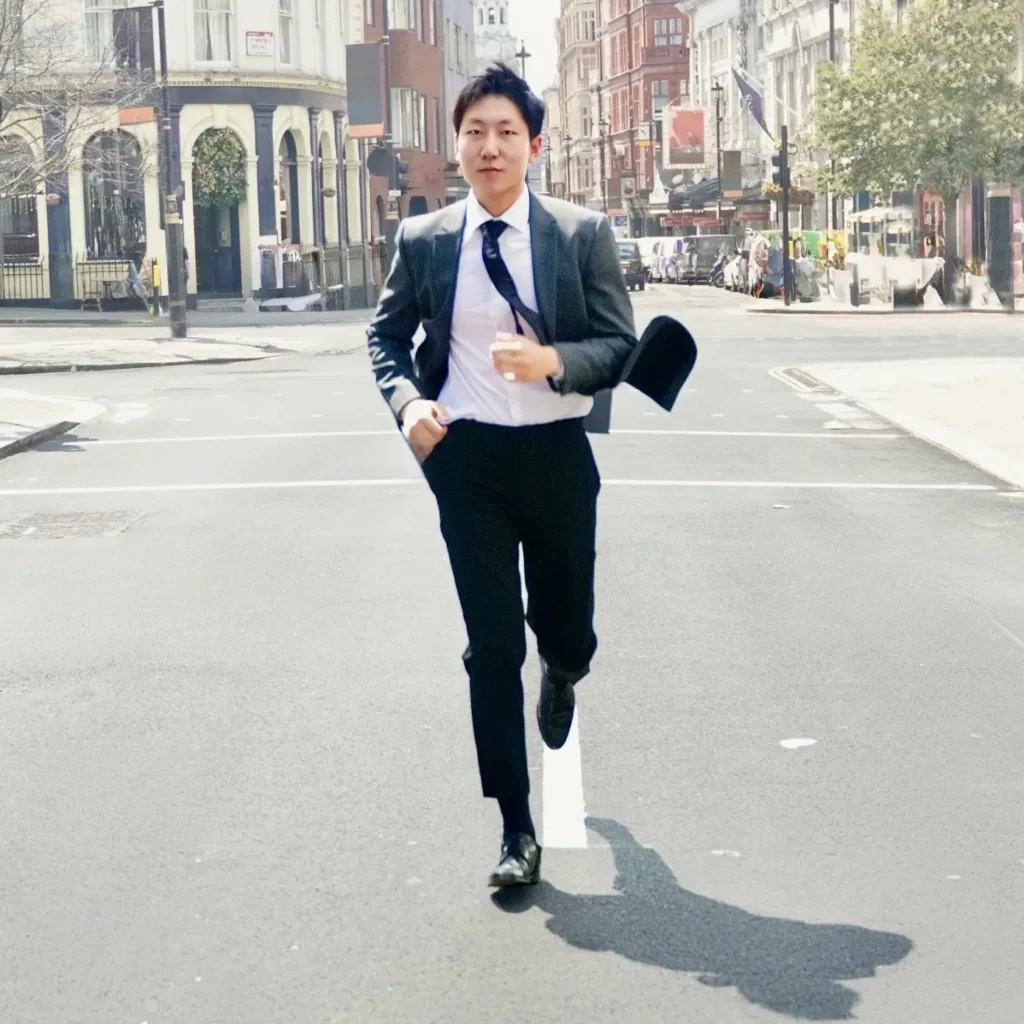
Some debut albums arrive like a statement. Others arrive like a question that hasn’t quite decided what it’s asking yet. Sid, the debut English-language album from Dian Sheng, sits comfortably in the second category, carrying ideas about identity, culture, and self-understanding without rushing to pin any of them down.
Sheng builds Sid like a conversation that keeps drifting into new rooms. Not abruptly, not for the sake of showing range, but because that’s just how thoughts work when you’re trying to figure something out. The album exists in that liminal space between clarity and uncertainty, where identity isn’t declared so much as slowly assembled.
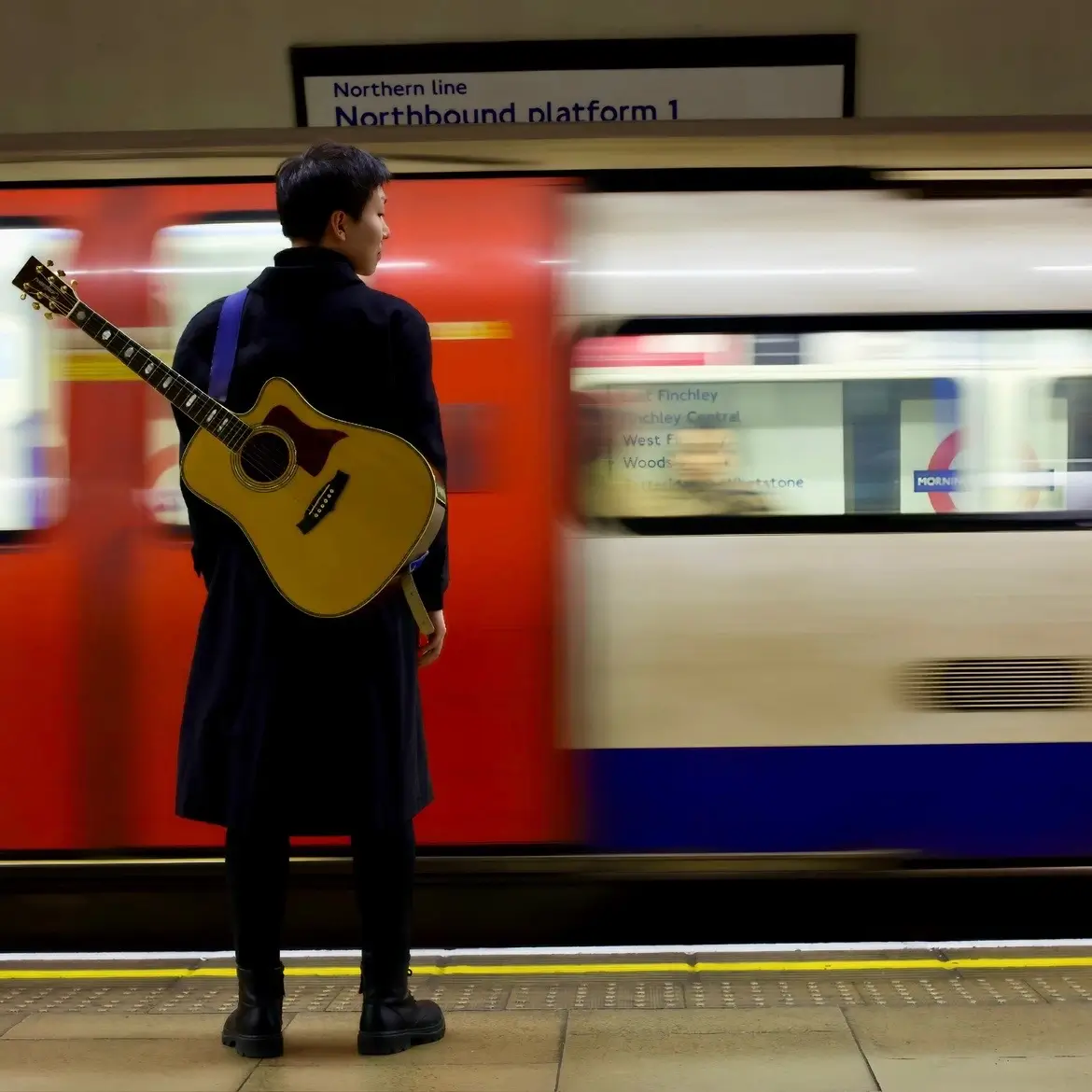
Musically, Sid moves like it’s refusing to sit still long enough to be labeled properly. Pop, rock, electronic, jazz; they’re all here. It’s closer to the sound of someone following a feeling and letting the genre catch up later. The result is cohesive without being rigid, varied without feeling like it’s trying to impress you for points.
There’s a quiet confidence baked into that. Not the loud, debut-album confidence of “this is exactly who I am,” but the more interesting version: “this is who I might be, give me a minute.” Sid isn’t racing toward a conclusion; it’s wandering, deliberately, between ideas and versions of the self and crucially, it knows that wandering is the point.
“Right Now” opens the album without making a scene about it. No dramatic entrance, no oversized hook demanding attention; just a clean, guitar-led structure that feels grounded enough to stand on its own. It’s doing something deceptively simple: establishing trust. It lets Sheng’s melodic instincts speak first, without clutter, and sets the tone for an album that’s more interested in unfolding than announcing.
“I Come From Far” is where things start to stretch out a bit. The arrangement opens, the emotional scope widens, and suddenly the album feels like it has somewhere to go; even if it’s not entirely sure where that is yet. There’s a sense of movement baked into the track, like it’s constantly in transit, never fully landing. It doesn’t try to resolve the idea of belonging; it just keeps orbiting it, which ends up feeling more honest anyway.
“Undecided Love” is where Sid leans into hesitation as an actual aesthetic choice. The jazz influence slows everything down; not just musically, but emotionally. Notes linger, phrases stretch, and nothing rushes toward a neat conclusion. It’s a song that seems actively uninterested in giving you a clear answer, which is exactly why it works. It sits in that uncomfortable middle space and just stays there, letting the ambiguity do the heavy lifting.
“It Will Be Alright” sounds like reassurance on paper, but in practice it’s more like reassurance being carefully assembled in real time. The structure leans more toward pop, but there’s still that slight hesitation underneath it, like the song is testing its own optimism before fully committing. It doesn’t oversell the feeling; it lets it exist, a little tentative, which makes it land more naturally.
“Seventeen” shifts the album into motion. Suddenly there’s energy, momentum, something closer to forward drive. The electronic textures add urgency, the melody pushes outward, and the whole track feels like it’s happening in the present tense. There’s a hint of retro influence, sure, but it doesn’t feel like nostalgia. It feels immediate, like the song is less about remembering youth and more about being stuck right in the middle of it.
“This Life” pulls things back, but not into stillness; more into reflection with a wider lens. The arrangement builds gradually, layering ideas instead of stacking them, giving the track a sense of progression that feels earned rather than imposed. It holds multiple perspectives at once without forcing them into alignment, which makes it feel expansive without losing focus.
“The Way Before” is where the album really leans into its conceptual side. The pacing slows just enough to let the ideas breathe, and the arrangement follows suit; more organic, more textured, less concerned with momentum. It treats memory like something unstable, something that shifts depending on how you look at it. Not a fixed archive, but an ongoing rewrite. It’s the kind of track that doesn’t just revisit the past, it questions whether revisiting it even works the way we think it does.
“Shining As Your Name” closes the album by doing something that feels almost radical in its restraint: it doesn’t try to be a finale. The arrangement strips back, the focus narrows, and the song settles into a quieter space. It feels less like an ending and more like a pause; a moment where the album stops asking questions out loud, not because they’ve been answered, but because they’ve been asked enough for now.
At its core, Sid is about navigation; of identity, of perspective, of the strange, ongoing process of figuring out where you exist in relation to everything else. Sheng doesn’t present those ideas as fixed conclusions; he treats them as moving parts, constantly shifting and recontextualizing themselves. And rather than trying to resolve that uncertainty, the album leans into it, letting the listener sit in that space where things are still forming.
Follow Dian Sheng
About the Author

A tenured media critic known working as a ghost writer, freelance critic for various publications around the world, the former lead writer of review blogspace Atop The Treehouse and content creator for Manila Bulletin.